

Description:

This guide explains a simple Indian fat loss plan in plain English for school students, working professionals, and families who want real results without crash diets or expensive gyms. The simple Indian fat loss plan starts with the Indian “thin-fat” problem, because many people look slim but still carry dangerous fat around the belly and organs. The guide shows why waist size matters more than the weighing scale, and why Indian bodies need a different approach. It then explains ten practical steps: understand the thin-fat reality, put protein first at every meal, use the half-plate fibre rule, swap refined carbs for millets, walk for ten minutes after meals, build muscle at home with bodyweight exercises, protect sleep, manage stress and food noise, use GLP-1 drugs only with medical care, and track your waist instead of your weight. Each step is explained with simple Indian food examples such as dal, curd, paneer, soya chunks, eggs, ragi, jowar, and bajra. The guide also shares real human stories, like Ramesh the teacher who measured his waist every Sunday and improved his blood sugar, Meena the student who added eggs and curd and felt more energetic, and Savita the mother who swapped lunch rice for jowar roti and saw her sugar improve. These stories show that a simple Indian fat loss plan does not require expensive protein powder, foreign superfoods, or a personal trainer. It requires small habits that fit Indian kitchens and Indian daily life. The guide also warns about the GLP-1 hype, explaining that medicines like Ozempic and Mounjaro can help some people but are not a complete plan, because weight often returns when the drug stops. The final message is clear: fat loss is a skill, not a mystery. A simple Indian fat loss plan works because it changes daily life, not just appetite. It asks you to add protein, add fibre, walk after meals, build a little muscle, sleep well, manage stress, and track your waist. These habits are free or cheap, easy to understand, and possible for almost everyone. The guide is educational and not a substitute for medical advice, so anyone with diabetes, heart disease, or other health conditions should talk to a doctor before making big changes. The aim is to help readers stop looking for the fastest fix and start building a body and life they can sustain for many years.
1.Understand the Indian Thin-Fat Reality Within a Simple Indian Fat Loss Plan
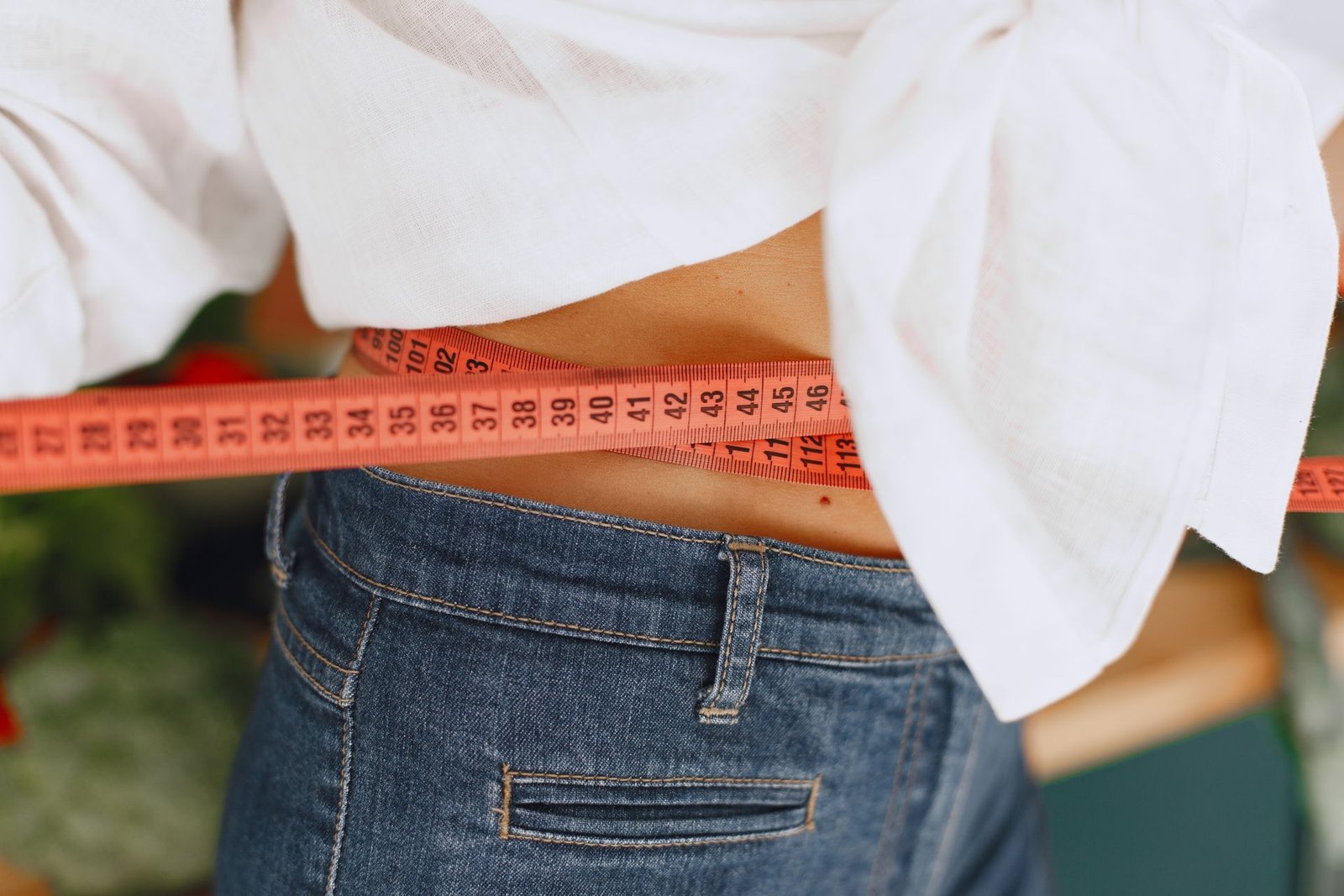
The first thing to understand about a simple Indian fat loss plan is that Indian bodies often do not show fat problems in the same way as Western bodies, because many Indians can look slim in clothes while still carrying too much fat around the belly and around the organs, and doctors call this the thin-fat pattern. This means a person may have a normal-looking weight but still have low muscle, high body fat, and poor blood sugar control, so a simple Indian fat loss plan must focus on waist size, muscle strength, food quality, and daily movement rather than only on the weighing scale. The reason this matters is that fat stored deep inside the abdomen is metabolically active and releases signals that make the body less sensitive to insulin, and when insulin does not work well the body stores even more fat around the waist, so the cycle becomes easier to continue unless the person changes daily habits in a practical way. A good simple Indian fat loss plan therefore begins with a better scoreboard, and the easiest scoreboard is the waist measured at the navel level, because for Indian men a waist above about ninety centimetres and for Indian women a waist above about eighty centimetres is a warning sign that visceral fat may be too high. The plan should also explain that low muscle mass is common in Indian diets because many meals are built around rice or roti with a small amount of dal, and even though dal is healthy it may not provide enough protein to protect muscle during fat loss, so the plan must add protein at every meal without making the person feel deprived. Another important part of a simple Indian fat loss plan is to reduce refined carbohydrates such as white rice, maida, biscuits, and sugary tea, not because carbohydrates are evil but because these foods digest quickly, raise insulin sharply, and leave the person hungry again soon, which makes overeating more likely. A human example makes this clear: Ramesh, a teacher from a small town, weighed sixty-eight kilograms and looked fine, but his waist was ninety-six centimetres and his blood test showed pre-diabetes, so his doctor told him he was not overweight but over-fat, and Ramesh started measuring his waist every Sunday instead of weighing himself daily. Within four months his waist dropped by six centimetres, his blood sugar improved, and he did not need a gym or a foreign diet, because his simple Indian fat loss plan focused on the right target and on small habits he could repeat.
2. Put Protein First in Every Stage of a Simple Indian Fat Loss Plan
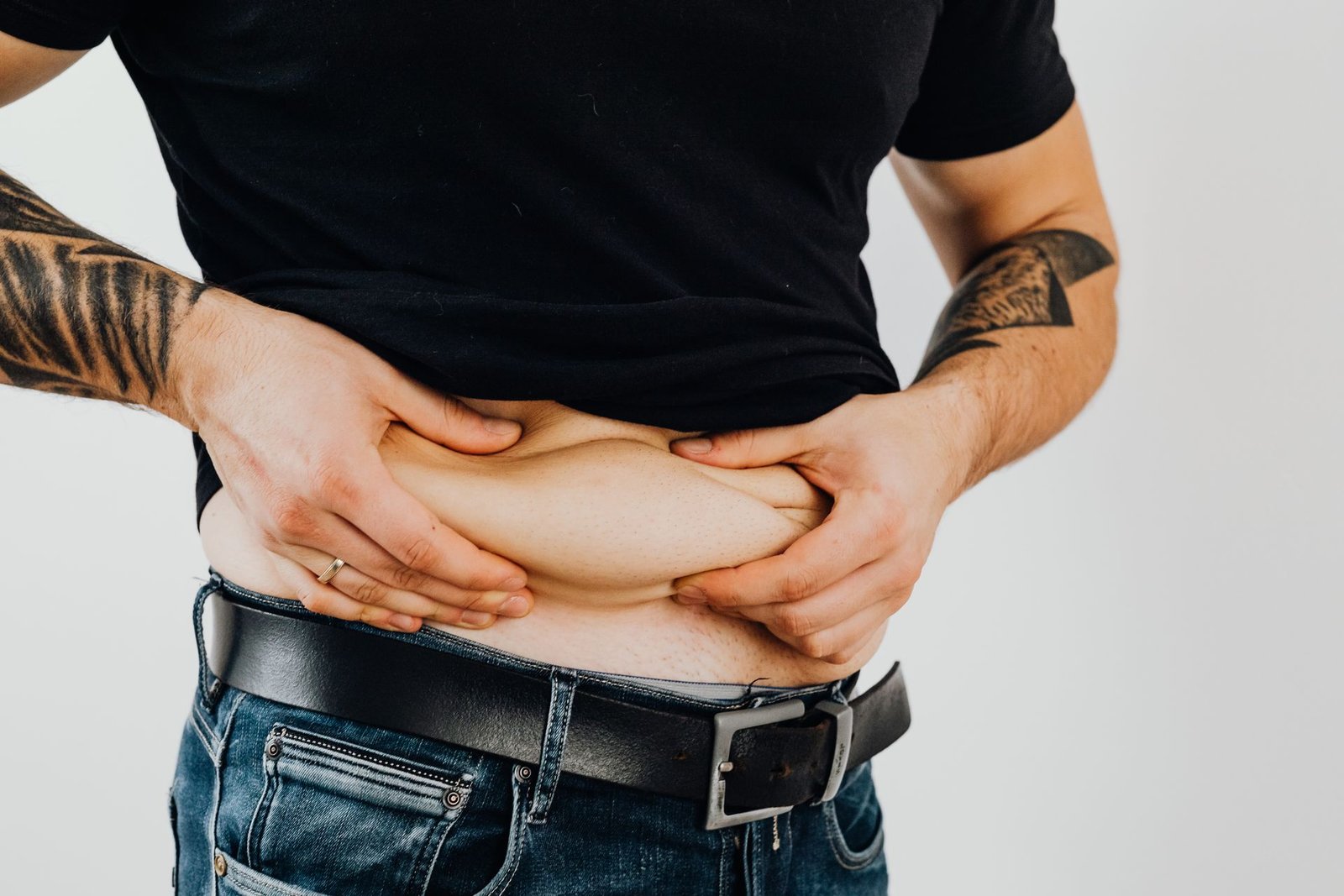
The second point in a simple Indian fat loss plan is to put protein first, because protein is the nutrient that builds and protects muscle, and muscle is the body’s glucose sink, meaning it takes sugar out of the blood and uses it for energy, so more muscle usually means better insulin sensitivity and better fat loss. Many Indians eat only about forty to fifty grams of protein per day, which may prevent deficiency but is often not enough to preserve muscle during fat loss, and the practical target for a simple Indian fat loss plan is about one point two to one point six grams of protein per kilogram of body weight, so a person weighing sixty kilograms should aim for roughly seventy-two to ninety-six grams of protein daily. This sounds difficult, but Indian kitchens already contain strong protein foods such as dal, curd, paneer, soya chunks, eggs, fish, and legumes, and the key is to add one protein source to every meal instead of relying on a large portion at dinner only. For breakfast, a person can add curd to poha, paneer to upma, or two eggs to toast, and a cup of curd gives about eleven grams of protein, while one hundred grams of dry soya chunks gives about fifty-two grams of protein and is one of the cheapest protein sources in India. For lunch, the person can eat a little more dal and add low-fat paneer or soya chunks, and for a snack the person can choose roasted chana or buttermilk instead of biscuits, because biscuits provide very little protein and do not keep hunger away. At dinner, the person can add paneer, tofu, eggs, or fish to vegetables and keep the portion moderate, because the goal is not to eat a huge meal but to make protein the star of the meal. A human example is Meena, a student in Pune, who used to skip breakfast and eat only rice and dal for lunch and dinner, and she felt tired and gained belly fat, but her simple Indian fat loss plan started with two boiled eggs at breakfast and a bowl of curd at lunch, and within six weeks her energy improved and her waist began to shrink. This shows that a simple Indian fat loss plan does not require expensive protein powder, because the best protein is often the protein already available in Indian homes.
3. Use the Half-Plate Fibre Rule Inside a Simple Indian Fat Loss Plan

The third point in a simple Indian fat loss plan is to use the half-plate fibre rule, which means filling half the plate with vegetables or salad before serving rice, roti, or any other carbohydrate, because this one visual habit increases fibre, reduces total calories, slows sugar release into the blood, and keeps the person full for longer without counting every calorie. Fibre is the part of plant food that the body cannot digest, and it helps in three ways: it adds bulk to the meal so the stomach feels full, it slows digestion so blood sugar rises more gently, and it feeds good bacteria in the gut, which supports metabolic health, so a simple Indian fat loss plan should make fibre automatic rather than optional. Most Indian meals are low in fibre because a typical plate of two rotis, a small bowl of dal, and a potato sabzi has very little fibre, but the half-plate rule changes the plate before the person starts eating, and this is why it is such a practical tool for a simple Indian fat loss plan. At lunch, the person can fill half the plate with cucumber, tomato, onion salad, and a cooked vegetable such as lauki, bhindi, or palak, and then serve a smaller portion of roti and dal, while at dinner the person can start with a small bowl of clear vegetable soup or rasam and then eat roti and sabzi. For snacks, the person can keep cut vegetables or fruit ready in the fridge, and when hunger appears between meals the person can eat those first instead of reaching for namkeen or biscuits, because small environmental changes make healthy choices easier. A human example is Arjun, an office worker in Hyderabad, who used to eat a plate of rice with a small amount of dal and no vegetables and then feel hungry within two hours, but his simple Indian fat loss plan started with a bowl of cucumber and tomato before lunch, and after two weeks he stopped feeling hungry in the afternoon and stopped eating biscuits at his desk. This proves that a simple Indian fat loss plan does not ask people to give up favourite foods, because it asks them to add the right foods first, and fibre is cheap, available everywhere in India, and easy to add at every meal.
4. Swap Smart Carbs Through a Simple Indian Fat Loss Plan

The fourth point in a simple Indian fat loss plan is to swap smartly rather than savagely, because the goal is not to remove rice and roti completely but to replace some refined carbohydrates with better carbohydrates, especially millets such as ragi, jowar, bajra, foxtail millet, and kodo millet. Refined carbohydrates digest very quickly and spike insulin, and insulin is a fat-storing hormone, so a simple Indian fat loss plan should reduce white rice, maida, white bread, biscuits, and sugary drinks while keeping whole grains and millets in reasonable portions. Millets have a lower glycemic index than white rice, which means they release sugar more slowly into the blood, and they also provide more fibre and minerals, so they are a local and affordable solution for a simple Indian fat loss plan that does not depend on imported superfoods such as quinoa. The easiest way to begin is to swap one meal a day, and the person can try ragi mudde with sambar, jowar roti with sabzi, bajra khichdi, or foxtail millet upma, while keeping the other meals the same, because one swap is enough to lower the glycemic load of the day and increase fibre without making the person feel punished. For breakfast, the person can choose ragi dosa or millet porridge instead of white bread or maida paratha, for lunch the person can choose foxtail millet pulao or jowar roti instead of white rice, and for dinner the person can choose bajra khichdi with vegetables instead of a large portion of rice. A human example is Savita, a mother of two in Jaipur, who was told to stop eating rice because her blood sugar was borderline, and she felt miserable, but her simple Indian fat loss plan did not ask her to stop rice completely and instead asked her to swap lunch rice for jowar roti three days a week, and within three months her fasting sugar improved and her waist reduced by four centimetres. This shows that a simple Indian fat loss plan is about progress and not perfection, because one smart swap a day is enough to start and is much easier to sustain than a strict no-carb rule.
5. Walk After Meals as the Easiest Habit in a Simple Indian Fat Loss Plan
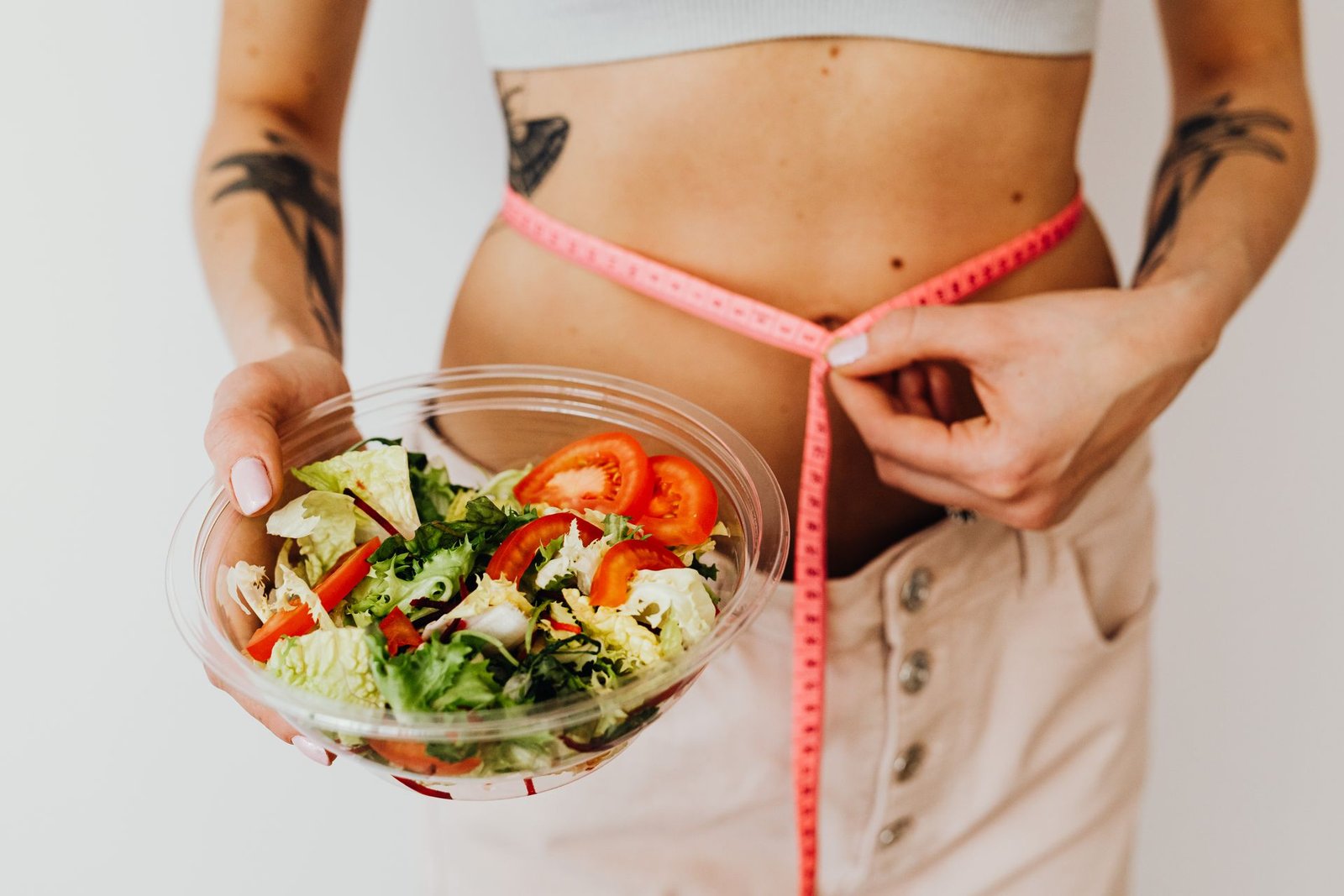
The fifth point in a simple Indian fat loss plan is to walk for ten minutes after the largest meal of the day, because this simple habit helps muscles absorb sugar from the blood, lowers the post-meal blood sugar spike, reduces the amount of insulin the body needs to release, and therefore reduces fat storage, especially around the belly. When a person eats and then sits or lies down, blood sugar rises and the body must release a large amount of insulin to bring it down, but when the person walks gently after eating, the muscles use some of that sugar for energy directly and the body needs less insulin, so a simple Indian fat loss plan should treat the post-meal walk as a free and powerful tool. The walk does not need special shoes, a gym, or a full hour, because ten minutes is enough to make a measurable difference, and it also helps digestion and reduces the sleepy feeling that many people get after a heavy lunch, which makes the habit easier to repeat. After lunch, the person can walk around the office corridor, the building, or the street for ten minutes without scrolling on the phone, and after dinner the person can walk with a family member, which also helps with stress and sleep. If it is raining or too hot, the person can walk inside the house from one room to another or march in place while watching television, because the goal is movement and not distance, and this flexibility is what makes the habit realistic within a simple Indian fat loss plan. A human example is Prakash, a bank manager in Nagpur, who used to finish dinner and sit on the sofa to watch television, but his simple Indian fat loss plan started with one rule: after dinner he and his wife walked to the end of their street and back, and it took twelve minutes, and after one month his waist went down by three centimetres even though they had not changed their food yet. This shows that a simple Indian fat loss plan does not need to be complicated, because a ten-minute walk is free, easy, and powerful, and it can become a daily ritual that changes health without feeling like exercise.
6. Build Muscle at Home With a Simple Indian Fat Loss Plan
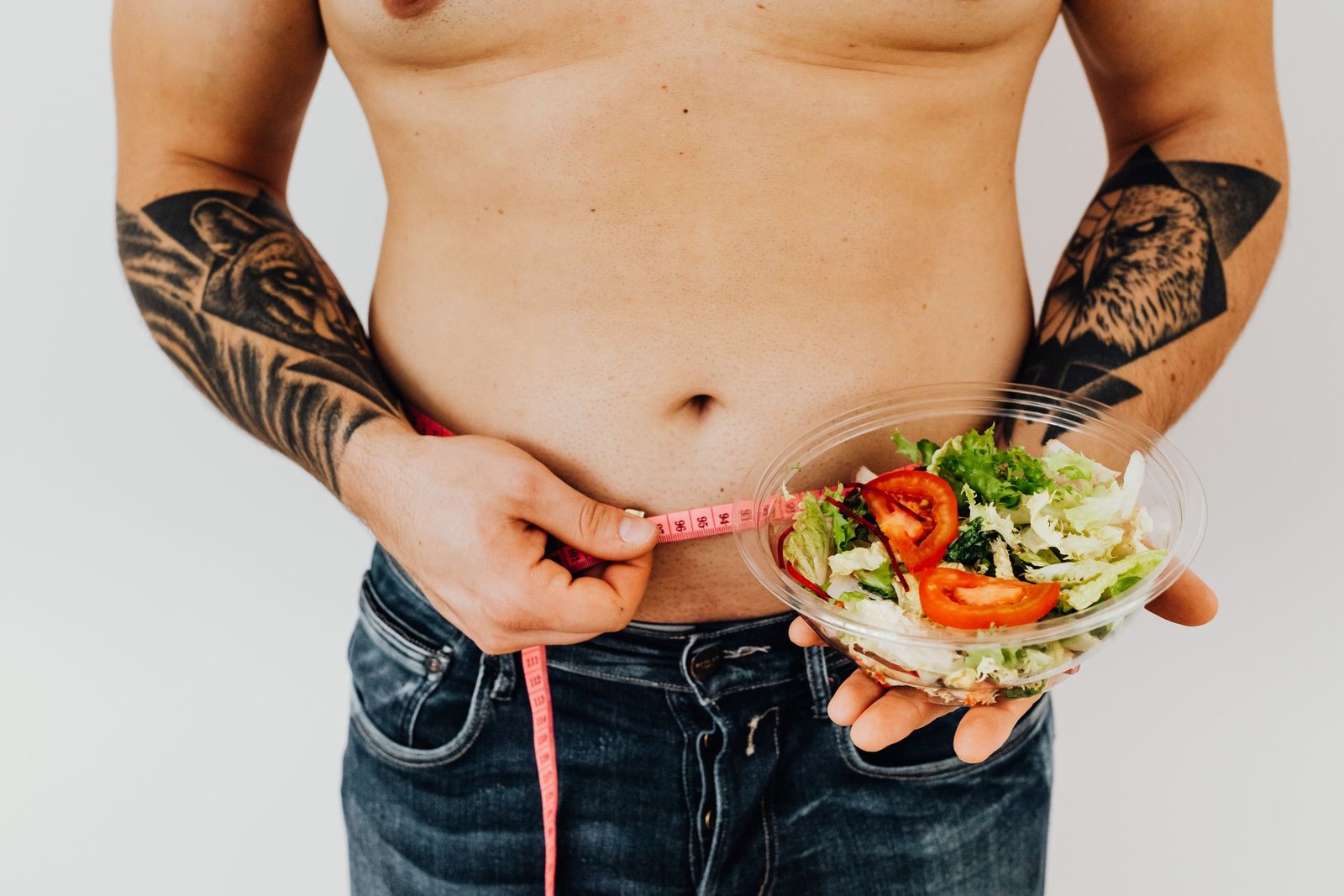
The sixth point in a simple Indian fat loss plan is to build muscle at home, because many people think fat loss is only about cardio such as walking, running, or cycling, but the most important exercise for long-term fat loss is strength training, and muscle is metabolically active tissue that burns calories even at rest and stores sugar from the blood. When a person loses weight without strength training, a significant portion of that weight can be muscle, and losing muscle slows metabolism and worsens insulin resistance, so a simple Indian fat loss plan must include muscle-building activity even if the person never goes to a gym. The person does not need expensive equipment or a personal trainer, because bodyweight exercises can be done at home three days a week for about twenty minutes, and the beginner plan can include squats, push-ups on knees if needed, plank holds, lunges, towel rows, and glute bridges, with three sets of eight to twelve repetitions for each exercise. The goal is consistency and not intensity, because even ten minutes is better than zero, and as the person gets stronger the person can add resistance with a backpack filled with books, resistance bands, or light dumbbells. A simple Indian fat loss plan should treat strength training as a non-negotiable habit like brushing teeth, because muscle is the long-term friend of fat loss and protects the body from regaining fat after weight loss. A human example is Kavita, a teacher in Indore, who was afraid of becoming bulky from weights, but her simple Indian fat loss plan started with squats and wall push-ups at home, and after eight weeks her clothes fit better, her energy improved, and she lost four centimetres from her waist even though she did not use heavy weights. This shows that a simple Indian fat loss plan builds strength and confidence, because the person does not need to become a bodybuilder to benefit from muscle, and small home sessions repeated consistently can create a healthier body.
7. Protect Sleep Inside a Simple Indian Fat Loss Plan

The seventh point in a simple Indian fat loss plan is to protect sleep, because sleep is not a luxury but a metabolic need, and when a person sleeps less than six to seven hours the body produces more ghrelin, the hunger hormone, and less leptin, the fullness hormone, so the person feels hungrier, craves high-calorie foods, and becomes less sensitive to insulin. Poor sleep also increases cortisol, the stress hormone that tells the body to store fat around the belly and break down muscle, so a simple Indian fat loss plan must include a sleep strategy even though sleep is free and often ignored. India is one of the most sleep-deprived countries in the world because of late nights, early mornings, screens, and stress, but a simple Indian fat loss plan can improve sleep with small changes such as setting a screens-off alarm thirty minutes before bed, keeping the phone outside the bedroom or on silent away from the bed, and finishing dinner at least two to three hours before sleep. The person should aim for seven to eight hours of quality sleep and keep a regular sleep schedule even on weekends, because a well-rested body makes better food choices, has more energy for workouts, and burns fat more efficiently. A human example is Sameer, an IT professional in Bengaluru, who used to sleep at two in the morning and wake at seven, and he was always tired and always hungry, but his simple Indian fat loss plan did not start with food and started with sleep, and he set an alarm for eleven at night to put his phone away, and within two weeks his cravings reduced and his energy improved. This shows that a simple Indian fat loss plan works best when the person is well-rested, because sleep is the foundation that makes nutrition and exercise easier to follow.
8. Manage Stress and Food Noise Through a Simple Indian Fat Loss Plan
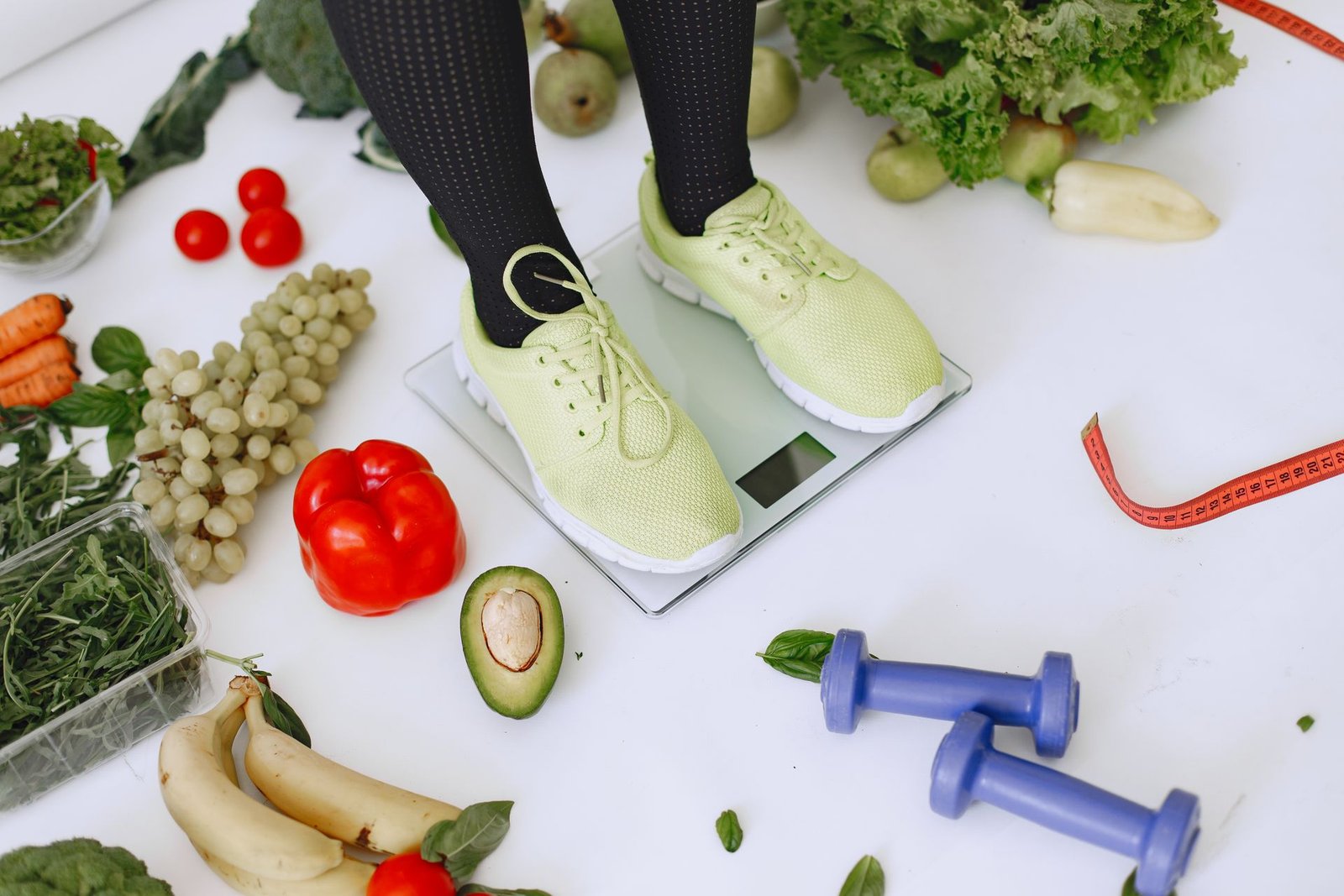
The eighth point in a simple Indian fat loss plan is to manage stress and food noise, because fat loss is not only physical and many people eat not because they are hungry but because they are stressed, bored, or anxious, and in recent years people also talk about food noise, which is the constant mental chatter about food that can sabotage even a good plan. Chronic stress raises cortisol, which increases belly fat storage and leads to emotional eating, so a simple Indian fat loss plan should include small stress-management habits such as a ten-minute walk, five minutes of slow deep breathing, or sitting quietly without a phone, because these habits lower stress without requiring an hour of meditation. The person should also eat enough protein and fibre, because when the body is truly nourished the primal drive to seek food diminishes, and extreme restriction increases food noise while a balanced simple Indian fat loss plan reduces it. Before eating, the person can ask whether the feeling is hunger, stress, boredom, or tiredness, and if it is not hunger the person can do something else for ten minutes such as walking, drinking water, or calling a friend, and the person can also eat without screens and chew slowly so that fullness signals are easier to notice. The person should not keep trigger foods visible, because if biscuits or namkeen are on the counter the person will eat them, so keeping them out of sight supports the plan. A human example is Anjali, a marketing professional in Mumbai, who used to eat sweets every evening when she felt overwhelmed by work, but her simple Indian fat loss plan included a ten-minute rule, and when the urge came she walked to the window and took ten slow breaths, and most of the time the urge passed because she realised she was tired and not hungry. This shows that a simple Indian fat loss plan cares for the mind as much as the body, because calm eating is healthy eating and stress management is part of fat loss.
9. Use GLP-1 Drugs Carefully Within a Simple Indian Fat Loss Plan
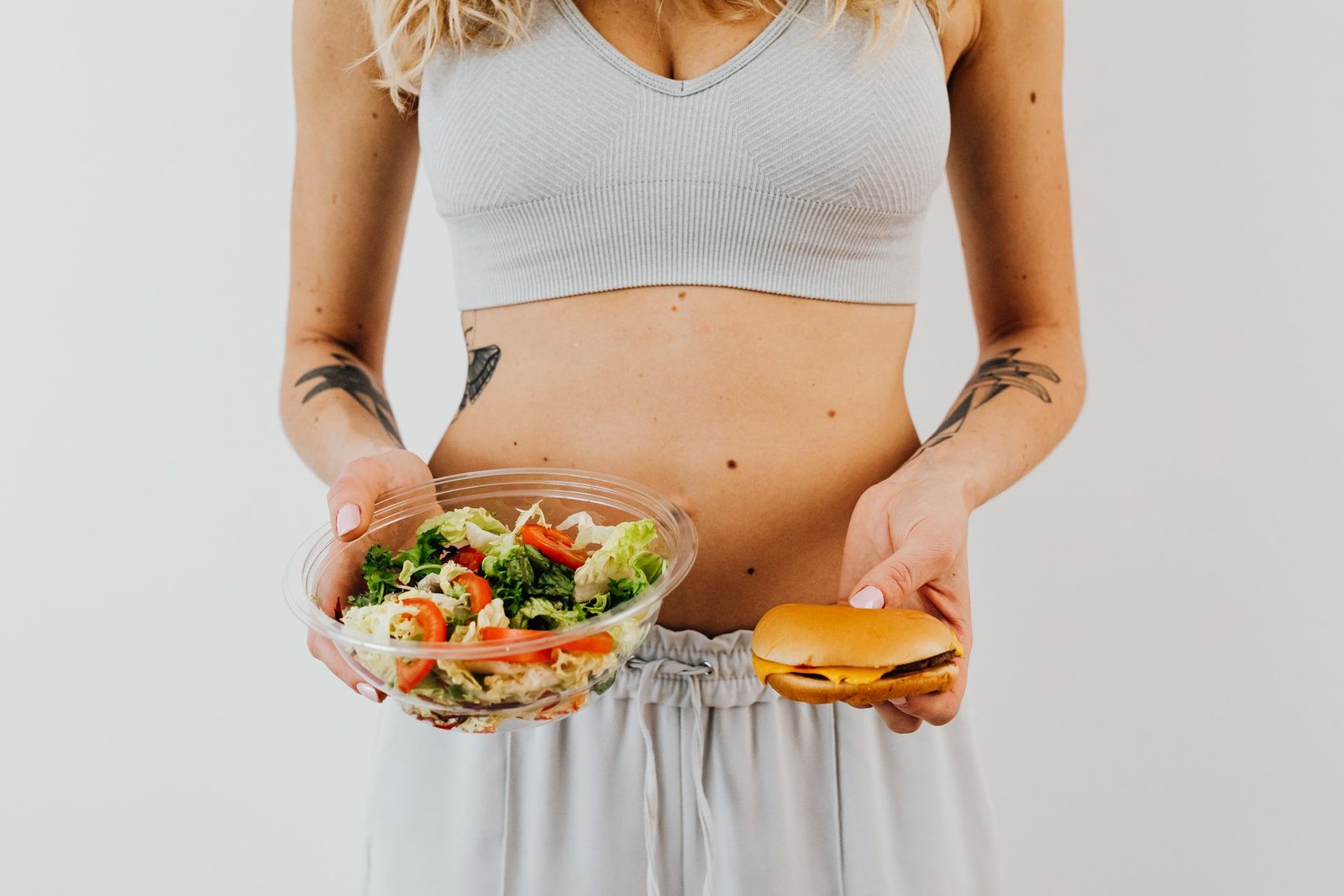
The ninth point in a simple Indian fat loss plan is to be careful with GLP-1 drugs such as Ozempic and Mounjaro, because these medicines can be genuinely helpful for people with severe obesity and related health conditions, and they reduce food noise and help people eat less, but they are not a complete plan on their own and they work best as a tool under medical supervision. Some people lose a lot of weight on GLP-1 drugs, but when they stop the weight often comes back, and one Bengaluru professional who used Mounjaro with his wife said their eating went down drastically but they felt low on energy and mood and had nausea, and after they stopped his wife gained back four kilograms, so a simple Indian fat loss plan must use medication as a bridge and not as a destination. Another user lost thirty kilograms but warned that the drug is not a quick fix and must be used under strict medical guidance, which means the person should talk to a doctor, should not buy these drugs online, and should not use them without supervision, because safety and follow-up matter. The basics of a simple Indian fat loss plan remain protein, fibre, post-meal walking, home strength training, sleep, and stress management, and these habits are what keep weight off after the drug is stopped, because they change daily life and not just appetite. A human example is Dr. Ria Ankola, wife of cricketer Salil Ankola, who shared that her husband’s fifteen-kilogram weight loss at age fifty-eight was built on working out, sleeping well, and eating right, with no magic injection and no crash diet, and that is the heart of a simple Indian fat loss plan. This shows that medicine can help some people start, but the long-term answer is still consistent daily habits, because a drug without a plan is temporary and a plan with small habits is sustainable.
10. Track Your Waist and Keep Going With a Simple Indian Fat Loss Plan
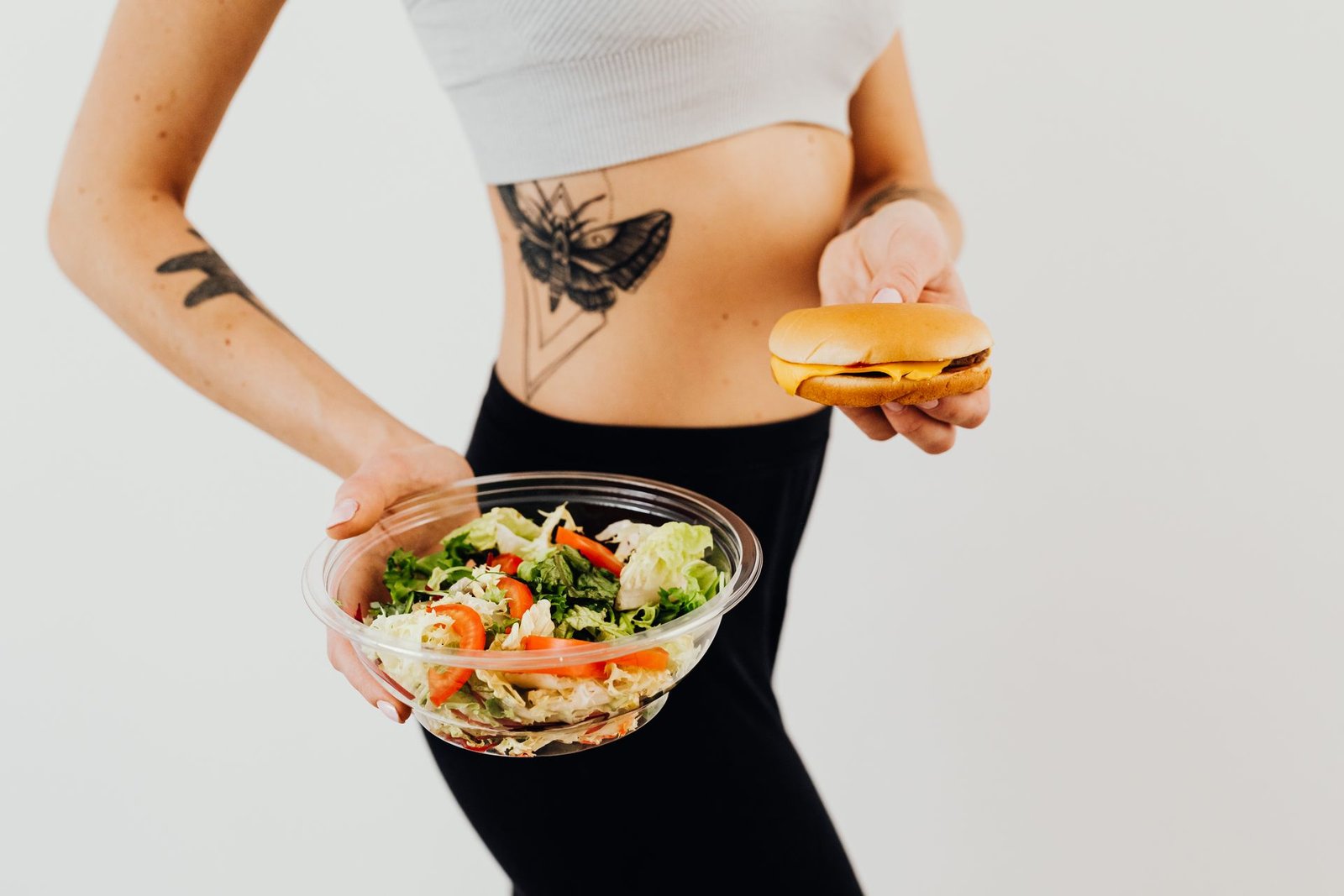
The tenth point in a simple Indian fat loss plan is to track the waist and not the weight, because the weighing scale tells total body weight but cannot tell whether that weight is fat or muscle, and a person can lose muscle and gain fat with no change on the scale while health gets worse, so a simple Indian fat loss plan should use better measurements such as waist circumference, how clothes fit, energy levels, and blood markers. The person should measure the waist once a week at the same time and in the same place, write it down, take a before photo, and notice how clothes feel, because these are the signs that real fat loss is happening, while the scale can fluctuate by one or two kilograms in a single day because of water, salt, and food. The person should measure the waist at the navel level without pulling the tape too tight, take a photo every two weeks in the same clothing and lighting, and notice non-scale victories such as better sleep, more energy, less bloating, and clothes fitting better, because these signs keep motivation alive when the scale is stubborn. A simple Indian fat loss plan is not about a number on a machine but about building a healthier body one small habit at a time, so the person should trust the process and keep going even when progress feels slow. A human example is Ramesh, the teacher from the first section, who stopped weighing himself daily and measured his waist every Sunday, and when his waist dropped from ninety-six centimetres to ninety centimetres over four months he knew he was winning even on weeks when the scale did not move, because the tape measure made him feel in control. This shows that a simple Indian fat loss plan should track what matters, because the waist tells the truth about visceral fat and health, and consistent small habits are the real secret to long-term success.
Conclusion:

Fat loss in 2026 does not need to be confusing, and this guide shows why a simple Indian fat loss plan is the most honest and practical way forward. The main lesson is that Indian bodies often store fat differently, so looking slim is not the same as being healthy. Waist size, muscle strength, food quality, sleep, and daily movement matter more than a number on the weighing scale. A simple Indian fat loss plan begins with the right scoreboard: measure your waist at the navel, take a before photo, and notice how your clothes fit. Then add protein to every meal using dal, curd, paneer, soya chunks, eggs, or fish. Fill half your plate with vegetables or salad before rice and roti. Swap one refined-carb meal a day for millets like ragi, jowar, or bajra. Walk for ten minutes after your largest meal. Do simple bodyweight strength training at home three days a week. Protect seven to eight hours of sleep. Manage stress with small habits like deep breathing and screen-free eating. Be careful with GLP-1 drugs, because medicine can help some people but cannot replace daily habits. Track your waist weekly, not your weight daily. The human stories in this guide show that real change is possible without a gym, without a foreign diet, and without a magic injection. Ramesh improved his blood sugar by measuring his waist. Meena gained energy by adding eggs and curd. Savita improved her sugar by swapping lunch rice for jowar roti. These are ordinary people using ordinary Indian foods and small daily habits. That is the power of a simple Indian fat loss plan. It does not ask you to be perfect. It asks you to be consistent. It does not ask you to give up rice forever. It asks you to make one smart swap. It does not ask you to spend a lot of money. It asks you to use what is already in your kitchen and your neighbourhood. The final message is simple: stop shrinking to fit and start building to last. Fat loss is not a quick race. It is a daily practice. A simple Indian fat loss plan works because it respects Indian food, Indian bodies, Indian budgets, and Indian daily life. Start with one step today. Measure your waist. Add one protein source. Walk after dinner. Sleep on time. Keep going even when progress feels slow. Small habits repeated daily are stronger than big plans abandoned in a week. This guide is for education, so talk to a doctor if you have health conditions. But do not wait for the perfect plan. Start your simple Indian fat loss plan today and build a healthier body one small habit at a time.
FAQ: 10 Questions and Answers
What is a simple Indian fat loss plan?

A simple Indian fat loss plan is a practical way to lose fat using everyday Indian foods and small daily habits. It focuses on protein, fibre, smart carbs, walking, home strength training, sleep, and stress control. It does not require expensive gyms, foreign foods, or crash diets. It also tracks waist size instead of only weight, because waist fat is more dangerous for Indians.
Why is waist size more important than weight for Indians?

Many Indians look slim but still carry hidden fat around the belly and organs. This is called the thin-fat pattern. A normal weight can still come with high body fat and poor blood sugar. Waist size shows this hidden risk better. For Indian men, a waist above 90 cm is a warning. For Indian women, a waist above 80 cm is a warning. So measure your waist weekly and focus on reducing it.
How much protein do I need for fat loss?

Aim for about 1.2 to 1.6 grams of protein per kilogram of body weight. If you weigh 60 kg, that is about 72 to 96 grams per day. Use Indian foods like dal, curd, paneer, soya chunks, eggs, and fish. Add one protein source to every meal. This helps protect muscle, keeps you full, and supports fat loss without making you weak.
Can I eat rice and roti while losing fat?

Yes, you can eat rice and roti. The problem is not rice itself but refined carbs and large portions. Use the half-plate rule: fill half your plate with vegetables or salad first. Then eat a smaller portion of rice or roti. Also swap one meal a day to millets like ragi, jowar, or bajra. This lowers blood sugar spikes and increases fibre without making you feel deprived.
Do I need a gym for strength training?
No, you do not need a gym. You can start at home with bodyweight exercises like squats, push-ups on knees, lunges, plank holds, and glute bridges. Do three sessions a week for about 20 minutes. As you get stronger, add resistance with a backpack of books or resistance bands. Consistency matters more than heavy weights. Even 10 minutes is better than zero.
Why should I walk after meals?

Walking for 10 minutes after your largest meal helps your muscles use sugar from the blood. This lowers the blood sugar spike and reduces the amount of insulin your body needs. Lower insulin means less fat storage, especially around the belly. It also helps digestion and reduces the sleepy feeling after eating. Walk after lunch or dinner, even inside the house if needed.
How does sleep affect fat loss?

Poor sleep increases hunger hormones and reduces fullness hormones. It also raises cortisol, a stress hormone that stores belly fat and breaks down muscle. Aim for 7 to 8 hours of sleep. Keep a regular sleep schedule. Put your phone away 30 minutes before bed. Finish dinner two to three hours before sleeping. Good sleep makes food choices easier and gives you energy for movement.
Are GLP-1 drugs like Ozempic and Mounjaro safe for fat loss?

These drugs can help people with severe obesity and related health conditions, but they are not a complete plan. They reduce food noise and appetite, but weight often returns when you stop. They can also cause nausea and muscle loss. Use them only with a doctor’s guidance. Do not buy them online. A simple Indian fat loss plan with protein, fibre, walking, strength training, and sleep is still the foundation.
How do I manage stress and food noise?

Before eating, ask yourself: am I hungry, stressed, bored, or tired? If you are not hungry, do something else for 10 minutes, like walking, drinking water, or taking slow deep breaths. Eat without screens and chew slowly. Keep trigger foods out of sight. Eat enough protein and fibre so your body feels nourished. Extreme restriction increases food noise, while a balanced plan reduces it.
How often should I check my progress?
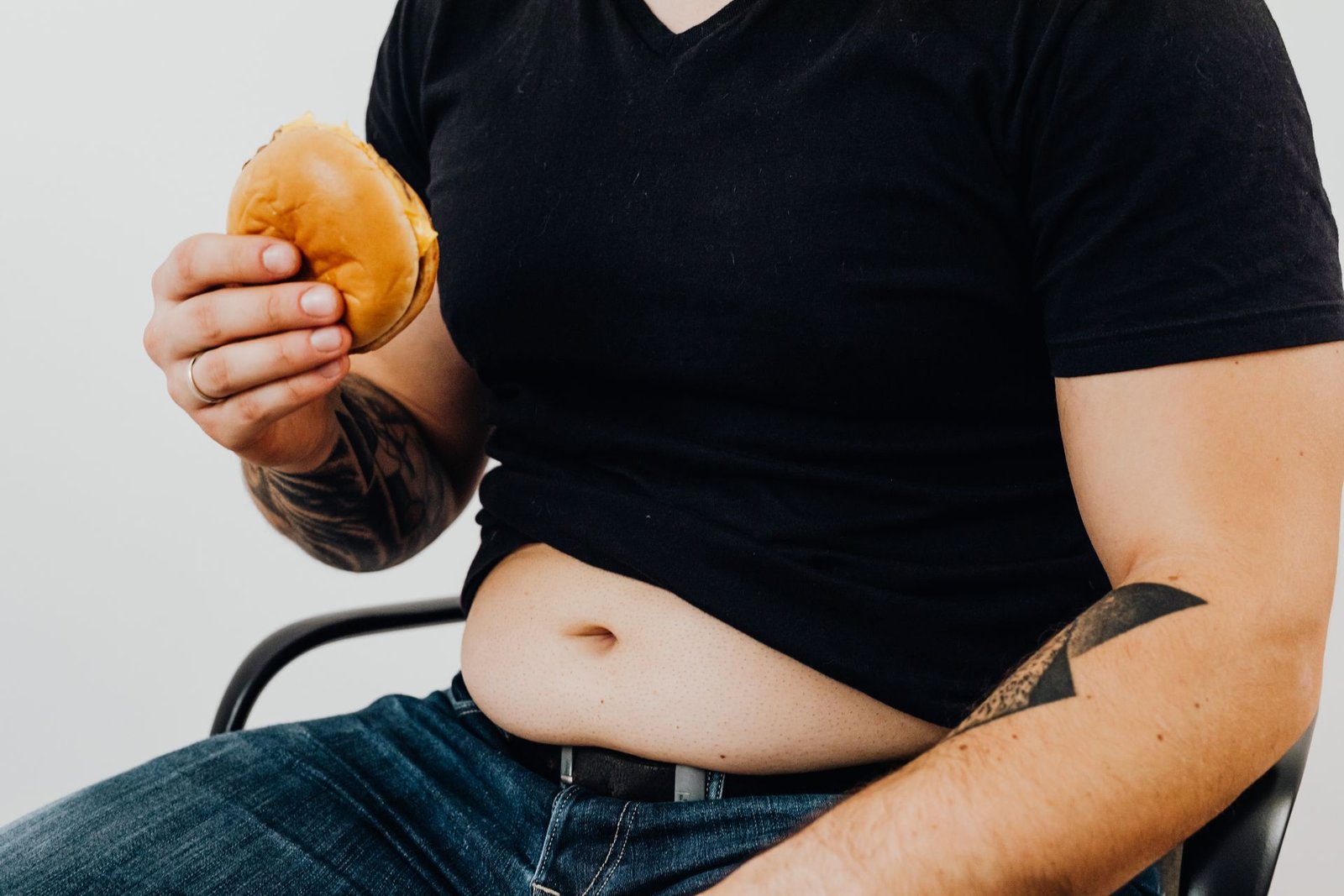
Measure your waist once a week at the same time and place. Take a photo every two weeks in the same clothing and lighting. Do not weigh yourself daily, because weight changes with water, salt, and food. Notice non-scale victories like better sleep, more energy, less bloating, and clothes fitting better. Track what matters and keep going even when progress feels slow.