
Description:

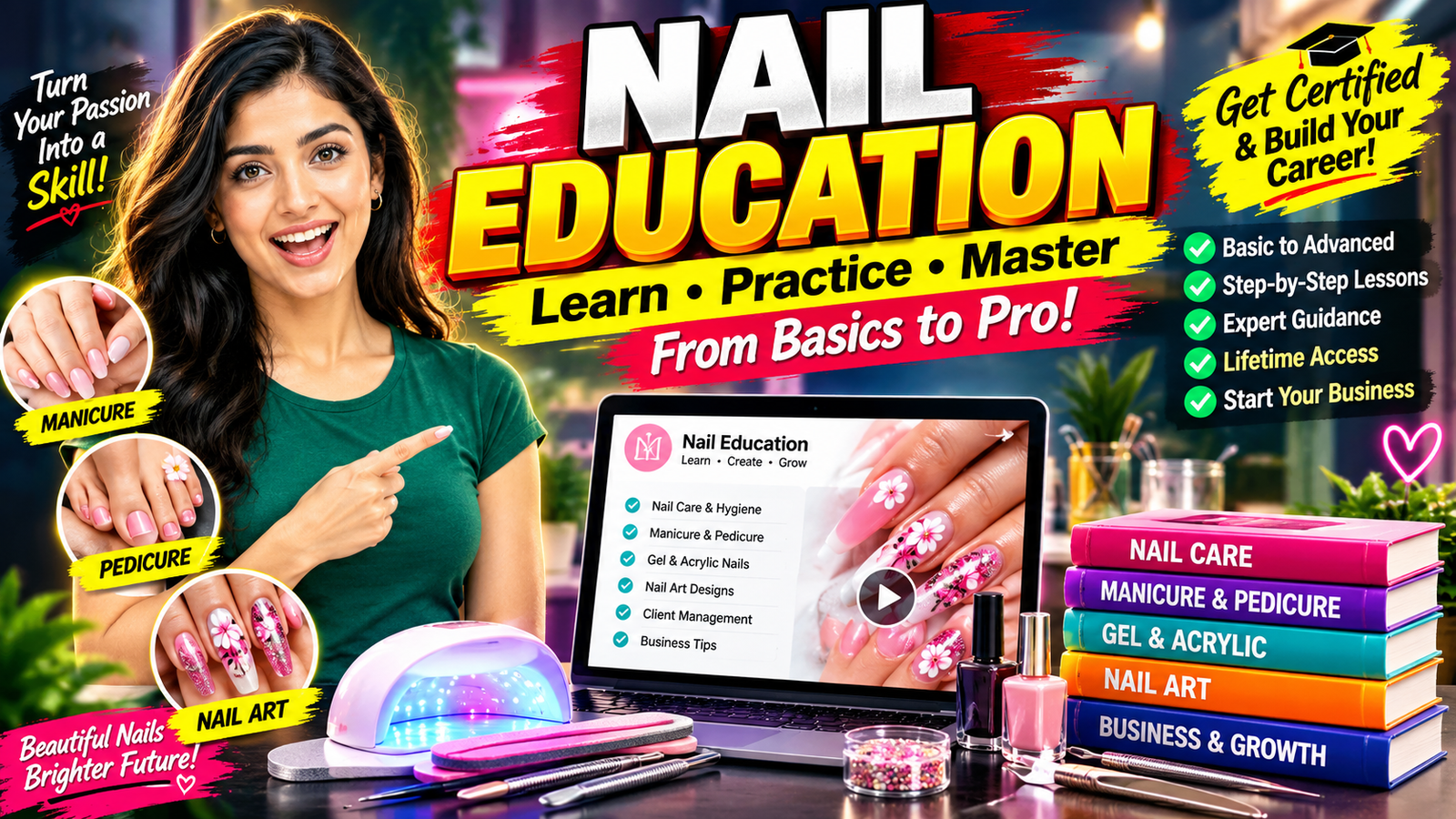
Nail education 2026 represents a transformative opportunity for anyone who wants to turn a passion for nails into a serious, sustainable, and respected career in India. This comprehensive guide has been written to help school students, college graduates, homemakers, working professionals, and anyone else who has ever been curious about the nail industry understand exactly what nail education 2026 involves and why it matters more now than ever before. The description of this guide begins with the core truth that nail education 2026 is not merely about learning designs or copying tutorials from social media; it is about structured, professional training that teaches nail anatomy, hygiene protocols, nail art techniques, extension methods, client communication, and the business skills required to succeed. The second important aspect is that this guide has been deliberately written in simple, accessible English so that readers from every educational background can understand and apply its lessons without feeling overwhelmed by technical jargon. The third point is that the Indian nail market is growing rapidly, with the India nail salon market expected to add more than USD 120 million between 2026 and 2031, the Indian nail care market projected to more than double over the next decade, and the global nail salon market expected to reach USD 19.34 billion by 2030, growing at 8.3% annually. The fourth point is that this growth creates real, practical opportunities for trained professionals, and formal nail education 2026 is the key that unlocks those opportunities. The fifth point is that the guide covers actual course options and real fees, from Delhi University’s one-month certification course for ₹3,000 to private academies charging ₹25,000 to ₹30,000, ensuring that readers understand the full range of choices available to them. The sixth point is that the guide explains the core skills taught in quality nail education 2026 programmes, including nail anatomy, hygiene and safety, basic and advanced nail art, gel and acrylic extensions, client consultation, and business fundamentals. The seventh point is that readers learn about the diverse career paths available after completing nail education 2026, including salon employment, freelancing, studio ownership, teaching, content creation, and product specialisation, each with realistic income expectations. The eighth point is that the guide provides a simple step-by-step starter plan that takes readers from complete beginner to certified professional, with clear actions to take at every stage. The ninth point is that the guide includes real Indian success stories, such as Yashi from Bhopal who started with seven colours and served over six hundred clients in two years, Radhika Soni who employs nineteen nail artists across four Delhi studios, and Ameesha from Delhi who pursued formal training to overcome the credential barrier. The tenth point is that the guide covers current and emerging nail trends, including chrome and pearl finishes, jelly and aura nails, minimalist micro French designs, and three-dimensional charms, so readers understand what clients will actually request and pay premium prices for in 2026. This description would be incomplete without mentioning that the guide also addresses the business side of nail education 2026, covering costs of setting up, licensing requirements, pricing strategies, marketing techniques, and client management, because technical skill alone does not guarantee financial success. The final and most important point is that this guide is designed to be actionable, meaning every reader finishes with a clear understanding of what their next step should be, whether that is researching courses, visiting institutes, practising basic techniques, or simply sharing this information with someone who needs it. Nail education 2026 is not a distant dream; it is an accessible, affordable, and realistic pathway to independence and income, and this guide exists to help you walk that path with confidence.
1.What Nail Education 2026 Genuinely Means and Why It Has Become Essential

Nail education 2026 represents a fundamental shift in how the nail profession is perceived and practised across India. It refers to structured, professional training programmes that teach nail care, nail art, nail technology, and the business skills required to succeed in this growing industry. Unlike informal learning through social media tutorials or occasional practice on friends, nail education 2026 provides a comprehensive curriculum that covers everything from the anatomy of the natural nail to advanced extension techniques, from hygiene protocols to client consultation, and from pricing strategies to salon management. The first point to understand is that this form of education transforms a creative hobby into a legitimate profession. The second point is that it establishes credibility, because when a client or employer asks where you trained, you can present a recognised certificate rather than a vague explanation. The third point is that nail education 2026 teaches safety and hygiene as non-negotiable foundations, which protects both you and your clients from infections and damage. The fourth point is that it introduces you to the science behind nail products, helping you choose the right materials for each client and avoid harmful chemicals. The fifth point is that structured training accelerates your learning curve dramatically, because a qualified instructor corrects your mistakes in real time rather than allowing you to develop bad habits. The sixth point is that nail education 2026 includes client communication skills, teaching you how to understand what a client wants, manage expectations, and provide aftercare advice that builds loyalty. The seventh point is that it covers the business aspects of the profession, including pricing, appointment management, and marketing, which are often overlooked by self-taught artists. The eighth point is that formal education opens doors to employment in reputable salons that prioritise trained professionals over untrained talent. The ninth point is that it gives you the confidence to charge fair prices for your services, because you can justify your rates with certified expertise. The tenth point is that nail education 2026 is becoming increasingly accessible, with universities like Delhi University offering certification courses for as little as ₹3,000, making it possible for students from all backgrounds to enter the profession. The story of Ameesha from Delhi illustrates this perfectly. She learned nail art from YouTube and earned pocket money doing nails for friends, but salons consistently asked about her training. When she enrolled in Delhi University’s course, she gained not just another design skill but the professional recognition to approach employers on equal footing. This is the transformative power of nail education 2026. It does not replace creativity; it refines it, validates it, and gives it a professional framework that the market respects and rewards.
2. The Indian Nail Market in 2026: A Low-Competition Opportunity with High Potential

Understanding the market landscape is the second critical aspect of your nail education 2026 journey, because you need to know that the opportunity you are investing in is real and growing. The first point is that the India nail salon market is expected to add more than USD 120 million between 2026 and 2031, which demonstrates sustained growth rather than a temporary trend. The second point is that the broader Indian nail care market was already valued at over ₹6,600 crore and is projected to more than double over the next decade, indicating that demand is expanding across all segments. The third point is that the global nail salon market is expected to reach USD 19.34 billion by 2030, growing at 8.3% annually, and India is explicitly listed among the countries driving this growth. The fourth point is that the overall Indian salon industry is expected to reach ₹2.14 lakh crore by 2033, with nail art playing an increasingly significant role in that expansion. The fifth point, and perhaps the most important for aspiring bloggers and content creators, is that this represents a low-competition opportunity in terms of search visibility. Most people searching for nail-related content are looking for design inspiration, not education. They search for pictures of chrome nails or jelly nails, not for information about courses and certifications. Very few bloggers are creating comprehensive content around nail education 2026, which means if you create helpful, detailed resources on this topic, you are answering questions that thousands of aspiring professionals are asking but very few are addressing well. The sixth point is that rising incomes and changing lifestyles have made personal grooming a standard part of Indian life rather than a luxury, creating consistent demand for nail services across demographics. The seventh point is that social media platforms like Instagram and YouTube have made nail art highly visible, and Generation Z views nails as a form of self-expression, describing them as a miniature canvas that reflects mood, style, and identity. The eighth point is that new business models, including express nail bars like Nailinit Express in Mumbai that deliver salon-quality nails in under fifteen minutes and home-service platforms that bring manicures to the doorstep, are making services more accessible and creating new employment opportunities. The ninth point is that growth is no longer limited to metropolitan cities; franchise models and salon chains are expanding across Tier 1 and Tier 2 cities, creating demand for trained professionals in smaller towns and cities. The tenth point is that consumers are becoming more informed and demanding, seeking non-toxic, vegan, and breathable formulations, and international brands like Bio Sculpture have entered India with ethical, cruelty-free product lines. This shift toward professionalism benefits individuals with formal nail education 2026, because clients who understand quality are willing to pay more for technicians who can deliver it. When you combine market growth, low content competition, and rising consumer expectations, the case for investing in nail education 2026 becomes not just reasonable but compelling.
3. Navigating Nail Education 2026 Course Options and Understanding Real Fees

The third essential aspect of your nail education 2026 planning involves understanding the actual course options available in India and the realistic fees you should expect to pay. The first point is that Delhi University’s Campus of Open Learning introduced a one-month nail art certification course for ₹3,000 in 2026, which represents the most significant development in Indian nail education 2026 because it brings university-level recognition to a skill-based profession at an extremely accessible price point. The second point is that this Delhi University course is conducted offline over thirty days, requires only that you have passed Class X in any stream, and covers nail anatomy and health, basic designs, gel and acrylic extensions, advanced effects, gel polish applications, removals, and refills. The third point is that the course includes practical assessments, a written test, and a viva, ensuring that graduates emerge with verified competence rather than just a participation certificate. The fourth point is that Charan’s International Institute of Fashion Technology in Bangalore offers a three-month certification course for ₹30,000, providing deeper training and more practice time for those who want comprehensive preparation. The fifth point is that Nail Rituals in Delhi offers courses starting at ₹25,000 per programme with kits included, and their curriculum spans Foundation Nail Technician Certification through to Master Diploma levels. The sixth point is that YMCA Institute in New Delhi provides a one-month nail art certification for ₹15,000, offering another mid-range option for budget-conscious learners. The seventh point is that online platforms like Airblack offer live, interactive classes that serve students in smaller towns who cannot travel to major cities, though for beginners, hands-on practice with a trainer present remains the superior learning method. The eighth point is that Bluesky Nail Academy, founded in Mumbai in 2018, has trained over nine hundred students through online and offline courses and operates branches in Mumbai, Gurgaon, Chennai, Hyderabad, and Surat, demonstrating the scalability of quality nail education 2026. The ninth point is that when selecting a course, you must ask about practical hours, because a course that is predominantly theoretical will not make you job-ready regardless of its certification. The tenth point is that you should ask about batch sizes and speak with former students, because smaller batches mean more individual attention and former students provide the most honest assessment of a programme’s value. The Beauty and Wellness Sector Skill Council has defined standards for nail technician roles, and government-certified courses add credibility when you apply for jobs. The key insight about nail education 2026 fees is that a ₹3,000 university course can provide the same foundational skills as a ₹30,000 private course if you practise seriously and consistently. The fee does not determine your success; the quality of teaching and the hours you invest in practice determine it.
4. The Core Skills You Will Master Through Nail Education 2026
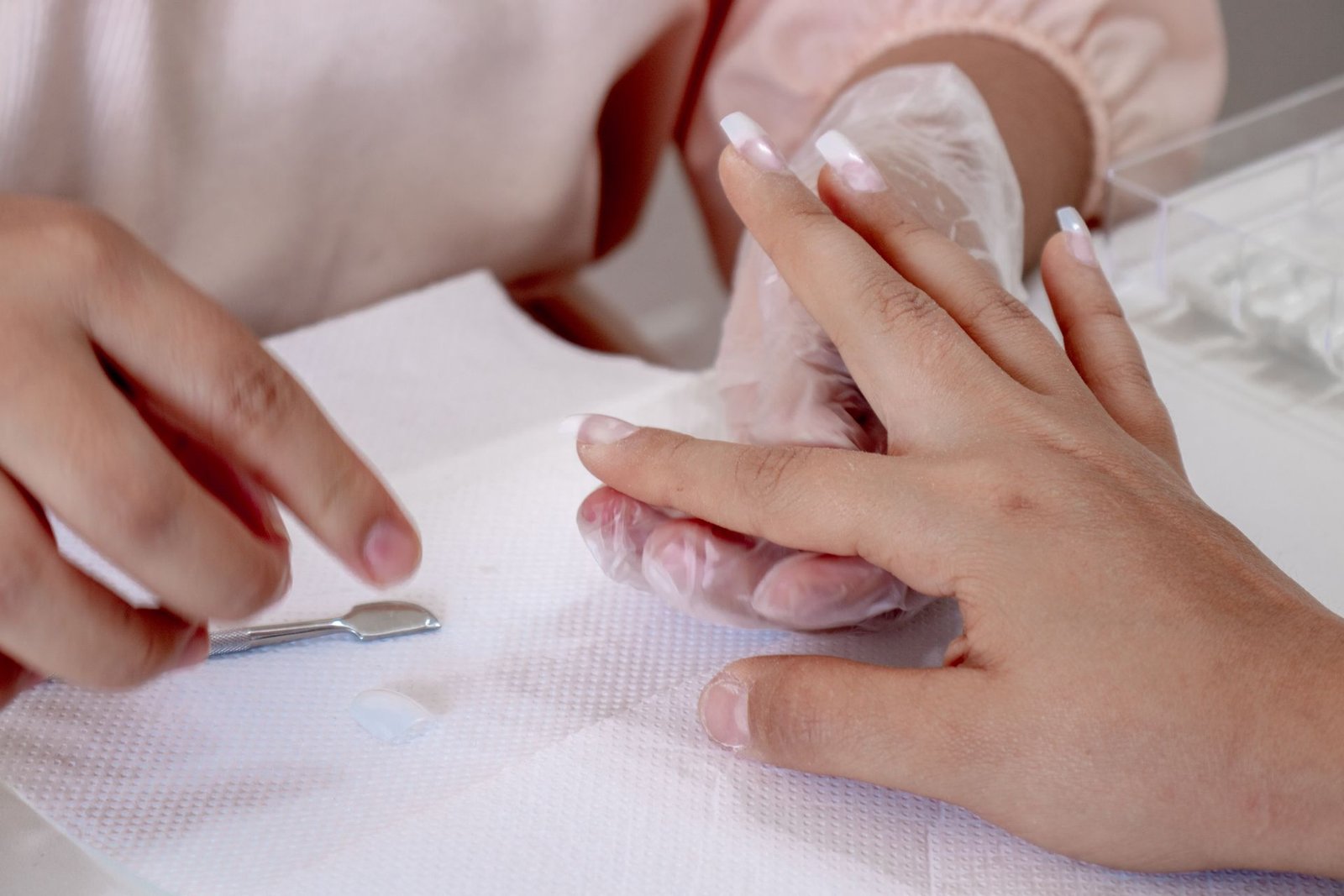
The fourth crucial dimension of nail education 2026 involves understanding exactly what skills you will acquire and why each one matters for your professional development. The first point is that you will learn nail anatomy and health, which means understanding how nails grow, what they are composed of, and what can go wrong, enabling you to avoid damaging a client’s natural nails and to recognise when a client should see a doctor rather than receive nail art. The second point is that you will learn hygiene and safety protocols as a foundational skill, and Megha Munjal, founder of Nail Rituals, emphasises that new students learn workstation cleanliness and sterilisation before they touch a single design tool, because preventing cross-infection is non-negotiable in professional nail education 2026. The third point is that you will learn basic and advanced nail art techniques, progressing from simple French tips through to chrome finishes, ombre effects, three-dimensional charms, and hand-painted designs, with 2026 trends moving toward wearable, high-impact finishes featuring subtle detail such as soft chrome, jelly nails, micro French tips, and aura nails. The fourth point is that you will learn gel and acrylic extension techniques, including safe building, shaping, and maintenance, which is a high-value skill because extensions last longer and generate repeat business through refill appointments. The fifth point is that you will learn client consultation and communication skills, which involve talking to clients, understanding their desires, managing expectations, and providing aftercare advice that ensures satisfaction and loyalty. The sixth point is that you will learn business fundamentals if you choose a comprehensive programme, including how to price services, manage appointments, handle social media marketing, and maintain financial records. The seventh point is that the Beauty and Wellness Sector Skill Council’s Nail Technician qualification explicitly includes maintaining health and safety at the workplace as a core requirement, meaning government-recognised nail education 2026 programmes must teach these protocols to certification standards. The eighth point is that you will develop a professional portfolio during your training, because photographing your work as you progress creates proof of skill that helps you secure employment and attract clients. The ninth point is that you will learn to work with different nail types and conditions, adapting your techniques to accommodate clients with weak nails, ridges, or specific sensitivities. The tenth point is that you will learn product knowledge, understanding which brands and formulations are safe, effective, and appropriate for different services and client needs. The most successful students in nail education 2026 practise every single day, working on friends and family, taking photographs, and building a portfolio that demonstrates their capabilities. They ask questions when they do not understand something, because that is what they are paying for, and they prioritise hygiene from day one because a beautiful design on dirty tools destroys trust and reputation. Nail education 2026 is not merely about learning designs; it is about mastering a complete professional system, and the artists who succeed are those who take every component seriously, not just the artistic elements.
5. Career Pathways After Completing Nail Education 2026
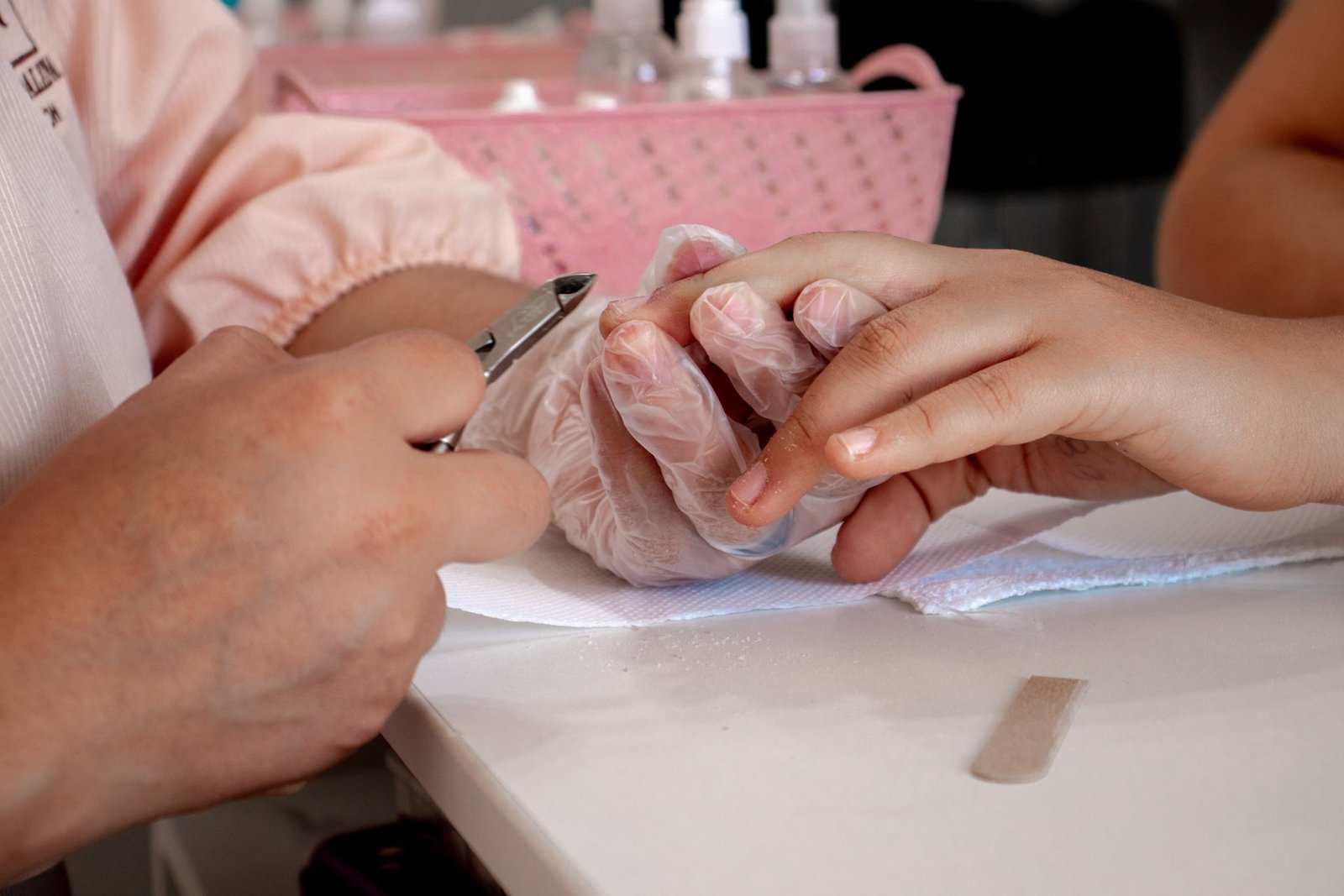
The fifth significant consideration in your nail education 2026 planning involves understanding the diverse career paths available and the realistic income expectations for each. The first point is that you can pursue employment as a salon nail technician, working with clients, building skills, and earning a salary, with Glassdoor listings for nail technicians in India in 2026 showing monthly salaries ranging from ₹10,000 to ₹35,000 depending on experience and location, and Bangalore averaging around ₹3.82 lakh per year. The second point is that you can work as a freelance nail artist, visiting clients at their homes, offering services at events, or renting a chair in an existing salon, which offers flexibility and higher per-service earnings but requires you to manage your own schedule, marketing, and supplies. The third point is that you can open your own nail studio, with a basic home studio kit costing around ₹30,000 to ₹50,000 and a full salon requiring ₹6 to ₹15 lakh depending on location and equipment, and many successful Indian entrepreneurs have taken this path after completing their nail education 2026. The fourth point is that you can become an educator or trainer once you have mastered the craft, teaching new students and earning from course fees while building a strong industry reputation, as Megha Munjal of Nail Rituals and Radhika Soni of Delhi have done. The fifth point is that you can build an audience as a content creator or influencer on Instagram or YouTube, sharing tutorials, reviewing products, and earning through brand collaborations that attract both clients and students. The sixth point is that you can work as a product specialist or brand representative for nail product companies, demonstrating products, training salon staff, and representing brands at events, which is a less visible but well-paying path. The seventh point is that you can combine multiple paths, working in a salon while freelancing on weekends and building an Instagram presence, creating multiple income streams that provide financial stability. The eighth point is that the Indian nail industry has challenges, including the fact that many products are imported which increases costs, worker safety regulations are still developing, and there are no clear restrictions on problematic chemicals as exist in Europe. The ninth point is that these challenges create opportunities for professionals who prioritise safety and quality, because clients increasingly value technicians who use reputable products and maintain rigorous hygiene standards. The tenth point is that nail education 2026 does not lock you into a single career path; it provides a foundation from which you can choose the path that fits your life circumstances and evolve as your skills and confidence grow. Fatima Zareen, a student entering the field, noted that while many nail salons exist, people increasingly prefer home services, so she decided to pursue freelancing because she identified a gap in her city. This demonstrates that career paths after nail education 2026 are limited only by your willingness to identify opportunities and pursue them systematically.
6. A Step-by-Step Starter Plan for Your Nail Education 2026 Journey
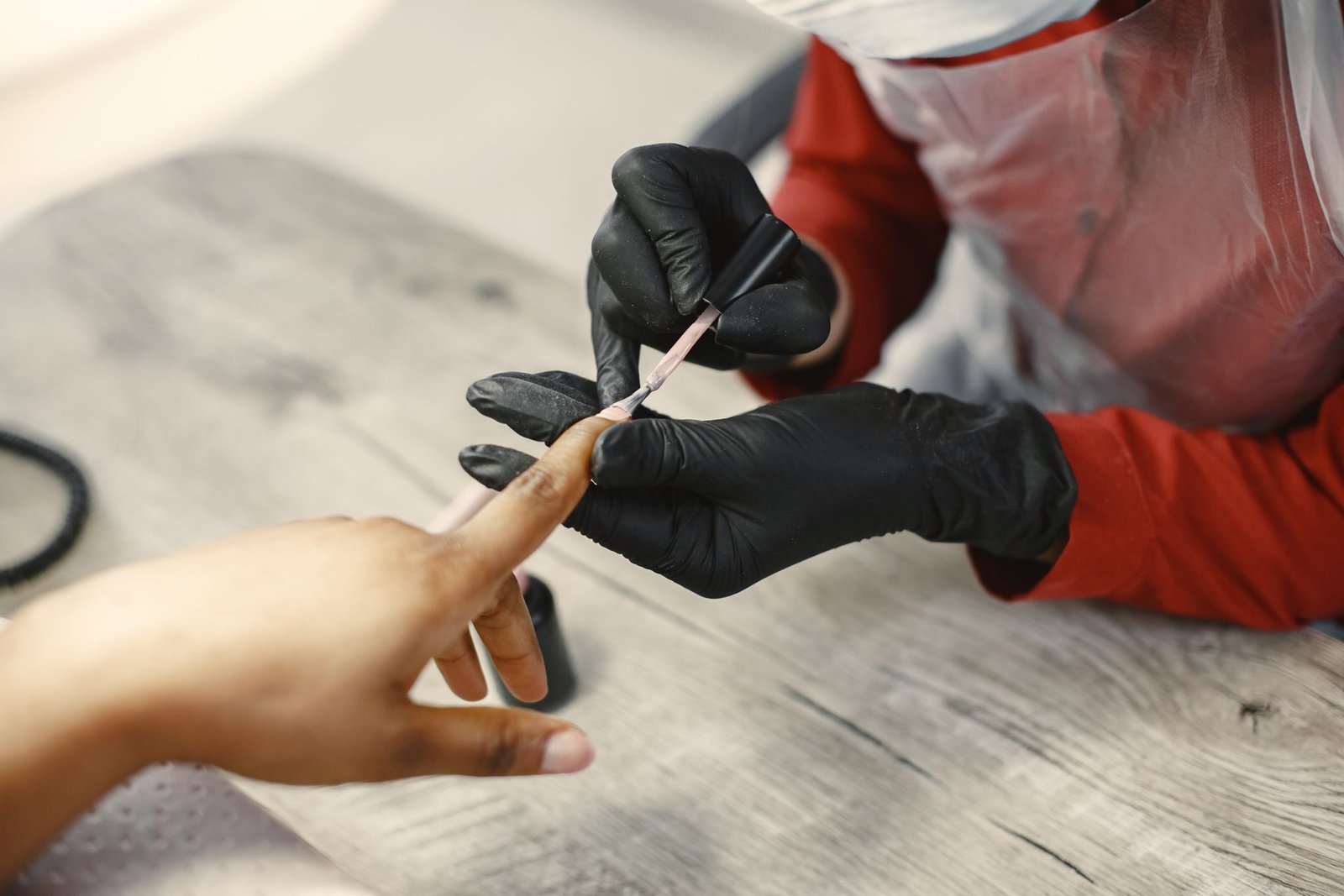
The sixth practical component of your nail education 2026 strategy is a clear, actionable plan that takes you from complete beginner to certified professional, and this plan should be followed systematically to ensure steady progress. The first step is to explore the field for free over one to two weeks by watching beginner tutorials on YouTube, following Indian nail artists on Instagram, trying simple designs on yourself or a friend, and reading about nail anatomy and hygiene, which confirms whether you genuinely enjoy the work before you invest money. The second step is to choose the right course over one to two weeks by asking yourself whether you want a quick certificate or deep training, whether you can attend in person, and what your budget is, then visiting institutes and talking to former students to gather honest feedback about their experiences. The third step is to enrol and practise consistently over one to three months, attending every class, working on friends and family daily, taking photographs of your progress, and building a portfolio that demonstrates your development. The fourth step is to get certified and start small, offering services to neighbours, friends, and relatives at fair prices to build a client base while collecting reviews and photographs that serve as social proof. The fifth step is to build your online presence by creating an Instagram page for your work, posting regularly, using simple hashtags, and sharing before-and-after photographs that showcase your skills as a free marketing tool. The sixth step is to decide your long-term path after a few months of experience, choosing whether to work in a salon, freelance, or open your own studio, recognising that you can always change direction later as your circumstances evolve. The seventh point is that you must prioritise hygiene from day one by sterilising tools, using disposable items where needed, and maintaining a clean workstation, because cleanliness builds the trust that sustains your business. The eighth point is that you should save a small portion of your earnings to upgrade your kit or take advanced courses, recognising that nail education 2026 is a continuous process rather than a one-time event. The ninth point is that you should actively seek feedback from every client, treating each appointment as a learning opportunity that reveals what clients value and what they want improved. The tenth point is that consistency matters more than intensity; practising a little every day produces better results than practising intensely once a week, and this discipline separates successful nail education 2026 graduates from those who complete courses but never build careers. Yashi from Bhopal, who built her own studio and served over six hundred clients in two years, attributes her success to consistent practice and experimentation with different styles. Her journey demonstrates that following this step-by-step plan with dedication and patience produces tangible results, even when starting with very limited resources.
7. The Business Side of Nail Education 2026: Turning Skills into Sustainable Income
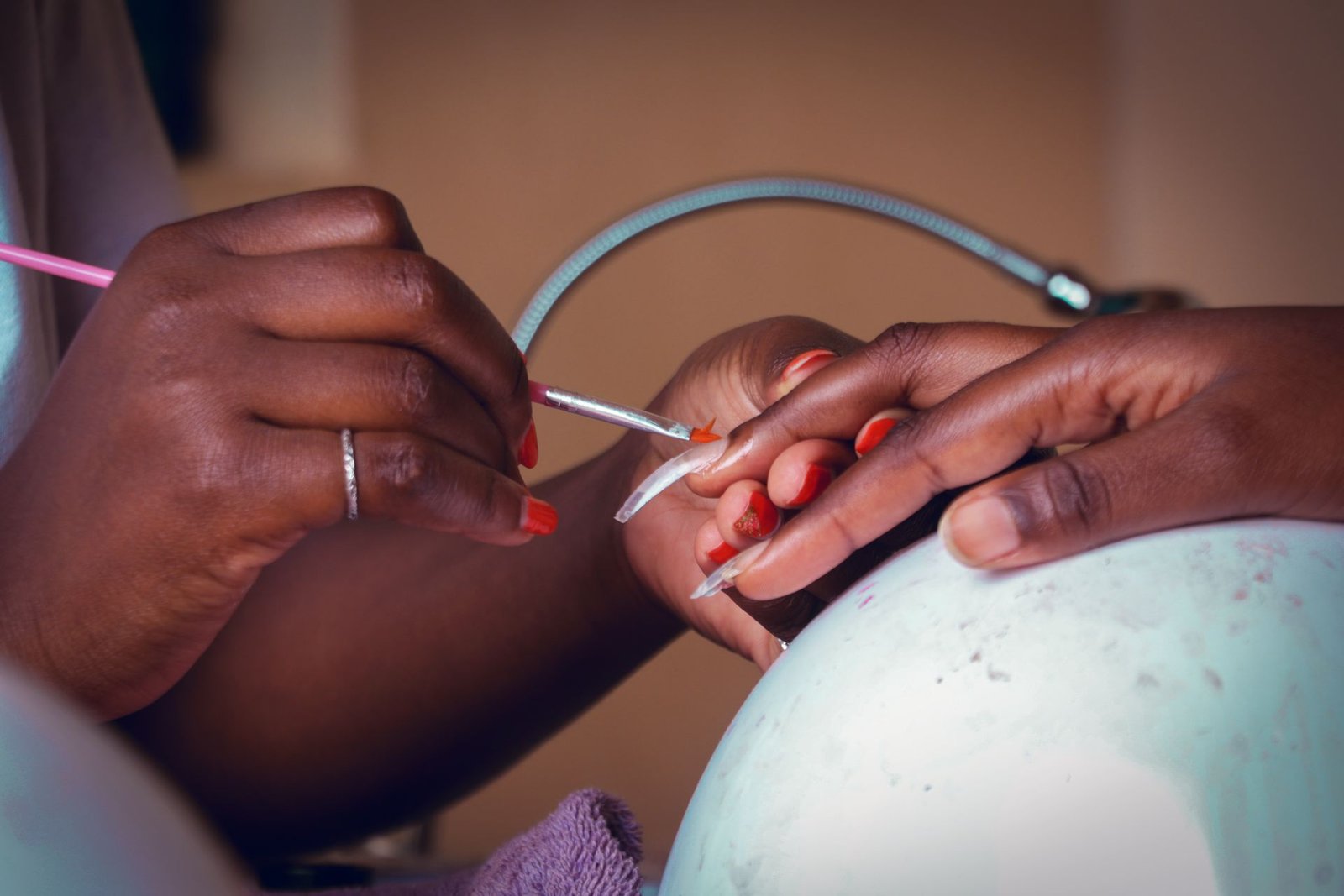
The seventh vital aspect of your nail education 2026 preparation involves understanding the business principles that transform technical skills into sustainable income, because many talented artists struggle not because their nails are poor but because they do not understand how to run a business. The first point is that setting up a home studio requires an initial investment of around ₹30,000 to ₹50,000 for a basic kit, while a full salon requires ₹6 to ₹15 lakh depending on location, size, and equipment, and starting small reduces financial risk. The second point is that you must understand local compliance requirements, including business registration, Shop and Establishment License, Trade License, GST registration once turnover crosses ₹20 lakh, and fire safety clearance, even though India does not have nationwide licensing specifically for nail services. The third point is that pricing your services requires calculation rather than guesswork; you must account for product costs, rent, electricity, and your time, then add a fair profit margin, and while starting slightly lower to attract first clients is reasonable, competing only on price devalues your nail education 2026 certification. The fourth point is that Instagram serves as your most effective free marketing tool because your portfolio of work functions as your best advertisement, and posting regularly attracts both clients and students. The fifth point is that word-of-mouth referrals from satisfied clients bring more business than any paid advertising, so asking for referrals and maintaining excellent service quality are essential business practices. The sixth point is that a Google Business Profile listing helps local customers find you when they search for nail services in your area, and it costs nothing to create. The seventh point is that collaborations with makeup artists, hairstylists, and wedding planners create mutually beneficial relationships that generate client referrals across complementary services. The eighth point is that managing clients professionally, including being punctual, listening carefully, confirming appointments, sending reminders, and asking for feedback, builds the reputation that sustains long-term success. The ninth point is that tracking your income and expenses using a simple notebook or accounting app ensures you know what you are actually earning and can make informed decisions about reinvestment. The tenth point is that investing in reputable product brands protects your reputation, because cheap products damage nails and generate complaints that destroy the trust your nail education 2026 certification helped you build. The Indian nail industry’s challenges, including imported product costs and developing safety regulations, also create opportunities for professionals who prioritise quality and safety, because these professionals stand out in a market that increasingly values professionalism. Nail education 2026 provides the technical skills; understanding the business side ensures those skills generate sustainable income.
8. Real Indian Success Stories That Demonstrate the Power of Nail Education 2026

The eighth inspirational component of understanding nail education 2026 involves examining real success stories from India that demonstrate what is achievable when formal training meets determination and creativity. The first story is that of Yashi from Bhopal, who at eighteen received an unexpected request from a bride during the lockdown when salons were closed, and her mother, a beautician, encouraged her to try with a basic kit of just seven colours; that small experiment became Yashi’s Nail Studio, which served over six hundred clients in two years before she completed a Professional Nail Technician course at La Bella Studio in Mumbai to sharpen her skills further. The second story is that of Sneha Soni from Udaipur, who chose her career according to her interest and now runs her own business, holding a professional certificate in nail and eyelash art and believing that this art can only be improved through professional courses and consistent practice. The third story is that of Radhika Soni from Delhi, who runs four nail and lash studios across the city plus an academy, employing nineteen nail artists and three interns, and who believes formal training makes the industry more accessible and is willing to hire graduates from structured programmes. The fourth story is that of Shraddhaben Katariya from Amreli, who runs Khushi Beauty Parlour from her home in Ambada and who said after a single day of nail art training that she never thought she could start her own business but the training changed her mindset completely. The fifth story is that of Ameesha from Delhi, who learned from YouTube and earned pocket money doing nails for friends but could not get salon jobs because she lacked formal certification, and who enrolled in Delhi University’s course to gain professional recognition and hopes to become the first person in her conservative family to achieve financial independence. The sixth point is that these stories share common elements: each person started with limited resources, each recognised that formal nail education 2026 would enhance their credibility, and each committed to consistent practice that gradually built their reputation. The seventh point is that these entrepreneurs did not wait for perfect conditions; Yashi started during a lockdown, Shraddhaben started from her home, and Ameesha started with YouTube tutorials before pursuing formal training. The eighth point is that each of them invested in nail education 2026 when they recognised its value, demonstrating that the timing of your enrolment matters less than your commitment to learning and improving. The ninth point is that their success has created opportunities for others, as Radhika’s employment of nineteen artists and three interns demonstrates, meaning that your nail education 2026 journey can eventually benefit your community by creating jobs and training opportunities. The tenth point is that these stories prove that nail education 2026 is not theoretical; it is a real pathway to income, independence, and respect, available to anyone willing to take the first step and persist through the challenges. These Indian entrepreneurs demonstrate that starting small, learning formally when ready, thinking beyond yourself, and believing in small beginnings are the principles that transform nail education 2026 from a certificate into a thriving career.
9. The Nail Trends Your Nail Education 2026 Training Must Cover
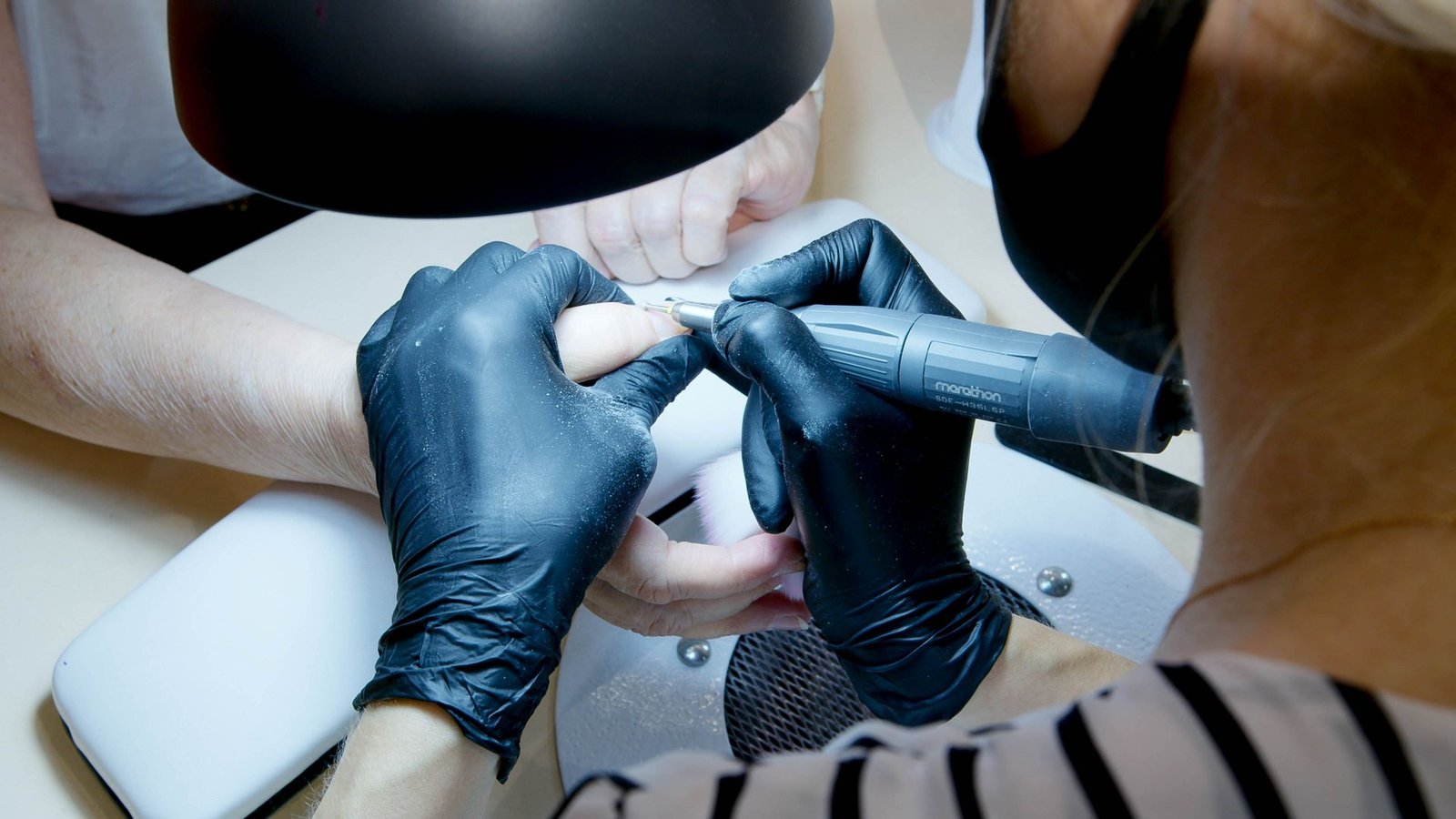
The ninth forward-looking element of your nail education 2026 preparation involves understanding current and emerging trends so that your training aligns with what clients will actually request and pay premium prices for. The first trend is wearable, high-impact finishes, because clients want designs that look stunning but remain practical for daily life, representing a shift toward wearable trends with high-impact finishes and subtle detail rather than overly elaborate designs. The second trend is chrome and pearl finishes, with soft chrome, rose gold chrome, and ice silver chrome remaining popular, and for brides, pearl chrome is replacing mirror metallics because it sits naturally alongside Indian bridal colours like red, gold, ivory, and blush, creating subtle chrome overlays and accents that catch the light without dominating the manicure. The third trend is jelly and aura nails, with jelly formats often called Glass Nails or Syrup Nails offering a sheer, see-through finish that resembles coloured glass, and aura nails creating a soft, glowing effect that appears futuristic yet wearable. The fourth trend is minimalist and micro French designs, which are perfect for office wear and daily use, with the micro French representing a modern, minimalist interpretation of a classic design. The fifth trend is three-dimensional charms and personalised art, with custom nail art and personalised options becoming major differentiators as clients seek nails that reflect their personality rather than copying generic designs. The sixth point is that your nail education 2026 training should teach you the classics first, because mastering basic shapes and polish application provides the foundation for executing advanced trends correctly. The seventh point is that you should practise trend designs deliberately, creating a lookbook of chrome, jelly, minimalist, and three-dimensional designs that you can show clients when they ask what you can do. The eighth point is that trends change, so you must update your skills regularly through short workshops and continued learning to stay current and competitive. The ninth point is that you can charge more for advanced techniques like chrome, three-dimensional art, and extensions because they require more skill and produce higher perceived value, and your nail education 2026 certification justifies these premium prices. The tenth point is that Indian consumers increasingly demand non-toxic, vegan, and breathable formulations, and professionals who prioritise clean beauty products will stand out as the market matures. Marina Dobic, a nail artist who has worked with Hollywood celebrities like Zendaya, notes that techniques, products, and professional standards keep changing, and learning correctly without compromising the health of natural nails has become essential. Your nail education 2026 is not a one-time event but an ongoing process, and the best professionals continue learning throughout their careers. When you master current trends while maintaining the hygiene and safety standards your training emphasised, you become the artist that clients search for and return to repeatedly.
10. The Future of Nail Education 2026 and Your Role in Shaping It
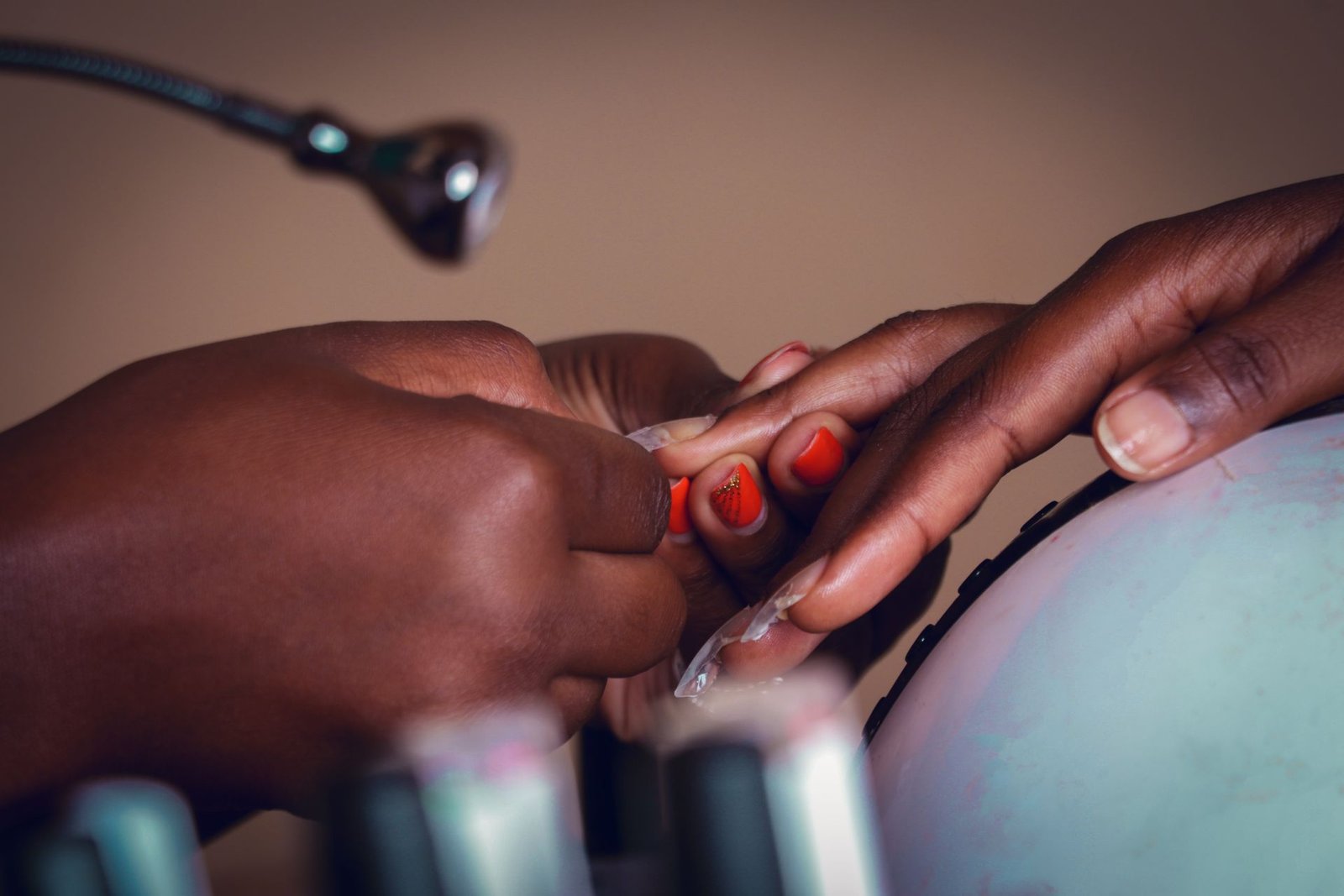
The tenth and final dimension of your nail education 2026 journey involves understanding where the industry is heading and how you can position yourself to grow alongside it, because the professionals who anticipate change rather than react to it are the ones who build lasting careers. The first point is that government certification and standards are becoming more defined, with the Beauty and Wellness Sector Skill Council having established clear qualifications for nail technician roles covering manicure, pedicure, nail art, nail enhancement, gel polish application, refilling, and electric nail drilling, all while maintaining health, safety, and hygiene standards. The second point is that online learning platforms like Airblack have demonstrated that vocational training can reach thousands of students across India through live, interactive classes, making quality nail education 2026 accessible to people in smaller cities and towns who cannot relocate to major metropolitan areas. The third point is that university recognition, exemplified by Delhi University’s entry into nail education, signals that the profession is gaining legitimacy and attracting more serious learners, and additional universities are likely to follow this precedent. The fourth point is that specialisation is creating new career paths, with techniques like Russian manicure, medical nail care, and structured manicures becoming distinct areas of expertise that command premium pricing. The fifth point is that the focus on safety and clean beauty is intensifying, with Indian consumers increasingly demanding non-toxic, vegan, and breathable formulations, and professionals who prioritise hygiene and safe products will build lasting trust. The sixth point is that worker safety regulations may become stricter, which will favour trained professionals who understand proper ventilation, ergonomic practices, and chemical safety protocols. The seventh point is that artificial intelligence is beginning to influence the industry, as Marina Dobic notes, with AI tools helping with design inspiration, client consultations, and training simulations, and modern nail education 2026 programmes are beginning to incorporate these tools into their curricula. The eighth point is that the market is becoming more professional, with clients expecting trained and certified professionals rather than talented amateurs, which makes your nail education 2026 investment increasingly valuable over time. The ninth point is that you should get certified by a recognised body, keep learning new techniques, build an online presence now, and save for advanced training as you earn, because these actions future-proof your career against industry changes. The tenth point is that the future of nail education 2026 is genuinely bright for people who take it seriously, because the industry is growing, clients are becoming more discerning, and formal training is becoming the standard rather than the exception. The global nail salon market reaching USD 19.34 billion by 2030 and the Indian market adding over USD 120 million between 2026 and 2031 confirm that demand exists and will continue to exist. If you start your nail education 2026 journey now, you will be ahead of the curve, positioned to benefit from a market that rewards professionalism, hygiene, and continuous learning. Your future is genuinely at your fingertips, and the first step is simply to begin.
Conclusion:
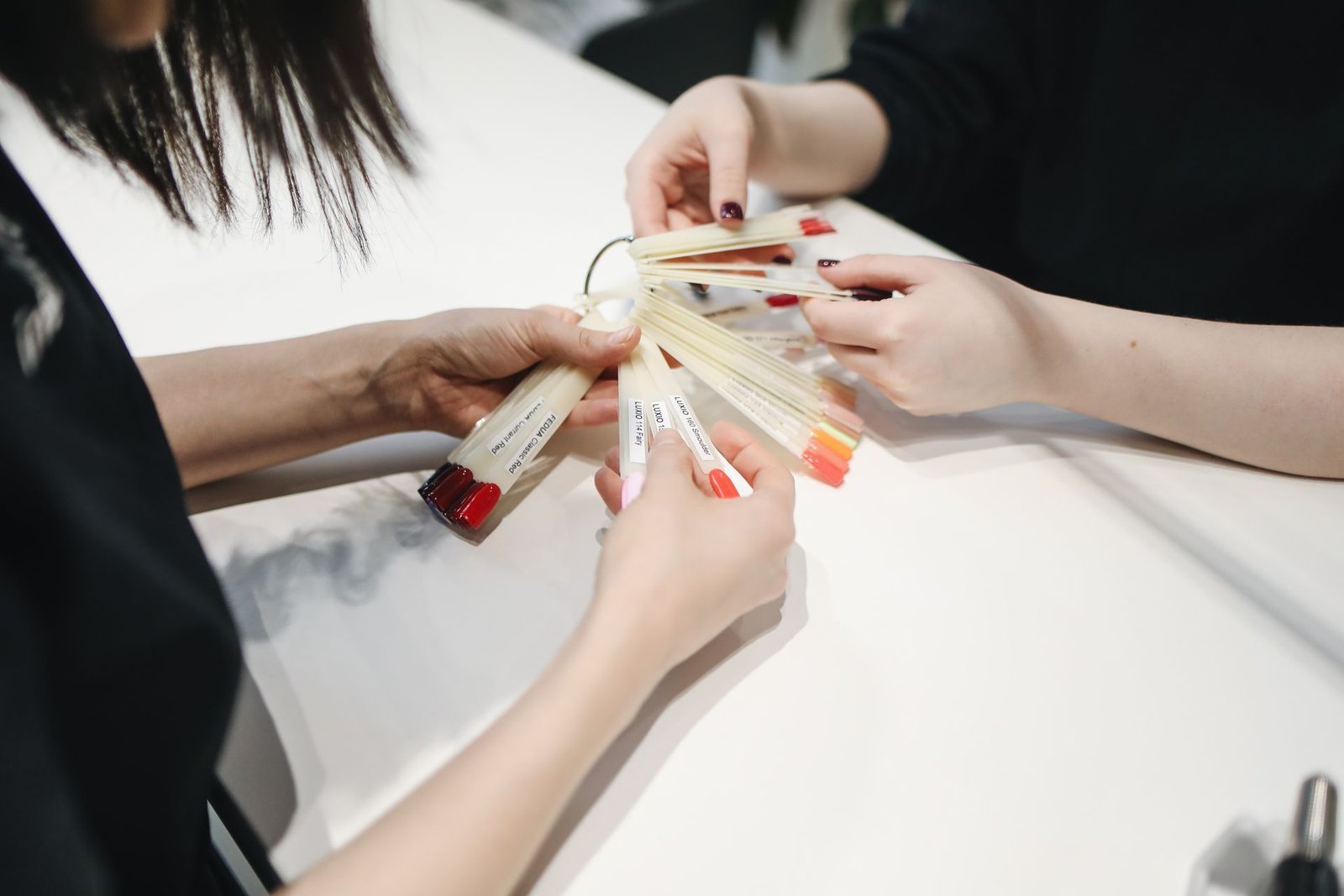
The conclusion of this comprehensive guide on nail education 2026 brings together all the essential insights, practical steps, and inspiring stories that have been shared throughout, reinforcing the central message that nail education 2026 is a genuine pathway to professional success for anyone willing to invest time, effort, and commitment. The first key takeaway is that nail education 2026 is fundamentally different from informal learning; it provides structured training, recognised certification, and verified competence that employers and clients trust. The second takeaway is that the Indian nail industry is expanding rapidly, with the salon market adding over USD 120 million between 2026 and 2031, the nail care market projected to more than double, and the global market reaching USD 19.34 billion by 2030, which means demand for trained professionals will continue growing. The third takeaway is that nail education 2026 is accessible to everyone regardless of background, with options ranging from Delhi University’s ₹3,000 certification to private academies charging ₹25,000 to ₹30,000, ensuring that financial constraints need not prevent anyone from starting. The fourth takeaway is that the skills learned through nail education 2026 extend far beyond design, encompassing nail anatomy, hygiene protocols, client consultation, business management, and marketing, all of which are essential for long-term success. The fifth takeaway is that multiple career paths exist after certification, including salon employment with salaries ranging from ₹10,000 to ₹35,000 monthly, freelancing with higher per-service earnings, studio ownership with startup costs from ₹30,000 for home setups to ₹15 lakh for full salons, teaching, content creation, and product specialisation. The sixth takeaway is that real people from India have already achieved remarkable success through nail education 2026, including Yashi from Bhopal who started with just seven colours and built a studio serving over six hundred clients, Radhika Soni who employs nineteen artists across four Delhi locations, and Ameesha who gained professional recognition through formal training. The seventh takeaway is that following a systematic step-by-step plan, from free exploration through course selection, enrolment, practice, certification, and gradual business building, transforms nail education 2026 from an abstract idea into concrete reality. The eighth takeaway is that understanding the business side of nail education 2026, including pricing, marketing, client management, and financial tracking, is just as important as mastering technical skills, because talent alone does not guarantee income. The ninth takeaway is that current trends like chrome finishes, jelly nails, minimalist French designs, and three-dimensional charms represent what clients will pay premium prices for, and staying updated through continuous learning ensures your nail education 2026 remains valuable over time. The tenth takeaway is that the future of nail education 2026 is bright, with government certification becoming standardised, online learning expanding access, universities offering recognition, and consumer demand for safe, professional services increasing every year. The most important lesson from every successful person in this field is identical: start small, learn properly, and stay consistent. You do not need a large studio or a huge investment to begin; you need willingness to learn and discipline to practise. Yashi started with seven colours, Shraddhaben started with a single training session, and Ameesha started with YouTube before pursuing formal certification. They all moved forward because they took the next step, and you can do the same. Take the first step today by searching for a nail course near you, visiting one institute, and asking questions. Share this guide with a friend who loves nail art but does not know how to start. Comment below with what is stopping you from beginning your nail education 2026 journey. The nail industry is waiting for trained, passionate professionals, and there is room for you. Your future is at your fingertips; start your nail education 2026 journey today.
Frequently Asked Questions (FAQ)
1. What is nail education 2026 and why is it important?
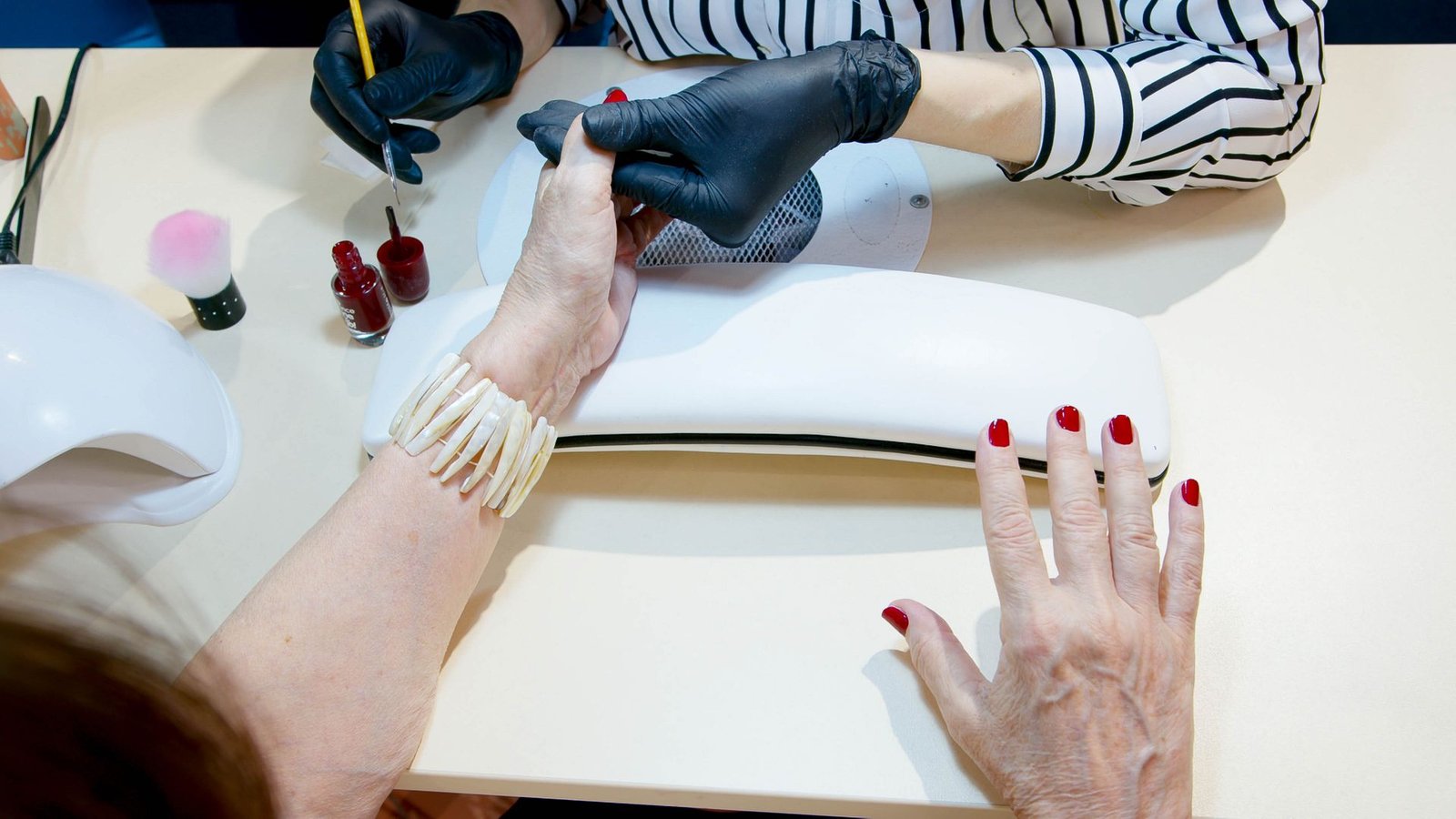
Nail education 2026 refers to structured, professional training programmes that teach nail care, nail art, nail technology, hygiene protocols, and business skills. It is important because it transforms a hobby into a recognised profession, provides certification that employers and clients trust, teaches safety and hygiene as non-negotiable foundations, accelerates learning through expert correction, and opens doors to employment and business opportunities that are unavailable to self-taught artists.
2. How much does a nail education 2026 course cost in India?

Costs vary widely based on the institution and course depth. Delhi University offers a one-month certification for ₹3,000, YMCA Institute charges ₹15,000 for a one-month course, Nail Rituals starts at ₹25,000 with kits included, and Charan’s International Institute charges ₹30,000 for a three-month programme. Online platforms like Airblack offer flexible options. The key insight is that a low-cost university course can provide the same foundational skills as expensive private courses if you practise seriously.
3. Do I need to have passed Class 12 to enrol in nail education 2026?

No, most courses have minimal eligibility requirements. Delhi University’s nail art certification course requires only that you have passed Class X in any stream, making it accessible to school students and individuals from all educational backgrounds. Private academies typically have similar or even more flexible requirements, focusing on your interest and commitment rather than academic qualifications.
4. Can I start my own nail business after completing nail education 2026?
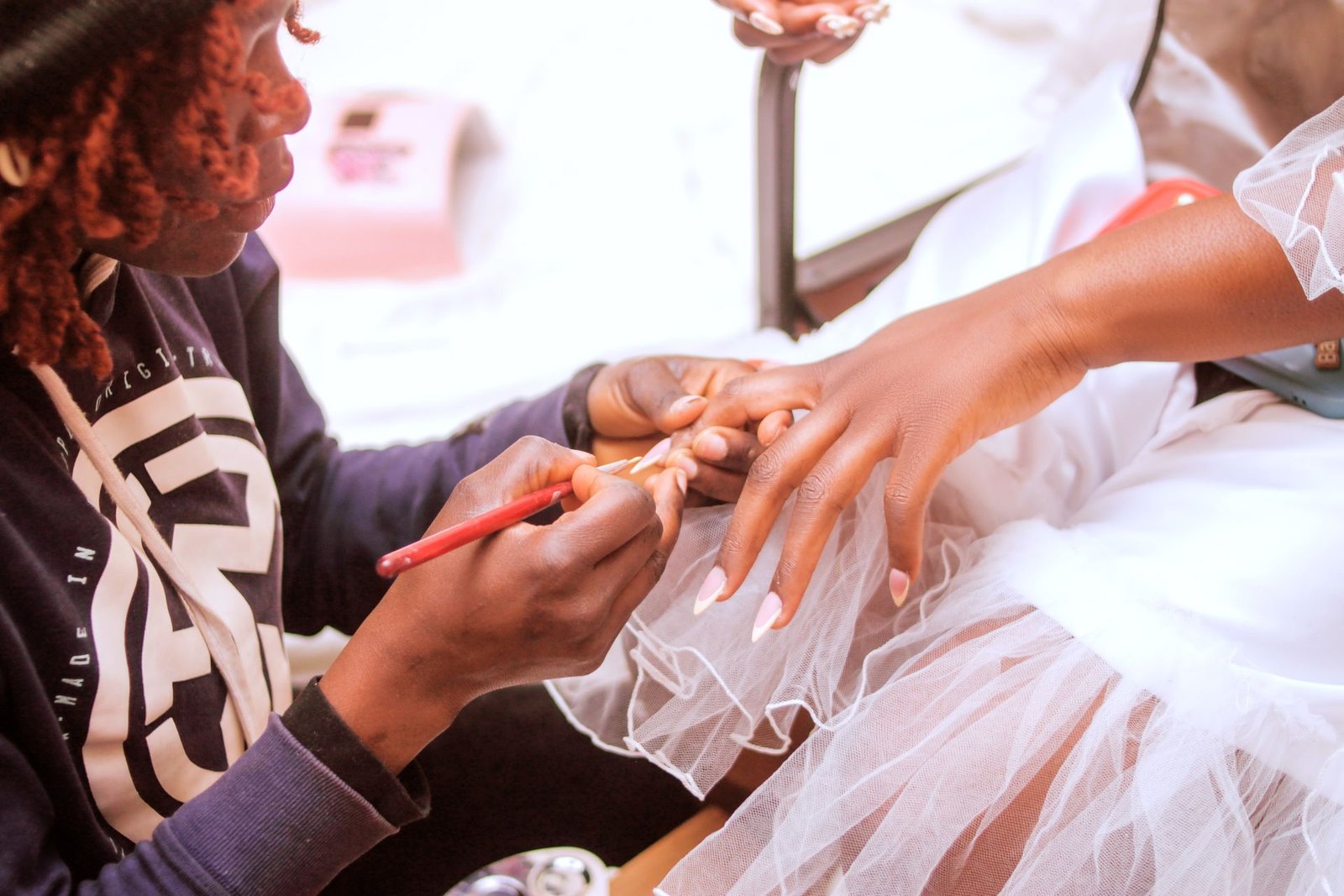
Yes, absolutely. Many successful Indian entrepreneurs have built businesses after formal training. A home studio requires an initial investment of ₹30,000 to ₹50,000 for a basic kit, while a full salon requires ₹6 to ₹15 lakh depending on location and equipment. You will need local compliance including business registration, Shop and Establishment License, Trade License, and GST registration once turnover crosses ₹20 lakh.
5. What is the salary of a nail technician in India in 2026?
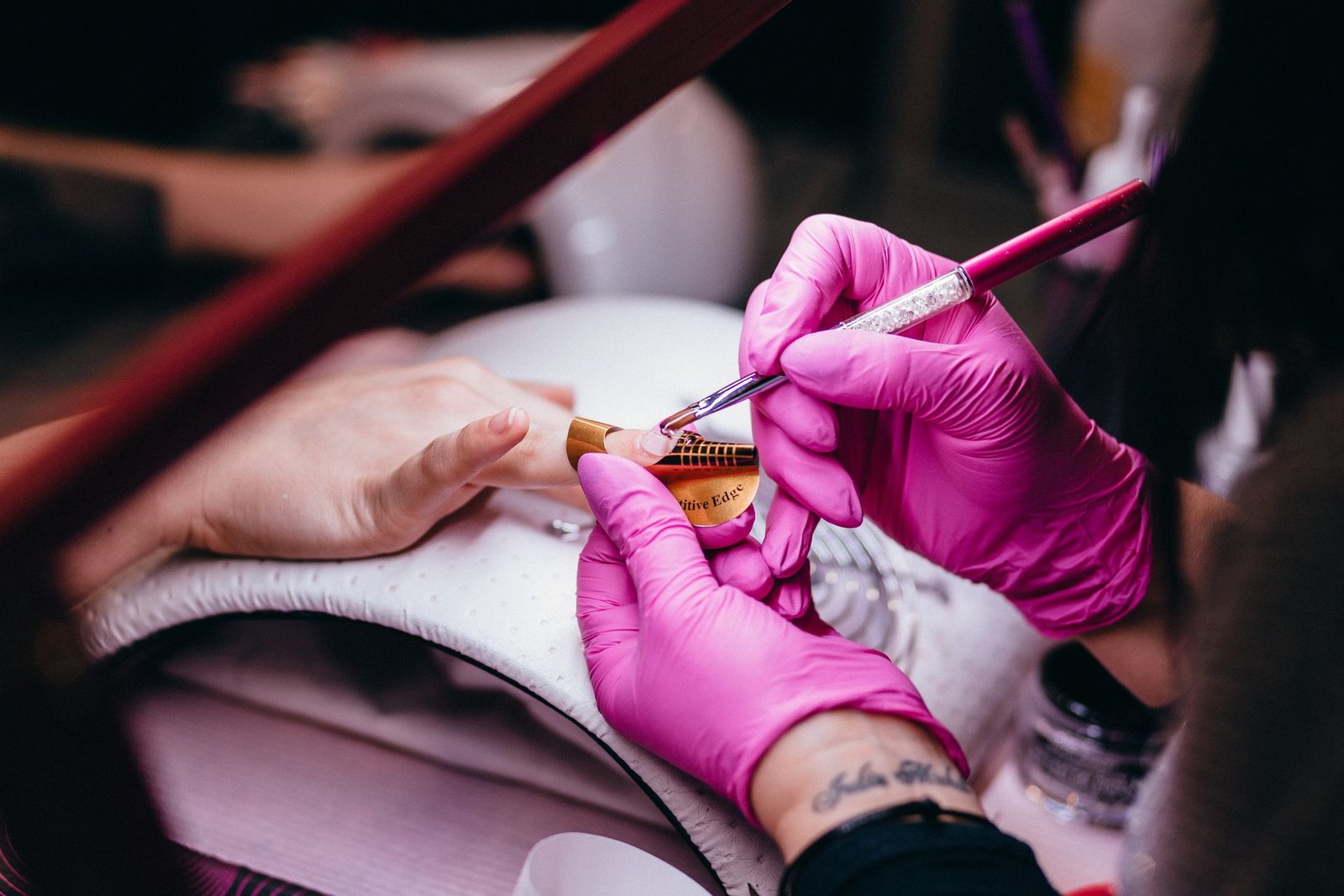
Glassdoor listings show monthly salaries ranging from ₹10,000 to ₹35,000 depending on experience and location. In Bangalore, the average gross salary is around ₹3.82 lakh per year. Freelancers often earn more per service but must manage their own schedule and expenses. Studio owners and educators can earn significantly more as their reputation and client base grow.
6. How long does it take to complete nail education 2026?
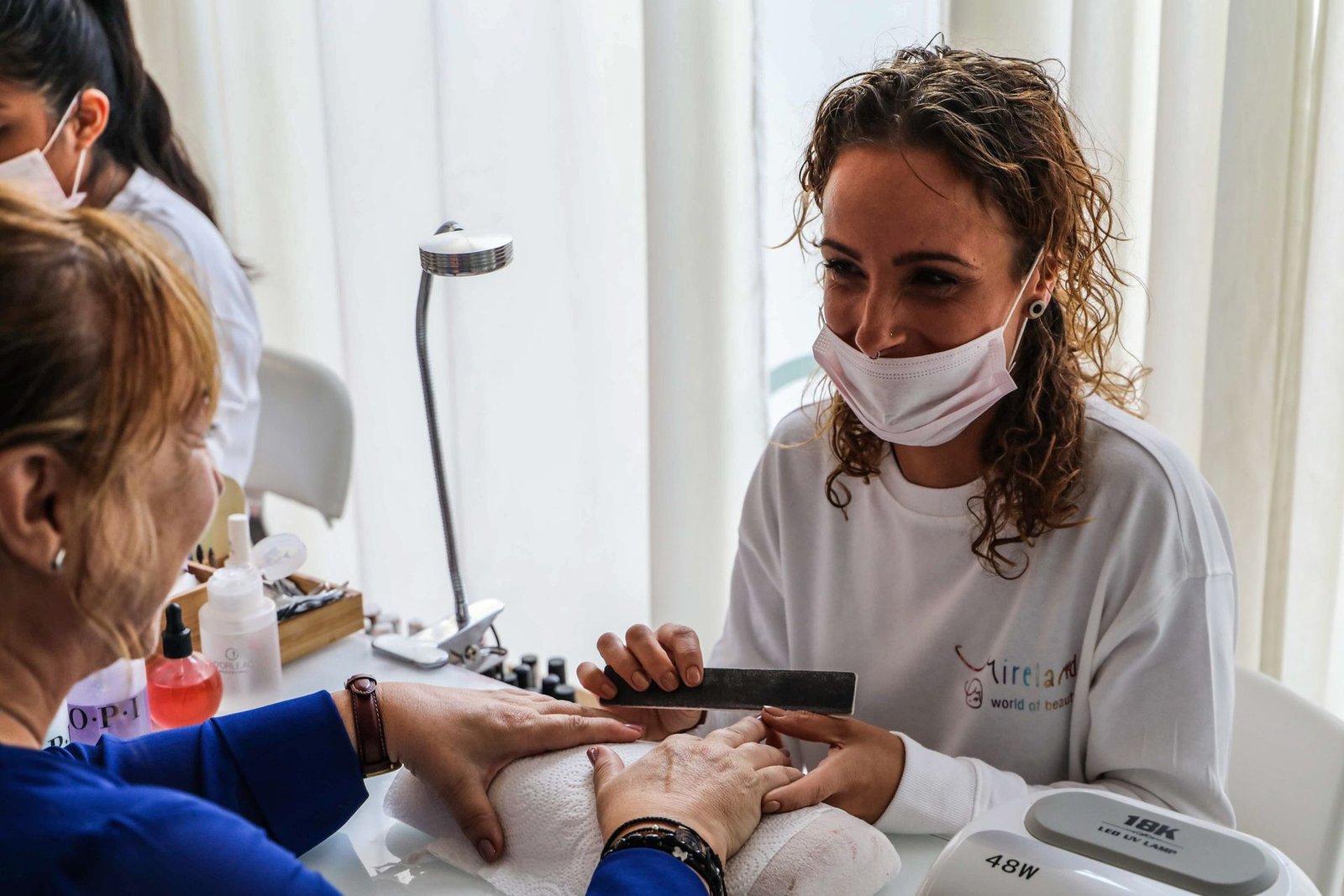
Course durations vary from one month for basic certification to three months for comprehensive professional programmes. Delhi University’s course runs for one month, Charan’s International Institute offers a three-month programme, and advanced master diplomas may take longer. However, learning does not stop at certification; successful professionals continue taking workshops and updating their skills throughout their careers.
7. Is nail education 2026 suitable for school students and homemakers?
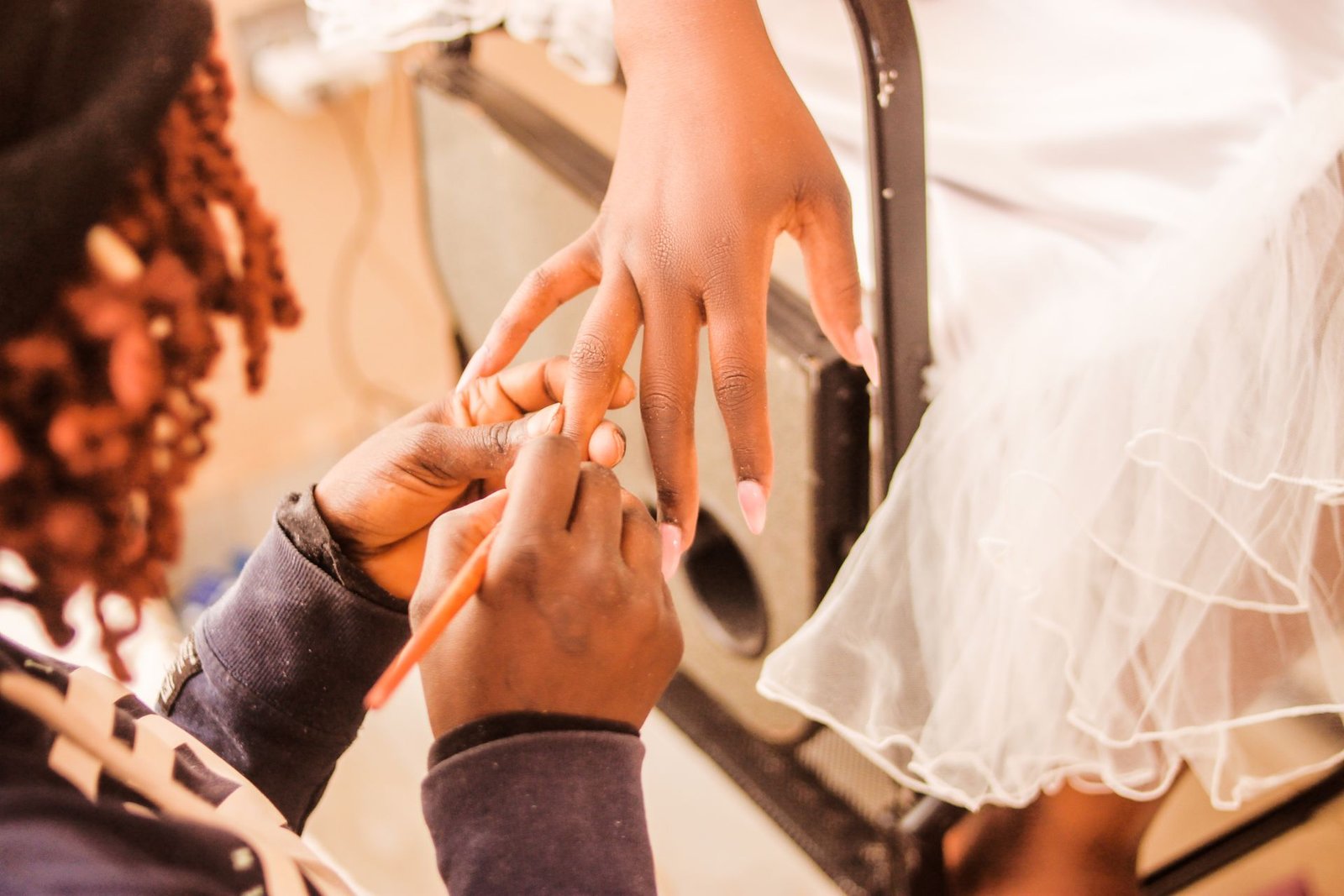
Yes, nail education 2026 is suitable for everyone. Delhi University’s course is specifically designed to help young people, especially women, develop skills that lead to financial independence. Homemakers can start home-based studios with minimal investment, and school students can begin learning while completing their education. The flexible timing of many courses accommodates diverse schedules.
8. What skills will I learn in a nail education 2026 programme?

You will learn nail anatomy and health, hygiene and safety protocols including sterilisation and infection prevention, basic and advanced nail art techniques, gel and acrylic extensions, client consultation and communication, aftercare advice, and business fundamentals including pricing, marketing, and financial management. Government-recognised programmes also cover BWSSC standards for nail technician qualifications.
9. How do I choose the right nail education 2026 course?
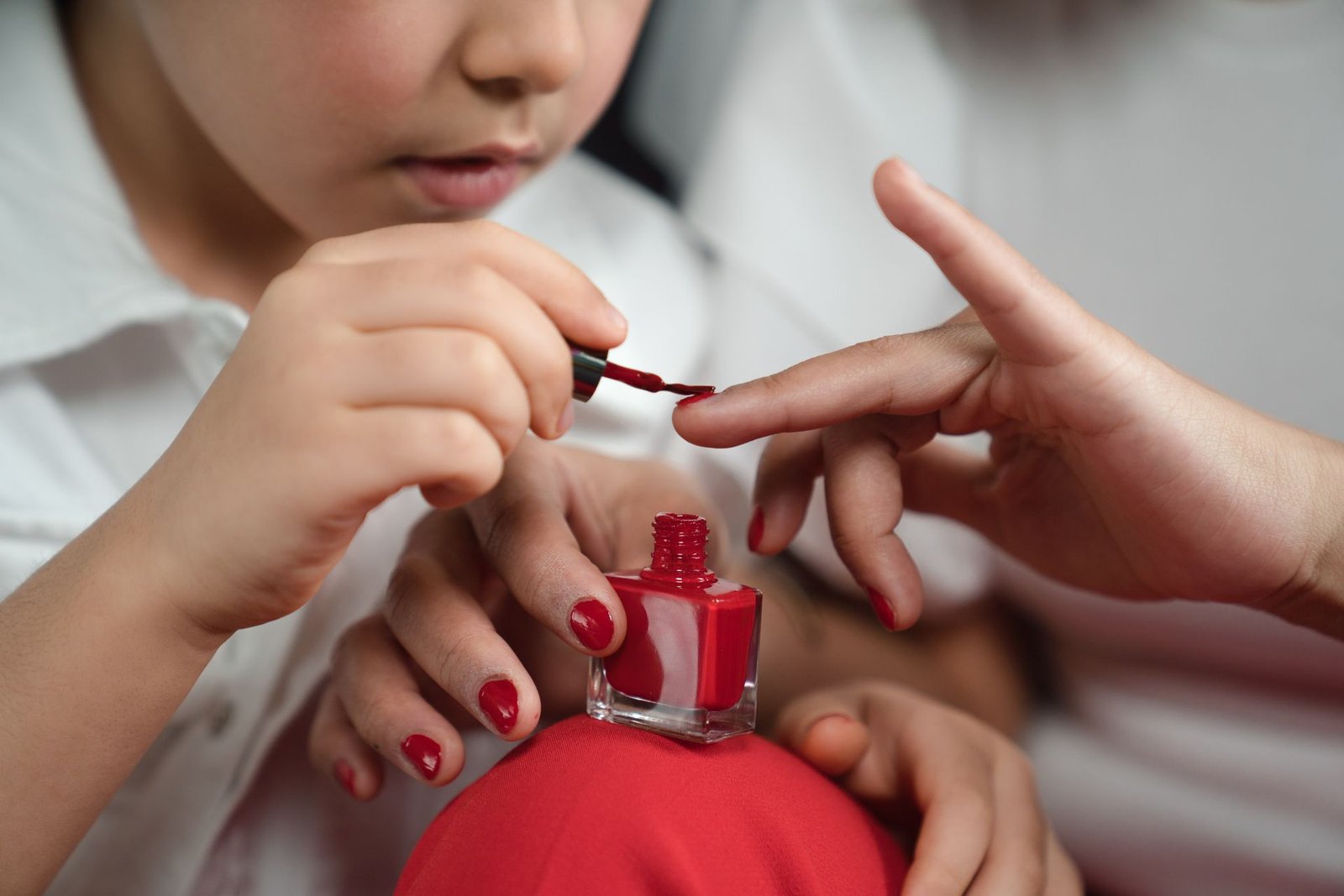
Ask about practical hours because theory-heavy courses do not produce job-ready professionals. Ask about batch sizes because smaller batches mean more individual attention. Ask about certification because university or government recognition adds credibility. Speak with former students because their experiences provide the most honest assessment. Visit institutes in person and compare fees against what is actually delivered.
10. What are the career options after completing nail education 2026?

You can work as a salon nail technician, freelance as a home-service artist, open your own studio, become an educator or trainer, build an audience as a content creator or influencer, work as a product specialist or brand representative, or combine multiple paths for diversified income. The Indian nail industry is growing rapidly, and trained professionals are in increasing demand across all these roles.