
Description:
This description gives you a complete overview of what this guide covers about the import from China to India in 2026. If you are a small business owner wondering whether you can start importing products from China, this guide is for you. If you are a student trying to understand why your economics textbook talks about trade deficits, this guide will explain everything in simple words. If you are a professional looking for practical steps to reduce costs in your supply chain, you will find actionable advice here. The import from China to India is a massive economic reality. India bought goods worth 131.63 billion dollars from China in the last financial year. That is more than double what it was five years ago. This guide breaks down that big number into easy to understand pieces. You will learn why India depends so much on Chinese products, what goods are imported the most, and how the government is changing customs duties in 2026 to encourage local manufacturing. You will also read real success stories of Indian entrepreneurs who started with small investments and built profitable businesses using smart import strategies. The import from China to India process can seem complicated at first, but this guide walks you through every step from getting your Import Export Code to clearing customs and delivering goods to your warehouse. You will learn about the risks of supplier fraud, quality issues, and shipping delays, and you will get practical tips to manage each risk. The guide also explains the Production Linked Incentive or PLI scheme, which is the government’s main program to reduce import dependence by paying companies to manufacture in India. You will discover which products have seen duty hikes in Budget 2026 and which have become cheaper to import. The import from China to India is not going away, but the rules are changing. Importers who stay informed will save money and avoid problems. Importers who ignore policy changes will face higher costs and delays. This guide gives you the knowledge you need to succeed. Whether you plan to import electronics, machinery, chemicals, or auto parts, the information here applies to you. The language is simple, the examples are from real Indian businesses, and every technical term is explained. By the end of this guide, you will feel confident to take your first step or improve your existing import business. The import from China to India offers enormous opportunities for those who understand the process and manage the risks. Start reading now and equip yourself with the knowledge that thousands of successful Indian importers already use every day.
1: Understanding Why India Imports So Much from China
The economic relationship between India and China is defined by a simple but powerful reality: India buys far more from China than it sells. This imbalance is not accidental but the result of three decades of Chinese manufacturing dominance. China has built an enormous and highly efficient production system that can make almost anything at a lower cost and with consistent quality. For Indian businesses, this makes the import from China to India an obvious choice when they need components or finished goods. Think about your mobile phone, your laptop, your television, or even the solar panels on a nearby rooftop. Most of the critical parts inside those products came from China. Indian industries depend on these imports because Chinese factories can deliver large quantities quickly, maintain uniform quality, and offer prices that local manufacturers often cannot match. The import from China to India is not just about consumer electronics; it is deeply embedded in industrial supply chains across pharmaceuticals, machinery, automobiles, and renewable energy. China supplies 43 percent of India’s electronics imports, 40 percent of its machinery and computers, and 44 percent of its organic chemicals used in medicines. This means that when an Indian factory assembles a phone or produces a life-saving drug, it is likely relying on Chinese inputs. The dependence is so high that a sudden stop in these imports could disrupt manufacturing across the country. For a student of economics, this is a classic case of comparative advantage: China produces these goods more efficiently, so India buys them. But for a policymaker, this creates a strategic vulnerability. The import from China to India reached 131.63 billion dollars in the last financial year, which is more than double what it was just five years ago. That growth shows no sign of slowing because Indian demand for electronics, machinery, and chemicals continues to rise faster than domestic production can keep up. Understanding this basic reality is the first step toward making smart decisions, whether you are a business owner planning your supply chain or a student preparing for a career in international trade.
2: The Truth About India’s Trade Deficit with China in 2026

The trade deficit between India and China has become one of the most discussed numbers in Indian economic policy. Simply put, a trade deficit means you buy more from another country than you sell to it. In 2025-26, India exported only 19.5 billion dollars worth of goods to China while importing 131.63 billion dollars from China. The difference of 112.1 billion dollars is the trade deficit. This number is larger than India’s entire annual defense budget. The import from China to India accounts for more than one-third of India’s total trade imbalance of 283 billion dollars with the whole world. To understand why this matters, imagine your household budget. If you spend 112 rupees for every 19 rupees you earn from a particular neighbor, you are sending a lot of money out of your neighborhood. That money cannot be spent on local goods or saved for the future. The same logic applies at the national level. Every dollar that leaves India to pay for Chinese goods is a dollar that is not circulating in the Indian economy. However, there is another side to this story. The import from China to India also brings in cheap components that help Indian manufacturers keep their production costs low. For example, a phone assembled in India using a Chinese display and Chinese chip can be sold at half the price of a phone made entirely with Indian components. This benefits Indian consumers and allows Indian companies to compete globally. The real problem is not the deficit itself but the concentration of imports in critical sectors like electronics, pharmaceuticals, and renewable energy. If China ever restricts exports of APIs or solar cells, Indian drugmakers and solar project developers would face a crisis. That is why the government is taking steps to reduce dependence without crashing the economy. The import from China to India is not going to zero anytime soon, but the goal is to bring it down to a safer level where no single country supplies more than 30 percent of any critical input. For now, the deficit remains a reality that every importer and business owner must understand and plan around.
3: Top Products India Imports from China – A Sector-Wise Breakdown
If you are thinking about starting an import business or simply want to understand where Indian money goes, you need to know exactly which products dominate the import from China to India. The list is long, but a few categories account for the majority of the value. The largest category by far is electronics and electrical equipment, which makes up about 43 percent of all imports from China. Within this category, mobile phone components are the single biggest item, worth 8.6 billion dollars annually. Integrated circuits and semiconductor chips follow closely at 6.2 billion dollars. Laptops and tablets add another 4.5 billion dollars. Solar cells and modules, crucial for India’s renewable energy targets, account for 3 billion dollars. Lithium-ion batteries for electric vehicles and phones add 2.3 billion dollars. The second largest category is machinery and computers, representing about 40 percent of the import from China to India. This includes industrial machinery worth 25.9 billion dollars, transformers and power equipment at 2.1 billion dollars, and various machine tools used in factories across Gujarat, Maharashtra, and Tamil Nadu. The third major category is organic chemicals and pharmaceuticals. India imports 44 percent of its organic chemicals from China, valued at 12 to 13 billion dollars annually. This includes active pharmaceutical ingredients or APIs, which are the raw materials for medicines. Antibiotics alone account for 1.7 billion dollars in imports. Many people are surprised to learn that India, known as the pharmacy of the world, depends on China for so many drug ingredients. Other important categories include steel products, plastics, medical equipment, auto components, and consumer items like suitcases and flooring materials. The government has identified about 100 specific goods within these categories for potential duty hikes. If your business involves the import from China to India of any product in electronics, machinery, chemicals, or steel, you should watch for policy changes that could raise your costs in the coming months.
4: Budget 2026 Customs Duty Changes That Affect Importers
Every year, the Union Budget brings changes to customs duties, and 2026 was no exception. For anyone involved in the import from China to India, these changes directly affect your bottom line. The most significant change was for solar cells and modules. The basic customs duty jumped from 25 percent to 40 percent. This means if you import solar panels worth 10 lakh rupees, you now pay 4 lakh rupees in duty instead of 2.5 lakh rupees. The government did this to protect domestic manufacturers like Tata Power Solar and Waaree Energies. The second change was for electric vehicles imported as completely knocked down kits or semi knocked down kits. The duty was reduced from 15 percent to 10 percent. This makes it cheaper for Indian companies to import EV components from China and assemble them here. The third change was a complete exemption for mobile phone components. The previous duty of 2.5 percent was reduced to zero. This is a big win for phone manufacturers who rely heavily on the import from China to India for displays, camera modules, and other parts. The fourth change was for luxury cars imported as completely built units. The duty increased from 60 percent to 70 percent, making Chinese luxury cars more expensive in India. The fifth change was for precious metals like gold and silver, where the duty rose from 12.5 percent to 15 percent. Beyond these specific changes, the budget also proposed reducing the tariff rate on all dutiable goods from 20 percent to 10 percent for personal imports. This does not affect commercial importers but helps individuals bringing in small shipments. To calculate your total landed cost for any import from China to India, you need to add three things: the basic customs duty, a social welfare surcharge of 10 percent of that duty, and an integrated GST of 18 percent on the total of the goods value plus both duties. For example, on a 10 lakh rupee shipment of solar modules, the total duty comes to almost 7 lakh rupees. That is a huge addition to your costs. The government has also drawn up a list of about 100 goods where duties may be raised further in the future. These include engineering products, steel, machinery, and consumer items. If you import any of these, subscribe to Ministry of Finance notifications so you are never caught off guard by a sudden duty hike on your import from China to India.
5: The PLI Scheme – India’s Plan to Reduce Import Dependence
The Production Linked Incentive or PLI scheme is the Indian government’s most ambitious program to reduce the import from China to India by boosting domestic manufacturing. The idea is simple: the government gives cash incentives to companies that make goods in India. For every product they manufacture, they receive a payment equal to 4 to 15 percent of the production value. The scheme covers 14 strategic sectors with a total budget of 1.91 lakh crore rupees, which is about 21 billion dollars. The results so far have been impressive. The PLI scheme has attracted over 2.16 lakh crore rupees in investments, created 14.39 lakh jobs, and generated over 20.41 lakh crore rupees in sales. In the pharmaceutical sector alone, the scheme has enabled domestic manufacturing of 191 bulk drugs, reducing the need for import from China to India by approximately 1,785 crore rupees. The domestic value addition in these drugs has increased to 83.7 percent. In the electronics sector, mobile phone assembly has largely shifted to India, though components still come from China. The IT hardware sector is now starting to manufacture laptops and tablets within India. The white goods sector, which includes air conditioners and LED lights, saw its PLI allocation triple to 1,004 crore rupees in 2026. This means more ACs and LED lights will be made in India rather than imported. The renewable energy sector has a PLI scheme for solar manufacturing, though the 40 percent duty hike on solar imports shows that domestic production is still not competitive. For a small business owner, the PLI scheme offers a real opportunity. If you are currently importing a product that falls under one of the 14 sectors, you could apply for PLI benefits by setting up manufacturing in India. The government pays you for every unit you make. Even if you cannot manufacture everything yourself, you could partner with a PLI beneficiary to source domestically. The import from China to India will not disappear overnight, but the PLI scheme is slowly building alternatives. For students, this scheme creates career opportunities in supply chain management, quality control, and regulatory compliance. For importers, it means you should regularly check whether the products you bring from China are now being made in India under PLI. Switching to a local supplier could save you duties and give you faster delivery, though you must always verify quality first.
6: India’s New Trade Policy with China in 2026
The trade relationship between India and China has been tense since the Galwan Valley clash in 2020. For six years, India imposed strict restrictions on Chinese investment and trade. Any Chinese company wanting to invest in India needed government approval, which was rarely granted. But in 2026, the policy has shifted from freeze to pragmatism. In March 2026, India allowed certain Chinese investor entities with non controlling beneficial ownership of up to 10 percent to invest through the automatic route, without needing prior government approval. Larger acquisitions still require oversight, but this is a significant relaxation. The reason for this change is simple: economic benefits matter more than political posturing. Senior government officials now argue that Chinese investment that creates jobs and strengthens domestic capacity should be welcomed. By encouraging Chinese firms to set up factories in India, the government hopes to reduce the need for direct import from China to India. When a Chinese company manufactures in India, it uses Indian workers, pays Indian taxes, and contributes to the local economy. The components it makes are then available to Indian businesses without the need for cross border shipping and customs duties. However, strategic sectors like telecommunications, defense, and critical infrastructure remain off limits. The government is not opening the door to Chinese involvement in sensitive areas. Finance Minister Nirmala Sitharaman has made it clear that reducing dependence on Chinese imports is a priority, but she also acknowledges that India cannot simply stop buying from China overnight. The new approach is described by experts as tactical balancing: accept Chinese investment and imports where they benefit India, while building domestic capacity to eventually reduce the import from China to India. For importers, this policy shift means two things. First, more Chinese companies may set up manufacturing in India, which could give you local sourcing options for components you currently import. Second, the government is unlikely to impose sudden bans or extreme tariffs on Chinese goods because that would hurt Indian manufacturers who rely on those imports. Instead, the approach will be gradual: higher duties on some products, PLI incentives for domestic alternatives, and selective opening for Chinese investment. The import from China to India will remain a major feature of the Indian economy for the foreseeable future, but the policy environment is becoming more nuanced and business friendly.
7: Real Success Stories of Indians Who Import from China
Behind the large numbers and policy debates are real people who have built successful businesses by smartly managing the import from China to India. Their stories prove that you do not need crores of rupees or a family business background to succeed. Take the example of Harsh Patel and Shakti Patel from Ahmedabad. They started Aresa Industries with a simple idea: import high tech automation components from China, customize them for Indian needs, and sell automation solutions to small and medium manufacturers. Their products include automated entrance systems, access control devices, and sensor based equipment. They began with a modest investment and today generate an annual turnover of 250,000 dollars. Their key learning was to use digital tools that cut import processing time from 20 minutes to just 2 minutes. By automating documentation and customs filing, they reduced delays and costs. The import from China to India became a smooth, predictable process for them. Another inspiring story is Abhishek Sinngh, who started his entrepreneurial journey with just one lakh rupees at the age of 24. Today his company DS28 Global serves as a one stop solution for Indian businesses seeking to import goods from China. He provides product research, supplier verification, and doorstep delivery. His success shows that you can build a service business around the import process itself. Then there is Rahul Sharma, co founder of Micromax. His company achieved a 25 times revenue jump in two years by using Chinese manufacturing while building the Made in India brand. He imported components from China and assembled phones in India, offering features at prices that Indian consumers could afford. The lesson from all these stories is clear: successful importers do not just buy and resell. They add value. They customize products for local conditions. They build relationships with reliable suppliers. They use technology to reduce costs. They diversify their sourcing so they are never dependent on a single Chinese vendor. The import from China to India is not a get rich quick scheme. It requires research, patience, and careful risk management. But if these entrepreneurs from Ahmedabad and Delhi could do it with limited resources, so can you. Start small, learn from mistakes, and gradually scale up. The market for imported goods in India is huge and growing, and there is room for many more success stories.
8: A 10 Step Process to Import from China to India in 2026
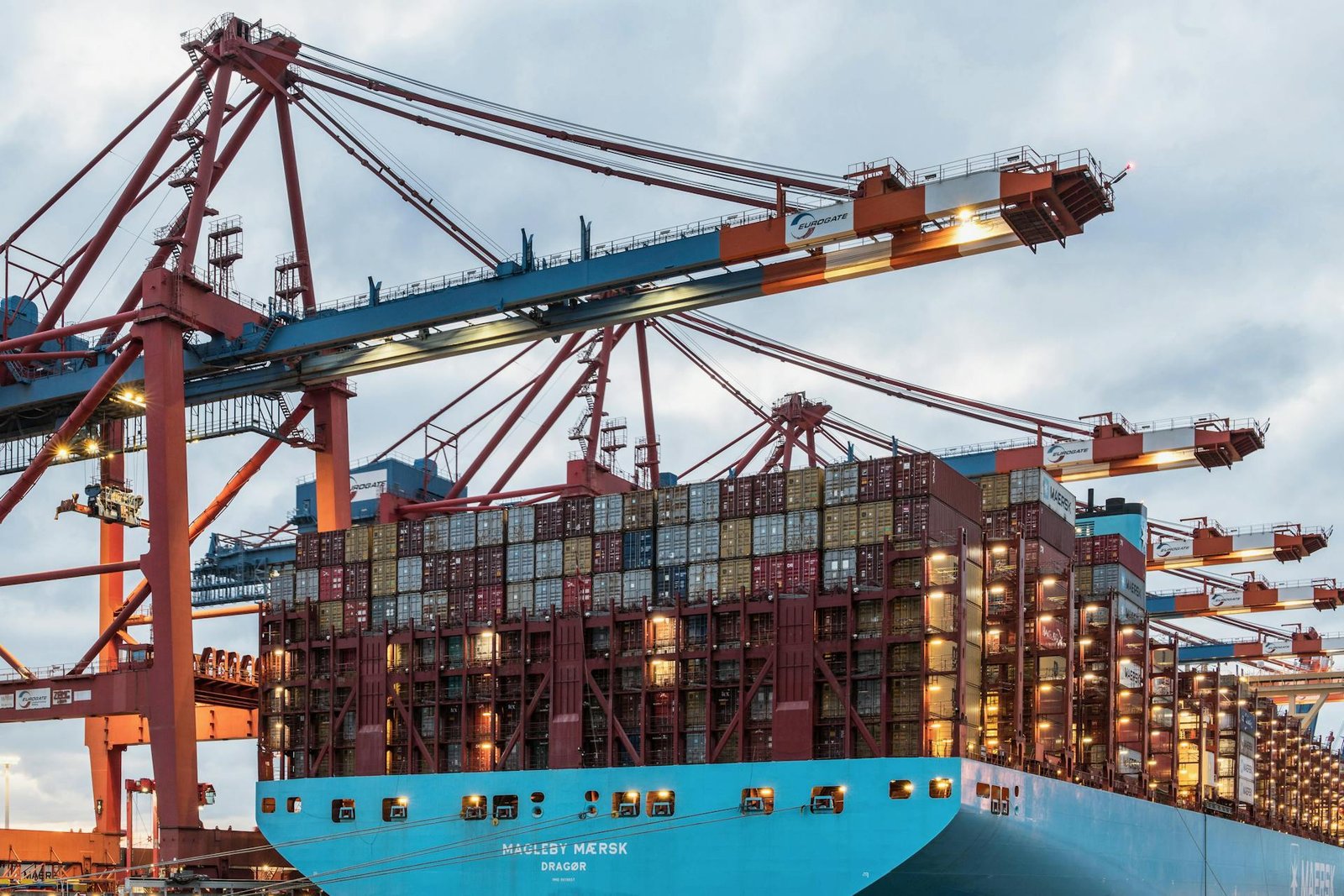
If you are ready to start your own import business, follow this 10 step process. Each step is explained in simple terms so that even a first timer can understand the import from China to India journey. Step one is to get your Import Export Code or IEC from the DGFT website. You need a PAN card to apply, and the process is entirely online. The IEC has lifetime validity and is required for customs clearance and sending foreign currency payments. Step two is to research your product and find its HS code. This is a universal product classification number that determines how much duty you pay. Search the DGFT website or use online HS code finders. Step three is to check import restrictions and BIS certification. Many electronics products, pressure cookers, toys, and chemicals require BIS certification before they can enter India. Without this, your goods will be stopped at customs. Step four is to find reliable Chinese suppliers. Use Alibaba or Global Sources, attend the Canton Fair in Guangzhou, and always ask for business licenses, factory photos, and product samples before ordering. Step five is to negotiate terms using incoterms. The most common term for Indian importers is CIF or cost insurance freight, where the supplier pays for shipping to an Indian port. Step six is to arrange payment, ideally through a letter of credit from your bank. This protects both you and the supplier. Step seven is to arrange shipping and obtain a bill of lading, which proves your goods are on the vessel. Step eight is to prepare customs documents including the commercial invoice, packing list, bill of lading, IEC, and GST registration. Step nine is to pay customs duty and clear your goods. Your customs broker will file a bill of entry on the ICEGATE portal, and you pay the duty online. Step ten is to arrange local transport from the port to your warehouse. The entire process from order to delivery takes 4 to 6 weeks. The import from China to India requires patience and attention to detail, but once you complete your first shipment, the process becomes routine. Hire a licensed customs broker for your first few shipments. They charge a small fee but save you from costly mistakes. And always calculate your total landed cost before placing an order so you know your profit margin.
9: Challenges and Risks of Importing from China and How to Manage Them
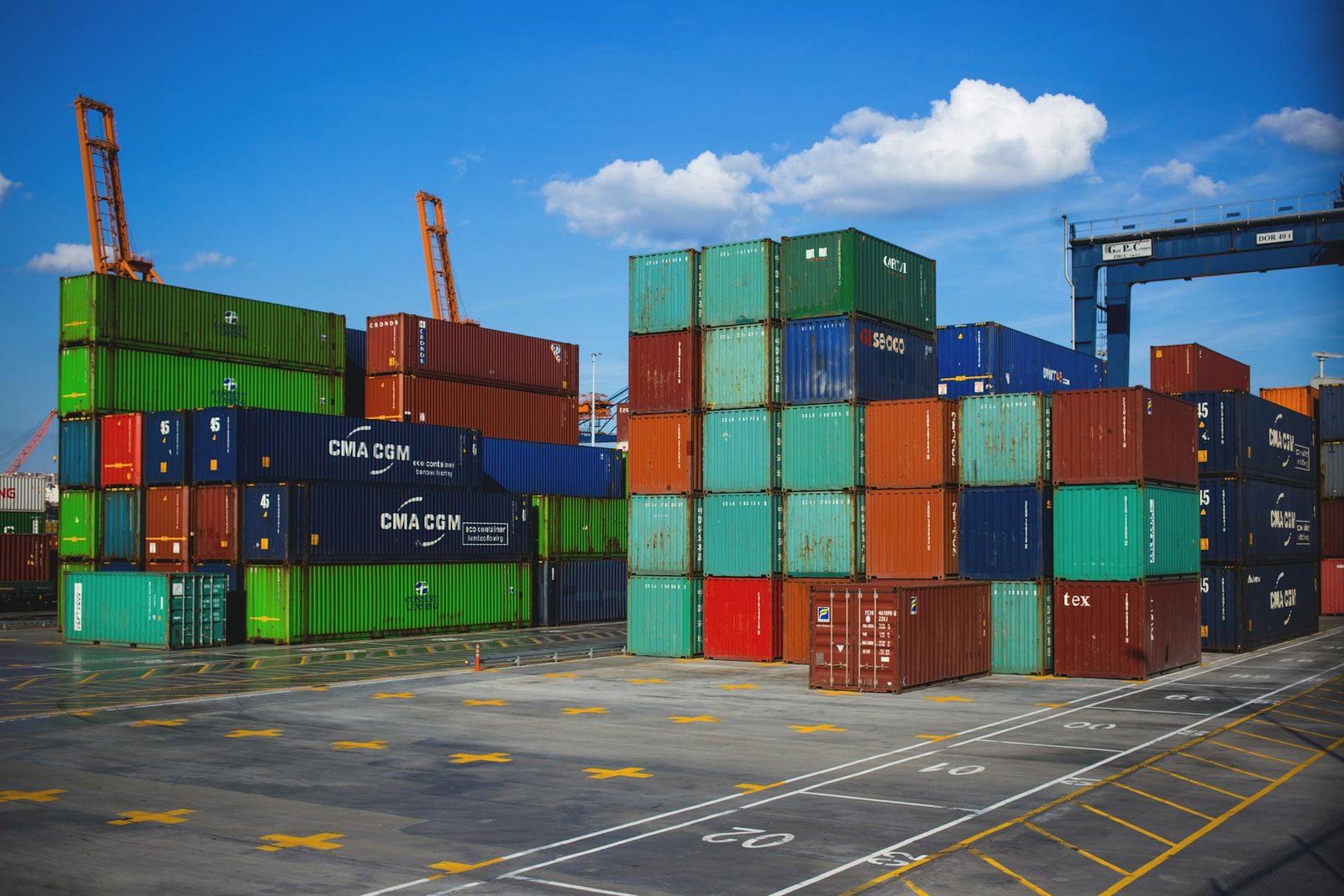
Importing from China can be highly profitable, but it also comes with significant risks. Understanding these risks and knowing how to manage them is essential for anyone serious about the import from China to India. The biggest risk is supplier fraud. Some Chinese suppliers take your money and disappear, or they send defective products that cannot be sold. To manage this risk, never pay 100 percent upfront. Use a letter of credit or pay 30 percent advance and 70 percent after quality inspection. Always request product samples before placing a bulk order and consider using third party inspection services like SGS or Bureau Veritas. The second risk is quality inconsistency. Even honest suppliers may send perfect goods in the first shipment and defective goods in the second. To manage this, build quality checks into every order. Inspect a random sample before the goods leave China. The third risk is customs clearance delays. Your shipment can be held for days or weeks if your documentation has errors. To manage this, hire a licensed customs broker and use digital filing on ICEGATE. Keep all documents ready before the ship arrives. The fourth risk is sudden duty hikes or policy changes. The government is actively monitoring the import from China to India and may raise duties on certain products without much notice. To manage this, subscribe to Ministry of Finance notifications and check duty rates before every order. The fifth risk is currency fluctuations. If the rupee weakens against the dollar or yuan, your costs go up. To manage this, talk to your bank about hedging options like forward contracts that lock in exchange rates. The sixth risk is shipping delays. During Chinese holidays like Lunar New Year, factories close for weeks. To manage this, plan your orders 2 to 3 months in advance and build safety stock. The seventh risk is political or geopolitical tension. Border disputes or trade wars can disrupt supplies overnight. To manage this, diversify your suppliers. Do not rely on a single Chinese vendor. Explore sourcing from Vietnam, Taiwan, Thailand, or South Korea. The eighth risk is hidden costs like port charges, demurrage, and broker fees. To manage this, ask for a complete breakdown of all charges before you ship. The import from China to India is a business of margins, and unexpected costs can wipe out your profit. By anticipating these risks and having a plan for each one, you can protect yourself and build a sustainable import business.
10: The Future of Import from China to India and Actionable Tips
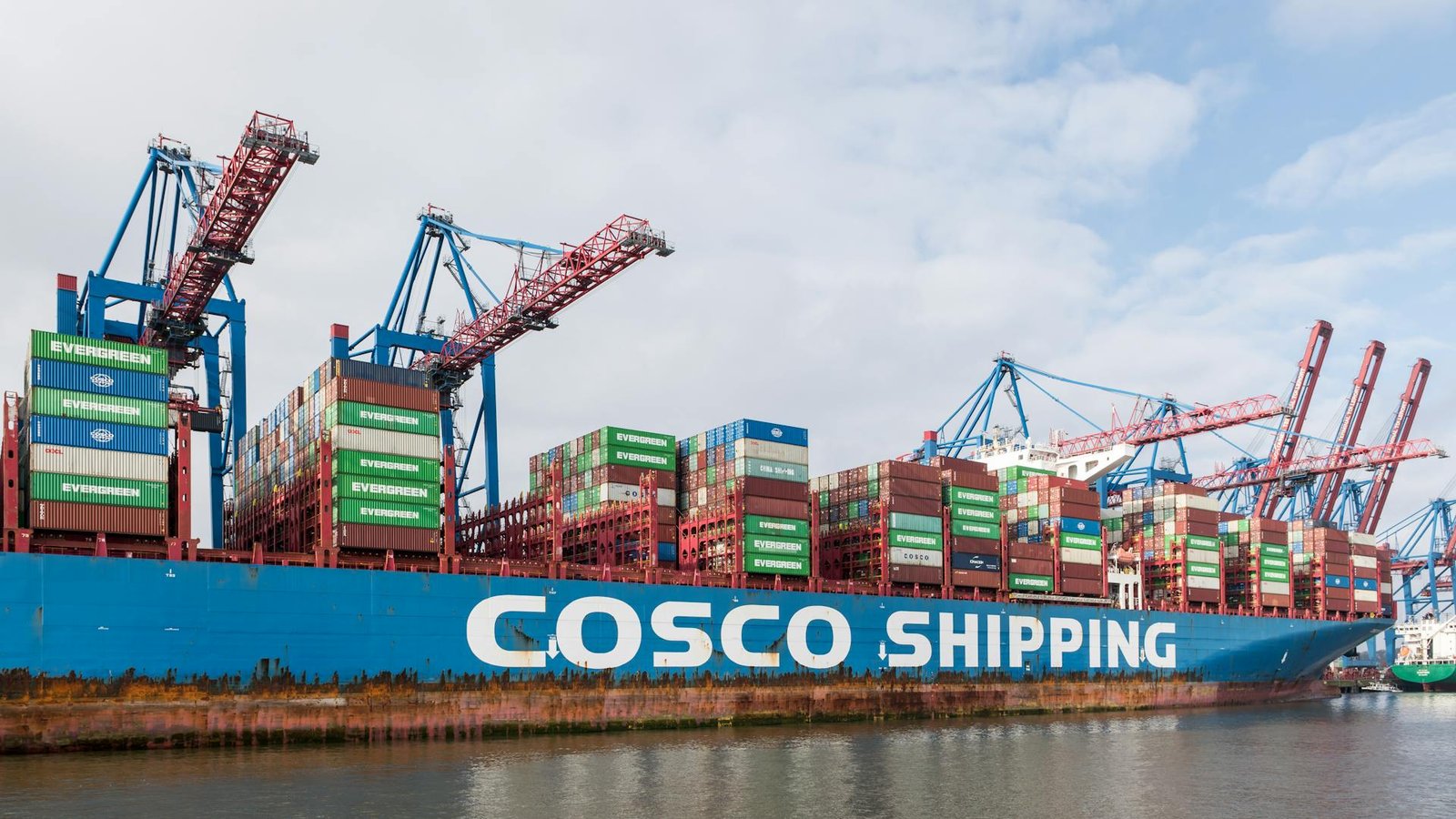
What will the import from China to India look like in 2027 and beyond? Based on current trends and policy announcements, experts project several developments. First, the trade deficit with China is likely to exceed 120 billion dollars by 2027 unless major policy changes happen. Second, the PLI scheme will expand to more sectors including textiles, furniture, and precision engineering. Third, Chinese foreign direct investment in India will increase in non sensitive sectors as the government relaxes rules. Fourth, domestic manufacturing quality and scale will improve, but slowly over a 5 to 10 year period. Fifth, Indian importers will increasingly diversify to Vietnam, Thailand, and Indonesia as alternative sourcing destinations. The Global Trade Research Initiative recommends that India limit dependence on any single country to below 30 percent of imports in critical sectors like pharmaceuticals, electronics, electric vehicles, and clean energy. The import from China to India currently exceeds 40 percent in these sectors, so there is much work to do. For small business owners and importers, here are actionable tips for 2026 and beyond. First, recalculate your landed costs using the new Budget 2026 duty rates. Second, diversify your supply chain by identifying at least one alternative supplier outside China. Third, apply for PLI benefits if you manufacture any product in India. Fourth, build relationships with multiple Chinese suppliers so you are never dependent on one. Fifth, use digital tools like ICEGATE to speed up customs clearance. For students and young professionals, learn HS codes, follow Union Budget news, and consider careers in logistics and customs compliance. For manufacturers, apply for PLI schemes, invest in quality improvement, and join industry associations to stay informed. The import from China to India will remain a major feature of the Indian economy, but the landscape is changing. Those who adapt will thrive. Those who ignore the changes will struggle. Download my free import checklist and duty calculator to get started. Subscribe to my newsletter for monthly updates on duty changes and PLI announcements. And share your own import experience in the comments below. Your story could help another entrepreneur take their first step. The journey of a thousand shipments begins with a single order. Start yours today.
Conclusion:
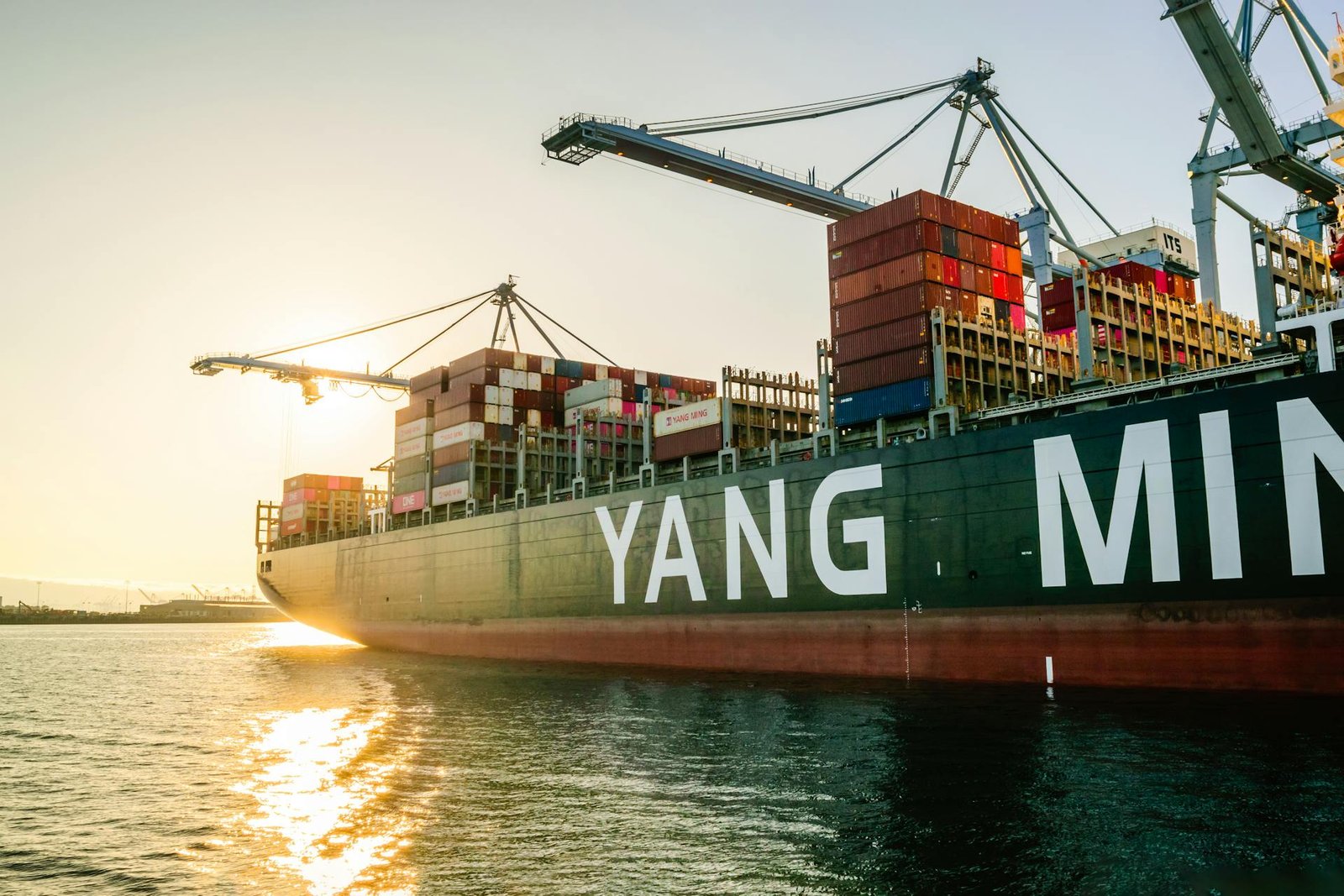
After reading this entire guide, you should have a clear and practical understanding of the import from China to India in 2026. Let me summarize the most important takeaways so you can remember them and act on them. First, the trade deficit with China is real and large, standing at 112.1 billion dollars. This means India buys far more from China than it sells. Second, the dependence is highest in four sectors: electronics, machinery, organic chemicals, and pharmaceuticals. China supplies over 40 percent of India’s needs in each of these areas. Third, Budget 2026 introduced important duty changes. Solar module duties rose to 40 percent, mobile phone components became duty free, and electric vehicle component duties fell to 10 percent. Fourth, the PLI scheme is the government’s main tool to reduce the import from China to India over time. It has already attracted 2.16 lakh crore rupees in investments and created 14.39 lakh jobs. Fifth, India’s trade policy with China shifted in 2026 from freeze to pragmatism. Small Chinese investments are now allowed through an automatic route, and the government is open to Chinese manufacturing in India for non strategic sectors. Sixth, real Indian entrepreneurs like Harsh and Shakti from Ahmedabad and Abhishek Sinngh from Delhi have built successful businesses using smart import strategies. Their stories prove that you do not need huge capital to start. Seventh, the 10 step import process is straightforward when you break it down: get an IEC, find your HS code, check BIS requirements, find suppliers, negotiate terms, arrange payment, ship goods, prepare documents, pay duties, and arrange delivery. Eighth, the risks of importing from China are real but manageable. Supplier fraud can be avoided with letters of credit and inspections. Quality issues can be caught with pre shipment testing. Customs delays can be prevented with proper documentation. Ninth, the import from China to India will remain a major part of the Indian economy for the foreseeable future, but the landscape is changing. Importers who diversify their suppliers, use digital tools, and stay updated on policy changes will thrive. Tenth, you have the power to start your own import journey today. Download the free resources mentioned in this guide, subscribe to duty update notifications, and take the first small step. The import from China to India is not just for large corporations. Small businesses across India are doing it successfully. If they can do it, so can you. Remember to always calculate your landed cost before placing an order, never pay 100 percent upfront, and always verify your supplier. With patience, research, and careful planning, you can build a profitable import business that serves the growing Indian market. The knowledge is now in your hands. Go take action.
FAQ: Frequently Asked Questions About Import from China to India
1: What is the first thing I need to start importing from China to India?
The very first thing you need is an Import Export Code or IEC from the DGFT website. Without this 10 digit number, you cannot clear customs or send money to China for commercial imports. The application is online, requires your PAN card, and takes about 10 to 15 days. The import from China to India legally begins only after you have this code.
2: How much money do I need to start a small import business from China?
You can start with as little as one lakh rupees. Abhishek Sinngh started his import business with exactly one lakh rupees. The import from China to India can be done with small orders, especially if you focus on lightweight, high value products like mobile accessories or electronic components. Start small, learn the process, and then scale up.
3: What are the most profitable products to import from China to India?
The most profitable products for small importers are electronics accessories like power banks, Bluetooth speakers, USB hubs, and smartwatches. Other good categories include LED lights, home decor items, fitness equipment, and kitchen gadgets. The import from China to India for these items has high demand from Indian consumers and reasonable profit margins of 30 to 50 percent.
4: How long does it take for goods to arrive from China to India?
Sea freight from Shanghai or Guangzhou to Mumbai or Chennai takes 12 to 20 days. After that, customs clearance takes 3 to 7 days. Total time from order to delivery is usually 4 to 6 weeks. The import from China to India by air freight is faster at 7 to 10 days but costs much more. Plan your inventory accordingly.
5: Do I need BIS certification for all products imported from China?
No, BIS certification is only required for specific product categories including mobile phones, laptops, power banks, toys, pressure cookers, and certain chemicals. Before placing any order, check the mandatory BIS list on the DGFT website. The import from China to India of products that require BIS certification without having that certification will result in your goods being stopped at customs.
6: How can I find a reliable Chinese supplier and avoid fraud?
Use verified platforms like Alibaba with Trade Assurance, attend the Canton Fair in Guangzhou to meet suppliers in person, ask for business licenses and factory videos, order product samples before bulk orders, and use a letter of credit instead of direct wire transfers. The import from China to India is safe when you take these verification steps. Never pay 100 percent upfront.
7: What is the total customs duty I need to pay on imports from China?
The total duty includes three parts: Basic Customs Duty which varies by product, a Social Welfare Surcharge of 10 percent of the BCD, and an Integrated GST of 18 percent on the total of goods value plus both duties. For many electronics, total duty ranges from 20 to 40 percent of the goods value. Use the ICEGATE duty calculator before any import from China to India to avoid surprises.
8: Can I import from China without a customs broker?
Technically yes, but for your first few shipments, it is highly recommended to hire a licensed customs broker. They charge 2,000 to 5,000 rupees per shipment but save you from costly documentation errors and delays. The import from China to India involves complex paperwork, and one mistake can lead to your goods being held for weeks. A broker is worth the cost.
9: What should I do if my shipment is delayed at Indian customs?
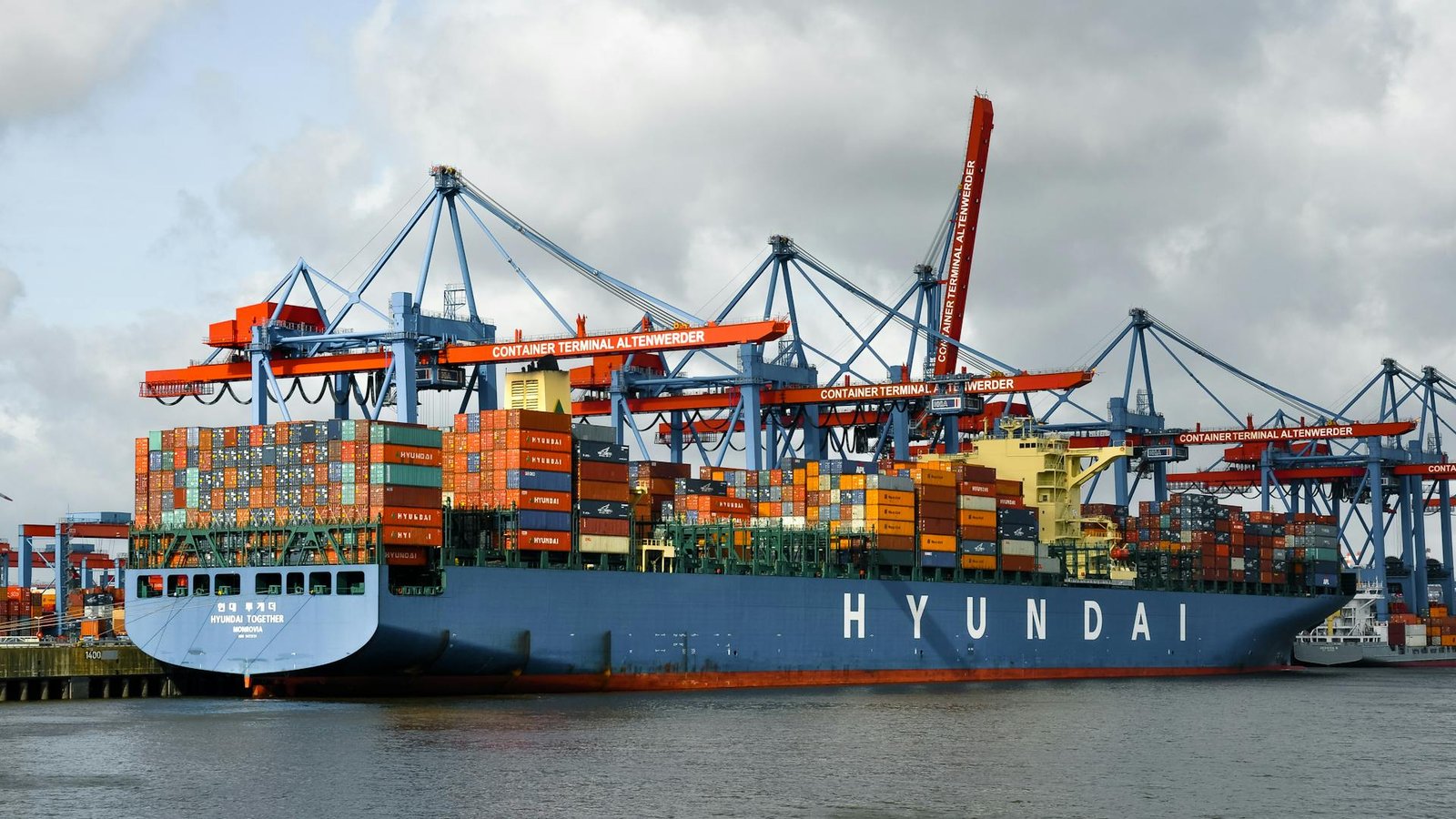
First, ask your customs broker for the specific reason for delay. Common causes include missing documents, incorrect HS code, or a physical inspection request. Provide any missing documents immediately. If the delay exceeds 10 days, contact the port’s customs commissioner or use the ICEGATE grievance portal. The import from China to India can face delays, but most are resolved within a week with proper follow up.
10: Is the government planning to stop imports from China completely?
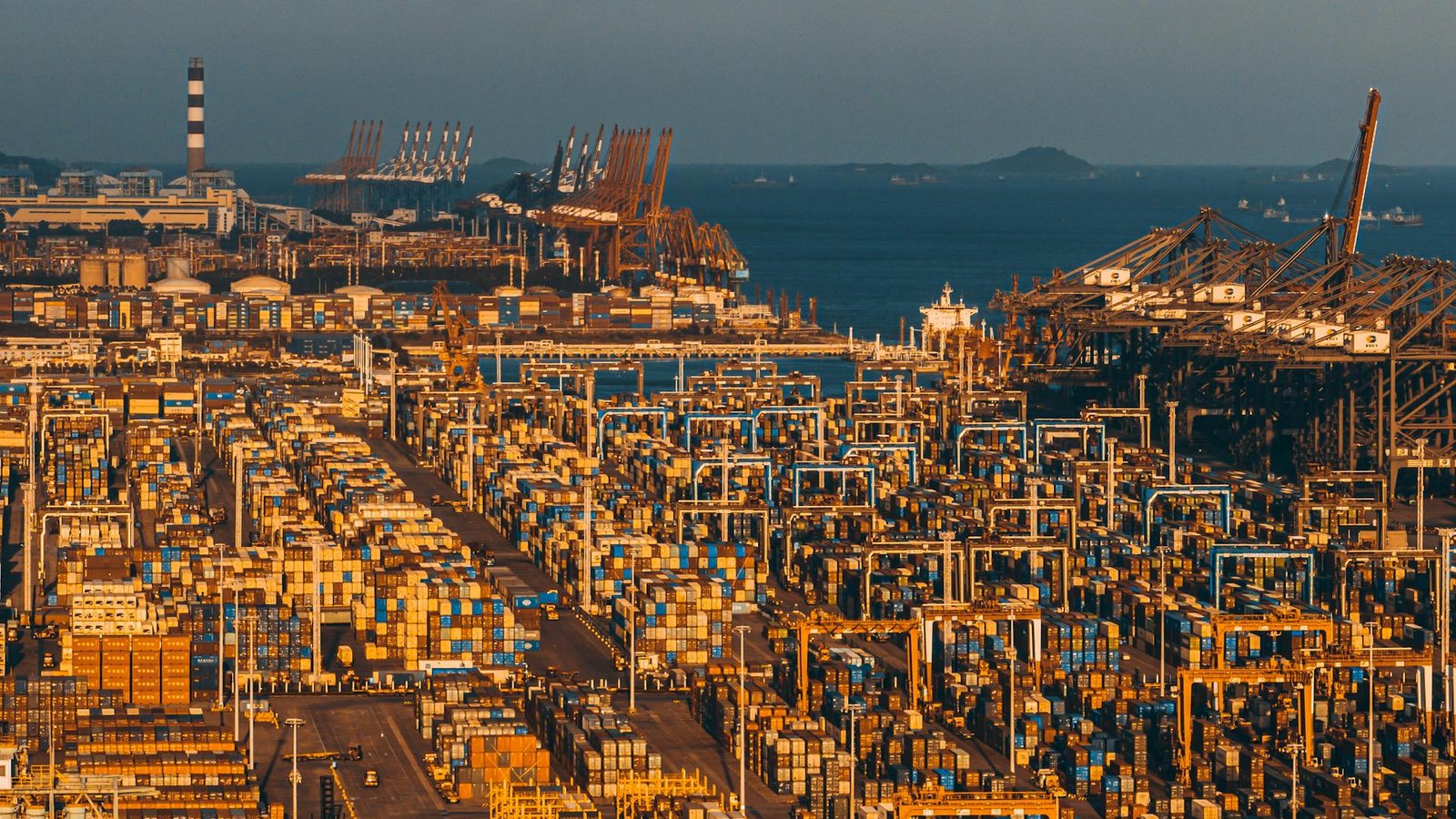
No, the government is not planning to stop imports from China completely. That would hurt Indian manufacturers who rely on Chinese components. Instead, the strategy is gradual reduction through duty hikes, PLI incentives, and diversification. The import from China to India will continue, but the goal is to reduce dependence from over 40 percent to below 30 percent in critical sectors over the next 5 to 7 years.
1 thought on “Import from China to India: 2026 Tariffs & Guide”