

Description:

Diabetes has quietly become the biggest health crisis India has ever faced. Today, more than 101 million adults in India are living with diabetes, and another 136 million have prediabetes—meaning they are already on the path to developing the disease. That is roughly one in every four Indians who either has diabetes or is at high risk of getting it. What makes this even more alarming is that more than half of those with diabetes do not even know they have it, because the condition often shows no symptoms in its early stages. The national prevalence has reached approximately 11.4%, while a more recent meta-analysis estimates the figure at 15.37%. This means diabetes is no longer a disease of the elderly or the wealthy—it is affecting young professionals, college students, and even teenagers across every state and every socioeconomic background.
But here is the good news: Type 2 diabetes is largely preventable, and in many cases, it can even be reversed. The year 2026 has brought remarkable breakthroughs. Novo Nordisk has launched Awiqli, the world’s first once-weekly insulin injection, reducing the annual burden from 365 injections to just 52. Indian researchers at the Indian Institute of Science in Bengaluru are developing AI-powered tools that can predict blood sugar fluctuations hours in advance. And clinical studies are showing that with intensive lifestyle changes, a significant number of patients can achieve diabetes remission. This comprehensive guide brings together the latest statistics, breakthrough treatments, practical prevention strategies, and real-life success stories to help you understand diabetes and take control of your health. Whether you are a student, a working professional, a parent, or a senior citizen, this post is designed to give you the knowledge and tools you need to protect yourself and your loved ones.
1: The Fundamental Pathophysiology – Moving Beyond the Sugar Myth

To effectively combat diabetes, we must first dismantle the oversimplified narrative that it is merely a “sugar disease.” While the consumption of refined sugars is a contributing factor, the underlying biology is far more intricate. Diabetes mellitus, at its core, is a chronic metabolic disorder characterized by elevated blood glucose levels, resulting from either the pancreas’s failure to produce sufficient insulin or the body’s inability to utilize the insulin it produces. This latter condition, known as insulin resistance, is the primary driver of the Type 2 diabetes epidemic currently sweeping through India. Understanding this distinction is the first and most critical step in implementing effective diabetes prevention tips. The pathophysiology involves a cascade of events: excess caloric intake, particularly from high-glycemic carbohydrates, leads to the accumulation of ectopic fat—fat stored in places it shouldn’t be, such as the liver and skeletal muscle. This ectopic fat disrupts the insulin signaling pathways, preventing glucose transporters (specifically GLUT4) from shuttling sugar from the bloodstream into the cells where it can be utilized for energy. Consequently, the pancreas must work overtime, pumping out ever-increasing amounts of insulin to overcome this resistance. Over years, this compensatory mechanism leads to beta-cell exhaustion, where the insulin-producing cells of the pancreas begin to fail, transitioning a patient from prediabetes to full-blown Type 2 diabetes. This biological deterioration highlights why early intervention is paramount, and why genuine diabetes prevention tips must focus on reducing intramyocellular and intrahepatic lipids. For the Indian population, this is particularly crucial because studies consistently demonstrate that South Asians possess a unique phenotype characterized by higher body fat percentages and lower muscle mass at any given Body Mass Index compared to Caucasians. This means an Indian individual with a BMI of 23 often has a comparable or even higher risk of insulin resistance than a Westerner with a BMI of 27. This genetic predisposition is not a death sentence, but it demands a more rigorous, science-backed approach to prevention. By acknowledging the metabolic reality of insulin resistance and beta-cell dysfunction, we can shift our focus from merely managing blood sugar numbers to addressing the root causes. The goal is to restore metabolic flexibility, allowing the body to seamlessly switch between burning carbohydrates and fats for fuel. This requires a nuanced understanding of macronutrient quality, meal timing, and physical activity patterns. Therefore, any discussion of authentic diabetes prevention tips must begin with this foundational knowledge, empowering individuals to ask the right questions of their healthcare providers and make lifestyle choices that directly counteract these pathophysiological processes. The stark reality is that the diabetes epidemic in India is a direct consequence of rapid nutritional and lifestyle transitions colliding with a vulnerable genetic backdrop.
2: The Alarming Epidemiologic Transition – Decoding the Indian Statistics

The data emerging from India in 2026 paints a picture of an unprecedented public health emergency that demands immediate attention and robust action. According to the latest ICMR-INDIAB study, the nation is now home to over 101 million adults with diabetes, a number that eclipses the populations of most countries. Even more alarming is the figure of 136 million individuals who inhabit the grey zone of prediabetes, a condition where blood glucose levels are elevated but not yet within the diagnostic threshold for diabetes. These individuals represent the primary target demographic for effective diabetes prevention tips, as this stage offers the maximum opportunity for reversibility. The prevalence rate has skyrocketed to 11.4%, meaning more than one in ten adults is currently grappling with this condition, and when combined with prediabetes, nearly one in four Indians exhibits some form of glycemic abnormality. The geographical distribution of this burden is equally telling, with a distinct concentration in the southern and western states of the country. Kerala leads the nation with a staggering prevalence of 31.9% among men and 28.9% among women, a statistic that reflects the rapid urbanization and dietary westernization of the region. Goa, Tamil Nadu, and Andhra Pradesh follow closely, each reporting prevalence rates exceeding 20%. However, the most concerning trend is the rising incidence in previously considered “low-risk” states, indicating that the epidemic is no longer confined to metropolitan centers but is spreading into rural heartlands. This shift is attributed to the increasing consumption of processed foods, reduced physical activity due to mechanization of agriculture, and growing economic prosperity that alters traditional eating habits. The economic ramifications of these numbers are staggering. India bears the second-highest economic burden from diabetes globally, estimated at a colossal $11.4 trillion, a figure that significantly hampers the nation’s developmental trajectory. This financial cost encompasses direct medical expenditures for medications, insulin, and hospitalizations, as well as indirect costs such as lost productivity, premature disability, and caregiver strain. The lifetime cost of managing diabetes from diagnosis to end-of-life is estimated to be between ₹6 to ₹9 lakh per patient, a sum that can plunge middle-class families into debt and exacerbate poverty cycles. The challenge is compounded by the diagnostic gap; over half of the diabetic population remains undiagnosed, silently suffering the chronic hyperglycemia that damages microvascular and macrovascular systems. This underscores the critical necessity of widespread screening campaigns and community-based health education. Given this epidemiological landscape, the dissemination of evidence-based diabetes prevention tips becomes not just a matter of individual health but a national priority. The transition from a rural, physically active society to an urban, sedentary one has happened at an unprecedented speed, outpacing the body’s evolutionary ability to adapt. The solution lies in a multipronged approach that combines individual behavioral modification with systemic policy changes aimed at creating environments that facilitate healthier choices.
3: The Phenotypic Vulnerability – Why Indians Are Uniquely Susceptible

The term “South Asian phenotype” has gained significant clinical relevance in recent years, serving as a crucial framework for understanding why India bears such a disproportionate share of the global diabetes burden. This phenotype is characterized by a distinct body composition: individuals of South Asian descent tend to have higher percentages of body fat and lower amounts of skeletal muscle mass at any given Body Mass Index compared to their Caucasian counterparts. This phenomenon, often described as the “thin-fat Indian” paradox, means that even ostensibly lean individuals may harbor metabolically harmful visceral adiposity—fat that accumulates deep within the abdominal cavity surrounding vital organs. Visceral fat is biologically active and releases inflammatory cytokines and free fatty acids directly into the portal circulation, which drains into the liver. This creates a state of hepatic insulin resistance, where the liver becomes overburdened with fat and fails to suppress glucose production efficiently. Furthermore, the lower skeletal muscle mass is a critical vulnerability because skeletal muscle is the primary site for glucose disposal after a meal, responsible for clearing approximately 80% of the glucose load from the bloodstream. Less muscle mass translates directly to a reduced capacity to absorb glucose, leading to persistent postprandial hyperglycemia. This physiological reality makes the adoption of specific diabetes prevention tips absolutely essential for the Indian population. It is insufficient to rely solely on weight loss; we must specifically focus on interventions that reduce visceral fat and increase muscle mass. The common advice of “walking for 30 minutes” is valuable for cardiovascular health, but it is insufficient for building the muscle mass necessary to improve insulin sensitivity. Resistance training, involving weights or body-weight exercises like squats, lunges, and push-ups, is far more effective for this population. Additionally, the dietary response differs. Indians often consume diets heavily reliant on refined carbohydrates, such as white rice and wheat flour, which produce a rapid glycemic load. This spike in blood sugar places an immediate demand on the pancreatic beta-cells. Given the lower muscle mass and higher visceral fat, this standard Indian meal pattern acts as a metabolic accelerator for disease progression. To mitigate this, advanced diabetes prevention tips must advocate for reducing carbohydrate portions and simultaneously increasing the intake of high-quality proteins from pulses, legumes, and dairy to stimulate muscle protein synthesis. Furthermore, the concept of “chrononutrition”—aligning meal timing with circadian rhythms—is particularly relevant for South Asians. Research suggests that insulin sensitivity is higher in the morning and declines throughout the day, implying that a larger breakfast and smaller, earlier dinner may be advantageous. Understanding this unique physiological susceptibility is empowering; it highlights that the battle against diabetes is not about fighting one’s genetics but about strategically working with the body’s specific metabolic needs. By implementing these nuanced diabetes prevention tips, individuals can effectively counteract their genetic predisposition and rewrite their health destinies, achieving glycemic control that extends well beyond simplistic calorie-counting.
4: The Dietary Reconciliation – Rethinking the Traditional Indian Plate

One of the most profound conundrums in Indian healthcare is the clash between our rich, millennia-old culinary heritage and the modern, processed-food landscape. The traditional Indian diet, based on millets, pulses, vegetables, and fermented foods, was fundamentally protective against metabolic diseases. However, the green revolution and subsequent economic policies inadvertently promoted the cultivation and consumption of refined grains like white rice and wheat, displacing nutrient-dense coarse grains. Today, Indians derive a staggering 62.3% of their caloric intake from carbohydrates, the highest proportion globally, with total protein intake languishing at a mere 12%. This macronutrient imbalance is a primary driver of insulin resistance and pancreatic fatigue. The path to remediation lies not in abandoning Indian cuisine but in strategically reconstructing it to align with metabolic health. This involves a series of profound but manageable swaps and alterations. For instance, replacing polished white rice with ancient grains like ragi, jowar, or bajra offers a dual benefit: these millets have a lower glycemic index and are richer in essential micronutrients like magnesium and zinc, which play critical roles in glucose metabolism. Similarly, processing wheat into refined flour (maida) strips it of its fibrous bran and germ, leaving a pure starch that is rapidly digested and absorbed. Reverting to whole-wheat flour or multigrain alternatives reincorporates these vital fractions, slowing digestion and reducing glucose spikes. These are foundational diabetes prevention tips that can be seamlessly integrated into daily life without sacrificing cultural satisfaction. The “protein pairing principle” is another sophisticated strategy that has been scientifically validated to reduce post-meal glycemia. The mechanism is straightforward: consuming a carbohydrate source alongside a protein source slows gastric emptying and modulates the hormonal response, resulting in a more gradual absorption of glucose. Implementing this principle can be as simple as eating poha with a side of curd, consuming idli with a fiber-rich sambar loaded with lentils, or accompanying roti with a generous portion of dal. Furthermore, the inclusion of specific functional foods known to possess anti-diabetic properties can augment these efforts. Dr. Anoop Misra, a leading figure in Indian diabetology, frequently recommends the regular consumption of okra (bhindi), eggplant (brinjal), and jackfruit, which have demonstrated favorable effects on glycemic control through various bioactive compounds. By integrating these specific vegetables into the weekly meal plan, individuals can amplify the benefits of their dietary modifications. This approach to diabetes prevention tips is distinctly Indian, acknowledging that the solution must be culturally congruent to be sustainable. The philosophy is not one of restriction or deprivation, but rather one of mindful substitution and portion modulation. The concept of filling half the plate with non-starchy vegetables, one-quarter with quality protein, and one-quarter with intact whole grains provides a visual and practical framework that simplifies meal planning. By prioritizing food quality, macronutrient composition, and the preservation of traditional culinary practices, we can effectively counter the diabetes epidemic at the most fundamental level—the dinner table.
5: The Exercise Paradox – Why We Must Build Muscle, Not Just Walk

While the promotion of a daily 30-minute walk is a commendable public health initiative, it is grossly insufficient to reverse the insulin resistance epidemic plaguing India. The exercise paradox lies in the fact that aerobic activities like walking, while excellent for cardiovascular fitness and mental well-being, do little to address the primary muscular deficit that characterizes the South Asian phenotype. As established, skeletal muscle is the most abundant insulin-sensitive tissue in the human body, responsible for clearing the vast majority of glucose from the bloodstream following a meal. In the context of Type 2 diabetes, the muscle cells become resistant to insulin, meaning the signals to uptake glucose are blunted. However, muscle contraction, such as that experienced during strength training, exerts an insulin-independent effect on glucose uptake. This is a revolutionary concept for effective diabetes prevention tips: you do not need insulin to move glucose into a contracting muscle. Exercise activates the AMPK pathway, which effectively circumvents the insulin signaling blockade and pulls glucose directly into the cell for energy. This metabolic mechanism is the primary reason why resistance training and high-intensity interval training (HIIT) are far superior to steady-state cardio for improving glycemic control. Building and retaining skeletal muscle mass is a fundamental long-term strategy for metabolic health. For every kilogram of skeletal muscle gained, insulin sensitivity improves by approximately 3%. Consequently, a concerted effort to stack 4 kilograms of lean muscle could result in an HbA1c reduction of 0.4 to 0.6 points, an outcome comparable to initiating a new class of pharmaceutical agents. In the Indian context, where daily protein intake is often critically low and lifestyle factors encourage a sedentary existence, this muscle loss occurs early and progresses rapidly, creating a hazardous metabolic environment. Therefore, sophisticated diabetes prevention tips must explicitly advocate for the inclusion of resistance training at least two to three times per week. This does not necessarily necessitate a gym membership; body-weight exercises such as squats, push-ups, lunges, and tricep dips can be highly effective. The use of resistance bands is also an affordable and accessible option. The optimal exercise prescription involves a combination of modalities: aerobic exercise for cardiovascular conditioning and calorie expenditure, and resistance training for muscle maintenance and glucose disposal enhancement. Furthermore, breaking up long periods of sitting is equally crucial. Prolonged sedentary time is an independent risk factor for insulin resistance, regardless of whether one exercises. Implementing frequent “movement snacks”—brief, 2-minute bouts of activity every 30 minutes—can significantly improve postprandial glucose handling. This holistic exercise philosophy represents a pivotal shift in diabetes prevention tips, moving the goalpost from simply “moving more” to “exercising smarter.” It champions a personalized, data-driven approach that addresses the unique physiological vulnerabilities of the Indian demographic, empowering individuals to take active control of their metabolic destiny through strategic physical exertion.
6: The 2026 Therapeutic Revolution – From Weekly Insulin to AI Predictive Care
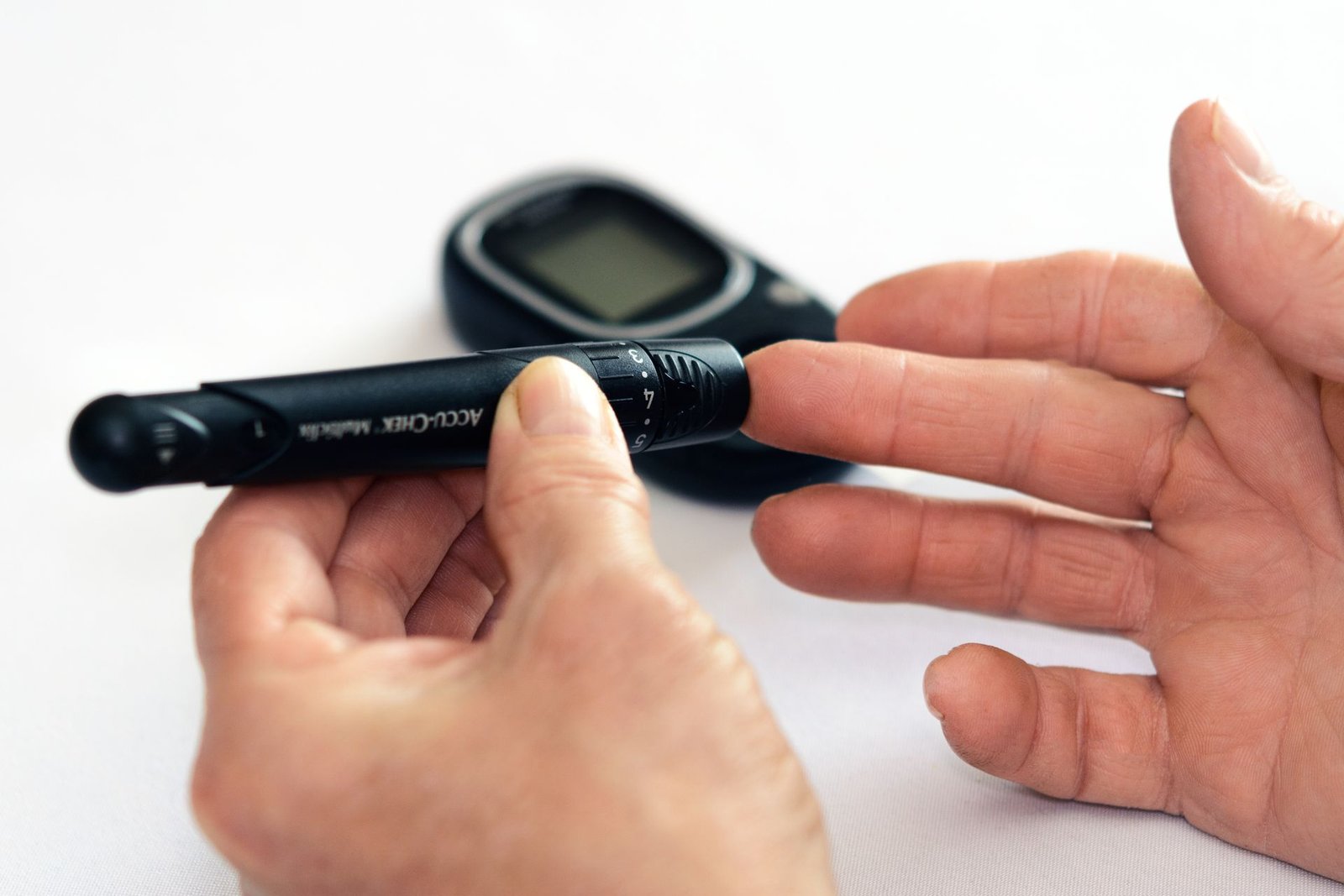
The year 2026 marks a watershed moment in diabetes therapeutics, ushering in an era of convenience and precision that was unimaginable just a decade ago. These medical advancements are not merely incremental improvements; they represent paradigm shifts that are transforming the patient experience and offering newfound hope for remission. The most prominent breakthrough is the commercial launch of Awiqli (insulin icodec), the world’s first once-weekly basal insulin injection. For decades, the psychological and logistical burden of daily insulin injections has been a primary barrier to treatment adherence, with many Indian patients delaying insulin initiation for 7 to 9 years post-diagnosis. This delay is catastrophic, as the pancreas loses beta-cell function progressively, making glycemic control increasingly difficult. Awiqli collapses this barrier by reducing the annual injection burden from 365 to just 52. A single weekly shot, costing approximately ₹261 per dose for a standard 70-unit prescription, offers a revolutionary simplification of complex regimens. This advancement is a critical component of modern diabetes prevention tips for those already diagnosed, as early and consistent insulin therapy can help preserve remaining beta-cell function and delay or prevent long-term microvascular complications. However, the therapeutic revolution extends far beyond insulin delivery. The integration of artificial intelligence into diabetes management has reached clinical maturity. Indian researchers at the Indian Institute of Science in Bengaluru have pioneered a platform called SugarSight, which employs machine learning algorithms to predict blood glucose trends hours in advance. By analyzing continuous glucose monitoring data, meal composition logs, physical activity, and historical insulin sensitivity, the AI can forecast forthcoming hyperglycemic or hypoglycemic episodes, allowing patients to take preemptive corrective action. This predictive capacity is a game-changer, shifting diabetes care from a reactive crisis-management model to a proactive, preventive one. The ultimate goal of these researchers is the development of an affordable artificial pancreas or closed-loop system, priced at approximately ₹2 lakh, which would integrate continuous glucose sensing with automated insulin delivery. While these technological marvels are transformative, they must be complemented by fundamental diabetes prevention tips at the population level to reduce the incident cases requiring such advanced intervention. The new 2026 ADA guidelines also emphasize the expanded use of Continuous Glucose Monitors (CGMs) at the onset of diagnosis for anyone who could benefit, removing previous restrictions and democratizing access to this life-enhancing technology. These sensors, which transmit real-time glucose data to smartphones, provide invaluable feedback on how different foods and activities impact blood sugar, thereby empowering patients to make highly informed lifestyle decisions. The confluence of pharmacological innovation and digital health represents the most comprehensive arsenal ever assembled against diabetes, offering a path from mere management toward holistic wellness.
7: The Stress and Sleep Axis – The Overlooked Hormonal Drivers

In the discourse surrounding diabetes, inordinate emphasis is often placed on diet and exercise, while two critical pillars—stress and sleep—are relegated to afterthoughts. However, the physiological impact of chronic stress and inadequate sleep on glucose metabolism is profound, operating through a complex neuroendocrine axis that can completely undermine the best dietary and physical efforts. This axis is mediated by the hypothalamic-pituitary-adrenal (HPA) pathway, which controls the release of cortisol, the body’s primary stress hormone. When an individual experiences acute or chronic stress—whether from professional deadlines, financial pressures, or familial responsibilities—the HPA axis is activated, leading to increased cortisol secretion. Cortisol is a counter-regulatory hormone, meaning it opposes the action of insulin and stimulates the liver to produce glucose via gluconeogenesis. This response was evolutionarily designed to provide a burst of energy for a “fight or flight” scenario. However, in modern life, where stressors are chronic and unremitting, cortisol levels remain perpetually elevated, leading to persistent hyperglycemia and an exacerbation of insulin resistance. Therefore, managing stress is an indispensable component of holistic diabetes prevention tips. Techniques such as mindfulness-based stress reduction, deep breathing exercises, and regular yoga practice have been shown to lower cortisol levels and improve glycemic parameters. Furthermore, the role of sleep in metabolic regulation is increasingly recognized as a critical determinant of diabetes risk. The 2026 ADA guidelines now explicitly recommend 7 to 8 hours of quality sleep per night as a foundational element of diabetes management and prevention. The mechanistic link is compelling: sleep restriction and poor quality sleep disrupt the circadian rhythm, leading to decreased insulin sensitivity and increased cortisol and ghrelin (hunger hormone) secretion. Poor sleep also impairs the metabolic function of adipose tissue, promoting inflammation and weight gain. For the Indian population, where shift work, long commutes, and screen time often encroach upon sleep windows, this represents a significant and underappreciated risk factor. Implementing diabetes prevention tips that prioritize sleep hygiene—such as maintaining a consistent sleep schedule, avoiding caffeine and heavy meals before bedtime, and establishing a relaxing pre-sleep routine—can dramatically improve metabolic outcomes. The integration of stress reduction and sleep optimization into a comprehensive prevention strategy acknowledges the inextricable link between mental and physical well-being. When evaluating one’s risk profile, monitoring insulin, glucose, and HbA1c is insufficient; we must also consider the psychosocial and environmental factors that exert a powerful influence on these biomarkers. By addressing the root causes of metabolic dysregulation, which include the hormonal aftermath of modern lifestyles, we can reclaim control over our health and achieve sustained diabetes remission, solidifying stress and sleep management as indispensable diabetes prevention tips.
8: The Economic Imperative – The Financial Logic Behind Prevention

Viewing diabetes through a purely clinical lens obscures its devastating socioeconomic impact. The disease is not merely a medical condition; it is a massive economic drain that perpetuates poverty and hampers national development. In 2026, India faces the second-highest economic burden from diabetes globally, with an estimated cost of $11.4 trillion. This staggering figure surpasses the nation’s annual GDP multiple times over, representing a significant obstacle to achieving India’s developmental aspirations and Sustainable Development Goals. This burden is distributed across direct and indirect costs. Direct costs encompass medications, routine medical consultations, hospitalizations, laboratory investigations, and the management of secondary complications such as cardiovascular disease, nephropathy, retinopathy, and neuropathy, which often demand expensive interventions like dialysis or surgical procedures. The lifetime financial cost of managing diabetes for a single patient over 25 to 30 years ranges from ₹6 to ₹9 lakh, a sum that can destabilize the financial security of any middle-class Indian family. This economic reality underscores the potent rationale for scaling up aggressive diabetes prevention tips. The absolute cost of prevention—through nutritional counseling, physical activity programs, and routine screening—is infinitesimal when juxtaposed against the cost of managing the full-blown disease and its complications. This returns on investment analysis is compelling: every rupee spent on primary prevention yields substantial long-term savings for both households and the national exchequer. Furthermore, the indirect costs of diabetes are equally insidious, though less easily quantifiable. These include loss of productivity due to illness and absenteeism, premature mortality resulting in lost potential income, and the burden of caregiving that often falls on family members, frequently women, who must sacrifice their own economic participation to look after ailing relatives. This intergenerational cycle of lost potential and diminished economic output is a tragedy of monumental proportions. Recognizing this, the Indian government has taken some preliminary steps, such as the ₹10,000 crore ‘Biopharma Shakti’ plan announced in Budget 2026, aimed at boosting domestic production of affordable biopharmaceuticals, including insulin and other antidiabetic agents. However, a purely supply-side solution is insufficient. National policy must pivot towards a demand-side strategy focused on primordial prevention, creating an environment that empowers citizens to implement effective diabetes prevention tips. This involves fiscal measures such as taxation on sugary beverages and processed foods, subsidies for healthy foods like millets and vegetables, and the creation of safe urban spaces for physical activity. By framing diabetes as an economic security threat alongside a health crisis, we can galvanize multisectoral collaboration between health, finance, and urban planning ministries to forge a resilient path forward.
9: Human Resilience – Inspiring Narratives of Indian Triumph

Behind the stark statistics and clinical terminology are the profoundly human stories of individuals who have confronted diabetes and emerged victorious, their narratives illuminating a path of hope for millions. These tales of resilience serve as a powerful testament to the efficacy of rigorous adherence to evidence-based diabetes prevention tips and lifestyle interventions, proving that remission is not a theoretical concept but an achievable reality. Consider the remarkable journey of Eknath Chavan, a 62-year-old resident of Mumbai, who was diagnosed with diabetes in 2006. Over the following 18 years, his health deteriorated, his weight ballooned to 90 kilograms, and he required two daily insulin injections to maintain precarious glycemic control. However, in a decisive moment in 2023, Chavan committed to an intensive lifestyle modification under the supervision of Dr. Tushar Bandgar at KEM Hospital. His regimen was a paradigm of discipline: he reduced his meal portions to a single chapati, eliminated rice entirely, and consumed only minimally oiled vegetables. He integrated regular, consistent walking into his daily routine and completely abstained from alcohol. The outcome was nothing short of miraculous. Chavan shed 21 kilograms, reducing his weight to 69 kilograms, and his medication requirement plummeted to a mere quarter of an oral pill per day. He is now on the precipice of complete diabetes remission, a state typically considered unattainable for those with a disease duration exceeding a decade. On his 37th wedding anniversary, he donned the safari suit that his father-in-law had stitched for his wedding, a suit he had been unable to wear for years. His triumph is not merely aesthetic; it is a profound victory of willpower over adversity. Similarly, Jazz Sethi’s story challenges the narrative of victimhood. Diagnosed with Type 1 diabetes at the age of 13 with a catastrophic blood sugar of 1050 mg/dL, she was initially devastated by the lifelong insulin dependence. Yet, she refused to be defined by her condition. Today, at 31, Jazz has forged a multidimensional identity as a professional dancer, choreographer, and theatre artist. She founded the Diabesties Foundation, which has become a behemoth of support, connecting over 60,000 patients, families, and educators across India. Her life’s work emphasizes that a diagnosis is not an end, but a beginning of a different journey. These stories, combined with robust clinical data showing a 31% remission rate among participants in comprehensive lifestyle programs, provide overwhelming evidence that the human body possesses an extraordinary capacity for healing. The common thread is not extreme medical intervention, but the disciplined application of foundational diabetes prevention tips: dietary restructuring, physical fortitude, and psychological fortitude. These individuals have transformed their suffering into a source of empowerment, demonstrating that through courage, consistency, and education, the tide of diabetes can be turned.
10: A Definitive Action Framework – Translating Knowledge into Tangible Results

Having assimilated the extensive biological, epidemiological, and therapeutic knowledge outlined in the previous sections, the final and most crucial step is the translation of this information into a structured, actionable framework. Knowledge, unaccompanied by action, remains inert. Thus, we present a definitive seven-step protocol that operationalizes the most advanced diabetes prevention tips and therapeutic insights into a practical, daily routine that can be adopted by anyone, regardless of their current health status.
Step one, the cornerstone of all prevention, is exhaustive diagnostic screening. You must not rely on symptoms, which are often absent or ambiguous in the early stages. Conduct a comprehensive metabolic panel that includes not only fasting blood glucose but also postprandial glucose, HbA1c, and a lipid profile. Many pharmacies and primary care clinics offer these tests affordably. For adults over 30, this should be an annual ritual.
Step two is the meticulous documentation of your anthropometric and metabolic data. Record your body weight, waist circumference, and hip circumference. These visceral fat proxies are often more predictive of Indian-specific risk than BMI alone. Calculate your Waist-to-Hip ratio and use it as a benchmark for your muscle-building and fat-loss endeavors.
Step three involves a radical dietary recalibration. Discard the notion of a one-size-fits-all diet. Instead, personalize your plate based on your metabolic needs. Remove ultra-processed foods and sugar-sweetened beverages from your pantry. Replace refined starches with millets and legumes. Implement the protein pairing principle at every meal, and ensure that your food is as close to its natural state as possible. Adopt a principle of conscious eating, paying attention to satiety cues rather than external portion guides.
Step four is the strategic deployment of the exercise prescription. You must integrate progressive overload training into your weekly routine, aiming for three sessions of resistance exercise. This is non-negotiable. Supplement this with moderate aerobic activity on alternate days, and break up prolonged sitting periods with brief activity breaks. The goal is to continuously challenge your musculature to improve its mass and insulin sensitivity.
Step five is the behavioral modulation of stress and sleep. Adopt a nightly wind-down routine to ensure a minimum of 7 hours of uninterrupted sleep. Create a digital curfew and engage in relaxing activities like reading or listening to calming music. To manage stress, dedicate 10 minutes each morning to mindfulness or breathwork. These practices recalibrate the neuroendocrine system, supporting your physical efforts.
Step six is the utilization of technology. If you are diagnosed with diabetes, embrace the use of Continuous Glucose Monitors to gain real-time feedback on your lifestyle choices. This data will allow you to fine-tune your dietary and exercise regimen with unprecedented precision. For those with prediabetes, simple wearable step counters can provide necessary motivation.
Step seven is ongoing education and community engagement. The science of metabolism is evolving rapidly. Stay abreast of new research, and share your journey with a supportive network. This mutual reinforcement provides the psychological scaffolding necessary for long-term adherence. By methodically implementing these diabetes prevention tips, you are not just managing a condition; you are reclaiming your biological sovereignty. The pathway is clear; it requires commitment, but the reward is a life of vitality, free from the shackles of chronic disease.
Conclusion:

The numbers are sobering: 101 million people with diabetes, 136 million with prediabetes, a projected 75% rise in cases by 2050, and an economic burden of $11.4 trillion. Behind each of these numbers is a real person—a mother, a father, a son, a daughter—whose life is being shaped by this disease. But these numbers also tell another story: one of opportunity. We have never had more knowledge about how diabetes develops, more tools to prevent it, or more advanced treatments to manage it than we do right now in 2026. The once-weekly insulin Awiqli is making lifelong insulin therapy less intimidating. Continuous glucose monitors are providing real-time feedback that empowers patients to make smarter daily decisions. AI-powered platforms are predicting blood sugar trends before they become dangerous. And most importantly, scientific evidence is proving that lifestyle changes alone can put Type 2 diabetes into remission.
The question is no longer whether we can fight diabetes. The question is whether we will. Will you get tested this year? Will you make that one small change in your diet or exercise routine? Will you share this knowledge with someone who needs it? The power to change the trajectory of this epidemic lies not in hospitals or laboratories alone—it lies in the daily choices of 1.4 billion Indians. Every healthy meal, every walk after dinner, every stress-management session, and every routine health check-up is a step toward a healthier future. India has the largest population of people with diabetes in the world, but we also have the potential to become the world’s example of how to reverse this epidemic through awareness, prevention, and community action. The science is clear, the tools are available, and the success stories are real. Now it is up to each of us to take that first step. Your health is your greatest wealth—protect it starting today.
Frequently Asked Questions About Diabetes
Q1: What exactly is diabetes, and how does it affect the body?

Diabetes is a metabolic disorder where your blood sugar (glucose) levels remain too high. Your body needs sugar for energy, but sugar cannot enter your cells without a hormone called insulin, which is produced by your pancreas. In Type 1 diabetes, your body does not produce insulin at all. In Type 2 diabetes, which accounts for about 90% of all cases, your body produces insulin but your cells do not respond to it properly—this is called insulin resistance. Over time, the pancreas becomes exhausted and cannot keep up with the demand, leading to chronically high blood sugar that can damage blood vessels, nerves, kidneys, eyes, and the heart.
Q2: Can thin people get diabetes? I thought only overweight people got it.

Yes, absolutely. This is one of the biggest misconceptions about diabetes. In India, many people who look thin on the outside have high amounts of visceral fat—dangerous fat stored around internal organs like the liver and pancreas. This “thin-fat Indian” or “South Asian phenotype” means that an Indian adult with a normal BMI can have the same diabetes risk as a Caucasian adult who is significantly overweight. That is why you cannot judge your diabetes risk just by looking in the mirror or stepping on a weighing scale.
Q3: What are the early warning signs of diabetes that I should not ignore?

Many people with diabetes have no symptoms at all in the early stages, which is why it is often called a “silent killer.” However, when symptoms do appear, they include frequent urination (especially at night), excessive thirst that no amount of water seems to quench, unexplained weight loss despite eating normally, extreme fatigue, blurred vision, slow-healing wounds, tingling or numbness in hands and feet, and frequent infections. If you experience any of these, get your blood sugar tested immediately.
Q4: How often should I get tested for diabetes?

Adults should check their blood sugar levels at least once a year, even if they feel perfectly fine. If you have a family history of diabetes, are overweight, have high blood pressure, or belong to a high-risk group (which includes most South Asians), you may need more frequent testing. Regular screening is one of the most effective ways to catch the disease early, when it is easiest to manage or even reverse.
Q5: Can diabetes be reversed or cured?

Type 2 diabetes cannot be “cured” in the traditional sense, but it can go into remission. Remission means your blood sugar levels return to normal without the need for medication. Studies have shown that a significant number of Indian patients can achieve remission through intensive lifestyle changes, including weight loss, dietary modification, and regular exercise. However, remission requires ongoing effort—if you regain weight or return to unhealthy habits, diabetes can return. Type 1 diabetes, on the other hand, requires lifelong insulin therapy and cannot be reversed.
Q6: Is it true that eating sugar directly causes diabetes?

No. Eating too much sugar does not directly cause diabetes. However, a diet high in sugary foods and refined carbohydrates contributes to weight gain and obesity, which are major risk factors for developing Type 2 diabetes. Diabetes develops due to a combination of factors including genetics, insulin resistance, lifestyle, and overall diet. While sugar alone is not the cause, reducing your intake of sugary drinks and processed foods is still an important part of diabetes prevention.
Q7: What is the new once-weekly insulin that was launched in India in 2026?
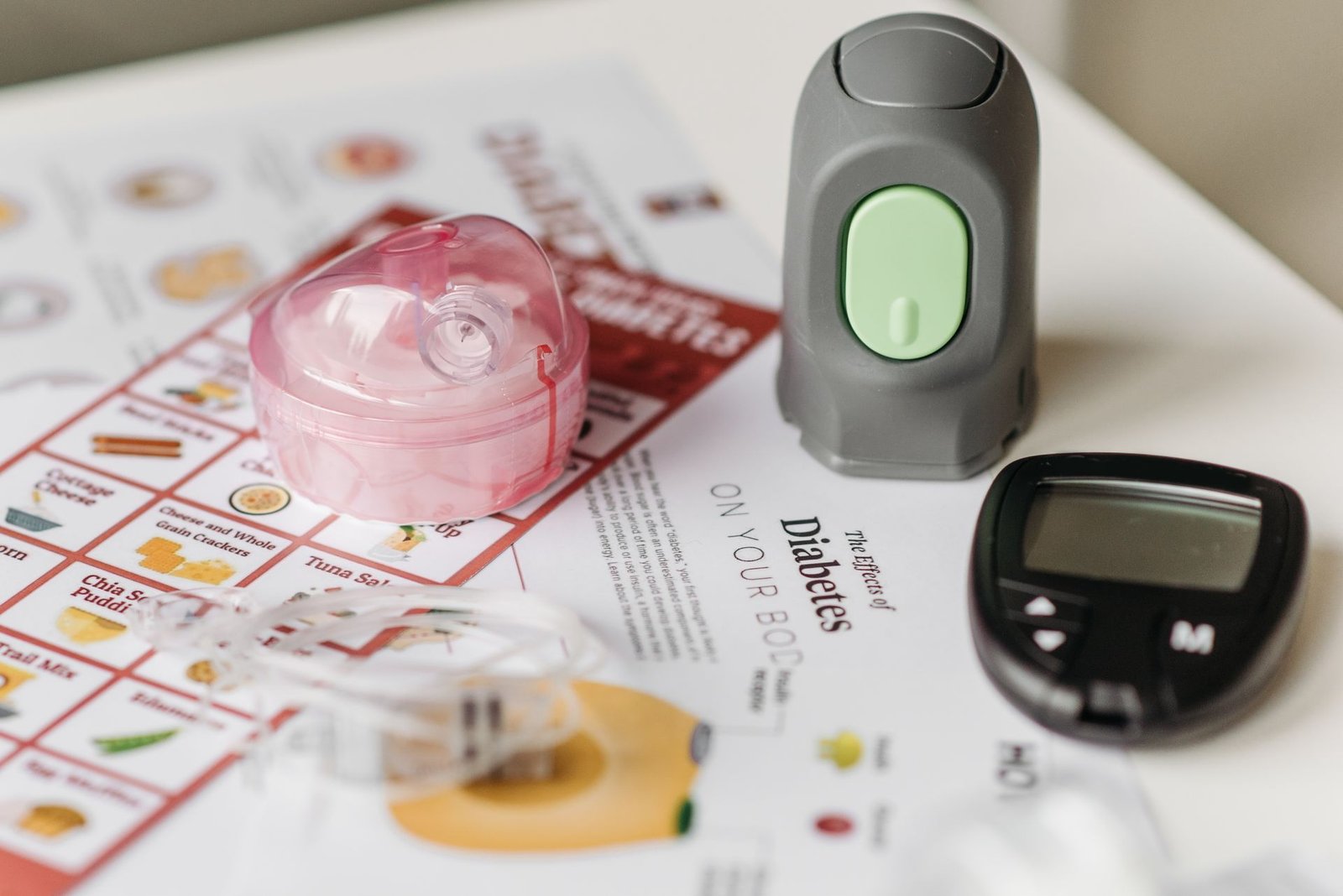
In July 2026, Novo Nordisk launched Awiqli (insulin icodec) in India—the world’s first once-weekly basal insulin injection. It reduces the annual injection burden from 365 to just 52. A once-weekly dose of 70 units costs approximately ₹261. It is available in two variants: a 1 ml (700-unit) pen priced at ₹2,611 and a 3 ml (2,100-unit) pen priced at ₹7,833. This breakthrough is particularly significant for India, where insulin initiation is delayed by an average of 7–9 years due to fear of injections and cost concerns.
Q8: What foods should I eat and avoid to prevent or manage diabetes?

You do not need to give up traditional Indian foods. Focus on smart swaps: replace white rice with millets like ragi, jowar, or bajra; replace refined flour (maida) with whole wheat or millet flour; and limit sugary drinks and packaged snacks. Always pair carbohydrates with protein—for example, eat poha with curd, idli with sambar, or roti with dal. Include foods like bhindi (okra), brinjal (eggplant), and leafy greens in your diet. Avoid fruit juices and very sweet fruits in excess, but whole fruits like guava, apple, papaya, and orange can be eaten in moderate portions. Most importantly, control your portion sizes and eat home-cooked meals whenever possible.
Q9: Do I need to take insulin if I have Type 2 diabetes? Does it mean my condition is severe?

Not necessarily. Insulin is not just a “last resort”. It may be required in Type 2 diabetes during acute stress situations such as infections or acute illness. Timely use of insulin can help prevent long-term complications. Some people with Type 2 diabetes may only need insulin temporarily; once the acute situation resolves, they can often return to oral medications. Insulin does not cause addiction, and it does not mean your condition is worse than someone else’s—it simply means your body needs additional support to manage blood sugar effectively.
Q10: Are herbal or natural remedies effective for diabetes?

No herbal or natural product has been scientifically proven to cure diabetes. While some herbs and spices like methi (fenugreek), jamun, and dalchini (cinnamon) may offer slight benefits, they cannot replace lifestyle improvements and medications. Always consult your doctor before trying any alternative remedies. The most effective approach to managing diabetes remains a combination of a balanced diet, regular physical activity, stress management, adequate sleep, and, when necessary, prescribed medications. There is no shortcut or miracle cure—but with consistency and discipline, diabetes can be managed successfully.
1 thought on “Type 2 Diabetes: Prevention Tips”