
Description: What This Comprehensive Guide to Battery Reconditioning 2026 Offers You

This extensive guide serves as your definitive resource for mastering battery reconditioning 2026, a skill that combines practical electrochemistry, household economics, and environmental stewardship into one accessible practice. Within these pages, you will discover exactly why lead-acid batteries fail prematurely due to sulfation, how to distinguish between recoverable batteries and those beyond repair, and the precise step-by-step procedures for chemical and electronic reconditioning using tools costing less than ₹5,000. The guide goes beyond mere technique by presenting detailed financial analysis demonstrating that battery reconditioning 2026 saves Indian households between 90 and 95 percent of battery replacement costs, turning a recurring expense of ₹6,000 to ₹12,000 every two to three years into a one-time investment of ₹500 per battery. You will also find an inspiring case study of Ramesh from rural Uttar Pradesh, who transformed this skill into a profitable micro-enterprise earning ₹15,000 monthly while diverting hundreds of kilograms of lead from landfills. For aspiring entrepreneurs, the guide provides strategic frameworks for sourcing dead batteries, pricing services, offering warranties, and scaling operations, all while complying with India’s Battery Waste Management Rules of 2022. Advanced topics include the science of desulfation technology, which extends battery life by 100 to 150 percent through high-frequency pulses, and the hybrid approach combining chemical reconditioning with continuous desulfation for optimal results. Critical safety protocols are emphasized throughout, covering proper handling of sulfuric acid, hydrogen gas ventilation, thermal runaway prevention, and the absolute prohibition of home reconditioning for lithium-ion batteries. Environmental impact analysis reveals that adopting battery reconditioning 2026 at scale could prevent thousands of tonnes of lead contamination annually, directly supporting India’s circular economy goals. Finally, the guide looks forward to market trajectories through 2033, projecting exponential growth in battery refurbishing services driven by electric vehicle adoption and supportive government policies. Whether you are a homeowner seeking to reduce expenses, a student exploring green technology, or an entrepreneur hunting for high-margin opportunities, this guide delivers actionable knowledge that pays for itself with the very first battery you restore. The description above only scratches the surface; the full content below provides every tool, formula, and confidence check you need to succeed in battery reconditioning 2026.
1: Understanding the Core Chemistry Behind Battery Reconditioning 2026
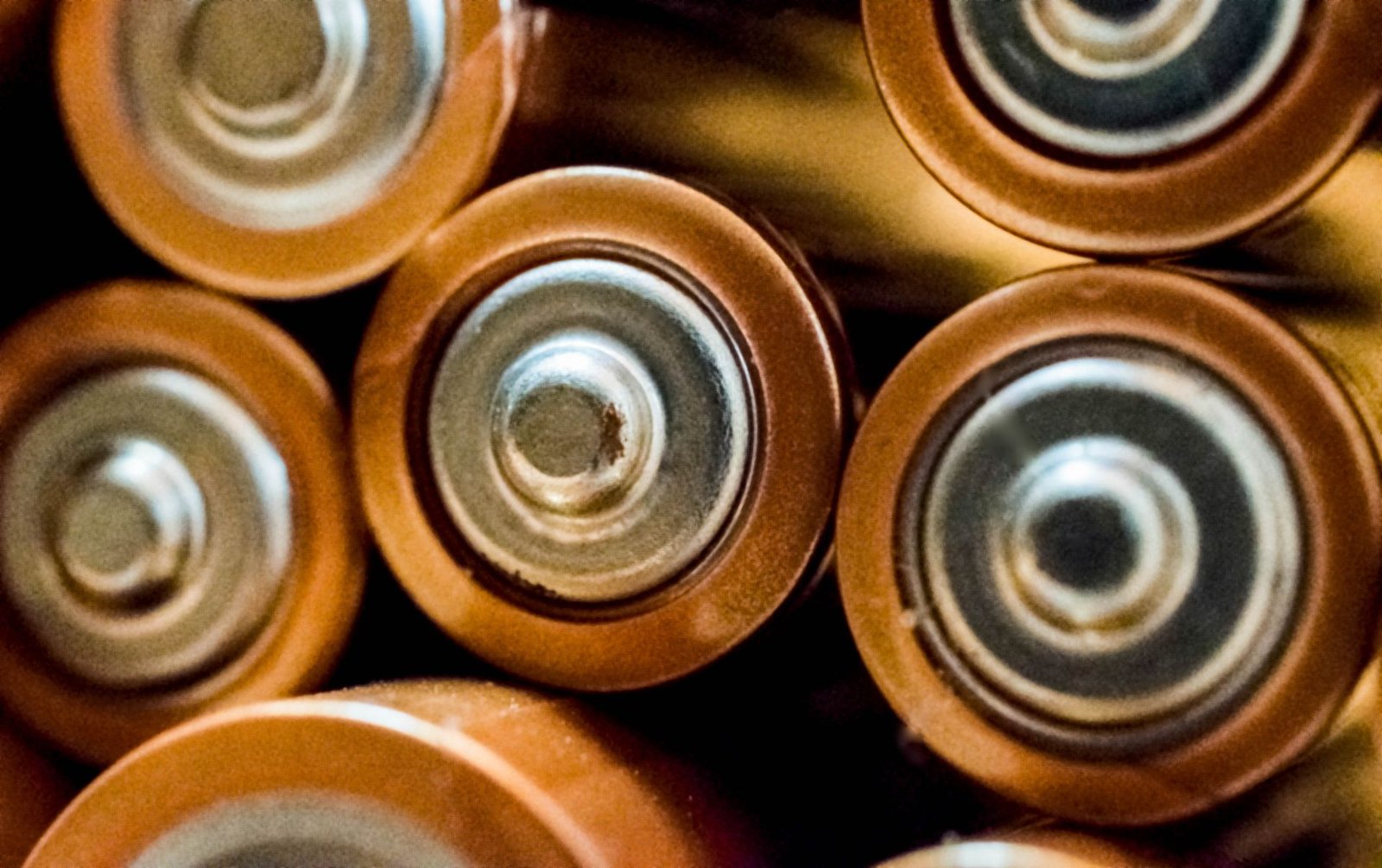
The foundational principle of battery reconditioning 2026 rests upon the electrochemical phenomenon known as sulfation, which predominantly afflicts lead-acid batteries commonly used in Indian households for inverters and automobiles. When a battery discharges repeatedly without reaching a full state of charge, lead sulfate crystals begin to accumulate on the lead plates that serve as the battery’s active material. Over time, these crystals harden and become electrically insulating, preventing the battery from accepting or holding a charge effectively. This degradation process accelerates significantly in India’s tropical climate, where ambient temperatures frequently exceed 40 degrees Celsius, thereby increasing the rate of chemical reactions inside the battery. Understanding this mechanism is crucial because it reveals that most batteries discarded as “dead” still contain substantial recoverable capacity. Battery reconditioning 2026 leverages this knowledge by employing targeted methods to dissolve these sulfate crystals, either through chemical means using electrolyte additives such as magnesium sulfate (Epsom salt) or through electronic means using high-frequency pulse chargers known as desulfators. The chemical approach involves replacing the old electrolyte with a carefully prepared solution of distilled water and Epsom salt, which gently breaks down the crystalline structures without damaging the underlying lead plates. The electronic approach, by contrast, uses precisely timed voltage pulses to create resonant vibrations that physically shake the crystals loose. Both methods are validated by electrochemistry research and have been refined over decades of practical application. By mastering the science of sulfation, practitioners of battery reconditioning 2026 can distinguish between truly irreparable batteries, such as those with physical damage to the plates or internal short circuits, and those that merely require targeted intervention. This knowledge transforms an apparently dead battery from waste into a valuable asset, capable of delivering two to three additional years of reliable service.
2: The Essential Tool Kit for Battery Reconditioning 2026
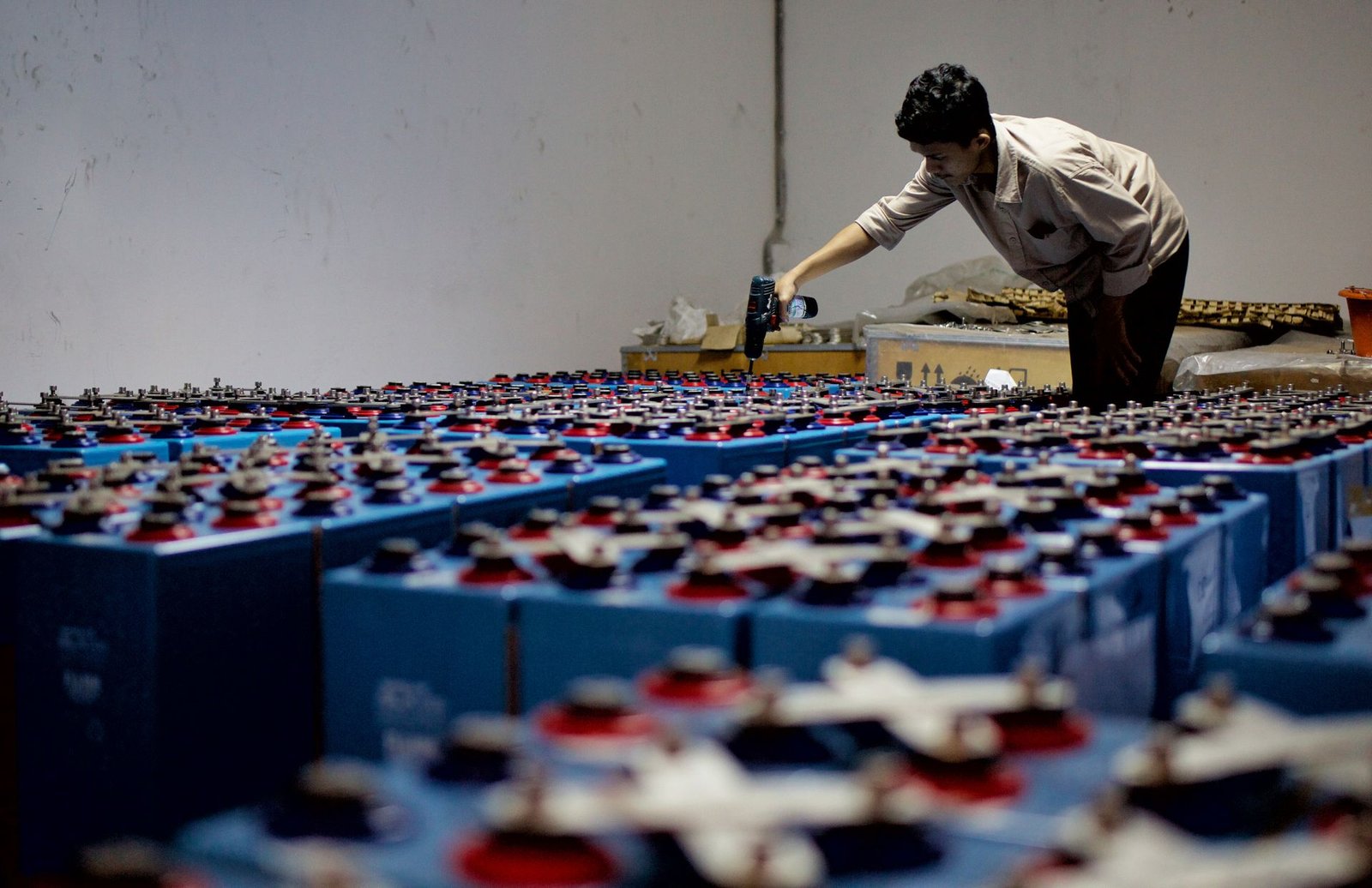
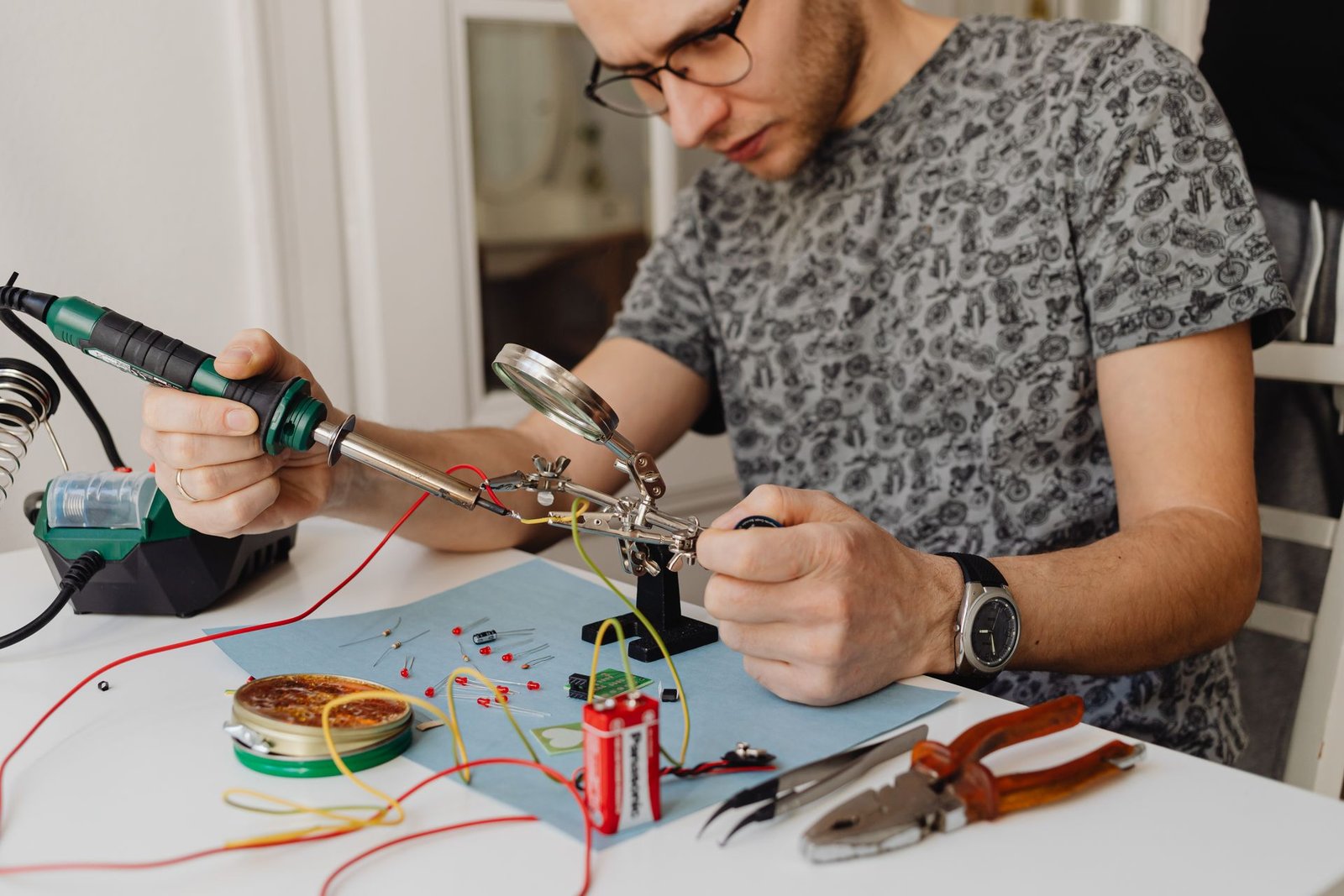
To execute battery reconditioning 2026 safely and effectively, one must assemble a specific set of tools that balance affordability with functional necessity, making the practice accessible to Indian households and small entrepreneurs alike. The most critical items are personal protective equipment, specifically chemical-resistant rubber gloves and safety goggles, because battery electrolyte contains sulfuric acid that can cause severe chemical burns to skin and permanent blindness if splashed into the eyes. Beyond safety gear, a digital multimeter is indispensable for measuring the battery’s open-circuit voltage, which reveals whether the battery has fallen below the critical threshold of 10.5 volts—a common indicator of advanced sulfation. A smart battery charger, ideally one with microprocessor control that automatically switches to float mode when full charge is reached, prevents the common mistake of overcharging that can boil away electrolyte and permanently warp the lead plates. For the chemical reconditioning process, distilled water is mandatory because ordinary tap water contains dissolved minerals such as calcium, magnesium, and iron that react negatively with battery chemistry, accelerating rather than reversing sulfation. Epsom salt, chemically known as magnesium sulfate, serves as the active reconditioning agent when dissolved in distilled water at a ratio of four ounces per four cups of liquid. A hydrometer, which measures the specific gravity of the electrolyte, provides quantitative feedback on the battery’s state of health before and after the procedure. Additional consumables include baking soda for neutralizing acid spills and a stiff brush for cleaning terminal corrosion. The total investment for these tools typically remains under ₹5,000, making battery reconditioning 2026 one of the most cost-effective maintenance skills available to Indian consumers. For those wishing to scale their operations, a commercial desulfator unit costing between ₹1,500 and ₹3,000 can automate much of the restoration process, continuously applying high-frequency pulses that prevent the reformation of sulfate crystals. With this toolkit, battery reconditioning 2026 transitions from theoretical knowledge to practical, actionable skill.
3: A Systematic Eight-Step Procedure for Battery Reconditioning 2026
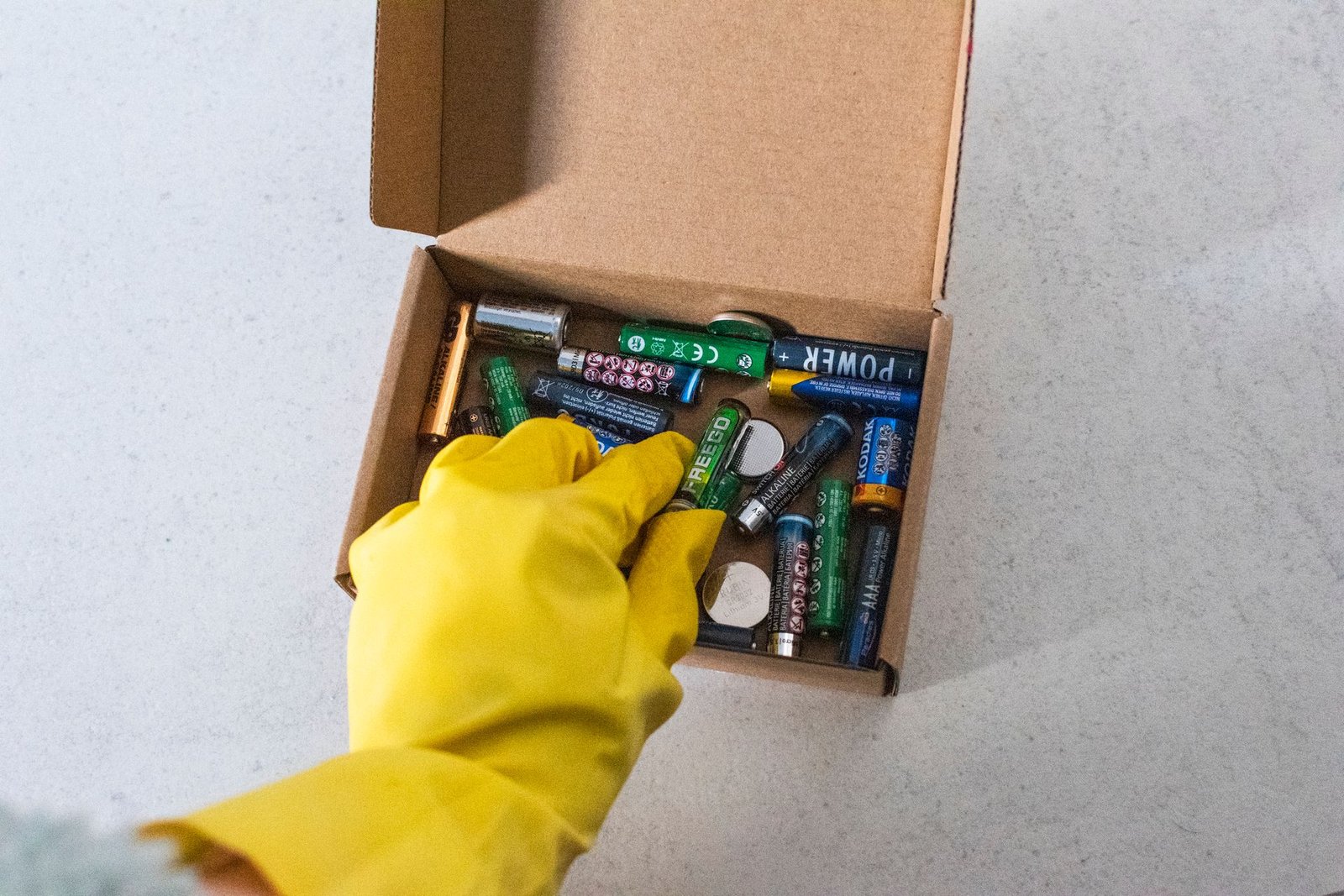
The practical execution of battery reconditioning 2026 follows a systematic eight-step methodology that prioritizes safety, thoroughness, and verifiable results, making the process reproducible even for first-time practitioners. Step one involves a visual and electrical inspection: examine the battery casing for cracks, swelling, or leaks—any such damage renders the battery unsafe for reconditioning and mandates proper recycling. Step two requires cleaning the battery terminals with a baking soda paste and a stiff brush, removing the white or greenish corrosion that increases electrical resistance and interferes with accurate voltage measurements. Step three is voltage testing using the multimeter; a reading below 10 volts suggests severe sulfation that may respond only partially to reconditioning, while readings between 10 and 12 volts offer excellent recovery potential. Step four involves removing the filler caps from each cell, typically using a flathead screwdriver, and visually inspecting the plates; white crystalline deposits confirm sulfation, while muddy or black electrolyte indicates plate erosion that is typically irreversible. Step five, the most chemically intensive phase of battery reconditioning 2026, requires carefully decanting the old electrolyte into a plastic container for neutralization with baking soda, followed by preparing and pouring the Epsom salt solution—four cups distilled water mixed with four ounces magnesium sulfate—into each cell until the plates are fully submerged. Step six is the slow charging phase: connect the smart charger at a low current setting of two to four amperes and allow the battery to charge for 24 to 36 hours, monitoring temperature every few hours to ensure it does not exceed 50 degrees Celsius. Step seven involves resting the battery for one hour after disconnection, then measuring the voltage again; a successful battery reconditioning 2026 procedure yields a stable reading between 12.4 and 12.7 volts. Step eight is load testing: connect a known load such as a 12-volt bulb or a small inverter and observe how long the battery maintains useful voltage; a properly reconditioned battery should deliver at least 60 to 70 percent of its original rated capacity. This structured approach ensures that battery reconditioning 2026 produces consistent, reliable outcomes across different battery brands and ages.
4: Financial Analysis of Battery Reconditioning 2026 for Indian Households
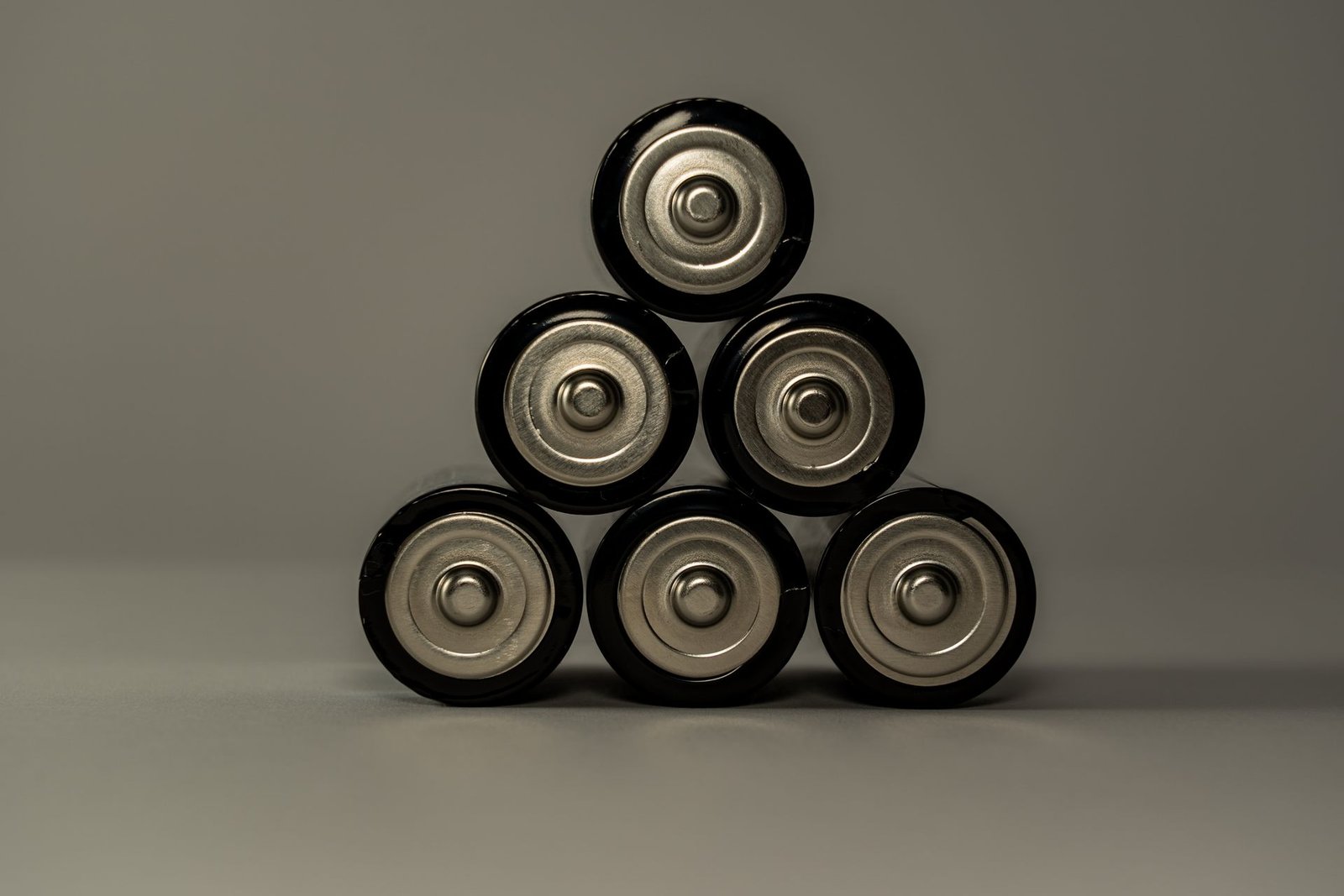
From a purely economic perspective, battery reconditioning 2026 offers extraordinary returns on investment for Indian families, particularly given the rising costs of new batteries driven by global lead prices and supply chain disruptions. A standard inverter battery suitable for a middle-class home currently retails between ₹6,000 and ₹12,000 depending on brand and capacity, while a car battery typically costs ₹4,000 to ₹8,000. These expenses recur every two to three years for households experiencing frequent power fluctuations or daily driving cycles. By contrast, the variable cost of reconditioning a single battery using battery reconditioning 2026 methods rarely exceeds ₹500, comprising distilled water at ₹20 per liter, Epsom salt at ₹50 per packet, and minor electricity consumption for the charging process. This represents a cost saving of approximately 90 to 95 percent compared to purchasing a new battery. Over a ten-year period, a household that replaces its inverter battery every three years would spend roughly ₹30,000 on new batteries, assuming an average price of ₹7,500 per unit. Adopting battery reconditioning 2026 to extend each battery’s life by an additional two years reduces the replacement frequency to once every five years, cutting the ten-year expenditure to approximately ₹15,000—a direct saving of ₹15,000. When extrapolated to the approximately 300 million households in India, even a modest adoption rate of one percent would generate national savings exceeding ₹450 crores annually. Beyond household savings, battery reconditioning 2026 creates entrepreneurial opportunities with compelling unit economics: purchasing a “dead” battery from a scrap dealer costs ₹200 to ₹500, reconditioning costs another ₹200, and the restored battery can be sold to neighbors or small businesses for ₹3,000 to ₹5,000, yielding gross margins of 70 to 80 percent. A part-time practitioner reconditioning just five batteries per week can generate monthly profits of ₹50,000 or more, making battery reconditioning 2026 one of the most accessible high-margin micro-enterprises available to motivated individuals across urban and rural India.
5: Inspiring Case Study from Rural India on Battery Reconditioning 2026
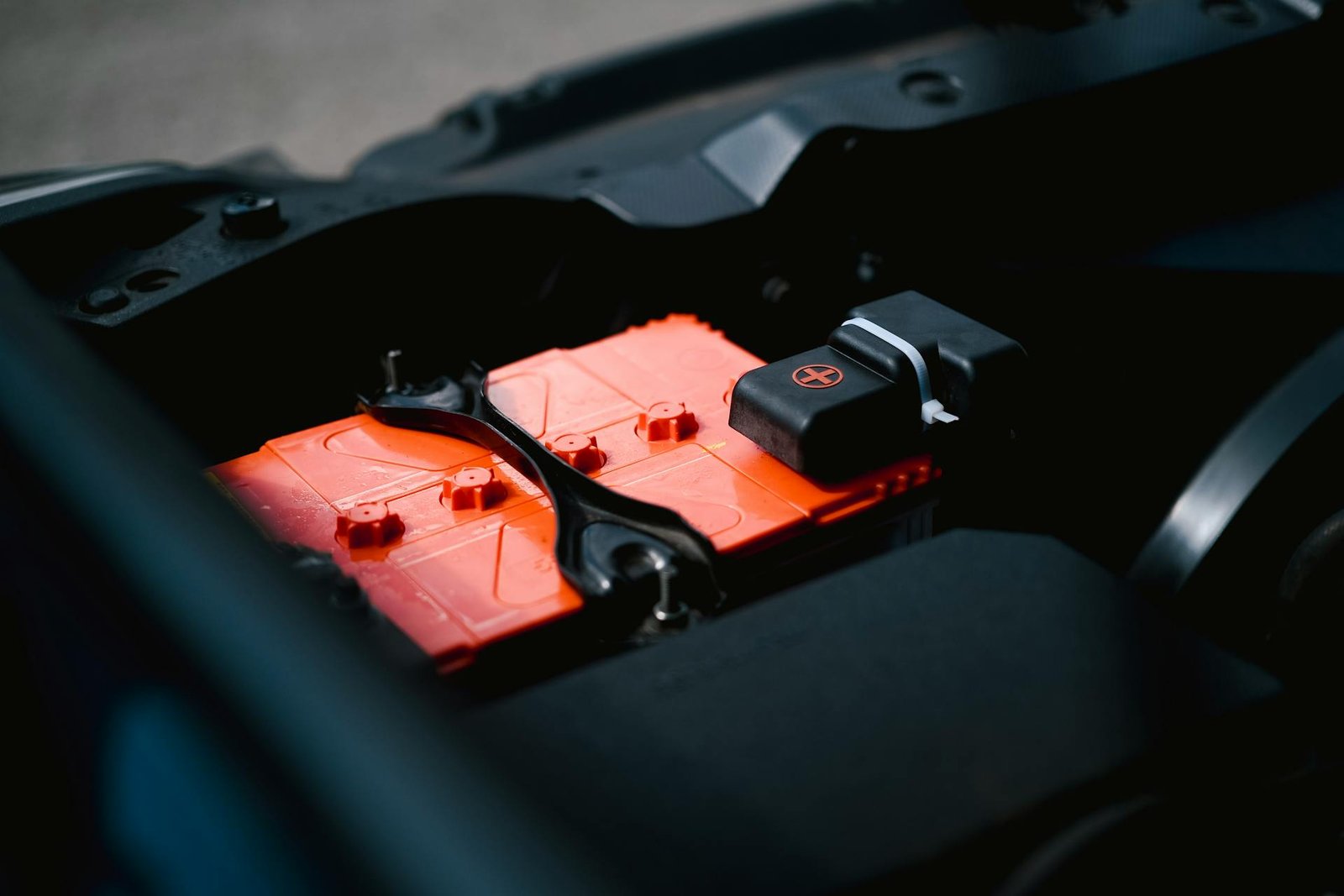
The transformative potential of battery reconditioning 2026 is perhaps best illustrated through the lived experience of Ramesh Kumar, a former mobile phone repair shop owner from the village of Saraiya in Uttar Pradesh’s Muzaffarpur district, whose journey from economic struggle to sustainable entrepreneurship embodies the democratizing power of this skill. In early 2024, Ramesh faced a recurring financial burden: his shop’s inverter battery, essential for maintaining operations during the frequent and unpredictable power cuts characteristic of rural Bihar’s electricity infrastructure, required replacement every 18 to 24 months at a cost of approximately ₹7,000. This expense consumed nearly one-third of his monthly net income, leaving minimal surplus for household needs or business reinvestment. After discovering online tutorials about battery reconditioning 2026, Ramesh invested ₹450 in a basic multimeter, distilled water, and Epsom salt, using tools already present in his repair shop. His first attempt at reconditioning a dead battery from his own inverter failed because he used tap water contaminated with dissolved solids, which exacerbated rather than alleviated sulfation. Undeterred, he studied the underlying chemistry more carefully, purchased distilled water from a local petrol pump, and repeated the process. The second attempt succeeded spectacularly: his reconditioned battery delivered 70 percent of its original backup capacity, restoring his shop’s power resilience without a new purchase. Word spread quickly among Saraiya’s 5,000 residents, and neighbors began requesting Ramesh’s services. Within six months, Ramesh had transformed his mobile repair shop into a dedicated battery reconditioning 2026 service, processing 15 to 20 batteries monthly at a fee of ₹1,000 per battery, with a 90-day performance guarantee. His monthly income from battery services alone rose to ₹15,000, enabling him to hire an assistant and expand into selling reconditioned batteries sourced from scrap dealers in Muzaffarpur town. By mid-2025, Ramesh had reconditioned over 200 batteries, diverting approximately 800 kilograms of lead and 1,200 liters of acid from entering the local landfill. His success story demonstrates that battery reconditioning 2026 is not merely a technical skill but a pathway to economic mobility, environmental stewardship, and community service, accessible to anyone with curiosity, patience, and commitment to safety.
6: Building a Scalable Business Around Battery Reconditioning 2026
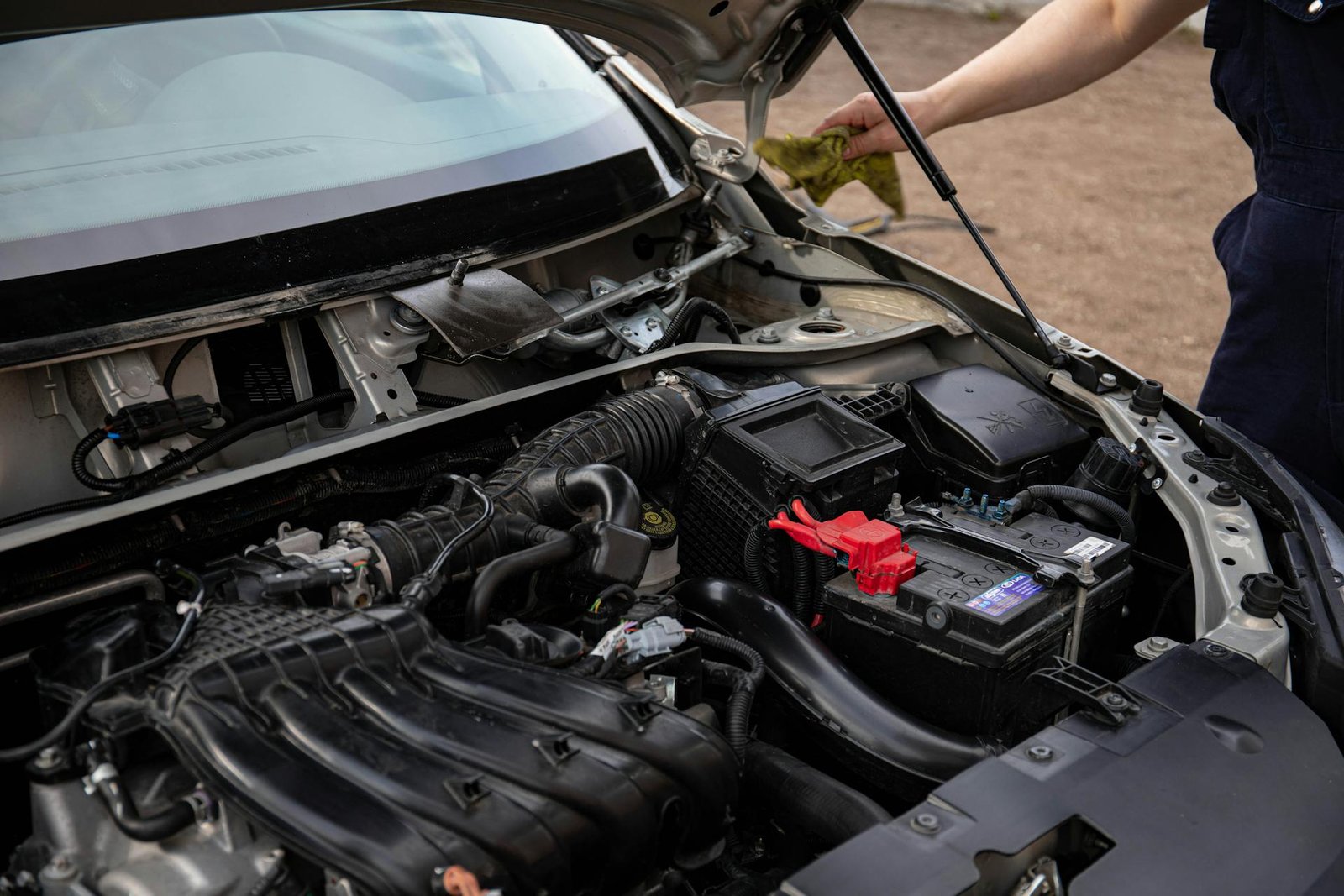
For readers seeking to transform battery reconditioning 2026 from a household skill into a scalable business venture, the Indian market presents a uniquely favorable environment characterized by growing demand, limited organized competition, and supportive regulatory frameworks. The first strategic consideration is sourcing raw material—used batteries that have been discarded prematurely. Establishing relationships with local automotive repair shops, inverter service centers, and electronic waste collection hubs provides a steady supply of batteries at minimal cost, often free for the taking because these businesses view dead batteries as disposal liabilities rather than assets. Second, the practitioner must develop a triage system to evaluate incoming batteries efficiently, measuring voltage, inspecting for physical damage, and performing a rapid load test to estimate recoverable capacity. This quality control step prevents wasting time on batteries with internal short circuits, cracked casings, or severely eroded plates, which constitute approximately 20 to 30 percent of the scrap battery supply. Third, the operational workflow for battery reconditioning 2026 at small commercial scale involves batching: processing 10 to 20 batteries simultaneously using multiple smart chargers and desulfators, which reduces average labor time per battery to under 30 minutes of active work. Fourth, pricing strategy must balance affordability for Indian consumers with sustainable profit margins; a price point of ₹3,000 to ₹4,000 for a reconditioned inverter battery, compared to ₹8,000 to ₹10,000 for a new unit, positions the service as an attractive value proposition for price-sensitive households and small businesses. Fifth, offering a warranty—typically three to six months—builds customer confidence and differentiates professional battery reconditioning 2026 services from informal roadside repairs. Sixth, marketing through local WhatsApp groups, community bulletin boards, and word-of-mouth referrals proves most effective in Indian contexts, where trust-based networks dominate purchasing decisions. Seventh, compliance with the Battery Waste Management Rules of 2022 requires registration with the appropriate pollution control board once the business exceeds a threshold of 100 batteries processed annually; this registration, while bureaucratic, also provides legitimacy and access to government-supported recycling programs. Eighth, expansion opportunities include offering maintenance contracts for solar battery banks, supplying reconditioned batteries to rural schools and health clinics, and training other entrepreneurs through paid workshops. With total startup capital below ₹15,000, battery reconditioning 2026 represents one of the lowest-barrier-to-entry green businesses available to aspiring Indian micro-entrepreneurs.
7: Advanced Desulfation Technology for Battery Reconditioning 2026
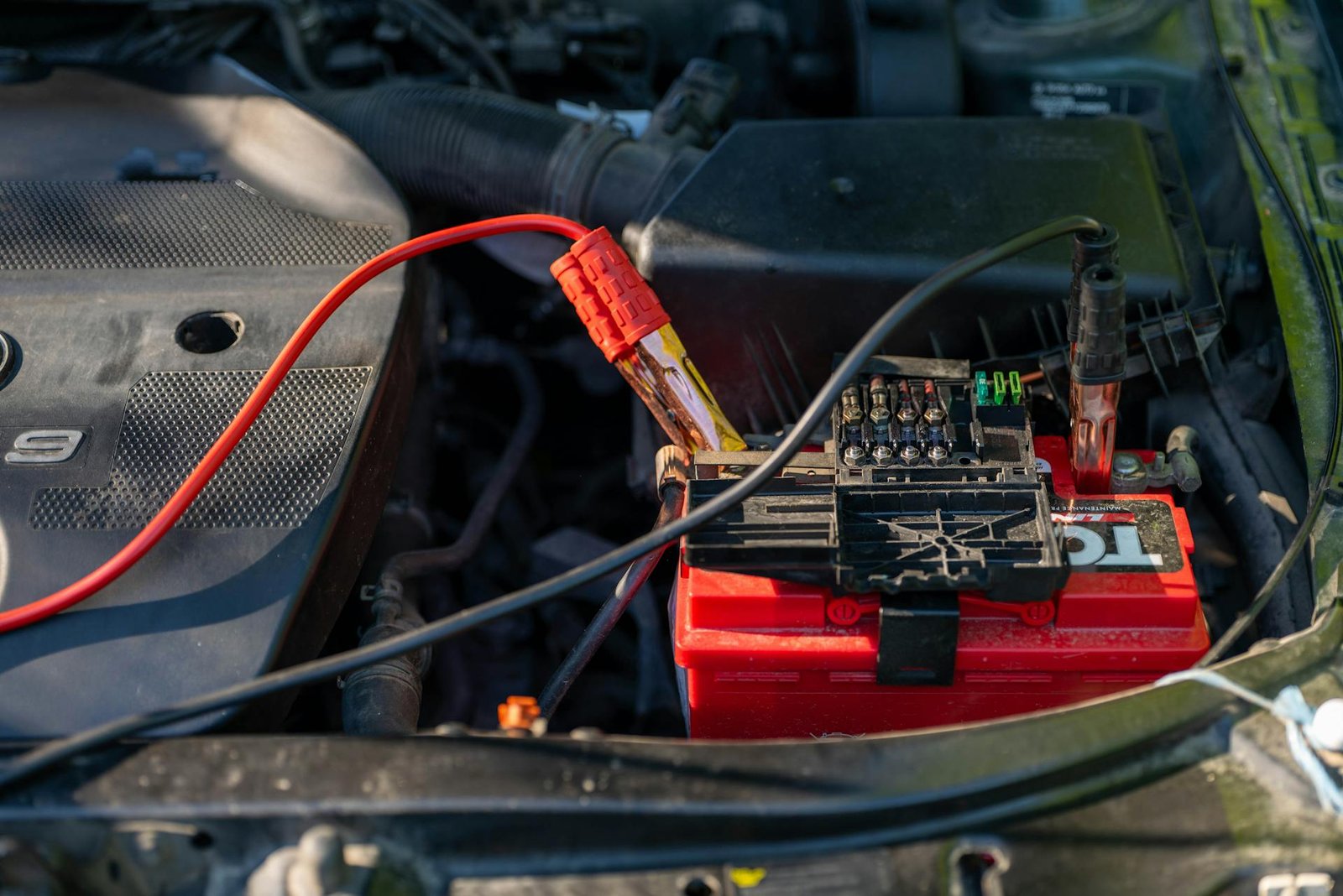
While chemical reconditioning methods remain effective for many applications, battery reconditioning 2026 increasingly incorporates electronic desulfation technology that offers distinct advantages in convenience, safety, and long-term battery health management. A desulfator is an electronic device that connects directly to a battery’s terminals and generates high-frequency voltage pulses, typically ranging from 40 kilohertz to 100 kilohertz, which propagate through the electrolyte and create microscopic vibrations within the lead sulfate crystals attached to the battery plates. These mechanical vibrations gradually break the crystalline bonds, causing the crystals to fragment and dissolve back into the electrolyte as free ions that can participate in normal charge-discharge chemistry. Unlike chemical reconditioning, which requires opening the battery and handling corrosive electrolyte, desulfation is a sealed process that poses minimal risk of acid exposure or spillage, making it particularly suitable for beginners or for batteries located in difficult-to-access installations. For Indian households facing frequent power cuts, permanent installation of a desulfator on the primary inverter battery provides continuous protection, automatically activating its pulse sequence whenever the battery is at rest, thereby preventing sulfation from developing in the first place. Field studies conducted by Indian battery research centers have demonstrated that continuous desulfation extends lead-acid battery service life by 100 to 150 percent, meaning a battery that normally fails after three years of typical usage can operate reliably for six to seven years when paired with a quality desulfator. The cost of entry for desulfation technology has declined dramatically in recent years, with reliable units manufactured in India available for ₹1,500 to ₹2,500 through e-commerce platforms such as Amazon India and IndiaMART. However, practitioners of battery reconditioning 2026 must recognize that desulfation has limitations: it is most effective for batteries with mild to moderate sulfation, defined as those still holding at least 8 to 10 volts of open-circuit voltage. Deeply sulfated batteries below 5 volts often require chemical intervention before desulfation can be effective. Furthermore, desulfation cannot repair physical damage such as warped plates, sediment accumulation, or separator degradation. For optimal results, a hybrid approach combining chemical reconditioning for initial recovery followed by ongoing desulfation for maintenance represents the state of the art in battery reconditioning 2026. As India transitions toward greater battery density in solar installations and electric mobility, desulfation technology will play an increasingly central role in reducing replacement costs and minimizing environmental impact.
8: Critical Safety Hazards and Failure Modes in Battery Reconditioning 2026
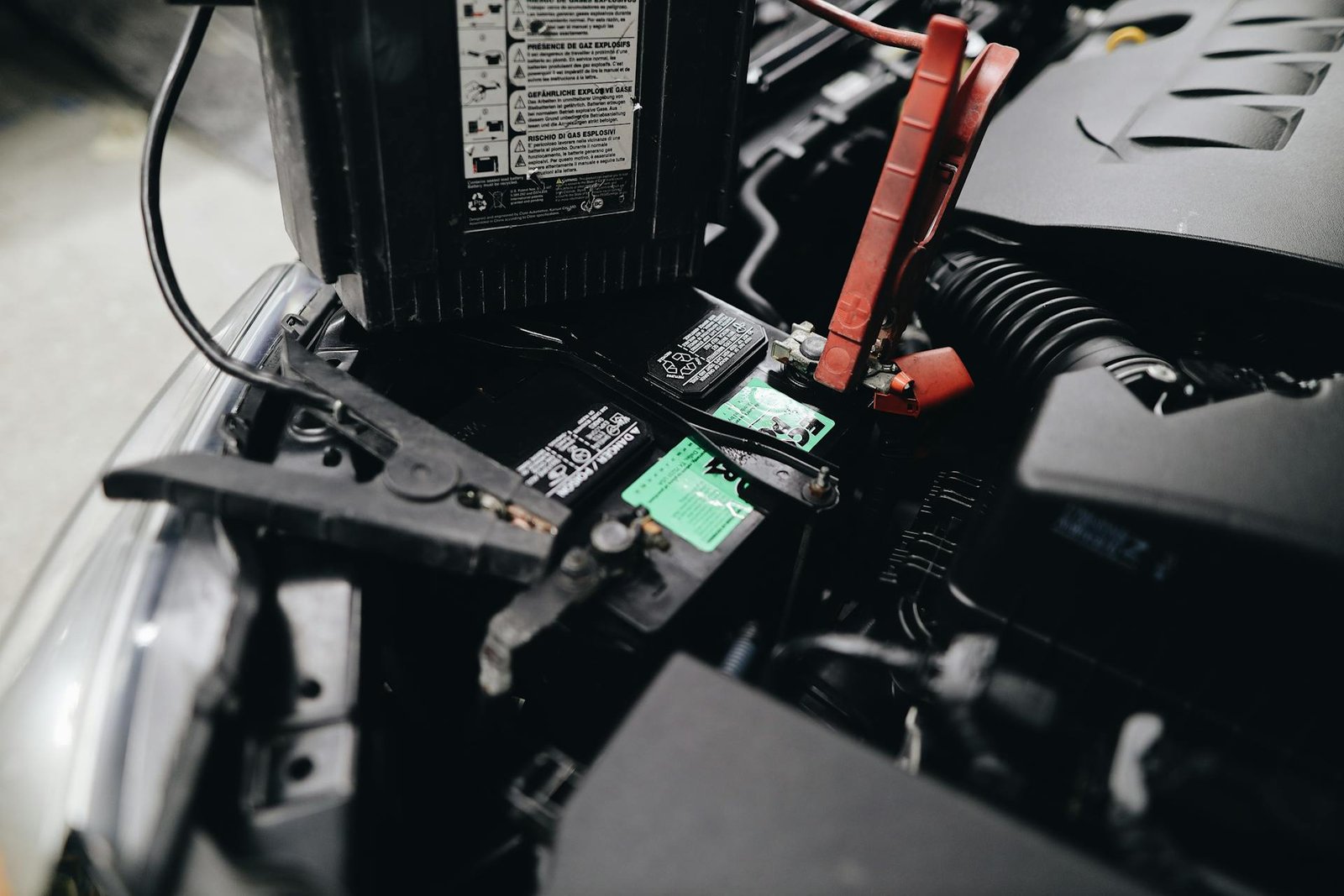
Despite its many benefits, battery reconditioning 2026 carries inherent risks that practitioners must understand and respect to prevent injury, property damage, or environmental contamination. The primary hazard is sulfuric acid exposure: lead-acid batteries contain electrolyte that is 30 to 50 percent sulfuric acid by weight, with a pH typically below 1.0. Direct skin contact causes immediate chemical burns characterized by tissue necrosis and delayed healing, while eye contact can cause permanent corneal damage or blindness within seconds. Therefore, safety protocols for battery reconditioning 2026 mandate wearing chemical-resistant gloves—nitrile or neoprene, not latex—and indirectly vented safety goggles at all times when handling batteries. A secondary hazard is hydrogen gas generation: during charging, batteries electrolyze water into hydrogen and oxygen, producing a flammable mixture that can ignite from a single spark generated by connecting or disconnecting charger clips. Always perform charging in well-ventilated areas away from flames, pilot lights, or electrical equipment that arcs. A third hazard is thermal runaway: if a battery develops an internal short circuit during reconditioning, the charging current can cause rapid temperature escalation, potentially boiling the electrolyte, warping the plates, and cracking the casing. Monitoring battery temperature every two hours during the charging phase and discontinuing immediately if the casing feels uncomfortably hot mitigates this risk. A fourth hazard is improper disposal of old electrolyte, which constitutes hazardous waste under Indian environmental law. The spent acid must be neutralized by slowly adding baking soda until effervescence ceases and the solution reaches a pH between 6 and 8, after which it can be safely flushed with abundant water. Failure modes in battery reconditioning 2026 also include attempting to recondition batteries that are physically compromised—cracked casings, bulging sides, or missing vent caps—all of which indicate internal failure beyond recovery. Another common mistake is using tap water instead of distilled water, which introduces metal ions that accelerate grid corrosion and shorten battery life. Practitioners must also recognize that lithium-ion batteries found in laptops, smartphones, and electric vehicles require completely different handling procedures; attempting chemical battery reconditioning 2026 on lithium cells risks thermal runaway, fire, or explosion. By adhering strictly to safety protocols and recognizing the signs of unrecoverable battery failure, practitioners can enjoy the benefits of battery reconditioning 2026 without exposing themselves or their families to unnecessary risk.
9: Environmental Impact and Policy Alignment of Battery Reconditioning 2026
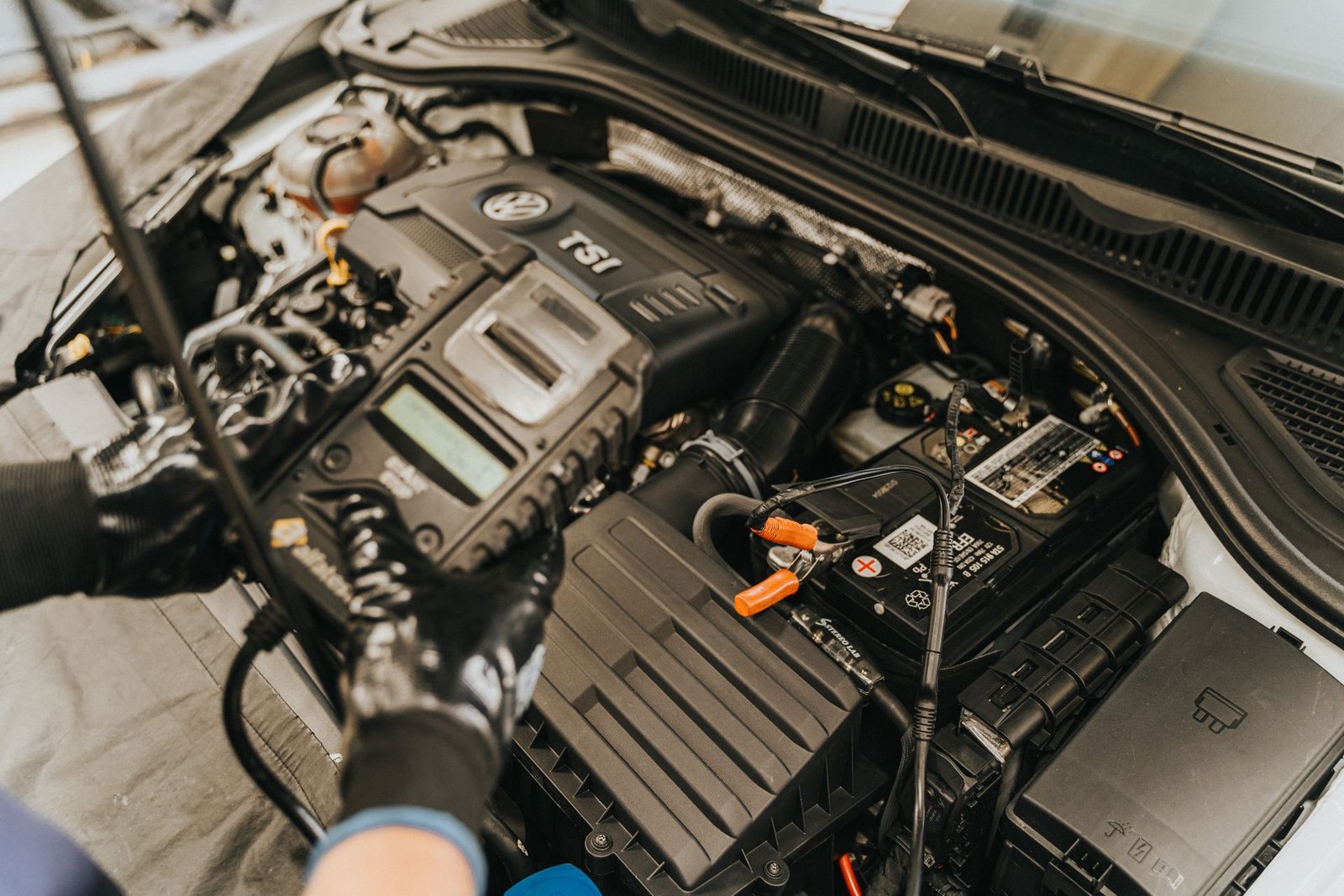
The environmental case for battery reconditioning 2026 is compelling, particularly for India, which faces a mounting crisis of electronic and battery waste that threatens soil quality, groundwater safety, and public health across industrial and rural regions alike. According to data from the Central Pollution Control Board, India generates approximately 380,000 tonnes of lead-acid battery waste annually, of which an estimated 30 percent is improperly disposed of in landfills or informal recycling operations. Each illegally disposed battery releases approximately 2.5 kilograms of lead into the environment, a potent neurotoxin that bioaccumulates in the food chain and has been linked to developmental delays in children and cardiovascular disease in adults. By extending the useful life of each battery through battery reconditioning 2026, the volume of waste requiring disposal diminishes proportionally. A single reconditioned battery that operates for three additional years instead of being scrapped immediately represents a reduction of 2.5 kilograms of lead and 2.5 liters of sulfuric acid entering the environment. At a national scale, if one million Indian households adopted battery reconditioning 2026 annually, the cumulative environmental benefit would exceed 2,500 tonnes of lead contamination avoided. These figures align closely with the objectives of the Battery Waste Management Rules, 2022, enacted by the Ministry of Environment, Forest and Climate Change, which establish the principle of Extended Producer Responsibility requiring battery manufacturers to finance collection and recycling systems. While the rules focus primarily on formal recycling, they also incentivize reuse and remanufacturing as higher-order outcomes in the waste hierarchy. Under these regulations, practitioners of battery reconditioning 2026 who operate at commercial scale must register with their State Pollution Control Board and maintain records of batteries received and dispatched, but this regulatory burden is offset by access to government-supported collection networks. Furthermore, the Bureau of Indian Standards has recently published guidelines for reconditioned battery performance testing, creating a quality assurance framework that can build consumer confidence. Beyond lead-acid batteries, battery reconditioning 2026 principles are being adapted for lithium-ion chemistries, with Indian startups such as LOHUM Cleantech and Attero Recycling developing second-life applications for EV batteries that have degraded to 70-80 percent of original capacity. These repurposed batteries find new utility in solar storage systems, telecom towers, and rural electrification projects, creating a circular economy that reduces mining demand and lowers carbon emissions. By embracing battery reconditioning 2026, Indian citizens contribute directly to national environmental goals while simultaneously benefiting economically.
10: Future Trajectories and Market Outlook for Battery Reconditioning 2026
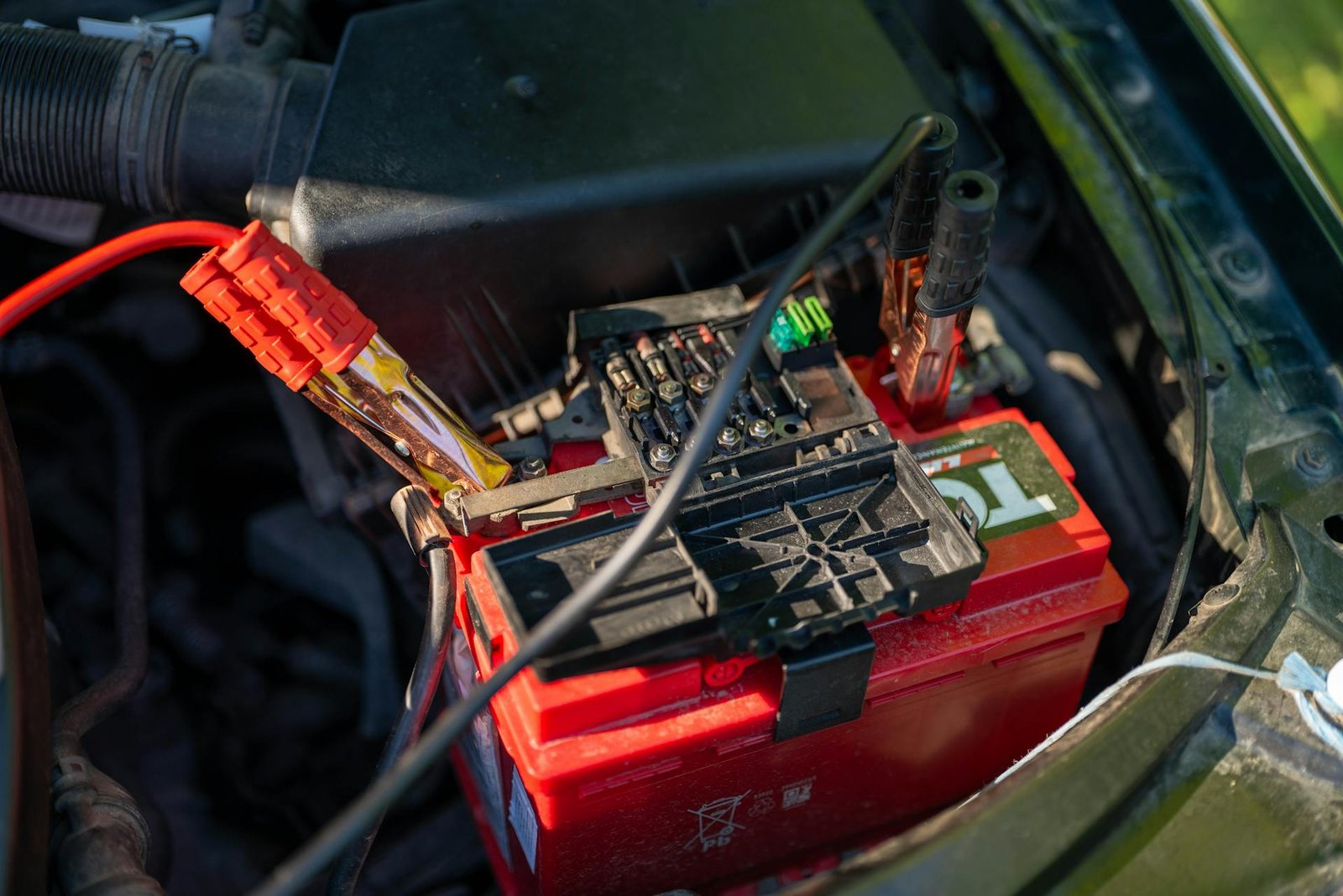
Looking beyond the immediate horizon, battery reconditioning 2026 represents not merely a contemporary practice but the vanguard of a multibillion-dollar circular economy sector poised for exponential growth over the coming decade. Market research aggregators project the global battery rebuilding and refurbishing market to expand from $4.2 billion in 2024 to $8.7 billion by 2033, representing a compound annual growth rate of 8.4 percent, with the Asia-Pacific region—led by India and China—accounting for the largest share of this growth. Several macroeconomic trends underpin this projection. First, the Indian government’s Production Linked Incentive scheme for advanced chemistry cells has catalyzed domestic battery manufacturing capacity, targeting 50 gigawatt-hours of production by 2030. Each gigawatt-hour of battery production eventually requires equivalent capacity for end-of-life management, creating a massive addressable market for battery reconditioning 2026 services. Second, the rapid adoption of electric two-wheelers in India, which sold approximately 1.5 million units in fiscal year 2024, will generate a wave of battery retirements beginning around 2028 to 2030, as lithium-ion packs reach their automotive end-of-life while retaining substantial capacity for stationary storage applications. Third, technological advances in diagnostic equipment are reducing the cost of assessing battery health, with handheld conductance testers now available for under ₹3,000, enabling even small operators to implement data-driven battery reconditioning 2026 protocols. Fourth, artificial intelligence and machine learning algorithms are being deployed to optimize reconditioning parameters—pulse frequency, charge current, temperature management—for individual battery chemistries and degradation patterns, improving recovery rates from the current 60-80 percent range to over 90 percent. Fifth, the rise of battery-as-a-service business models, where consumers pay per kilowatt-hour of usage rather than purchasing batteries outright, creates strong economic incentives for service providers to maximize battery longevity through aggressive reconditioning programs. For individual practitioners, these trends mean that skills acquired in battery reconditioning 2026 will remain relevant and increasingly valuable as the battery ecosystem evolves. The lead-acid batteries that dominate today’s inverter and automotive markets will gradually give way to lithium variants, but the fundamental competency—diagnosing degradation, selecting appropriate interventions, and performing safe electrical work—transfers readily across chemistries with additional training. By positioning themselves at the intersection of environmental sustainability, energy access, and circular economy principles, practitioners of battery reconditioning 2026 are not merely learning a repair technique; they are building career capital for the green economy of tomorrow. The window of opportunity is open now, and those who enter early will establish customer bases, supply chains, and reputational advantages that will prove durable against future competition.
Conclusion: Embracing the Power of Battery Reconditioning 2026 for a Sustainable Future
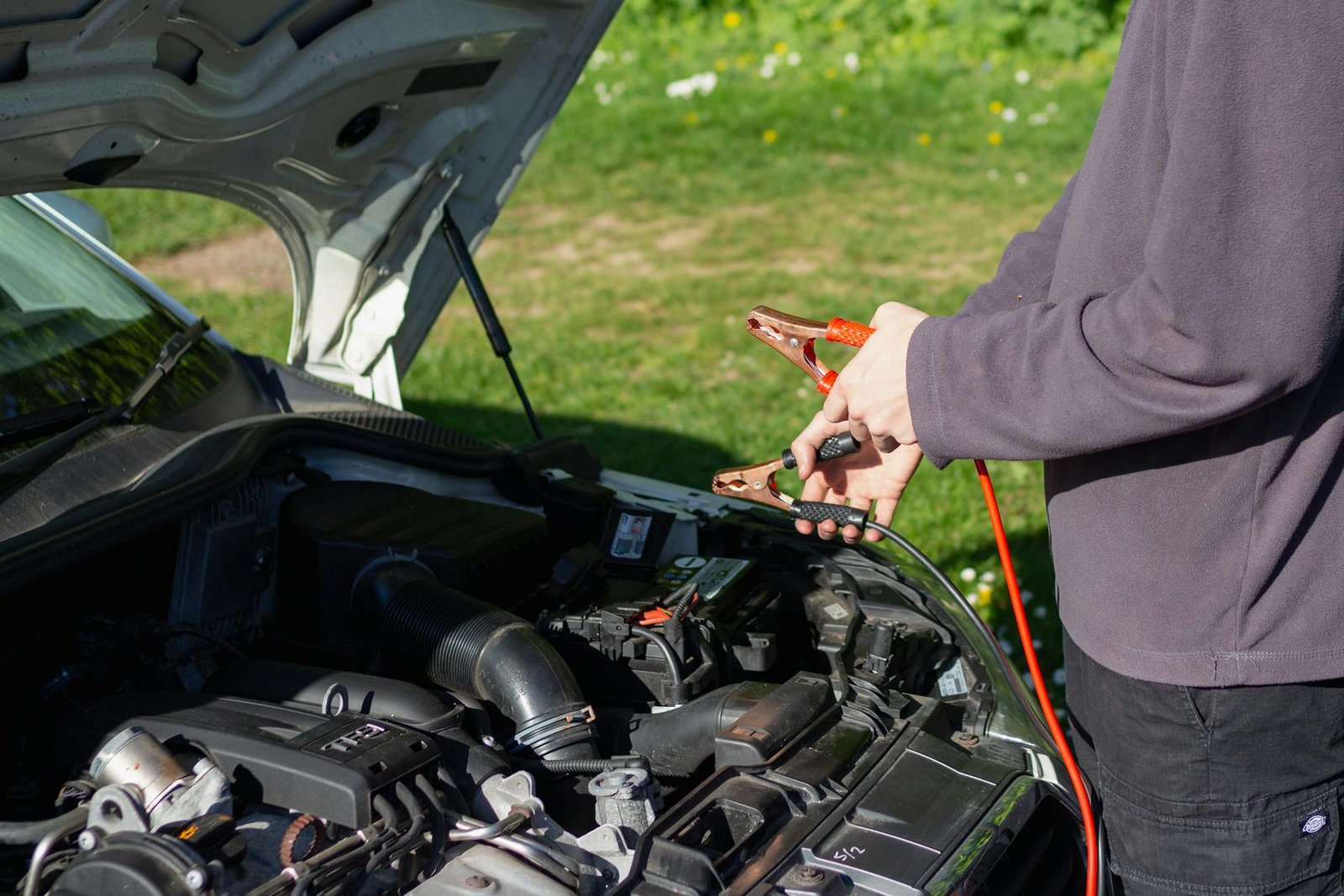
The journey through battery reconditioning 2026 has taken us from the microscopic world of lead sulfate crystals to the macroeconomic forces shaping India’s energy storage landscape, and at every step, one truth has remained constant: a dead battery is rarely truly dead. What appears as failure to the untrained eye is often merely sulfation, a reversible condition that responds reliably to the methods documented in this guide. By understanding the chemical mechanisms of battery degradation, assembling the proper toolkit, following the systematic eight-step procedure, and respecting critical safety protocols, you have acquired a skill that delivers immediate financial returns while contributing to environmental solutions. The economic case for battery reconditioning 2026 is irrefutable: saving 90 to 95 percent of replacement costs on a recurring household expense, or building a micro-enterprise with 70 to 80 percent gross margins, represents one of the highest-return investments available to the average Indian family. The environmental case is equally compelling: each battery reconditioned is lead and acid kept out of soil and groundwater, each extended lifecycle reduces mining demand, and each practitioner becomes an active participant in India’s circular economy. The case studies and market data presented here confirm that battery reconditioning 2026 is not a temporary trend but a foundational competency for the energy transition, with demand projected to grow at double-digit rates through the next decade as electric vehicles, solar installations, and backup power systems proliferate across the subcontinent. Yet knowledge without action remains merely potential. The distinction between those who benefit from battery reconditioning 2026 and those who continue overpaying for new batteries lies not in access to information but in the willingness to act. Your first step is simple: identify one battery in your home or neighborhood that shows signs of reduced performance, gather the modest tools described earlier, and perform the voltage test and visual inspection outlined in Section Three. When you observe that the battery holds a voltage above 10 volts and shows no physical damage, you will know that reconditioning is possible. When you successfully complete the electrolyte replacement or desulfation process and measure a stable 12.6 volts after charging, you will experience the satisfaction of transforming waste into value with your own hands. That experience is the foundation upon which larger achievements are built—whether saving your family ₹7,000 every two years, launching a part-time business that serves your community, or training others in this valuable trade. The resources to support your journey are available through the download links, community forums, and newsletter subscriptions referenced throughout this guide. The only remaining variable is your commitment. Battery reconditioning 2026 is waiting for you. Start today.
Frequently Asked Questions About Battery Reconditioning 2026
Q1: Can any dead battery be successfully reconditioned using battery reconditioning 2026 methods?
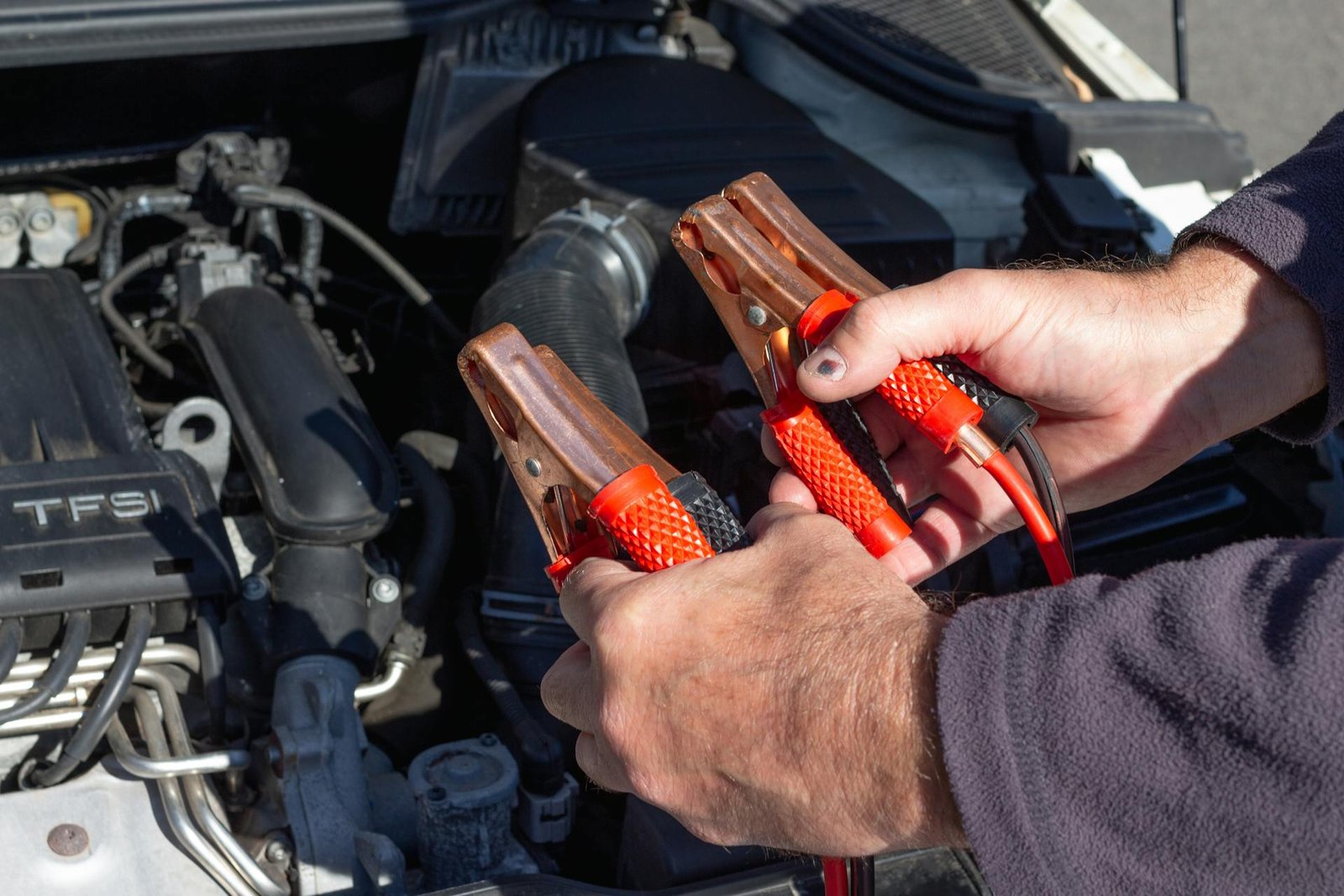
No, not every dead battery can be saved. Battery reconditioning 2026 works best on lead-acid batteries that have failed due to sulfation, which is the buildup of lead sulfate crystals. Batteries with physical damage such as cracked casings, swollen sides, or missing vent caps are unsafe to recondition. Batteries that read below 5 volts on a multimeter often have internal short circuits or severely eroded plates, making recovery unlikely. Additionally, batteries that have been frozen, have muddy or black electrolyte, or have been left completely dry for months typically cannot be restored. Always perform a thorough visual and electrical inspection before investing time in battery reconditioning 2026.
Q2: Is battery reconditioning 2026 safe to perform at home without professional training?
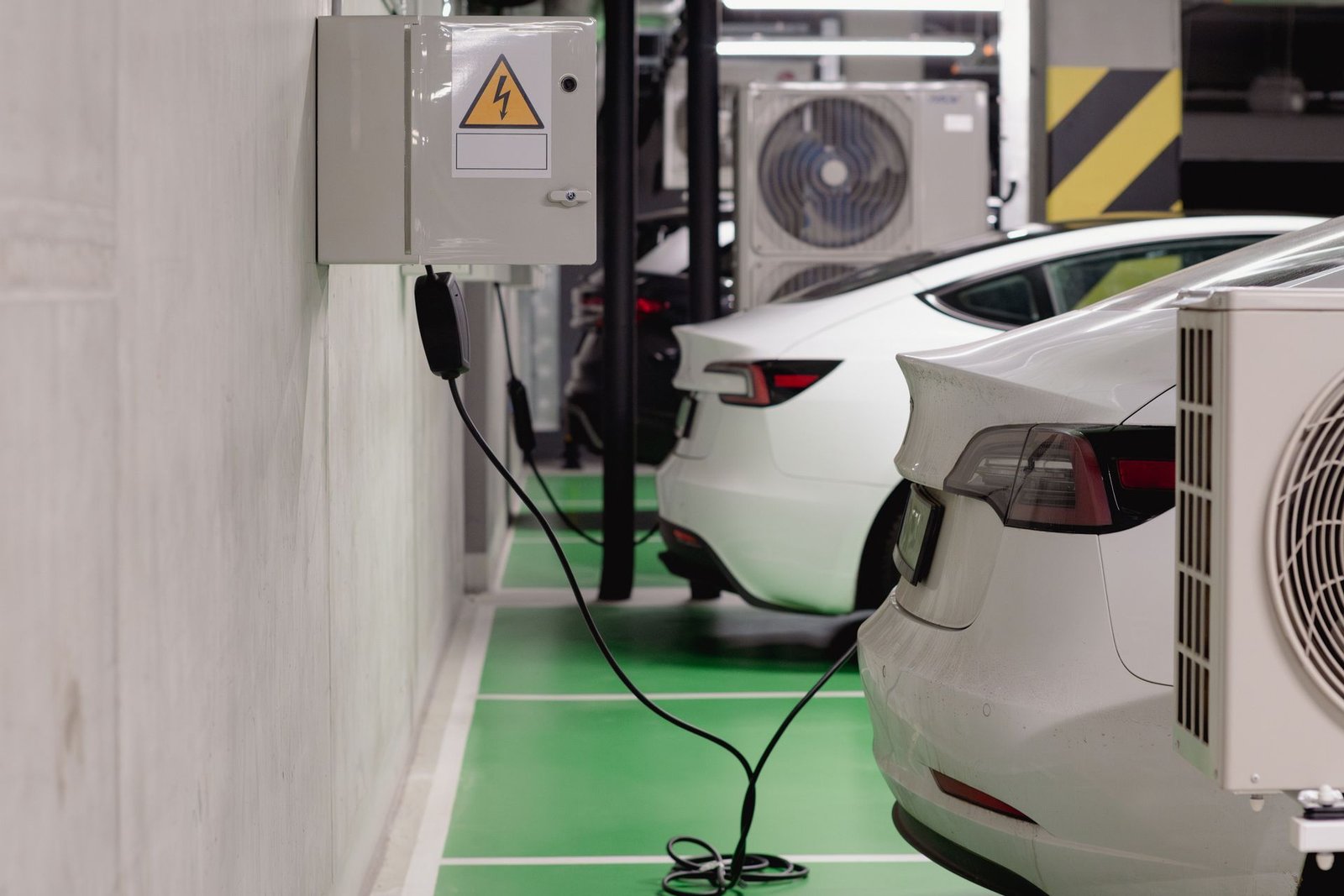
Yes, battery reconditioning 2026 is safe for home practitioners when proper safety protocols are followed. You must wear chemical-resistant rubber gloves and indirect-vent safety goggles at all times when handling batteries or electrolyte. Work only in well-ventilated areas because batteries emit flammable hydrogen gas during charging. Keep baking soda nearby to neutralize any acid spills. Never smoke or create sparks near a charging battery. Use a smart charger that automatically stops at full charge to prevent overcharging and thermal runaway. If you follow these precautions, battery reconditioning 2026 is no more dangerous than changing a car battery. However, never attempt to recondition physically damaged or leaking batteries at home.
Q3: How much money can I actually save with battery reconditioning 2026 compared to buying new?
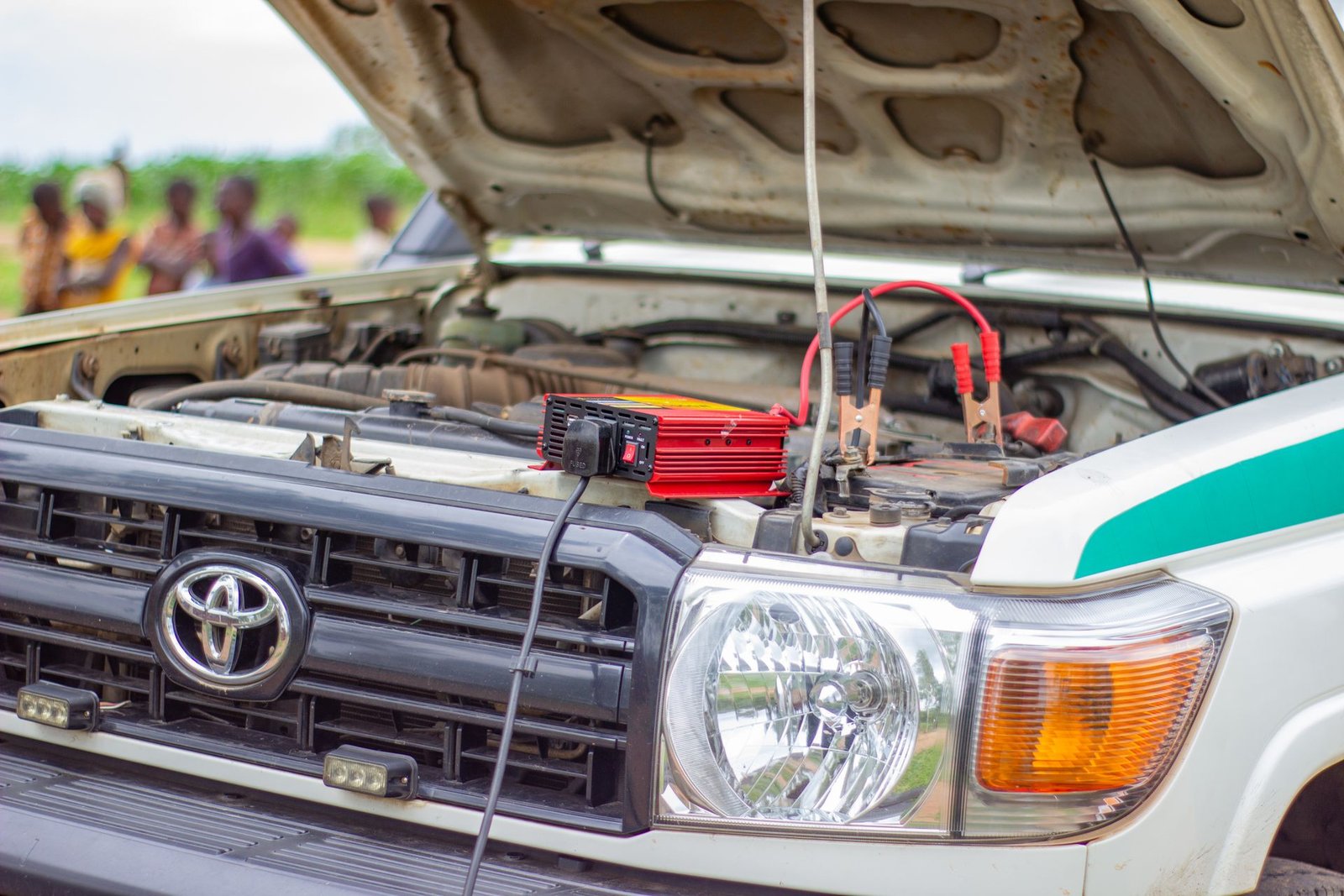
The savings from battery reconditioning 2026 are substantial. A new inverter battery costs ₹6,000 to ₹12,000, while reconditioning the same battery costs approximately ₹500 for distilled water, Epsom salt, and electricity. This represents a saving of 90 to 95 percent per battery. Over a ten-year period, a household that replaces its battery every three years would spend ₹30,000 on new units. By using battery reconditioning 2026 to extend each battery’s life to five years, the ten-year cost drops to ₹15,000, saving ₹15,000 directly. For car batteries, the savings are similar. Commercial operators using battery reconditioning 2026 can achieve gross margins of 70 to 80 percent by buying dead batteries for ₹200 to ₹500 and selling reconditioned units for ₹3,000 to ₹5,000.
Q4: What tools do I need to start battery reconditioning 2026, and how much do they cost?
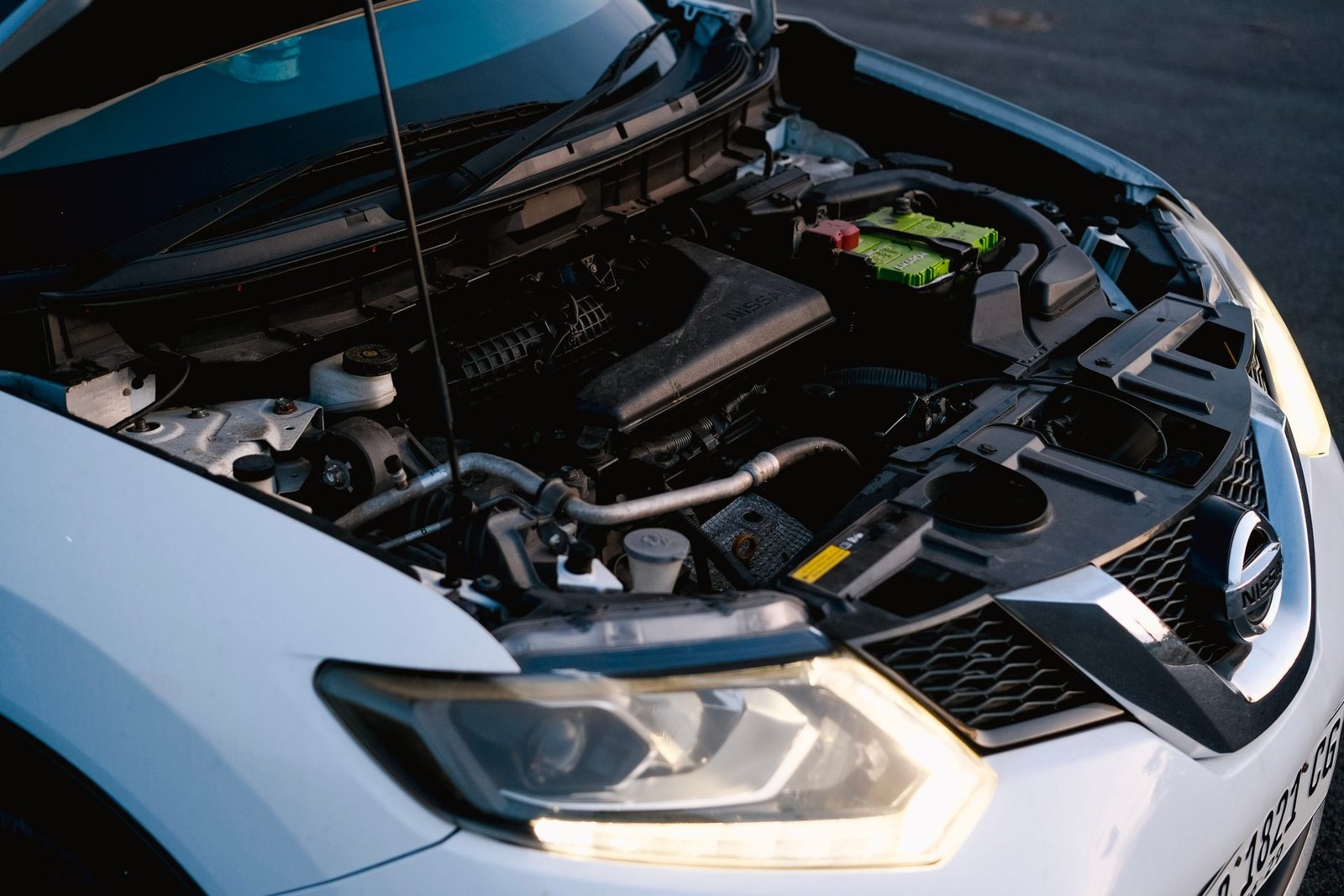
The essential toolkit for battery reconditioning 2026 includes safety goggles and rubber gloves (₹300), a digital multimeter (₹500), a smart battery charger (₹1,500 to ₹2,500), distilled water (₹20 per liter), Epsom salt (₹50 per packet), baking soda (₹30), a hydrometer (₹300), and a flathead screwdriver. The total investment ranges from ₹3,000 to ₹5,000. For advanced battery reconditioning 2026, you may add a desulfator device costing ₹1,500 to ₹3,000. All these tools are available on Amazon India, Flipkart, or local electronics and hardware shops. This one-time investment allows you to recondition dozens of batteries over several years, making battery reconditioning 2026 one of the most cost-effective home maintenance skills.
Q5: Can battery reconditioning 2026 be applied to lithium-ion batteries from electric vehicles or laptops?
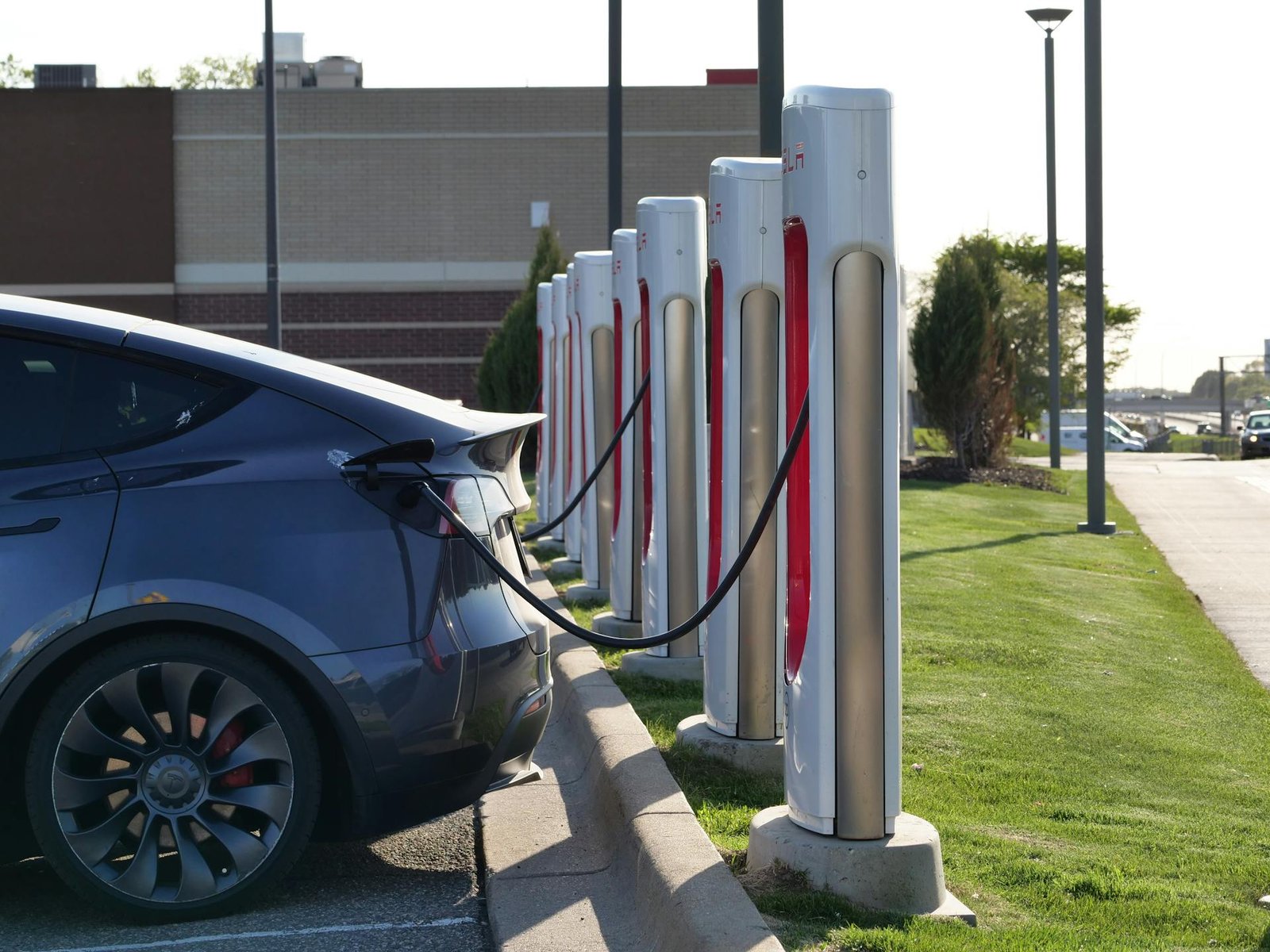
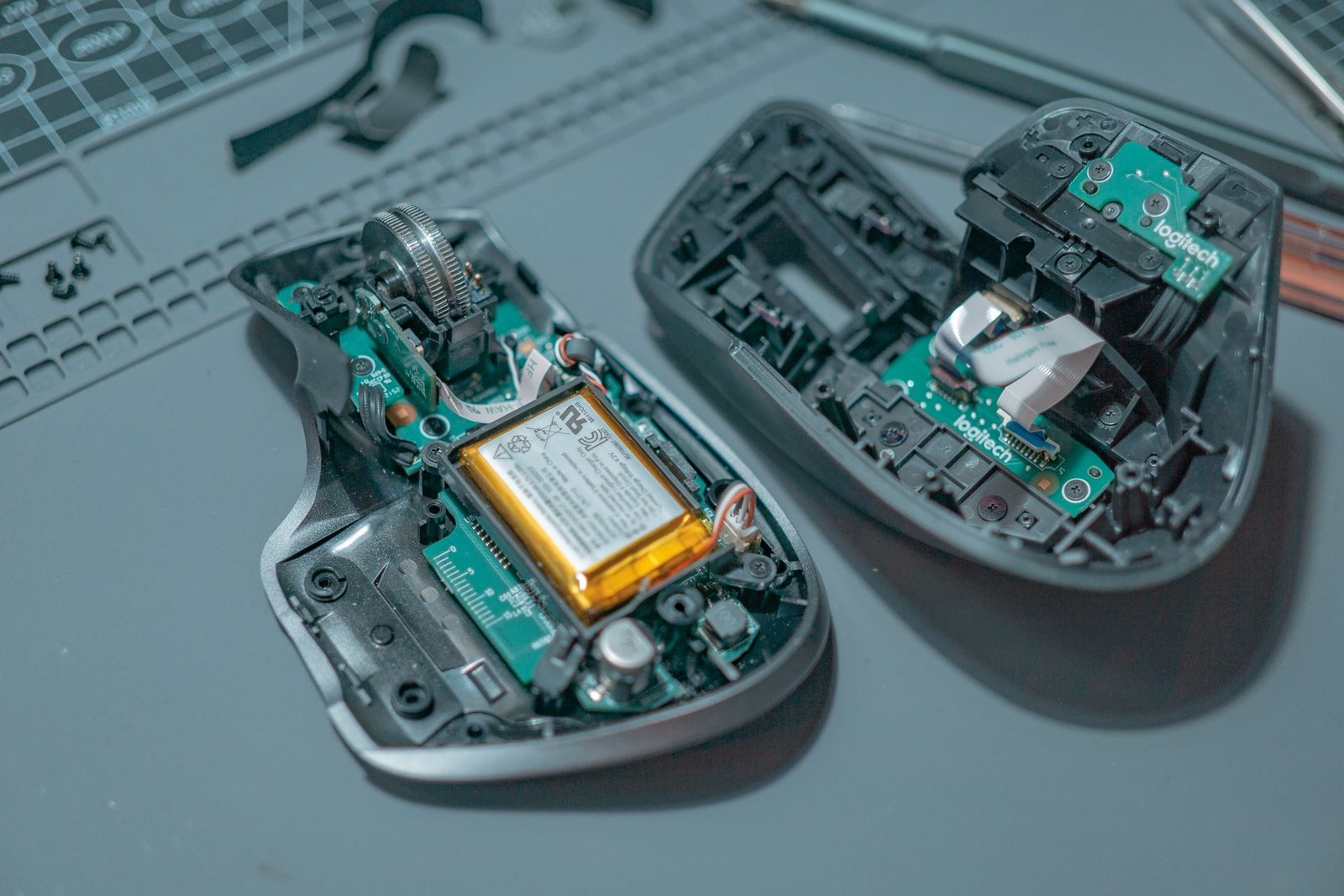
Battery reconditioning 2026 as described in this guide applies primarily to flooded lead-acid batteries used in inverters, cars, and motorcycles. Lithium-ion batteries have different chemistry and contain flammable electrolytes. Attempting chemical or physical reconditioning on lithium cells at home is extremely dangerous and can cause fires or explosions. Professional companies use specialized equipment to balance cells and replace battery management systems for lithium packs. For electric vehicle batteries, battery reconditioning 2026 at the consumer level is not recommended. However, many of the diagnostic principles—voltage testing, capacity measurement—apply across chemistries. Always check the battery type before proceeding.
Q6: How long does a reconditioned battery last after performing battery reconditioning 2026?
A successfully reconditioned battery using proper battery reconditioning 2026 methods typically delivers an additional one to three years of service life, depending on the battery’s original age, depth of sulfation, and subsequent maintenance. Most practitioners achieve 60 to 80 percent of the battery’s original rated capacity after reconditioning. For example, a three-year-old inverter battery that originally provided four hours of backup might provide three hours after reconditioning. With ongoing maintenance such as keeping the battery charged, using distilled water for top-ups, and optionally connecting a desulfator, the reconditioned life can extend toward the higher end of that range. Battery reconditioning 2026 is best viewed as a life extension technique, not a way to make old batteries perform like brand new indefinitely.
Q7: Is battery reconditioning 2026 legal in India, and do I need any license to offer it as a service?
Yes, battery reconditioning 2026 is legal in India. For small-scale household use, no license is required. For commercial operations reconditioning batteries for sale, you must comply with the Battery Waste Management Rules, 2022. If you process more than 100 batteries annually, you need to register with your State Pollution Control Board. You must maintain records of batteries received and dispatched, and you are responsible for proper disposal of any batteries or components that cannot be reconditioned. Many small entrepreneurs operate successfully without formal registration by staying below this threshold or by offering a service that reconditions customer-owned batteries rather than selling reconditioned batteries. Consult local regulations as they evolve.
Q8: What are the most common mistakes beginners make with battery reconditioning 2026?
The most frequent mistakes in battery reconditioning 2026 include using tap water instead of distilled water, which introduces minerals that accelerate grid corrosion; skipping the terminal cleaning step, which leads to poor electrical contact; charging at too high a current, which boils electrolyte and warps plates; failing to monitor battery temperature during charging; attempting to recondition physically damaged or swollen batteries; not wearing proper safety gear; and giving up after one failed attempt without troubleshooting. Another common error is confusing lead-acid batteries with lithium types. Beginners should follow the eight-step procedure exactly and document their voltage measurements. With patience and attention to detail, most mistakes in battery reconditioning 2026 are avoidable.
Q9: How does a desulfator work, and should I buy one for battery reconditioning 2026?
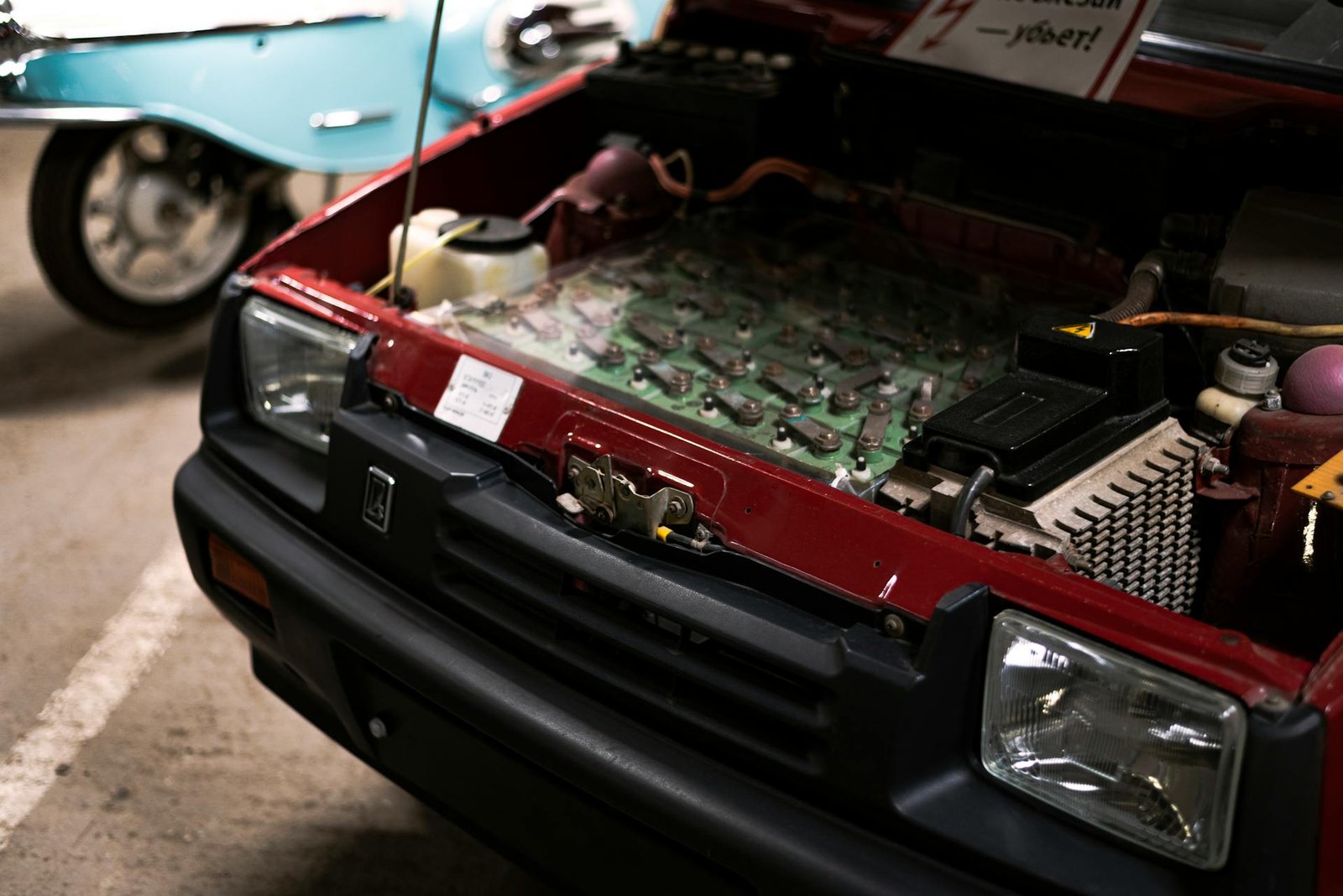
A desulfator is an electronic device that generates high-frequency voltage pulses, typically 40 to 100 kilohertz, which create mechanical vibrations inside the battery. These vibrations gradually break apart lead sulfate crystals without requiring the battery to be opened or its electrolyte replaced. For battery reconditioning 2026, a desulfator is highly recommended for two reasons: it automates the reconditioning process, and it can be left connected permanently to prevent sulfation from returning. A good desulfator costs ₹1,500 to ₹3,000 and can extend battery life by 100 to 150 percent. For severely sulfated batteries below 10 volts, chemical reconditioning remains necessary first. For routine maintenance of healthy batteries, a desulfator is the safest and most convenient tool in the battery reconditioning 2026 toolkit.
Q10: Where can I find dead batteries to practice battery reconditioning 2026 if I don’t have my own?
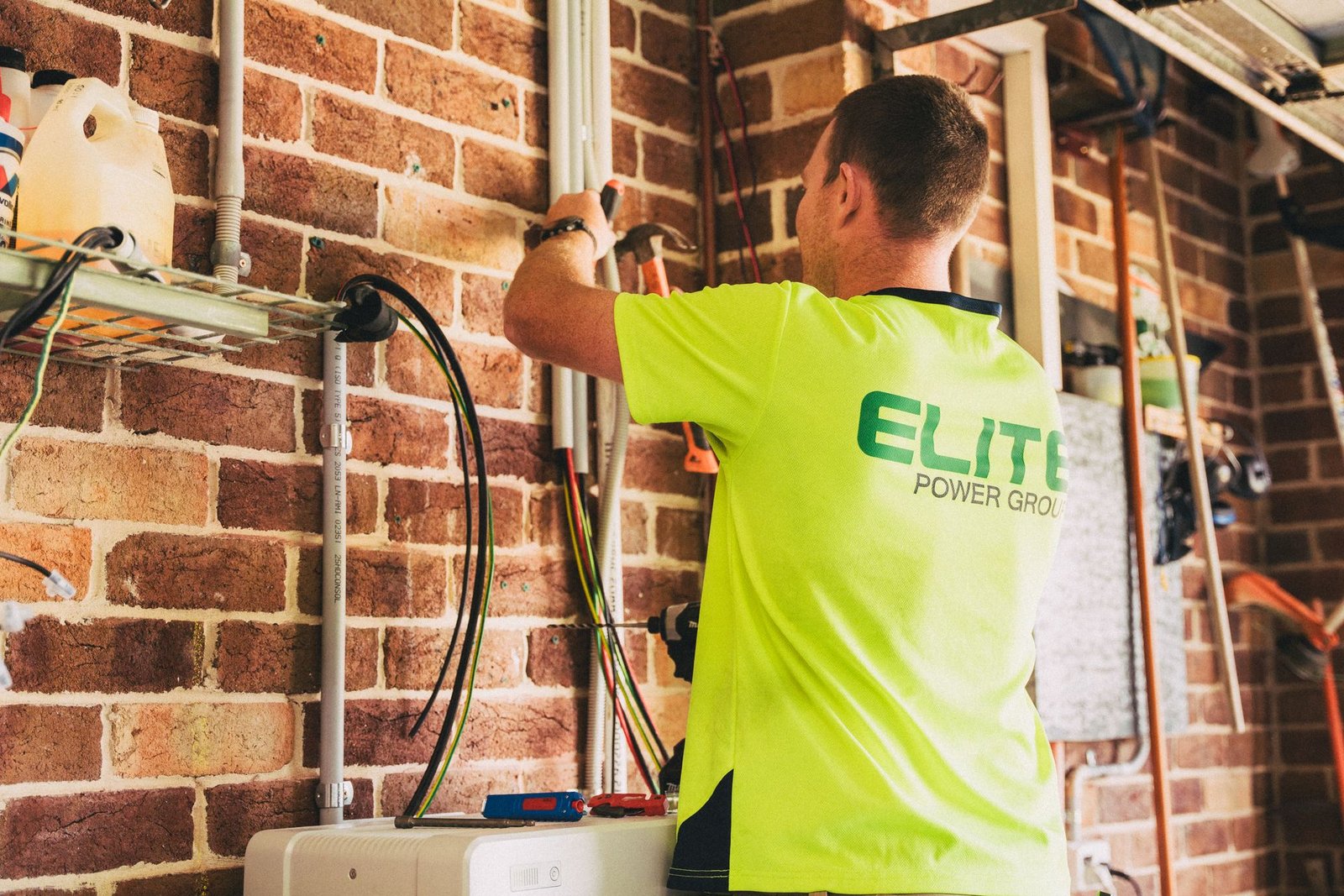
There are many excellent sources for dead batteries to practice battery reconditioning 2026. Local automotive repair shops often have old car and inverter batteries that customers have replaced; they are usually happy to give them away for free because disposal costs money. Scrap metal dealers and e-waste collection centers sell dead batteries for ₹200 to ₹500 each. Inverter service centers frequently accumulate batteries replaced during maintenance. Ask friends, family, and neighbors—someone always has a failing battery in their garage. Online classifieds like Olx or Quikr sometimes list free or cheap batteries for pickup. Battery retailers sometimes have trade-in units. Always inspect batteries for physical damage before acquiring them. With a little networking, you will have more batteries than time for battery reconditioning 2026.
1 thought on “Battery Reconditioning 2026: Save & DIY”