

Description:
Hormone balance for women is one of the most searched health topics in India today, and this post explains it in the simplest possible English so that school students, working women, mothers, and homemakers can all understand and apply it. The description you are reading now is a short map of what the full article covers, and it is written to help you decide whether this guide is right for you. Hormone balance for women is not a complicated medical mystery. It is a daily practice of giving your body the right food, movement, sleep, and stress care so that its chemical messengers can work together properly. This post begins by explaining what hormones actually do and why insulin, cortisol, thyroid, oestrogen, progesterone, and testosterone matter for every woman. It then explains why Indian women face a harder path because PCOS affects one in five young Indian women, thyroid problems are far more common in women, and iron deficiency affects up to half of Indian women. The post also explains why e-books have become a useful first step for hormone balance for women in 2026, with Indian-specific titles such as You Are Shakti and She Healed Herself offering practical guidance without expensive clinic visits. You will learn how to fix your Indian kitchen for hormone balance for women using paneer, curd, dal, eggs, millets, ragi, and simple plate rules. You will learn why strength training is not optional and why lifting weights will not make you bulky. You will learn how cycle syncing helps you work with your monthly hormone pattern instead of fighting it. You will learn why sleep and stress care are hidden but powerful factors in hormone balance for women. You will read real Indian stories of women who lost weight, managed PCOS, and rebuilt their health with small consistent steps. Finally, you will get a simple five-step action plan that you can start this week without a gym, without expensive supplements, and without overhauling your entire life. Every section is written in plain English with no confusing medical words, and every idea is explained with Indian food and Indian family realities in mind. If you have ever felt tired, bloated, moody, or frustrated by weight that will not budge, this post is for you. Hormone balance for women is possible, and it starts with one meal, one walk, one page, and one honest look at your own body. Read on to learn how.
1.The Clear Meaning of Hormone Balance for Women
Hormone balance for women is best understood as a practical daily goal rather than a perfect laboratory result, and this idea becomes easier when we explain it in ten clear points. First, hormones are chemical messengers that travel through the blood and tell the body what to do, so they influence hunger, sleep, mood, energy, periods, and fat storage. Second, insulin is one of the most important messengers because it controls blood sugar, and when cells stop responding to insulin, the body produces more insulin and this can worsen cravings, weight gain, and PCOS symptoms. Third, cortisol is the stress hormone, and although it is useful during short emergencies, it becomes harmful when it remains high for weeks or months because it disturbs sleep, mood, and fat burning. Fourth, thyroid hormones control metabolism and energy, so even a mildly underactive thyroid can make a woman feel tired, cold, and unable to lose weight. Fifth, oestrogen and progesterone are the two main female sex hormones, and their rise and fall affect periods, skin, mood, bone strength, and where the body stores fat. Sixth, testosterone is present in women too, and when levels run high in PCOS, it can cause acne, excess facial hair, and irregular cycles. Seventh, hormone balance for women does not mean every level must be identical to a textbook range, because symptoms, lifestyle, age, and medical history matter. Eighth, the main inputs that support balance are food, movement, sleep, stress care, and appropriate medical guidance. Ninth, common warning signs include constant fatigue, irregular periods, stubborn weight, hair loss, acne, poor sleep, and strong cravings, and these signs deserve attention rather than being dismissed as normal. Tenth, the first step toward hormone balance for women is understanding the body instead of blaming it, because knowledge helps a woman ask better questions and make better choices. In simple terms, hormone balance for women is a daily practice of giving the body the right support so its messengers can work together properly.
2. Why Hormone Balance for Women Is Harder in India
Hormone balance for women in India needs a specific explanation because Indian women face a different mix of biological and social pressures, and ten points make this clear. First, PCOS affects roughly one in five young Indian women, which is among the highest rates in the world, so irregular periods and acne should not be ignored. Second, experts believe that nearly seventy percent of PCOS cases in India remain undiagnosed, which means many women struggle without knowing the real reason. Third, thyroid problems are five to ten times more common in women than in men, and India has a high burden of hypothyroidism, so constant tiredness deserves a medical check. Fourth, iron deficiency affects up to half of Indian women, and this can cause fatigue, hair loss, breathlessness, and poor exercise recovery. Fifth, many Indian meals are built around white rice and maida, and these foods can spike insulin more quickly, which is a problem for women with PCOS or insulin resistance. Sixth, many Indian women eat too little protein because family habits often give the largest portions to men and children, leaving women with carbohydrate-heavy meals. Seventh, stress is often treated as a normal part of life, but long-term stress raises cortisol and disturbs hormone balance for women. Eighth, sleep is often the first thing Indian women sacrifice for family duties, work, and household responsibilities. Ninth, cultural expectations can make women feel guilty for spending time and money on their own health, even though their health supports the whole family. Tenth, the solution must fit Indian kitchens and Indian lives, so ragi instead of maida, curd instead of biscuits, a short walk after dinner, and home strength training are more useful than foreign plans. This is why hormone balance for women in India should be practical, affordable, and respectful of real family life.
3. How E-books Support Hormone Balance for Women in 2026
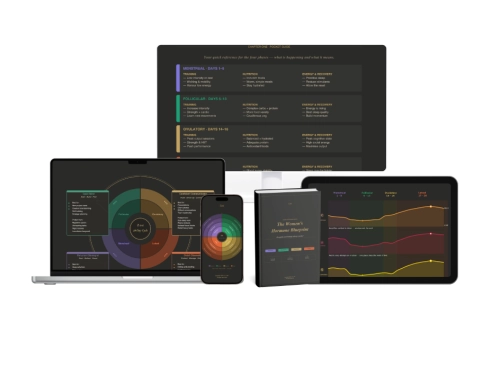
E-books have become a useful first step for hormone balance for women in 2026 because they offer knowledge in a private, affordable, and flexible way, and ten points explain their value. First, e-books are affordable and often cost less than one clinic consultation, so more women can learn without a large financial burden. Second, they are private, which matters in families where women may not want to discuss periods, PCOS, or thyroid problems openly. Third, they are flexible because a woman can read ten pages while waiting for a bus, during a lunch break, or after children sleep. Fourth, good e-books can be updated quickly when new research appears, so readers get fresher information than many old printed books. Fifth, several 2026 e-books are written for Indian women and use Indian food examples, Indian lab ranges, and Indian lifestyle realities. Sixth, global books such as Hormone Intelligence by Dr Aviva Romm offer structured plans, quizzes, and trackers that help readers find root causes. Seventh, Indian books such as You Are Shakti by Dt Archanaa Singh share real stories of Indian women dealing with PCOS, thyroid, postpartum depletion, and perimenopause. Eighth, a reader should choose one book that matches her biggest problem instead of buying seven books and feeling overwhelmed. Ninth, the best method is to read one chapter, highlight one idea, and apply that idea for a week before moving on. Tenth, reading is not a replacement for medical care, but it helps a woman ask better questions and understand her doctor’s advice. Used wisely, e-books can make hormone balance for women feel less confusing and more manageable.
4. The Indian Kitchen Fix for Hormone Balance for Women
The Indian kitchen already contains many tools for hormone balance for women, and ten simple points show how to use them without buying expensive imported foods. First, the plate rule is the easiest starting point: half vegetables, one quarter protein, and one quarter whole grains. Second, most Indian women need more protein, and a practical target is about 1.6 to 2.0 grams of protein per kilogram of body weight per day. Third, paneer is one of the most useful Indian proteins because 100 grams gives about 18 grams of protein and it can be added to many meals. Fourth, eggs are affordable and complete, with about 6 grams of protein per egg. Fifth, curd or Greek yogurt gives about 10 to 15 grams of protein per 150-gram serving and also supports digestion. Sixth, cooked dal and lentils give about 7 to 9 grams of protein per 100 grams, so they should appear in lunch or dinner regularly. Seventh, millets such as ragi, jowar, and bajra release sugar more slowly than white rice and maida, which supports steadier insulin and better hormone balance for women. Eighth, portions matter, so a small bowl of rice is different from a large mound of rice, and the same logic applies to rotis and snacks. Ninth, a simple day can include moong dal chillas with curd for breakfast, dal and vegetables with rotis for lunch, sprouts or makhana in the evening, and millet khichdi with curd for dinner. Tenth, consistency matters more than perfection, so one protein addition to breakfast this week is a better start than a complete diet overhaul that lasts only three days. This is how hormone balance for women becomes practical in an Indian home.
5. Protein and Iron for Hormone Balance for Women
Protein and iron are two of the most overlooked needs for hormone balance for women in India, and ten points explain why they matter and how to improve them. First, protein supports muscle, satiety, insulin response, and hormone production, so undereating protein makes hormone balance for women much harder. Second, a simple breakfast upgrade such as adding curd, eggs, or paneer can change the whole day’s energy and cravings. Third, iron deficiency affects up to half of Indian women and can cause fatigue, breathlessness, pale skin, hair loss, and slow recovery after exercise. Fourth, ragi is an excellent Indian iron source and can be used in rotis, dosas, and porridge. Fifth, rajma and other beans provide iron and protein together, making them useful for vegetarian meals. Sixth, spinach and other green leafy vegetables add iron, but they work better when eaten with vitamin C sources such as lemon or amla. Seventh, pumpkin seeds and sesame seeds are small but useful iron-rich additions to snacks and chutneys. Eighth, tea and coffee block iron absorption, so women should avoid drinking them within one to two hours of an iron-rich meal. Ninth, if fatigue is severe, a doctor should check ferritin, haemoglobin, vitamin D, and thyroid because self-treatment can miss important problems. Tenth, food first is a good rule, but supplements should be taken only when a qualified doctor advises them. When protein and iron are given proper attention, hormone balance for women becomes more achievable because the body has the raw materials it needs for energy and repair.
6. Strength Training and Hormone Balance for Women
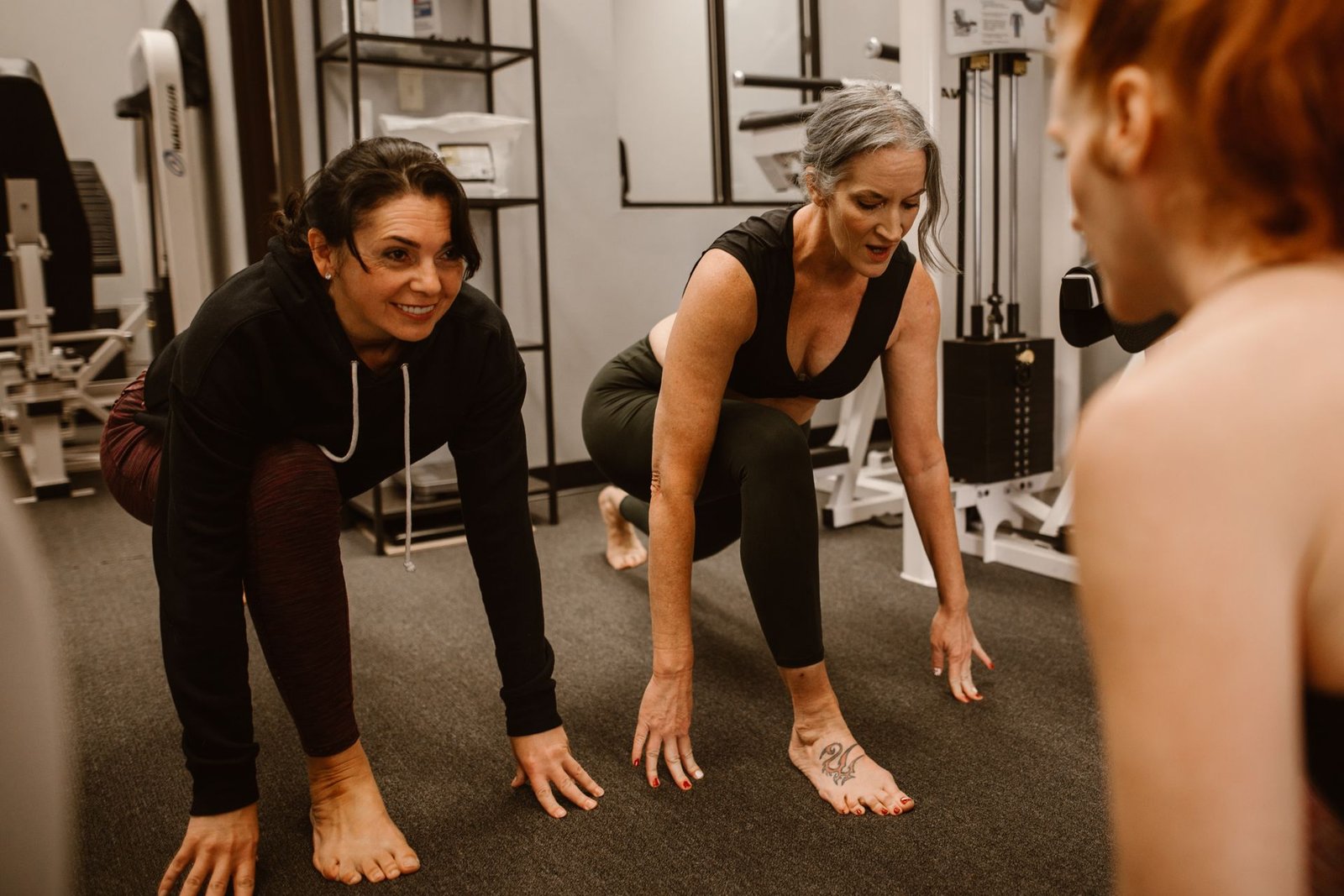
Strength training is one of the most misunderstood tools for hormone balance for women, and ten points explain why it deserves a central place in a weekly routine. First, the common fear that lifting weights makes women bulky is not supported by biology because women have far less testosterone than men. Second, strength training builds lean muscle, which supports a healthier metabolism and helps the body use energy better. Third, muscle improves insulin sensitivity, which is especially important for Indian women with PCOS or insulin resistance. Fourth, strength training supports bone density, which matters as women move toward perimenopause and menopause. Fifth, a practical week can include three to four strength sessions, two to three moderate cardio sessions, one or two yoga or Pilates sessions, and at most two short HIIT sessions. Sixth, women do not need a gym to begin because bodyweight squats, glute bridges, wall push-ups, and planks are enough for the first month. Seventh, a resistance band set costing five hundred to one thousand rupees can unlock many home exercises and make progress easier. Eighth, three habits can raise cortisol too high: fasted morning cardio, excessive HIIT, and intense late-night workouts, so these should be limited. Ninth, women in their forties often benefit from walking, low-intensity cardio, and light strength training instead of punishing high-intensity sessions. Tenth, the goal is not to get bulky but to build the muscle that supports hormone balance for women for decades. When strength training is simple, consistent, and home-friendly, it becomes a powerful daily tool for hormone balance for women.
7. Cycle Syncing for Hormone Balance for Women

Cycle syncing is a simple way to support hormone balance for women because it teaches a woman to work with her monthly hormone pattern instead of fighting it, and ten points explain the method. First, hormones rise and fall across the menstrual cycle, and energy, strength, cravings, and recovery change with them. Second, during the menstrual phase, which is roughly days one to five, energy is often low, so light yoga, walking, and stretching are more suitable than heavy training. Third, during the follicular phase, roughly days six to thirteen, oestrogen rises and energy improves, making this a good time for progressive strength training. Fourth, during the ovulatory phase, around day fourteen, energy and strength often peak, so this is the best window for challenging workouts. Fifth, during the luteal phase, roughly days fifteen to twenty-eight, energy gradually falls, so form and moderate intensity matter more than personal bests. Sixth, cravings for carbs and sugar often increase before periods, and this is hormonal rather than a character flaw. Seventh, magnesium-rich foods such as pumpkin seeds, spinach, and small amounts of dark chocolate can help some women with PMS symptoms. Eighth, tracking periods for three months helps a woman see her own pattern instead of guessing. Ninth, cycle syncing should be flexible and kind, not rigid or stressful, because stress itself can disturb hormone balance for women. Tenth, this method is free and requires no app or subscription, making it an accessible tool for hormone balance for women at any age. When used gently, cycle syncing helps women feel more confident and less confused about their own bodies.
8. Sleep, Stress, and Hormone Balance for Women

Sleep and stress are hidden but powerful factors in hormone balance for women, and ten points explain how to protect both. First, cortisol and sleep have a seesaw relationship, so poor sleep raises cortisol and high cortisol makes sleep worse. Second, most women need seven to nine hours of sleep, and a fixed wake-up time is more useful than trying to catch up on weekends. Third, intense workouts should finish at least three hours before bed because late exercise overstimulates the nervous system. Fourth, keeping the phone away for the last thirty minutes of the day helps the brain settle. Fifth, dimming lights in the evening supports the body’s natural sleep signals. Sixth, ten minutes of slow breathing or gentle stretching before bed can lower stress and improve sleep quality. Seventh, a short walk after dinner supports digestion and helps reduce cortisol without being exhausting. Eighth, if a woman wakes up tired despite enough hours, she should ask a doctor about thyroid, iron, vitamin D, and sleep quality. Ninth, rest is not laziness, and recovery days are part of a healthy routine rather than a sign of weakness. Tenth, small sleep habits repeated daily are more effective than occasional long sleep sessions. When sleep and stress care become regular, hormone balance for women improves because the body finally has time to reset and repair. This is why hormone balance for women should always include rest, boundaries, and simple stress management.
9. Real Indian Stories of Hormone Balance for Women
Real Indian stories make hormone balance for women feel possible, and ten points from real journeys show what consistency can achieve. First, Tanya from Bengaluru struggled with stubborn weight, exhaustion, and erratic periods, and a structured plant-based approach helped her lose four kilograms in forty-five days while symptoms began to settle. Second, Sara Tendulkar has spoken about PCOS and used intermittent fasting, weight training, and progressive overload under medical guidance to support her hormones. Third, Deeksha Chhabra managed PCOD, hypothyroidism, and postpartum depression together and lost thirty-five kilograms over one year through sustainable food and movement changes. Fourth, Sushma Pachouri Khadia had lean PCOS and four consecutive miscarriages, yet she started training despite cultural barriers and became a fitness coach and model. Fifth, these stories show that progress usually comes from small changes repeated consistently rather than extreme diets or punishing workouts. Sixth, strength training appears repeatedly in these journeys because muscle supports insulin sensitivity, metabolism, and bone health. Seventh, cultural barriers are real, especially for women in smaller cities, so support and information matter as much as motivation. Eighth, lean PCOS reminds us that weight is not the only sign of hormonal trouble, so symptoms deserve attention at any body size. Ninth, no woman in these stories was perfect, and that is exactly why their stories are useful because they show realistic progress. Tenth, the lesson is to choose one story that feels close to your life and copy the first small step that woman took. These examples are proof that hormone balance for women is not a distant dream but a series of practical choices made over time.
10. Your Simple Action Plan for Hormone Balance for Women
A clear action plan turns knowledge about hormone balance for women into real life, and ten practical steps make the path easier to follow. First, ask a doctor for a thyroid profile, fasting insulin, fasting glucose, vitamin D, and iron with ferritin so you have an honest baseline. Second, track your periods for three months and note flow, mood, energy, cravings, and sleep because patterns reveal useful clues. Third, fix one meal first, usually breakfast, and rebuild it around protein with curd, eggs, paneer, or dal. Fourth, add two thirty-minute strength sessions each week using bodyweight squats, glute bridges, wall push-ups, and planks. Fifth, protect sleep by setting a fixed wake-up time and finishing intense workouts at least three hours before bed. Sixth, read one e-book this month instead of seven, and choose the title that matches your biggest problem. Seventh, highlight one idea from one chapter and apply it for a week before moving to the next idea. Eighth, ask a qualified doctor or registered dietitian before starting supplements, especially if you have PCOS, thyroid disease, diabetes, or are pregnant. Ninth, start small because one meal, one walk, one page, and one honest look at your body are enough for the first week. Tenth, remember that hormone balance for women is a daily practice rather than a destination, so consistency matters more than perfection. Your hormones are not your enemy, and hormone balance for women becomes possible when simple steps are repeated with patience and self-respect.
Conclusion:
Hormone balance for women is not a destination you reach once and forget. It is a daily practice, and this post has given you the simple tools to begin that practice today. We started by explaining what hormones actually are and why insulin, cortisol, thyroid, oestrogen, progesterone, and testosterone matter for every woman. We then looked at why Indian women face a harder path because PCOS, thyroid problems, and iron deficiency are far more common here than most people realise. We explored how e-books have made hormone balance for women more accessible in 2026, with Indian-specific titles that use Indian food examples and Indian lab ranges. We learned how to fix the Indian kitchen with paneer, curd, dal, eggs, millets, and ragi, and why protein and iron deserve special attention. We learned why strength training is a foundation for hormone balance for women and why the fear of getting bulky is a myth. We learned how cycle syncing helps women work with their monthly hormone pattern and why sleep and stress care are not luxuries but biological necessities. We read real Indian stories of women who lost weight, managed PCOS, and rebuilt their health with small consistent steps, and we built a simple five-step action plan that anyone can start this week. The most important message of this post is that your hormones are not your enemy. They are messengers asking for attention. You do not need to be perfect. You do not need to do everything at once. You need to start with one meal, one walk, one page, and one honest look at your own body. Hormone balance for women becomes possible when simple steps are repeated with patience and self-respect. Share this post with one woman who needs it. Forward the link on WhatsApp. Post it in a family group. Hormone literacy spreads person to person, and every woman who understands her body can help another woman do the same. If you have PCOS, thyroid disease, diabetes, or any other medical condition, or if you are pregnant or on medication, please talk to a qualified doctor or registered dietitian before changing your diet, supplements, or exercise routine. This post is for general education and is not a replacement for medical advice. Hormone balance for women is a journey, and you have already taken the first step by reading this far. Keep going.
FAQ: 10 Questions and Answers
1. What is hormone balance for women in simple words?

Hormone balance for women means giving your body the right food, movement, sleep, and stress care so that its chemical messengers can work together properly. It is not about perfect lab reports. It is about feeling energetic, sleeping well, having regular periods, and managing weight and mood without constant struggle.
2. How can I start improving hormone balance for women this week?
Start with one meal. Add a protein source like curd, eggs, or paneer to your breakfast. Then add two thirty-minute strength sessions at home using bodyweight squats, glute bridges, wall push-ups, and planks. Set a fixed wake-up time. These three small steps are enough for the first week.
3. Which Indian foods are best for hormone balance for women?
Paneer, curd, eggs, dal, rajma, chicken, tofu, ragi, jowar, bajra, oats, spinach, pumpkin seeds, and sesame seeds are all useful. The key is to build your plate with half vegetables, one quarter protein, and one quarter whole grains. Avoid large portions of white rice and maida.
4. Can exercise really help hormone balance for women?

Yes. Strength training improves insulin sensitivity, supports bone density, and builds lean muscle, which helps metabolism. Moderate cardio and yoga support stress and cortisol control. Avoid excessive HIIT and fasted morning cardio because they can raise cortisol too high.
5. Do I need to buy e-books for hormone balance for women?
E-books are helpful but not compulsory. They are affordable, private, and flexible. Good 2026 titles like You Are Shakti and Hormone Intelligence offer structured plans and Indian-specific advice. Choose one book that matches your biggest problem and apply one idea at a time instead of buying many books.
6. How long does it take to see results in hormone balance for women?
Some women feel better energy and sleep within two to three weeks of consistent changes. Period regularity and weight changes often take three to six months. PCOS and thyroid symptoms may take longer and should be monitored with a doctor. Consistency matters more than speed.
7. Is hormone balance for women expensive to achieve?

No. The most powerful steps are free or cheap: walking, home strength training, fixed sleep time, and simple Indian foods like dal, curd, eggs, and millets. A resistance band costs five hundred to one thousand rupees. Expensive supplements and clinics are not the first step.
8. Can PCOS be cured with hormone balance for women?
PCOS can be managed very well with food, movement, sleep, and stress care, and many women see symptoms reduce significantly. It is not always “cured” in the sense of disappearing forever, but it can become manageable. Always work with a qualified doctor for diagnosis and treatment.
9. When should I see a doctor about hormone balance for women?
See a doctor if you have very irregular periods, severe fatigue, hair loss, unexplained weight changes, cold intolerance, or if you are trying to conceive. Ask for a thyroid profile, fasting insulin, vitamin D, and iron with ferritin. Do not self-treat with supplements without medical advice.
10. How do I track my progress with hormone balance for women?

Track your periods for three months and note flow, mood, energy, cravings, and sleep. Take photos or measure your waist once a month. Note how your clothes fit and how you feel after workouts. Keep it simple. Progress in hormone balance for women is often quiet and gradual, so written notes help you see changes you might otherwise miss.