
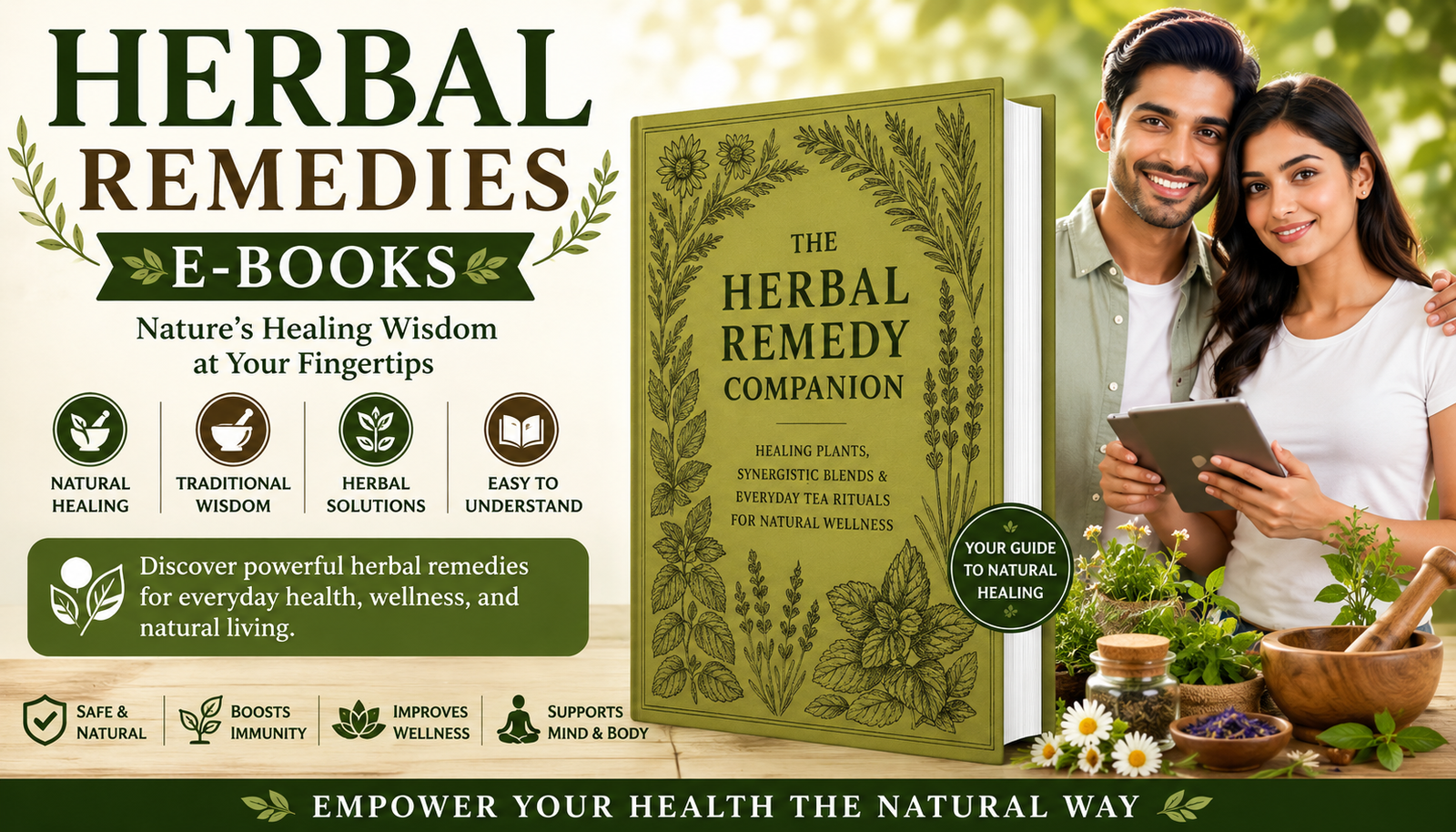
Description:
This comprehensive guide serves as your welcoming entry point into the world of natural wellness through herbal remedies for beginners. Designed for the absolute newcomer, it strips away the complexity and intimidation often associated with herbalism. You will learn why starting with the familiar plants already in your kitchen—like ginger, mint, and turmeric—is the safest and smartest approach. The guide emphasizes the non-negotiable first step: having an open conversation with your healthcare provider to ensure safety, especially if you are on medication. We break down the fundamental skill of making a perfect cup of herbal tea, the right way. More than just a list of herbs, this resource teaches a mindful methodology. It underscores the critical importance of patience and consistency, as herbs work with your body’s rhythms over time, not as instant cures. You will discover the power of learning one single plant at a time to truly understand its effects, and gain practical advice on how to source high-quality, potent herbs from trustworthy suppliers. We introduce the valuable practice of keeping a personal herbal journal to track your unique journey and progress. Crucially, the guide also honestly addresses the limits of herbal support, helping you discern when to seek professional medical care. Ultimately, this is a blueprint for integrating simple herbal remedies into a holistic lifestyle focused on sustainable health, empowering you with the knowledge, confidence, and practical steps to take gentle, informed control of your well-being using nature’s timeless pharmacy.
1: Understanding What Simple Herbal Remedies Really Are
Simple herbal remedies are gentle, natural approaches to supporting your health using plants. They are not complicated medical treatments, but rather age-old practices that help your body’s own healing processes. Think of them as a helping hand from nature, not a replacement for a doctor. These remedies often use parts of plants you might already know, like leaves for tea, roots for decoctions, or flowers for soothing salves. The core idea behind simple herbal remedies is to start with small, manageable actions that can be easily integrated into daily life. This could mean drinking a cup of mint tea for an upset stomach or adding fresh turmeric to your cooking for its anti-inflammatory properties. The beauty of simple herbal remedies lies in their accessibility; you don’t need a degree or expensive equipment to begin. They connect us to a tradition of wellness that is both personal and global, practiced in various forms across every culture. By focusing on simplicity, we remove the intimidation factor and make natural health achievable for everyone. Ultimately, simple herbal remedies are about building a conscious, proactive relationship with your well-being, one gentle step at a time.
2: The Unbeatable Benefit of Starting with Common Kitchen Herbs
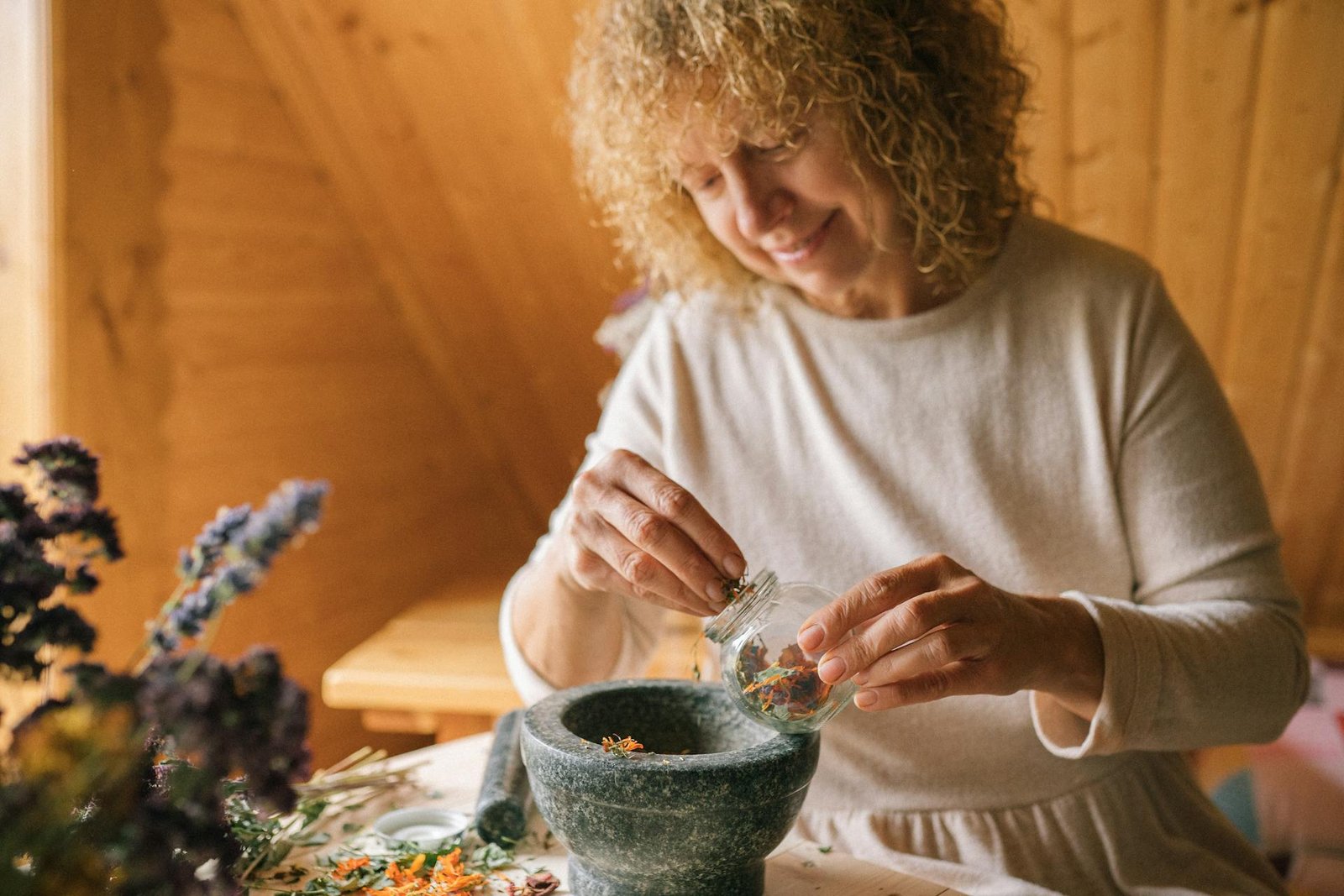
The safest and most effective way to explore simple herbal remedies is to start with the plants already in your kitchen. Herbs like ginger, garlic, turmeric, cinnamon, and mint are powerful medicinal plants disguised as everyday spices. Because they are commonly consumed, their safety profiles are well-understood, and your body is already familiar with them. This eliminates the fear of trying something completely unknown. For instance, ginger tea is a classic simple herbal remedy for nausea and digestive discomfort. Steeping a few slices of fresh ginger in hot water creates a potent, comforting drink. Similarly, a clove of raw garlic can support immune function, and a pinch of cinnamon in your morning oatmeal can help regulate blood sugar. Using kitchen herbs allows you to experiment without making a special purchase. You can observe how your body responds in a low-risk, familiar context. This practical approach demystifies the world of herbalism and proves that simple herbal remedies are not exotic or strange, but rooted in the ordinary. It’s a testament to the idea that powerful healing tools are often sitting right on our pantry shelves, waiting to be used with intention.
3: The Critical First Step: Consulting a Healthcare Professional
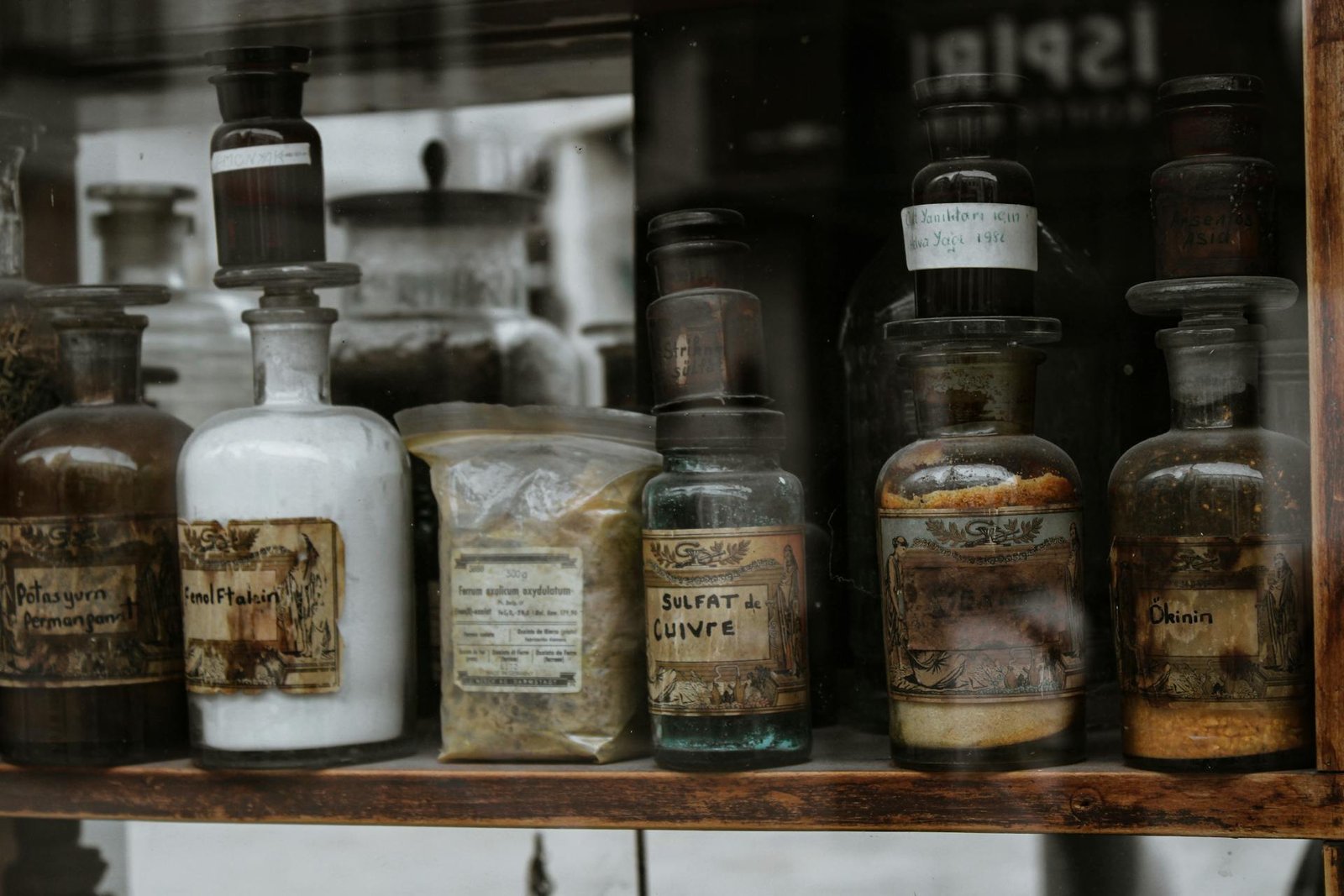
Before you make your first cup of medicinal tea, the most important step in your journey with simple herbal remedies is to have a conversation with your doctor or a qualified healthcare provider. This is a non-negotiable rule for safety. You must inform them about any herb you plan to use regularly. This is especially crucial if you are currently taking any prescription medications, as some herbs can interact with drugs, making them less effective or causing adverse effects. For example, the popular herb St. John’s Wort can interfere with many common medications. Your doctor understands your personal health history, conditions, and unique body chemistry. They can advise you on potential contraindications, ensuring the simple herbal remedies you choose are compatible with your health profile. This step is not about seeking permission but about building a partnership for your health. It ensures your exploration is grounded in safety and knowledge, preventing harmful mistakes. View your doctor as an ally who can help you integrate these natural tools wisely into your overall health plan, making your use of simple herbal remedies both effective and secure.
4: Mastering the Art of the Perfect Herbal Infusion (Tea)
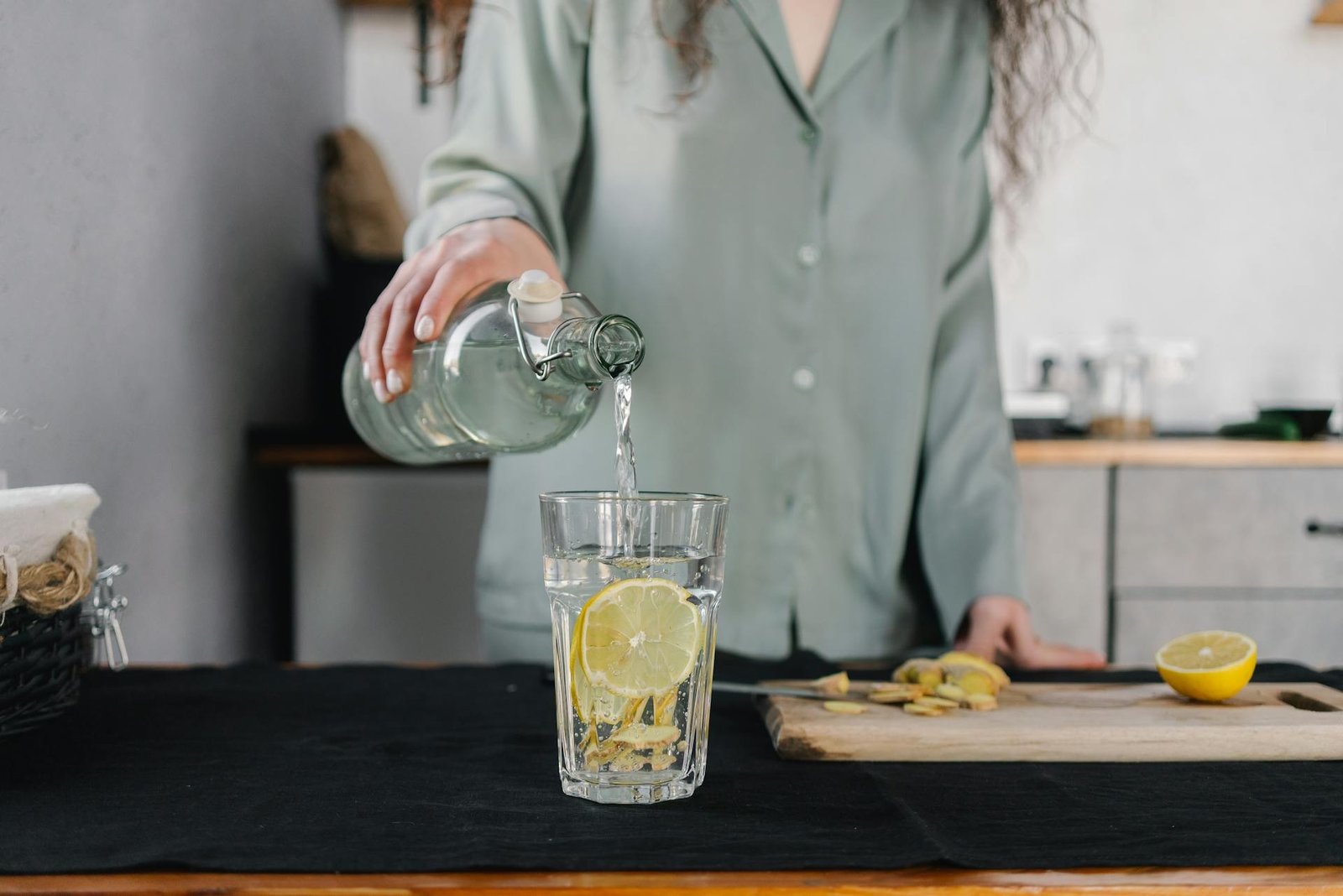
The most fundamental skill in using simple herbal remedies is learning to make a proper herbal infusion, commonly known as tea. This method extracts the water-soluble vitamins, minerals, and volatile oils from delicate plant parts like leaves and flowers. The process is simple but requires attention to detail for the best results. Start with one teaspoon of dried herb or one tablespoon of fresh herb per cup of water. Use a ceramic or glass mug—avoid metal, as it can react with the plant compounds. Bring fresh, cold water to a rolling boil, then pour it directly over the herb in your cup. Immediately cover the cup with a small plate or lid. This traps the precious steam and essential oils that contain many of the healing properties. Let the herb steep for 5 to 15 minutes; longer steeping times create stronger, more medicinal brews. Finally, strain out the plant material and drink your infusion while it’s warm. This ritual of making tea is a mindful practice in itself, a moment of pause to connect with the healing intention. Mastering this basic technique opens the door to preparing countless simple herbal remedies for relaxation, digestion, and immune support.
5: Why Patience and Consistency Are Your Greatest Allies
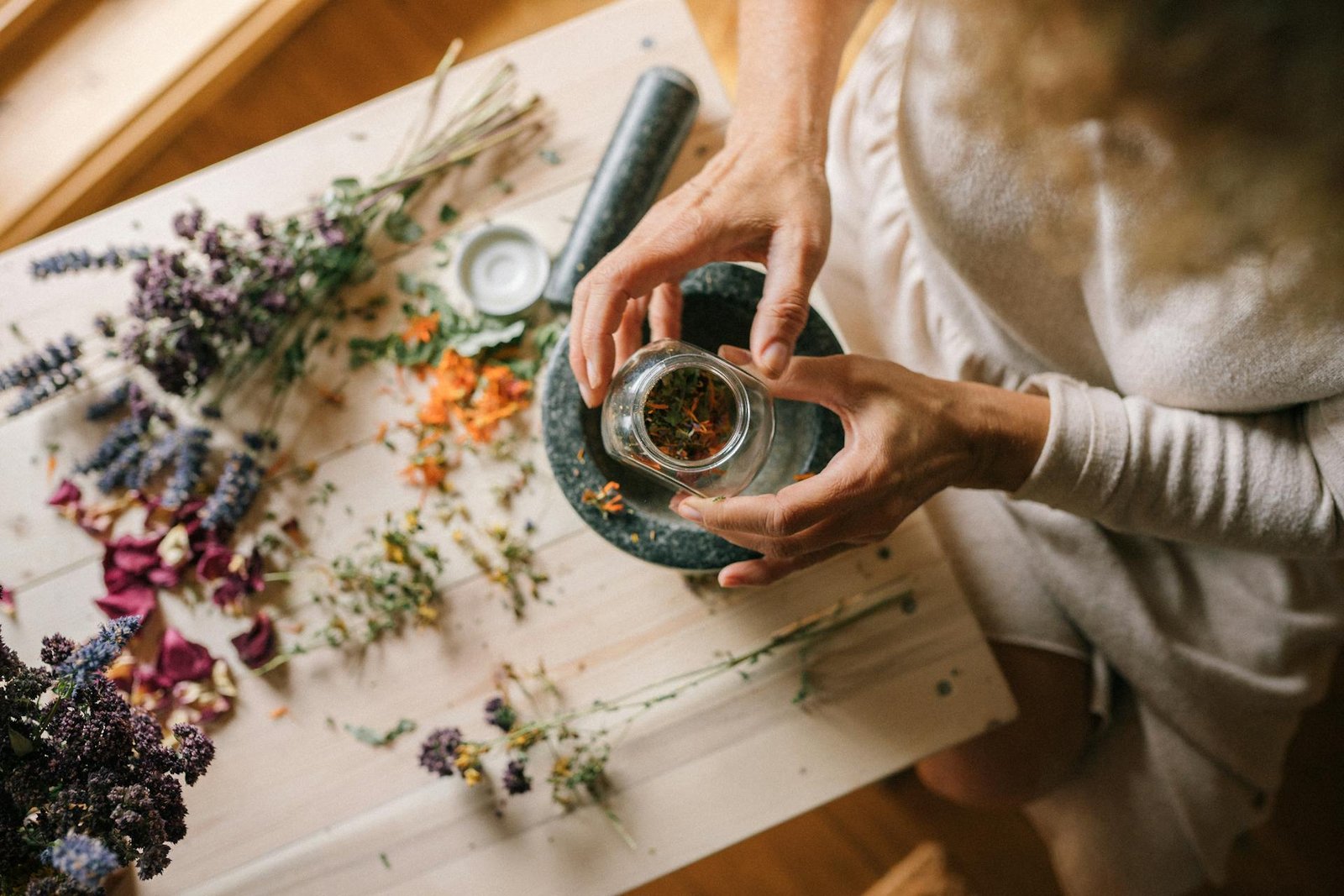
When working with simple herbal remedies, you must shift your expectation from instant fix to gradual support. Pharmaceutical drugs are often designed for acute, immediate symptom relief, but herbs work in harmony with your body’s systems, promoting balance over time. This means you will not feel a dramatic change after one cup of tea. The magic of simple herbal remedies unfolds with consistent, daily use over weeks and sometimes months. For example, if you are taking chamomile tea for chronic anxiety, you might need to drink it nightly for two to three weeks before noticing a significant, sustained sense of calm. Herbs nourish and tone the body’s organs and functions at a deep, cellular level. This process cannot be rushed. Consistency is more important than quantity; a small, regular dose is far more effective than a large, occasional one. Keeping a simple journal to note subtle changes—like slightly better sleep, more stable energy, or improved digestion—can help you see the progress. Embracing this timeline is key to success with simple herbal remedies; it teaches you that true wellness is a marathon, not a sprint, built on daily, nurturing habits.
6: The Power of Single Herbs: Learning One Plant at a Time
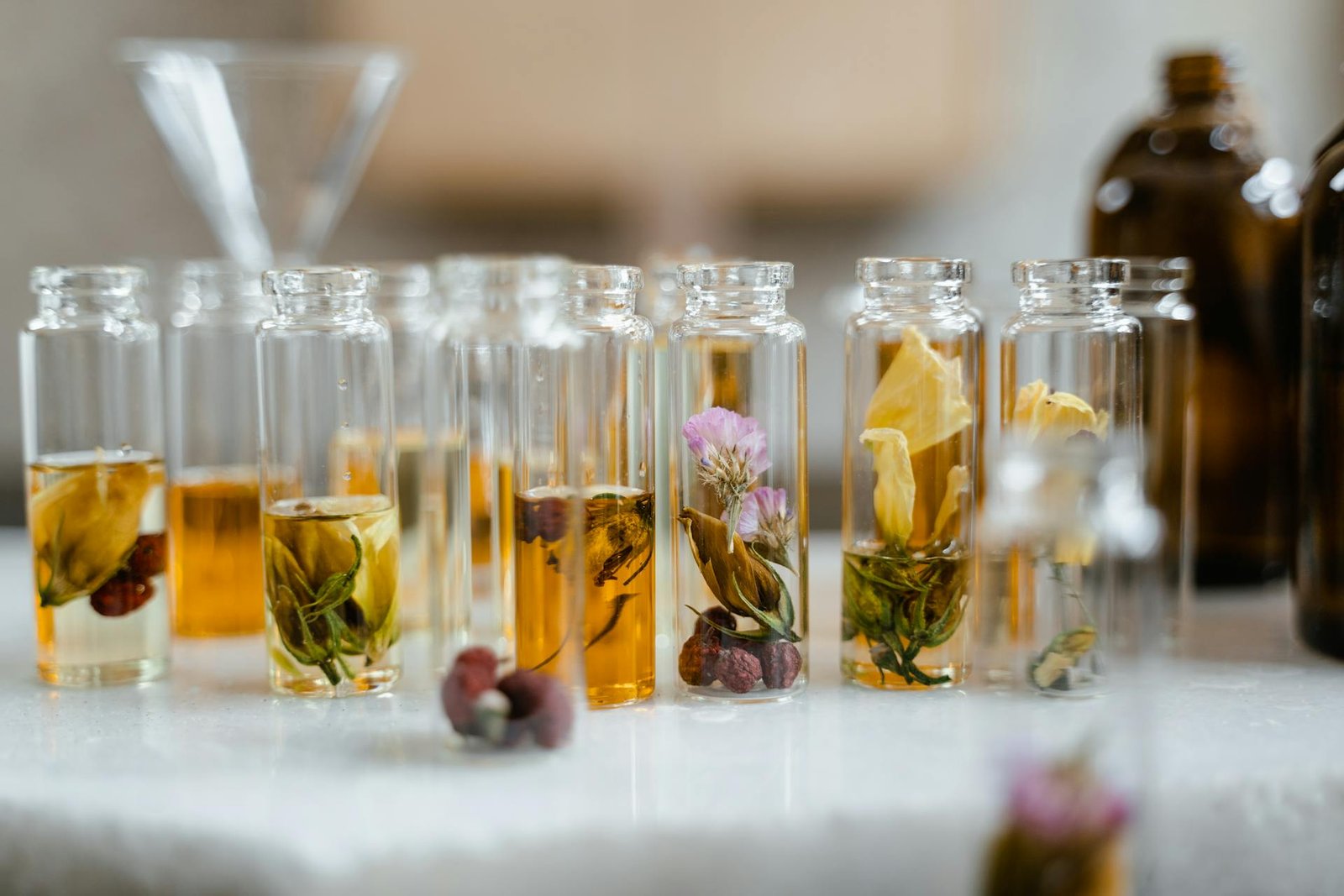
In the beginning, the most effective strategy is to avoid complex blends and focus on learning one single herb at a time. This is a core principle for safely navigating simple herbal remedies. When you introduce only one new plant into your routine, you become a skilled observer of its specific effects on your body. You can clearly identify if it helps your specific concern and notice any subtle reactions, positive or negative. If you start with a mixture of three herbs and experience a benefit, you won’t know which herb was responsible. Conversely, if you have an adverse reaction, you won’t know which herb to avoid. Start with a well-known, gentle herb like peppermint for digestion or lemon balm for stress. Use it consistently for several weeks. Research its history, properties, and traditional uses. This dedicated focus builds a solid, personal foundation of knowledge. You become intimately familiar with that plant’s “personality.” Once you confidently understand a few single herbs, you can then carefully explore simple combinations. This disciplined, one-at-a-time approach ensures your journey with simple herbal remedies is built on clarity, safety, and deep personal understanding rather than guesswork.
7: Sourcing Quality Herbs: What You Need to Know
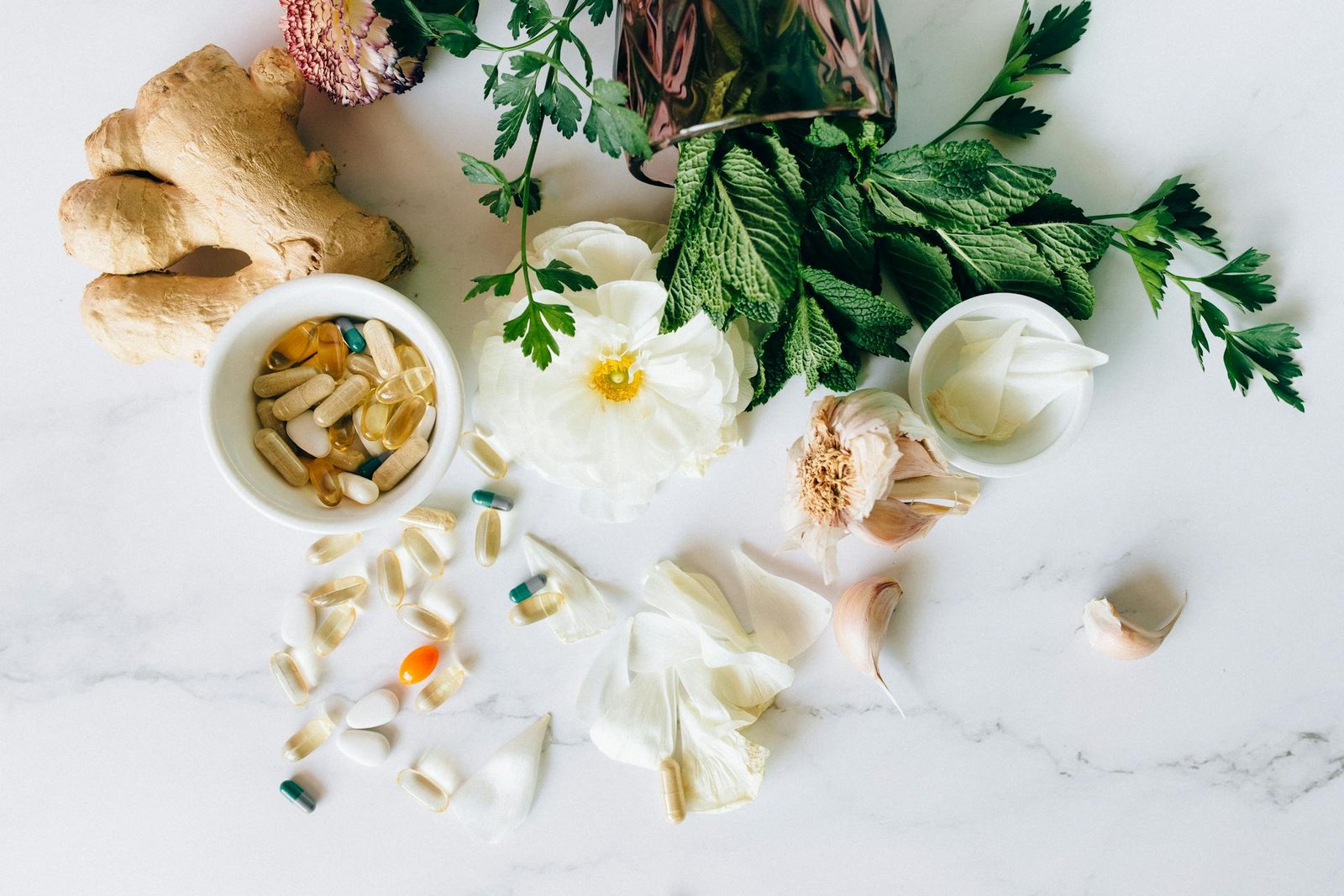
The effectiveness of your simple herbal remedies depends entirely on the quality of the plants you use. Not all herbs are created equal. You want herbs that are potent, clean, and correctly identified. Start by looking for reputable suppliers, either locally at a trusted health food store or from established online retailers specializing in medicinal herbs. Key things to check include: the Latin name (e.g., Matricaria chamomilla for true German chamomile), which ensures you get the correct species; the part of the plant used (leaf, root, flower); and the country of origin. Organic certification is a good indicator that the herbs are free from pesticides and heavy metals. Many quality sellers will also provide a Certificate of Analysis (COA) from a third-party lab, verifying the purity and potency of their product. The herbs should look and smell vibrant, not dusty or stale. While growing your own is the ideal scenario, sourcing from conscientious suppliers is the next best thing. Investing in high-quality ingredients is not an expense but an investment in the efficacy and safety of your simple herbal remedies, ensuring you receive the full healing benefits nature intends.
8: Creating a Personal Herbal Journal for Tracking Progress
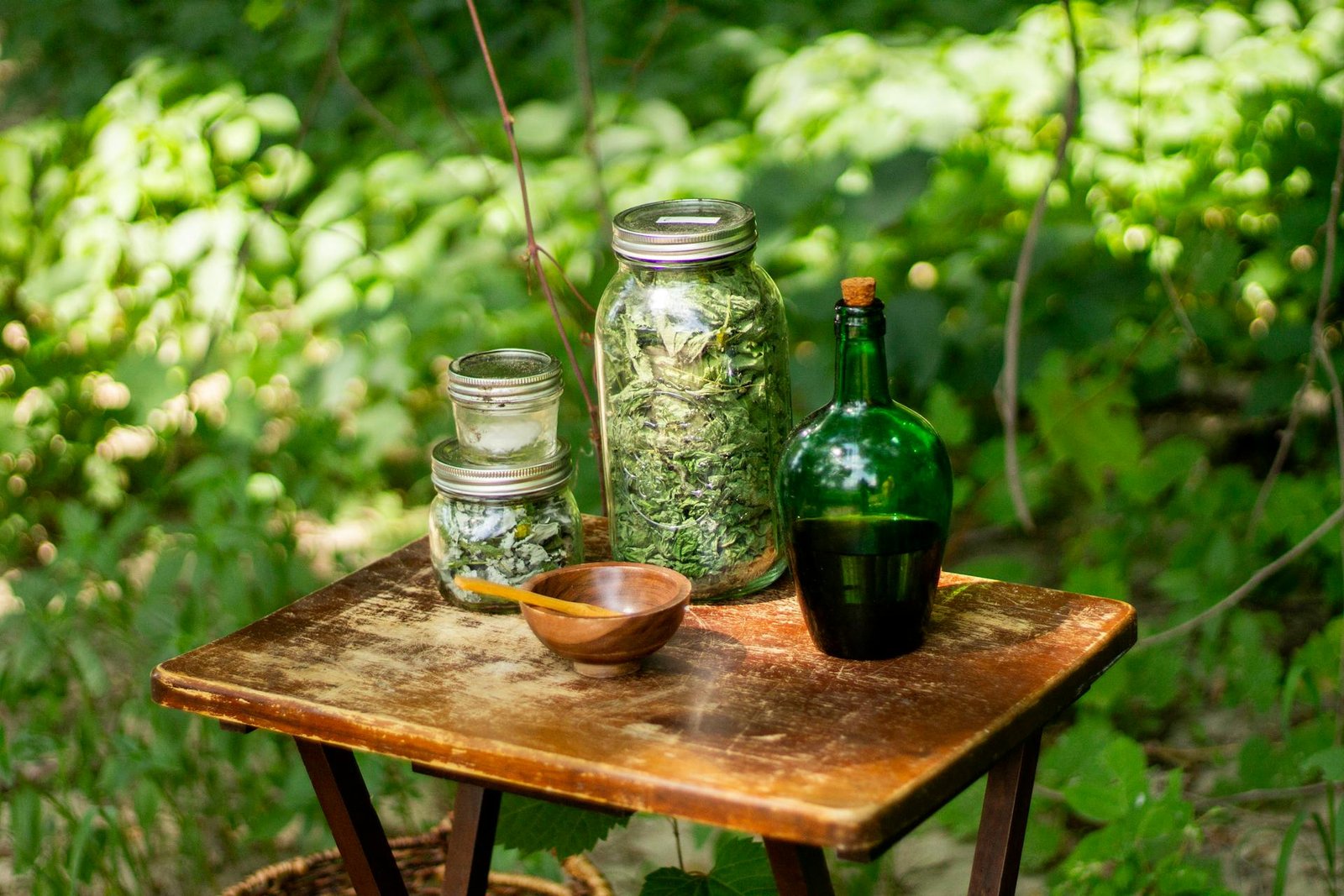
One of the most valuable tools you can create is a personal herbal journal. This is not a complex diary, but a simple notebook where you track your experiments with simple herbal remedies. For each herb you try, create a new entry. Write down the date you started, the herb’s name (both common and Latin), the reason you’re using it (e.g., “for afternoon headaches”), the form you’re using (tea, tincture), the dosage, and the source. Then, make brief daily or weekly notes. For example: “Day 5: Drank tulsi tea this morning. Felt a noticeable sense of calm during a stressful work meeting. No side effects.” These observations are priceless. Over time, your journal becomes a customized guidebook to your own body’s responses. It helps you identify what works best for you, recognize patterns, and make informed adjustments. It also provides crucial information to share with your healthcare provider. This act of recording transforms your practice from a casual trial into a conscious, educational journey. Your herbal journal turns your personal experience with simple herbal remedies into documented wisdom, making you the expert on your own health.
9: Recognizing When Herbs Are Not Enough
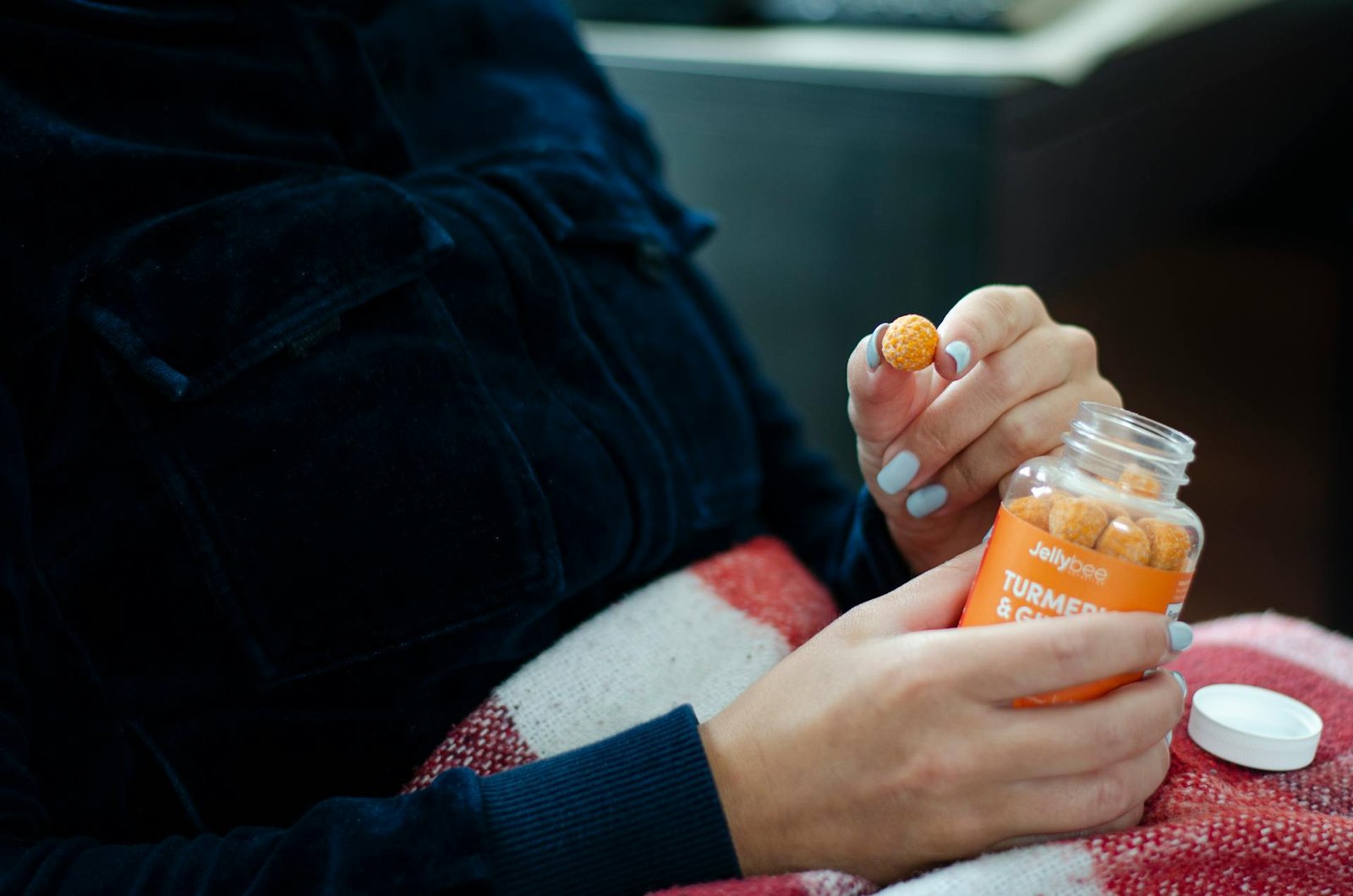
While simple herbal remedies are powerful for supporting wellness and managing minor, everyday ailments, it is vital to recognize their limits. Herbs are fantastic for health maintenance, prevention, and addressing chronic low-grade issues, but they are not a substitute for urgent or advanced medical care. You must learn to listen to your body’s signals. If you experience severe, sharp, or sudden pain; a high fever that won’t break; difficulty breathing; chest pain; or any symptom that is rapidly worsening, these are not situations for simple herbal remedies. These are signs that you need to seek immediate professional medical attention. Think of herbs as part of your wellness team—they are excellent supportive players, but sometimes you need the specialist, the doctor. Using herbs responsibly means honoring this boundary. It protects your health and ensures that simple herbal remedies are used appropriately—to enhance vitality and manage mild imbalances—while leaving acute, serious conditions to the proven tools of modern emergency and clinical medicine.
10: Integrating Herbs into a Holistic Lifestyle for Lasting Health
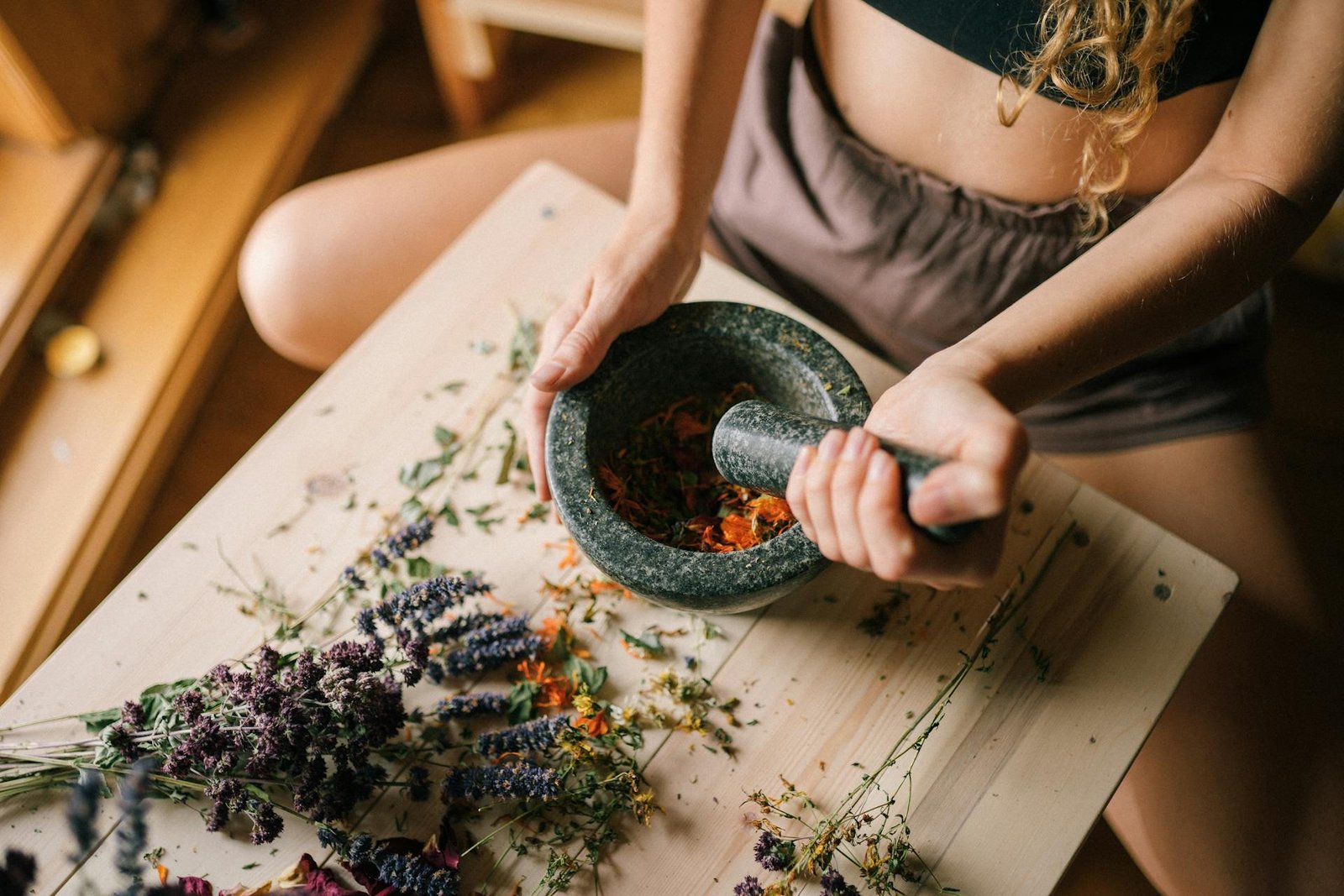
The ultimate goal of exploring simple herbal remedies is not just to use plants instead of pills, but to embrace a more holistic view of health. Herbs work best when they are part of a lifestyle that supports well-being. This means pairing your herbal tea with other nourishing habits: drinking enough water, eating whole foods, getting regular movement and sleep, and managing stress through practices like meditation or spending time in nature. For instance, an evening ritual of drinking passionflower tea for sleep will be far more effective if you also turn off screens an hour before bed and create a dark, quiet sleeping environment. Herbs are a thread in the larger tapestry of wellness. They teach us to be mindful, to listen to our bodies, and to take daily, proactive steps toward health. By integrating simple herbal remedies into this broader context, you move beyond a quick fix and towards building resilient, lasting vitality. This holistic integration is where the true, transformative power of simple herbal remedies is fully realized, creating a sustainable foundation for a healthier life.
Conclusion:
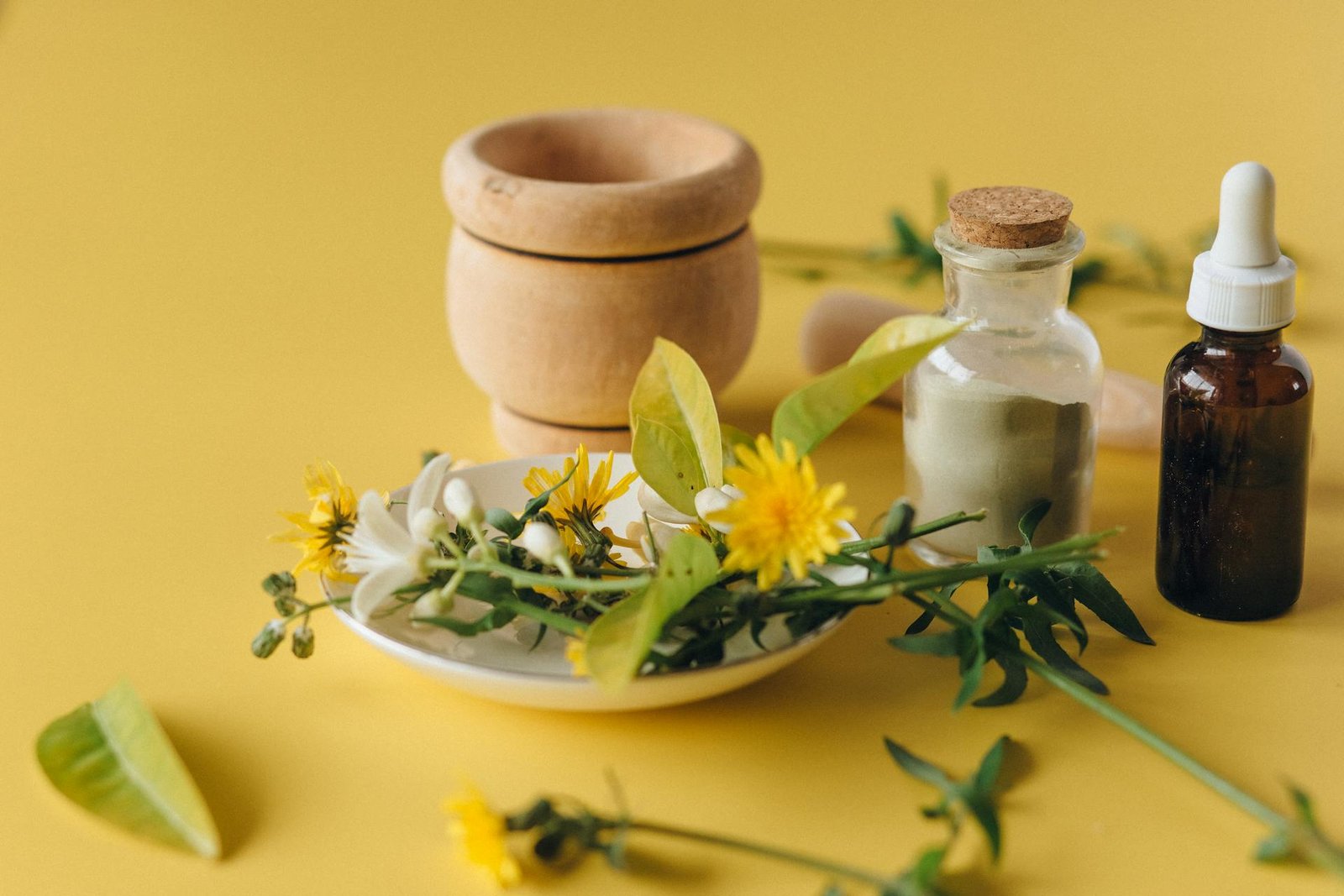
Embarking on the path of herbal remedies for beginners is more than learning about plants; it is a journey toward becoming an active participant in your own health. It begins with a shift in mindset—from seeking quick fixes to cultivating gradual, sustainable wellness. By starting simple, prioritizing safety with professional guidance, and practicing consistency, you build a foundation of knowledge that is both personal and powerful. Remember, the goal is not to replace modern medicine but to complement it with gentle, natural support that addresses the root of imbalance. As you learn to observe your body’s responses, keep your herbal journal, and integrate these practices into a balanced life, you reclaim a sense of agency. The true success of using herbal remedies for beginners lies not in a single remedy, but in the ongoing ritual of self-care and the deepened connection to the natural world it fosters. This journey is one of patience, observation, and respect—for the plants, for your body’s wisdom, and for the process itself. Carry forward the principle of starting low and going slow, and let this knowledge empower you to make choices that nurture lasting vitality and peace.
1 thought on “Herbal Remedies for Beginners: Your Simple Start 2026 Guide”