

Description: Cryptocurrency in India 2026 – A Complete Overview

Cryptocurrency in India 2026 has emerged as one of the most exciting and accessible investment opportunities for millions of Indians. The Indian cryptocurrency market is projected to grow from an estimated $3.61 billion in 2026 to a remarkable $14.21 billion by 2034, representing a compound annual growth rate of approximately 18.7 percent. This extraordinary growth trajectory makes cryptocurrency in India 2026 a topic that every investor, student, and professional should understand. India currently leads the world in grassroots crypto adoption, ranking first on the Chainalysis Global Crypto Adoption Index with an estimated 119 million active users. What makes cryptocurrency in India 2026 particularly special is the changing profile of investors. The average investor age has shifted from 29-30 to 30-31, indicating that more experienced, higher-income individuals are entering the market. Nearly 80 percent of users fall within the 25 to 44 age group, while the 35+ age group is now the fastest-growing segment. Perhaps most importantly, 82 percent of verified crypto users come from non-metro cities, proving that cryptocurrency in India 2026 is truly democratizing access to digital wealth. The market has matured significantly, with 41.2 percent of investors identifying as long-term buy-and-hold investors rather than short-term traders. Cryptocurrency in India 2026 is also characterized by the rise of systematic investment plans, with platforms like Mudrex witnessing over 220 percent growth in crypto SIP openings. The shift from speculative meme tokens to utility-driven assets like Bitcoin and Ethereum demonstrates the growing sophistication of Indian investors. Understanding cryptocurrency in India 2026 requires knowledge of taxation rules, including the 30 percent flat tax on gains and 1 percent TDS. With stricter reporting requirements introduced in 2026, investors must maintain proper records of all transactions. The Web3 ecosystem is also flourishing in India, with Indian developers now contributing 45 percent of Ethereum ecosystem activity. Whether you are a student, a young professional, or a retiree, cryptocurrency in India 2026 offers opportunities for everyone to participate in the digital financial revolution.
Point 1: Understanding the True Meaning of Cryptocurrency in India 2026

Cryptocurrency in India 2026 represents a revolutionary shift in how we think about money and value. This digital asset class operates on blockchain technology, which serves as a decentralized public ledger recording every transaction across a global network of computers. Unlike traditional currencies controlled by central banks, cryptocurrency in India 2026 functions without any single authority having complete control over the system. The blockchain technology behind cryptocurrency in India 2026 ensures transparency, security, and immutability of all transactions. When you send cryptocurrency in India 2026 to someone, the transaction is verified by thousands of computers worldwide, making fraud nearly impossible. This decentralized nature is what makes cryptocurrency in India 2026 so revolutionary and attractive to millions of investors. India has emerged as a global leader in cryptocurrency in India 2026 adoption, with over 119 million investors participating in this digital revolution. The growth trajectory shows that cryptocurrency in India 2026 is not a passing trend but a fundamental shift in financial systems. Bitcoin remains the most recognized form of cryptocurrency in India 2026, but thousands of alternative coins, including Ethereum, Solana, and XRP, offer different features and use cases. The Indian market for cryptocurrency in India 2026 was valued at approximately $3.61 billion in early 2026, with projections suggesting it could reach $14.21 billion by 2034. This represents an almost fourfold increase in just eight years, demonstrating the massive potential of cryptocurrency in India 2026. Young Indians between 25 and 34 years old make up over 50 percent of all crypto investors, but the fastest-growing segment is people aged 35 and above, indicating that cryptocurrency in India 2026 is becoming mainstream across all age groups. The accessibility of cryptocurrency in India 2026 is one of its greatest advantages, requiring only a smartphone and internet connection to begin investing. Unlike traditional stock markets that operate during specific hours, cryptocurrency in India 2026 trades 24 hours a day, seven days a week, offering unparalleled flexibility. The minimum investment amount for cryptocurrency in India 2026 can be as low as ₹500, making it accessible to students, professionals, and people from all economic backgrounds. Understanding cryptocurrency in India 2026 means recognizing that you are participating in a global financial revolution that is reshaping how value is created, stored, and transferred across borders.
Point 2: Mastering the Tax Regulations for Cryptocurrency in India 2026

The taxation framework surrounding cryptocurrency in India 2026 is comprehensive and requires careful attention from every investor. The Indian government has established clear rules for cryptocurrency in India 2026, with a flat 30 percent tax on all gains from crypto transactions being the most significant provision. This means if you earn ₹100,000 in profits from cryptocurrency in India 2026, you must pay ₹30,000 in taxes, regardless of your income bracket. The 1 percent Tax Deducted at Source applies to cryptocurrency in India 2026 transactions above specified thresholds, with exchanges automatically deducting this amount when you buy or sell digital assets. One critical aspect of cryptocurrency in India 2026 taxation that many investors overlook is the inability to offset losses against gains, unlike traditional stock market investments. If you lose money on one cryptocurrency in India 2026 investment and gain on another, you cannot offset the losses against your profits for tax purposes. The new Income Tax Act effective from April 1, 2026, introduced stricter reporting requirements for cryptocurrency in India 2026 exchanges, mandating them to share comprehensive transaction data with tax authorities. The government discovered approximately $930 million in unreported cryptocurrency in India 2026 income during tax audits, demonstrating their commitment to tracking digital asset transactions. Budget 2026 maintained the 30 percent tax and 1 percent TDS rates for cryptocurrency in India 2026, along with introducing a ₹50,000 penalty for reporting lapses. The Central Board of Direct Taxes issued a detailed 198-page guidance note in July 2026, standardizing how cryptocurrency in India 2026 exchanges must report user information and transactions. The regulatory landscape for cryptocurrency in India 2026 continues evolving, with a Parliamentary Committee recommending a Self-Regulatory Organisation to oversee the industry under RBI or SEBI supervision. India currently neither recognizes cryptocurrency in India 2026 as legal tender nor prohibits its use, creating a gray area that requires careful navigation. Indian investors must maintain meticulous records of all cryptocurrency in India 2026 transactions, including purchase dates, amounts, sale prices, and corresponding profits or losses. The 1 percent TDS on cryptocurrency in India 2026 transactions creates a significant tax liability even for investors who are not making profits, affecting cash flow management. Exchanges are required to file TDS returns for cryptocurrency in India 2026 transactions, making it nearly impossible to avoid tax obligations. Understanding the tax implications of cryptocurrency in India 2026 is essential for avoiding penalties and legal complications. Investors should consult with tax professionals familiar with cryptocurrency in India 2026 regulations to ensure full compliance with all reporting requirements. The government’s increasing focus on cryptocurrency in India 2026 taxation suggests that future regulations may become even more comprehensive and demanding. Therefore, developing a robust tax strategy for cryptocurrency in India 2026 is essential for every investor seeking long-term success in this space.
Point 3: Starting Your Cryptocurrency in India 2026 Journey with Systematic Investment Plans
Systematic Investment Plans, or SIPs, have revolutionized how Indians approach cryptocurrency in India 2026 investing by making it disciplined and accessible. A Crypto SIP for cryptocurrency in India 2026 works exactly like a mutual fund SIP, allowing you to invest a fixed amount regularly, whether daily, weekly, or monthly. This approach to cryptocurrency in India 2026 eliminates the emotional decision-making that often leads to poor investment choices based on market fluctuations. Financial planners increasingly recommend allocating between 80 to 90 percent of investment portfolios to stable assets like mutual funds while directing 10 to 20 percent toward high-growth opportunities like cryptocurrency in India 2026 through SIPs. The Crypto SIP phenomenon for cryptocurrency in India 2026 has experienced explosive growth, with major exchanges like Mudrex recording 220 percent growth in SIP openings during 2025 alone. Average monthly contributions to cryptocurrency in India 2026 SIPs have climbed to between ₹4,000 and ₹6,000, showing that investors are taking their digital asset investments seriously. Bybit has witnessed nearly 70 percent growth in cryptocurrency in India 2026 SIP participation over the past year, demonstrating widespread acceptance of this investment method. The concept of rupee cost averaging is central to cryptocurrency in India 2026 SIP investing, where you purchase more coins when prices are low and fewer when prices are high, automatically averaging your overall cost basis. Indian exchanges like ZebPay launched their SIP features in January 2026, making cryptocurrency in India 2026 investment more accessible to the masses with automated daily, weekly, or monthly investments. The disciplined approach of cryptocurrency in India 2026 SIP investing removes the pressure of timing the market perfectly, which is nearly impossible even for experienced traders. Industry experts note that investors now approach cryptocurrency in India 2026 through a long-term wealth creation lens, rather than seeking quick profits through speculation. This mature perspective on cryptocurrency in India 2026 is reflected in the growth of SIP investments, which treat digital assets as part of a diversified portfolio alongside traditional investments. Starting a cryptocurrency in India 2026 SIP requires choosing a trusted exchange, selecting the recurring buy feature, determining your investment amount, and choosing your preferred frequency and coin. Bitcoin and Ethereum are the most recommended starting points for cryptocurrency in India 2026 SIP investments due to their established track record and lower volatility compared to newer coins. The SIP approach to cryptocurrency in India 2026 is particularly suitable for young professionals and students who may not have large lumps sums to invest initially. Market volatility, which can be intimidating for cryptocurrency in India 2026 investors, becomes manageable through SIPs, as you are less likely to panic during downturns when following a consistent investment plan. The growing popularity of cryptocurrency in India 2026 SIPs reflects a broader shift toward disciplined investing across all asset classes in India. Regular contributions to cryptocurrency in India 2026 through SIPs help build financial discipline and create a habit of saving and investing that serves investors well throughout their lives. For beginners looking to enter cryptocurrency in India 2026, SIPs offer the safest and most logical starting point.
Point 4: Building Your Cryptocurrency in India 2026 Portfolio with Core Assets

Establishing a strong foundation for your cryptocurrency in India 2026 portfolio requires focusing on core assets that have proven their value over time. The concept of a “national core allocation framework” has emerged for cryptocurrency in India 2026, identifying Bitcoin, Ethereum, Solana, and XRP as the most reliable and established digital assets. Bitcoin maintains its position as the undisputed king of cryptocurrency in India 2026, commanding 58.2 percent global market dominance and serving as “Digital Gold” for millions of investors. Ethereum, the second most important cryptocurrency in India 2026, provides the foundation for most decentralized applications and smart contracts, ensuring its long-term relevance and value. Solana has gained popularity for cryptocurrency in India 2026 investors seeking faster transaction speeds and lower costs compared to Ethereum. XRP focuses on cross-border payment solutions, offering practical utility for cryptocurrency in India 2026 investors interested in financial technology applications. The shift away from meme tokens represents the maturation of cryptocurrency in India 2026 markets, with their trading volume dropping from 27.5 percent in 2025 to just 12.17 percent in 2026. This movement toward utility-driven assets demonstrates that cryptocurrency in India 2026 investors are prioritizing long-term value over speculative hype. Sumit Gupta, co-founder of CoinDCX, emphasizes that the important takeaway from early 2026 is what happened to investor behavior, not just what happened to prices. Indian investors are demonstrating greater discipline, longer-term thinking, and stronger conviction than in previous market cycles for cryptocurrency in India 2026. The top four assets in most Indian portfolios now include Bitcoin, Ethereum, Solana, and XRP, representing a shift away from risky altcoins toward established digital assets. Gen Z investors, comprising 37.6 percent of all crypto investors, are entering cryptocurrency in India 2026 markets with ₹500 bets, treating digital assets as part of diversified portfolios. The concentration of cryptocurrency in India 2026 investments in core assets reflects reduced risk tolerance and more sophisticated understanding of blockchain technology. Institutional investors increasingly prefer these established cryptocurrency in India 2026 assets due to their liquidity, regulatory clarity, and proven track record. The market stability provided by core cryptocurrency in India 2026 assets makes them suitable for long-term wealth building rather than short-term speculation. Diversification within cryptocurrency in India 2026 should begin with Bitcoin and Ethereum before expanding to include other established assets. The low correlation between different cryptocurrency in India 2026 assets can enhance portfolio performance through proper diversification strategies. Experienced cryptocurrency in India 2026 investors maintain Bitcoin and Ethereum as their foundation, comprising 60 to 80 percent of their portfolios. This approach to cryptocurrency in India 2026 portfolio construction provides stability while still allowing exposure to growth opportunities. The maturity of cryptocurrency in India 2026 markets is evident in the shift toward quality and utility over hype and speculation.
Point 5: Understanding Blockchain Technology Powering Cryptocurrency in India 2026

Blockchain technology forms the backbone of cryptocurrency in India 2026, enabling secure, transparent, and decentralized digital transactions. The blockchain operates as a distributed ledger where every transaction of cryptocurrency in India 2026 is recorded in blocks that are linked together in chronological order. This structure makes cryptocurrency in India 2026 transactions virtually immutable, meaning once a transaction is recorded, it cannot be altered or deleted by any single party. The decentralized nature of blockchain ensures that no single entity controls cryptocurrency in India 2026, distributing power across thousands of computers worldwide. India is making significant strides in blockchain implementation for cryptocurrency in India 2026 and beyond, with Maharashtra exploring the DELTA Act for land and property tokenization. This legislation would allow real estate in Maharashtra to be represented as digital tokens on a blockchain, enabling fractional ownership of property through cryptocurrency in India 2026 technology. Maharashtra aims to become a $1 trillion economy by 2030, with blockchain-based land tokenization potentially playing a crucial role in achieving this goal. SEBI is exploring a pilot for tokenization of corporate bonds, which would allow investors to buy fractions of bonds through cryptocurrency in India 2026 infrastructure. Raghav Chadha, a Rajya Sabha MP, introduced India’s first Asset Tokenisation Bill in March 2026, representing a major legislative step for cryptocurrency in India 2026. This bill would create a legal framework for blockchain-based tokenization of real-world assets, potentially revolutionizing how Indians invest in property, bonds, and other assets. Finternet Labs launched a pilot with Avalanche for tokenized agricultural lending, targeting a $10 billion tokenization opportunity across agriculture, real estate, and education sectors. Understanding blockchain is essential for cryptocurrency in India 2026 investors because it helps evaluate different digital assets and their long-term potential. The transparency of blockchain transactions makes cryptocurrency in India 2026 particularly attractive for cross-border payments, supply chain tracking, and asset verification. Governments worldwide, including India, recognize blockchain’s potential beyond cryptocurrency in India 2026, exploring applications in identity management, voting systems, and public records. The cryptographic security underlying blockchain ensures that cryptocurrency in India 2026 transactions remain secure from hacking and fraud. Smart contracts built on blockchain platforms like Ethereum automate complex transactions, expanding the utility of cryptocurrency in India 2026 beyond simple payments. The immutability of blockchain records makes cryptocurrency in India 2026 resistant to corruption and manipulation, appealing to investors seeking honest financial systems. As India develops its digital infrastructure, blockchain and cryptocurrency in India 2026 are likely to become increasingly integrated into everyday financial services. The education sector is also embracing blockchain for verifying academic credentials, demonstrating applications for cryptocurrency in India 2026 technology beyond financial services. Understanding blockchain fundamentals enables better decision-making when investing in different cryptocurrency in India 2026 projects and platforms. The intersection of blockchain with other emerging technologies like artificial intelligence is creating new opportunities for cryptocurrency in India 2026 innovation.
Point 6: Analyzing the Demographics of Cryptocurrency in India 2026 Investors
The demographics of cryptocurrency in India 2026 investors reveal a diverse and growing community across age groups, geographical regions, and professional backgrounds. Millennials aged 25 to 34 constitute the largest group of cryptocurrency in India 2026 investors at 50.8 percent, representing the core of the digital asset investing population. Nearly 80 percent of all cryptocurrency in India 2026 users fall between 25 and 44 years old, confirming that working professionals are driving adoption. The fastest-growing segment of cryptocurrency in India 2026 investors is people aged 35 and above, with Gen X investors showing remarkable engagement rates. Gen Z investors aged 18 to 25 have experienced 63 percent growth in their cryptocurrency in India 2026 holdings during the first half of 2026. The geographic distribution of cryptocurrency in India 2026 investors shows that 82 percent come from non-metro cities, challenging the perception that crypto is only for urban residents. Mumbai, Bengaluru, Hyderabad, Delhi, Pune, Kolkata, Jaipur, Surat, Ahmedabad, and Lucknow lead in cryptocurrency in India 2026 adoption, but smaller cities are rapidly catching up. Nearly 40 percent of cryptocurrency in India 2026 investors reside in non-metropolitan areas, highlighting the inclusive nature of digital asset investing. The gender gap in cryptocurrency in India 2026 investing remains significant, with men comprising 90 percent and women only 10 percent of investors. Hyderabad has emerged as a leader in women’s participation in cryptocurrency in India 2026 investing, offering lessons for broader gender inclusion. Long-term buy-and-hold investors represent 41 percent of the cryptocurrency in India 2026 community, demonstrating a mature approach to digital asset investing. Investors aged 35 to 44 are most likely to take a long-term approach to cryptocurrency in India 2026 at 45.2 percent, showing wisdom through experience. Younger investors aged 18 to 24 are more inclined toward active trading in cryptocurrency in India 2026, with 32.1 percent seeing themselves as traders. The 25 to 34 age group shows the most balanced approach to cryptocurrency in India 2026, with 42 percent identifying as buy-and-hold investors and 28 percent as active traders. Educational background influences cryptocurrency in India 2026 investment behavior, with professionals from IT, finance, and business sectors leading adoption. The professional diversity of cryptocurrency in India 2026 investors includes teachers, doctors, engineers, entrepreneurs, and government employees across India. Income levels for cryptocurrency in India 2026 investors range from students with small monthly allowances to high-net-worth individuals making significant investments. The financial literacy level of cryptocurrency in India 2026 investors has improved dramatically, with many educating themselves through online courses and communities. Social media and peer influence play significant roles in cryptocurrency in India 2026 adoption, with many investors learning through family, friends, and online influencers. Understanding these demographic trends helps in developing targeted cryptocurrency in India 2026 educational programs and investment products. The inclusivity of cryptocurrency in India 2026 investing represents one of its greatest strengths, democratizing access to global financial systems for all Indians.
Point 7: Analyzing Bitcoin Price Predictions for Cryptocurrency in India 2026

Bitcoin price predictions for cryptocurrency in India 2026 range widely across analyst forecasts, reflecting the complexity and volatility of digital asset markets. Most experts predict that one Bitcoin will trade between ₹75 lakh and ₹1.5 crore throughout 2026, representing significant potential returns for cryptocurrency in India 2026 investors. In US dollar terms, Bitcoin is expected to trade between $90,000 and $91,000 in early 2026, with year-end targets varying based on market conditions. Bernstein forecasts Bitcoin reaching $150,000 by the end of 2026, representing an optimistic outlook for cryptocurrency in India 2026 investors. Dragonfly Capital also predicts Bitcoin above $150,000, suggesting strong bullish sentiment for cryptocurrency in India 2026 despite market corrections. 21Shares projects approximately $100,000 for Bitcoin, representing a recovery scenario for cryptocurrency in India 2026 markets. Standard Chartered maintains a $100,000 year-end target, reflecting cautious optimism about cryptocurrency in India 2026 price movements. More conservative analysts at 10x Research and Citi predict ranges between $46,000 and $82,000 for Bitcoin, acknowledging continued market uncertainty. AI models average predictions between $97,000 and $106,000 for cryptocurrency in India 2026 Bitcoin prices, representing a consensus around six figures. The historically reliable four-year halving cycle suggests that cryptocurrency in India 2026 markets may continue experiencing bearish conditions through the third quarter of 2026. Long-term holders of cryptocurrency in India 2026 are advised to exercise patience, recognizing that Bitcoin has consistently appreciated over extended timeframes. The Bitcoin power law model identifies a lower band near $45,000, representing a critical support level for cryptocurrency in India 2026 markets. If Bitcoin holds or loses $65,000 for cryptocurrency in India 2026, the implications shift significantly between consolidation and deeper downside potential. A ₹1 lakh investment in Bitcoin during 2025 could range between ₹60,000 and ₹1.5 lakh in 2026 under high volatility scenarios, according to cryptocurrency in India 2026 market analysis. Bitcoin remains “Digital Gold” for cryptocurrency in India 2026 investors, representing a proven store of value with limited supply. Global liquidity conditions, institutional demand, supply constraints from halving events, regulatory developments, and macroeconomic factors all influence cryptocurrency in India 2026 Bitcoin prices. The adoption of cryptocurrency in India 2026 by companies, governments, and financial institutions continues driving long-term Bitcoin value appreciation. Market sentiment toward cryptocurrency in India 2026 is increasingly shaped by institutional investment flows through exchange-traded funds and other regulated products. The regulatory environment for cryptocurrency in India 2026, both domestically and globally, significantly impacts Bitcoin price trajectories. Technical analysis suggests that cryptocurrency in India 2026 Bitcoin could establish a durable bottom before resuming its long-term upward trend. Indian cryptocurrency in India 2026 investors should focus on long-term value accumulation rather than short-term price speculation. The historical growth trajectory of cryptocurrency in India 2026 suggests continued appreciation despite periodic corrections and bear markets. Patient cryptocurrency in India 2026 investors who maintain positions through market volatility have historically been rewarded with substantial returns.
Point 8: Exploring Web3 Development in Cryptocurrency in India 2026

The Web3 revolution represents the next evolution of the internet, with cryptocurrency in India 2026 serving as its financial foundation and driving innovation across multiple sectors. India’s developer ecosystem now represents 15.2 percent of global Web3 developers, up from 12 percent in 2024, cementing India’s position in cryptocurrency in India 2026 development. India is the only major hub demonstrating consistent upward trajectory in Web3 developer activity, while US activity declines for cryptocurrency in India 2026 and Web3 development. Indian developers now contribute an impressive 45 percent of Ethereum ecosystem activity, making India central to cryptocurrency in India 2026 development worldwide. The India Blockchain Accelerator has shortlisted 14 early-stage Web3 startups for mentorship and financing, showing institutional support for cryptocurrency in India 2026 innovation. Solana Foundation and CoinDCX announced a ₹25 crore grant for Indian Web3 developers, representing significant investment in cryptocurrency in India 2026 talent development. This grant demonstrates strong commitment to cryptocurrency in India 2026 and blockchain development in India, encouraging more builders to join the ecosystem. Top Web3 crypto startups in India include Polygon, CoinSwitch, and CoinDCX, all contributing significantly to cryptocurrency in India 2026 infrastructure and applications. These companies have raised substantial funding and created thousands of jobs in the cryptocurrency in India 2026 and Web3 sectors. BNB Chain hosted a hackathon in Bengaluru, awarding $10,000 to winners, cultivating developer talent for cryptocurrency in India 2026 and blockchain applications. The network targets 20,000 transactions per second, positioning itself as a major player in cryptocurrency in India 2026 and Web3 infrastructure. GIFT City launched a Fintech Residential Programme for early startups focusing on cross-border finance, Web3, and GovTech, advancing cryptocurrency in India 2026 innovation. West Bengal is emerging as a new hub for blockchain and Web3 startups, expanding the cryptocurrency in India 2026 ecosystem beyond traditional tech centers. The Metaverse market in India is projected to reach $12.15 billion by 2030, with cryptocurrency in India 2026 playing a central role in virtual economies. Web3 development in India is creating new career opportunities for developers, designers, and entrepreneurs in the cryptocurrency in India 2026 ecosystem. The intersection of artificial intelligence and blockchain is creating new applications for cryptocurrency in India 2026, including decentralized AI platforms and automated trading systems. Indian Web3 developers are building applications for cryptocurrency in India 2026 in sectors including finance, gaming, supply chain, and healthcare. The Web3 ecosystem supported by cryptocurrency in India 2026 is creating new forms of digital ownership and value creation. Decentralized applications built on cryptocurrency in India 2026 infrastructure are challenging traditional business models across multiple industries. The growth of Web3 in India is supported by government initiatives, private investment, and a talented workforce passionate about cryptocurrency in India 2026. Indian educational institutions are increasingly offering courses in blockchain and cryptocurrency in India 2026, preparing the next generation of developers. The Web3 ecosystem creates opportunities for participation beyond investment, including development, content creation, community management, and entrepreneurship. Cryptocurrency in India 2026 is at the heart of this Web3 revolution, providing the economic foundation for decentralized applications and services.
Point 9: Learning from Real Success Stories in Cryptocurrency in India 2026

Real success stories from ordinary Indians provide powerful inspiration and practical lessons for cryptocurrency in India 2026 investors at all levels of experience. Shashi from Bhagalpur, Bihar, started investing in cryptocurrency in India 2026 with just ₹30,000 to ₹40,000 in initial profits, demonstrating that you need not live in a metro city to succeed. During the bull run, Shashi’s cryptocurrency in India 2026 holdings grew significantly, proving that patience and consistency outweigh geographic location or initial capital. His journey shows that ordinary people from small towns can achieve remarkable success through cryptocurrency in India 2026 investing with proper knowledge and discipline. Sumit Gupta and Neeraj Khandelwal, founders of CoinDCX, come from Shivpuri, Madhya Pradesh, building India’s largest cryptocurrency in India 2026 exchange from humble beginnings. CoinDCX has grown to 22 million registered users, raised $247 million in funding, and gained backing from global investors like Pantera Capital and B Capital Group. Their cryptocurrency in India 2026 success story demonstrates that visionary Indian entrepreneurs can build world-class companies from small-town origins. Nischal Shetty founded WazirX, another major Indian cryptocurrency in India 2026 exchange, scaling it to serve millions of Indian investors. Sandeep Nailwal co-founded Polygon, a leading blockchain platform that has become essential infrastructure for cryptocurrency in India 2026 and Web3 development. These founders are creating jobs, generating economic value, and putting India on the global cryptocurrency in India 2026 map. A young professional from Pune started a Crypto SIP of ₹1,000 per month in early 2025, building steady wealth through cryptocurrency in India 2026 disciplined investing. By mid-2026, her cryptocurrency in India 2026 portfolio had grown steadily through consistency and discipline, without requiring large capital investments. These cryptocurrency in India 2026 success stories share common themes: starting small, being consistent, learning continuously, and maintaining focus during market downturns. The founders of major Indian exchanges were once ordinary students and professionals who believed in the potential of cryptocurrency in India 2026. Their journeys prove that cryptocurrency in India 2026 offers opportunities for everyone, regardless of their starting point. India’s share of new Web3 developers has grown from 1 percent in 2015 to 18 percent in 2026, showing that Indians are builders in the cryptocurrency in India 2026 ecosystem. These developers are creating the infrastructure for future cryptocurrency in India 2026 innovation, generating wealth and opportunities for themselves and others. Retired professionals are also finding success in cryptocurrency in India 2026 investing, using digital assets to supplement retirement income and build generational wealth. Students are learning about cryptocurrency in India 2026 through educational resources, positioning themselves for lucrative careers in the growing blockchain industry. Teachers, doctors, and government employees are building second incomes through cryptocurrency in India 2026, demonstrating the universal appeal of digital assets. The cryptocurrency in India 2026 success stories emphasize the importance of education, discipline, and long-term thinking over speculative behavior. These stories inspire new investors to take their first steps into cryptocurrency in India 2026 with confidence and realistic expectations. The democratizing effect of cryptocurrency in India 2026 is evident in these success stories, where ordinary people achieve extraordinary results through digital assets.
Point 10: Taking Immediate Action on Cryptocurrency in India 2026 Investment

Taking action on cryptocurrency in India 2026 requires a systematic approach that balances education, planning, and execution for optimal results. The first step in cryptocurrency in India 2026 investing involves comprehensive education about blockchain technology, digital assets, and market dynamics before committing any capital. Understanding the fundamentals of cryptocurrency in India 2026 helps investors make informed decisions rather than emotional ones based on market hype or fear. Starting with small amounts, perhaps ₹500 to ₹1,000, allows cryptocurrency in India 2026 beginners to learn practical aspects of trading and investing without significant financial risk. Choosing a trusted Indian exchange for cryptocurrency in India 2026 such as CoinDCX, WazirX, Mudrex, or ZebPay ensures regulatory compliance and user protection features. These exchanges offer user-friendly interfaces for cryptocurrency in India 2026 trading, education resources, and customer support for investors at all levels. Setting up a Crypto SIP represents one of the smartest strategies for cryptocurrency in India 2026 investing, removing emotional decision-making from the investment process. Regular investing through SIPs reduces the impact of market volatility on cryptocurrency in India 2026 portfolios while building long-term wealth through dollar-cost averaging. Focusing on core assets like Bitcoin and Ethereum provides the foundation for cryptocurrency in India 2026 portfolios, offering stability and proven long-term value appreciation. Diversifying gradually into other established cryptocurrencies in India 2026 helps build a robust portfolio while managing risk exposure appropriately. The golden rule of cryptocurrency in India 2026 investing remains never to invest more than you can afford to lose without affecting your daily life. Market volatility is inherent in cryptocurrency in India 2026, requiring investors to maintain emotional stability and adhere to their investment plans regardless of short-term fluctuations. Keeping comprehensive records of all cryptocurrency in India 2026 transactions simplifies tax filing and ensures compliance with reporting requirements. Staying calm during cryptocurrency in India 2026 market volatility prevents panic selling that locks in losses and misses recovery opportunities. Continuous learning keeps cryptocurrency in India 2026 investors informed about regulatory changes, technological developments, and market trends affecting their investments. The 30 percent tax on cryptocurrency in India 2026 gains requires understanding tax implications and planning accordingly to maximize post-tax returns. The 1 percent TDS on cryptocurrency in India 2026 transactions requires careful cash flow management, particularly for frequent traders. Regular portfolio review helps cryptocurrency in India 2026 investors assess performance, rebalance allocations, and make informed decisions about adjustments. Networking with other cryptocurrency in India 2026 investors through communities and forums provides valuable insights and support during market challenges. Following cryptocurrency in India 2026 news sources helps investors stay ahead of market-moving events and regulatory announcements. Starting a cryptocurrency in India 2026 investment journey with a specific financial goal helps maintain focus and motivation through market ups and downs. Creating a diversified portfolio that includes cryptocurrency in India 2026 alongside traditional investments provides balanced wealth-building opportunities. Taking action now on cryptocurrency in India 2026 is essential because digital assets represent one of the most significant wealth creation opportunities of our generation.
Conclusion: Your Cryptocurrency in India 2026 Journey Awaits

Cryptocurrency in India 2026 represents a transformative opportunity for millions of Indians to build wealth, participate in the global digital economy, and secure their financial futures. As we have explored throughout this comprehensive guide, cryptocurrency in India 2026 is no longer just for tech-savvy early adopters or speculative traders. It has become a mainstream financial asset embraced by people from all walks of life across the country. The market is projected to nearly quadruple in size over the next eight years, reaching $14.21 billion by 2034. This growth is driven by increasing smartphone penetration, expanding internet access, and the widespread adoption of UPI for seamless crypto transactions. The Indian investor base is maturing, with 41.2 percent now identifying as long-term buy-and-hold investors, and 91 percent avoiding panic trading during market volatility. Cryptocurrency in India 2026 is also becoming more accessible through Crypto SIPs, which allow investments starting at just ₹100 to ₹500 per month. The disciplined approach of SIP investing is helping Indians build wealth steadily without the stress of market timing. The regulatory landscape for cryptocurrency in India 2026 continues to evolve, with the government maintaining a 30 percent tax on gains and a 1 percent TDS. The new Income Tax Act effective from April 1, 2026, has introduced stricter reporting requirements, making it essential for investors to maintain accurate transaction records. The Web3 ecosystem in India is thriving, with Indian developers now contributing 45 percent of Ethereum ecosystem activity and startups like Polygon, CoinDCX, and CoinSwitch leading the way. Blockchain technology is being explored for land tokenization in Maharashtra and agricultural lending pilot projects. Real success stories from ordinary Indians prove that cryptocurrency in India 2026 is for everyone. Whether you are starting with a small SIP or building a diversified portfolio, the key principles remain the same: educate yourself, start small, stay consistent, think long-term, and never invest more than you can afford to lose. The cryptocurrency in India 2026 revolution is not a passing trend but a fundamental transformation of how value is created, stored, and transferred. The time to begin your cryptocurrency in India 2026 journey is now. With discipline, patience, and continuous learning, you can participate in this exciting digital financial revolution and build lasting wealth for yourself and your family.
Frequently Asked Questions About Cryptocurrency in India 2026
Q1: Is cryptocurrency legal in India in 2026?
Cryptocurrency in India 2026 exists in a legal grey area. India neither recognizes cryptocurrencies as legal tender nor prohibits their use. The government has established a clear tax regime under the Virtual Digital Assets framework, with a 30 percent tax on gains and 1 percent TDS. However, the Reserve Bank of India has reiterated its opposition to legalizing cryptocurrencies, citing risks to the financial system. A Parliamentary Committee has recommended allowing a Self-Regulatory Organisation to oversee the industry until a comprehensive law is enacted. For now, cryptocurrency in India 2026 remains legal to buy, sell, and hold, subject to tax compliance.
Q2: How is cryptocurrency taxed in India in 2026?

Cryptocurrency in India 2026 is taxed at a flat rate of 30 percent on all gains under Section 115BBH of the Income Tax Act. A 4 percent cess is also applicable. Additionally, a 1 percent Tax Deducted at Source (TDS) is levied on transactions exceeding specified thresholds. Importantly, losses from cryptocurrency in India 2026 cannot be offset against gains from other assets. Investors must report each transaction individually in Schedule VDA of their ITR forms, with the deadline for filing being July 31, 2026, for most individuals. The tax authorities have issued over 44,000 notices and found approximately $930 million in unreported crypto income, so proper record-keeping is essential.
Q3: Can I start investing in cryptocurrency with just ₹500?
Absolutely! Cryptocurrency in India 2026 is highly accessible, with platforms allowing investments starting as low as ₹100. Crypto Systematic Investment Plans (SIPs) are particularly popular, with minimum investments starting at ₹500 per month. Many exchanges like Mudrex, ZebPay, Giottus, and Unocoin offer SIP features that allow you to invest small amounts regularly. A ₹1,000 monthly SIP in Bitcoin between January 2015 and December 2025 would have grown from ₹1.32 lakh invested to roughly ₹1.2 to 1.8 crore in value. This shows that even small, consistent investments in cryptocurrency in India 2026 can build significant wealth over time.
Q4: What is a Crypto SIP and how does it work?

A Crypto SIP (Systematic Investment Plan) brings mutual fund-style discipline to cryptocurrency in India 2026 investing. You invest a fixed amount regularly – daily, weekly, or monthly – into cryptocurrencies like Bitcoin or Ethereum. This approach removes emotional decision-making and uses rupee cost averaging, where you buy more when prices are low and less when prices are high. Crypto SIPs have gained tremendous popularity, with Mudrex seeing over 220 percent growth in SIP openings and platforms like CoinDCX witnessing a 3X year-on-year increase from 50,000 to 1,74,000 SIPs. Industry data shows growing adoption across India as investors view cryptocurrency in India 2026 through a long-term wealth creation lens.
Q5: What is the future price prediction for Bitcoin in India in 2026?
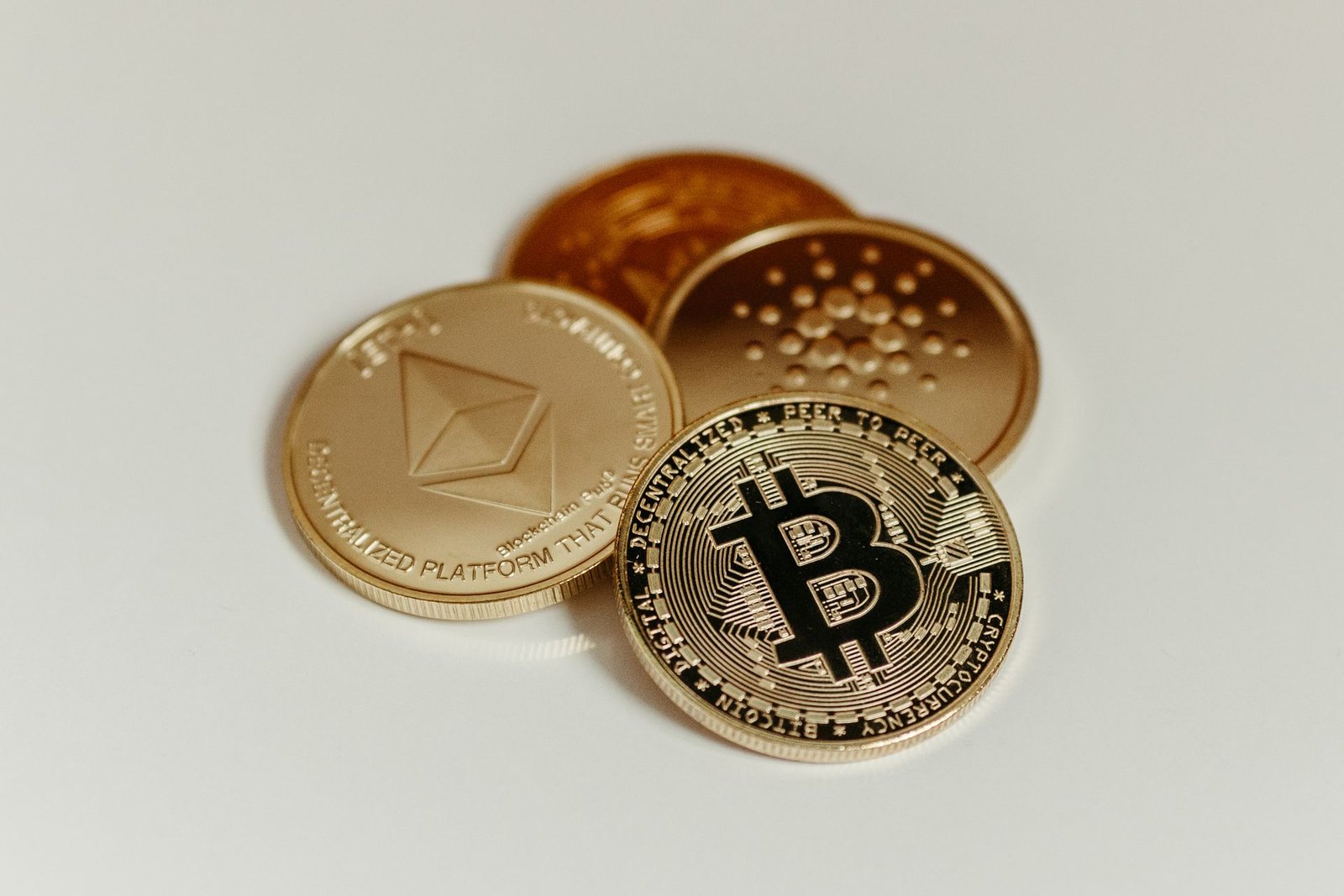
Bitcoin price predictions for cryptocurrency in India 2026 vary widely among experts. Most forecasts place 1 Bitcoin between ₹75 lakh and ₹1.5 crore through 2026. Bullish projections from firms like Bernstein and Standard Chartered suggest Bitcoin could reach $150,000 to $180,000 by the end of 2026. More conservative analysts predict ranges between $60,000 and $85,000. The historically reliable 4-year halving cycle suggests that cryptocurrency in India 2026 markets may continue experiencing consolidation before a potential bottom in the third quarter. For Indian investors, the “India Premium” where Bitcoin trades 2 to 5 percent above international spot rates is an important factor to consider.
Q6: Which cryptocurrencies should I invest in for cryptocurrency in India 2026?

For cryptocurrency in India 2026, experts recommend focusing on core, utility-driven assets. Bitcoin remains the most-held digital asset with 58.2 percent global market dominance. Ethereum is the second most important, providing the foundation for most decentralized applications. Solana and XRP are also gaining popularity. Meme tokens have declined from 27.5 percent of trading volume in 2025 to just 12.17 percent in 2026, indicating that investors are prioritizing long-term value over speculative hype. A “national core allocation framework” has emerged for cryptocurrency in India 2026, identifying Bitcoin, Ethereum, Solana, and XRP as the most reliable options. Starting with Bitcoin and Ethereum is recommended for beginners.
Q7: What are the top crypto exchanges in India for 2026?

The leading exchanges for cryptocurrency in India 2026 include CoinDCX, WazirX, Mudrex, ZebPay, CoinSwitch, and Giottus. These platforms are registered with FIU-IND and comply with Indian regulations. CoinDCX has over 2.2 crore registered users, while CoinSwitch serves over 2.5 crore users. Mudrex is particularly known for its SIP features, and ZebPay offers SIP-style recurring buys from as little as ₹100. When choosing an exchange for cryptocurrency in India 2026, consider factors like security features, user interface, available coins, and regulatory compliance.
Q8: How can I keep my cryptocurrency investments safe?
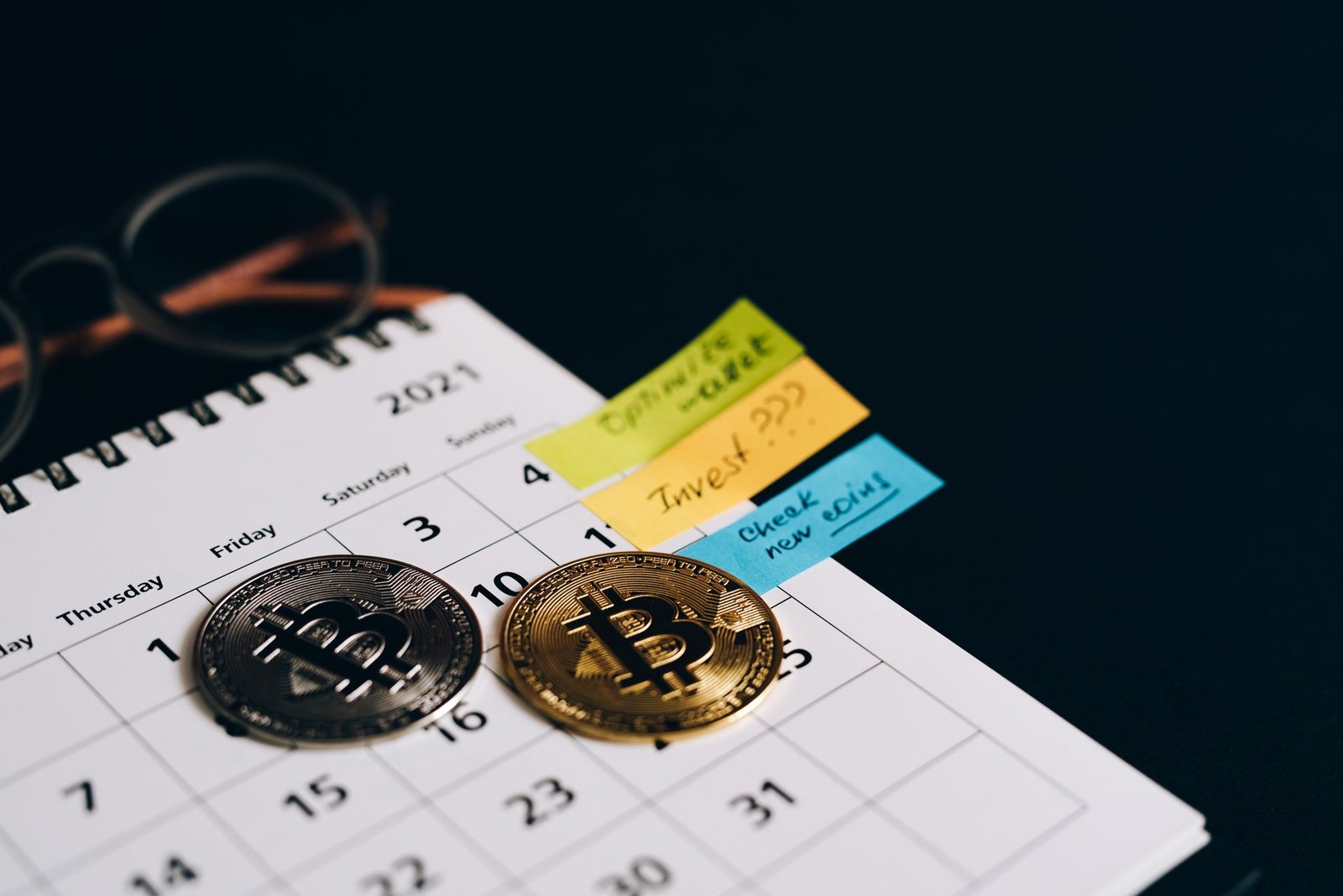
Security is crucial for cryptocurrency in India 2026. The Indian cybercrime unit has issued specific precautions: never connect crypto wallets to unknown websites, never share seed phrases or sensitive information, verify the authenticity of links and platforms, and disconnect any suspicious connected applications. Use Google Authenticator for two-factor authentication rather than SMS, which is vulnerable to SIM-swap attacks. Enable withdrawal whitelists to verified accounts only. Always use FIU-India compliant exchanges. Beware of scams promising high returns – no reputable exchange offers trading tips on Telegram or social media. If you suspect fraud, report immediately to the National Cybercrime Helpline at 1930.
Q9: Do I need to pay tax if I only hold crypto and never sell?

For cryptocurrency in India 2026, tax liability arises only when you transfer or sell your digital assets. If you simply buy and hold cryptocurrency without selling, swapping, or transferring it, you do not owe any tax. However, you must still declare your cryptocurrency holdings in your income tax return. Tax becomes applicable when you sell, trade one cryptocurrency for another, or use crypto to make purchases. The 30 percent tax under Section 115BBH applies to every transfer, not just cash exits. Swapping one cryptocurrency for another is also taxable. Therefore, for cryptocurrency in India 2026, keep accurate records of all transactions to ensure proper tax compliance.
Q10: What is the future of cryptocurrency regulation in India?
The future of cryptocurrency in India 2026 regulation remains uncertain but evolving. The government has established tax rules under the Virtual Digital Assets framework. A Parliamentary Committee has recommended allowing a Self-Regulatory Organisation to oversee the crypto industry under RBI or SEBI supervision. The RBI has consistently opposed legalizing cryptocurrencies, while the government continues to examine the need for a comprehensive statutory framework. Starting in 2027, India will align with the OECD cryptocurrency asset reporting framework, enabling automatic cross-border transaction data exchange. For now, cryptocurrency in India 2026 remains legal but regulated through taxation. Investors should stay informed about regulatory changes and continue using FIU-IND registered exchanges for compliance.
1 thought on “Cryptocurrency in us 2026: Your Complete Guide to Digital Wealth”