

Description:

The air we breathe today is not just a matter of environmental statistics; it is a question of life itself. Every winter, India’s major cities choke under a thick blanket of toxic smog, and millions of families are forced to stay indoors, fearing for their children’s health, their parents’ well-being, and their own future. BREATHE 2026 is India’s most ambitious and urgent mission to change this reality. Launched under the National Clean Air Programme (NCAP) and revised in 2022, this initiative sets a bold, measurable target: achieve a 40 percent reduction in harmful PM10 particulate pollution across 130 of India’s most polluted cities by 2026. But BREATHE 2026 is not just another government scheme. It is a comprehensive, multi-sectoral strategy that combines stricter industrial emission norms, promotion of electric vehicles, development of urban green buffers, and the push for renewable energy. The stakes could not be higher. A recent study by the University of Chicago reveals that achieving this target could add up to two years to the average life expectancy of people living in these cities. Two extra years to spend with loved ones, to pursue dreams, and to build a better India. However, the path to 2026 is fraught with challenges. From severe budget cuts to pollution control boards and the NCAP, to the fact that 28 of the 130 target cities still lack continuous air quality monitoring stations, the obstacles are immense. This comprehensive guide will take you through every aspect of BREATHE 2026—its goals, its progress, the challenges it faces, and most importantly, the role you can play in this national movement. Whether you are a student, a professional, a homemaker, or a business owner, understanding the importance of BREATHE 2026 is the first step towards making a difference. By the end of this post, you will not only be informed about India’s clean air mission but also empowered with actionable steps to contribute to it. The time to act is now, and BREATHE 2026 is our collective chance to secure a healthier, more breathable future for all 1.4 billion Indians.
1: The Strategic Genesis of BREATHE 2026 and Its National Significance
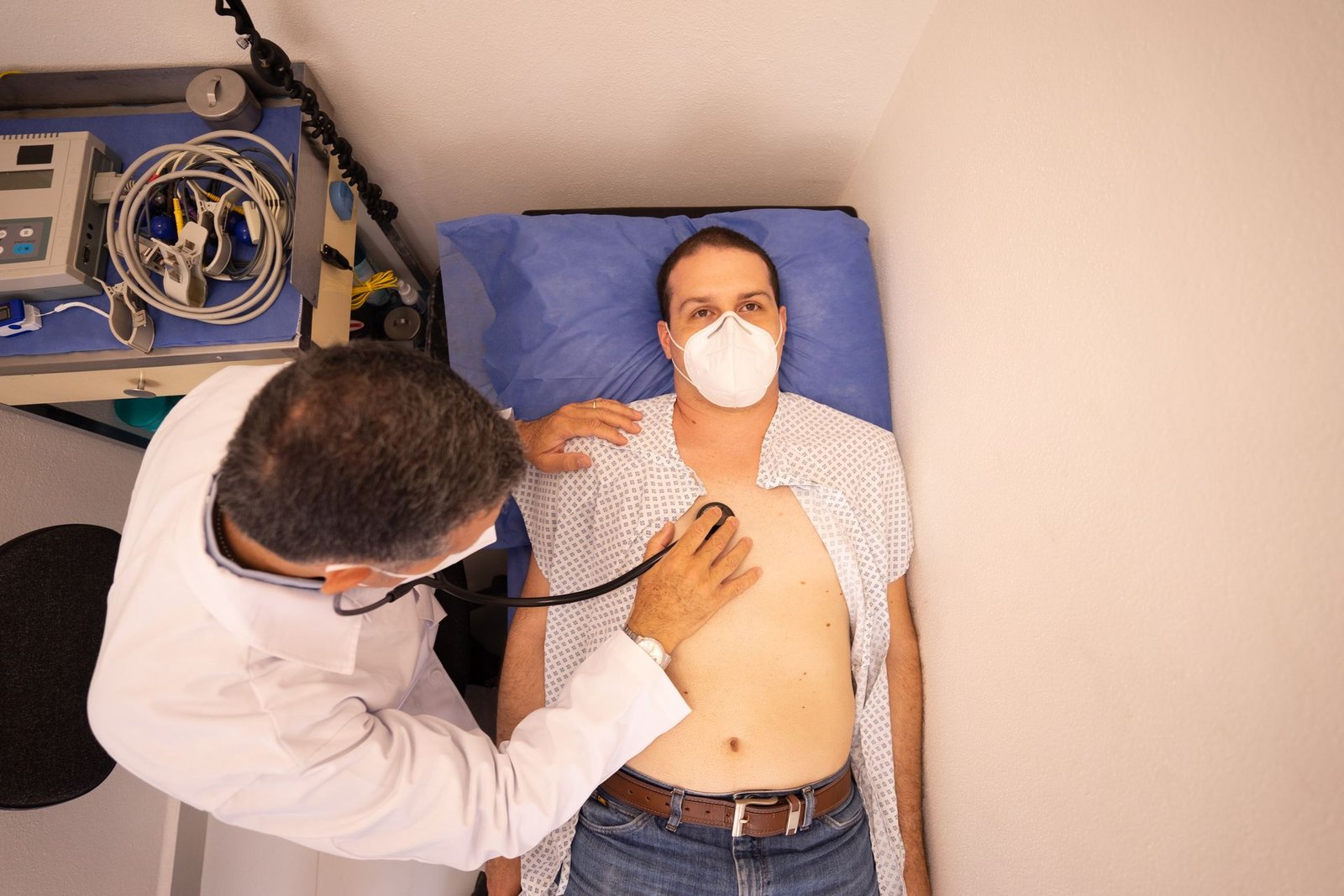
The inception of BREATHE 2026 represents a paradigm shift in India’s environmental governance framework, transitioning from passive acknowledgment of air quality deterioration to aggressive, target-driven interventionism. Launched under the auspices of the National Clean Air Programme in January 2019, the initiative initially proposed a modest 20 to 30 percent reduction in particulate matter concentrations by 2024. However, the revised mandate of 2022 recalibrated these ambitions to an unprecedented 40 percent reduction by 2026, thereby institutionalizing BREATHE 2026 as the definitive deadline for measurable atmospheric remediation. This strategic recalibration was not arbitrary; it emerged from rigorous scientific modeling that underscored the exponential health benefits associated with aggressive pollution abatement. The programme encompasses 130 non-attainment cities spanning 24 states, representing regions where ambient air quality consistently violates national standards. The intrinsic value of BREATHE 2026 extends beyond bureaucratic target-setting; it embodies a constitutional commitment to the fundamental right to life under Article 21, which the Supreme Court has progressively interpreted to include the right to a healthy environment. When we analyze the epidemiological data, the urgency becomes starkly apparent — prolonged exposure to elevated PM10 concentrations correlates directly with reduced pulmonary function, increased cardiovascular morbidity, and diminished life expectancy. The University of Chicago’s Energy Policy Institute has quantified that successful implementation of BREATHE 2026 could extend the average lifespan of residents in these 130 urban agglomerations by approximately two years, representing a cumulative societal benefit of billions of productive life-years. Furthermore, the programme’s design incorporates a sophisticated monitoring framework that mandates continuous ambient air quality surveillance, enabling real-time data-driven decision-making. The fiscal allocation for BREATHE 2026 has witnessed incremental augmentation, although recent budget analyses reveal concerning discrepancies between sanctioned funds and actual expenditure, particularly in metropolitan regions like Delhi where only 14 percent of allocated resources have been utilized. This financial inefficiency poses a formidable obstacle to the programme’s ultimate success, necessitating urgent administrative reforms to streamline fund disbursement and project execution.
2: Deciphering the Technical Nuances of Particulate Matter Reduction Under BREATHE 2026

To comprehend the technical sophistication underlying BREATHE 2026, one must first appreciate the granular distinction between PM10 and PM2.5 particulate matter and their differential health impacts. PM10 refers to inhalable particles with diameters of 10 micrometres or smaller, which can penetrate the upper respiratory tract and exacerbate conditions like bronchitis and asthma. In contrast, PM2.5 particles are significantly more pernicious, measuring 2.5 micrometres or less, enabling them to traverse the alveolar membrane and enter systemic circulation, thereby inducing inflammatory responses across multiple organ systems. The BREATHE 2026 framework predominantly employs PM10 as its primary metric for compliance assessment, a decision rooted in the relative availability of historical baseline data from 2017. However, this methodological choice has attracted scholarly criticism, as PM2.5 reduction targets were only established for 29 cities, and merely 7 of these managed to achieve their specified benchmarks. The 40 percent reduction mandate of BREATHE 2026 requires participating cities to demonstrate sustained improvement in their annual average PM10 concentrations, measured against the 2017 baseline. For instance, Noida has demonstrated exemplary progress with a 35 percent reduction, while Alwar achieved 31 percent and Vijayawada recorded a 27.5 percent decline. Conversely, Ghaziabad emerged as the most polluted urban center, registering the highest PM10 levels during the 2025-26 assessment period, thereby highlighting the heterogeneous efficacy of localized interventions. The technical infrastructure supporting BREATHE 2026 relies heavily on Continuous Ambient Air Quality Monitoring Stations, which provide real-time data streams that inform both emergency response mechanisms and long-term policy formulation. Regrettably, 28 of the 130 designated cities still lack these essential monitoring installations, creating critical data vacuums that impede accurate progress assessment. The scientific community has advocated for the integration of satellite-based remote sensing technologies to supplement ground-level monitoring, particularly for regions with infrastructural deficits. Additionally, BREATHE 2026 incorporates source apportionment studies to identify the precise contribution of various emission categories — vehicular exhaust, industrial effluents, construction dust, crop residue burning, and domestic fuel combustion — enabling targeted mitigation strategies. This source-specific approach distinguishes BREATHE 2026 from generic environmental programmes, as it facilitates customized action plans that address the unique pollution profile of each participating city.
3: Evaluating Inter-City Performance Disparities Within the BREATHE 2026 Framework

The implementation trajectory of BREATHE 2026 reveals profound inter-city performance disparities that demand rigorous analytical scrutiny and policy recalibration. A comprehensive evaluation of 96 cities conducted under the programme’s mid-term review indicated that while 43 municipalities successfully met their stipulated PM10 reduction targets, the remaining 53 either stagnated or recorded deterioration in their air quality parameters. This bifurcated performance landscape underscores the critical influence of local governance capacity, financial prudence, and political commitment in determining the efficacy of BREATHE 2026 interventions. Cities like Varanasi, Agra, and Lucknow have emerged as success stories, demonstrating that sustained political will combined with community engagement can yield substantive improvements in air quality metrics. Varanasi, for instance, implemented an aggressive green buffer initiative, planting over 500,000 saplings along its peri-urban corridors, while simultaneously enforcing stringent vehicular emission checks and promoting electric rickshaw adoption. In stark contrast, Delhi’s performance under BREATHE 2026 has been characterized by commendable ambition but disappointing execution, as the national capital managed only a 17 percent reduction in PM10 levels, falling significantly short of the prescribed trajectory. The Delhi government’s utilization of merely 14 percent of its allocated NCAP funds since 2019 constitutes a glaring administrative failure that directly compromises the city’s ability to achieve BREATHE 2026 targets. Meanwhile, neighbouring cities like Ghaziabad and Meerut have demonstrated fiscal responsibility by expending over 80 percent of their allocations, translating into tangible improvements in roadside dust suppression, waste management infrastructure, and industrial emission controls. The comparative analysis further reveals that cities with decentralized pollution control mechanisms, involving municipal corporations, state pollution boards, and civil society organizations in collaborative governance, consistently outperformed those where decision-making remained centralized. The BREATHE 2026 framework must therefore prioritize capacity-building initiatives for underperforming cities, including technical assistance for project formulation, expedited environmental clearance procedures, and performance-linked incentive structures. Furthermore, the programme should institutionalize a peer-learning mechanism whereby successful cities share their best practices, implementation strategies, and troubleshooting methodologies with lagging counterparts. The Ministry of Environment, Forest and Climate Change has acknowledged these disparities and announced plans to conduct comprehensive audits of all 130 cities, with the objective of identifying systemic bottlenecks and disseminating replicable solutions across the BREATHE 2026 ecosystem.
4: The Epidemiological Imperative Driving the BREATHE 2026 Agenda
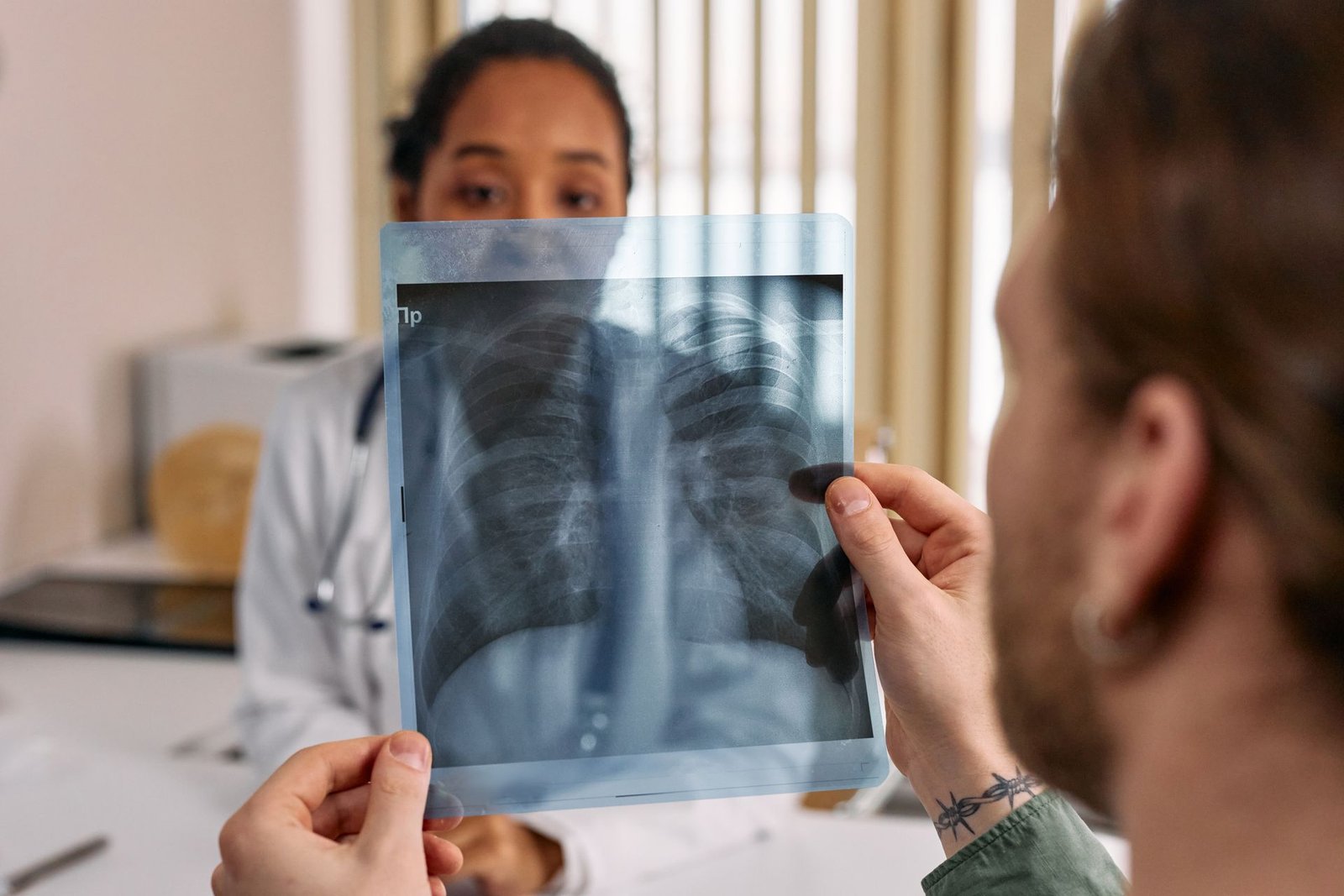
The epidemiological rationale underpinning BREATHE 2026 constitutes perhaps the most compelling justification for aggressive and immediate action to mitigate India’s ambient air pollution crisis. The Global Burden of Disease Study has consistently ranked air pollution among the top five mortality risk factors in India, contributing to approximately 1.67 million premature deaths annually, a figure that surpasses casualties from tobacco use and dietary risks combined. The BREATHE 2026 initiative directly addresses this public health emergency by targeting the primary environmental vector — suspended particulate matter — that mediates the majority of pollution-related pathologies. Children constitute the most vulnerable demographic cohort, as their developing respiratory and immune systems exhibit heightened susceptibility to pollutant-induced damage. Epidemiological studies conducted across Indian metropolitan centers have documented a direct correlation between elevated PM10 levels and increased pediatric asthma prevalence, diminished lung capacity development, and elevated school absenteeism rates. Pregnant women exposed to high pollution environments face elevated risks of preterm delivery, low birth weight, and gestational complications, creating intergenerational health burdens that perpetuate cycles of vulnerability. The elderly population, particularly those with pre-existing cardiovascular and respiratory conditions, experience exacerbated morbidity and mortality during pollution episodes, necessitating emergency healthcare interventions that strain India’s already overburdened medical infrastructure. The economic dimension of this health crisis is equally alarming, as the World Bank estimates that air pollution imposes an annual welfare cost of approximately 8.5 percent of India’s GDP, encompassing healthcare expenditures, productivity losses, and reduced labor force participation. By achieving the 40 percent reduction target, BREATHE 2026 could potentially avert over 650,000 premature deaths annually and reduce the national burden of respiratory and cardiovascular diseases by approximately 30 percent. The programme’s health impact assessment framework incorporates sophisticated epidemiological modeling that translates pollution reductions into quantifiable health outcomes, enabling evidence-based resource allocation and policy prioritization. Furthermore, BREATHE 2026 mandates the establishment of health surveillance systems in participating cities, integrating hospital admission data, emergency response records, and outpatient consultations to generate real-time evidence on the health co-benefits of pollution reduction interventions. This comprehensive health-centric approach distinguishes BREATHE 2026 from purely environmental programmes, positioning it as a transformative public health initiative with profound implications for India’s demographic dividend and sustainable development trajectory.
5: Institutional and Fiscal Challenges Hampering BREATHE 2026 Implementation
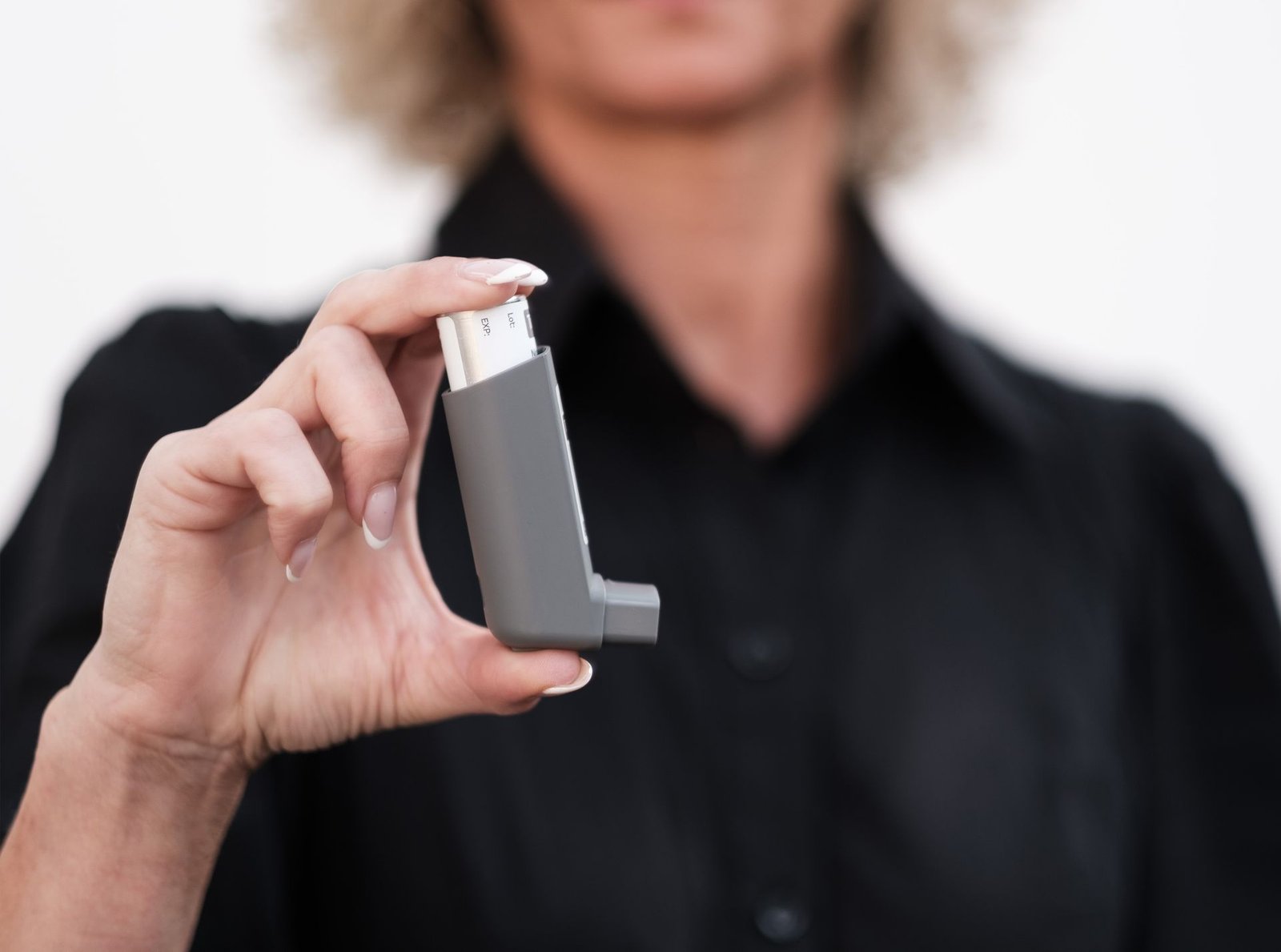
Despite its noble objectives and comprehensive design, BREATHE 2026 confronts formidable institutional and fiscal challenges that threaten to derail its successful implementation within the stipulated timeframe. The foremost impediment pertains to the chronic underfunding of pollution control infrastructure, as the 2026-27 Union Budget allocated only a fraction of the resources required for comprehensive urban air quality management. While the overall allocation for pollution control appeared to increase nominally, the specific funds earmarked for the National Clean Air Programme and state pollution control boards experienced actual reductions, reflecting a troubling disconnect between policy rhetoric and fiscal reality. This financial constraint is compounded by the complex federal structure of environmental governance in India, where air quality management responsibilities are distributed across multiple tiers of government, often resulting in jurisdictional ambiguities, coordination failures, and accountability deficits. The BREATHE 2026 framework requires seamless collaboration between the Ministry of Environment, Forest and Climate Change at the central level, state pollution control boards, municipal corporations, transport departments, and urban development authorities, yet inter-agency coordination remains notoriously fragmented and prone to bureaucratic inertia. Furthermore, the programme’s dependence on continuous monitoring infrastructure has exposed significant technological deficits, as 28 of the 130 target cities lack functional Continuous Ambient Air Quality Monitoring Stations, rendering their progress assessment statistically unreliable. The enforcement mechanism within BREATHE 2026 also exhibits critical weaknesses, as the centralized online emission monitoring systems installed in polluting industrial clusters have faced allegations of manipulation, calibration errors, and systematic underreporting. Approximately 2,254 out of 3,500 designated industrial units have installed these systems, but compliance verification remains sporadic and penalties for violations are often diluted through protracted legal proceedings. Additionally, the programme’s reliance on state-level action plans has produced considerable heterogeneity in implementation quality, as some states lack the technical expertise, administrative capacity, and political will necessary to execute the prescribed interventions effectively. The BREATHE 2026 framework must urgently address these structural deficiencies by establishing a dedicated implementation authority with statutory powers, ensuring adequate and predictable funding streams, and creating enforceable accountability mechanisms that transcend electoral cycles. The development of a national-level air quality management commission, modelled on similar institutions in China and the United States, could provide the institutional coherence and executive authority necessary to overcome these persistent implementation barriers.
6: Addressing the Agricultural Nexus in the BREATHE 2026 Strategy

The agricultural dimension of India’s air pollution crisis presents one of the most intractable challenges confronting BREATHE 2026, as crop residue burning in the Indo-Gangetic plains generates seasonal pollution spikes that overwhelm urban mitigation efforts. The practice of burning paddy stubble during October and November annually engenders a toxic atmospheric cocktail that travels hundreds of kilometers, transforming Delhi-NCR into a gas chamber with Air Quality Index readings frequently exceeding the hazardous threshold of 500. The BREATHE 2026 framework acknowledges this agricultural contribution to ambient pollution, yet addressing it requires navigating a complex socio-economic landscape characterized by small landholdings, limited mechanization, and farmers’ reliance on rapid field clearance to prepare for subsequent wheat cultivation. The economic constraints confronting smallholder farmers are acute, as the cost of mechanical stubble management equipment, such as the Happy Seeder and Super Seeder, ranges between ₹1.2 to ₹2.5 lakhs, a prohibitive investment for the majority of cultivators who operate on marginal profit margins. Consequently, the government has subsidized these implements by up to 80 percent under the BREATHE 2026 ancillary programmes, but awareness gaps, equipment unavailability, and logistical challenges have limited adoption rates to approximately 30 percent of the targeted area in Punjab and Haryana. Alternative utilization pathways for crop residue, including bioenergy generation, compressed biogas production, and manufacturing of eco-friendly packaging materials, have been explored under BREATHE 2026, yet commercial viability remains unproven at scale. The Indian Agricultural Research Institute has developed bacterial cultures that accelerate paddy straw decomposition, offering a low-cost, in-situ solution that enriches soil organic matter while preventing atmospheric emissions. However, farmer acceptance of these biological alternatives remains tentative, necessitating extensive demonstration campaigns and short-term economic incentives to facilitate behavioral transition. The BREATHE 2026 approach to agricultural emissions must therefore embrace a multi-pronged strategy combining: (1) accelerated subsidy disbursement for mechanical implements; (2) development of decentralized biomass aggregation and processing infrastructure; (3) integration of crop residue management into agricultural extension services; (4) promotion of alternative cropping patterns that minimize residue generation; and (5) creation of carbon credit mechanisms that monetize emissions reductions. Furthermore, inter-state coordination between Punjab, Haryana, Uttar Pradesh, and Delhi is imperative for BREATHE 2026 success, as pollution does not respect administrative boundaries and unilateral action by individual states remains insufficient to address transboundary atmospheric transport. The Supreme Court and National Green Tribunal have issued numerous directives on this matter, yet compliance remains uneven and politically charged, highlighting the need for a comprehensive national legislation specifically addressing agricultural residue burning.
7: Technological Innovations and Industrial Compliance Under BREATHE 2026
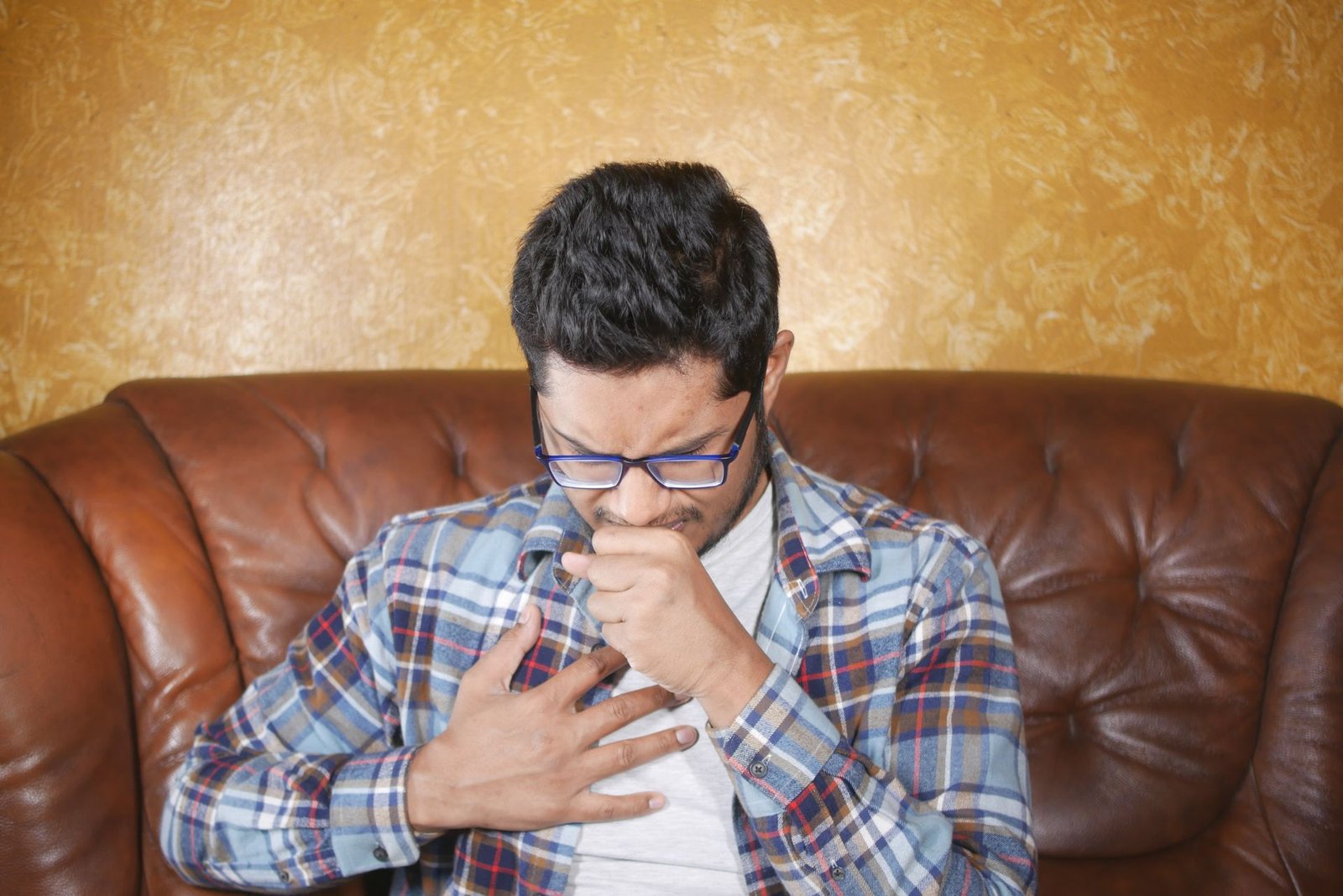
Technological innovation constitutes a cornerstone of BREATHE 2026, offering unprecedented opportunities for real-time pollution monitoring, predictive analytics, and automated compliance enforcement that transcend traditional regulatory mechanisms. The deployment of Continuous Ambient Air Quality Monitoring Stations across participating cities has created a dense data ecosystem that enables authorities to track pollution patterns with granular temporal and spatial resolution, facilitating evidence-based policy formulation and emergency response activation. BREATHE 2026 has further pioneered the integration of artificial intelligence algorithms that analyze historical pollution data, meteorological parameters, and emission source inventories to forecast air quality episodes with remarkable accuracy, enabling pre-emptive mitigation measures such as traffic regulation, construction bans, and industrial shutdowns before pollution levels reach dangerous thresholds. The industrial component of BREATHE 2026 mandates the installation of Online Continuous Emission Monitoring Systems at all major polluting units, transmitting real-time emission data directly to central servers monitored by state pollution control boards. This technological intervention has revolutionized industrial compliance monitoring, reducing opportunities for data manipulation and enabling automated alerts when emissions exceed prescribed limits. However, the programme has encountered significant resistance from industrial associations citing compliance costs, particularly among small and medium enterprises that constitute the backbone of India’s manufacturing sector. The BREATHE 2026 framework addresses this concern through a graded compliance mechanism, offering extended timelines and concessional financing options for micro, small, and medium enterprises, while enforcing stricter standards and accelerated timelines for large-scale industries. Innovative pollution control technologies, including electrostatic precipitators, flue gas desulfurization units, and selective catalytic reduction systems, have witnessed accelerated adoption in the cement, thermal power, and metal processing sectors under the regulatory impetus of BREATHE 2026. Simultaneously, Indian startups have developed indigenous air purification solutions, including rooftop filtration units, smog towers, and ambient air cleaning systems, that complement source-based emission reductions by capturing pollutants at their point of dispersion. The programme has also promoted the transition to electric vehicles through extensive charging infrastructure development, purchase subsidies, and differential road taxation, recognizing that vehicular emissions constitute a substantial and growing contribution to urban pollution profiles. Furthermore, BREATHE 2026 encourages the adoption of green construction practices, including dust suppression systems, covered transport of building materials, and mechanized sweeping of road dust, addressing the construction sector’s considerable PM10 generation. The technological trajectory of BREATHE 2026 is evolving toward smart city integration, where air quality monitoring networks communicate with urban infrastructure systems to enable automated traffic management, adaptive street lighting, and responsive public transportation scheduling that collectively minimize pollution exposure for urban populations.
8: The Role of Urban Planning and Green Infrastructure in BREATHE 2026
The intrinsic relationship between urban morphology and air quality has gained unprecedented recognition within the BREATHE 2026 framework, leading to the integration of green infrastructure principles into city development plans and zoning regulations. Rapid urbanization in India has historically proceeded without adequate consideration of environmental carrying capacity, resulting in congested road networks, inadequate green cover, thermally absorbing built surfaces, and limited pedestrian infrastructure that collectively exacerbate pollution accumulation and dispersion challenges. BREATHE 2026 addresses these urban planning deficits by mandating the inclusion of green buffers, urban forests, and vertical gardening systems in municipal master plans, recognizing that vegetation acts as natural filters that capture particulate matter, absorb gaseous pollutants, and moderate urban heat island effects that influence atmospheric chemistry. The Miyawaki method of afforestation, involving dense planting of native species at high densities, has been enthusiastically adopted under BREATHE 2026, with several cities establishing tiny urban forests that mature to self-sustaining ecosystems within three years. These micro-forests, typically occupying areas smaller than one hectare, have demonstrated exceptional pollution abatement capabilities, reducing ambient PM10 concentrations by up to 25 percent within their immediate vicinity. Additionally, BREATHE 2026 promotes the development of non-motorized transport infrastructure, including dedicated bicycle lanes, pedestrian walkways, and public transport corridors, that reduce vehicular dependence and associated emissions while improving physical activity levels among urban populations. The programme’s building regulations have been revised to encourage green roofs, living walls, and atmospheric water harvesting systems that simultaneously improve air quality, reduce building energy consumption, and enhance urban aesthetics. Stormwater management and permeable surface implementation constitute another critical element of BREATHE 2026 urban planning interventions, as they reduce dust generation from unpaved areas while replenishing groundwater resources. Furthermore, the programme emphasizes the preservation and expansion of existing green cover, recognizing that mature trees provide superior pollution abatement benefits compared to newly planted saplings. The city of Bhiwadi in Rajasthan offers a compelling exemplar of community-driven green infrastructure, where villagers planted over 5,000 trees along roadsides and open spaces, subsequently reporting improved air quality and reduced incidence of respiratory ailments. BREATHE 2026 institutionalizes such grassroots successes by incorporating community participation mechanisms into urban planning processes, requiring municipal authorities to consult residents, businesses, and civil society organizations during the formulation of city-level clean air action plans. This inclusive approach ensures that urban development interventions reflect local priorities, leverage indigenous knowledge, and generate community ownership essential for long-term sustainability. The programme also integrates spatial planning with pollution dispersion modeling, enabling the identification of ventilation corridors and green fingers that facilitate atmospheric circulation and pollutant dilution, thereby reducing stagnation and accumulation that characterize polluted urban airsheds.
9: Behavioral Change and Public Participation in BREATHE 2026

The technocratic and regulatory dimensions of BREATHE 2026 must be complemented by profound behavioral transformation and active public participation to achieve enduring air quality improvements, as individual choices and community actions collectively determine the success of environmental governance initiatives. The programme recognizes that household-level practices, including cooking fuel selection, waste disposal methods, transportation preferences, and energy consumption patterns, cumulatively generate substantial emissions that undermine the effectiveness of industrial and vehicular controls. BREATHE 2026 therefore incorporates comprehensive public awareness campaigns that employ diverse communication channels — including social media platforms, school curricula, community radio broadcasts, and public service announcements — to disseminate information about pollution sources, health impacts, and mitigation behaviors in accessible and culturally resonant formats. The behavioral economics principles underpinning these campaigns emphasize positive reinforcement, social comparison, and commitment devices, encouraging citizens to adopt pollution-reducing practices through mechanisms that resonate with intrinsic motivations rather than relying exclusively on regulatory coercion. Schools serve as pivotal institutions within the BREATHE 2026 behavioral change framework, as early environmental education can instill lifelong sustainability consciousness while simultaneously empowering children to influence household practices through intergenerational knowledge transfer. Many schools have established eco-clubs that conduct air quality monitoring, organize tree-planting drives, and implement waste segregation programmes, creating experiential learning opportunities that reinforce environmental stewardship. The BREATHE 2026 programme also promotes community-led initiatives such as neighborhood cleanliness campaigns, collective transport arrangements, and localized green space development, recognizing that social cohesion amplifies individual efforts and generates network effects that accelerate behavioral diffusion. Corporate engagement constitutes another critical dimension of public participation, as businesses can influence employee behavior through commute reduction incentives, telework policies, and sustainability training that extend beyond workplace boundaries. The programme’s citizen science component enables individuals to contribute monitoring data through portable pollution sensors and mobile applications, democratizing environmental knowledge and creating distributed surveillance networks that complement official monitoring infrastructure. Notable success stories have emerged from communities that organized residential carpooling systems, established decentralized composting facilities, and conducted regular pollution awareness workshops, demonstrating that BREATHE 2026 benefits from a vibrant civil society engagement ecosystem. However, behavioral change remains inherently challenging, as individuals exhibit discounting biases that prioritize immediate convenience over long-term health benefits, necessitating sustained nudging, consistent messaging, and symbolic incentives to overcome entrenched habits. The BREATHE 2026 strategy accordingly incorporates recurring engagement mechanisms, including reward programmes for low-emission households, recognition ceremonies for pollution-reducing neighborhoods, and regular progress communication that sustains public interest and accountability. The programme further leverages cultural and religious institutions that enjoy deep community trust, engaging temple trusts, mosque committees, and gurdwara managements in environmental messaging, recognizing that spiritual and moral appeals can complement scientific rationales in motivating behavioral change across diverse demographic segments.
10: The Post-2026 Vision and Sustainable Legacy of BREATHE 2026

While BREATHE 2026 establishes a definitive near-term target, its enduring significance transcends the 2026 deadline, as the programme is designed to catalyze a sustained trajectory of environmental improvement that aligns with India’s long-term developmental aspirations articulated in Viksit Bharat 2047. The institutional infrastructure, monitoring networks, regulatory frameworks, and technical capacities being developed under BREATHE 2026 constitute foundational assets that will continue delivering environmental dividends well beyond the programme’s nominal completion date, creating a durable ecosystem for air quality governance. The 40 percent reduction target, while ambitious, represents merely an intermediate milestone on the path toward attainment of National Ambient Air Quality Standards, which prescribe annual average PM10 concentrations of 60 micrograms per cubic metre — a benchmark that remains elusive even for India’s relatively cleaner cities. Consequently, BREATHE 2026 must be conceptualized not as a terminal achievement but as the inaugural phase of a multi-decadal commitment to atmospheric restoration and public health protection. The World Bank-supported clean air project initiated in Delhi, with its ₹8,300 crore budget spanning 2026 to 2033, exemplifies this sustained engagement, focusing on transformative interventions across transport, road dust management, municipal waste processing, industrial emission reduction, and green space expansion. Similarly, India’s ambitious renewable energy targets, including 500 GW of non-fossil fuel capacity by 2030 and net-zero emissions by 2070, provide the macro-level energy transition that complements the localized interventions of BREATHE 2026. The convergence of these initiatives creates synergistic effects, as renewable energy deployment simultaneously reduces power sector emissions, enhances energy security, and generates employment in sunrise industries. The BREATHE 2026 legacy also encompasses capacity building among environmental professionals, including pollution control board officials, urban planners, environmental engineers, and public health experts, who acquire specialized expertise that enhances India’s human capital for environmental governance. Additionally, the programme’s data infrastructure — comprising monitoring networks, emission inventories, and health databases — creates a knowledge repository that facilitates longitudinal research, policy evaluation, and international benchmarking, positioning India as a contributor to global air quality knowledge. The international dimension of BREATHE 2026 is underscored by India’s leadership in the International Solar Alliance and its hosting of the Bharat Renewable Energy Summit 2026, demonstrating the country’s commitment to clean energy as a global public good. The programme’s success will have profound geopolitical implications, as India’s ability to achieve significant pollution reductions while sustaining economic growth will challenge deterministic narratives that equate development with environmental degradation, offering a replicable model for developing countries confronting similar air quality challenges. Ultimately, BREATHE 2026 represents a profound societal choice — a collective commitment to valuing human life, ecosystem integrity, and intergenerational equity over short-term economic expediency. The programme’s success requires sustained political will, consistent public engagement, and adaptive governance structures capable of responding to evolving scientific understanding and emerging challenges. As India approaches the critical 2026 milestone, the nation stands at a pivotal juncture where decisive action can secure environmental sustainability, public health resilience, and global leadership for decades to come. The legacy of BREATHE 2026 will be measured not merely in reduced pollution concentrations, but in the enhanced quality of life, extended lifespans, and restored environmental dignity for 1.4 billion Indians who deserve to breathe clean air.
Conclusion:

As we approach the decisive year of 2026, India stands at a critical crossroads in its environmental journey. BREATHE 2026 is more than a policy deadline; it is a testament to our collective will to fight for the fundamental right to clean air. The journey so far has been a mixture of progress and setbacks. While some cities like Noida and Alwar have shown commendable leadership by achieving significant pollution reductions, others, including the national capital Delhi, have lagged behind, hindered by fiscal inefficiency and a lack of political will. The recent 2026-27 Union Budget, which made drastic cuts to the funding of pollution control boards and the NCAP, serves as a stark reminder that the fight for clean air is far from over. Yet, there is hope. The government’s push for year-round clean air plans, the ₹8,300 crore ‘Clean Air, Healthy Delhi’ project supported by the World Bank, and the upcoming Bharat Renewable Energy Summit 2026 signal a sustained commitment to tackling the root causes of pollution. The goal of BREATHE 2026—a 40% reduction in PM10 levels—is scientifically proven to add two years to the lives of people in 130 cities. But this vision cannot be realized by government action alone. It requires a massive, nationwide behavioral shift. It demands that we, as citizens, stop burning waste, switch to cleaner fuels, embrace public transport, and hold our leaders accountable. BREATHE 2026 is not just a government target; it is a shared dream of a healthier, more vibrant India. It is the promise that our children will be able to play outside without masks, that our elderly will be able to take morning walks without coughing, and that every Indian can take a deep, clean breath. The road ahead is challenging, but the goal is worth every effort. Let us not wait for the smog to clear; let us be the change that clears it. Let us commit to BREATHE 2026 today, for our health, for our families, and for the future of our nation.
Frequently Asked Questions (FAQs) About BREATHE 2026
1. What exactly is BREATHE 2026?

BREATHE 2026 is the popular name for India’s revised target under the National Clean Air Programme (NCAP). Launched in 2019, the NCAP initially aimed for a 20-30% reduction in pollution. However, in 2022, the government strengthened this goal, setting a new target to achieve up to a 40% reduction in PM10 particulate matter levels by 2026 across 130 non-attainment cities in India.
2. Why is PM10 pollution so dangerous?

PM10 refers to particulate matter that is 10 micrometres or smaller in diameter. These tiny particles are small enough to be inhaled deep into your lungs and can even enter your bloodstream. Long-term exposure to high PM10 levels is directly linked to severe health problems including respiratory diseases like asthma, cardiovascular issues, strokes, lung cancer, and a significant reduction in overall life expectancy.
3. How is India progressing towards the BREATHE 2026 target?
The progress has been mixed. A recent evaluation showed that out of 96 cities, 43 met their PM10 reduction targets, and 7 out of 29 met the stricter PM2.5 target. However, there are still major hurdles: 28 of the 130 target cities lack continuous ambient air quality monitoring stations, making it impossible to accurately track their progress.
4. What are the main sources of air pollution in India?

The primary sources include vehicular emissions, industrial pollution, construction dust, crop residue burning (especially in Punjab and Haryana during winter), household cooking with solid fuels like wood and cow dung, and the open burning of municipal waste. Each of these sources contributes significantly to the PM10 and PM2.5 levels that BREATHE 2026 aims to reduce.
5. What is the government doing to achieve the BREATHE 2026 targets?
The government has implemented several key strategies. These include enforcing stricter emission norms for industries, promoting the adoption of electric vehicles (EVs), developing urban green buffers and forests to act as natural air filters, and transitioning to renewable energy sources. The upcoming Bharat Renewable Energy Summit & Expo 2026, which will be inaugurated by Prime Minister Narendra Modi, is a major step in accelerating India’s clean energy transition. Additionally, a massive ₹8,300 crore World Bank-supported clean air project is set to launch in Delhi.
6. Why has Delhi’s performance under BREATHE 2026 been so poor?
Despite being one of the most polluted cities in the world, Delhi has significantly underperformed. The primary reason is a lack of effective fund utilization. Since 2019, Delhi has utilized only 14% of the funds allocated to it under the NCAP, while neighbouring cities like Ghaziabad and Meerut have spent more than 80% of their funds. This fiscal inefficiency, combined with a lack of robust enforcement, has hampered Delhi’s progress.
7. How will achieving the BREATHE 2026 target benefit me personally?
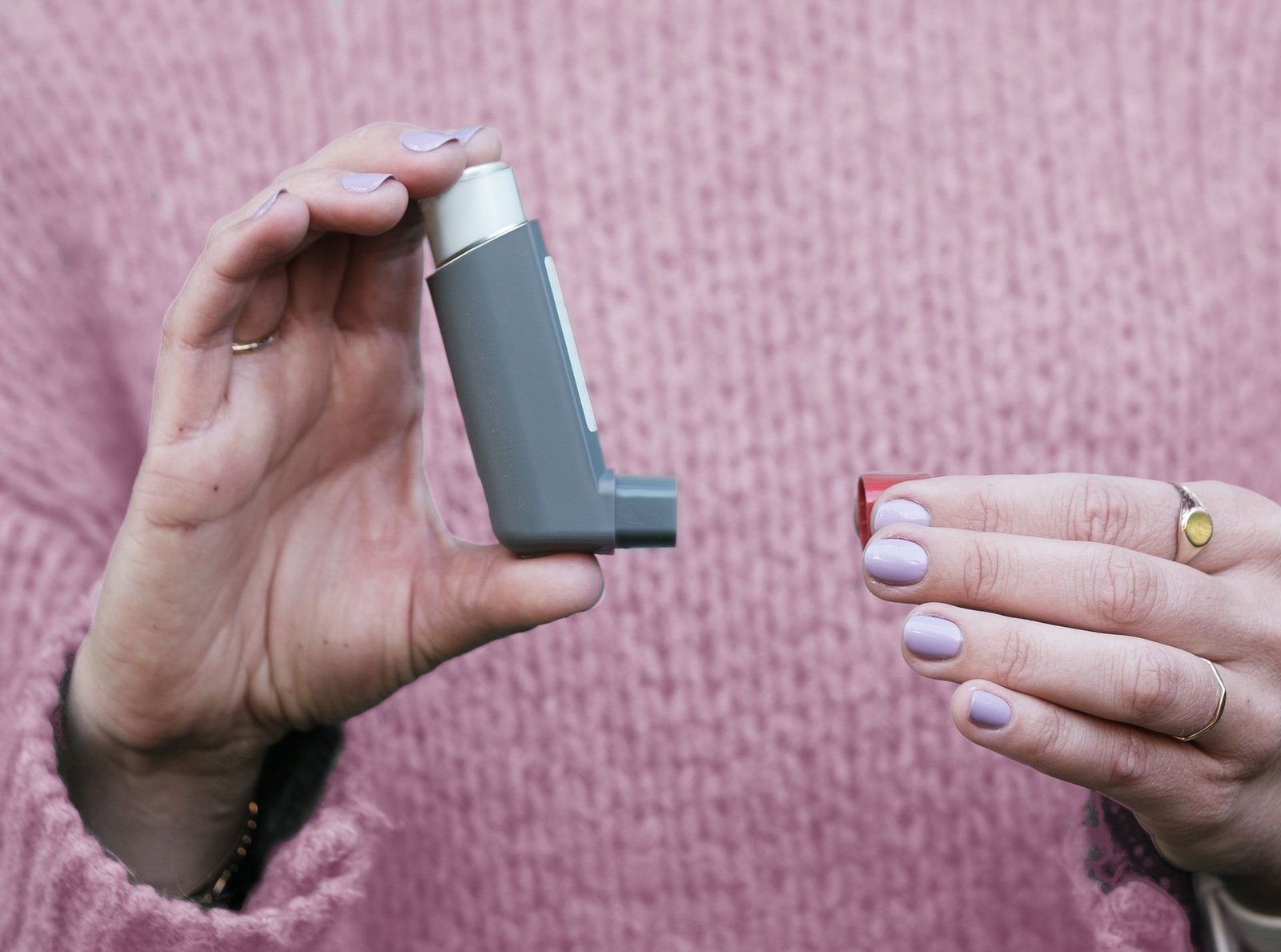
The benefits are immense and directly impact your quality of life. Studies show that achieving the 40% reduction target could add an average of two years to the life expectancy of people living in the 130 target cities. This means less time spent battling respiratory illnesses, fewer hospital visits, and more healthy, productive years with your family. It also means cleaner, greener, and more livable cities for everyone.
8. What are the biggest challenges facing BREATHE 2026?
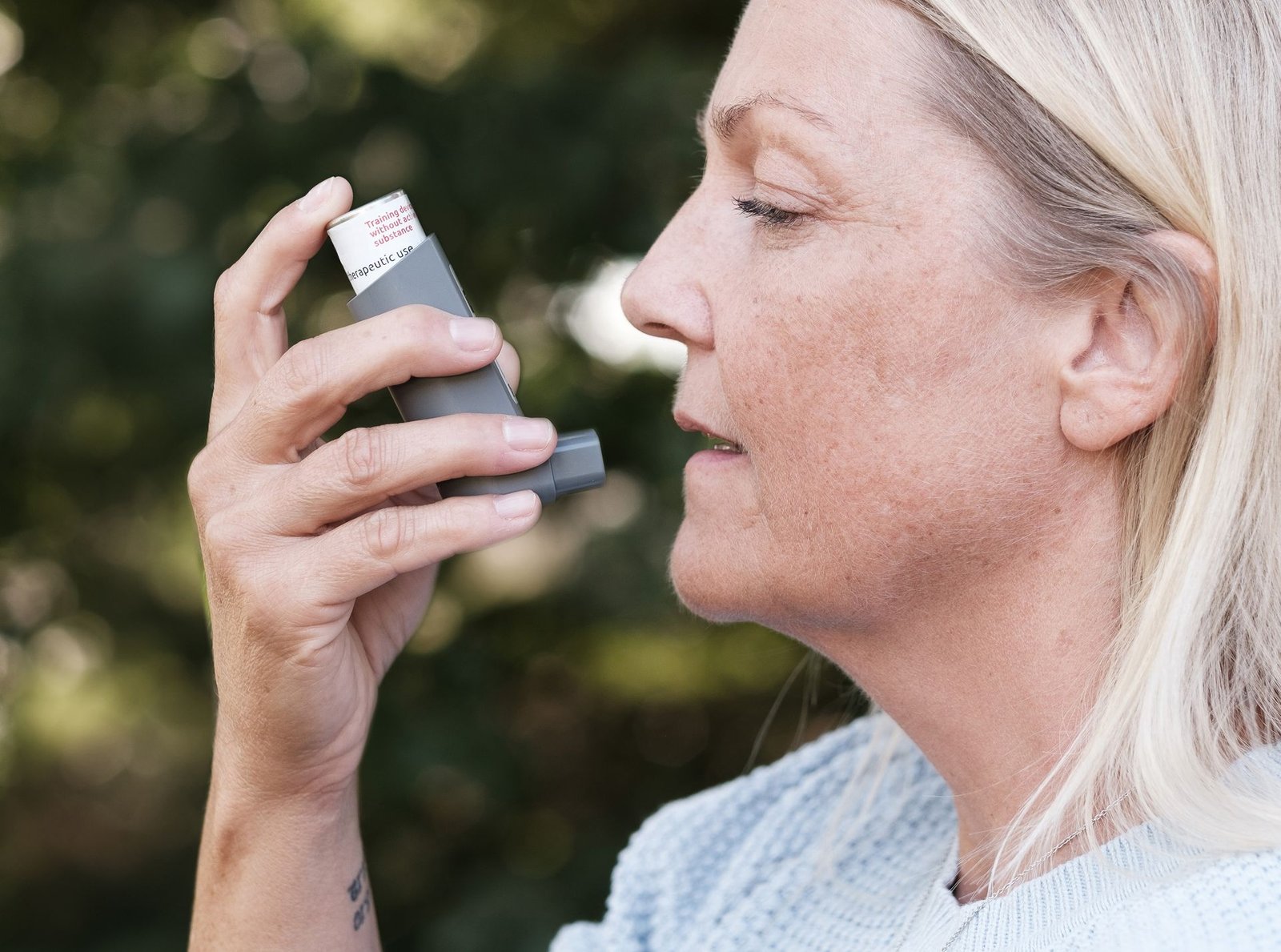
The programme faces several significant challenges. These include drastic budget cuts to pollution control boards and the NCAP, a lack of continuous monitoring infrastructure in many cities, weak enforcement of existing pollution laws, and the complex socio-economic issues surrounding practices like crop stubble burning. Additionally, fostering behavioral change among the public and ensuring coordinated action between states remain major hurdles.
9. What can I, as an individual, do to help India achieve BREATHE 2026?
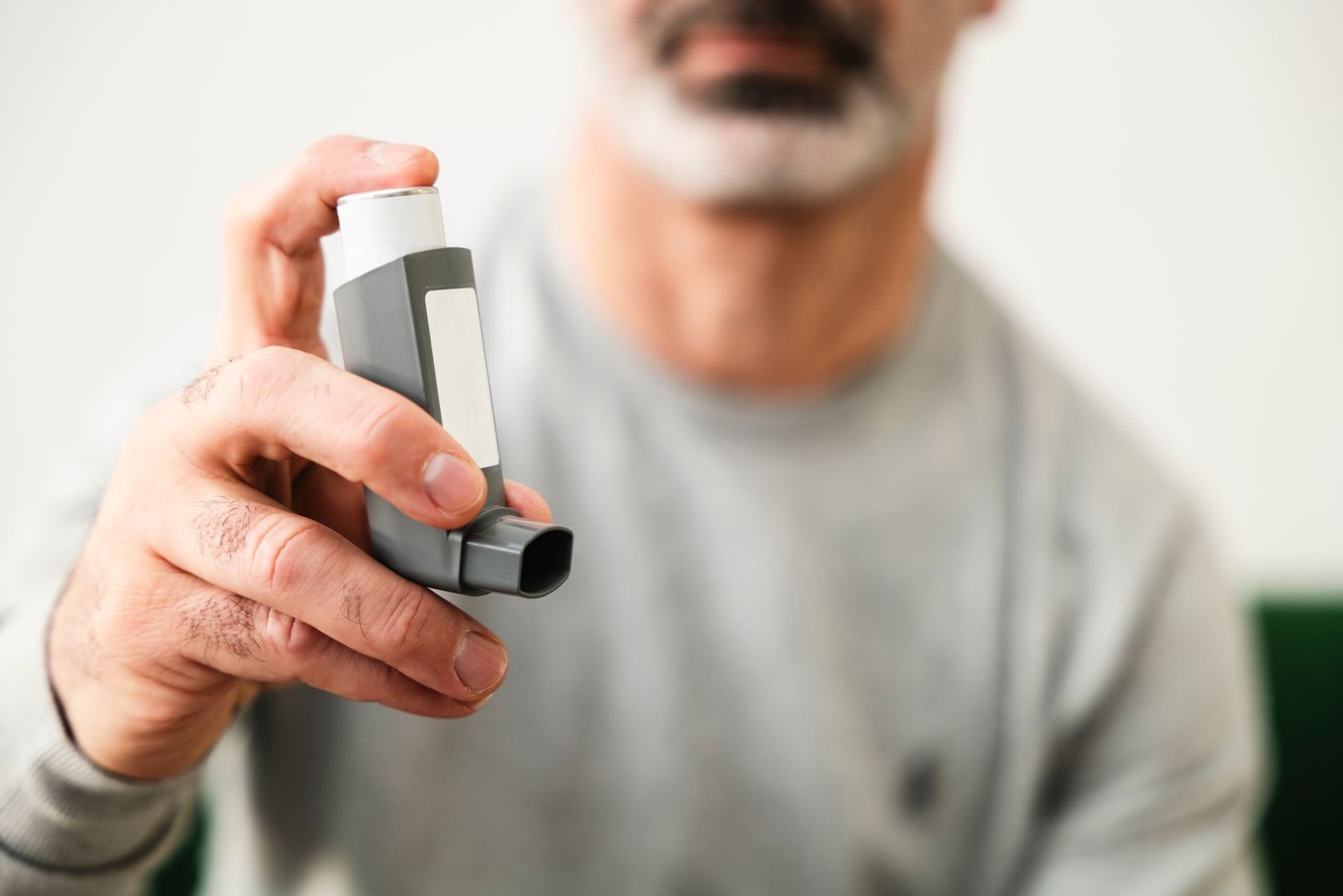
You can make a big difference through small actions. Start by not burning waste; instead, compost your organic waste. Switch to cleaner cooking fuels like LPG. Use public transport, carpool, or cycle to reduce vehicular emissions. Conserve electricity by switching to LED bulbs and turning off appliances when not in use. Plant trees in your neighborhood. Most importantly, spread awareness about BREATHE 2026 and talk to your family, friends, and community about the importance of clean air.
10. What happens after 2026? Is the mission over?
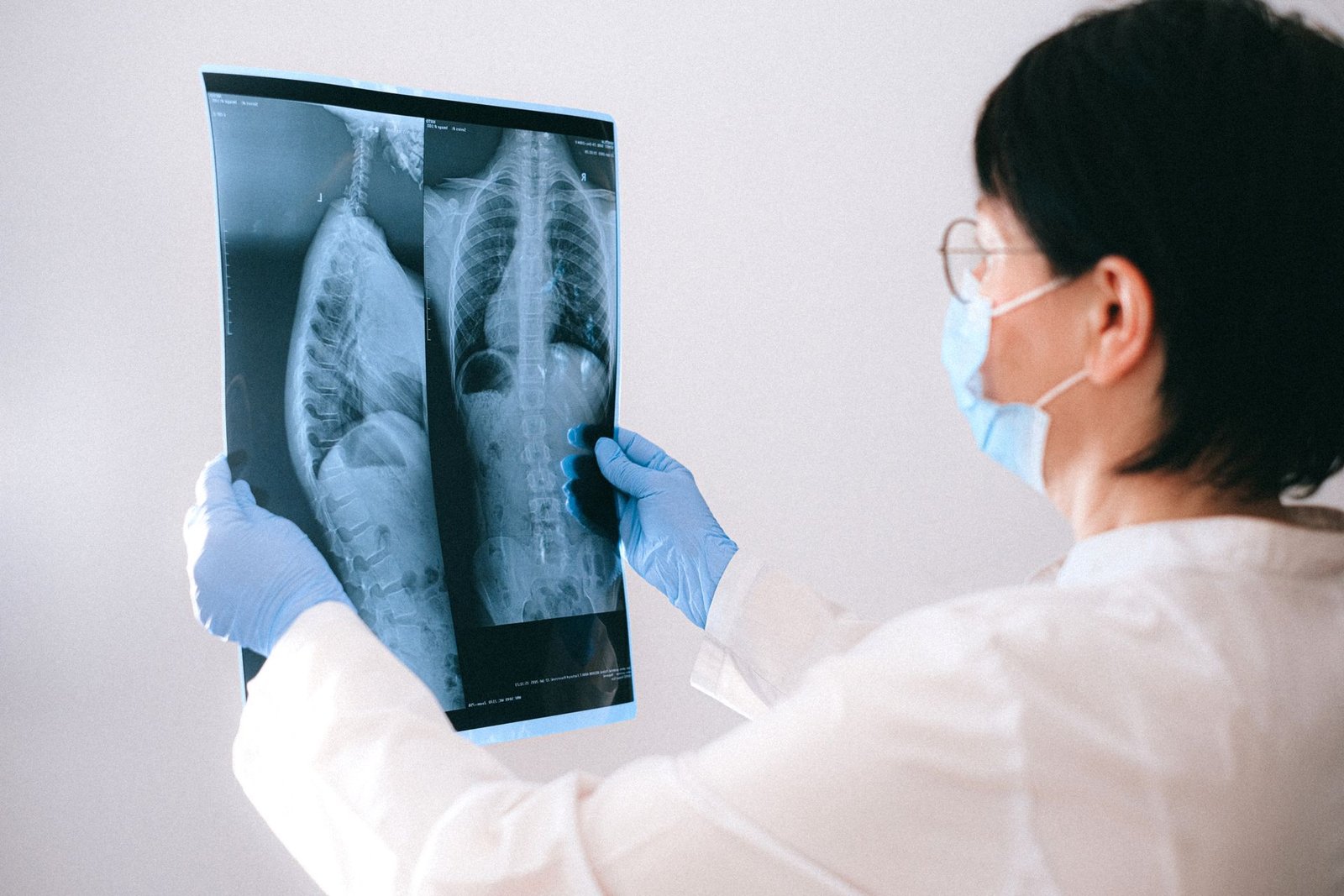
Absolutely not. The 40% reduction target for BREATHE 2026 is a critical milestone, but it is just the beginning of a much longer journey. The ultimate goal is to achieve the National Ambient Air Quality Standards (NAAQS), which prescribe an annual average PM10 concentration of 60 micrograms per cubic metre. The World Bank-supported project in Delhi runs until 2033, and India’s vision for ‘Viksit Bharat 2047’ includes clean air as a fundamental pillar of a developed and sustainable nation.
1 thought on “BREATHE 2026: India’s Bold Clean Air Mission”