
Description:
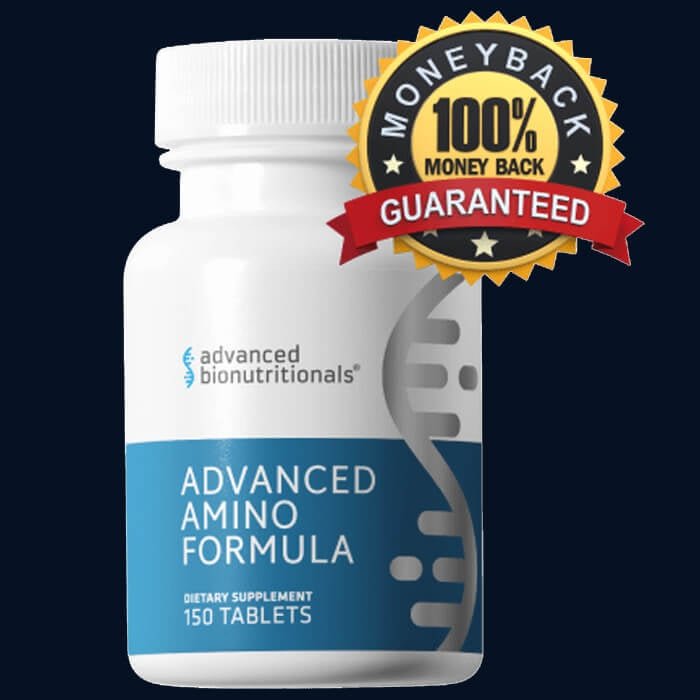
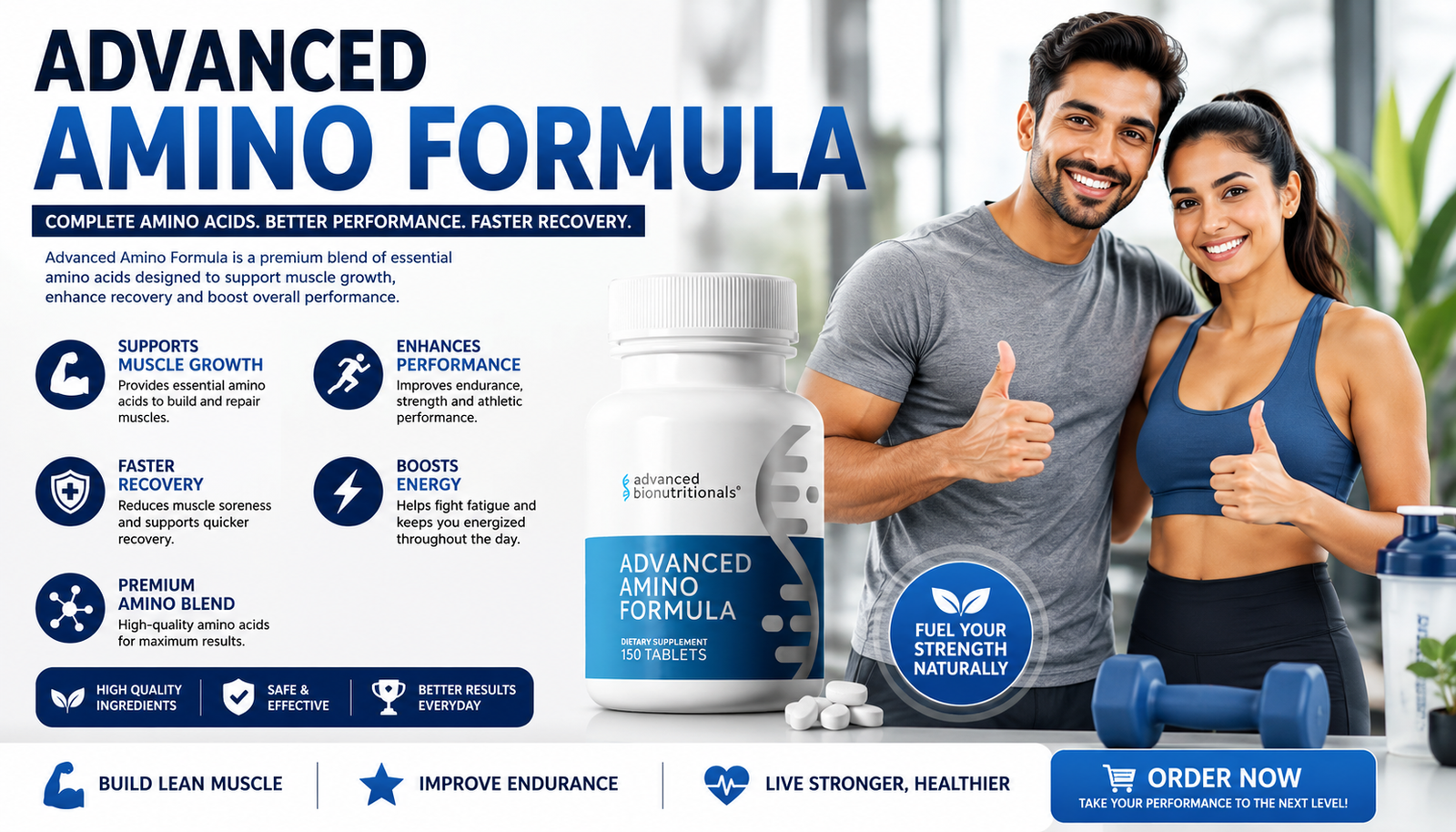
Navigating the world of health supplements can feel overwhelming, filled with complex terms and bold promises. This comprehensive guide serves as your definitive resource for understanding Amino Formula Supplements in clear, simple language. We break down the essential science behind these powerful nutrients, explaining how they act as the fundamental building blocks for everything from muscle tissue and enzymes to brain chemicals and immune cells. You will discover the concrete, multifaceted benefits of incorporating a quality Amino Formula Supplement into your routine, extending far beyond gym performance to enhance daily energy, mental focus, recovery, and overall wellness. The article provides a meticulous, step-by-step framework for selecting a safe and effective product, teaching you how to decode labels, identify key ingredients, and avoid common pitfalls. We address prevalent myths with factual clarity, offer relatable insights from an Indian context, and explore the latest advancements in plant-based formulations. Whether you are a student, a working professional, a fitness enthusiast, or simply someone seeking to proactively support your health, this guide empowers you with the knowledge to make an informed, confident decision about Amino Formula Supplements and how they can fit meaningfully into your lifestyle.
1. Understanding the Fundamental Role of Amino Formula Supplements in Human Physiology
To grasp the significance of Amino Formula Supplements, one must first understand their foundational role in human biology. These supplements are not mere synthetic concoctions but concentrated sources of organic compounds known as amino acids, which are the critical building blocks of all life processes. Imagine the human body as an immensely complex and dynamic construction site, perpetually engaged in building, repairing, and renovating its structures—from muscle tissue and organ systems to enzymes and skin. The primary raw material for this endless project is protein, and every protein molecule is itself a chain of smaller units called amino acids. There are twenty standard amino acids involved in this process, nine of which are classified as “essential,” meaning the human body lacks the biochemical machinery to synthesize them independently; they must be procured exogenously through dietary intake. This is where the modern utility of Amino Formula Supplements becomes profoundly evident. In a world where dietary patterns are often erratic, nutritionally incomplete, or deficient in high-quality protein sources, these supplements serve as a strategic, bioavailable reservoir of these essential and conditionally essential compounds. They bypass the need for extensive digestion of whole proteins, offering “free-form” aminos that are rapidly absorbed into the bloodstream and shuttled to cells where they are urgently needed. This direct delivery supports a vast array of physiological functions: facilitating the synthesis of structural proteins for muscle maintenance and recovery, serving as precursors for neurotransmitters that regulate mood and cognitive focus, enabling the production of hormones and enzymes that govern metabolism, and bolstering the immune system by providing the substrate for antibody formation. Therefore, incorporating a high-quality Amino Formula Supplement is less about introducing a foreign substance into the body and more about optimizing the fundamental substrate availability for its most basic, life-sustaining anabolic processes, ensuring that the biological construction project never stalls due to a lack of essential raw materials.
2. A Detailed Examination of the Multifaceted Benefits of Consistent Supplementation

The consistent, daily integration of Amino Formula Supplements into one’s nutritional regimen confers a spectrum of synergistic benefits that extend far beyond the simplistic goal of muscle building. The most recognized advantage lies in the preservation and support of lean body mass. Skeletal muscle is in a constant state of turnover, breaking down and rebuilding through processes known as catabolism and anabolism. Amino Formula Supplements, particularly those rich in the Branched-Chain Amino Acids (leucine, isoleucine, valine), provide a direct signal to muscle tissue to prioritize protein synthesis, thereby creating a net anabolic environment. This is crucial not only for athletes but also for aging populations experiencing sarcopenia, individuals in caloric deficit, or anyone subjected to physical stress, as it helps maintain metabolic rate and functional strength. Secondly, these supplements play a pivotal role in energy production and mitigation of fatigue. Unlike stimulants that provoke a sympathetic nervous system response, amino acids like L-carnitine and the BCAAs are intrinsically involved in mitochondrial fatty acid oxidation and the cellular energy cycle (Krebs cycle), facilitating a more sustainable and jitter-free generation of adenosine triphosphate (ATP). This translates to reduced perceptions of exertion during physical tasks and diminished mental fog during cognitive demands. A third, critical benefit is neurological and psychological support. Amino acids such as tryptophan are the direct precursors to serotonin, a key neurotransmitter governing mood, sleep, and appetite, while tyrosine is essential for the production of dopamine and norepinephrine, which modulate motivation, focus, and stress response. By ensuring an adequate supply of these precursors, Amino Formula Supplements can positively influence neurochemical balance. Furthermore, they contribute to systemic detoxification processes (e.g., methionine in glutathione synthesis), enhance nitrogen balance for overall protein economy, and support the integrity of connective tissues, hair, and nails. Thus, the daily use of a comprehensive Amino Formula Supplement acts as a broad-spectrum nutritional insurance policy, underpinning physical vitality, mental clarity, and long-term physiological resilience.
3. A Critical Framework for Selecting Safe and Effective Amino Formula Supplements

Navigating the marketplace to select a superior and safe Amino Formula Supplement requires a discerning approach that prioritizes scientific formulation over marketing hyperbole. The first and most critical step is a meticulous examination of the amino acid profile disclosed on the Supplement Facts panel. A premium formula should explicitly list all nine Essential Amino Acids (EAAs)—histidine, isoleucine, leucine, lysine, methionine, phenylalanine, threonine, tryptophan, and valine—in significant quantities, as the absence or insufficiency of any one can limit the efficacy of the entire supplement, a principle known as the limiting amino acid effect. The ratio of these aminos, particularly a higher leucine content (often around a 2:1:1 ratio for BCAAs), is a key anabolic trigger. Secondly, the source and form of the amino acids are paramount. Supplements may derive from hydrolyzed whey or egg protein, vegan sources like fermented pea or rice, or be synthesized through microbial fermentation. The choice here aligns with dietary restrictions and ethical preferences, but the key metric is the provision of peptides and free-form aminos for rapid absorption. Thirdly, scrutinize the ingredient list for unnecessary additives, such as artificial sweeteners (acesulfame potassium, sucralose), colors, thickeners, or excessive fillers, which can detract from purity and potentially cause gastrointestinal distress. The hallmark of a trustworthy brand is transparency, often evidenced by voluntary third-party certifications from organizations like NSF International, Informed-Sport, or USP, which verify label accuracy, potency, and the absence of contaminants like heavy metals or banned substances. Additionally, consider the product’s intended use: a post-workout recovery blend may emphasize BCAAs and glutamine, while a general wellness formula might offer a balanced full-spectrum EAA profile. Consumer due diligence should extend to researching the manufacturer’s reputation, Good Manufacturing Practice (GMP) compliance, and the availability of independent lab assay results. Ultimately, selecting an optimal Amino Formula Supplement is an exercise in informed consumerism, where safety, purity, and a scientifically-backed amino acid matrix take precedence over flavor, packaging, or celebrity endorsement.
4. Chronobiology and Methodology: Optimizing the Timing and Administration of Amino Formula Supplements
The pharmacokinetic principles governing amino acid absorption and utilization necessitate thoughtful consideration of timing and administration methods to maximize the efficacy of Amino Formula Supplements. The concept of nutrient timing is predicated on the body’s fluctuating metabolic windows and hormonal milieu throughout the day. For the goal of augmenting muscle protein synthesis (MPS) and exercise performance, strategic timing is particularly impactful. Consuming a dose of Amino Formula Supplements, particularly a fast-absorbing EAA/BCAA blend, approximately 30 minutes prior to resistance or endurance training can elevate plasma amino acid levels, creating an anti-catabolic environment that spares muscle glycogen and reduces intramuscular fatigue indicators like serotonin production. Intra-workout supplementation, often in a diluted liquid form, serves to maintain this elevated aminoemic state, potentially delaying central fatigue and supporting hydration if electrolytes are included. The most scientifically supported window is the post-exercise period, often called the “anabolic window.” Ingesting a serving within 30 to 60 minutes after training capitalizes on heightened insulin sensitivity and increased blood flow to skeletal muscle, thereby driving amino acids into muscle cells to acutely stimulate MPS and initiate the repair of exercise-induced microtrauma. For non-training days or general wellness applications, distributing doses—such as one upon waking and another between meals—can help sustain a positive nitrogen balance and provide a steady stream of neurotransmitter precursors, mitigating energy dips and supporting cognitive function. The administration method is straightforward: most powdered formulations are designed to be mixed with cold or room-temperature water to preserve integrity, as extreme heat can denature amino acids. Using a shaker bottle ensures homogenous dissolution. Consistency in daily intake, aligned with one’s personal circadian rhythm and activity patterns, is ultimately more consequential than obsessing over precise minute-by-minute timing. Therefore, developing a habitual routine for taking your Amino Formula Supplement that seamlessly integrates into your lifestyle will yield greater long-term adherence and benefits than a complex, unsustainable protocol.
5. Deconstructing Prevalent Misconceptions Surrounding Amino Formula Supplements

The public discourse on Amino Formula Supplements is often clouded by misinformation and outdated generalizations that require clear, evidence-based correction. A pervasive myth asserts that these supplements are exclusively the domain of competitive bodybuilders or elite athletes. This is a reductive fallacy. While these populations certainly utilize them for performance edge, the fundamental role of amino acids in basic physiology makes them relevant for a broad demographic: office workers combating sedentary muscle atrophy, seniors facing age-related anabolic resistance, individuals on weight-loss regimens seeking to preserve lean mass, students enduring cognitive loads, and vegetarians/vegans ensuring complete protein intake. Another common, fear-based misconception is that protein and amino acid supplementation inherently strains renal function. Robust clinical evidence indicates that in individuals with healthy, normally functioning kidneys, a high protein intake or standard supplemental doses of amino acids pose no adverse risk; the kidneys adapt efficiently to the increased nitrogen load. The caution applies strictly to those with pre-existing, diagnosed chronic kidney disease, for whom any dietary modification should be supervised by a nephrologist. A third myth posits that a “perfect diet” renders supplements obsolete. In theory, this is valid, but in pragmatic reality, factors like soil depletion affecting crop nutrition, bioavailability issues, digestive efficiency, modern food processing, and the sheer logistical challenge of consuming adequate high-quality protein at every meal create nutritional gaps that a well-formulated Amino Formula Supplement can effectively bridge. Finally, the “more is better” axiom is dangerously misleading. Amino acids compete for cellular transport mechanisms; excessive, unbalanced intake of single aminos can disrupt the absorption and homeostasis of others, potentially causing antagonistic effects. Adherence to recommended serving sizes on quality products ensures a balanced, physiological dose. Dispelling these myths is crucial for fostering a rational, informed perspective that recognizes Amino Formula Supplements as a practical tool for nutritional optimization, not a mysterious or risky substance.
6. Contextualizing Efficacy: Anecdotal and Observational Evidence from the Indian Demographic

Examining the practical impact of Amino Formula Supplements within the specific socioeconomic, dietary, and lifestyle context of India provides compelling, relatable evidence of their utility. Consider the case of Vikram, a 45-year-old auto-rickshaw driver in Chennai. His profession demands long hours in a sedentary yet physically jarring posture, coupled with irregular meal times often reliant on street food high in carbohydrates but low in bioavailable protein. Chronic lower back pain from weak postural muscles and persistent fatigue were his norm. Upon a nutritionist’s advice, he began taking a single daily serving of a complete EAA supplement mixed with his morning tea. Within a month, he reported a notable reduction in muscular aches, attributing it to better “body strength,” and found his energy levels more sustained throughout his grueling shifts, reducing his dependence on sugary snacks. In another scenario, Ayesha, a 28-year-old IT professional and new mother in Bangalore, struggled with postpartum recovery, sleep deprivation, and the mental load of returning to work. Her hair loss and brittle nails were pronounced. She incorporated a collagen peptide-based Amino Formula Supplement, rich in glycine and proline, into her nightly routine. Over several weeks, she observed not only improved hair thickness and nail strength but also subjective improvements in sleep quality and skin elasticity, which she linked to the supplement’s support for her body’s repair processes during limited rest. For young athletes like Kabir, a college-level cricketer in Delhi, using a targeted BCAA formula during intense training camps helped mitigate muscle soreness and perceived exertion under the hot sun, aiding recovery between matches. These narratives, while anecdotal, underscore a consistent theme: Amino Formula Supplements address tangible quality-of-life issues—fatigue, recovery, tissue integrity—that are prevalent in fast-paced, often nutritionally-compromised modern Indian lives, offering a accessible nutritional intervention that complements traditional dietary patterns.
7. The Vegan Imperative: Advances in Plant-Derived Amino Formula Supplements
The global and national shift towards plant-based diets has catalyzed significant innovation in the domain of vegan Amino Formula Supplements, moving them from inferior substitutes to sophisticated, stand-alone nutritional solutions. Historically, the criticism of plant proteins centered on their “incomplete” amino acid profiles—most individual plant sources (e.g., rice, pea) are deficient in one or more essential amino acids, typically lysine or methionine. Modern supplement science has elegantly overcome this limitation through strategic blending. By combining complementary plant proteins, such as pea protein (rich in lysine but lower in methionine) with rice protein (higher in methionine but lower in lysine), formulators can create a composite amino acid profile that meets or exceeds the FAO/WHO reference pattern for essential amino acids, rendering the supplement “complete.” Furthermore, advancements in fermentation and hydrolysis techniques now allow for the production of isolated, free-form amino acids from plant sources like corn or cassava, which are identical in molecular structure to those found in animal tissue and are 100% vegan. These plant-derived Amino Formula Supplements offer distinct advantages: they are inherently lactose-free and often easier to digest for those sensitive to dairy, align with ethical and environmental concerns regarding animal agriculture, and can be derived from non-GMO and organic sources. For the growing population of health-conscious Indians adopting vegetarian or vegan lifestyles—whether for religious, ethical, or health reasons—these supplements ensure that their increased risk of deficiencies in specific EAAs is effectively mitigated. The choice between plant and animal-derived formulas is no longer a choice between efficacy and ethics; contemporary plant-based Amino Formula Supplements deliver on both fronts, providing a potent, sustainable, and bioequivalent source of the fundamental building blocks required for human health and performance.
8. Pharmacokinetic and Synergistic Considerations: Ideal and Contraindicated Combinations

To harness the full potential of Amino Formula Supplements, one must understand not only their standalone function but also their pharmacokinetic interactions with other nutrients and substances. The ideal vehicle for ingestion is plain or lightly flavored water. This ensures rapid gastric emptying and intestinal absorption, as the supplement does not have to compete with the complex digestive processes required for fats, fibers, or large quantities of other macronutrients. For enhanced post-workout recovery, mixing a supplement with a simple carbohydrate source (e.g., dextrose, coconut water) can be beneficial, as the concomitant insulin spike potentiates the cellular uptake of amino acids into muscle tissue. However, several combinations should be approached with caution or avoided. Consistently taking Amino Formula Supplements with a large, high-fat, high-fiber meal can significantly delay their absorption, negating the advantage of rapid bioavailability. High heat, as in hot coffee or tea, can degrade certain heat-sensitive aminos. Pharmacologically, one must be wary of potential antagonisms; for example, high doses of individual branched-chain amino acids can interfere with the transport of tryptophan (and thus serotonin production) across the blood-brain barrier, which is why balanced formulas are preferred. Furthermore, individuals taking Levodopa (L-DOPA) medication for Parkinson’s disease should avoid high-dose tyrosine supplements, as they compete for absorption. Those on MAOI antidepressants must avoid tyramine-rich compounds, though this is less relevant for standard supplements. The foundational rule is synergy with a whole-food diet: these supplements are designed to complement dietary protein, not replace it. Therefore, the most effective protocol involves taking the supplement in a fasted state or between meals for optimal absorption, while maintaining a diet rich in diverse protein sources, complex carbohydrates, and healthy fats to support overall metabolic health and the utilization of the supplemented aminos.
9. Recognizing Physiological and Lifestyle Indicators for Amino Formula Supplementation

The decision to initiate supplementation with Amino Formula Supplements should be guided by a confluence of subjective symptoms and objective lifestyle factors that signal a potential deficiency or elevated requirement. Physiologically, one of the most telling indicators is persistent, unrefreshing fatigue and low vitality that persists despite adequate sleep. This may point to compromised cellular energy production, for which amino acids like carnitine (fatty acid transport) and the BCAAs (energy substrate in muscle) are co-factors. Another cardinal sign is protracted recovery from physical activity; muscle soreness (DOMS) lasting beyond 72 hours, frequent minor injuries, or a general feeling of being “worn down” suggest that the body’s repair mechanisms are lagging due to insufficient protein synthesis substrates. Dermatological manifestations—such as thinning hair, brittle nails that peel or break easily, and slow wound healing—are external markers of compromised connective tissue integrity, heavily reliant on amino acids like proline, glycine, and lysine for collagen formation. Neurological and mood-related symptoms, including brain fog, difficulty concentrating, low mood, and heightened anxiety, can be linked to suboptimal levels of neurotransmitter precursors (tryptophan, tyrosine, phenylalanine). From a lifestyle perspective, clear indicators include: adherence to a calorie-restricted or imbalanced diet (e.g., high-carb, low-protein Indian diets), vegan/vegetarian diets without careful protein combining, age over 50 (due to anabolic resistance), engagement in regular moderate to intense physical training, chronic stress (which increases catabolic hormone output), and recovery from illness or surgery. If multiple of these signs and lifestyle factors are present, it presents a compelling, evidence-based rationale for considering a trial of a high-quality, full-spectrum Amino Formula Supplement to address these potential nutritional insufficiencies at their metabolic root.
10. A Comprehensive, Sequential Protocol for Initiating and Evaluating Amino Formula Supplementation

Embarking on a regimen with Amino Formula Supplements warrants a structured, mindful approach to ensure safety, efficacy, and personal relevance. The following step-by-step protocol provides a comprehensive framework. Step 1: Medical Consultation and Baseline Assessment. Prior to introducing any new supplement, a consultation with a healthcare provider is non-negotiable, particularly for individuals with pre-existing conditions (renal, hepatic, metabolic) or those on prescription medications. Establishing baseline health metrics is prudent. Step 2: Precise Goal Definition. Articulate specific, measurable objectives: Is the aim to “improve post-workout recovery,” “enhance daily energy levels,” “support muscle mass during weight loss,” or “improve hair and nail quality”? This clarity directly informs product selection. Step 3: Rigorous Product Research and Selection. Apply the criteria from Section 3: seek a complete EAA profile, clean ingredient list, third-party certifications, and a reputable manufacturer. Invest time in analyzing independent reviews and, if possible, lab assay reports. Step 4: Conservative Initiation and Titration. Begin with a dose at approximately 50% of the manufacturer’s recommendation for the first 3-5 days to assess individual gastrointestinal tolerance and general response. Step 5: Strategic Timing Integration. Align consumption with your defined goals and daily rhythm (e.g., post-workout, between meals, pre-bed). Use calendar alerts to build consistency. Step 6: Optimized Preparation and Administration. Mix the powder thoroughly with cold water in a dedicated shaker. Do not premix large batches to avoid degradation. Step 7: Systematic Self-Monitoring. Maintain a simple journal for 4-6 weeks, noting subjective changes in energy, recovery, mood, sleep, and physical appearance. Objective measures like workout performance or body composition (if applicable) can also be tracked. Step 8: Evaluation of Dietary Context. Ensure the supplement is part of a holistic nutritional strategy. Audit your whole-food protein intake and strive for a balanced diet; the supplement is an adjunct, not a replacement. Step 9: Hydration and Lifestyle Synergy. Increase water intake to support amino acid metabolism and renal function. Pair supplementation with other recovery modalities like sleep hygiene and stress management. Step 10: Periodic Re-assessment and Cycle Planning. After 8-12 weeks, conduct a formal review of your initial goals. Determine if benefits justify continued use. Consider cycles—such as 3 months on, 1 month off—to assess the body’s native response and prevent psychological dependency. This methodical, ten-step protocol transforms the act of taking an Amino Formula Supplement from a speculative experiment into a data-informed, personalized component of a proactive health strategy.
Conclusion:
In conclusion, Amino Formula Supplements represent a significant tool in modern nutritional science, offering a direct and efficient means to support the body’s most basic physiological processes. As we have explored, these supplements are not a mysterious or niche product but a concentrated source of the essential amino acids that are critical for maintaining muscle integrity, generating sustainable energy, regulating mood and cognition, and supporting overall systemic function. The journey to selecting the right product begins with education—understanding your personal health goals, learning to identify a complete and clean formula from a reputable source, and recognizing the signs that your body may benefit from this nutritional support. It is vital to remember that Amino Formula Supplements are designed to complement a balanced diet and healthy lifestyle, not replace whole foods or serve as a quick fix for poor habits. By approaching supplementation with this mindful perspective, you can harness their potential to fill dietary gaps, enhance recovery, and elevate your daily well-being. We encourage you to use the information and actionable steps provided in this guide as a foundation for your own exploration. Consult with a healthcare professional, start with a quality product, listen to your body’s responses, and take a consistent, patient approach. Ultimately, the informed and responsible use of Amino Formula Supplements can be a powerful component of your long-term strategy for sustained health, vitality, and resilience.
1 thought on “Amino Formula Supplements 2026: Ultimate Guide & Review”