



Description:


This guide explains personal branding in 2026 in a clear and practical way for students, young professionals, teachers, small business owners, and anyone who wants to be known for something valuable. It begins by showing that personal branding is not about becoming famous or collecting followers; it is about building a reputation that people can trust before they meet you. The guide then explains why 2026 is different, because recruiters, clients, and collaborators now search your name online and form opinions within seconds. It introduces simple Indian stories of people who started small and built recognisable professional identities through clarity, consistency, and honesty. The guide then presents a five-step framework: choose one clear niche, select one platform, share proof of work, engage genuinely in comments, and review your progress regularly. It explains why personal branding works best when you focus on one specific audience instead of trying to appeal to everyone. It also shows how to use LinkedIn as a professional landing page, how to build credibility through projects and lessons, and how to avoid common mistakes such as copying others, chasing vanity metrics, or waiting until you feel ready. The guide discusses the role of AI and explains that personal branding in the AI era must sound human, specific, and honest. It offers a simple weekly routine that takes only forty minutes and still builds momentum over a year. It also explains how to measure success through opportunities, trust, and clarity rather than likes and follower counts. Throughout the guide, the language is simple, the examples are relatable, and the advice is actionable. The purpose is to help readers understand that personal branding is already happening whether they intend it or not, and that the only real question is whether they will build it on purpose. By the end, readers should feel confident that they do not need a big budget, a big city address, or a big team to start building a professional brand that opens doors and earns respect.
1.Personal Branding Is the Reputational Story That Precedes You into Every Room

Personal branding in 2026 is not a vanity project for influencers; it is the sum total of every signal you emit—your LinkedIn headline, the tenor of your comments, the clarity of your project write-ups, the professionalism of your profile photograph, and the consistency with which you show up. First, personal branding begins with the recognition that people now search your name before they meet you, which means your digital footprint functions as a pre-interview. Second, it requires you to understand that recruiters, clients, and collaborators form judgments within seconds, so every element of your online presence must cohere around a single, legible identity. Third, personal branding is not about self-promotion; it is about making your value easy to find, easy to trust, and easy to remember. Fourth, the old career path—study hard, earn a degree, apply for jobs—still exists, but it is no longer the safest route, because average credentials are now abundant while distinct reputations are scarce. Fifth, personal branding operates as a bridge between your actual capabilities and the audience that needs to know about them; without that bridge, talent remains invisible. Sixth, every small signal contributes to your personal branding: the questions you ask in comments, the way you frame a failure as a lesson, the generosity with which you share others’ work. Seventh, personal branding is not a one-time task but a habit—a rhythm of small, repeated actions that compound over months and years. Eighth, the professionals who thrive in 2026 are those who treat personal branding as a basic professional skill, as essential as writing a clear email or speaking confidently in a meeting. Ninth, you are already engaged in personal branding whether you intend to or not; the only question is whether you are doing it deliberately or accidentally. Tenth, the most powerful personal branding is built on authenticity rather than imitation, because audiences in 2026 have become adept at detecting manufactured personas and reward those who speak with a genuine human voice.
2. Personal Branding Demands a Clear Niche Rather Than a Scattered Presence
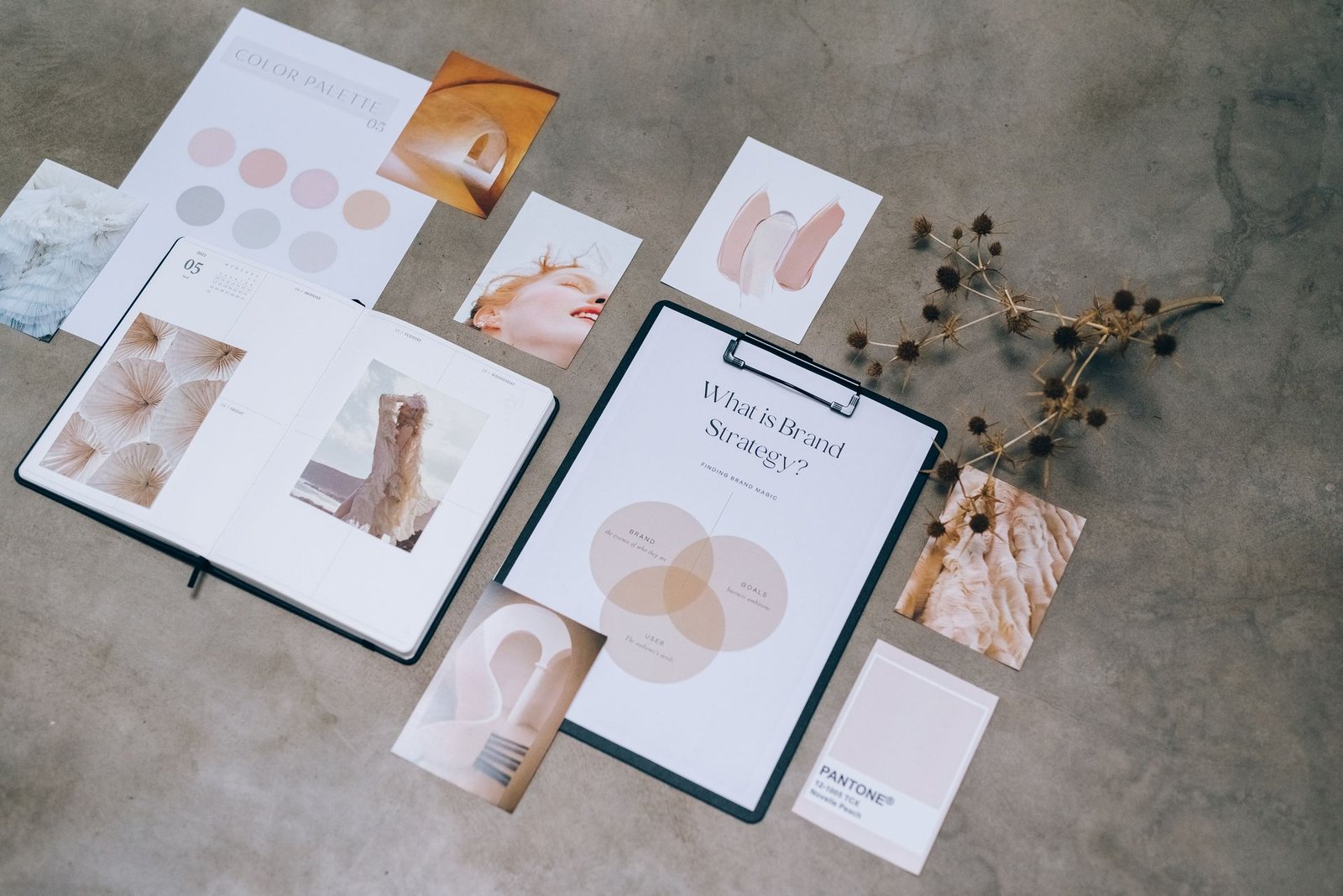

Personal branding fails when it tries to encompass everything; it succeeds when it narrows to a single, defensible territory. First, the most common error in personal branding is posting about motivation on Monday, cooking on Tuesday, and cryptocurrency on Wednesday—a pattern that leaves audiences confused and algorithms uncertain about whom to show your content to. Second, a strong personal branding strategy begins with one clear niche, which need not be a permanent commitment but must be a definite starting point. Third, your niche should sit at the intersection of three variables: what you are demonstrably good at, what you genuinely enjoy discussing, and what a specific audience actually needs. Fourth, personal branding becomes actionable when you can complete a simple formula: “I help [specific audience] do [specific thing] through [your approach].” Fifth, a student who loves coding might build personal branding around helping beginners learn Python through daily micro-lessons, while a small-town teacher might focus on helping local shop owners understand digital payments. Sixth, personal branding does not require cleverness; it requires clarity, because clarity enables the right people to recognize you and recommend you without hesitation. Seventh, writing your niche statement in your LinkedIn headline and repeating it in conversations trains both you and your audience to associate your name with a specific value. Eighth, personal branding gains momentum when your content consistently reinforces the same niche rather than chasing trending topics that dilute your identity. Ninth, a clear niche does not limit your curiosity; it provides a stable center from which you can explore adjacent ideas without confusing your audience. Tenth, personal branding ultimately rewards specificity over breadth, because a reputation for one thing done well travels farther than a reputation for many things done adequately.
3. Personal Branding Requires Choosing One Platform and Maintaining a Consistent Rhythm


Personal branding collapses under the weight of trying to be everywhere; it flourishes when you choose one or two platforms and commit to a sustainable rhythm. First, personal branding on LinkedIn is particularly potent in India because recruiters, founders, and decision-makers spend significant time there, and only about one percent of users post weekly while that small group captures billions of impressions. Second, personal branding on Instagram suits visual storytelling and behind-the-scenes authenticity, while YouTube excels at teaching and building deep trust over time. Third, the platform matters less than the consistency of your personal branding; a single well-chosen channel used regularly outperforms five neglected profiles. Fourth, personal branding grows through small daily actions—ten minutes of commenting, one short post sharing a learning, one genuine connection request—rather than through occasional grand gestures. Fifth, a weekly rhythm of forty minutes—ten minutes on Monday, fifteen on Wednesday, ten on Friday, five on Sunday—accumulates to over thirty-four hours of intentional personal branding in a year. Sixth, personal branding requires patience because visibility compounds slowly and then suddenly; the first month may feel invisible, but the sixth month reveals the cumulative effect. Seventh, personal branding benefits from batching content creation—writing three posts in one sitting and scheduling them—to reduce the friction that leads to abandonment. Eighth, personal branding should not become a source of burnout; if a platform feels draining, switch to one that energizes you, because sustainability is more important than spectacle. Ninth, personal branding thrives when you treat your chosen platform as a practice ground rather than a performance stage, allowing yourself to learn in public without demanding perfection. Tenth, personal branding achieves its greatest impact when consistency meets generosity—showing up regularly not to broadcast but to contribute, question, and connect.
4. Personal Branding on LinkedIn Begins with a Profile Engineered Like a Landing Page

Personal branding on LinkedIn in 2026 requires treating your profile not as a static resume but as a dynamic landing page that converts visitors into believers within five seconds. First, personal branding starts with a clean, professional headshot—not an expensive studio portrait, but a well-lit photograph with a simple background that signals approachability and competence. Second, personal branding demands a headline that explicitly states whom you help and how, replacing generic labels like “Student at XYZ College” with specific value propositions like “Aspiring Data Analyst | Learning Python and Statistics | Sharing My Journey.” Third, personal branding requires an “About” section written in the first person, as though you are speaking to a real person, including a brief story, a challenge overcome, and a clear statement of whom you serve. Fourth, personal branding gains credibility when your profile includes tangible proof—a project, a certificate, a recommendation, or a small win—because claims without evidence are easily dismissed. Fifth, personal branding benefits from a banner image that reinforces your niche visually, creating immediate context for visitors. Sixth, personal branding on LinkedIn requires regular updates to your featured section, where you can showcase articles, posts, or media that demonstrate your expertise. Seventh, personal branding is strengthened by recommendations from colleagues, mentors, or clients, which function as third-party validation of your professional character. Eighth, personal branding should balance likability and credibility—roughly seventy percent human and thirty percent expert—according to Forbes, because audiences trust those who are both competent and relatable. Ninth, personal branding on LinkedIn involves engaging with your network’s content before expecting them to engage with yours, because reciprocity is the currency of professional relationships. Tenth, personal branding requires periodic auditing of your profile to ensure it still reflects your current niche, skills, and ambitions rather than a stale version of your past self.
5. Personal Branding Grows Through Proof of Work Rather Than Declarations of Intent
Personal branding becomes credible when it rests on visible evidence—proof of work—rather than on assertions of capability. First, personal branding should prioritize sharing a completed project and the lessons it yielded over posting motivational quotations that require no vulnerability. Second, personal branding gains depth when you document a mistake and the specific steps you took to rectify it, because audiences trust those who learn in public. Third, personal branding benefits from simple explanations of difficult concepts—a finance student demystifying a complex term in three sentences, for example—because teaching demonstrates mastery. Fourth, personal branding is reinforced by behind-the-scenes glimpses of your process, which humanize you and make your achievements feel attainable rather than intimidating. Fifth, personal branding thrives when you share a small win alongside the unglamorous steps that preceded it, because the journey is more instructive than the destination. Sixth, personal branding requires maintaining a “proof bank”—a running note on your phone where you record one line about every completed project, presentation, or success—so you never face a blank page when it is time to post. Seventh, personal branding becomes memorable when you consistently frame your proof of work around the needs of your audience rather than around your own desire for recognition. Eighth, personal branding should not wait for perfection; sharing a work-in-progress is often more engaging than sharing a polished final product, because it invites conversation. Ninth, personal branding gains momentum when proof of work is shared regularly rather than sporadically, because consistency signals reliability and professionalism. Tenth, personal branding ultimately rests on the recognition that people trust what they can see and verify, so the more tangible evidence you provide, the more durable your reputation becomes.
6. Personal Branding Is Built in the Comments Before It Is Built in the Posts
Personal branding is often most powerful in the comment section, where genuine engagement builds relationships faster than broadcasting into a void. First, personal branding benefits when you leave thoughtful comments on others’ posts, because you add value to the conversation while making your profile visible to the original poster’s audience. Second, personal branding is strengthened when your comments ask real questions rather than offering generic praise, because questions demonstrate curiosity and invite dialogue. Third, personal branding grows when you share a related experience in a comment, because stories create connection and make you memorable. Fourth, personal branding requires respectful disagreement when you hold a different view, because thoughtful dissent signals intellectual independence and attracts like-minded professionals. Fifth, personal branding is reinforced when you congratulate others on their wins, because generosity of spirit is a rare and attractive professional trait. Sixth, personal branding benefits from sharing someone else’s work with your audience, because amplification builds goodwill and positions you as a connector. Seventh, personal branding on platforms like LinkedIn is shaped by the algorithm, which rewards genuine engagement by showing your profile to more people. Eighth, personal branding should treat commenting as a daily practice—ten minutes of genuine engagement before you post your own content—because it primes your audience to receive your ideas warmly. Ninth, personal branding is built through the consistency of your presence in others’ comment threads, which signals that you are a reliable and supportive member of your professional community. Tenth, personal branding ultimately depends on how you make others feel, and the comment section is where that feeling is most directly created—through attention, respect, and genuine interest in others’ ideas.
7. Personal Branding in the AI Era Requires Amplifying Humanity Rather Than Mimicking Machines

Personal branding in 2026 unfolds in a landscape saturated with AI-generated content, which means that human authenticity has become the scarcest and most valuable currency. First, personal branding must recognize that AI can produce competent articles, images, and videos in seconds, rendering average, generic content invisible. Second, personal branding gains distinction when it foregrounds lived experience—your specific mistakes, your particular context, your unique lessons—because these cannot be replicated by algorithms. Third, personal branding should use AI as a tool for brainstorming, research, and editing while refusing to let it replace your voice or fabricate your experience. Fourth, personal branding is strengthened by Forbes’s observation that “real is the new remarkable,” meaning audiences in 2026 reward vulnerability and specificity over polish and pretense. Fifth, personal branding requires you to share your real voice—your cadence, your humor, your hesitations—because these human textures create emotional connection. Sixth, personal branding benefits from documenting your learning journey in public, including the moments of confusion and the gradual acquisition of mastery. Seventh, personal branding should not fear imperfection, because polished AI content often feels hollow while authentic human content, even if rough, feels trustworthy. Eighth, personal branding in the AI era demands that you resist the temptation to automate your relationships, because genuine connection requires your actual attention and care. Ninth, personal branding gains power when you use AI to amplify your humanity—by helping you reach more people with your real story—rather than to hide your humanity behind a curtain of generated content. Tenth, personal branding ultimately thrives on the recognition that in a world of infinite synthetic content, the rarest commodity is a real person speaking honestly about real things.
8. Personal Branding Is Measured by Opportunities and Trust Rather Than by Vanity Metrics
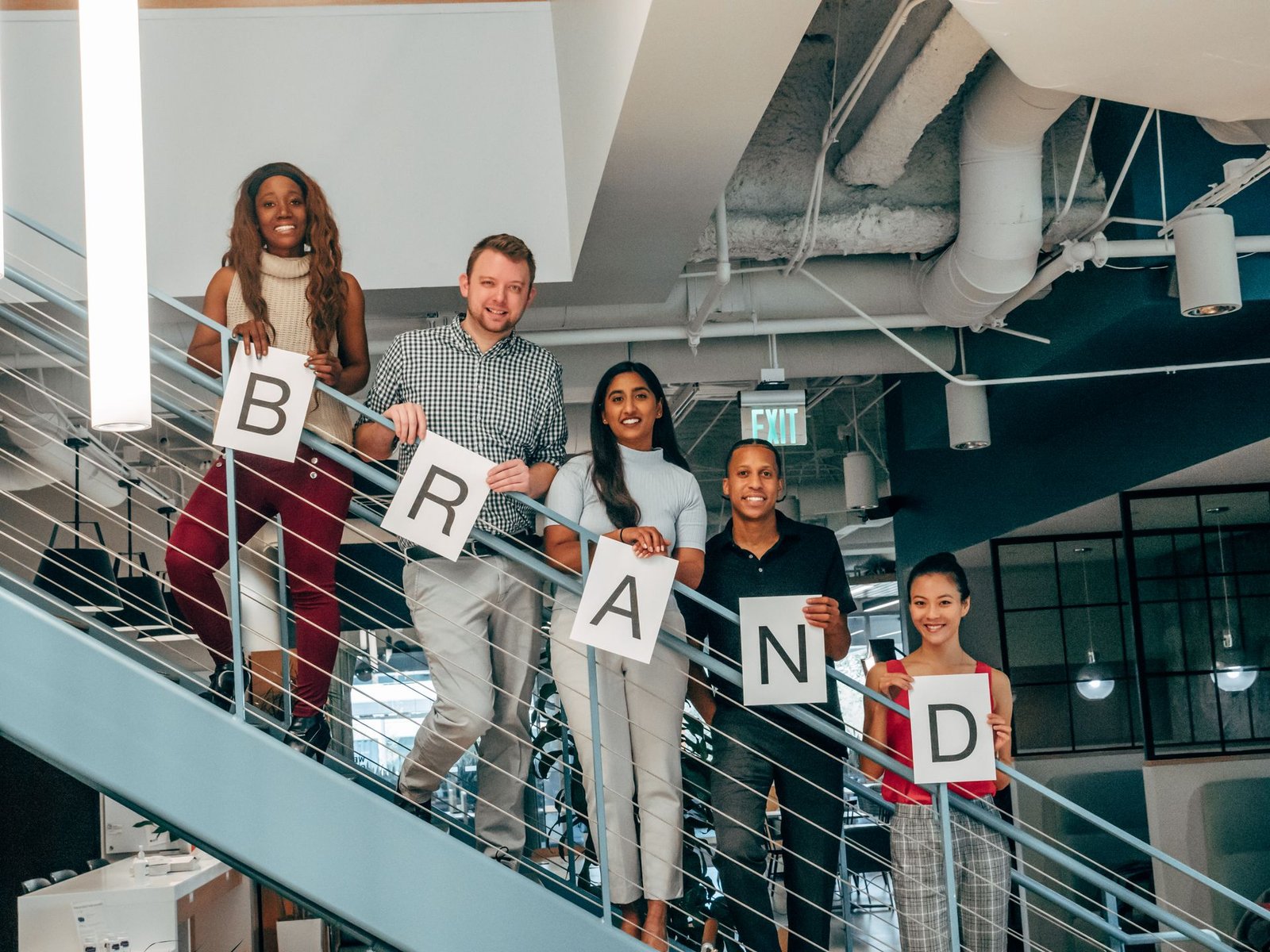

Personal branding requires a shift in measurement from superficial numbers to substantive outcomes that reflect genuine professional impact. First, personal branding should not be evaluated primarily by likes or follower counts, because these metrics can rise while your reputation remains shallow. Second, personal branding is better measured by inbound opportunities—questions, collaborations, job leads—that arrive because someone encountered your work and wanted to know more. Third, personal branding gains meaning when the quality of your connections improves, reflected in conversations with people who share your interests or challenge your thinking. Fourth, personal branding should be assessed by your ability to articulate your niche in a single sentence, because clarity is a leading indicator of brand strength. Fifth, personal branding is validated by growing confidence in discussing your work publicly, because comfort in self-expression signals internalized clarity. Sixth, personal branding benefits from tracking your consistency—how often you show up—because reliability is a prerequisite for trust. Seventh, personal branding should be understood as a compounding asset, where a modest investment in consistent content generates returns that accrue over months and years. Eighth, personal branding differs from advertising in that advertising buys attention for a season while branding earns trust for a lifetime. Ninth, personal branding requires patience with lagging indicators, because reputation often grows invisibly before it becomes visible in opportunities. Tenth, personal branding ultimately succeeds when your name evokes a specific, positive association in the minds of people you have never met, and that association translates into doors opening without your having to knock.
9. Personal Branding Falters When It Imitates Others or Waits for Readiness
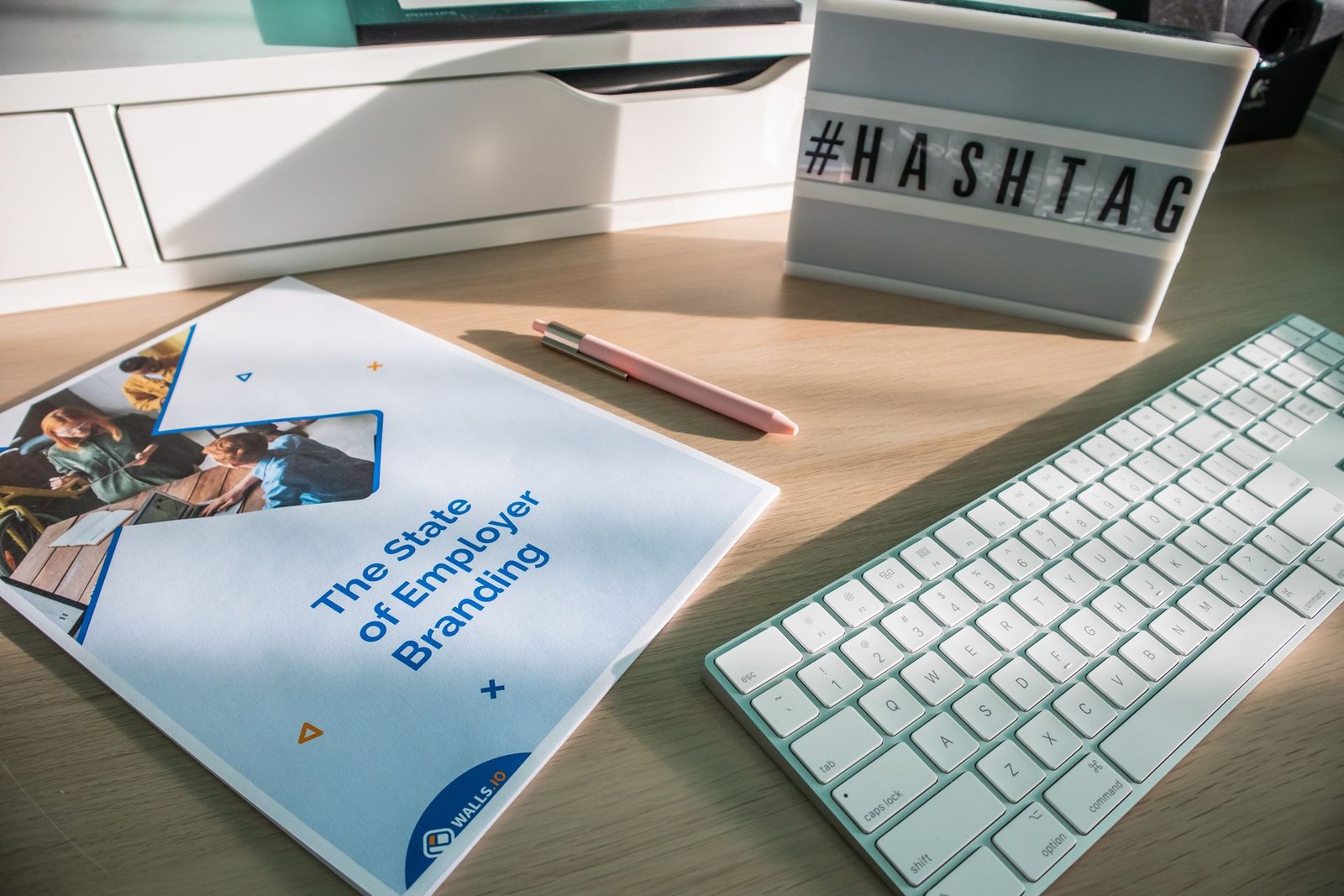
Personal branding encounters predictable obstacles, and recognizing them in advance can save years of misdirected effort. First, personal branding fails when you copy someone else’s style rather than developing your own voice, because audiences can detect imitation and reward originality. Second, personal branding weakens when you try to please everyone, because a brand that appeals to all audiences appeals to none. Third, personal branding loses credibility when you flex accomplishments every second post, because humble bragging repels the very people you hope to attract. Fourth, personal branding becomes invisible when you ghost your own audience for months, because consistency matters more than sporadic brilliance. Fifth, personal branding is undermined by neglect of visual details—a blurry headshot or a cluttered banner—because these signal carelessness before you have spoken a word. Sixth, personal branding suffers when you treat it as a one-time project rather than an ongoing habit, because reputation requires maintenance. Seventh, personal branding stalls when you wait until you feel ready, because readiness is an illusion and momentum comes from starting imperfectly. Eighth, personal branding is damaged when you chase trends that have nothing to do with your niche, because relevance is more valuable than virality. Ninth, personal branding falters when you compare your first month to someone else’s fifth year, because comparison without context breeds despair. Tenth, personal branding succeeds when you accept that your first post will be imperfect, your tenth will be better, and your hundredth will be a source of pride—provided you keep going.
10. Personal Branding Thrives on a Simple Weekly Routine That Respects Your Time

Personal branding does not require hours of daily effort; it requires a sustainable rhythm that fits into a busy student or professional life. First, personal branding can advance with ten minutes on Monday spent commenting genuinely on three posts related to your field. Second, personal branding grows with fifteen minutes on Wednesday dedicated to sharing one small piece of proof-of-work—a learning, a project update, or a simple explanation. Third, personal branding benefits from ten minutes on Friday spent sending one genuine connection request to someone you admire or want to learn from. Fourth, personal branding is sharpened by five minutes on Sunday spent reviewing your week: what worked, what felt good, what you will do differently. Fifth, personal branding accumulates to over thirty-four hours of intentional effort in a year through this forty-minute weekly routine. Sixth, personal branding should be adapted to your energy levels—if mornings are chaotic, schedule your routine for evenings; if weekdays are packed, batch your actions on weekends. Seventh, personal branding gains momentum when you track your consistency in a simple calendar, marking each day you complete your routine. Eighth, personal branding should not become a source of guilt; if you miss a week, resume without self-flagellation, because resilience matters more than perfection. Ninth, personal branding is strengthened by seasonal reviews—every three months, ask whether your niche still fits, whether your platform still serves you, and whether your content still reflects your growth. Tenth, personal branding ultimately rewards those who treat it as a long game, showing up week after week with small, honest contributions that gradually build a reputation sturdy enough to withstand the scrutiny of 2026’s hyper-connected world.
Conclusion:

Personal branding in 2026 is not a luxury for influencers; it is a basic professional skill that helps ordinary people become visible, trusted, and memorable. This guide has shown that personal branding begins with a simple shift in thinking: your reputation now travels online before you enter the room, so you must make that reputation clear and intentional. It has explained that a strong brand starts with one niche, not with trying to be everywhere and everything. It has shown why choosing one platform and showing up consistently matters more than occasional grand gestures. It has described how to build a LinkedIn profile that works like a landing page, how to share proof of work instead of empty opinions, and how to use comments to build real relationships. It has offered Indian stories of people who started small and built trust through honesty and consistency. It has explained how to use AI without losing your human voice, how to measure success through opportunities rather than likes, and how to avoid common mistakes such as imitation, people-pleasing, and waiting for readiness. It has provided a forty-minute weekly routine that busy students and professionals can actually follow. The key takeaway is simple: personal branding grows through small, repeated actions, not through one perfect post. You do not need to be famous. You do not need a big budget. You need a clear direction, a sustainable rhythm, and the patience to keep going. Start today with one small step, such as updating your headline, sharing one learning, or leaving one thoughtful comment. Your personal branding will not become strong overnight, but it will compound over time. The people who succeed are not always the most talented; they are often the most consistent. Build your brand on purpose, keep it honest, and let it open doors you cannot yet see.
FAQ About Personal Branding in 2026
1. What is personal branding in simple words?

Personal branding means the reputation people associate with your name. It is what they think, feel, and say about you when you are not in the room. In 2026, it is built through your online profiles, posts, comments, projects, and the way you treat others.
2. Do students really need personal branding?

Yes. Students benefit because recruiters and mentors now search names online before offering internships, jobs, or guidance. A simple LinkedIn profile, one clear interest, and a few honest posts can make a student stand out without needing years of experience.
3. How is personal branding different from being an influencer?

Personal branding is about trust and clarity, not fame. An influencer often depends on reach and attention. A professional brand depends on being known for something specific and being reliable. You can have strong personal branding with a small, focused audience.
4. Which platform is best for personal branding in India?

LinkedIn is often the strongest starting point for professional credibility in India. Instagram works well for visual stories, YouTube for teaching, and a blog or newsletter for long-form ideas. The best platform is the one you can use consistently without burning out.
5. How often should I post for personal branding?

Consistency matters more than frequency. Posting once or twice a week with genuine value is better than posting daily for two weeks and then disappearing. A forty-minute weekly routine of commenting, sharing one learning, and connecting with one person can build steady momentum.
6. Can I build personal branding without showing my face?

Yes, but it is harder. Showing your face builds trust faster because people connect with people. If you cannot show your face, use a clear professional photo, share your real voice, and focus on useful proof of work. Honesty matters more than visibility.
7. What should I post if I am just starting?

Share what you are learning. Post a small project, a lesson from a mistake, a simple explanation of a concept, or a question you are exploring. You do not need to be an expert. You need to be honest, specific, and useful to a clear audience.
8. How do I measure personal branding success?
Measure inbound opportunities, quality conversations, clarity of your message, and your own confidence. Likes and follower counts can feel good, but they are not the real goal. Trust, referrals, and doors opening are stronger signs that your brand is working.
9. Can AI help with personal branding?

AI can help with brainstorming, research, and editing. It should not replace your voice or fake your experience. Use AI to make your real ideas clearer, not to pretend to be someone you are not. Authenticity is the strongest advantage in 2026.
10. What is the first step I should take today?

Pick one small action. Update your LinkedIn headline to say whom you help and how. Share one piece of work you completed. Leave one thoughtful comment on a post in your field. Personal branding begins with one honest step, repeated over time.