



Description:


This comprehensive guide explains Strength Balance 2026, a global fitness trend that combines strength training with balance and core stability, and shows why balance exercises for seniors are at the heart of this movement. The American College of Sports Medicine ranked “Balance, Flow, and Core Strength” at number five in its 2026 worldwide fitness trends report, signalling a shift away from appearance-based goals and toward real-world capability. The post breaks down the simple science of balance: it depends on your eyes, inner ear, and body sensors working as a team, and this team can be trained at any age. Research shows that balance peaks around age thirty and declines after fifty, but balance exercises for seniors can change that trajectory. The guide presents ten clear points, each explained in simple English, covering what Strength Balance 2026 means, why balance declines with age, how the core acts as a natural corset, and why India faces a public health priority around falls. It shares inspiring Indian stories, including Renu Sidhu, a sixty-five-year-old grandmother from Ahmedabad who became a gym owner and powerlifting champion, and actor Jyotika, who demonstrates the strength-core-balance formula. The post provides a complete home routine with ten specific balance exercises for seniors, such as chair squats, single-leg stands with support, heel-to-toe walking, seated leg marches, and bird-dogs. It explains how to progress safely, common mistakes to avoid, and how to fit training into daily life for students, professionals, and seniors. The description emphasises that balance exercises for seniors require no gym, no expensive equipment, and no special clothing—just a sturdy chair, a wall, and a small space. It highlights the financial and emotional cost of falls in India, including hip fracture costs of three and a half to five and a half lakh rupees and a twenty-five percent one-year mortality rate, making the case that balance exercises for seniors are a low-cost, high-return investment. The post is written for school students, young professionals, and older adults alike, using relatable examples and actionable steps. It includes visual suggestions, safety guidelines, and a motivational call to action. Whether you are a senior looking to stay independent, a family member concerned about a parent, or a young person building lifelong movement skills, this guide provides the knowledge and practical tools to start today. The focus keyword balance exercises for seniors appears throughout, ensuring the content is optimised for readers searching for simple, effective ways to improve stability and confidence.
1: What Strength Balance 2026 Means and Why Balance Exercises for Seniors Are Central
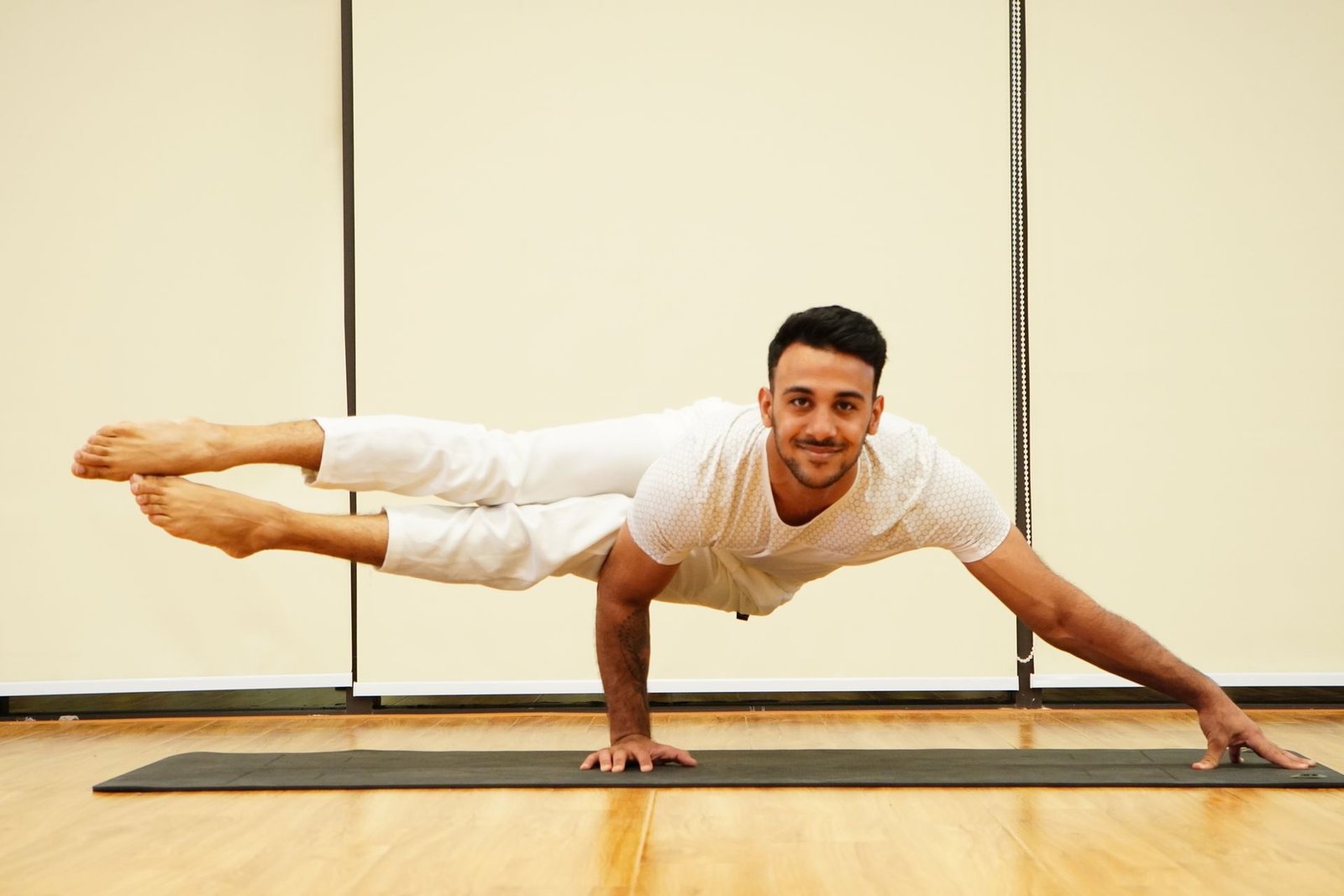

Strength Balance 2026 is not a brand, a machine, or a fleeting fitness fad. It is a fundamental shift in how experts think about physical capability. Instead of measuring fitness solely by how much weight you can lift or how fast you can run, this approach asks a more practical question: can your body produce force and control that force simultaneously? The American College of Sports Medicine (ACSM), which surveys thousands of health professionals worldwide, placed “Balance, Flow, and Core Strength” at number five in its 2026 global fitness trends report. This ranking signals that the fitness industry is moving away from appearance-based goals and toward movement quality. For ordinary people, especially older adults, this shift is welcome news because it prioritises real-world function over gym performance. Here are ten points that explain the concept and why balance exercises for seniors sit at its heart. 1) Strength Balance 2026 combines two qualities: strength (the force your muscles can generate) and balance (your ability to control your body while standing still or moving). 2) Real life is uneven and unpredictable; you carry bags on one shoulder, step off kerbs in the dark, and twist to catch falling objects. 3) A body that is strong but wobbly is like a powerful car with loose steering—it has the engine but cannot use it safely. 4) A body that is steady but weak is like a bicycle with good steering and weak pedals—it can turn but cannot go far. 5) Balance exercises for seniors train the body to use strength and steadiness together, which directly improves daily activities like walking, climbing stairs, and getting up from a chair. 6) Balance is not a fixed gift; it is a skill that depends on your eyes, inner ear, and body sensors working as a team. 7) Balance exercises for seniors challenge this team, helping the brain and muscles communicate more efficiently. 8) The ACSM ranking shows that balance and core work are no longer extras to be done after the “real” workout; they are the foundation that makes all other training safer. 9) For seniors, the ability to stand on one leg while stepping into clothing or to catch oneself on a wet floor is not a gym achievement—it is freedom and independence. 10) Therefore, balance exercises for seniors are the most direct way to translate the Strength Balance 2026 trend into a safer, more capable daily life.
2: Why Balance Declines With Age and the Science Behind Balance Exercises for Seniors
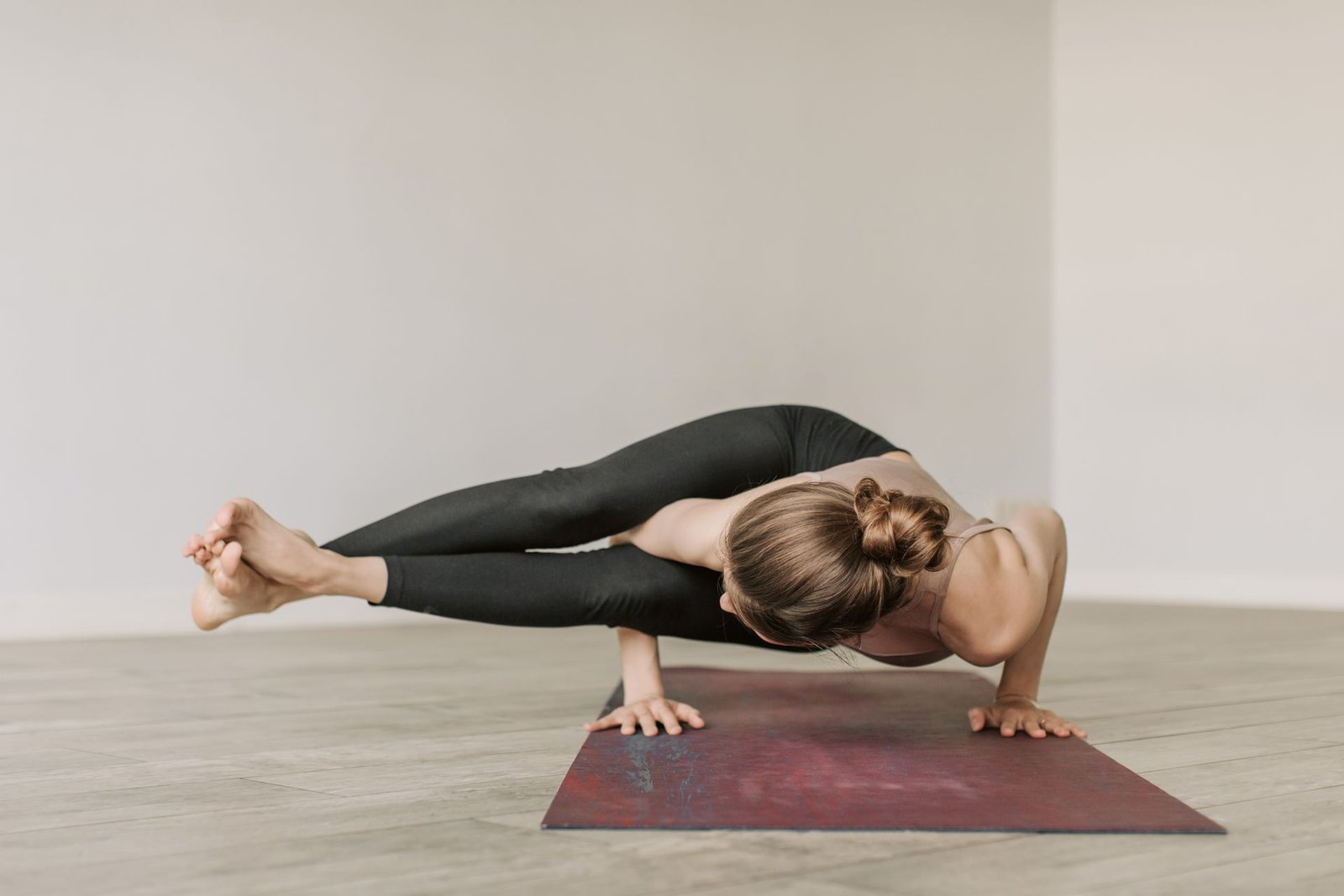
Balance is not a fixed trait you are born with or without; it is a skill that depends on three systems working together: your vision (which tells you where you are in space), your vestibular system in the inner ear (which detects head position and movement), and your proprioception (receptors in muscles, joints, and skin that report pressure and position). When you are young, these three systems communicate quickly and smoothly. As you age, that communication can slow down—not because you are “old,” but because the body needs more practice to keep the neural pathways sharp. Research on the single-leg standing test shows that balance ability peaks around age thirty and begins to decline after age fifty. Average one-leg standing times drop from roughly one hundred seconds in the fifties to sixty seconds in the sixties, forty seconds in the seventies, and ten seconds in the eighties. These are averages, not destiny. Balance exercises for seniors can change the trajectory. Here are ten points that explain the science. 1) Approximately thirteen percent of adults aged sixty-five to sixty-nine and forty-six percent of those aged eighty-five and older report imbalance. 2) In India, almost forty percent of the elderly population has some sort of balance issue. 3) A study in the Indian Journal of Community Medicine found that 66.9% of older adults in community and outpatient settings had a high risk of falls. 4) The Longitudinal Ageing Study in India reported that 11.56% of individuals had a history of falls, with higher prevalence among women. 5) Balance exercises for seniors work because they repeatedly challenge the three systems, forcing the brain to make faster and more accurate adjustments. 6) A structured program combining strength, balance, flexibility, and functional exercise reduces the fear of falling and improves functional fitness scores. 7) One Indian study showed a 29.7% reduction in fall risk in the exercise group compared with only 1.6% in the control group. 8) Balance exercises for seniors are not about being “careful”; they are about being capable and confident. 9) The earlier you start, the longer you preserve the skill, but it is never too late to begin. 10) Simple daily practice of balance exercises for seniors, such as single-leg stands while holding a wall, can produce noticeable improvements within four to six weeks.
3: How Strength and Balance Work Together—The Core Connection and Balance Exercises for Seniors

Most people think “core” means abdominal muscles—the ones that show up as a six-pack. But in fitness, the core is much bigger. It includes the muscles of your abdomen (including the obliques on your sides), your lower back, your glutes (buttock muscles), your pelvic floor, and even your diaphragm (the main breathing muscle). Think of these muscles as a natural weightlifting belt that wraps around your midsection. When they engage properly, they create a corset-like stability. This stability is the platform from which your arms and legs can produce force. Without it, your body has to compensate—which is when strains, aches, and injuries happen. This is why balance exercises for seniors are not just about standing on one leg; they are about training the core to stabilise while the body moves. A senior who can stand on one leg for thirty seconds but whose core collapses when they bend to pick something up has not fully trained the system. Here are ten points that explain the connection. 1) The core includes abs, obliques, lower back, glutes, pelvic floor, and diaphragm—not just the six-pack. 2) A strong core acts like a natural corset, giving your spine and hips a secure base. 3) Balance exercises for seniors that combine single-leg work with core engagement teach the body to use strength and balance together. 4) Examples include standing leg swings while keeping the trunk steady and heel-to-toe walking while gently tightening the belly. 5) A major review of core training studies found that it significantly improves balance in older adults. 6) Core training improves both static balance (standing still) and dynamic balance (reaching, walking, changing direction). 7) For older individuals, longer sessions of forty-five minutes or more produce better results for functional tasks like walking and standing up from a chair. 8) However, consistency matters more than duration; a fifteen-minute session three times a week is far better than a forty-five-minute session done once and abandoned. 9) Balance exercises for seniors should always include a strength component (like chair squats), a balance component (like single-leg stands), and a core component (like dead bugs or bird-dogs). 10) Together, these three types create a body that is not just stronger or steadier but genuinely usable in real life.
4: The Indian Reality—Why Balance Exercises for Seniors Are a Public Health Priority
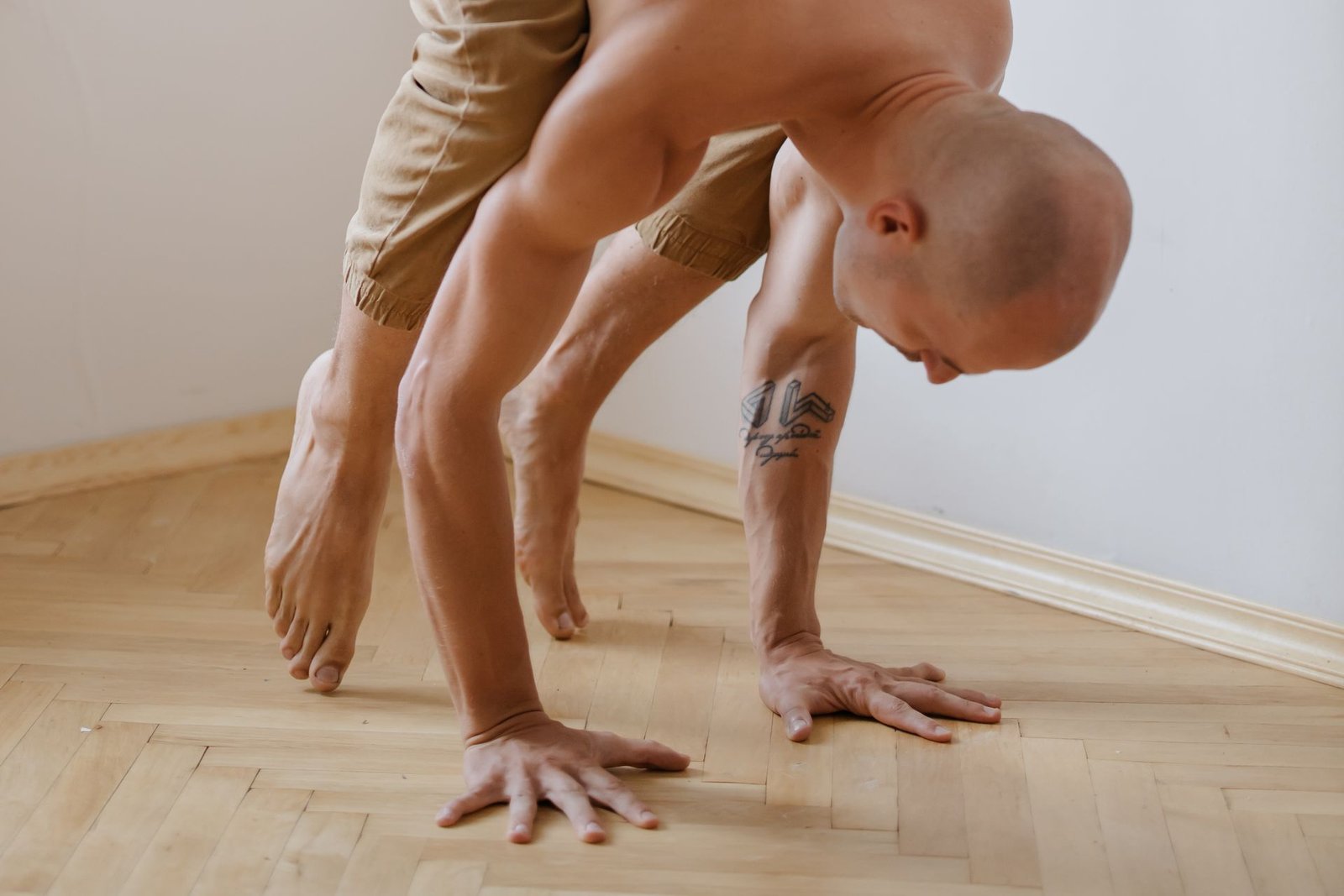
India is ageing rapidly, and with that demographic shift comes a rise in age-related health challenges. Falls are one of the most serious and one of the most preventable. AIIMS data shows that falls are not just a “seventy-plus” issue: the largest share of fracture patients was in the sixty to sixty-nine age group (33.2%), followed closely by those aged fifty to fifty-nine (31.6%). This means the risk begins earlier than many families expect. A person in their fifties who has never trained balance may already be at risk. The cost of a fall is not only physical. A hip fracture from a preventable fall can cost three and a half to five and a half lakh rupees in surgery and hospital bills and carries a twenty-five percent one-year mortality rate in older adults. For a middle-class Indian family, this is a financial shock as well as an emotional one. Balance exercises for seniors are a low-cost, high-return investment. Here are ten points that explain why this matters for every Indian family. 1) India’s fitness market is valued at one and a half lakh crore rupees and growing at sixteen percent annually, but the biggest need is at home, not in gyms. 2) Balance exercises for seniors require no gym membership, no expensive equipment, and no special clothing. 3) A sturdy chair, a wall, and a small space are enough to start. 4) Functional training zones with kettlebells and balance tools are becoming standard in gyms, but home-based routines are equally effective. 5) Balance exercises for seniors can be done in a living room, a bedroom, or a small courtyard. 6) They do not require a trainer to supervise every session once the basics are learned. 7) For Indian families, balance exercises for seniors are as important as checking blood pressure or taking medication. 8) A parent or grandparent who trains balance two to three times a week is investing in independence, dignity, and safety. 9) The earlier the training starts, the longer the benefits last. 10) Therefore, balance exercises for seniors should be promoted in communities, clinics, and homes across India as a simple, evidence-based public health measure.
5: Renu Sidhu, 65, Ahmedabad—Proof That Strength and Balance Belong at Every Age
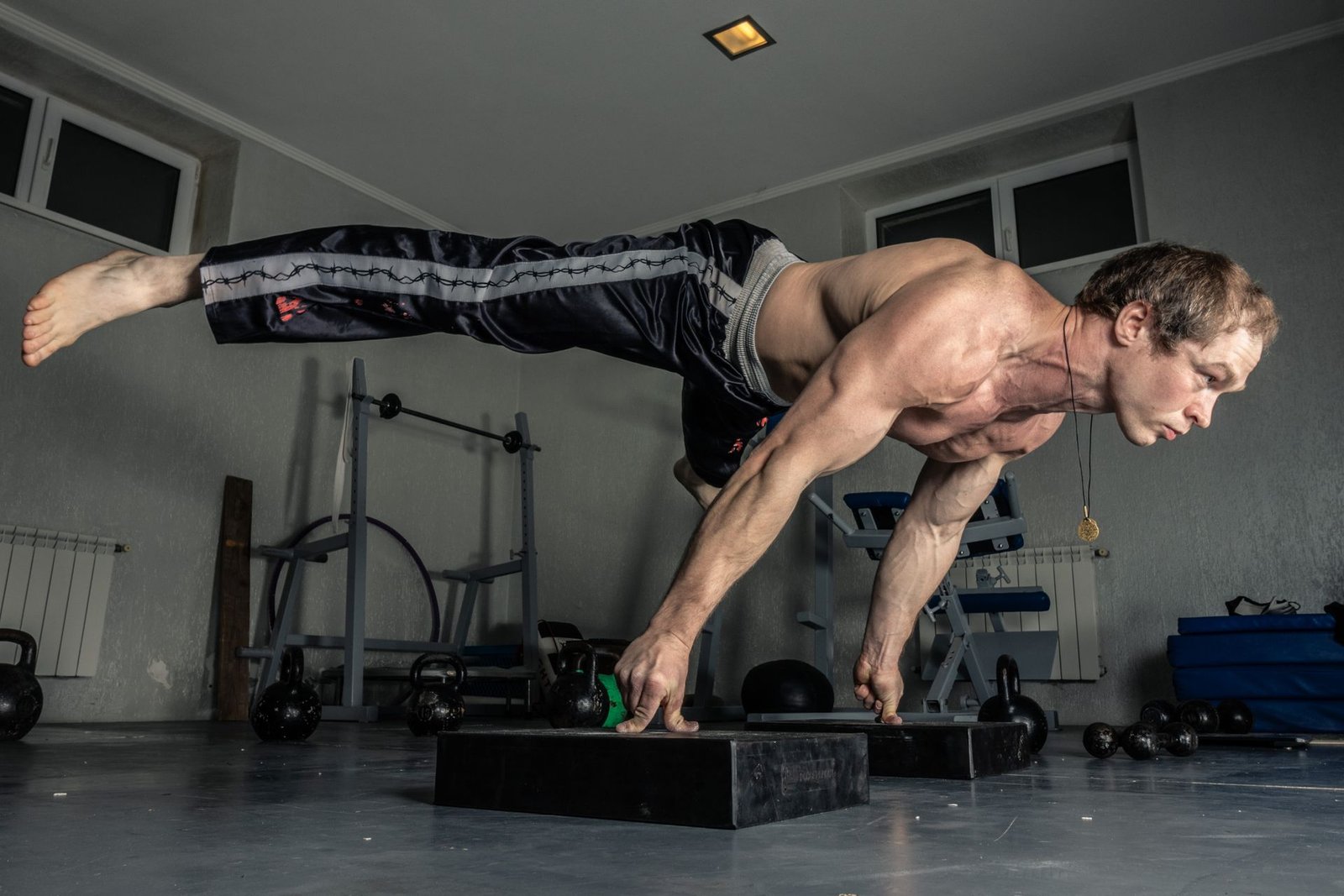
Renu Sidhu is not a typical fitness influencer. She is a grandmother from Ahmedabad who became a gym owner at fifty-four, won a gold medal in female powerlifting in 2017, and earned the title of “Fittest Woman of Gujarat” in 2019. But what makes her a perfect example of Strength Balance 2026 is not the weight she lifts. It is the way she moves. Her workout videos show a balanced mix of strength training, functional movement, and stability exercises. She performs overhead dumbbell presses and shoulder shrugs to maintain bone density and upper-body strength. She does mountain climbers on a bosu ball—an unstable surface that demands immense core stability and coordination. She uses cable face pulls and lateral raises to combat the hunched posture often associated with ageing, keeping her upright and confident. In one viral video, she performs Bulgarian split squats while holding her granddaughter—a movement that requires leg strength, core stability, and balance all at once. Here are ten points that explain why her story matters for balance exercises for seniors. 1) Renu started training in her fifties, proving that it is never too late to build strength and balance. 2) Her routine combines strength (weights), balance (bosu ball), and core (mountain climbers) in every session. 3) Balance exercises for seniors do not need to look like a powerlifting routine; the principle is the same at any level. 4) A single-leg stand while holding a kitchen counter is a valid balance exercise for seniors. 5) A sit-to-stand from a dining chair is a strength exercise that directly supports balance. 6) A heel-to-toe walk across a room is a dynamic balance drill. 7) Renu’s message is simple: consistency and discipline matter more than age. 8) Balance exercises for seniors can be adapted to any fitness level, from chair-based movements to advanced unstable-surface work. 9) Her story inspires families to encourage older members to start small and progress gradually. 10) The key lesson is that balance exercises for seniors are not about being careful; they are about being capable and confident in daily life.
6: Jyotika, 47, Chennai—The “Strength, Core, and Balance” Formula in Real Life
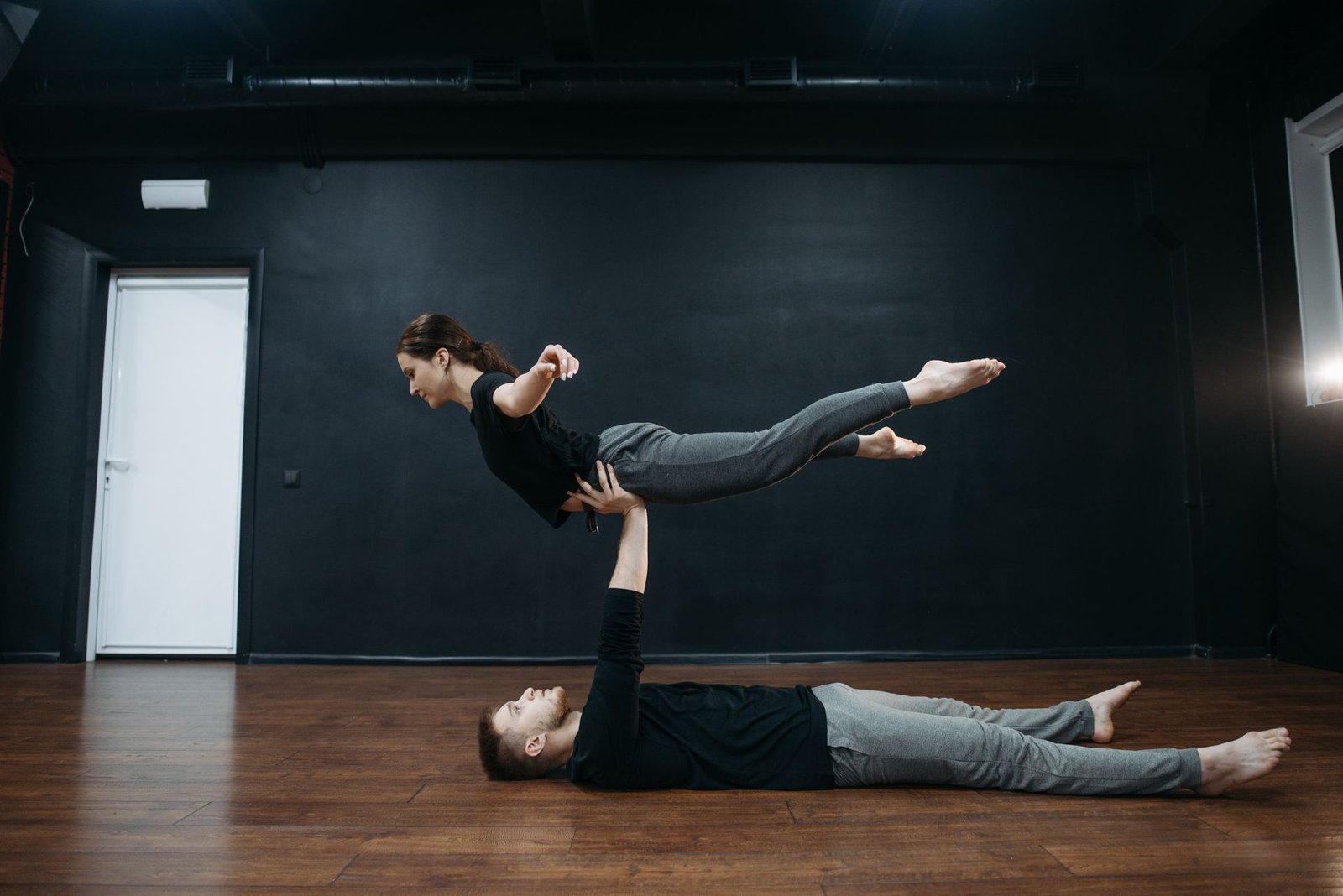

In 2026, Tamil actor Jyotika shared a workout video with a simple caption: “Strength, core and balance.” At forty-seven, she performs heavy goblet squats, kettlebell presses, and explosive medicine ball slams alongside advanced callisthenics like hanging leg raises and weighted pull-ups. But the most striking moment is her standing atop a circular yoga wheel in a steady prayer pose—a movement that requires not just physical strength but also coordination, focus, and strong core engagement. Fitness experts quoted in the Indian Express explain why this combination matters. Combining strength, core, and balance training creates a more functional and resilient body, which becomes increasingly important after the age of forty. Strength training preserves muscle mass and bone density. Core work improves posture and spinal stability. Balance training enhances neuromuscular coordination—the ability of the brain and muscles to communicate efficiently. Together, these three qualities support longevity, joint health, and physical independence. Here are ten points that explain how this formula applies to balance exercises for seniors. 1) Jyotika’s routine is advanced, but the underlying principle is universal: train the body to control force while the base of support changes. 2) Balance exercises for seniors apply the same principle at a safer, more accessible level. 3) A senior who practises standing on one leg while reaching for a cup is doing the same kind of training. 4) A senior who walks heel-to-toe along a corridor is training dynamic balance in a safe way. 5) The goal is not to copy a celebrity workout but to understand the formula of strength, core, and balance. 6) For balance exercises for seniors, progressions matter: start with support (a wall or chair), then gradually reduce the support as confidence improves. 7) Start with a narrow stance, then move to a single-leg stance. 8) Start with eyes open, then—only when ready and safe—try brief moments with eyes closed. 9) The journey is personal, and the destination is the same: a body that feels steady, strong, and free. 10) Balance exercises for seniors should be practised two to three times per week, with gradual increases in challenge as the body adapts.
7: A Simple Home Routine—Ten Balance Exercises for Seniors You Can Start Today
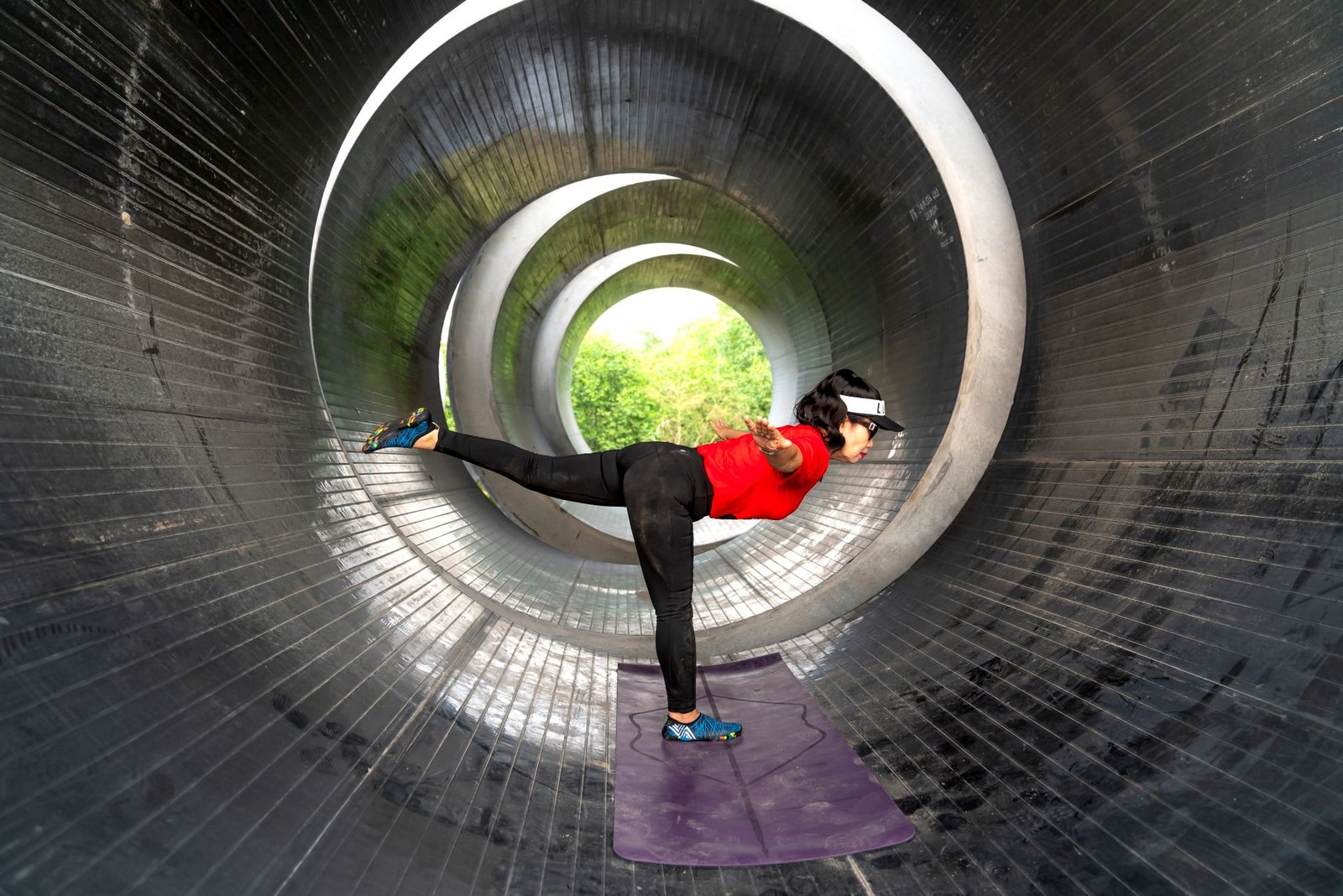

You do not need a personal trainer or expensive equipment to start balance exercises for seniors. You need a sturdy chair, a wall or kitchen counter for support, and a small space. Here is a simple routine that trains strength, balance, and core together. Do it two to three times a week and progress at your own pace. Here are ten specific exercises, each explained simply. 1) Chair squats: stand in front of a sturdy chair, sit down slowly, then stand back up without using your hands; do eight to twelve repetitions to build leg strength for getting up from a sofa or car seat. 2) Single-leg stand with support: stand near a wall or hold a chair, lift one foot, and balance on the other leg for ten to thirty seconds, then switch sides; this is one of the most direct balance exercises for seniors. 3) Heel-to-toe walk: place one foot directly in front of the other, heel touching toe, and take ten to fifteen steps in a straight line, holding a wall if needed; this trains dynamic balance. 4) Seated leg marches: sit upright on a sturdy chair, lift one knee toward your chest, then lower it, alternating legs for ten to fifteen repetitions per side; this improves hip mobility and circulation. 5) Standing leg swings: hold onto a wall, swing one leg forward and backward in a controlled motion, then side to side, doing ten swings in each direction per leg; this improves hip mobility and dynamic balance. 6) Wall push-ups or knee push-ups: place your hands on a wall or the floor, lower your chest toward the surface, then push back up, doing eight to twelve repetitions; this builds upper-body strength for posture and daily tasks. 7) Glute bridges: lie on your back with knees bent, squeeze your buttock muscles and lift your hips, hold for two seconds, then lower, doing twelve to fifteen repetitions; this strengthens the glutes, which support balance. 8) Dead bug: lie on your back with arms extended and knees bent, slowly lower one arm and the opposite leg toward the floor while keeping your lower back pressed down, doing six to eight repetitions per side; this trains core stability during limb movement. 9) Bird-dog: start on hands and knees, extend one arm and the opposite leg while keeping your back flat, hold for two seconds, then return, doing eight to ten repetitions per side; this trains balance and core control together. 10) Always hold a wall or chair for support during all standing balance exercises for seniors and stop immediately if you feel pain or dizziness; safety is the first priority.
8: How to Progress Safely—Making Balance Exercises for Seniors Work for You
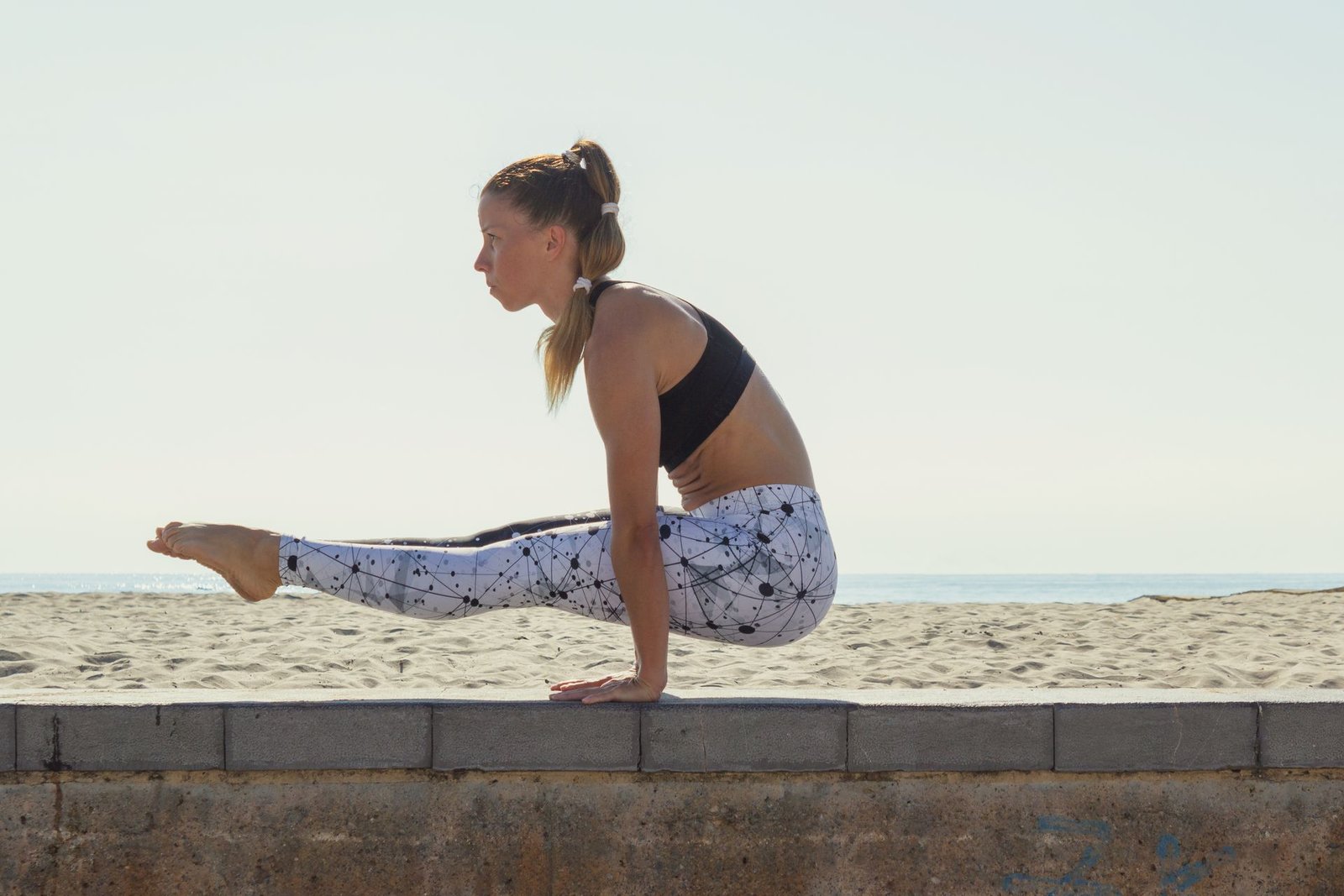
The biggest mistake people make with balance exercises for seniors is trying to do too much too soon. Balance is a skill, and skills improve through gradual, consistent practice, not through heroic effort. If you cannot stand on one leg without holding a wall, that is not failure—it is your starting point. The goal is to reduce your reliance on support over time, not to eliminate it immediately. Here is a simple way to progress. Start with support—a wall, a kitchen counter, or the back of a sturdy chair. Once you can hold a single-leg stand for thirty seconds with light fingertip support, try reducing the support to one finger, then to no support for a few seconds. Once you can stand unsupported for thirty seconds with your eyes open, you can try brief moments with your eyes closed—but only if you are near a wall or a person who can help if you wobble. Never close your eyes on a balance exercise if you are alone and unsupported. For balance exercises for seniors, progression also means changing the surface. Standing on a folded towel or a thin cushion makes the ground slightly unstable and challenges the body’s sensors more. But do not rush to unstable surfaces. Here are ten points to keep in mind for safe progression. 1) Consistency matters more than duration; a fifteen-minute session three times a week is far better than a forty-five-minute session done once. 2) Research suggests that longer sessions of forty-five minutes or more produce better results for older adults in functional tasks, but start where you are comfortable. 3) Always exercise in a clear space with no loose rugs or clutter. 4) Wear supportive footwear or exercise barefoot on a non-slip surface. 5) Keep a chair or wall within arm’s reach for every standing balance exercise for seniors. 6) If you feel sharp pain, dizziness, or unsteadiness that feels unsafe, stop and consult a doctor or physiotherapist. 7) Balance exercises for seniors should feel challenging, not frightening. 8) Progress one variable at a time—either reduce support, change the surface, or close your eyes, but not all at once. 9) Track your progress simply: note how long you can stand on one leg each week. 10) Celebrate small improvements; they are the building blocks of lasting capability.
9: Common Mistakes to Avoid—So Your Balance Exercises for Seniors Actually Work
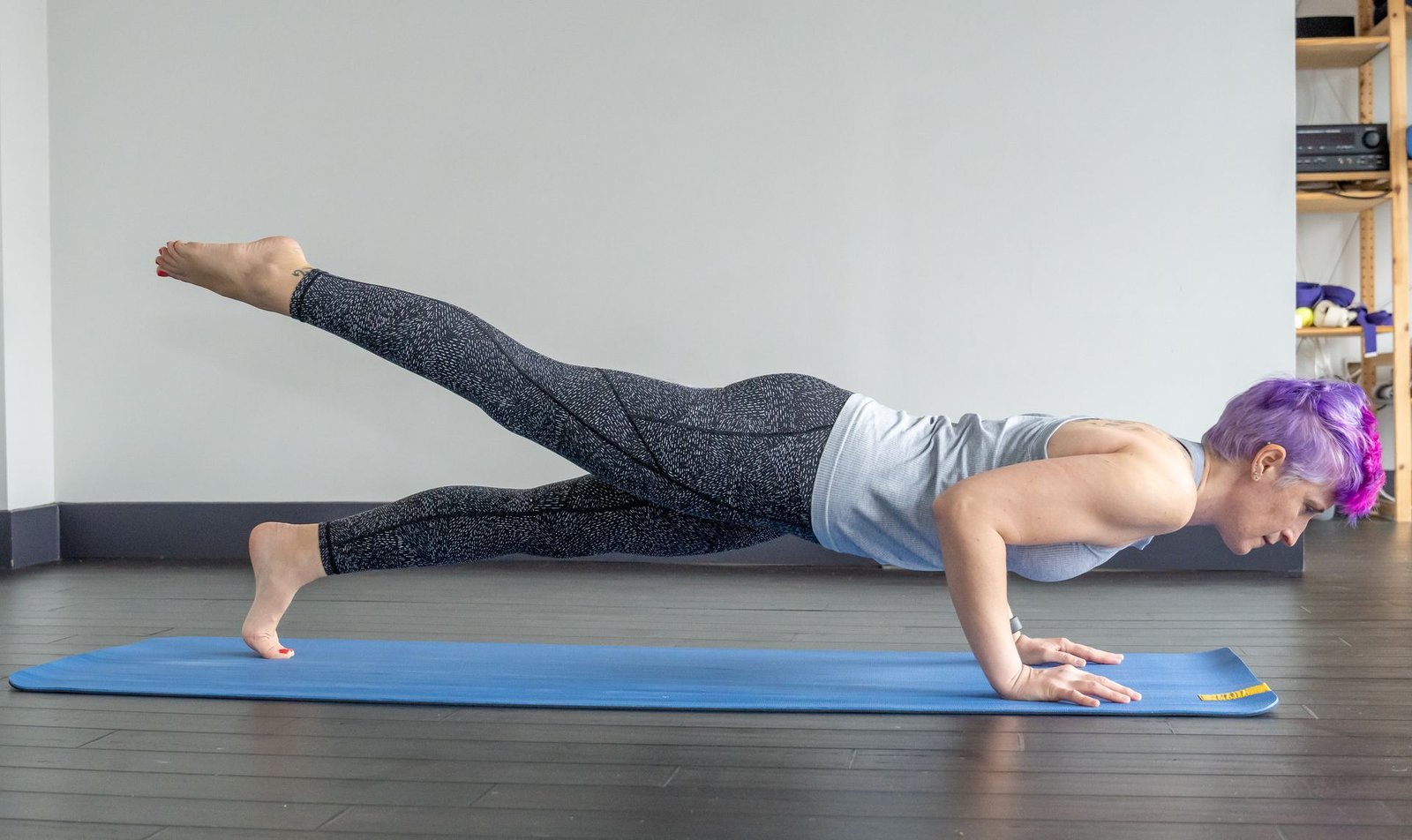

Even with good intentions, people often make small mistakes that reduce the benefits of balance exercises for seniors or increase the risk of injury. Here are the most common ones and how to avoid them. First, training only one side. Most people have a dominant leg or arm. If you always start with the same side, the imbalance can worsen. Always train both sides equally, even if one feels weaker. Balance exercises for seniors should be symmetrical. Second, skipping the warm-up. Balance and strength training demand control. A few minutes of gentle movement—arm circles, leg swings, marching in place—prepares your joints and nervous system. Do not jump straight into single-leg stands on cold muscles. Third, treating balance as a test rather than a practice. Balance is not a pass-or-fail exam. It is a skill that fluctuates from day to day. Some days you will feel steadier than others. That is normal. The goal is consistent practice, not a perfect score. Fourth, ignoring pain. Muscle effort is normal. Sharp pain, joint pain, or dizziness is not. If something hurts in a way that feels wrong, stop and consult a qualified physiotherapist or doctor. Fifth, comparing yourself to fitness influencers. Social media is full of advanced movements performed by people who have trained for years. Your only comparison should be to your own past self. Can you stand on one leg a little longer than you could last month? Can you get up from a chair a little more easily? Those are the victories that matter. Sixth, doing balance work only when you feel balanced. Balance improves through challenge. If you only practise when you feel steady, you are not training the skill. Use support when needed, but gradually reduce it. Seventh, neglecting the core. Balance exercises for seniors that do not engage the core are less effective. Include dead bugs, bird-dogs, or gentle planks. Eighth, wearing the wrong footwear. Flip-flops or loose slippers can increase fall risk during standing exercises. Ninth, exercising on a cluttered floor. Clear the area before you start. Tenth, giving up too soon. Balance exercises for seniors produce noticeable improvements within four to six weeks of consistent practice; stay patient and keep going.
10: Your Next Step—How to Start Strength Balance 2026 Today and Why Balance Exercises for Seniors Are the Perfect Beginning
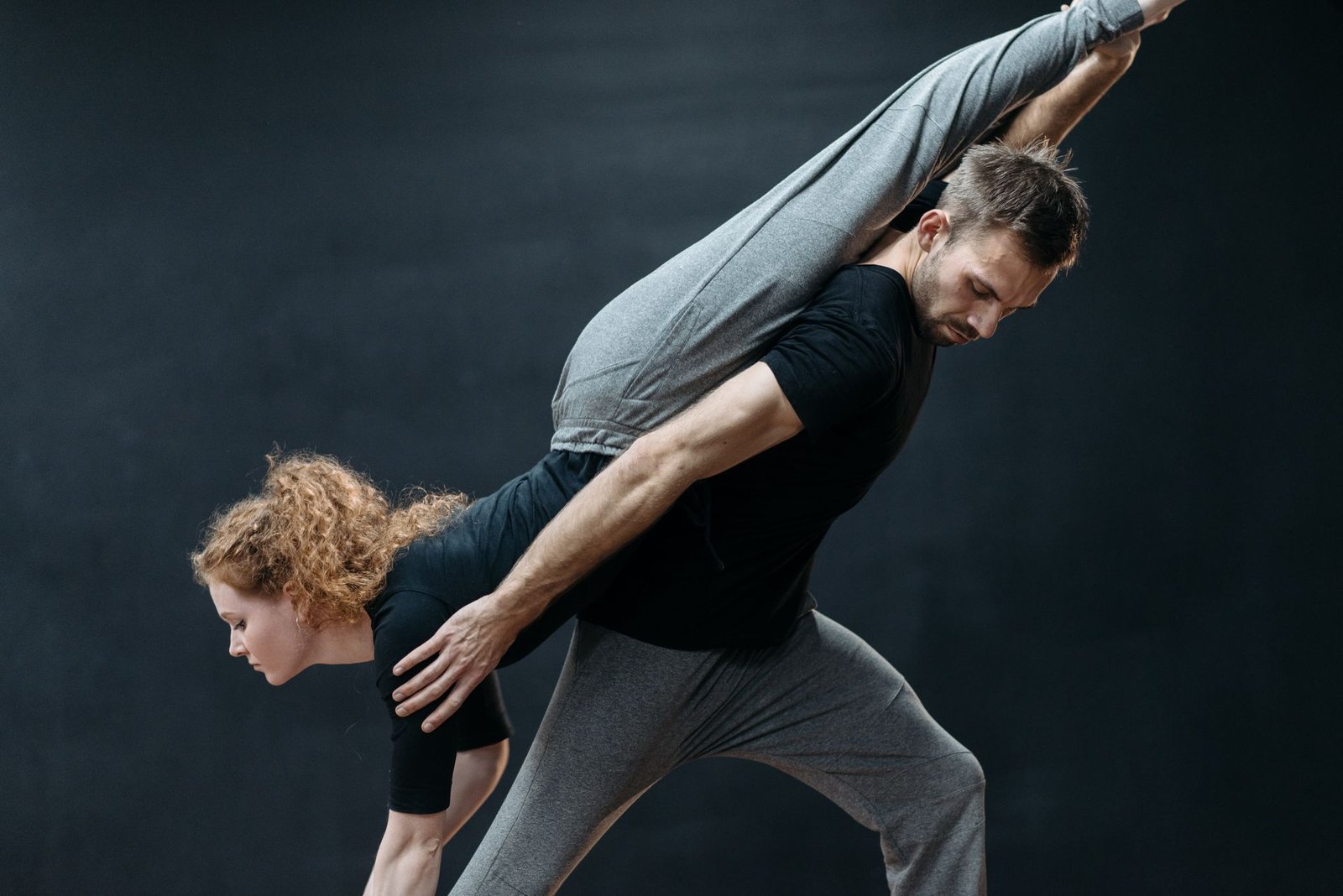
The fitness industry loves labels. Strength Balance 2026 will, in a few years, be replaced by another phrase and another report. But the underlying idea will not go away because it is not a gimmick. It is a return to something fundamental: a body that is strong and steady is a body that can handle life. For a school student, that means studying without back pain and playing without fear of injury. For a professional, it means finishing the workday with energy left for family and hobbies. For a senior, it means stepping confidently onto a bus, getting up from a chair without help, and staying independent for longer. Balance exercises for seniors are the perfect entry point into this way of training because they require almost nothing—no gym, no equipment, no special clothing—and they deliver benefits that are immediately noticeable. A senior who practises single-leg stands for a few weeks will often find that stepping into a saree, getting out of a car, or walking on an uneven path feels easier. That small change in daily capability is the real reward. Here are ten simple next steps you can take today. 1) Choose one exercise from the routine in paragraph seven and do it today; start with single-leg stands holding a wall. 2) If you are a student, start with chair squats and a twenty-second plank. 3) If you are a professional, start with a ten-minute session after work. 4) The key is not perfection but starting small and repeating. 5) Ask yourself: what is one daily activity that would feel easier if I were a little stronger and a little more balanced? 6) Use that answer as your motivation. 7) Share this article with a parent or grandparent and offer to do the exercises together. 8) Balance exercises for seniors work best when they are practised two to three times per week, every week. 9) Track your progress simply by noting how long you can stand on one leg each week. 10) Remember that balance exercises for seniors are not an end in themselves; they are a path to a life that feels safer, freer, and more capable.
Conclusion:
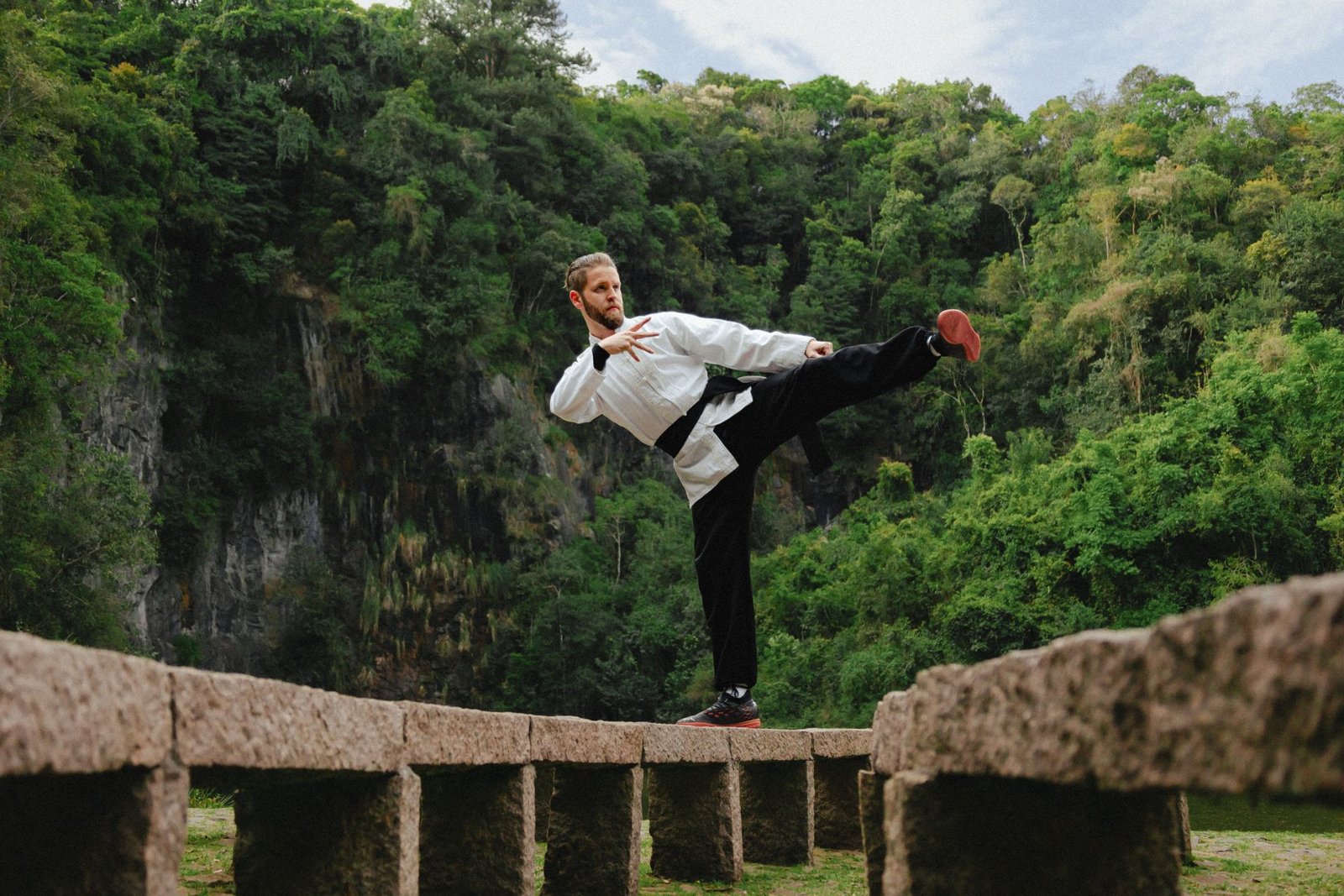
Strength Balance 2026 is not a passing fitness fad. It is a return to something fundamental: a body that is strong and steady is a body that can handle life. For a school student, that means studying without back pain and playing without fear of injury. For a working professional, it means finishing the day with energy left for family and hobbies. For a senior, it means stepping confidently onto a bus, getting up from a chair without help, and staying independent for longer. The global fitness community has recognised this shift by placing “Balance, Flow, and Core Strength” at number five in the 2026 worldwide trends report, and the evidence is clear that balance exercises for seniors deliver measurable benefits. Research from India shows that structured balance and strength training can reduce fall risk by nearly thirty percent, compared with almost no change in control groups. A hip fracture can cost a family three and a half to five and a half lakh rupees and carries a twenty-five percent one-year mortality rate, making balance exercises for seniors one of the most cost-effective health investments available. The stories of Renu Sidhu, who started training in her fifties and became a powerlifting champion at sixty-five, and Jyotika, who demonstrates the strength-core-balance formula at forty-seven, prove that age is not a barrier. The home routine in this guide—chair squats, single-leg stands, heel-to-toe walking, seated leg marches, standing leg swings, wall push-ups, glute bridges, dead bugs, and bird-dogs—requires no gym and no expensive equipment. Consistency matters more than intensity. A fifteen-minute session three times a week is far better than a forty-five-minute session done once and abandoned. Safety is non-negotiable: always hold a wall or chair for support, exercise in a clear space, wear supportive footwear, and stop if you feel sharp pain or dizziness. The key message is simple. Balance exercises for seniors are not about being careful; they are about being capable. They are not an end in themselves; they are a path to a life that feels safer, freer, and more confident. Start with one exercise today. Share this guide with a parent or grandparent. Ask yourself what daily activity would feel easier if you were a little stronger and a little more balanced. Use that answer as your motivation. The journey is personal, and the destination is the same: a body that feels steady, strong, and free. Balance exercises for seniors are the perfect beginning, and the best time to start is now.
Frequently Asked Questions (FAQs) – 10 Questions with 10 Points Each
FAQ 1: What are balance exercises for seniors, and why are they important?
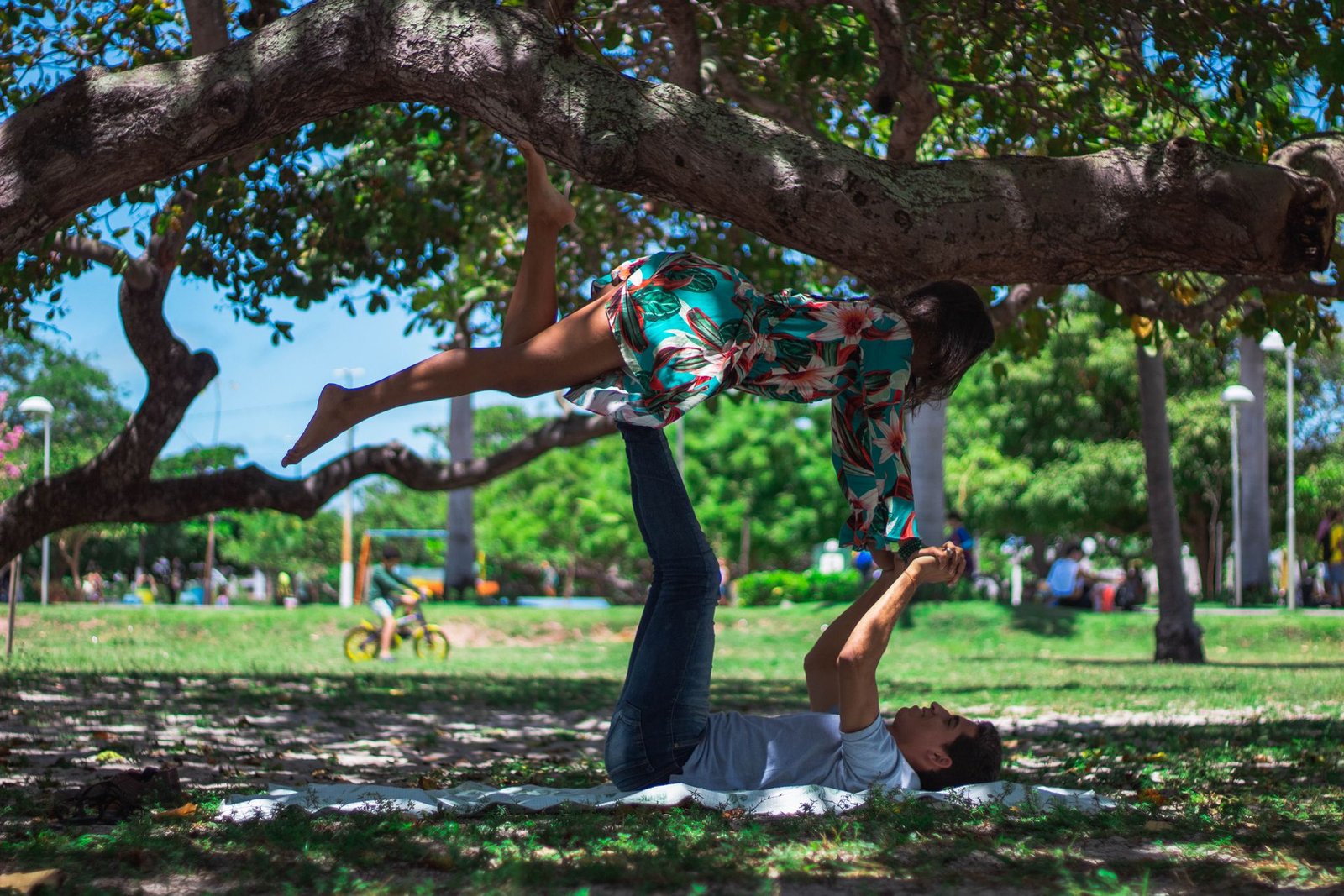
Answer: Balance exercises for seniors are movements that challenge the body’s ability to stay upright and controlled while standing still or moving. They are important for ten key reasons. 1) They reduce the risk of falls, which are a leading cause of injury among older adults in India. 2) They improve confidence in daily activities like walking, climbing stairs, and getting up from a chair. 3) They train the three systems of balance: vision, inner ear, and body sensors. 4) They strengthen the core, which acts as a natural corset for the spine and hips. 5) They preserve independence, allowing seniors to live alone safely for longer. 6) They are low-cost and require no gym membership or expensive equipment. 7) They can be done at home with a sturdy chair and a wall. 8) They improve posture and reduce the risk of back pain. 9) They enhance neuromuscular coordination, helping the brain and muscles communicate more efficiently. 10) They are suitable for almost all fitness levels and can be adapted to individual needs.
FAQ 2: How often should seniors do balance exercises for seniors?

Answer: Seniors should aim to do balance exercises for seniors two to three times per week for best results. Here are ten points to guide frequency. 1) Consistency matters more than duration; a fifteen-minute session three times a week is better than one long session. 2) Research suggests that longer sessions of forty-five minutes or more produce better results for functional tasks, but start where you are comfortable. 3) Begin with two sessions per week and gradually increase to three as confidence improves. 4) Each session should include strength, balance, and core components. 5) Warm up for three to five minutes with gentle movements like arm circles and leg swings. 6) Do not exercise on consecutive days at first; give your body time to recover. 7) Track your progress by noting how long you can stand on one leg each week. 8) If you miss a session, do not double up; simply resume on the next scheduled day. 9) Listen to your body; if you feel excessively tired or sore, take an extra rest day. 10) Remember that balance exercises for seniors work through regular practice, not through occasional heroic effort.
FAQ 3: Can balance exercises for seniors prevent falls?

Answer: Yes, balance exercises for seniors are one of the most effective ways to prevent falls. Here are ten points explaining how. 1) They train the body to react quickly to sudden changes in position, like slipping on a wet floor. 2) They strengthen the muscles used for stepping and catching yourself. 3) They improve proprioception, the body’s sense of where it is in space. 4) They enhance coordination between the eyes, inner ear, and muscles. 5) Indian research shows a 29.7% reduction in fall risk in exercise groups compared with 1.6% in control groups. 6) They build confidence, which reduces the fear of falling and encourages activity. 7) They improve gait and walking speed, which are linked to lower fall risk. 8) They can be combined with home modifications like removing loose rugs and installing grab bars. 9) They are safe when practised with proper support and progression. 10) Balance exercises for seniors should be part of a broader fall-prevention plan that includes strength training and regular vision checks.
FAQ 4: What is the safest way for seniors to start balance exercises for seniors?

Answer: The safest way to start balance exercises for seniors is to begin with support and progress gradually. Here are ten safety points. 1) Always hold a sturdy chair, kitchen counter, or wall for support during standing exercises. 2) Start with chair-based exercises like seated leg marches and sit-to-stands. 3) Clear the exercise area of loose rugs, clutter, and pets. 4) Wear supportive, non-slip footwear or exercise barefoot on a non-slip surface. 5) Begin with ten seconds of single-leg standing and gradually increase to thirty seconds. 6) Never close your eyes during a balance exercise if you are alone and unsupported. 7) Progress one variable at a time—either reduce support, change the surface, or close your eyes, but not all at once. 8) Stop immediately if you feel sharp pain, dizziness, or unsteadiness that feels unsafe. 9) Consult a doctor or physiotherapist before starting if you have a history of falls, recent surgery, or a medical condition. 10) Remember that balance exercises for seniors should feel challenging, not frightening.
FAQ 5: How long does it take to see results from balance exercises for seniors?
Answer: Most people notice improvements from balance exercises for seniors within four to six weeks of consistent practice. Here are ten points about timelines. 1) Initial improvements in confidence and steadiness may appear within two to three weeks. 2) Noticeable changes in single-leg stand time often occur by week four. 3) Research on core training suggests that programmes lasting at least four to six weeks produce meaningful improvements. 4) Functional improvements, like getting up from a chair more easily, may take six to eight weeks. 5) Consistency is key; practising two to three times per week is essential. 6) Progress may be faster for those who start with a higher fitness level. 7) Some days will feel better than others; this is normal and not a sign of failure. 8) Track your progress weekly to see small gains that add up over time. 9) Do not compare yourself to others; compare yourself to your past self. 10) Balance exercises for seniors are a long-term investment; the benefits continue to grow with regular practice.
FAQ 6: Do seniors need equipment for balance exercises for seniors?
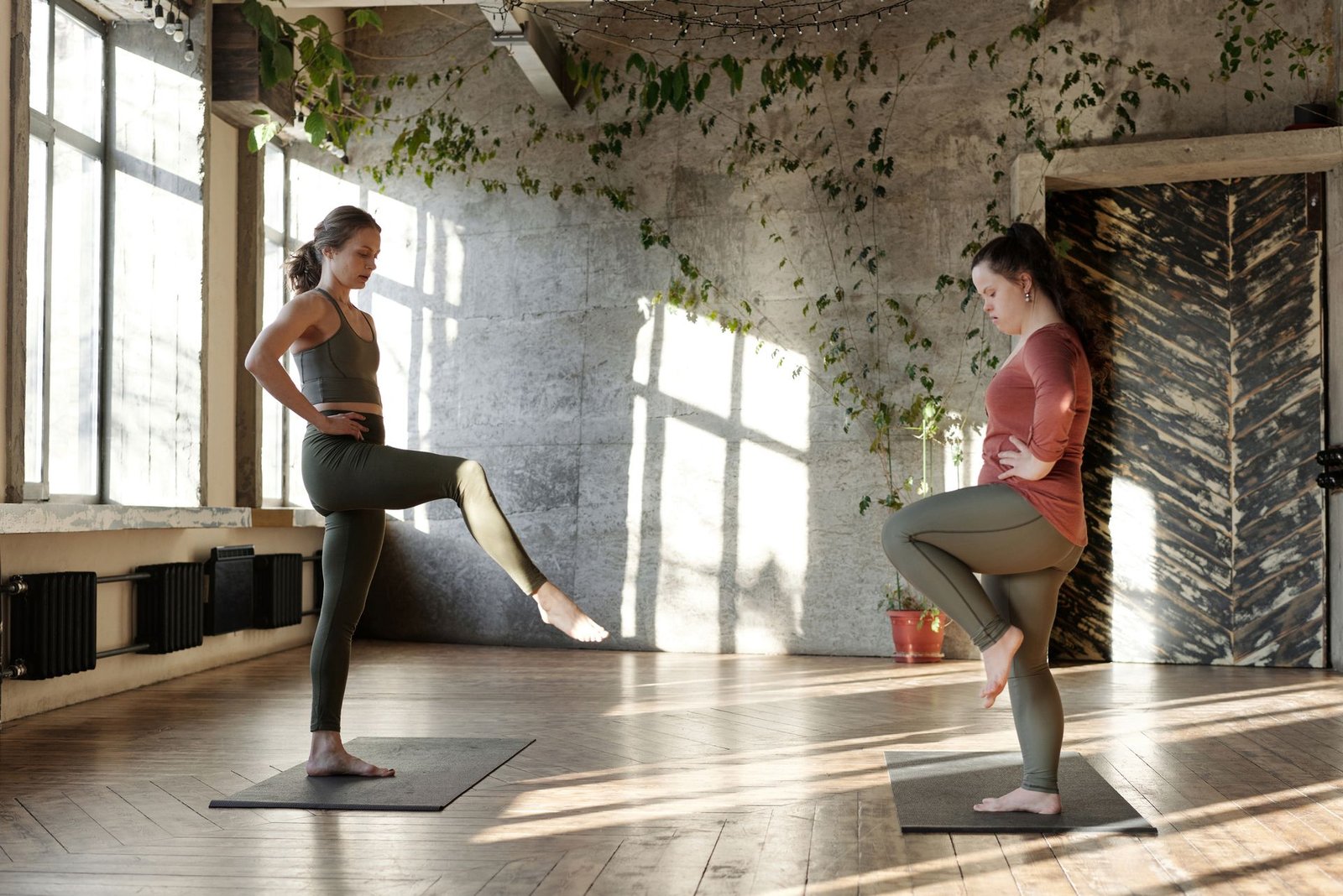
Answer: No, seniors do not need expensive equipment for balance exercises for seniors. Here are ten points about equipment. 1) A sturdy chair is the most important piece of equipment; it provides support for standing exercises and a seat for chair-based exercises. 2) A wall or kitchen counter serves as a stable support for single-leg stands and leg swings. 3) A folded towel or thin cushion can be used to create a slightly unstable surface for progression. 4) Comfortable clothing that allows movement is sufficient; no special gym wear is needed. 5) Supportive, non-slip footwear is recommended, but bare feet on a non-slip surface are also fine. 6) A small open space in a living room or bedroom is enough. 7) Optional equipment like resistance bands or light dumbbells can add variety but are not essential. 8) Balance boards or bosu balls are advanced tools and should only be used with professional guidance. 9) The most important equipment is your own body and a little bit of floor space. 10) Balance exercises for seniors are designed to be accessible and low-cost, so cost should never be a barrier.
FAQ 7: Can balance exercises for seniors help with back pain and posture?
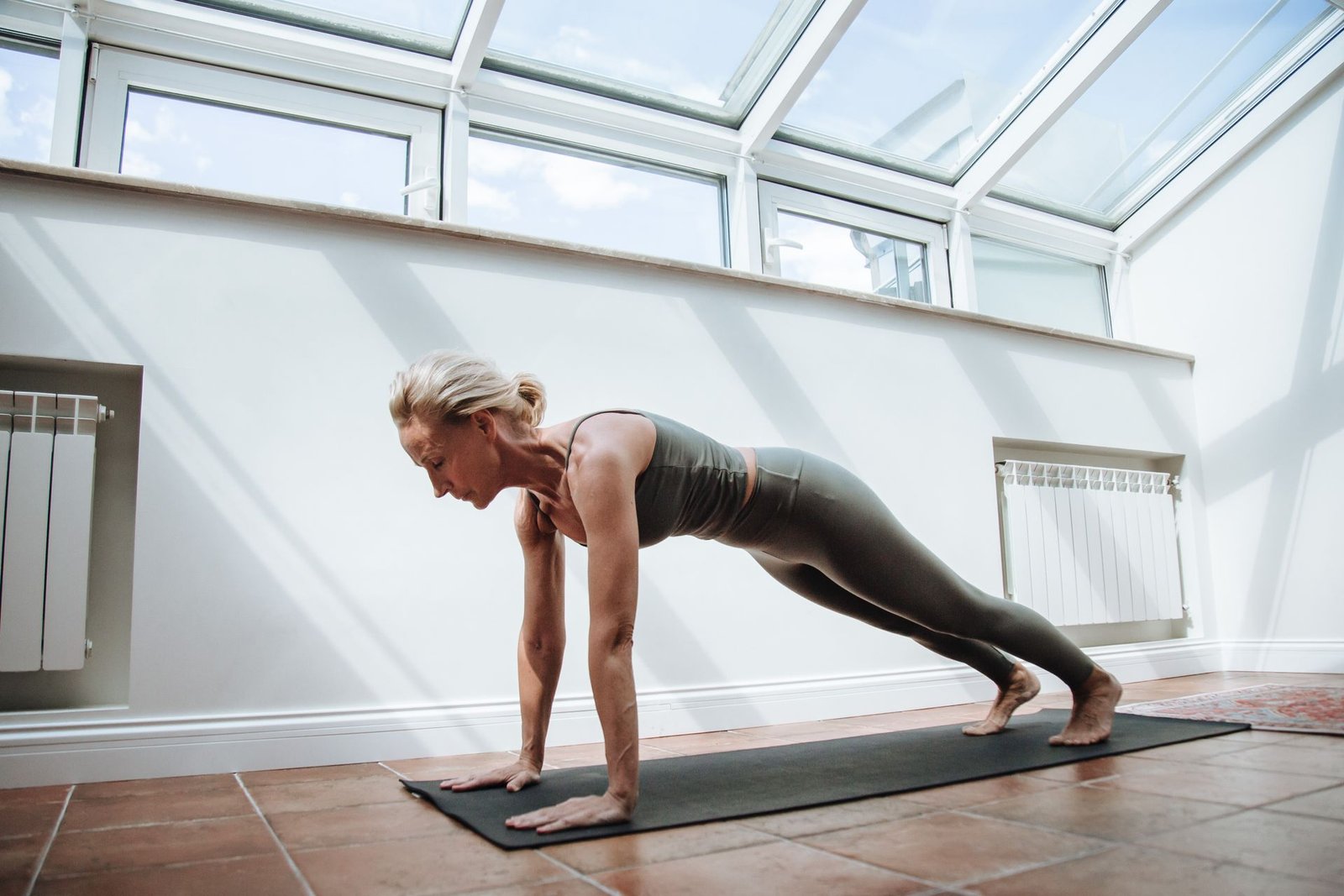
Answer: Yes, balance exercises for seniors can help with back pain and posture. Here are ten points explaining how. 1) They strengthen the core muscles, which support the spine and reduce strain on the lower back. 2) They improve posture by training the muscles that keep you upright. 3) They enhance body awareness, helping you notice and correct slouching. 4) They reduce the risk of falls, which can cause back injuries. 5) They improve hip mobility, which reduces compensatory movements that strain the back. 6) They teach coordinated movement, so you use your whole body efficiently rather than overloading one area. 7) They can be combined with stretching exercises for tight hamstrings and hip flexors. 8) They are low-impact and safe for most people with back pain, but consult a doctor first. 9) They should be practised with proper form, keeping the spine neutral during exercises like bird-dogs and dead bugs. 10) Balance exercises for seniors that include core work are particularly effective for posture and back health.
FAQ 8: Are balance exercises for seniors safe for people with arthritis or joint pain?
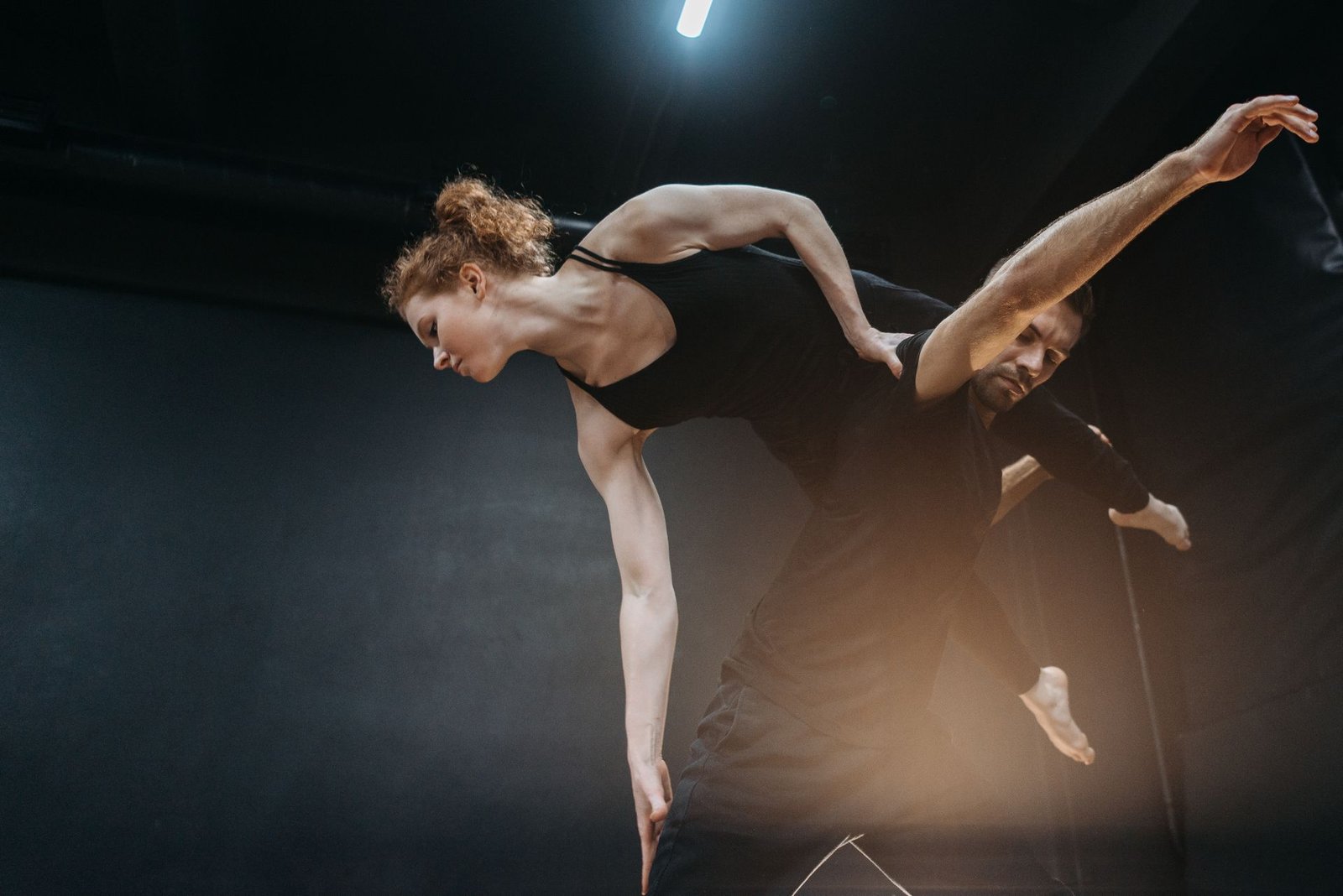
Answer: Balance exercises for seniors can be safe for people with arthritis or joint pain when adapted appropriately. Here are ten points to consider. 1) Consult your doctor or physiotherapist before starting to ensure the exercises are suitable for your condition. 2) Start with chair-based exercises that put less stress on the joints. 3) Avoid high-impact movements like jumping or running. 4) Use support for all standing exercises to reduce the risk of falls. 5) Perform exercises in a pain-free range of motion. 6) Warm up gently before exercising to prepare the joints. 7) Apply the principle of progression: start with small movements and gradually increase. 8) Stop if you feel sharp pain; muscle effort is normal, but joint pain is not. 9) Consider water-based balance exercises if land-based exercises are uncomfortable. 10) Balance exercises for seniors can actually reduce joint pain by strengthening the muscles around the joints and improving stability.
FAQ 9: How do balance exercises for seniors fit into a busy day?
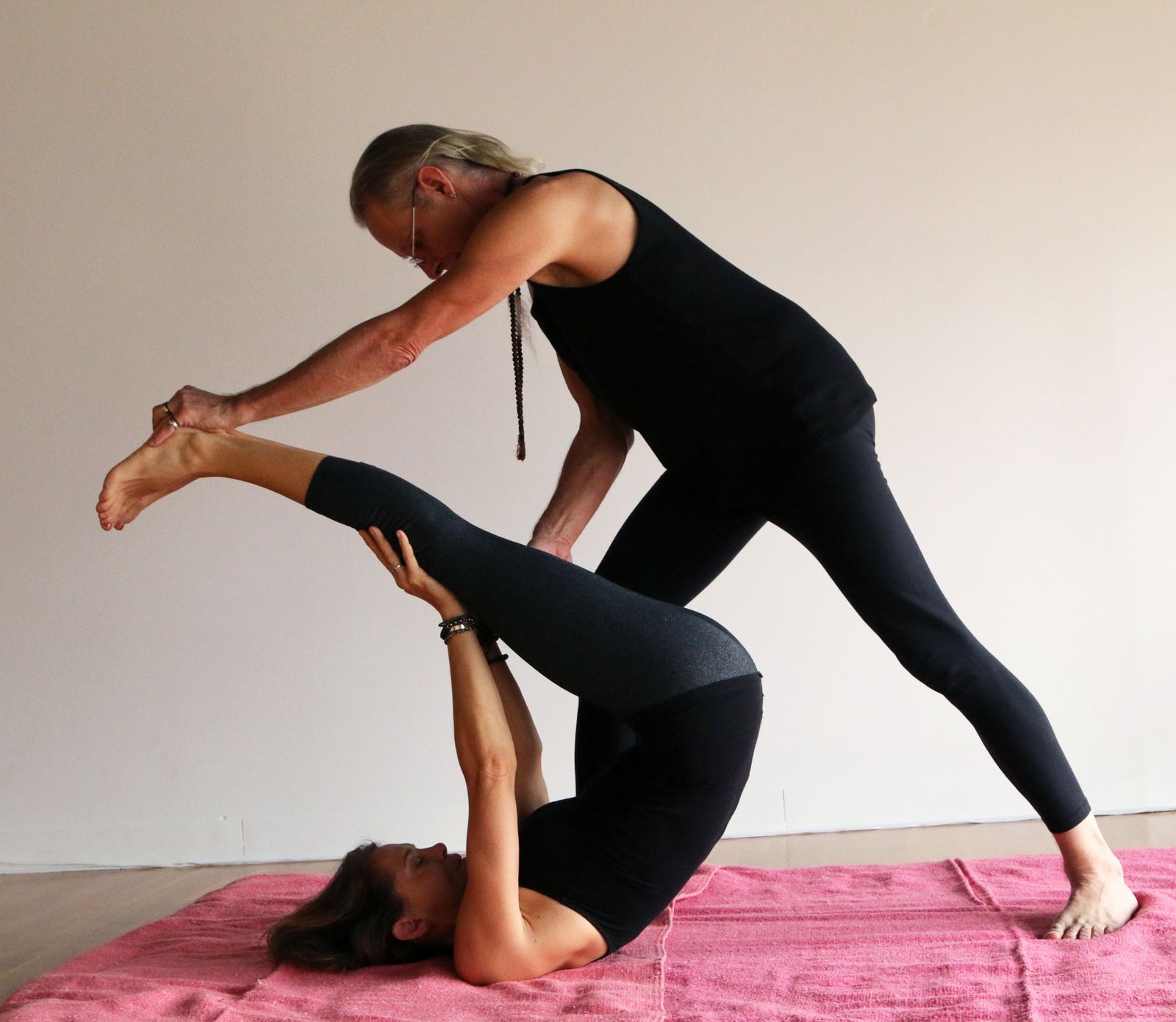

Answer: Balance exercises for seniors can easily fit into a busy day with a little planning. Here are ten practical tips. 1) Do a few single-leg stands while waiting for the kettle to boil. 2) Practise heel-to-toe walking while moving from one room to another. 3) Do seated leg marches while watching television. 4) Perform chair squats before sitting down for a meal. 5) Use a wall for support and do leg swings during a phone call. 6) Set a reminder on your phone to stand up and balance for one minute every hour. 7) Combine balance exercises with daily chores, like balancing on one leg while folding laundry. 8) Do a ten-minute routine first thing in the morning or just before bed. 9) Exercise with a friend or family member to make it social and enjoyable. 10) Remember that balance exercises for seniors do not require a dedicated gym session; they can be woven into your existing routine.
FAQ 10: What are the best balance exercises for seniors to start with?
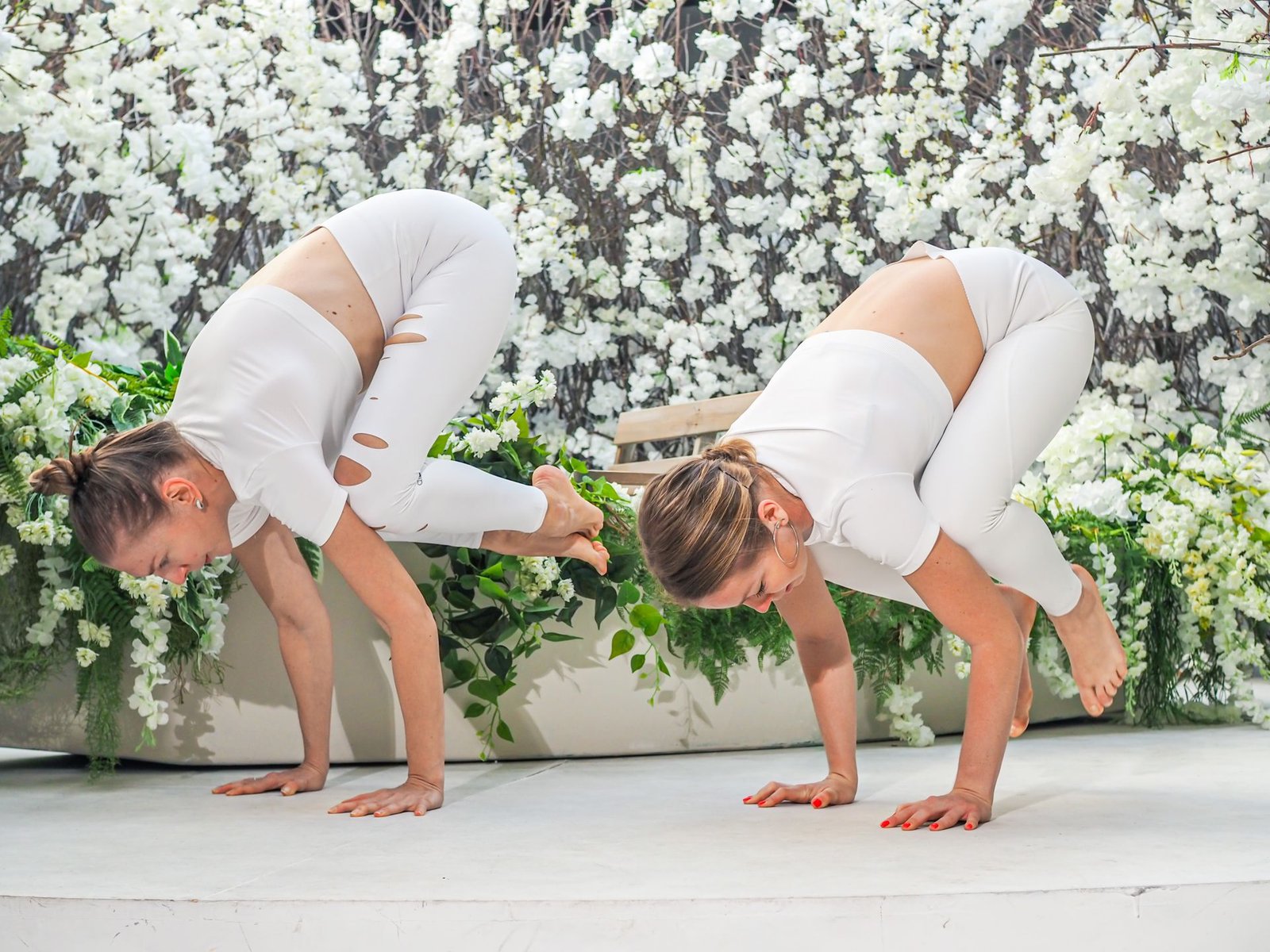
Answer: The best balance exercises for seniors to start with are simple, supported movements that build confidence. Here are ten recommended exercises. 1) Single-leg stand with support: hold a wall or chair and balance on one leg for ten to thirty seconds. 2) Chair squats: sit down slowly and stand back up without using your hands. 3) Heel-to-toe walk: walk in a straight line with one foot directly in front of the other. 4) Seated leg marches: lift one knee at a time while sitting upright. 5) Standing leg swings: hold a wall and swing one leg forward and backward, then side to side. 6) Wall push-ups: place hands on a wall and push away gently. 7) Glute bridges: lie on your back and lift your hips. 8) Dead bug: lie on your back and slowly lower opposite arm and leg. 9) Bird-dog: start on hands and knees and extend opposite arm and leg. 10) Always start with support and progress gradually; balance exercises for seniors should be challenging but safe.