


Description:

Embarking on a journey with herbal medicine is about reconnecting with the oldest, most natural form of healing on our planet. This comprehensive guide is designed for anyone curious about moving towards a more holistic and empowered approach to their well-being. We will explore the foundational principles that make plants such powerful allies for our health, moving beyond mere symptom management to nurture the body’s innate ability to heal and find balance. You will learn how to begin your practice with absolute safety, understanding crucial conversations to have with healthcare providers and how to source high-quality herbs responsibly. The guide introduces you to gentle, effective herbal allies for everyday concerns—from calming chamomile for stress to invigorating ginger for digestion—and demystifies the simple art of preparing teas, tinctures, and salves in your own kitchen. We delve into the profound role herbs play in supporting not just physical health, but also emotional resilience and mental clarity, offering tools to manage the stresses of modern life. This is more than a list of remedies; it is an invitation to cultivate a relationship with the plant world through observation, respect, and sustainable practice. We also navigate the essential path of integrating herbal wisdom thoughtfully with conventional medical care for a truly collaborative health strategy. Whether you are taking your very first step or seeking to deepen an existing practice, this guide provides the trusted knowledge, practical steps, and inspirational framework to weave the timeless wisdom of herbal medicine into the fabric of your daily life, fostering lasting vitality and a profound sense of connection.
1. Understanding the Core Power of Herbal Healing in Modern Life
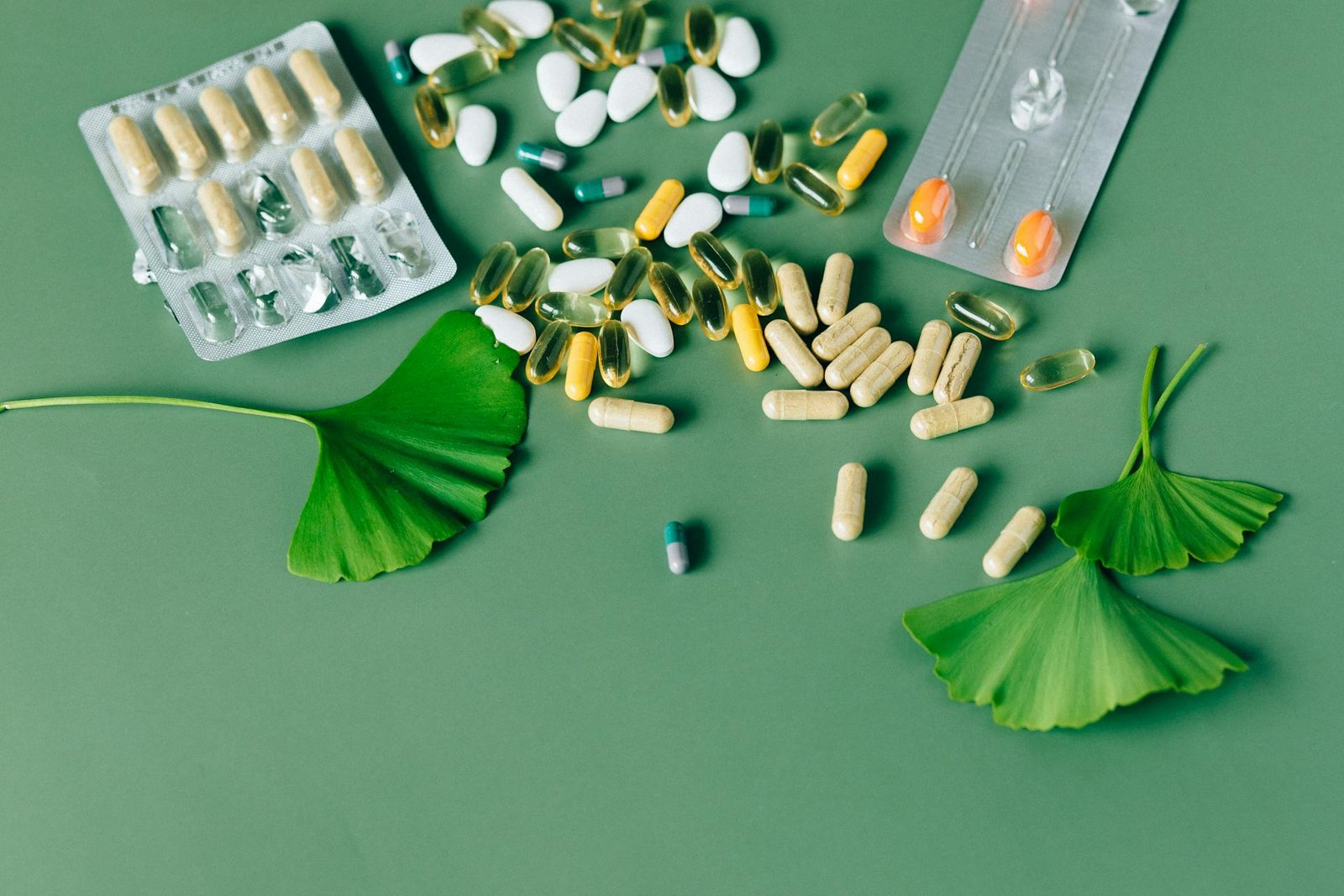

The journey into herbal medicine begins with a simple, powerful idea: plants are our oldest and most trusted companions in health. In a world that often feels dominated by synthetic solutions and quick fixes, herbal medicine offers a return to a more rhythmic, gentle, and holistic way of caring for ourselves. It’s not about rejecting modern science, but about complementing it with millennia of human wisdom. Every culture on Earth has a history of using local plants for healing—from Native American echinacea to Indian turmeric, from European chamomile to Chinese ginger. This isn’t folklore; it’s a tested, living pharmacy grown from the soil. Today, as stress, burnout, and chronic lifestyle-related issues rise, people are turning back to these green allies. They seek balance, prevention, and a deeper connection to the natural world that sustains us. Herbal medicine provides tools for daily wellness, not just crisis management. It empowers you to become an active participant in your health, learning to read your body’s signals and support it with nature’s bounty. Understanding this core principle—that nature provides profound healing—is the essential first step in your journey with herbal medicine. It shifts your perspective from treating isolated symptoms to nurturing your whole being: body, mind, and spirit, using the gentle, yet potent, power of plants.

2. The Essential Starting Point: Safety and Mindful Beginnings

Before you harvest, brew, or consume a single herb, the most critical chapter in your herbal medicine guide must be dedicated to safety. This foundation is what separates a wise, beneficial practice from a risky one. The golden rule is this: herbal medicine is powerful, and “natural” does not automatically mean “safe for everyone in any amount.” Your first action should always be a conversation with a qualified healthcare provider, especially if you are on prescription medications, are pregnant or nursing, or have a diagnosed health condition. Herbs can interact with drugs, much like pharmaceuticals interact with each other. Once you have the all-clear, adopt the “start low and go slow” philosophy. Begin with one herb at a time, at the lowest recommended dose. This allows you to observe your body’s unique response without confusion. Invest in quality from the very start. Seek out organic, ethically wildcrafted, or sustainably cultivated herbs from reputable suppliers. Look for companies that practice transparency, offering third-party lab testing for purity and potency. A mindful beginning also means learning accurate plant identification if you forage, and understanding the proper parts of the plant to use. Building your practice on this bedrock of safety and respect ensures that your exploration of herbal medicine is confident, responsible, and sustainable for the long term.
3. Your First Herbal Allies: Five Gentle Herbs for Common Concerns
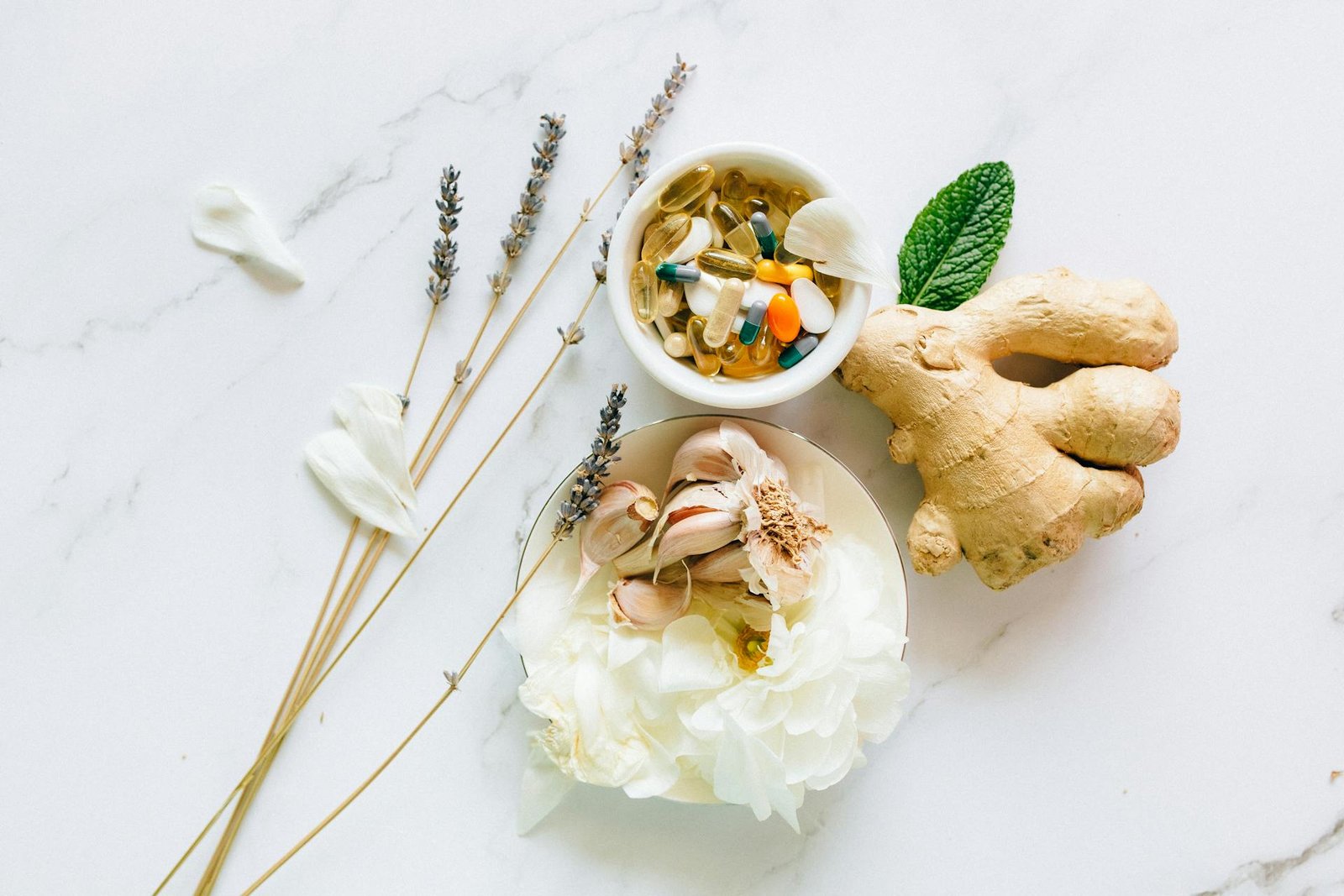
Building your herbal toolkit can feel overwhelming, so let’s start with five gentle, versatile, and widely available champions of herbal medicine. First, consider Chamomile. Far more than a pleasant bedtime tea, chamomile is a supreme nervine, calming frayed nerves and easing digestive upset caused by stress. Its gentle anti-inflammatory properties make it a wonderful soak for irritated skin or eyes. Second, embrace Ginger. This warming rhizome is a quintessential remedy for nausea, whether from travel, pregnancy, or illness. It also stimulates circulation, aids digestion, and acts as a natural anti-inflammatory for sore muscles. Third, welcome Peppermint. Its cooling menthol relieves tension headaches, soothes an upset stomach (IBS symptoms), and clears sinus congestion. It’s an instant refresher for mind and body. Fourth, discover Dandelion. Don’t dismiss this common weed! The leaf is a gentle, potassium-rich diuretic, supporting kidney function, while the root is a classic liver tonic, aiding digestion and detoxification. Finally, explore Calendula. This sunny flower, often used in salves and oils, is a premier skin herb. It speeds wound healing, soothes burns, rashes, and diaper irritation, and is incredibly gentle for sensitive skin. Starting with these five allies in your herbal medicine cabinet allows you to address everyday issues—stress, tummy troubles, minor aches, and skin complaints—with confidence and simplicity.
4. The Art of Preparation: Unlocking the Medicine from the Plant
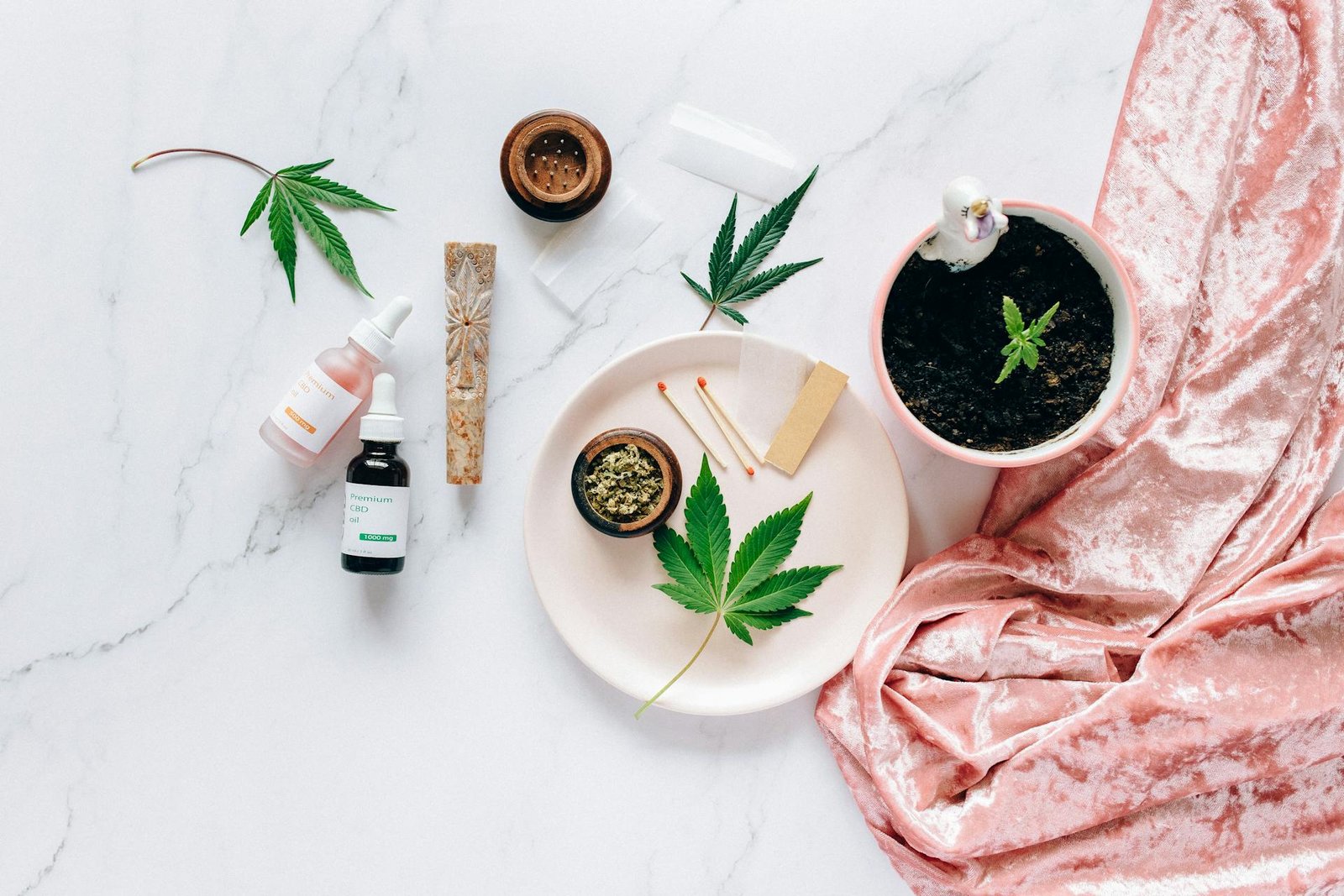
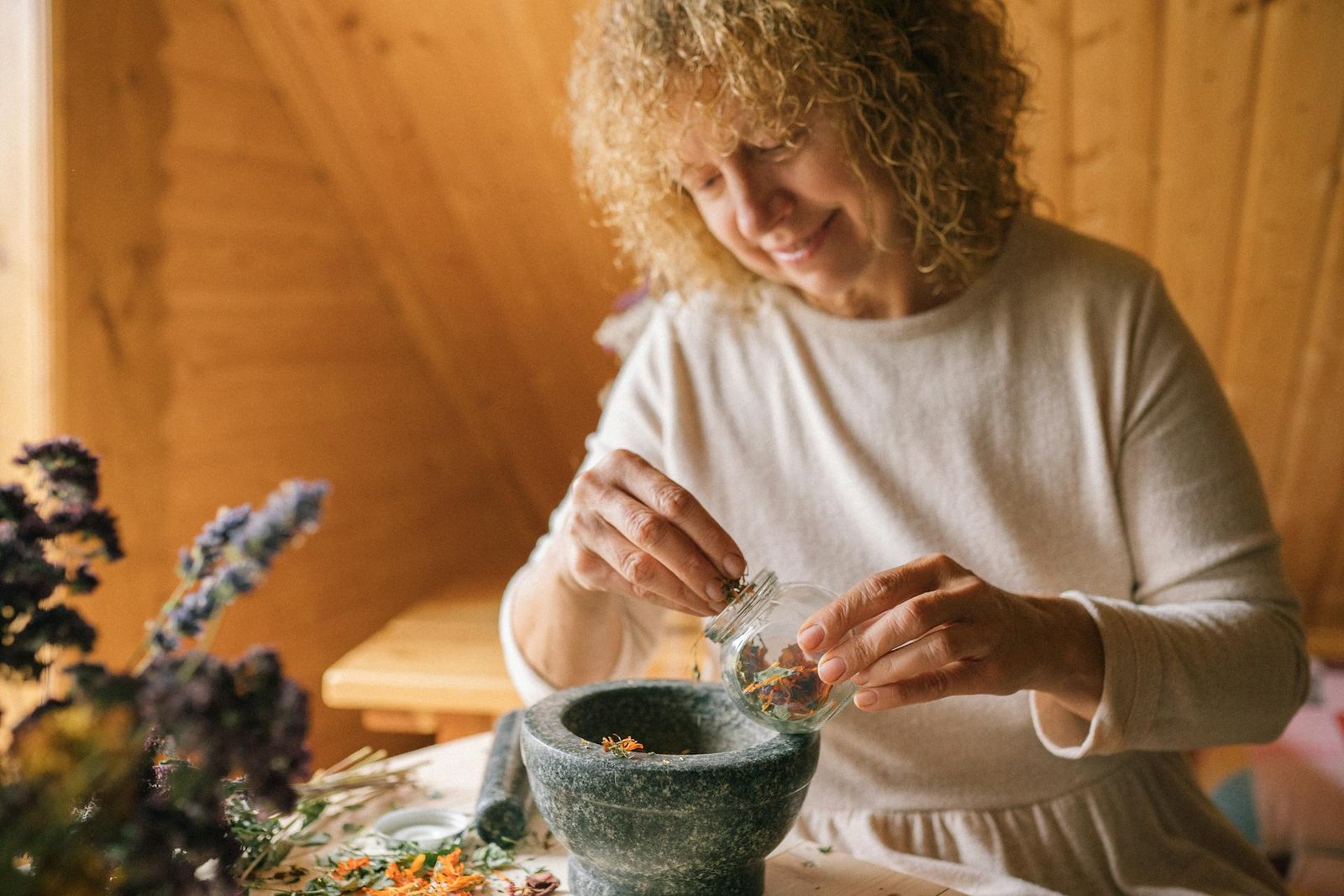
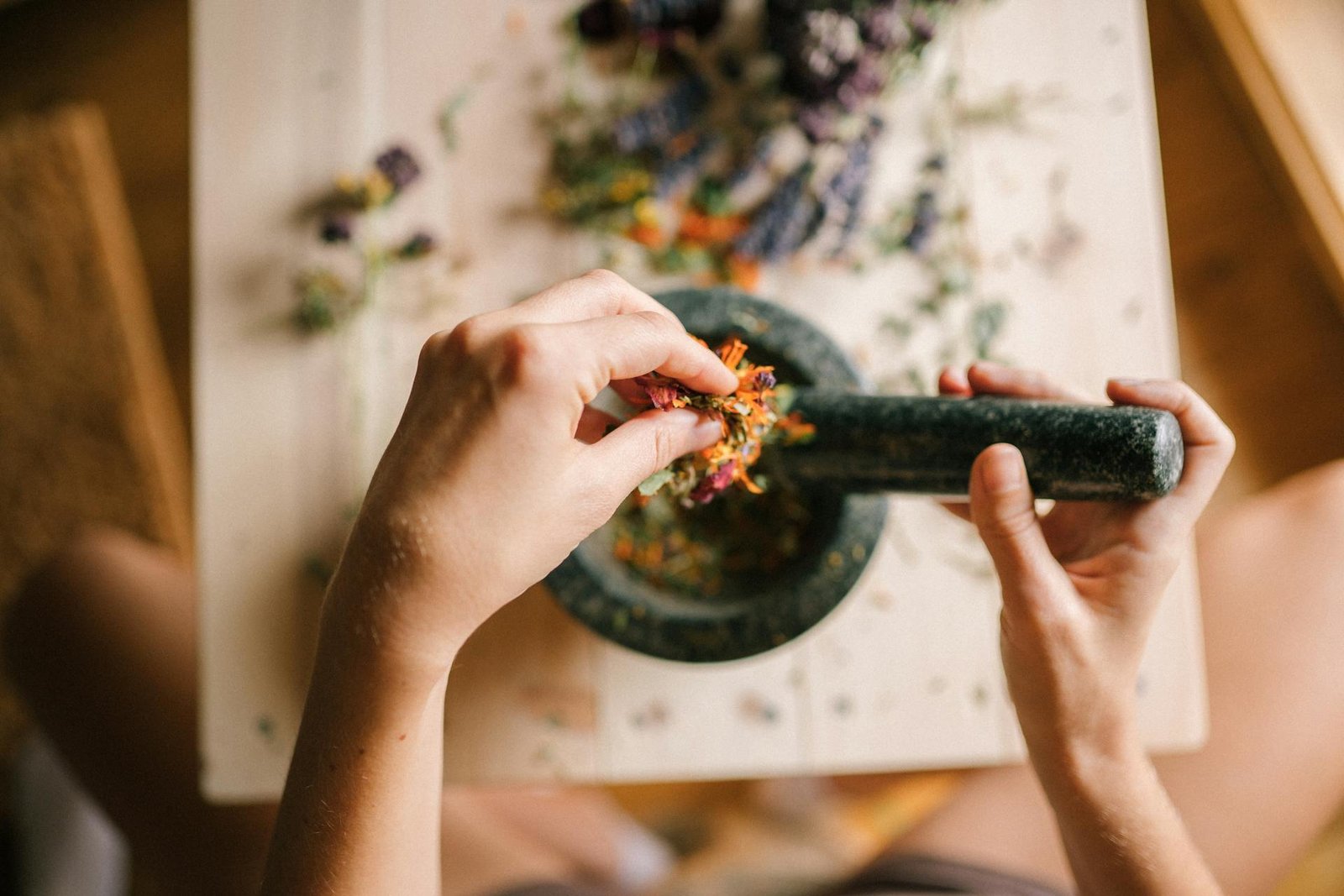
Knowing an herb’s properties is only half the story in herbal medicine. The true magic unfolds in how you prepare it. Different methods extract different beneficial compounds, making the preparation as important as the plant itself. The simplest method is the infusion, or tea, ideal for delicate leaves and flowers (like chamomile or peppermint). Pour boiling water over the herb, cover, and steep for 10-20 minutes. This method pulls out vitamins, volatile oils, and gentle medicinal compounds. For tougher plant materials like roots, barks, and berries, a decoction is used. Here, the herb is simmered gently in water for 20-45 minutes to break down tougher cell walls and extract deeper minerals and alkaloids. A tincture is a concentrated liquid extract using alcohol (or glycerin for an alcohol-free version) to pull out and preserve a wide spectrum of a plant’s constituents, creating a potent, long-lasting medicine that’s easy to dose and use. For external use, infused oils are made by steeping herbs in a carrier oil (like olive or sunflower) for several weeks, capturing their healing properties for use in salves, balms, and massage oils. Mastering these basic preparations in your herbal medicine practice transforms dried plants into potent, usable remedies tailored to your specific needs, deepening your connection to the healing process from start to finish.
5. Beyond the Physical: Herbs for Emotional and Mental Well-being
Herbal medicine shines brilliantly in its ability to support not just the physical body, but the emotional and mental landscapes we navigate daily. This holistic approach recognizes that anxiety, low mood, brain fog, and stress are not separate from our physical health. A special class of herbs, known as adaptogens and nervines, are key players here. Adaptogens, like the renowned Ashwagandha and Holy Basil (Tulsi), help the body and mind “adapt” to stress. They work gradually to balance the body’s stress-response system, improving resilience, boosting energy during fatigue, and promoting calm during anxiety. Nervines, on the other hand, directly soothe the nervous system. Lemon Balm lifts the spirit and eases nervous agitation, while Skullcap is exceptional for quieting a racing mind, promoting restful sleep. Milky Oat tops are a profound nourisher for a depleted, overworked nervous system, often described as food for frazzled nerves. Incorporating these herbs into your herbal medicine regimen might involve a daily cup of tulsi tea for long-term stress resistance, or a few drops of skullcap tincture during moments of acute overwhelm. This branch of herbal care empowers you to cultivate emotional balance and mental clarity, proving that herbal medicine is a comprehensive system for nurturing every layer of your well-being.
6. Building a Relationship: The Practice of Herbal Observation

Becoming proficient in herbal medicine is less about memorizing a textbook and more about cultivating a relationship—with the plants and with your own body. This requires the practice of mindful observation. Begin by choosing one herb to work with consistently for a period of time, perhaps a month. As you take it daily in a simple form like tea, start an “herbal journal.” Note not just the physical effects—”my digestion felt calmer,” “I fell asleep more easily”—but also the subtle shifts. Did your mood feel lighter? Was your mind less cluttered? Did you feel more grounded? This practice, central to traditional herbal medicine, teaches you to become your own best health advocate. You learn your unique constitution and how you respond to different plants. Observe the plants themselves: grow a pot of mint or calendula. Notice their life cycle, their vibrancy, their resilience. This connection fosters deep respect and intuition. When you understand that herbal medicine is a dialogue rather than a monologue, you move from passively consuming remedies to actively engaging in a timeless partnership with nature. This relational approach is what makes herbal wisdom a living, personal art, transforming it from a hobby into a foundational part of a conscious, healthy lifestyle.
7. Sustainable and Ethical Practices: Honoring the Source
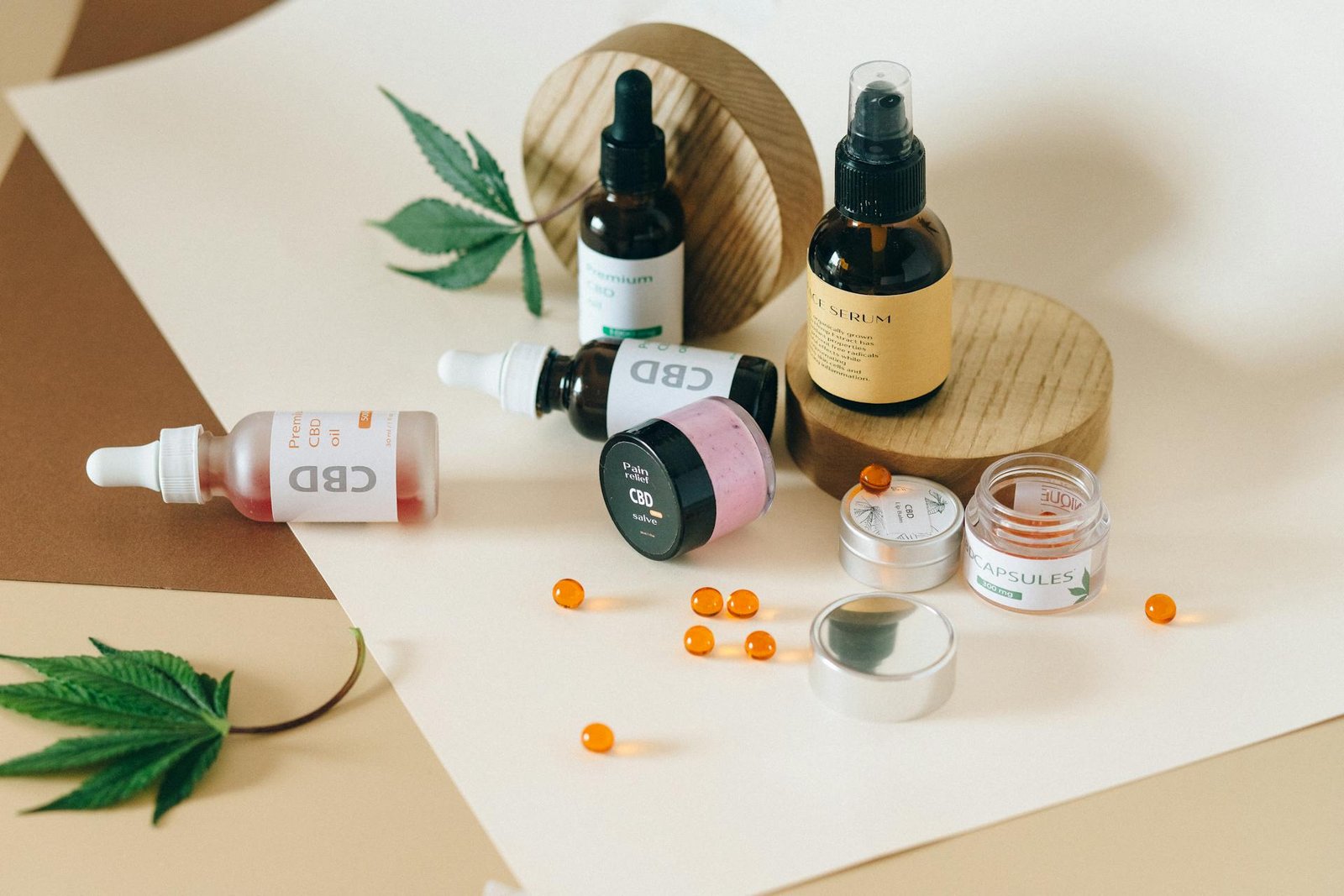
A truly responsible practice of herbal medicine extends its respect beyond your own health to the health of the planet and the communities who cultivate these plants. Sustainable and ethical sourcing is a non-negotiable pillar. Many popular herbs are threatened by overharvesting in the wild, such as American Ginseng and Goldenseal. As a practitioner, you must prioritize buying from companies and farms that use cultivated or ethically wildcrafted sources. Ethical wildcrafting follows strict guidelines: it never takes more than a small percentage of a healthy population, ensures the plant’s ability to regenerate, and does not damage the surrounding ecosystem. Look for certifications like “Organic” and “Fair Wild.” Furthermore, consider the carbon footprint of your herbs. Using locally abundant plants (like dandelion, plantain, or nettle in many regions) is a powerful way to practice sustainable herbal medicine. You can even grow a foundational “home apothecary” garden with herbs like calendula, lavender, lemon balm, and thyme. By making conscious choices, you ensure that the healing power of herbal medicine remains abundant for future generations and that the people who grow and harvest these plants are treated and compensated fairly, weaving a circle of care that encompasses people, plants, and planet.
8. Integrating with Conventional Care: A Collaborative Approach
The most effective and modern application of herbal medicine exists not in opposition to conventional Western medicine, but in thoughtful collaboration with it. This integrative model recognizes the strengths of both systems. Conventional medicine excels in acute care, emergencies, diagnostics, and surgical intervention. Herbal medicine excels in preventive care, managing chronic conditions, reducing side effects of treatments, and enhancing overall quality of life and resilience. The key to integration is open communication. Always, without exception, inform all your healthcare providers—doctors, specialists, pharmacists—about every herb and supplement you are taking. This allows them to watch for potential interactions and provides a complete picture of your health strategy. For instance, a cancer patient might use ginger to combat chemotherapy-induced nausea under their oncologist’s guidance, or someone with arthritis might use turmeric alongside their prescribed treatment to help manage inflammation. Seeing your herbal medicine practitioner (like a trained clinical herbalist or naturopathic doctor) and your medical doctor as part of the same team working for your benefit creates a powerful, personalized healthcare synergy. This intelligent, cooperative approach is the future of holistic health, where herbal medicine is respected as a vital component of comprehensive wellness.
9. Deepening Your Knowledge: Trusted Pathways for Continued Learning
As your curiosity and confidence in herbal medicine grow, you will naturally seek to deepen your knowledge. Navigating this path requires discernment to find accurate, trustworthy information. Begin with well-respected books by established herbalists and medical professionals, such as those by Rosemary Gladstar, David Hoffmann, or Dr. Tieraona Low Dog. These texts provide a solid, foundational education. Seek out reputable online resources from accredited institutions, professional herbal associations, and peer-reviewed journals when available. Consider enrolling in a course from a recognized school of herbal studies, many of which offer excellent online programs. However, one of the most enriching ways to learn is through direct mentorship and community. Connect with local herbalists, attend workshops, or join plant walks in your area. There is irreplaceable wisdom in touching, smelling, and seeing plants in their habitat and learning from experienced practitioners. Remember, herbal medicine is a lifelong study. Avoid the trap of sensationalist blogs or social media posts making miracle cure claims. True expertise in herbal medicine is built slowly, on a foundation of botany, physiology, tradition, and, most importantly, respectful, hands-on experience guided by reliable sources.
10. Cultivating an Herbal Lifestyle: Your Long-Term Wellness Journey
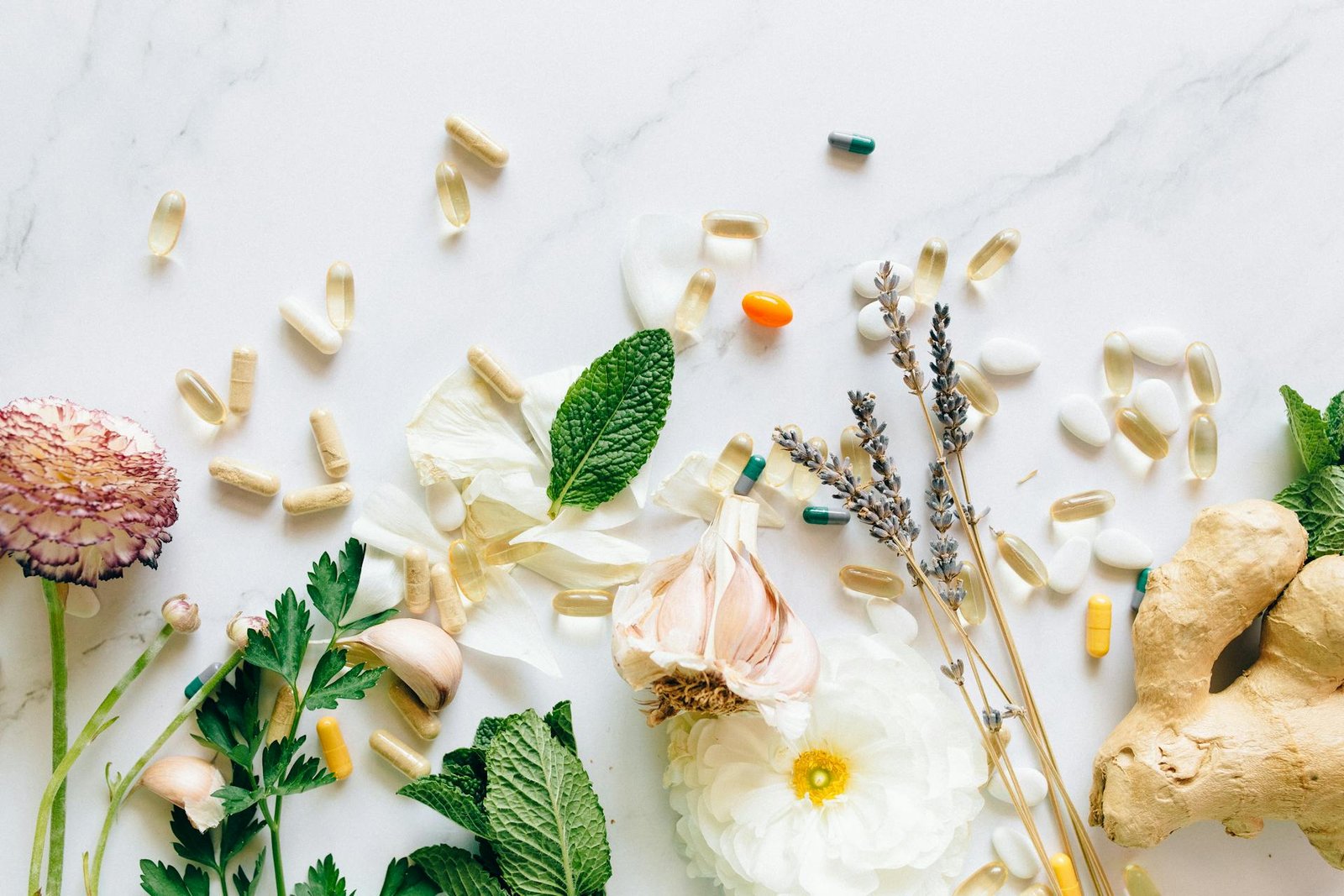
Ultimately, embracing herbal medicine leads to more than just a cabinet full of tinctures; it fosters a holistic herbal lifestyle. This is a gradual shift in how you move through your day, consciously weaving plant wisdom into the fabric of your life. It might start with swapping your morning coffee for a energizing yet non-jittery cup of tulsi and roasted dandelion root tea. It could mean winding down each evening with a chamomile and lavender bath soak. An herbal lifestyle involves cooking with potent, medicinal spices like turmeric, oregano, and rosemary, turning meals into nourishment on every level. It means tending a small garden, even if just a windowsill of potted herbs, to connect with the cycle of growth. It involves learning to make simple remedies—a healing salve for winter skin, a fire cider tonic for immune support—as seasonal rituals. This lifestyle is about intention and connection. It reinforces that health is not a destination but a daily practice of nurturing choices. By framing herbal medicine not as an alternative treatment, but as a foundational, joyful component of your everyday life, you build enduring resilience, vitality, and a profound, personal bond with the natural world that sustains you for years to come.
Conclusion:
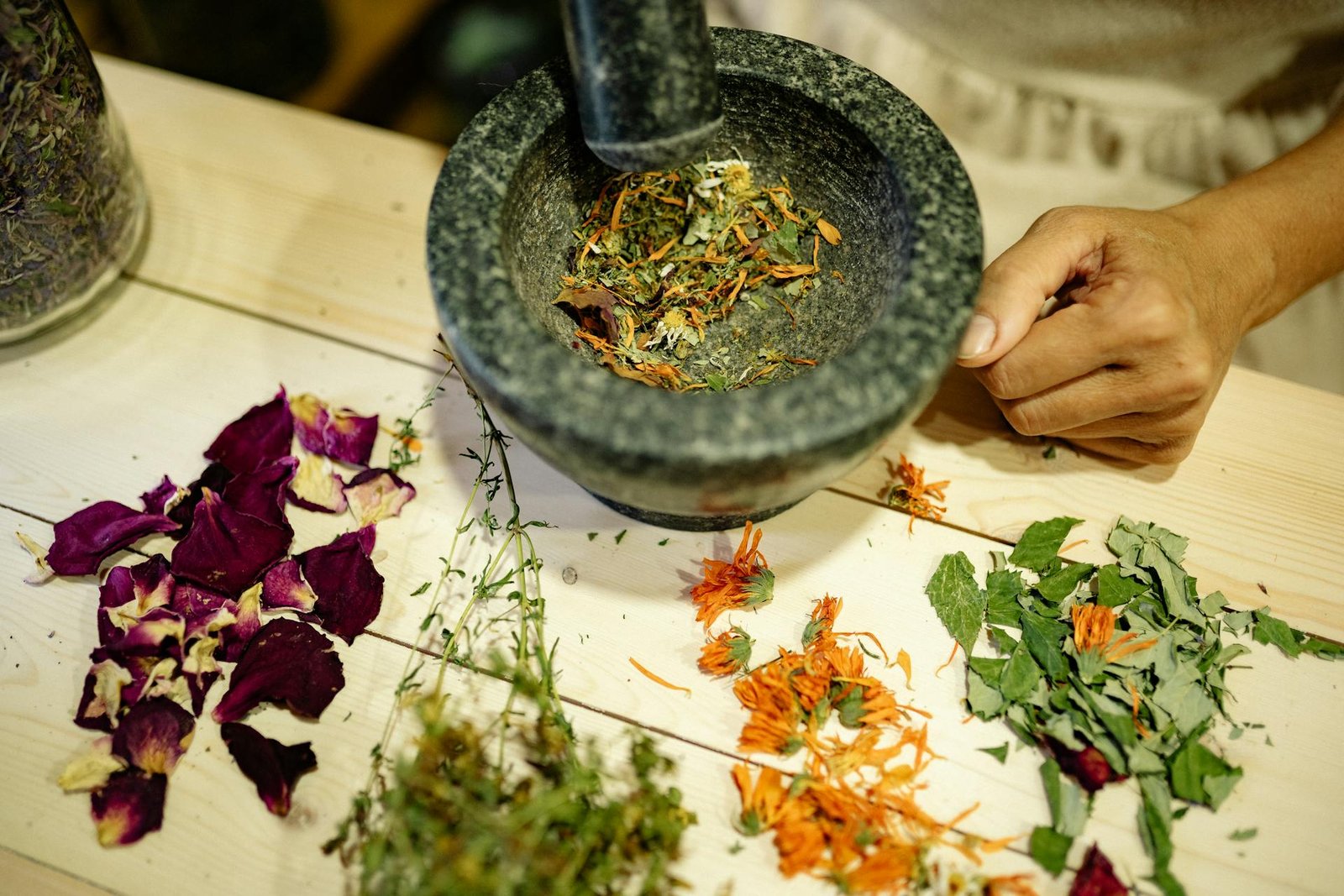
The path of herbal medicine ultimately leads us to a powerful realization: true wellness is an active, participatory, and deeply personal journey. It is not found in a single bottle or a magic bullet, but in the cumulative power of daily, mindful choices that honor the intricate connection between our bodies and the natural world. This guide has equipped you with the fundamental knowledge to begin—emphasizing safety, introducing key herbs, explaining preparations, and advocating for a sustainable, integrated approach. Remember that this is a practice built on patience, observation, and respect. Start simply, listen closely to your body’s unique language, and build your herbal repertoire slowly and with intention. The goal is not to replace conventional medicine, but to create a synergistic partnership where the gentle, supportive strength of plants enhances your overall resilience and quality of life. As you incorporate these practices—a cup of calming tea, a homemade salve, a moment in a herb garden—you are doing more than just using a remedy. You are engaging in an ancient ritual of self-care, weaving a thread of natural wisdom into your modern existence. This journey with herbal medicine fosters empowerment, responsibility, and a renewed sense of harmony. Let this be the beginning of a lifelong exploration, where you cultivate not just a healthier body, but a more grounded, resilient, and connected way of being in the world.