


Description:


Embarking on the journey of backyard chicken farming is about more than just fresh eggs—it’s a transformative step towards self-sufficiency, sustainability, and a deeper connection to the rhythms of nature. This comprehensive guide serves as your essential blueprint, meticulously crafted for the aspiring modern homesteader. Whether you’re a family seeking a meaningful project, a professional looking for a grounding hobby, or an eco-conscious individual aiming to reduce your food footprint, this resource is designed for you. We navigate every critical aspect, from the crucial first step of understanding local backyard chicken farming ordinances to the nuanced care of selecting cold-hardy breeds and constructing a fortress-like coop. Beyond practical steps, we explore the profound satisfaction found in the daily routine of care, the problem-solving involved in predator-proofing, and the community wisdom shared by keepers worldwide. This isn’t just a manual; it’s an invitation to join a growing movement that values knowing exactly where your food comes from, embraces the gentle pace of animal husbandry, and finds joy in the simple, tangible results of your care and effort. Let’s build your flock foundation together.
1. The Foundational Motivation: Understanding the Core Appeal of Backyard Poultry
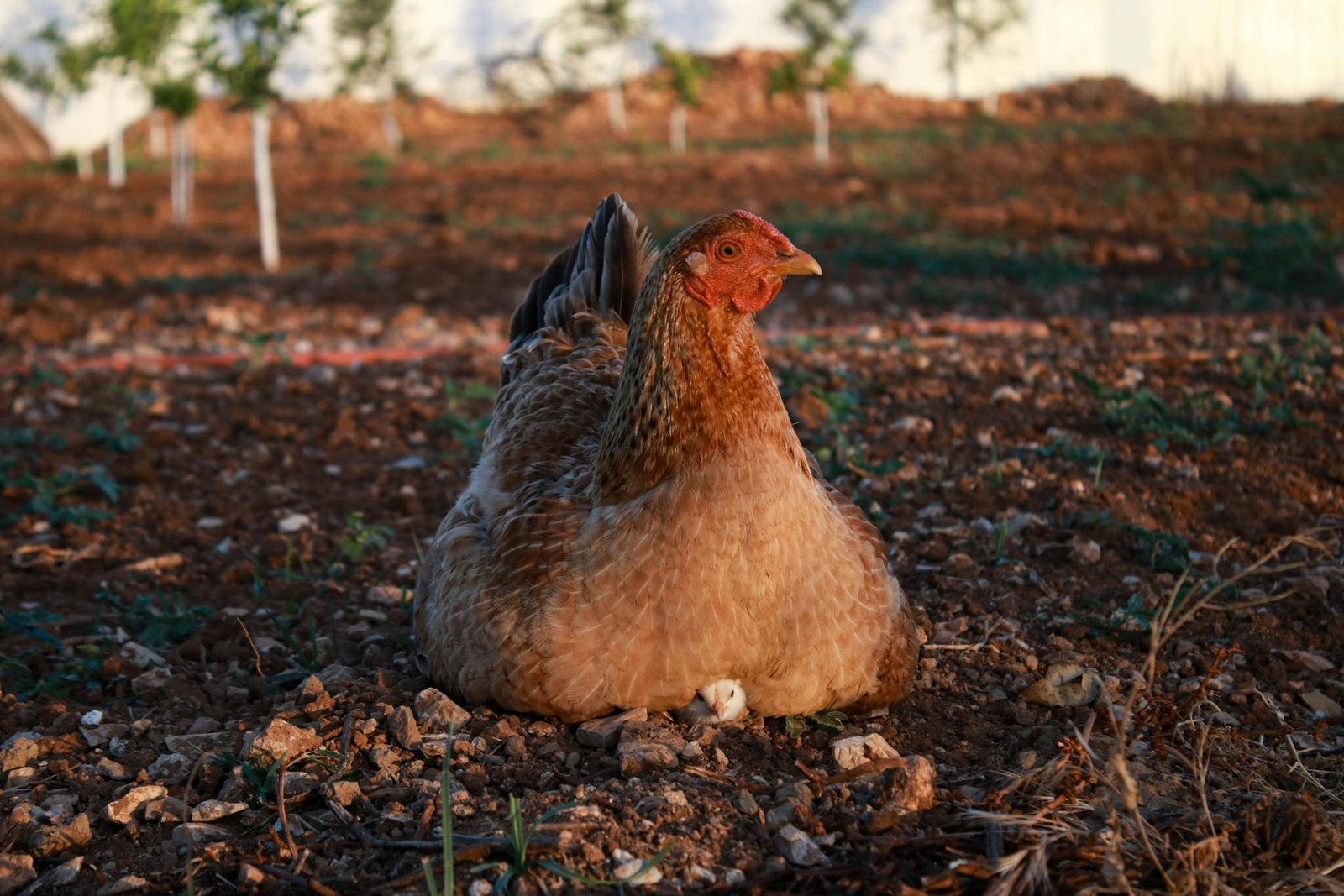

The decision to embark on backyard chicken farming is rooted in a powerful convergence of practical and philosophical desires that resonate deeply in our modern era. This practice transcends the simple act of acquiring pets or livestock; it represents a conscious step towards experiential fulfillment and tangible self-reliance. The core appeal lies in the profound satisfaction of participating directly in one’s food system, a connection largely absent from conventional grocery store commerce. Beyond the unparalleled taste of a truly fresh egg, still warm from the nest, backyard chicken farming fosters a unique therapeutic rhythm. The daily care routine provides a grounding, mindful practice, countering the digital saturation of daily life. For families, it offers an immersive educational platform where children witness natural cycles, biology, and responsibility firsthand. Furthermore, it aligns with growing ecological consciousness, as chickens efficiently convert kitchen scraps into valuable fertilizer, promoting a sustainable, closed-loop mini-ecosystem in your own yard. Ultimately, this endeavor answers a call for authenticity, offering a hands-on, rewarding connection to the rhythms of nature and the source of our nourishment.
2. The Imperative of Legal Due Diligence: Navigating Municipal Ordinances and Zoning
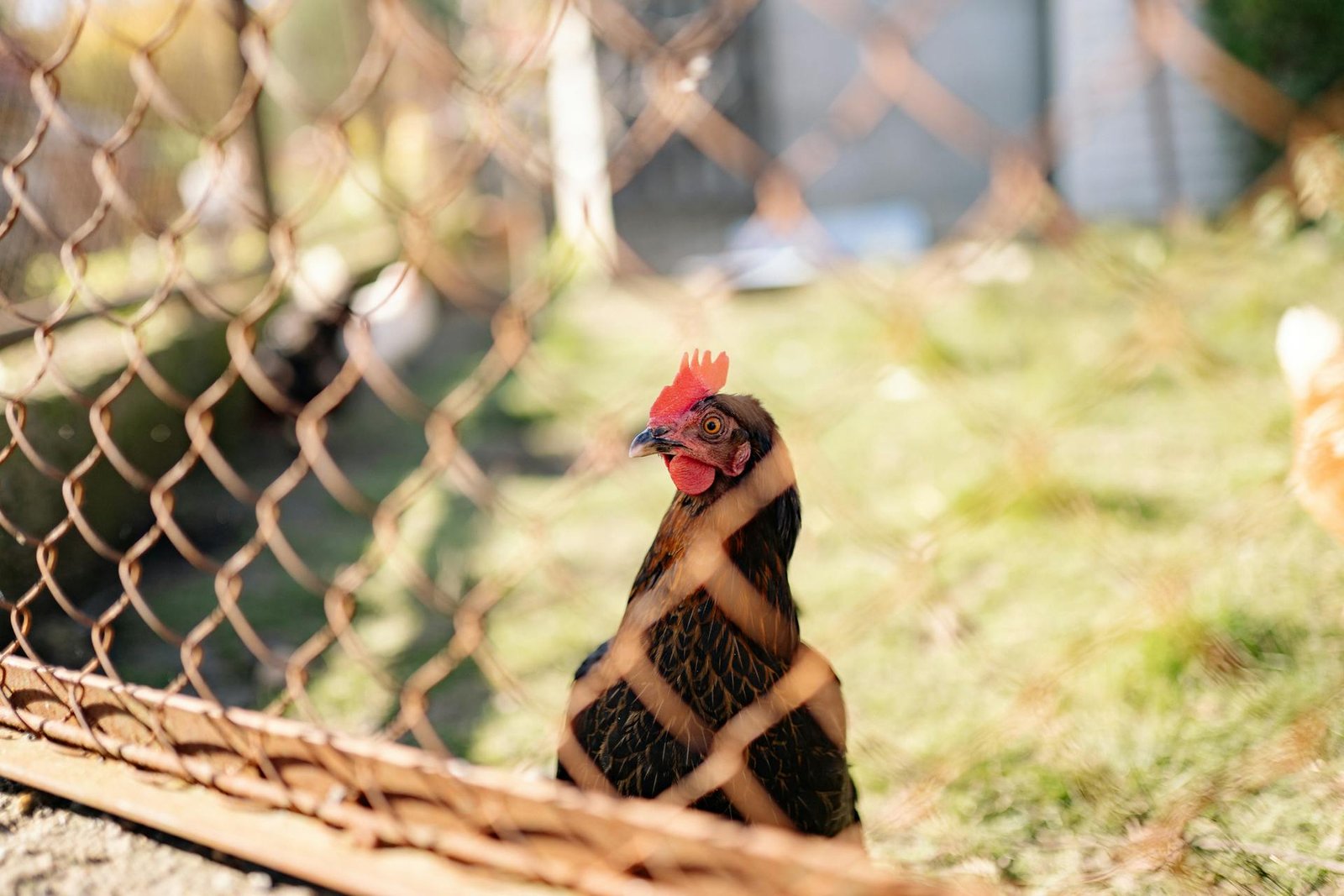
Prior to constructing a coop or envisioning your flock, the most critical, non-negotiable step is a comprehensive investigation of your local backyard chicken farming regulations. This legal framework is not uniform; it varies dramatically between counties, cities, and even homeowners’ associations, making generalized assumptions a significant liability. Successful integration of backyard chicken farming into a community hinges on strict adherence to these codified rules. A detailed review of your municipal code, specifically searching for “urban agriculture” or “poultry” ordinances, will reveal essential parameters. These typically stipulate the absolute prohibition of roosters due to noise ordinances, explicit limits on the number of allowable hens—often between four and six—and strict setbacks dictating how far a coop must be situated from property lines and neighboring dwellings. Proactively engaging with this bureaucratic layer is not merely about compliance; it is an act of respectful community citizenship. Securing any necessary permits and transparently communicating your plans with immediate neighbors, perhaps with the promise of future egg shares, preempts conflict and establishes your venture as a considerate, above-board operation. This foundational legal work ensures your project begins on stable, uncontested ground.
3. Strategic Selection: Choosing the Right Poultry Breeds for Your Goals
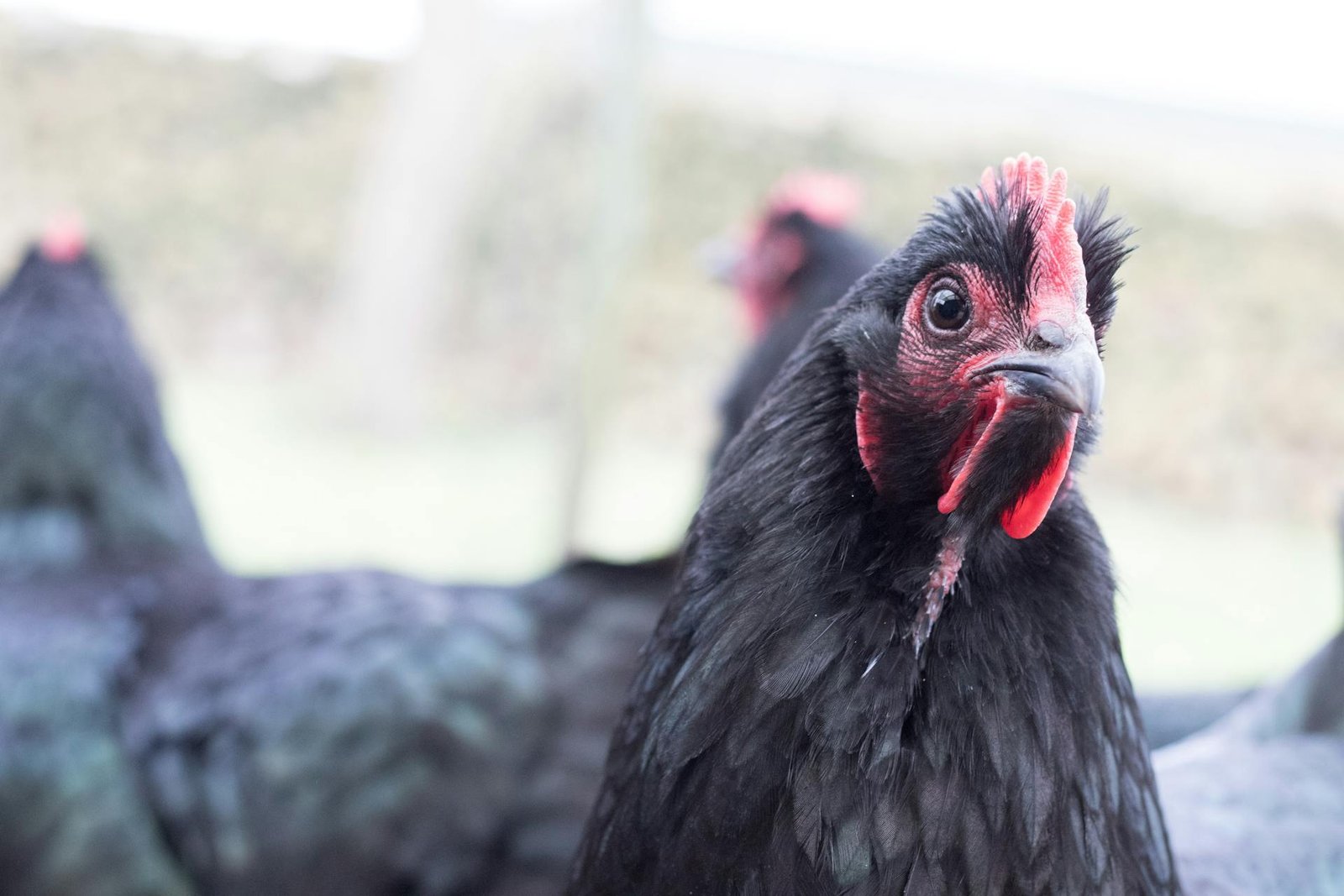
The composition of your initial flock is a strategic decision that will heavily influence your daily experience and long-term satisfaction in backyard chicken farming. Breeds are not interchangeable; they possess distinct genetic profiles tailored for egg production, temperament, climate resilience, or ornamental value. For novice practitioners of backyard chicken farming, prioritizing dual-purpose heritage breeds known for docility, hardiness, and consistent laying is paramount. The Rhode Island Red, for instance, is an industry standard renowned for its prolific brown egg production and robust nature. The Plymouth Rock offers similar reliability with an exceptionally calm demeanor, making it ideal for families. For those in colder climates, the fluffy, gentle Buff Orpington is a superb cold-hardy layer. Conversely, in hotter regions, Mediterranean breeds like the Leghorn, though sometimes flightier, are champions of heat tolerance and egg yield. It is strongly advised to source “started pullets”—young females aged 16-22 weeks—from reputable hatcheries or local breeders. This approach bypasses the high-maintenance, fragile chick-brooding stage and provides birds already vaccinated and on the cusp of laying, offering a more immediate and manageable entry point into responsible backyard chicken farming.

4. Architectural Essentials: Designing a Predator-Proof and Functional Coop System
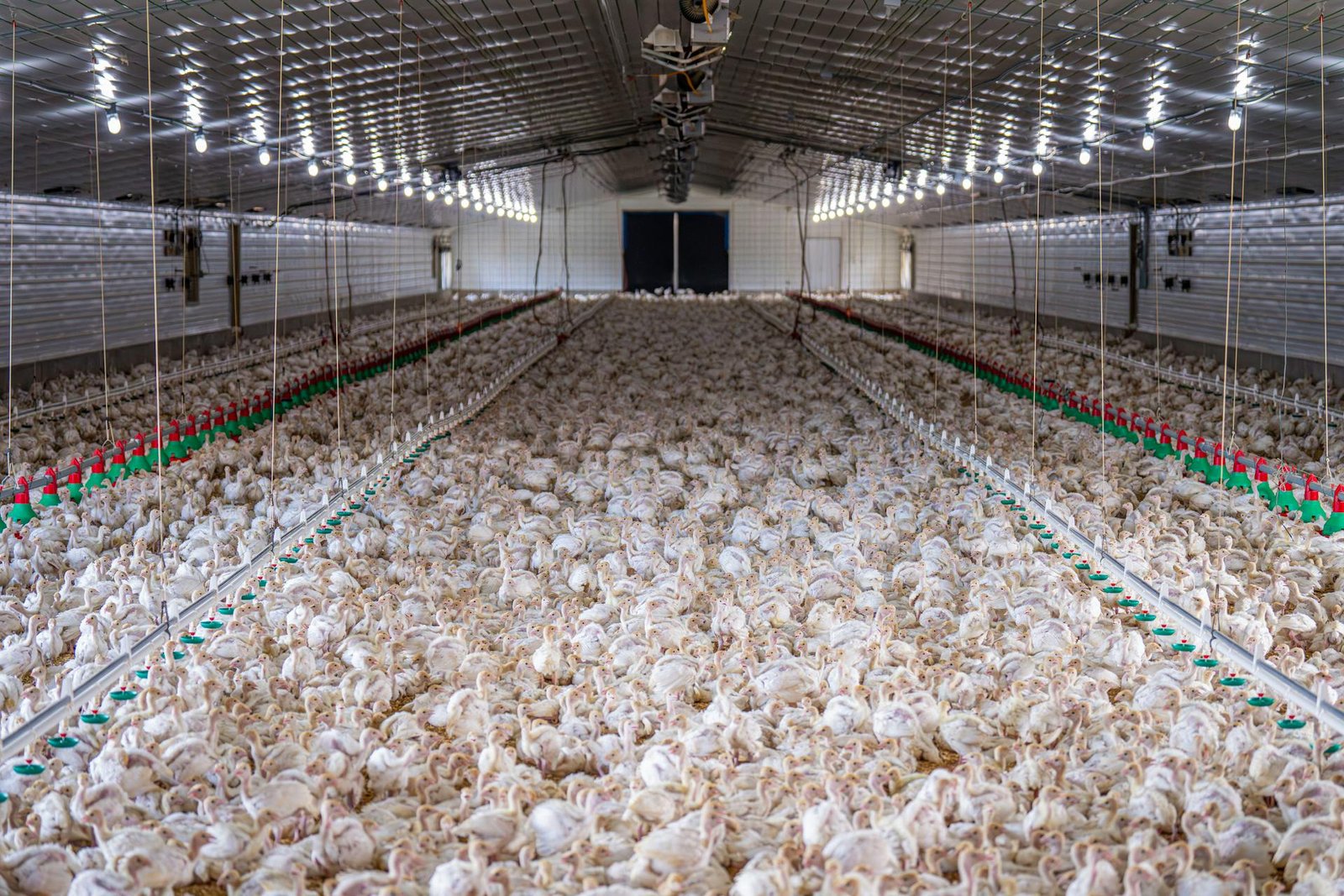
The chicken coop is far more than a simple shelter; it is a fortress, a nursery, and a roost, requiring intelligent design that prioritizes security, health, and functionality. The cardinal sin in backyard chicken farming is underestimating the ingenuity and persistence of predators such as raccoons, foxes, rats, and aerial threats like hawks. Effective coop architecture employs a principle known as “hardware cloth defense,” utilizing ½-inch galvanized steel mesh—not flimsy chicken wire—over every opening, buried laterally into the ground to deter digging. Ventilation is the unsung hero of poultry health; ample, high-up cross-ventilation prevents moisture and ammonia buildup, which cause respiratory illness, while ensuring the coop remains draft-free at bird level. Interior space allocation is non-negotiable: a minimum of 4 square feet per bird inside the coop and 10 square feet in an attached, covered run prevents stress, disease, and behavioral issues. The inclusion of securely mounted roosting bars, dedicated nesting boxes filled with soft bedding, and easy-access doors for cleaning are not luxuries but fundamental requirements. Investing time and resources into this permanent infrastructure is the single most effective action to ensure the longevity, health, and security of your flock in backyard chicken farming.
5. The Rhythm of Care: Establishing a Daily and Weekly Husbandry Routine
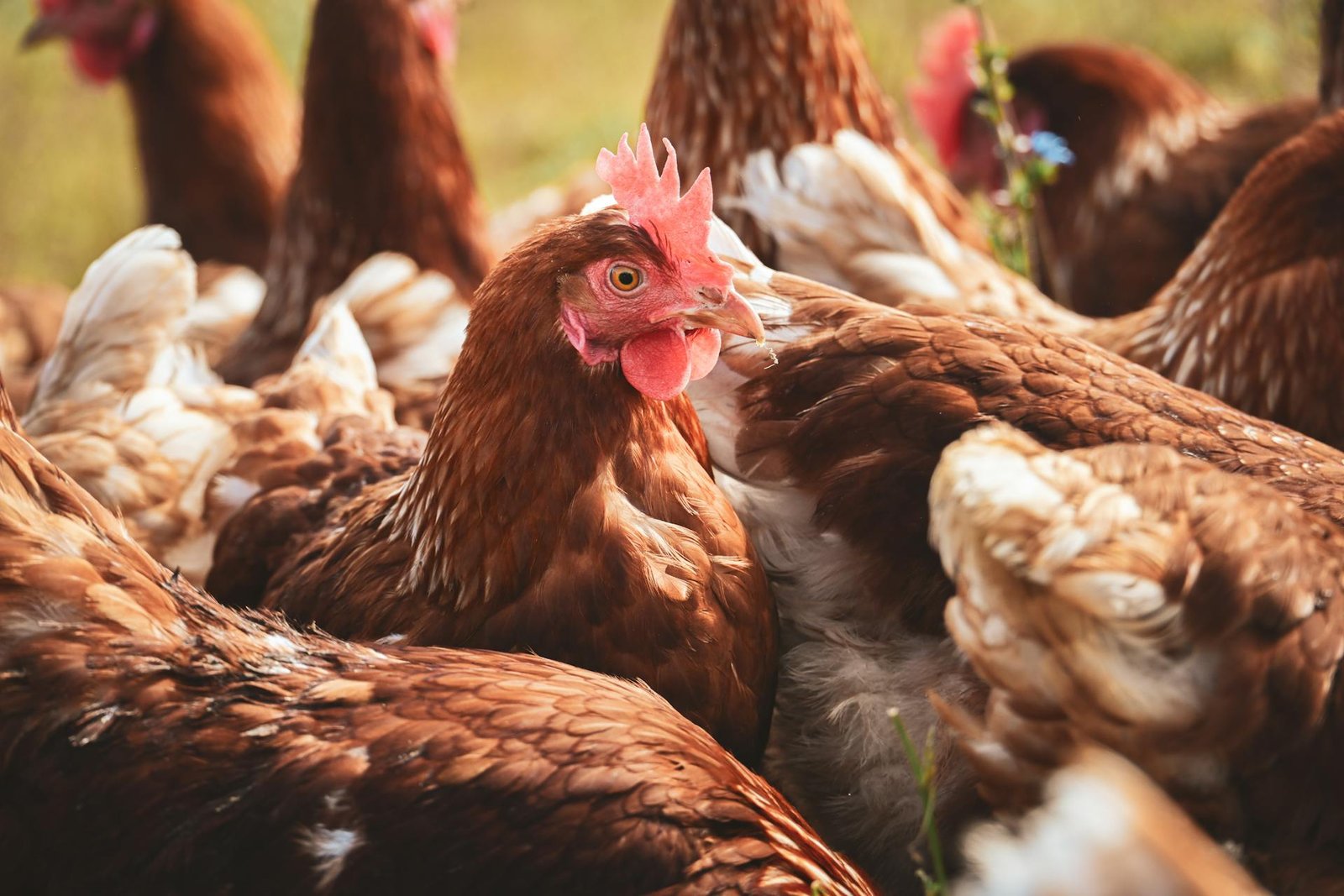
The long-term success of backyard chicken farming is built upon the consistent execution of a simple yet non-negotiable husbandry routine. This rhythm transforms chores into mindful rituals that ensure flock vitality. The daily non-negotiables are pristine water and appropriate nutrition. Waterers must be cleaned and refilled daily, as chickens consume surprising quantities and will quickly reject dirty water. A balanced commercial layer feed, offered in secure feeders to deter pests, should constitute their primary diet, supplemented only sparingly with healthy kitchen scraps like vegetable trimmings. Egg collection should occur at least twice daily to maintain cleanliness and prevent egg-eating habits. The weekly cornerstone is a thorough coop maintenance check. This involves removing soiled bedding, applying fresh pine shavings or straw, and scrubbing the waterer with a vinegar solution to prevent biofilm. A visual health check of each bird during this time—observing bright eyes, smooth feathers, and active behavior—allows for early illness detection. This consistent, proactive routine in backyard chicken farming prevents small issues from becoming crises and forms the reliable backbone of a thriving homestead.
6. Proactive Health Management: Principles of Disease Prevention and Flock Vitality
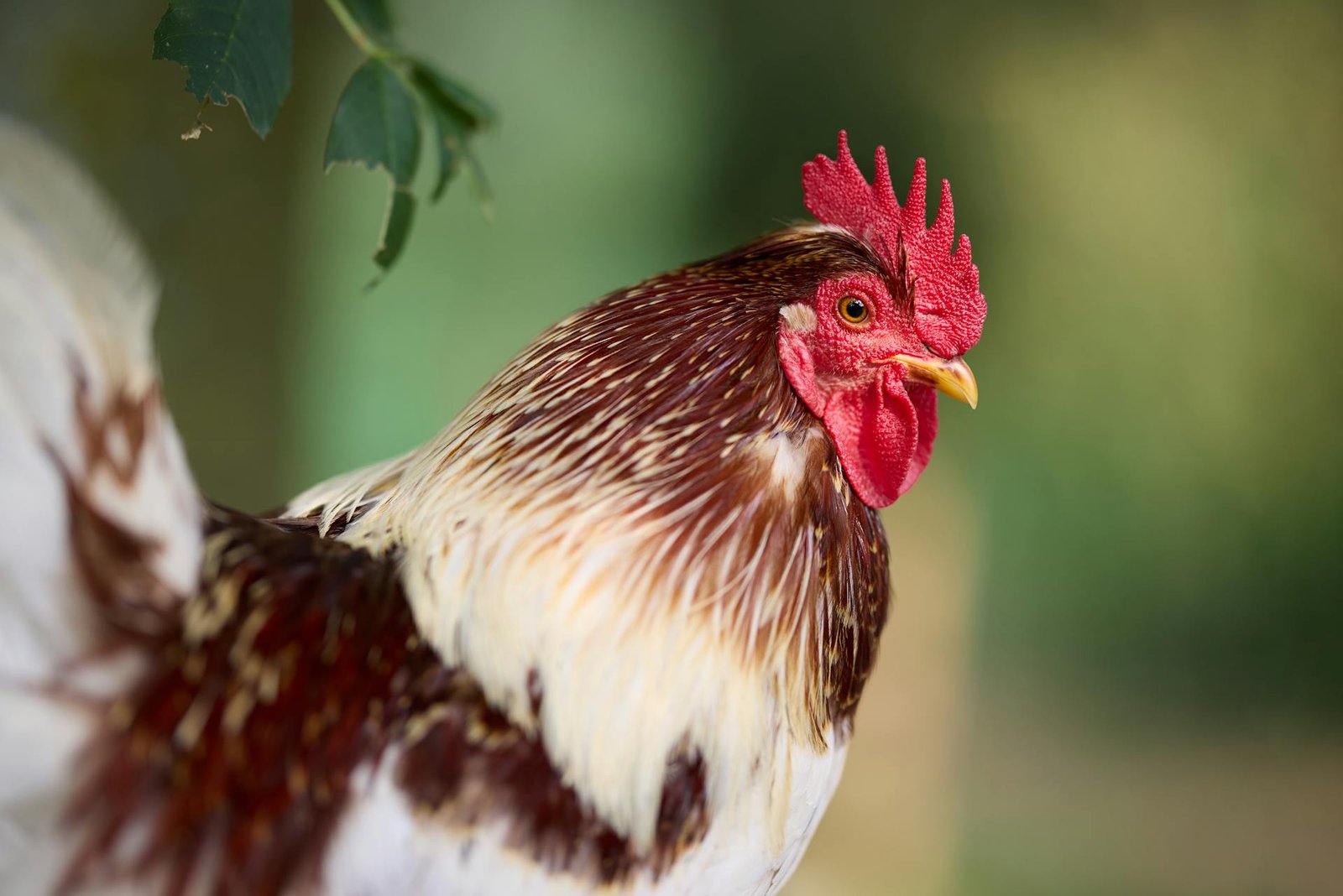

A cornerstone philosophy in ethical backyard chicken farming is that prevention is infinitely superior to treatment. Maintaining a robustly healthy flock is achieved through environmental management, keen observation, and biosecurity, not through frequent medication. The primary health defense is the aforementioned clean, dry, and well-ventilated coop environment, which drastically reduces pathogen load and parasite habitat. A “closed flock” policy, meaning you do not casually introduce new birds from untrusted sources, is a critical biosecurity measure to prevent introducing diseases like Marek’s or infectious bronchitis. Regular external parasite control is essential; conducting monthly checks under feathers and around the vent for mites or lice, and proactively treating the coop with food-grade diatomaceous earth or approved pesticides, keeps infestations at bay. Perhaps the most vital skill is developing an observant eye. Knowing each bird’s normal posture, appetite, and comb color allows you to instantly spot a hen that is lethargic, puffed up, or isolating herself—the universal sign of illness. In backyard chicken farming, this vigilant, preventive approach is the true key to minimizing vet visits and ensuring a resilient, productive flock.
7. Egg Safety and Handling: Best Practices from Nest to Table
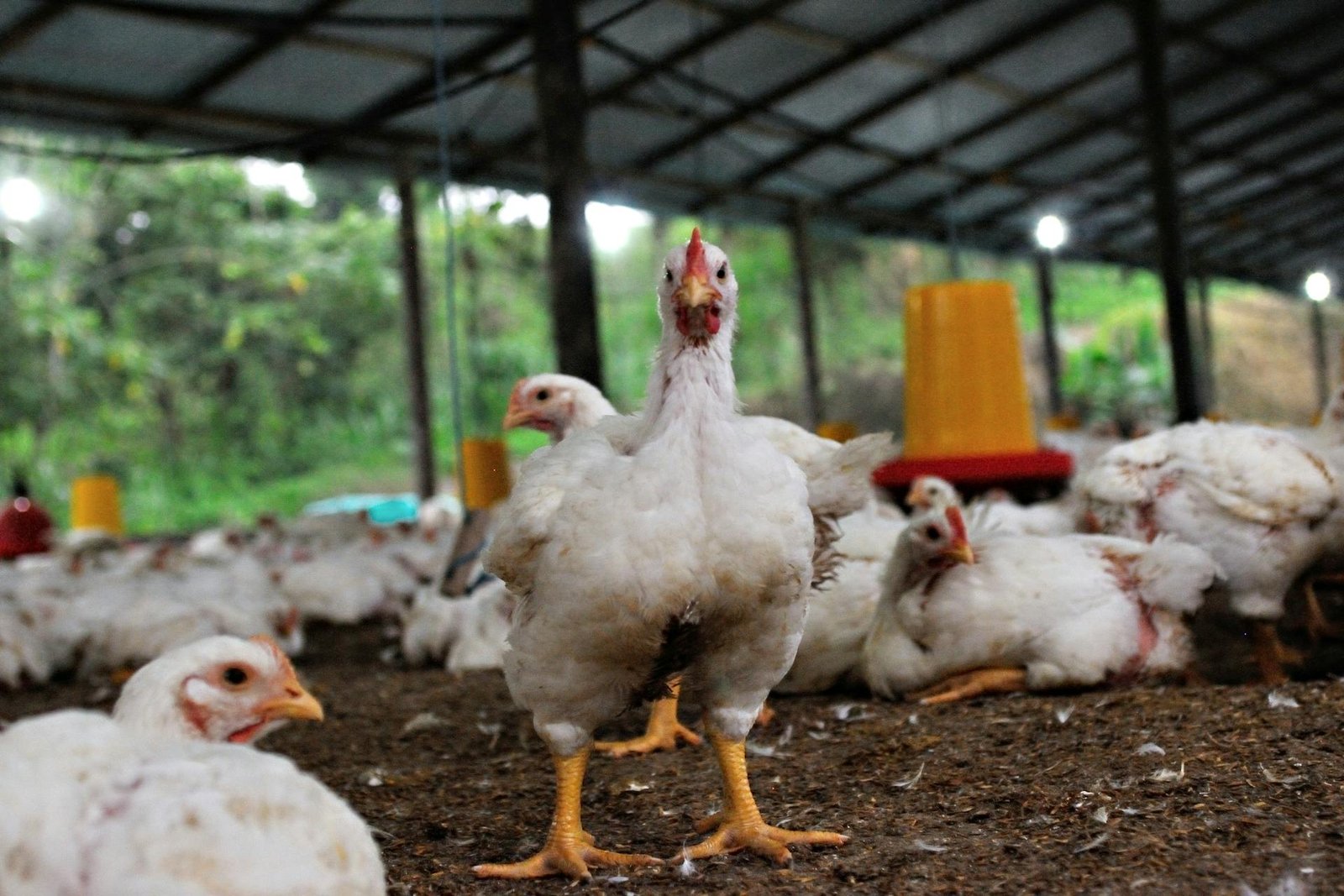
The prized product of backyard chicken farming requires specific handling protocols to ensure optimal food safety, flavor, and shelf life. Unlike commercially processed eggs, homegrown eggs retain a natural protective coating called the “bloom” or cuticle. This microscopic layer seals the shell’s pores, preventing bacterial ingress and moisture loss. Best practice is to collect eggs frequently and, if clean, store them unwashed in a cool place. Washing removes this bloom and should only be done immediately before use with water warmer than the egg itself to prevent bacterial pull into the shell. If an egg is soiled, it can be gently dry-brushed or sanitized with a mild vinegar solution for immediate use. For storage, place eggs pointed-end down in cartons in the refrigerator, where they will remain fresh for several weeks. Understanding that eggshells are permeable is crucial; avoid storing them near strong-smelling foods. Mastering these post-collection protocols in backyard chicken farming guarantees that the superior quality of your home-produced eggs is preserved from your coop directly to your kitchen table.
8. Community Integration: Fostering Positive Neighborhood Relations
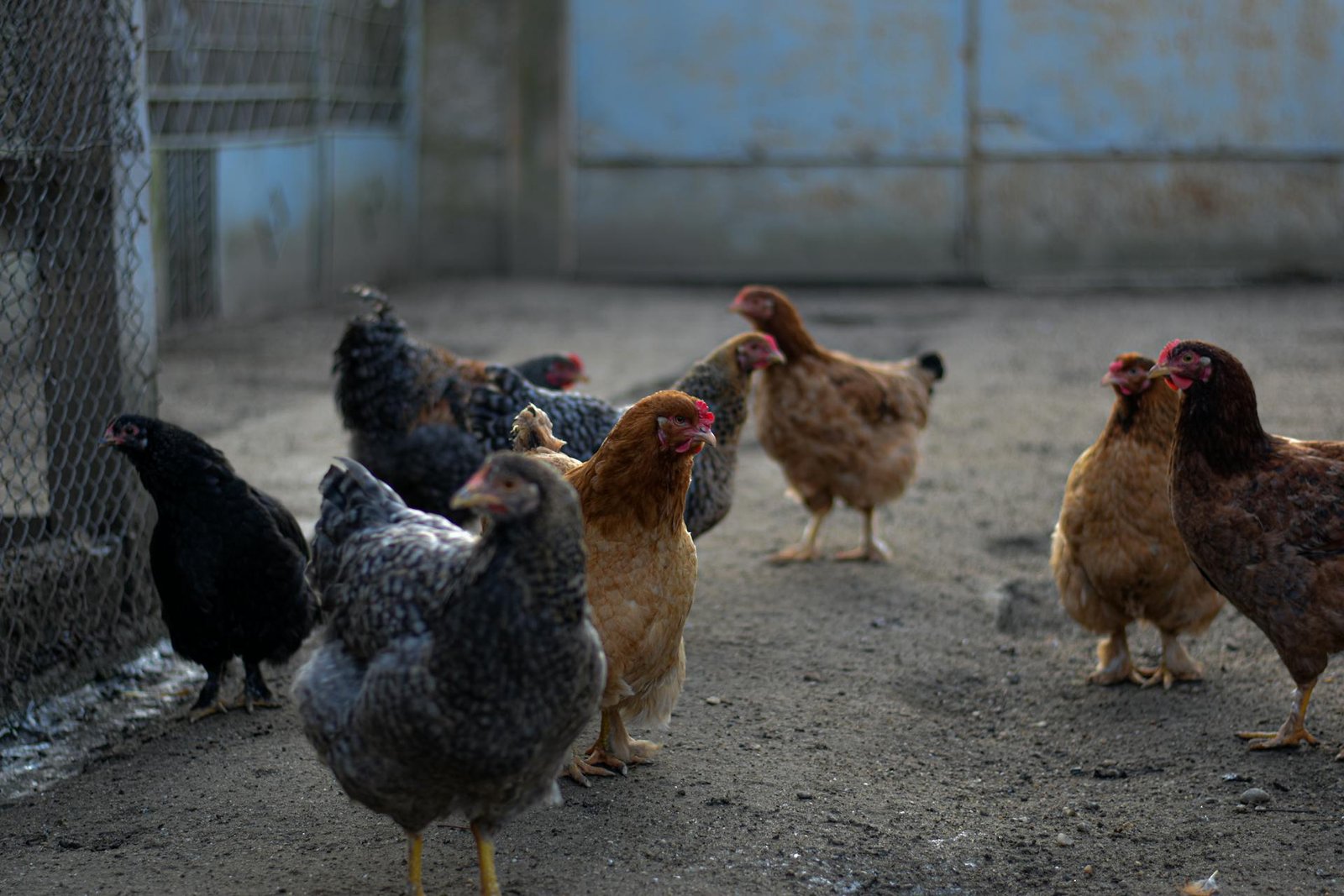
The sustainability of an urban or suburban backyard chicken farming operation is often less dependent on animal husbandry skills and more on social diplomacy. Proactively managing your project’s community footprint is essential for long-term peace. The primary vectors for neighborly concern are noise and odor, both of which are fully within the keeper’s control. Adhering to rooster bans is the first and loudest step. To mitigate odor, a strict regimen of frequent coop cleaning and the use of moisture-absorbing bedding like pine shalings is essential. Employing a deep litter method correctly, or removing waste regularly, prevents ammonia smells from becoming a nuisance. A powerful goodwill gesture is the “egg share.” Surplus eggs, gifted to adjacent neighbors, transform your hobby from a potential nuisance into a appreciated local amenity. Transparent communication about your plans, your commitment to cleanliness, and your adherence to all laws builds trust and social capital. In backyard chicken farming, being an exemplary neighbor is as important as being a competent keeper, ensuring your flock is a welcome part of the community fabric.
9. Seasonal Husbandry: Adapting Care Through Summer Heat and Winter Cold
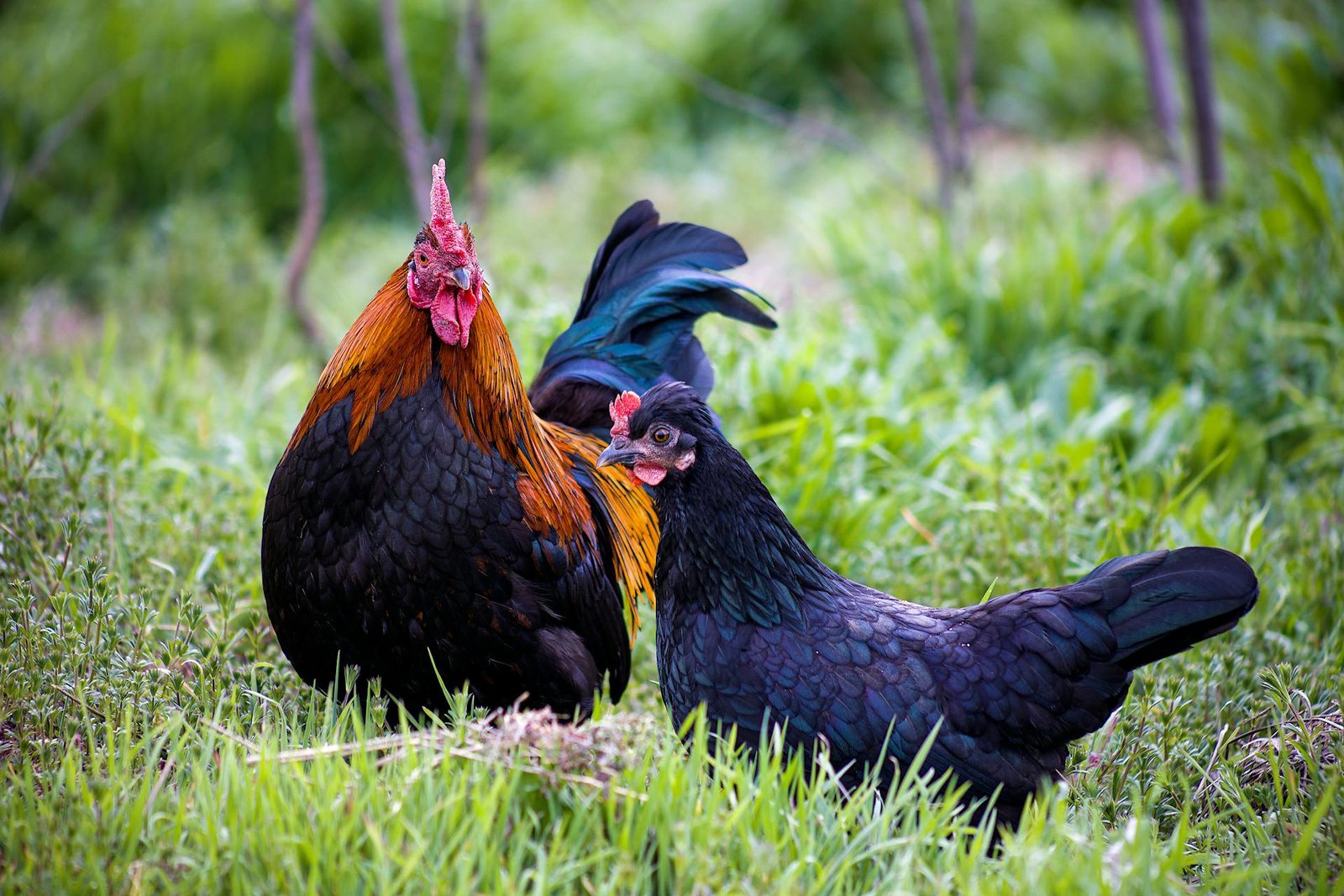
Competent backyard chicken farming requires an adaptive approach to husbandry that acknowledges and responds to seasonal extremes. Chickens are remarkably resilient but need keeper intervention to thrive in temperature peaks. During summer, heat stress is a deadly threat. Keepers must ensure constant access to cool, shaded areas and copious fresh water. Adding electrolyte supplements to water and providing frozen treat blocks can help regulate body temperature. Excellent ventilation in the coop is critical to prevent fatal heat buildup overnight. Conversely, winter management focuses on keeping chickens dry and draft-free, not necessarily warm. Insulation is less important than ventilation; a sealed, humid coop causes frostbite and illness. Using the deep litter method to generate natural warmth, switching to a higher-energy “scratch grain” feed before roosting, and employing heated water bases to prevent freezing are key strategies. Protecting combs and wattles with petroleum jelly can prevent frostbite in severe cold. This anticipatory, seasonally-adjusted care in backyard chicken farming demonstrates advanced stewardship and ensures flock well-being year-round.
10. The Calculated Launch: A Stepwise Action Plan for Implementation
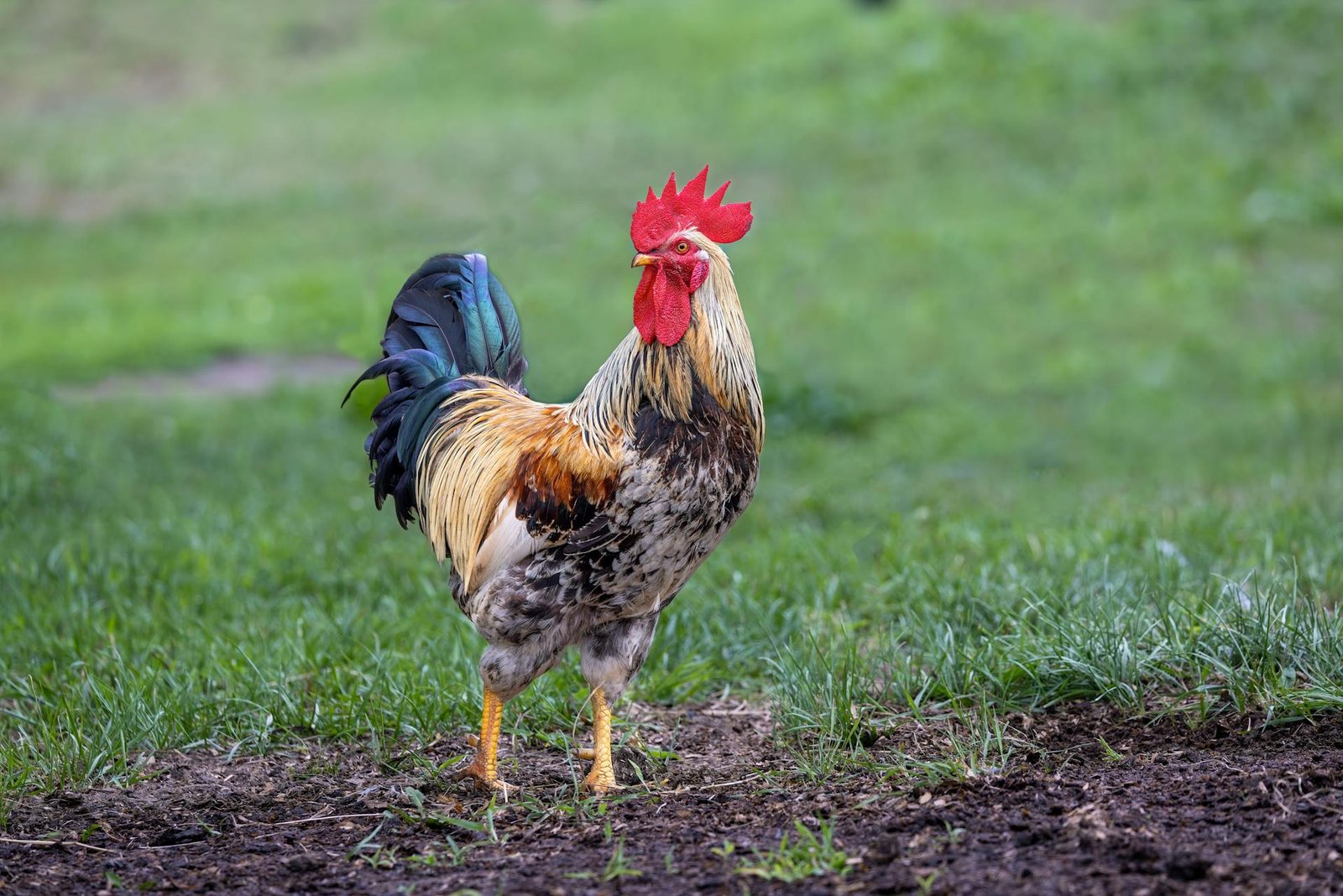
Transitioning from interest to action in backyard chicken farming requires a deliberate, sequential action plan to ensure a smooth and successful launch. The first phase is purely administrative: dedicate time to exhaustively research local ordinances, secure any permits, and have transparent conversations with your household and neighbors. Parallel to this, begin designing your coop based on predator-proof principles and your planned flock size. The second phase is infrastructure: source materials and construct or purchase your coop and run, fully equipping it with feeders, waterers, and bedding before any live creature arrives. The third and final phase is acquisition: connect with a reputable local breeder or national hatchery with a strong health guarantee to reserve your started pullets for a predetermined pickup or delivery date. By methodically following these stages—legal, construction, then acquisition—you create a secure, ready environment for your birds to arrive. This disciplined, phased approach to initiating backyard chicken farming mitigates risk, prevents frantic last-minute problems, and sets the stage for a confident, enjoyable, and successful beginning to your journey as a keeper.
Conclusion:


Your path to successful backyard chicken farming begins with the knowledge you now hold. This journey, as outlined, intertwines practical preparation with the simple, daily joys of animal care. You have learned that the cornerstone of this endeavor is not a sprawling space, but rather diligent research into local laws, thoughtful selection of hardy breeds, and the unwavering commitment to building a secure and healthy environment. The routine of providing fresh water, nutritious feed, and a clean coop transforms from a chore into a rewarding ritual—a quiet moment of stewardship that grounds you and ensures the vitality of your flock. Remember, the greatest successes in backyard chicken farming come from proactive care, keen observation, and a willingness to learn from both challenges and triumphs. The ultimate reward awaits: the profound sense of accomplishment as you collect your own eggs, rich in flavor and story, and the deepened connection to your food and the natural world. Take that first, calculated step. Secure your resources, build your coop with care, and welcome your flock. A community of fellow keepers and the daily contentment of a thriving homestead are your well-earned destinations.