



Description:


Geoeconomics 2026 India is the simple idea that countries now use trade, technology, money, and supply chains to gain power and protect their future. This post explains Geoeconomics 2026 India in easy English for school students, young professionals, business owners, and general readers. It shows why the old world of only armies and borders is changing into a world of chips, digital payments, trade deals, and strategic minerals. The description of this topic matters because it helps readers understand what is happening around them. When India grows at around seven percent, when UPI reaches more countries, when Indian defence exports rise, and when semiconductor plants start in Gujarat or Assam, these are not separate news items. They are all parts of Geoeconomics 2026 India. This post breaks the topic into ten clear ways so readers can follow the full picture without confusing jargon. It explains how strong growth gives India money and influence. It explains how the semiconductor mission is building the brains of modern technology. It explains how UPI is becoming a digital power tool. It explains how defence exports create strategic friendships. It explains how trade deals with the EU and the US open new markets. It explains how the IMEC corridor can become a new trade bridge. It also explains the hard challenges, such as critical minerals, research spending, supply chain weakness, and tariff pressure. Most importantly, this post gives practical steps for students, professionals, and entrepreneurs. A student can learn supply chains, digital payments, and trade rules. A professional can look for import substitution, defence, and EV opportunities. An entrepreneur can use UPI and ONDC as market access tools. The language is kept simple, with real Indian examples like Shivani from a village in Madhya Pradesh and Poonam from Jharkhand, who found jobs in India’s chip story. The goal is to make Geoeconomics 2026 India useful, not frightening. By the end, readers should know why this topic affects jobs, prices, careers, and national confidence. This description gives a clear map of the post and shows that Geoeconomics 2026 India is not only for diplomats or economists. It is for every curious Indian who wants to understand the new rules of global power and take action early.
1.Understanding Geoeconomics 2026 India: The New Rules of Global Power


Geoeconomics 2026 India is the story of how countries now use economic tools — trade, investment, technology, and finance — to win strategic advantages in the world. In the past, power was measured by the size of a country’s army or the number of its warships. Today, power is measured by who controls the supply of computer chips, who sets the rules for digital payments, and who can cut off another country’s access to global banking systems. This shift is what experts call the “Age of Competition,” and Geoeconomics 2026 India is India’s response to this new reality. To understand Geoeconomics 2026 India, imagine a cricket match where the winning team is not the one with the strongest batsman but the one that controls the ball supply, the pitch quality, and the scoreboard software. That is exactly what has happened to the global economy. Countries now use tariffs, export bans, investment screening, and technology standards as weapons. The United States has used chip export controls to pressure China. China has used rare earth mineral restrictions to influence other nations. The European Union has used carbon border taxes to shape global trade rules. In this environment, Geoeconomics 2026 India means India is no longer a passive observer. It is actively building its own chip factories, expanding its digital payment network to other countries, and signing trade deals that give it leverage. The World Economic Forum has described this era as one where economic security is national security. For a school student in Jaipur or a young professional in Hyderabad, Geoeconomics 2026 India is not an abstract concept. It determines whether new jobs will be created in semiconductor factories, whether Indian apps will be used globally, and whether Indian products will have access to foreign markets. When the International Monetary Fund raises India’s growth forecast to seven percent, it is a signal that Geoeconomics 2026 India is working. But growth alone is not enough. Geoeconomics 2026 India also requires building domestic capabilities in critical technologies, securing supply chains for essential minerals, and creating strong partnerships with like-minded countries. This guide will explain ten detailed ways in which Geoeconomics 2026 India is unfolding, using simple language and real Indian examples. Each paragraph will give you a complete picture of one aspect of this transformation, so you can understand not just what is happening but why it matters for your own future.
2. The Growth Engine: How Seven Percent Growth Powers Geoeconomics 2026 India
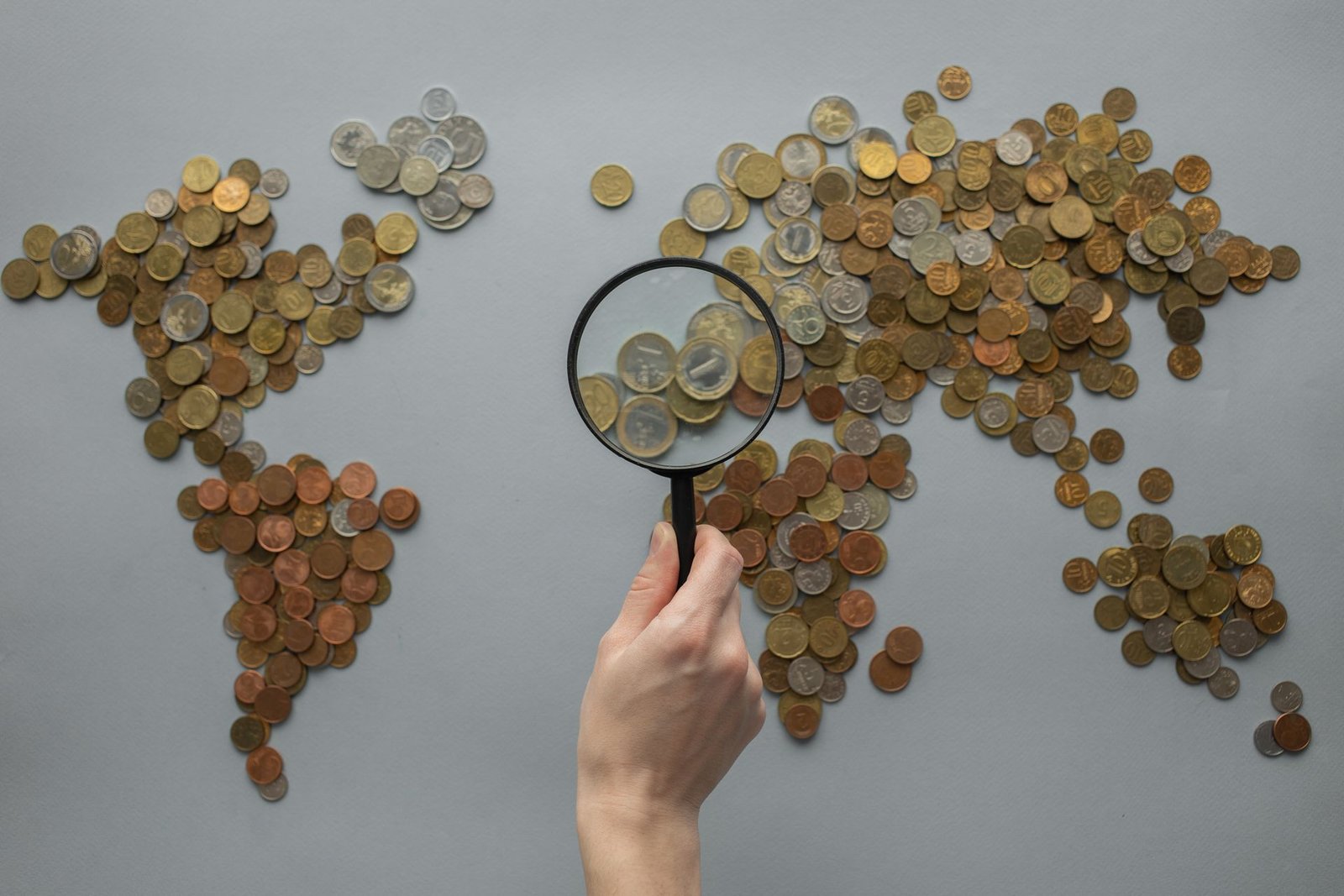
The foundation of Geoeconomics 2026 India is strong economic growth. In 2026, the International Monetary Fund raised India’s GDP growth forecast for 2026-27 to seven percent, citing resilient domestic demand, robust services activity, and stronger-than-expected momentum. The World Bank projected 7.1 percent growth, and the Reserve Bank of India also raised its forecast to 7.1 percent. These numbers are significant because most major economies are growing at two percent or less. The United States and Europe are in the slow lane, while India is sprinting ahead. Why does this matter for Geoeconomics 2026 India? Because money buys influence. When India grows at seven percent, it has resources to invest in new factories, ports, and defence equipment. It has money to provide foreign aid to neighbouring countries, which builds friendships and strategic access. It has money to attract foreign companies who want to sell to Indian consumers. A fast-growing India is a magnet for capital, technology, and partnerships. Consider a simple example. A company in Japan or Germany looking to build a new factory outside its home country has a choice: go to a slow-growing region where demand is flat, or come to India where millions of new middle-class consumers are entering the market every year. Geoeconomics 2026 India is about making sure that choice lands on India. The growth is also resilient. Even when the world faced tariff shocks and geopolitical tensions, India’s economy kept moving forward. A 2026 study noted that India’s strategic engagement rather than isolation could sustain a growth rate of 6.6 to 7.3 percent through 2027, despite global headwinds. This resilience gives India bargaining power in trade negotiations. When India sits at the table with the European Union or the United States, it is not a weak partner asking for help. It is a strong market offering access to 1.4 billion people. That is the foundation of Geoeconomics 2026 India. For students, this growth means more educational opportunities and better job prospects. For professionals, it means higher demand for skills and higher salaries. For entrepreneurs, it means a larger domestic market to test and scale their ideas. Geoeconomics 2026 India is not just a national story; it is a personal story for every Indian who wants to build a better life. The growth also creates a virtuous cycle. More growth leads to more investment, which leads to more jobs, which leads to more consumption, which leads to more growth. This cycle is what makes Geoeconomics 2026 India so powerful. It is not a temporary boom; it is a structural shift that is changing India’s position in the world. Understanding this growth engine is the first step to understanding Geoeconomics 2026 India and how you can benefit from it.
3. The Semiconductor Mission: Building the Brains of Geoeconomics 2026 India


If Geoeconomics 2026 India has a heart, it is the semiconductor. These tiny chips are the brains of every smartphone, car, fighter jet, and washing machine. For decades, India imported almost all its chips. That was a weakness because a supply chain shock or a political decision in another country could bring Indian factories to a halt. In 2026, India is building its own chip muscle. Under the India Semiconductor Mission, the government approved twelve projects with investments of around twenty billion dollars in the first phase, covering everything from chip fabrication to packaging. A second phase called Semicon 2.0 added another 1.28 trillion rupees, which is about thirteen billion dollars, to expand this further. The goal is to raise local value addition in electronics from eighteen to twenty percent to nearly thirty-five percent by 2030. Why is this central to Geoeconomics 2026 India? Because chips are the new oil. The country that controls chip supply can pressure other countries. The United States has used chip export controls as a weapon. China is racing to build its own chip industry. If India wants to be a pivotal player, it cannot depend on others for the most critical technology of the century. Building chips at home is not just an economic policy; it is a security policy. The human story makes it real. When Prime Minister Modi inaugurated the CG Semi chip plant in Gujarat’s Sanand, he shared the story of Shivani Vikey, a young woman from a village in Madhya Pradesh who became the first girl from her village to work outside the state. She said the villagers are impressed that she is self-dependent now. Another employee, Poonam Kumari from Jharkhand, completed an ITI course, got a job at the plant, and was sent to Malaysia for training. These are the faces of Geoeconomics 2026 India: not just billion-dollar factories, but village girls becoming part of global supply chains. For students, this means new career paths in electronics, mechanical engineering, and chemical engineering. For professionals, it means opportunities in supply chain management, quality control, and factory operations. For entrepreneurs, it means chances to supply components, provide services, or build startups around the semiconductor ecosystem. Geoeconomics 2026 India is creating an entire new industry from scratch, and the opportunities are enormous. The semiconductor mission is also about reducing vulnerability. When India makes its own chips, it is less affected by decisions made in Washington, Beijing, or Taipei. This is the essence of Geoeconomics 2026 India: building domestic strength to gain strategic autonomy. The government is supporting this mission with production-linked incentives, tax exemptions, and partnerships with foreign companies. The road ahead is not easy. Building semiconductor fabs requires massive investment, skilled talent, and continuous policy support. But the direction is clear. Geoeconomics 2026 India is moving from importing chips to making them, and that shift will define India’s place in the global economy for decades to come.
4. UPI Goes Global: India’s Digital Power in Geoeconomics 2026 India


Money is power, but the system that moves money is even more powerful. India’s Unified Payments Interface, commonly known as UPI, is no longer just a convenient way to pay your local shopkeeper. It has become a geoeconomic tool. In 2026, UPI is the world’s largest real-time payment system, handling over 250 billion transactions annually worth 3.4 trillion dollars, which is about fifty percent of the world’s digital transaction volume. Now, India is exporting UPI to other countries. UPI is live in eleven countries, and India has linked it with Singapore’s PayNow and Malaysia’s PayNet for seamless cross-border payments. When an Indian worker in Singapore sends money home, or a tourist from Malaysia pays at a shop in Chennai, UPI makes it cheaper and faster. Why does this matter for Geoeconomics 2026 India? Because financial networks create influence. When a country’s payment system becomes the backbone of cross-border transactions, it gains soft power. Other countries start to depend on your infrastructure. Your companies get a first-mover advantage. Your rules and standards shape how the system works. This is exactly how the US dollar became a global power tool, and India is now building a digital equivalent for the age of instant payments. For a young professional, this opens doors in fintech, regulatory compliance, and cross-border product management. For a student, it means learning about digital public infrastructure, which is a field where India is a global leader. Geoeconomics 2026 India is not just about factories; it is about code and networks. UPI’s global expansion also helps Indian migrants. When they can send money home cheaply and quickly, their families benefit, and India’s foreign exchange reserves grow. This strengthens India’s economic position. The government is actively promoting UPI abroad. Prime Minister Modi has called for connecting UPI with payment systems in more countries, especially where large Indian communities live, to reduce remittance costs and deepen fintech integration. This is a clear example of Geoeconomics 2026 India in action. It is not just about trade in goods; it is about trade in services and digital infrastructure. UPI also creates data. Every transaction generates information that can be used to improve credit access, design better policies, and build new products. This data is a strategic asset. In Geoeconomics 2026 India, data is power, and UPI is a powerful data engine. For entrepreneurs, UPI integration is a market access tool. Small businesses can accept digital payments easily, which expands their customer base. For students, learning about UPI and digital payments can lead to careers in a rapidly growing sector. Geoeconomics 2026 India is being built on digital rails, and UPI is the most important rail of all. The next time you scan a QR code to pay, remember that you are part of a system that is changing the balance of global economic power. That is the power of Geoeconomics 2026 India.
5. Defence Exports: The Security Pillar of Geoeconomics 2026 India

For decades, India was one of the world’s biggest importers of weapons. It bought fighter jets from Russia, missiles from Israel, and technology from France. In 2026, that story is flipping. India’s defence exports reached a record 38,424 crore rupees in the financial year 2025-26, a 62.66 percent jump from the previous year, and a fifty-six-fold increase from 2013-14. More than one hundred Indian companies are now exporting arms and equipment to over eighty-five countries. This is a classic example of Geoeconomics 2026 India in action. Defence exports are not just business; they are strategic relationships. When India sells a BrahMos missile to the Philippines or a radar system to a friendly country, it creates long-term dependence on Indian spare parts, training, and upgrades. That dependence translates into diplomatic influence. The private sector is driving this change. Companies and start-ups now contribute 45.16 percent of defence exports. The government has cleared the transfer of DRDO missile technologies to private companies, allowing them to scale up production and sell abroad. For a student interested in engineering, this means new careers in aerospace, drones, defence electronics, and advanced manufacturing. For professionals, it means opportunities in project management, quality assurance, and international marketing. For entrepreneurs, it means chances to become suppliers to defence exporters or to build niche products for specific military needs. Geoeconomics 2026 India is not just about economic growth; it is about national security. A strong defence export industry reduces India’s dependence on foreign suppliers and gives India leverage in international relations. When India can supply weapons to other countries, those countries become partners, not just customers. This is the essence of Geoeconomics 2026 India: using economic strength to build strategic advantage. The defence export story also has a human dimension. A small MSME in Coimbatore that once made auto parts for local dealers can now become a tier-two supplier to a defence exporter. With the right certifications, its components can end up in a system sold to a foreign army. That is how Geoeconomics 2026 India creates jobs in unexpected places. The government is supporting this growth with policies that encourage private investment, technology transfer, and export promotion. The target is to increase defence exports further and to make India a major player in the global arms market. This is ambitious but achievable. Geoeconomics 2026 India is proving that a country can be both a peaceful nation and a strong defence exporter. It is about building capabilities that protect the nation and create economic value. For young Indians, this sector offers a chance to work on cutting-edge technology while serving the country. Geoeconomics 2026 India is not just a government strategy; it is a national mission, and everyone can play a part.
6. Trade Deals: How Geoeconomics 2026 India Builds Global Friendships

No country can win the geoeconomic game alone. You need friends, and friends are made through trade deals. In 2026, India signed two huge agreements that reshaped its position. The first was the India-European Union Free Trade Agreement, described as India’s largest FTA in history, concluded at the 16th India-EU Summit in New Delhi on 27 January 2026. India secured preferential market access for over ninety-nine percent of its merchandise exports to the EU in sectors like textiles, chemicals, electronics, and engineering. The second was the India-United States interim trade framework, which reduced US tariffs on Indian goods from as high as fifty percent to eighteen percent. This opened the thirty-trillion-dollar US market to Indian textiles, machinery, and agricultural products. Why is this central to Geoeconomics 2026 India? Because trade deals are not just about buying and selling. They are about rules. When India signs an FTA, it gets a say in standards, customs procedures, and dispute resolution. It builds trust with partners, which leads to technology transfer, joint ventures, and investment. For a young professional, this means more export-oriented jobs. For a student, it means opportunities in international trade law, logistics, and supply chain management. For entrepreneurs, it means easier access to foreign markets and lower costs for imported inputs. Geoeconomics 2026 India is about creating a web of relationships that make India stronger and more secure. The deal-making is not without tension. India, as BRICS chair in 2026, must balance its deepening ties with the US and EU against its commitments to the Global South. But this balancing act is exactly what Geoeconomics 2026 India is about: maximising gains while keeping your independence. The India-EU FTA also includes an annex on carbon border measures, giving India a technical dialogue with the EU on environmental standards. This is important because it protects Indian exporters from unfair rules while allowing India to participate in setting global standards. This is sophisticated statecraft, and it is a key part of Geoeconomics 2026 India. The India-US deal, meanwhile, shows that India can negotiate from a position of strength. By reducing tariffs, India gained access to the US market without compromising its core interests. This is a model for future negotiations with other countries. Geoeconomics 2026 India is not about choosing sides; it is about building options. By signing deals with both the EU and the US, India is diversifying its partnerships and reducing dependence on any single market. This is the essence of strategic autonomy. For students and professionals, understanding these trade deals is essential. They will shape the jobs of the future and the opportunities that are available. Geoeconomics 2026 India is being written in trade agreements, and every Indian should know what is in them.
7. The IMEC Corridor: India’s Geoeconomic Bridge in Geoeconomics 2026 India

Trade needs roads, rails, and ports. The India-Middle East-Europe Economic Corridor, known as IMEC, is a planned route that connects India with the Gulf and Europe through a mix of shipping lanes and railways. The goal is to cut the time and cost of moving goods, while avoiding routes that are vulnerable to political disruption. In 2026, IMEC gained fresh momentum. US President Trump publicly backed the project, and port-level pilots began between Marseille Fos in France and Adani Ports in India. For India, IMEC is not just an infrastructure project. It is a Geoeconomics 2026 India bridge that secures trade routes, energy supplies, and regional influence. When goods move along a route that India helps build and manage, India gains leverage over those supply chains. Think of it like this: if your house is on the only road that connects two big markets, everyone who wants to trade must pass by your door. You can charge a toll, offer services, and build relationships. IMEC is India’s attempt to build that road, not just for itself, but for the whole region. For a student, this means careers in logistics, port management, and international infrastructure finance. For a professional, it means opportunities in cross-border trade and project management. For entrepreneurs, it means new markets and new supply chain possibilities. Geoeconomics 2026 India is not just about what happens inside India; it is about the connections India builds outside. IMEC also has a strategic dimension. It provides an alternative to routes that pass through the South China Sea, which is a potential flashpoint. By building IMEC, India reduces its dependence on vulnerable sea lanes and gains a more secure trade route to Europe. This is a clear example of Geoeconomics 2026 India in action. The project also involves the United Arab Emirates, Saudi Arabia, Jordan, and Israel, which means India is building partnerships across the Middle East. These partnerships are not just about trade; they are about security and diplomacy. Geoeconomics 2026 India is about using infrastructure to build influence. The IMEC corridor is expected to reduce transport times and costs, which will benefit Indian exporters and consumers. It will also create jobs in construction, logistics, and related services. For young Indians, this means new opportunities in a growing sector. The government is supporting IMEC as part of its broader connectivity strategy, which includes the International North-South Transport Corridor and the Chabahar port project. Together, these initiatives form a network that makes India a hub of global trade. Geoeconomics 2026 India is about building that network and reaping the benefits. The road ahead for IMEC is not without challenges. Political instability in the region, financing gaps, and coordination issues must be addressed. But the direction is clear. Geoeconomics 2026 India is moving from being a passive participant in global trade to an active shaper of trade routes. This shift will define India’s place in the world for generations to come.
8. The Challenges: What Geoeconomics 2026 India Must Fix
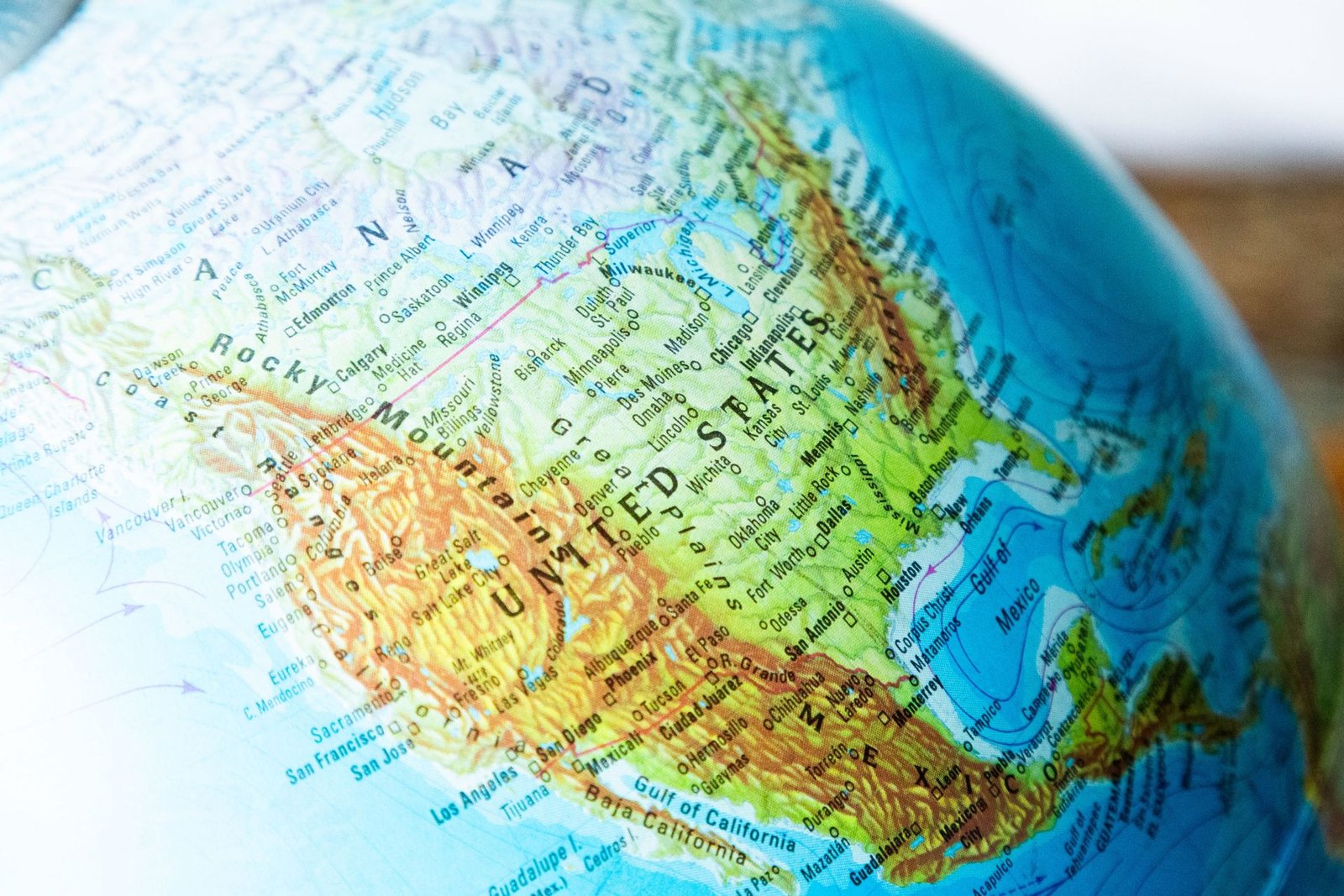
No story is complete without the hard parts. Geoeconomics 2026 India faces serious challenges that cannot be ignored. The first is critical minerals. Despite having geology similar to Australia, India has explored only twenty-five to thirty percent of its potential, leaving it with one hundred percent import dependence for lithium, the key ingredient in electric vehicle batteries. India also spends just 0.6 to 0.7 percent of its GDP on research and development, compared to 2.5 to 3 percent in China and the United States. The second challenge is supply chain vulnerability. India still imports large amounts of electrical machinery, telecom equipment, and energy storage systems. When China introduced export controls on tunnel boring machines in 2026, it reminded India how exposed it is to strategic supply disruptions. The third challenge is tariff pressure. The International Monetary Fund estimated that US tariffs could knock off about 0.7 percentage points from India’s growth over two years. Even with the interim trade deal, the global environment remains volatile. Why do these challenges matter for Geoeconomics 2026 India? Because you cannot be a pivotal player if your foundations are weak. India’s growth is impressive, but it must be backed by domestic capability. Building mineral processing plants, increasing research spending, and deepening supply chains are not optional extras; they are survival requirements in the geoeconomic age. The good news is that the government is responding. A 2,814 crore rupee scheme was approved to promote domestic processing of lithium and nickel. Semiconductor and battery manufacturing are being supported with production-linked incentives. Geoeconomics 2026 India is a work in progress, and the gaps are being addressed. For students, this means opportunities to study metallurgy, materials science, and mining engineering. For professionals, it means careers in supply chain security and strategic minerals. For entrepreneurs, it means chances to build businesses in recycling, mineral processing, and import substitution. Geoeconomics 2026 India is not just about celebrating successes; it is about solving problems. The challenges are real, but so are the solutions. The government is also working on a critical minerals mission to reduce import dependence. It is encouraging private investment in exploration and processing. It is negotiating with resource-rich countries for long-term supply agreements. These are all part of the Geoeconomics 2026 India strategy. The key is to move from policy announcements to on-ground delivery. This requires coordination between the central government, state governments, and the private sector. It also requires a skilled workforce. Geoeconomics 2026 India is not just a government project; it is a national effort. Every citizen has a role to play. By understanding the challenges, we can better appreciate the successes and contribute to the solutions. Geoeconomics 2026 India is a journey, not a destination, and the journey is just beginning.
9. What Students Can Do About Geoeconomics 2026 India

Understanding Geoeconomics 2026 India is useless if you do not act on it. For students, the first step is to learn about supply chains. How does a chip made in Taiwan end up in a phone assembled in Tamil Nadu? Free online courses on logistics and trade can give you this knowledge. The second step is to explore semiconductor and electronics careers. The sector is growing fast. Industrial Training Institute courses, diplomas, and engineering degrees in electronics and mechanical fields are in demand. The story of Poonam Kumari shows that an ITI course can lead to international training and a stable job. You do not need to be a topper in a big-city college to be part of Geoeconomics 2026 India. The third step is to understand digital payments. UPI’s global expansion means opportunities in fintech. Learn how cross-border payments work, and how regulatory compliance functions. Even a basic understanding of digital public infrastructure will make you valuable to employers. The fourth step is to follow trade news. The India-EU Free Trade Agreement and the India-US deal will create new export opportunities. Understanding tariffs, rules of origin, and standards will make you useful to any export business. The fifth step is to build practical skills. Learn data analysis, because geoeconomics is driven by data. Learn communication, because you need to explain complex ideas clearly. Learn a foreign language, because India’s global engagement is expanding. These skills will make you a valuable participant in Geoeconomics 2026 India. For students in small towns and villages, the opportunities are just as real as for those in big cities. The semiconductor plant in Gujarat hired Shivani from a village in Madhya Pradesh. The defence export boom is creating jobs in Coimbatore and Pune. The UPI expansion is creating fintech jobs in Bengaluru and Hyderabad. Geoeconomics 2026 India is spreading across the country, and students everywhere can benefit. The key is to be curious and proactive. Start a campus club to discuss geoeconomics. Invite a local exporter to speak. Run a mock trade negotiation. Write a blog post about a geoeconomic topic. Small actions build big awareness. Geoeconomics 2026 India is not just for Delhi think tanks; it is for every curious student who wants to understand the world they are stepping into. The earlier you start, the better prepared you will be. The world is changing fast, and Geoeconomics 2026 India is at the centre of that change. By taking action today, you can position yourself for success tomorrow.
10. Professionals and the Road Ahead in Geoeconomics 2026 India

For professionals and entrepreneurs, Geoeconomics 2026 India offers real opportunities. The first is import substitution. The government is supporting domestic manufacturing of one hundred products across auto components, chemicals, and machinery. If you run a small factory, check whether you can produce a component that India currently imports. The second is defence and aerospace. With exports at record highs and private sector participation growing, MSMEs have a chance to become suppliers to global defence chains. The third is digital public infrastructure. If you run a business, UPI and the Open Network for Digital Commerce are not just payment tools; they are market access platforms. Integrating them can bring you new customers. The fourth is the electric vehicle ecosystem. Battery manufacturing, charging infrastructure, and component supply are all growing. Even a small servicing business can benefit. The fifth is critical minerals processing. With the government promoting domestic processing of lithium and nickel, there is a first-mover advantage for entrepreneurs who enter this space. Looking ahead, the road to 2027 and beyond will be shaped by a few key tests. The first commercial chips from India’s new fabs will show whether the semiconductor mission is delivering. The ratification of the India-EU Free Trade Agreement will prove whether trade deals can move from paper to reality. The IMEC pilots will reveal whether the corridor can become a working route. The critical mineral processing plants will determine whether India can reduce its import dependence. Geoeconomics 2026 India is not a spectator sport. It rewards those who prepare. A professional who learns about supply chain resilience today will be ready for the jobs of tomorrow. An entrepreneur who spots an import substitution opportunity can build a business that serves both India and the world. For salaried professionals, this means upskilling in areas like data analysis, project management, and international trade. For business owners, it means exploring new markets and new product lines. For freelancers, it means offering services to export-oriented companies. Geoeconomics 2026 India is creating demand for a wide range of skills. The key is to identify where your skills fit and to position yourself accordingly. The government is also playing a role by creating a supportive policy environment. Production-linked incentives, tax exemptions, and ease of doing business reforms are all designed to encourage investment and growth. But the government cannot do it alone. The private sector must step up, and individuals must take responsibility for their own development. Geoeconomics 2026 India is a collective effort. The road ahead is not without challenges. Global uncertainties, tariff pressures, and supply chain disruptions will continue to test India’s resilience. But the direction is positive. Geoeconomics 2026 India is moving forward, and those who understand it and prepare for it will be the winners. The time to act is now. Whether you are a student, a professional, or an entrepreneur, Geoeconomics 2026 India is your story too. Write it well.
Conclusion:

Geoeconomics 2026 India is not a distant theory; it is the live story of how India is building strength through trade, technology, finance, and security. The ten ways in this post show one big message: power in 2026 is not only about armies. It is about who makes chips, who moves money, who signs trade rules, who secures minerals, and who builds trusted supply chains. Geoeconomics 2026 India brings these ideas together in a simple way. India’s seven percent growth gives it money and confidence. The semiconductor mission is reducing dependence on imported chips. UPI’s global spread is giving India digital influence. Defence exports are turning India from a big buyer into a trusted seller. Trade deals with the EU and the US are opening doors for Indian goods. The IMEC corridor can connect India with the Gulf and Europe in a stronger way. At the same time, the challenges are real. India must explore and process critical minerals, increase research spending, deepen supply chains, and handle tariff pressure with patience. These are not small tasks, but they are being addressed. For readers, the most important lesson is that Geoeconomics 2026 India rewards preparation. A student who learns about supply chains today can get a better job tomorrow. A professional who understands trade deals can help a company export more. An entrepreneur who spots an import substitution gap can build a useful business. A citizen who follows UPI, chips, and defence news can make smarter choices. The human stories of Shivani and Poonam show that this topic is not only about billion-dollar factories. It is about ordinary Indians gaining skills, income, and dignity. That is why Geoeconomics 2026 India should be studied with hope and action, not fear. The road ahead will have global uncertainty, but India now has more options than before. It is no longer only a rule-taker; it is becoming a rule-shaper. The best time to understand this change is now. The best way to benefit from it is to learn one small part, take one small step, and keep building. Geoeconomics 2026 India is a national journey, and every reader can play a useful role. Share this post, discuss it with friends, and choose one action from the ten ways. The future will belong to those who understand the new game and prepare for it early.
Frequently Asked Questions About Geoeconomics 2026 India
What does Geoeconomics 2026 India mean in simple English?

Geoeconomics 2026 India means India using economic tools like trade, technology, money, and supply chains to gain global influence and protect national interests. It is about power through economics, not only through military strength.
Why is Geoeconomics 2026 India important for students?

Geoeconomics 2026 India is important for students because it creates new career paths in semiconductors, fintech, defence, logistics, and trade. Students who learn these areas early can find better jobs and opportunities.
How does the semiconductor mission connect to Geoeconomics 2026 India?

The semiconductor mission is a central part of Geoeconomics 2026 India because chips power modern technology. By making chips in India, the country reduces dependence on foreign suppliers and gains strategic strength.
How does UPI help Geoeconomics 2026 India?


UPI helps Geoeconomics 2026 India by spreading India’s digital payment system to other countries. This creates influence, lowers remittance costs, and gives Indian fintech companies a global advantage.
What trade deals are important for Geoeconomics 2026 India?

The India-EU Free Trade Agreement and the India-US interim trade framework are important for Geoeconomics 2026 India. They open new markets, reduce tariffs, and give India a voice in global trade rules.
What challenges does Geoeconomics 2026 India face?

Geoeconomics 2026 India faces challenges like critical mineral dependence, low research spending, supply chain weakness, and tariff pressure. These problems must be fixed to make India’s growth strong and safe.
How can professionals benefit from Geoeconomics 2026 India?
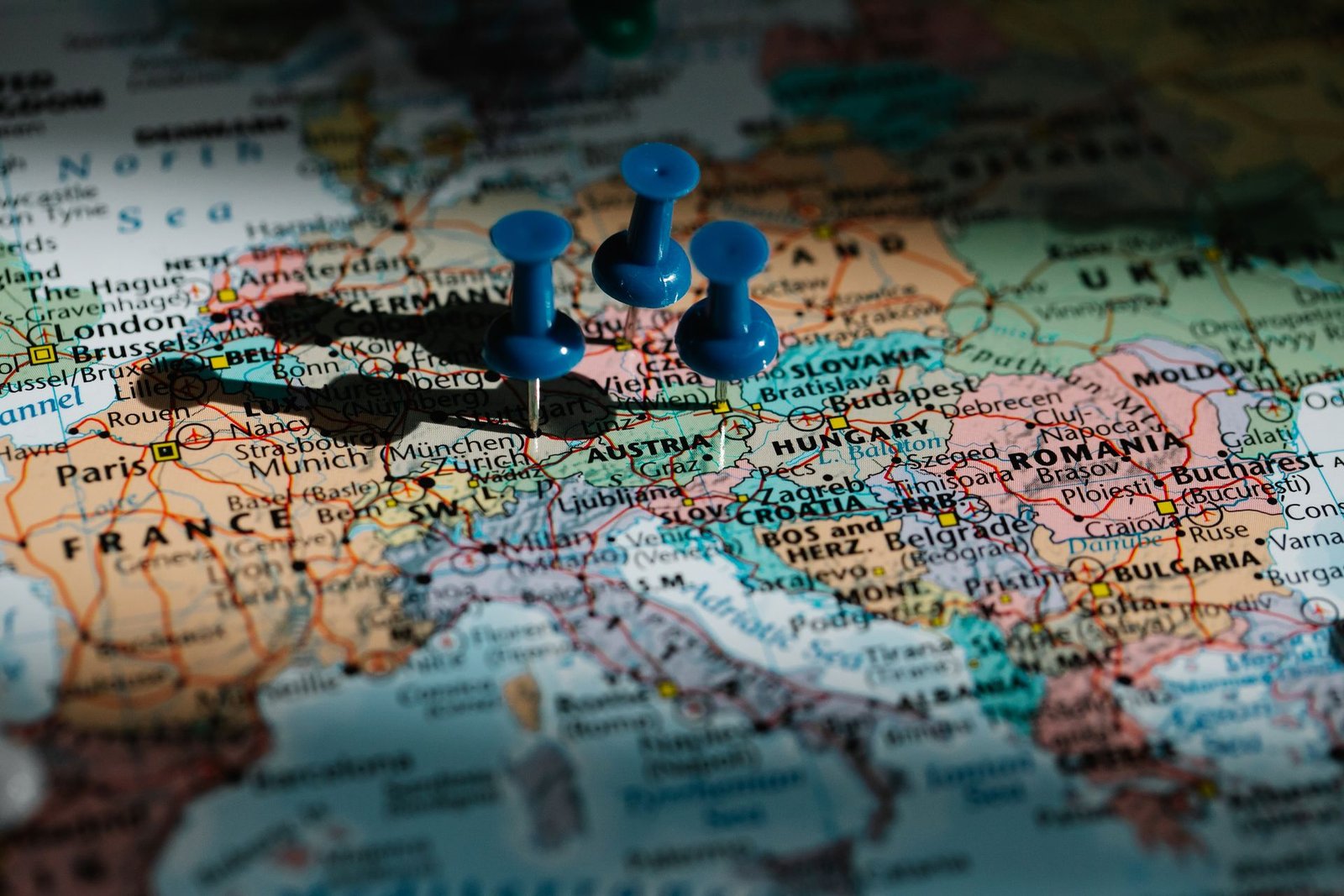
Professionals can benefit from Geoeconomics 2026 India by learning supply chain management, trade rules, defence manufacturing, EV technology, and digital payments. These skills are in high demand.
Is Geoeconomics 2026 India only about government policy?

No, Geoeconomics 2026 India is not only about government policy. Students, professionals, entrepreneurs, and citizens all play a role through skills, business choices, and digital participation.
What is IMEC in Geoeconomics 2026 India?


IMEC is the India-Middle East-Europe Economic Corridor. In Geoeconomics 2026 India, it is a planned trade route that can connect India with the Gulf and Europe and reduce dependence on risky sea lanes.
What is one first step to learn about Geoeconomics 2026 India?
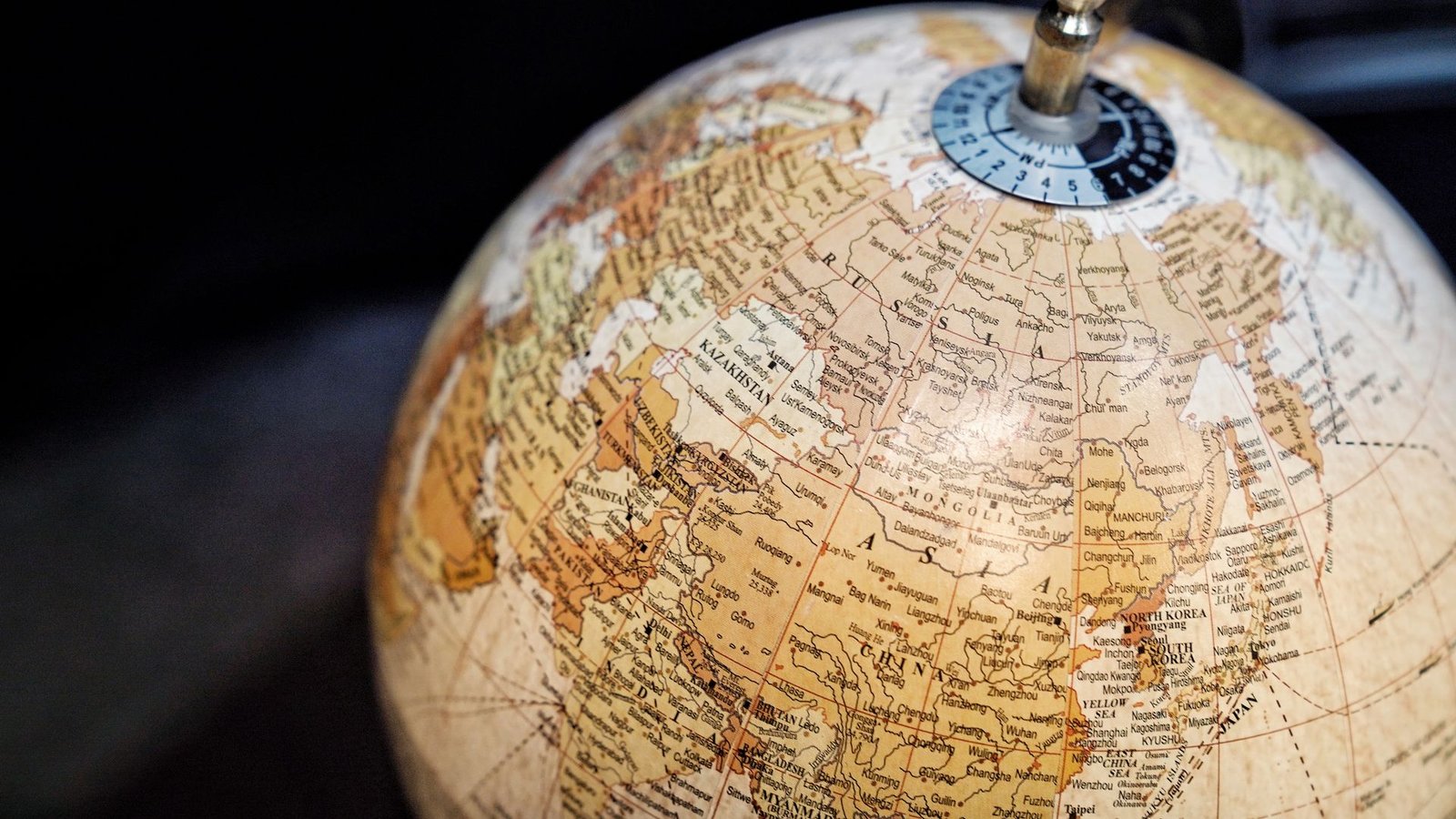

One first step is to follow simple news about chips, UPI, trade deals, and defence exports. Then take a free online course on supply chains or digital payments to build practical understanding of Geoeconomics 2026 India.