
Description:
Welcome to your essential guide to securing quality Affordable Dental Care Solutions in 2024. Dental health is a critical component of overall wellness, yet for many, the perceived high cost of treatment creates a barrier to necessary care. This comprehensive post directly addresses that challenge by breaking down ten proven, actionable pathways to make dental care accessible and financially manageable. We move beyond simple tips to explore in-depth strategies, from maximizing insurance benefits and utilizing dental school clinics to understanding in-house membership plans and charitable resources. Each section is designed to empower you with knowledge, transforming anxiety into a clear action plan. Whether you’re uninsured, underinsured, or simply seeking to optimize your dental budget, this guide provides the detailed insights needed to navigate the system confidently. Our goal is to demonstrate that proactive management and informed decision-making are the true foundations of Affordable Dental Care Solutions, ensuring you and your family can achieve and maintain a healthy smile without financial strain.
1. Prioritize Prevention as Your Primary Financial Strategy
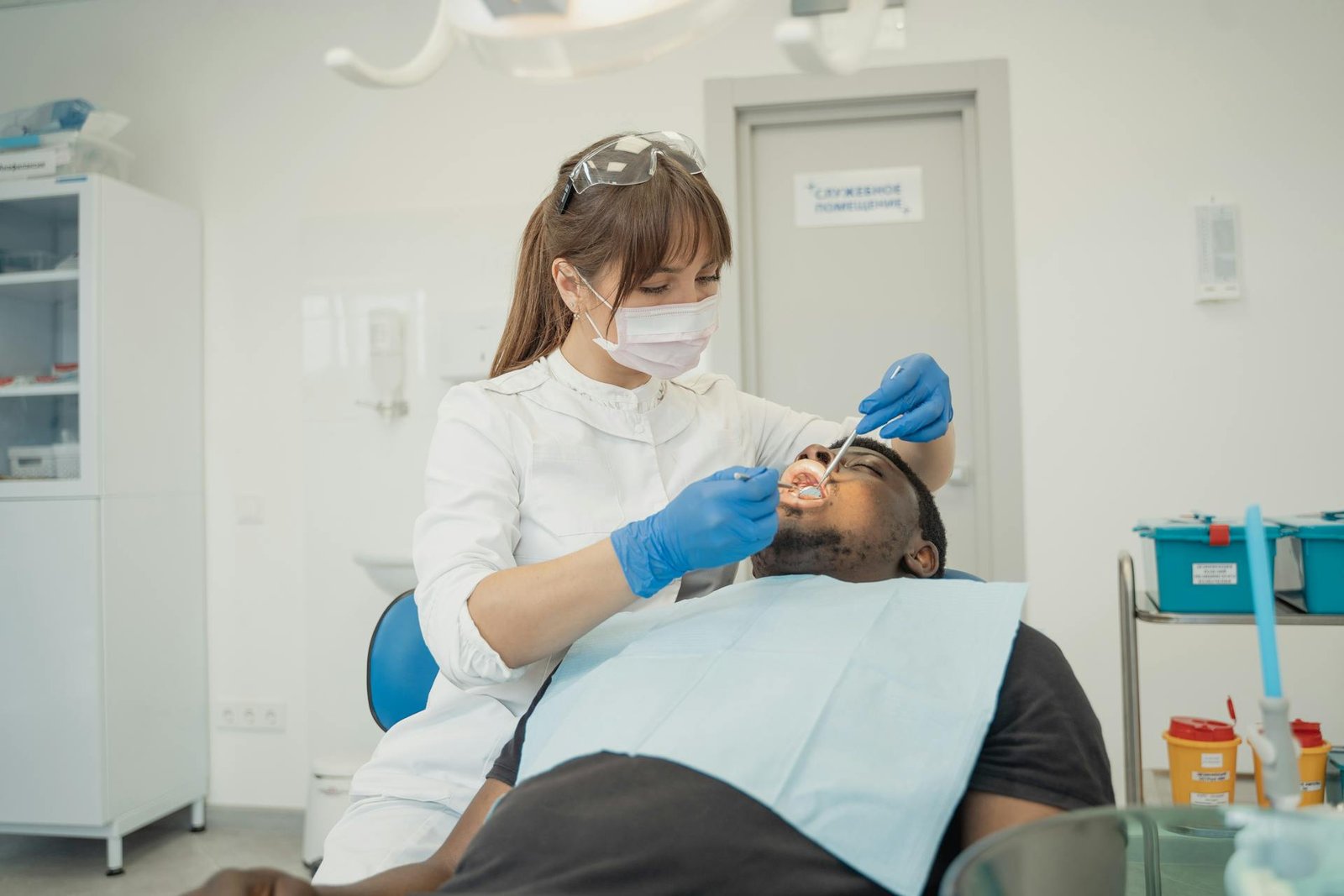
The most powerful of all Affordable Dental Care Solutions is preventing problems before they start. This fundamental approach saves immense costs and discomfort long-term. A rigorous daily routine of brushing with fluoride toothpaste for two full minutes and flossing to remove interdental plaque is non-negotiable. Complement this with a diet low in acidic and sugary substances that erode enamel and feed decay-causing bacteria. Bi-annual professional cleanings are not an expense but a critical investment; they remove hardened tartar unreachable by brushing and allow for early detection of minor issues like small cavities or gingivitis, which are exponentially cheaper to treat than root canals or extractions. Viewing these habits as essential maintenance transforms them from a chore into your most effective financial tool for dental health.
2. Demystify and Maximize Dental Insurance Benefits

For many, understanding their insurance plan is crucial to unlocking Affordable Dental Care Solutions. Scrutinize your policy’s details: know your annual maximum (the total amount the insurer will pay per year), your deductible (what you pay out-of-pocket before coverage starts), and the coverage percentages for different procedures (e.g., 100% for preventative, 80% for basic, 50% for major). Strategically schedule treatments across benefit periods. For instance, if you need a costly procedure, initiate the diagnostic work in one calendar year and complete the treatment in the next to utilize two annual maximums. Always ensure your dentist is within your network to avoid higher out-of-network fees. This proactive management turns your insurance from a confusing benefit into a calculated asset for care.
3. Explore Dental School Clinics for Supervised, Low-Cost Care
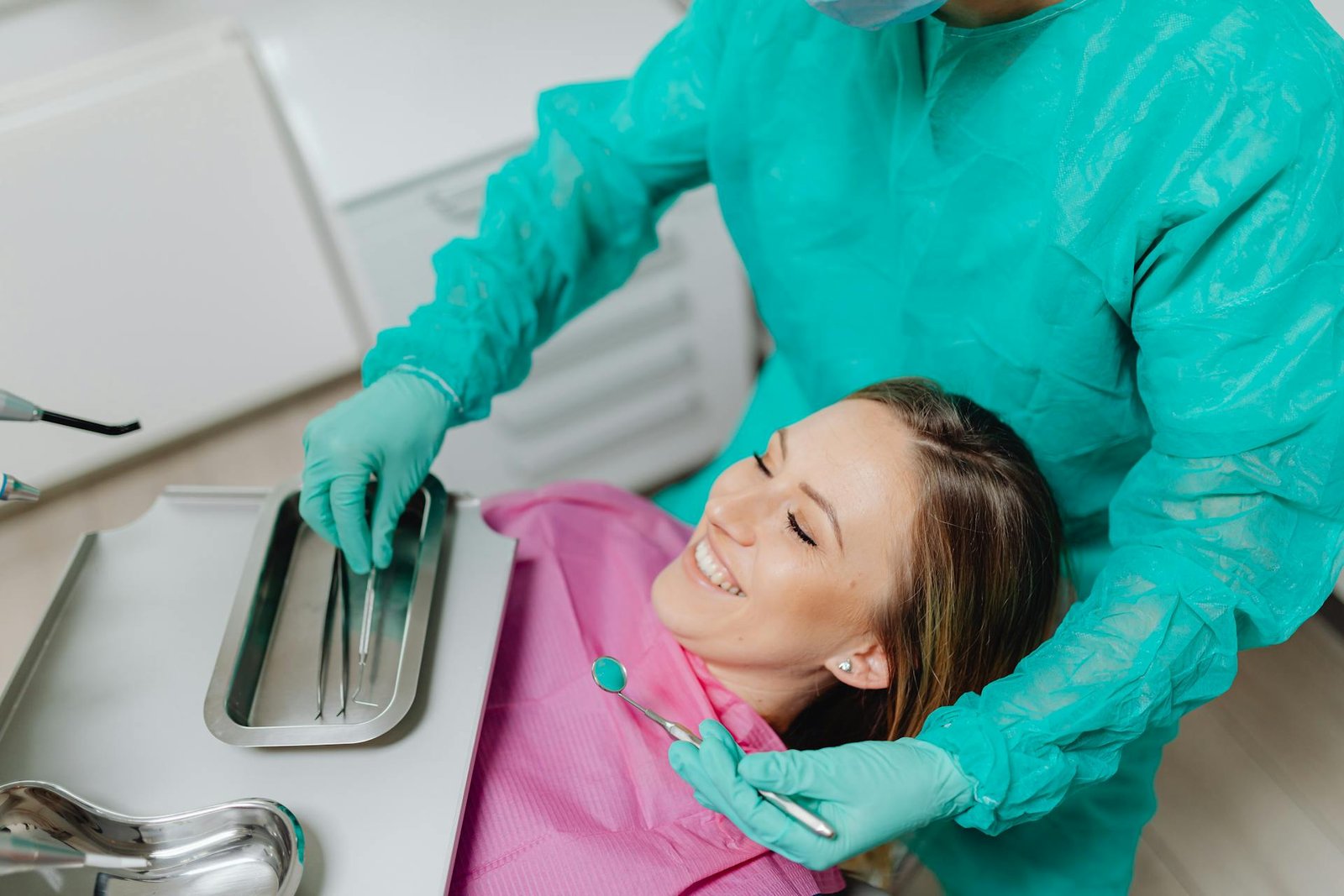
Dental schools represent a cornerstone of high-quality Affordable Dental Care Solutions. These institutions offer treatments at a significantly reduced cost because the work is performed by advanced students under the strict, direct supervision of licensed, experienced professors and dentists. While appointments may take longer due to the educational process, the trade-off is access to cutting-edge technology, meticulous care, and comprehensive treatment plans often at 50-70% less than private practice fees. Procedures range from simple cleanings and fillings to more complex root canals and crowns. It is an excellent option for non-emergency, planned care, allowing you to receive top-tier service while contributing to the education of future dental professionals.
4. Utilize Community Health Centers and Public Health Programs
Federally Qualified Health Centers (FQHCs) and state or county-run public dental clinics are vital community resources providing Affordable Dental Care Solutions. These centers operate on a sliding fee scale based on your income and family size, making essential care accessible regardless of insurance status. They are mandated to serve underserved populations, offering services including exams, cleanings, fillings, extractions, and sometimes even limited emergency care. Finding these centers often requires direct contact with your local county health department or searching online databases for “sliding scale dental clinics.” They serve as a critical safety net, ensuring that financial constraints do not bar access to necessary dental treatments.
5. Inquire About In-House Dental Membership Plans

An increasing number of private dental practices now offer direct Affordable Dental Care Solutions through in-house membership or savings plans, particularly for patients without traditional insurance. For an annual or monthly fee, these plans typically cover 100% of preventative care (two cleanings, exams, X-rays) and provide a significant discount, often 10-30%, on all other treatments. These plans eliminate insurance company middlemen, pre-authorization delays, and annual maximums, simplifying the process. They are designed to encourage regular preventative visits by making them predictable and affordable, building a direct, valuable relationship between the patient and the practice while providing immediate, transparent savings.
6. Discuss Treatment Phasing and Prioritization with Your Dentist
Open communication with your dentist is key to developing realistic Affordable Dental Care Solutions. If presented with a complex, multi-step treatment plan, have a frank discussion about phasing. Ask, “What is the most urgent issue that needs to be addressed to stop active disease or pain?” and “What treatments can safely be scheduled over the next 6, 12, or 18 months?” This allows you to address critical problems immediately while financially planning for subsequent phases. Dentists can often prioritize treatment to stabilize your oral health first (like treating an infection) before moving to restorative (like crowns) or cosmetic work. A phased approach transforms an overwhelming financial burden into a manageable, scheduled series of investments in your health.
7. Investigate CareCredit and Medical Financing Options
For necessary treatments that exceed immediate savings, specialized medical credit cards like CareCredit function as structured Affordable Dental Care Solutions. These are lines of credit used specifically for healthcare expenses, often featuring promotional periods with little or no interest if the balance is paid in full within a set time (e.g., 6, 12, or 18 months). This allows you to proceed with needed care immediately and pay it off over time without incurring high-interest debt, provided you adhere strictly to the promotional terms. It is crucial to read all fine print and have a clear repayment plan before use. Used responsibly, such tools provide financial flexibility for unexpected or planned major procedures.
8. Compare Fees and Seek Itemized Estimates
Costs for identical procedures can vary widely between practices, making comparison a practical step in finding Affordable Dental Care Solutions. After receiving a detailed treatment plan, you can call other offices to ask for a fee estimate for the specific procedure codes (like D2391 for a resin filling). Request a written, itemized “Good Faith Estimate” from your chosen dentist before treatment begins. This document should list every planned service with its corresponding fee, allowing for full transparency. Do not automatically choose the cheapest option; factor in the practice’s reputation, technology, and your comfort with the dentist. However, informed comparison empowers you to make a value-based decision for your care.
9. Consider Dental Tourism with Extreme Caution and Research
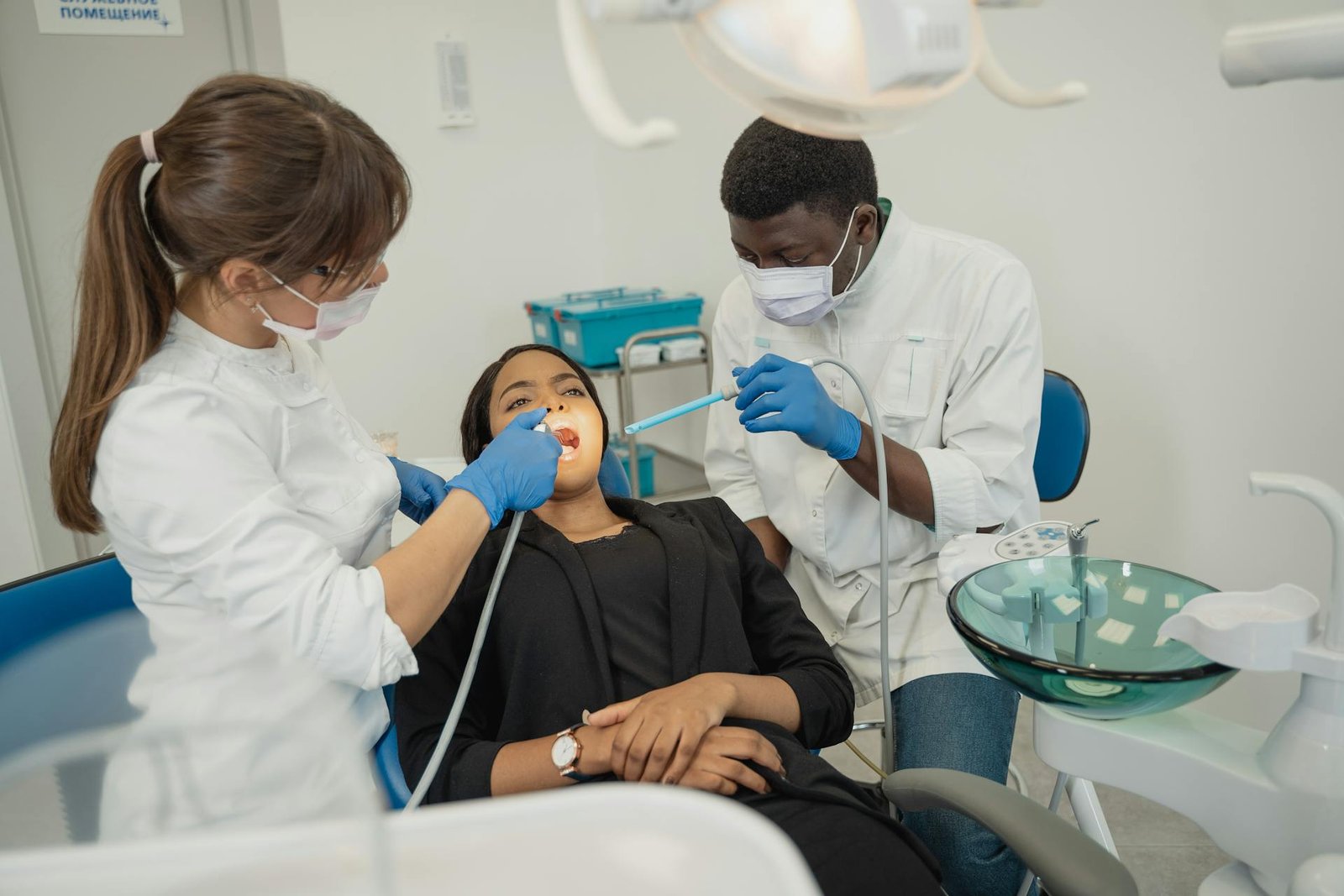
For very extensive, elective work (like full mouth reconstructions or implants), some individuals research international Affordable Dental Care Solutions, known as dental tourism. Countries like Mexico, Costa Rica, Hungary, and Thailand offer prices that can be 50-70% lower than the U.S. for major procedures. This option requires exhaustive due diligence: research the clinic’s accreditations, the dentist’s credentials and training, review patient testimonials, and understand all-inclusive costs (travel, lodging, follow-up). Critically, plan for continuity of care upon returning home, as managing complications long-distance is challenging. This high-risk, high-reward option is only suitable for the well-researched, non-urgent, and major planned dental work.
10. Leverage Non-Profit Organizations and Charity Care Events
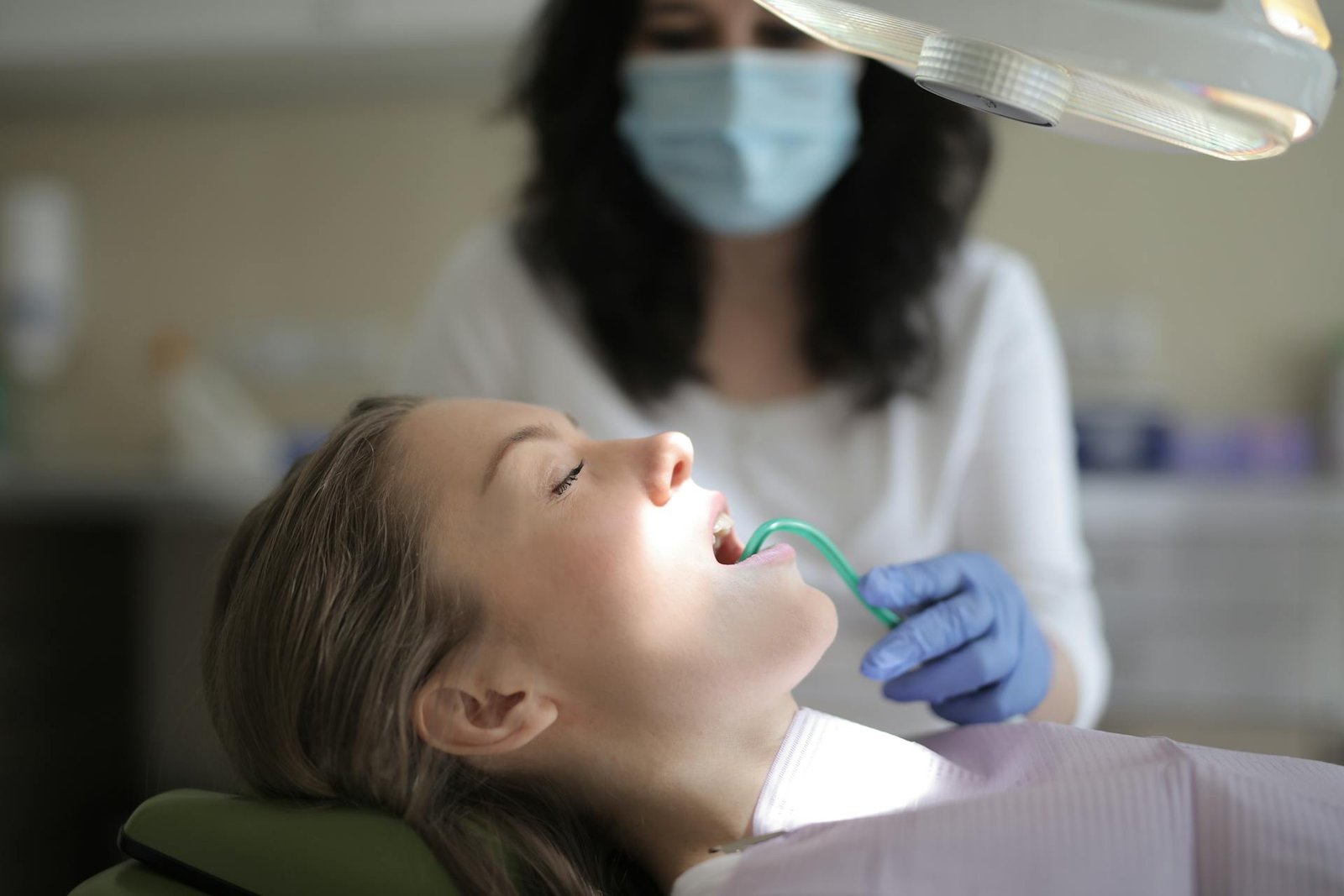
Finally, numerous charitable organizations provide direct Affordable Dental Care Solutions for qualifying individuals and families. National networks like Mission of Mercy or Remote Area Medical (RAM) hold large-scale free dental clinics where volunteer professionals provide extractions, fillings, and cleanings on a first-come, first-served basis. Local dental societies may also run annual charity days. For children, programs like “Give Kids A Smile” offer free services. Researching these opportunities requires persistence—check with United Way, local health departments, and dental society websites. While often focused on emergency or pain-relieving care, these resources are invaluable safety nets during financial hardship, ensuring no one must endure preventable dental pain.
Conclusion:
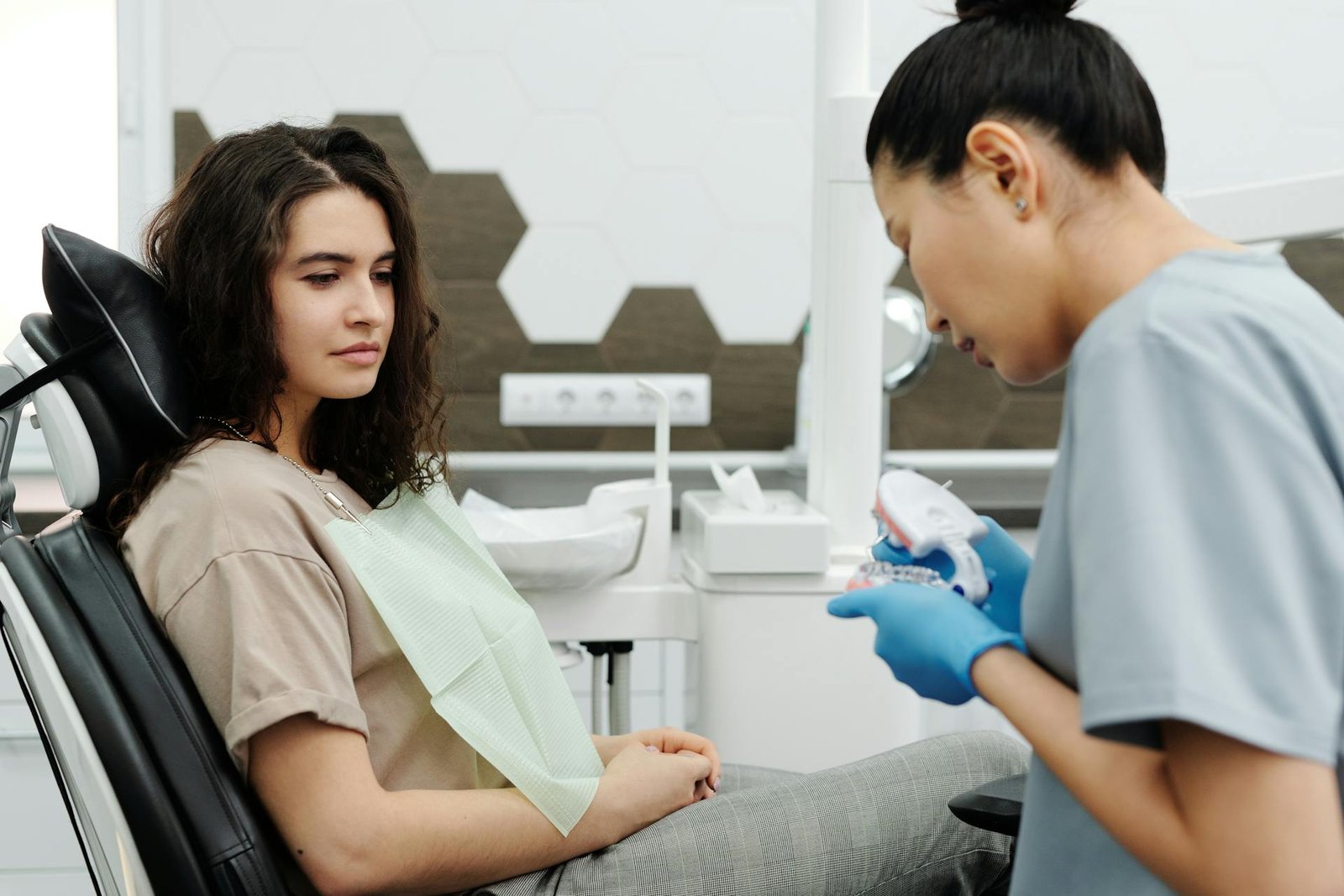
Achieving optimal dental health is fundamentally linked to accessing Affordable Dental Care Solutions. As we have explored, this access is not a matter of luck but of strategy and informed action. The journey begins with the powerful, cost-free commitment to daily prevention and culminates in knowing how to navigate the various financial and institutional resources available. From leveraging dental insurance with precision to exploring the valuable services at dental schools and community health centers, each strategy serves as a building block toward financial and medical peace of mind. Remember, open communication with your dental provider about treatment phasing and costs is not just acceptable—it is essential for creating a realistic plan. By adopting the proactive mindset outlined in this guide, you transform from a passive patient into an empowered advocate for your own health. The path to a confident, healthy smile is clear and attainable. Start today by implementing one strategy, and take control of your Affordable Dental Care Solutions, investing in a future of well-being that is both sustainable and bright.
FAQ: Affordable Dental Care Solutions
1. What is the single most effective way to reduce dental costs?
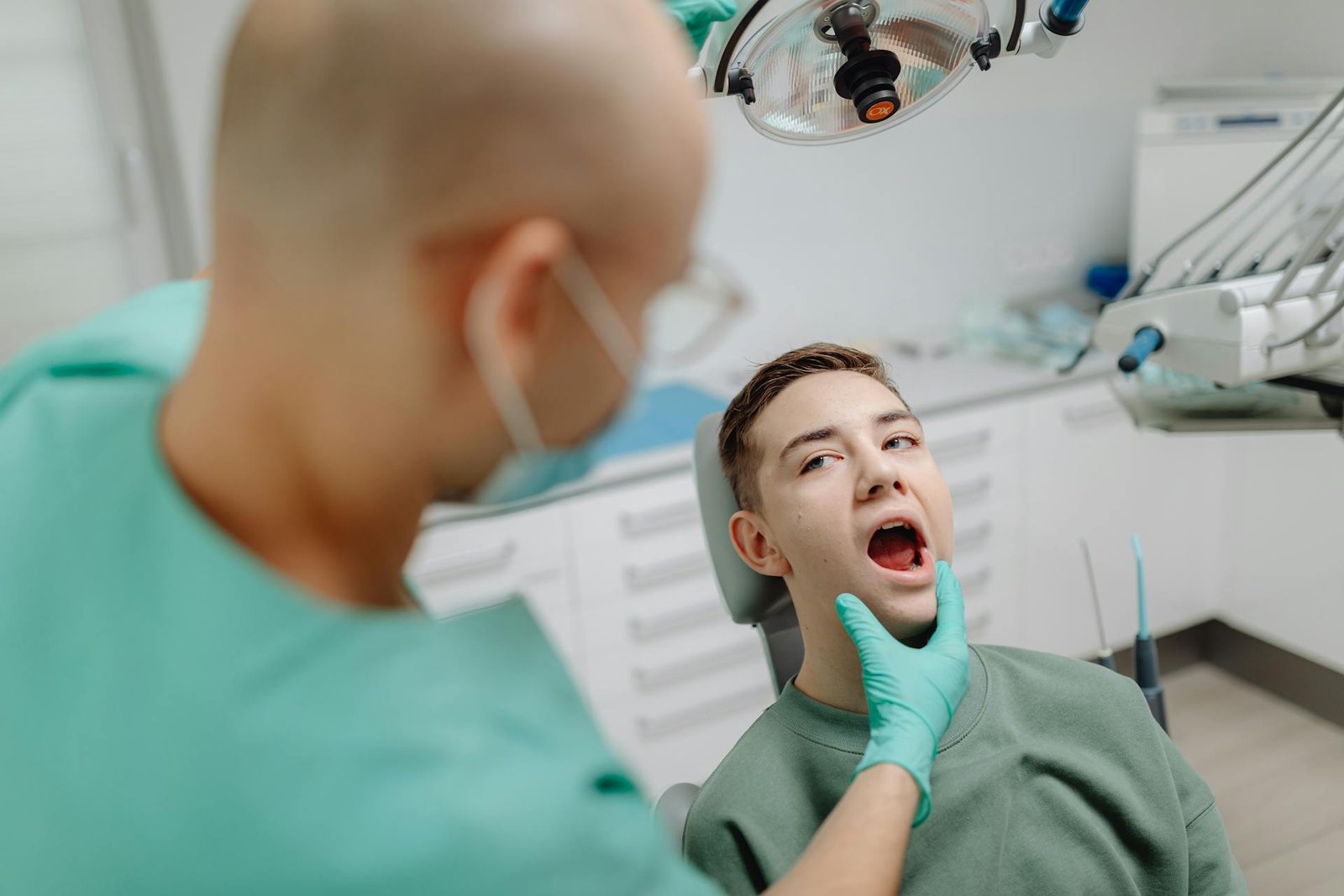
The most effective strategy is unwavering prevention. Consistent, proper brushing and flossing, combined with bi-annual professional cleanings, prevent minor issues from escalating into complex, expensive procedures like root canals or crowns. This proactive approach is the cornerstone of all Affordable Dental Care Solutions.
2. I don’t have dental insurance. What are my best options?
Excellent options exist outside of traditional insurance. First, inquire about an in-house dental membership plan at local practices, which often covers preventative care for an annual fee. Secondly, research nearby dental school clinics, which provide low-cost, supervised care. Finally, locate a Federally Qualified Health Center (FQHC) that uses a sliding fee scale based on your income.
3. How can I make the most of my existing dental insurance?
To maximize your plan, fully understand its details: your annual maximum, deductible, and coverage percentages. Schedule treatments strategically—for example, plan a major procedure across two benefit years to use two annual maximums. Always ensure you see in-network providers and pre-authorize large treatments to avoid surprise costs.
4. Are dental school clinics safe and reliable?
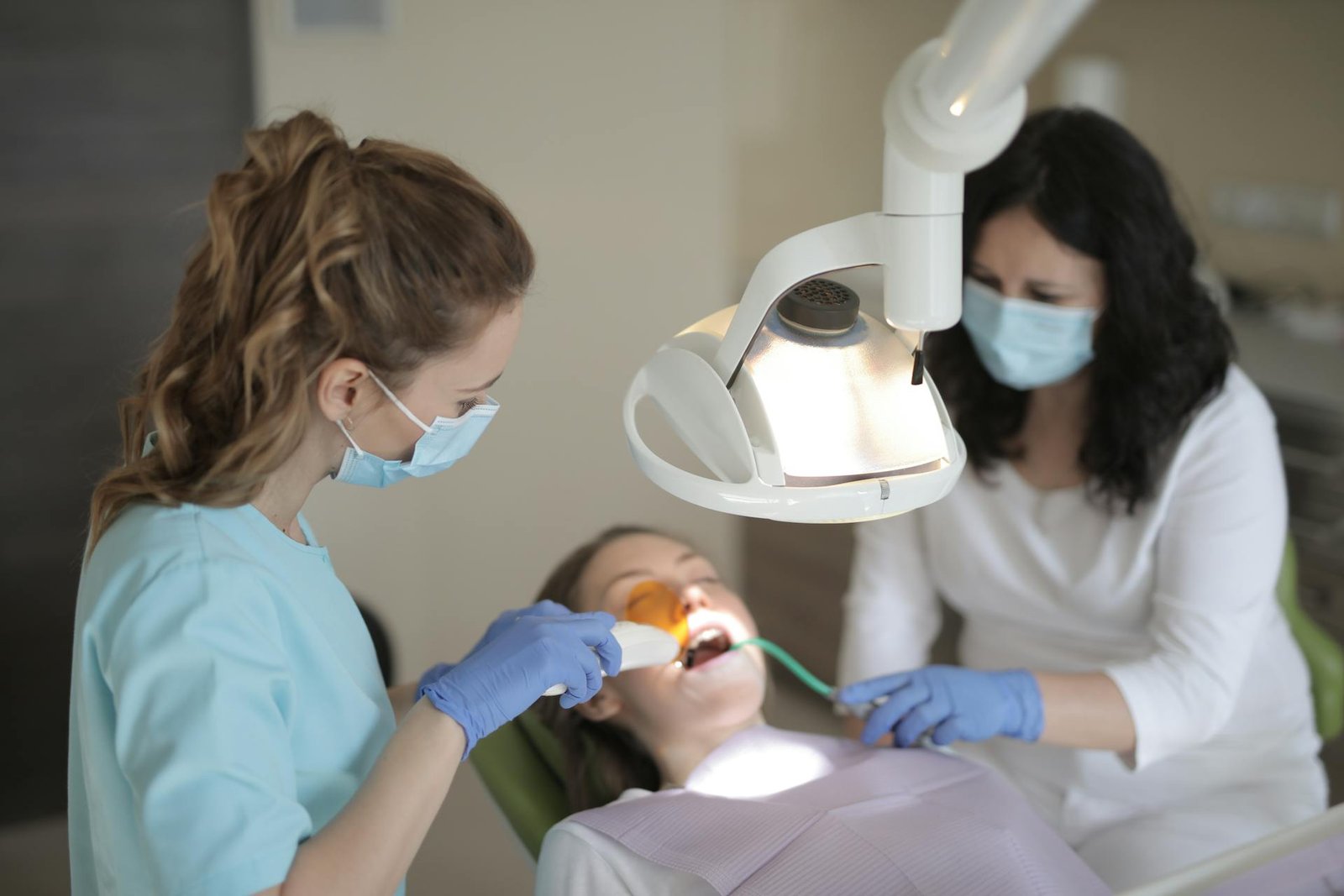
Absolutely. Dental school clinics are a pillar of high-quality Affordable Dental Care Solutions. Procedures are performed by advanced students under the direct, constant supervision of licensed faculty dentists. The pace may be slower, but the care is meticulous, thorough, and utilizes modern technology, often at a fraction of the private practice cost.
5. What is a “sliding scale” fee at a community health center?
A sliding scale means the clinic adjusts your fees based on your documented income and family size. When you apply, you’ll provide proof of income, and the center will place you on a tier that determines your discounted cost for services, making essential care truly income-based and accessible.
6. What is CareCredit, and how does it work?
CareCredit is a healthcare-specific credit card. It is commonly used for dental work and often offers promotional short-term financing plans with no interest if the balance is paid in full within the promotional period (e.g., 6, 12, or 18 months). It is a useful tool for budgeting a large, necessary procedure, provided you can commit to the repayment schedule.
7. How can I politely discuss costs and payment plans with my dentist?
Be direct and proactive. When presented with a treatment plan, simply ask, “Can we discuss the cost and payment options?” Request a written, itemized estimate. You can then ask, “Do you offer any payment plans or have recommendations for medical financing?” Most offices are accustomed to these discussions and have solutions available.
8. What should I prioritize if I can’t afford my full treatment plan right away?
Work with your dentist to phase treatment. Prioritize addressing any active infection, pain, or conditions that will worsen quickly (like deep decay). Stabilizing your oral health comes first. Restorative work like crowns or cosmetic procedures can often be scheduled in subsequent phases over months or years.
9. What are dental charity events, and how do I find them?
Organizations like Mission of Mercy or state dental associations host events where volunteer dentists provide free extractions, fillings, and cleanings. Services are typically first-come, first-served. To find them, search online for “[Your State] free dental clinic” or contact your local United Way chapter or health department.
10. Is dental tourism a viable option for major work?
It can be, but it carries significant risk and requires extensive research. It is only suitable for elective, major procedures. You must thoroughly vet the international clinic’s credentials, plan for follow-up care back home, and budget for all travel costs. It is a high-stakes option that should be considered with extreme caution after exploring all local Affordable Dental Care Solutions.
1 thought on “Affordable Dental Care Solutions in the USA | 2026 Guide”