

Description:
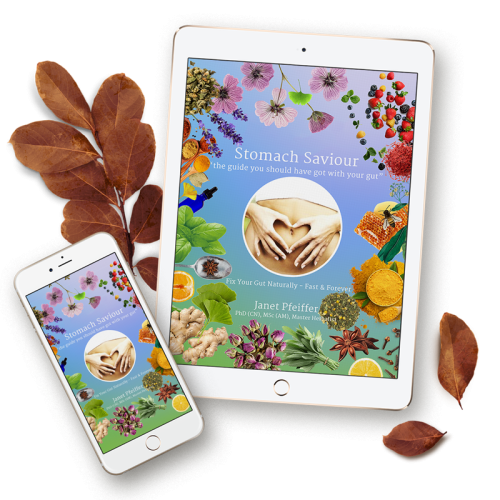
This comprehensive guide is your ultimate resource for achieving lasting digestive wellness through safe, accessible, and effective natural methods. We delve deep into the root causes of common stomach discomfort, moving beyond temporary fixes to offer a holistic roadmap for healing. From the immediate soothing power of warm water and ginger to the long-term benefits of cultivating a healthy gut microbiome with probiotics, each section provides actionable, step-by-step strategies. You’ll discover the critical connection between your mind and gut, learning how stress management and mindful eating are not optional but essential for pain-free digestion. We also emphasize the importance of personalization, guiding you on how to identify your unique food triggers. Whether you’re dealing with occasional bloating, cramping, or recurring indigestion, this post empowers you with the knowledge to become your own best healer, using time-tested remedies and lifestyle adjustments that work in harmony with your body’s innate intelligence.
1. What is Stomach Pain and Why Does it Happen?

Stomach pain is your body’s alarm system, signaling that something is off in your digestive tract. This discomfort can range from a dull ache to sharp cramps and often stems from common, manageable causes. The journey to natural stomach pain relief begins with understanding these triggers. Overeating, consuming greasy or spicy foods too quickly, and high stress levels are frequent culprits. Even swallowing excess air while talking during meals can lead to pain. Your digestive system is intricately linked to your brain and emotions, meaning anxiety can directly cause stomach cramps. Identifying patterns—like pain after dairy or during busy workdays—is the first step. By listening to these signals instead of ignoring them, you empower yourself to seek true natural stomach pain relief that addresses the root cause, not just the symptom.
2. The Soothing Science of Warm Water and Hydration

Water is fundamental to life, and its temperature plays a crucial role in digestion. For natural stomach pain relief, warm water is exceptionally effective. Unlike cold beverages, which can shock and constrict digestive muscles, warm water relaxes and soothes the stomach lining and intestinal tract. It acts as a natural lubricant, helping to break down food particles and promote smoother digestion, which can prevent the formation of painful blockages or gas. Sipping warm water slowly throughout the day, especially first thing in the morning and 30 minutes before meals, can maintain digestive harmony. Adding a twist of lemon stimulates digestive juices, while a pinch of salt can aid hydration. This simple, cost-free practice is a cornerstone of natural stomach pain relief, gently encouraging your body’s innate healing processes without any side effects.
3. Harnessing the Healing Power of Ginger

Ginger is a revered medicinal root, celebrated globally for its potent digestive benefits. It is a powerful agent for natural stomach pain relief due to its active compounds, gingerols and shogaols. These compounds have anti-inflammatory and carminative properties, meaning they reduce gut inflammation and help expel trapped gas that causes bloating and sharp pains. Ginger also accelerates gastric emptying, moving food through your stomach more efficiently to prevent discomfort. For immediate relief, you can chew a small piece of fresh ginger, sip on ginger tea made from boiled slices, or even take a teaspoon of ginger juice. Its ability to combat nausea, whether from indigestion or motion sickness, is unparalleled. Incorporating ginger into your daily diet, like grating it into meals or smoothies, offers proactive natural stomach pain relief and strengthens your digestive resilience over time.
4. The Calming Effect of Peppermint

Peppermint is another herbal champion for natural stomach pain relief. Its primary active ingredient, menthol, has a natural antispasmodic effect. This means it can relax the smooth muscles of the gastrointestinal tract, calming painful spasms, cramping, and bloating. Peppermint tea is one of the most accessible and pleasant ways to harness these benefits; drinking a cup after a heavy meal can prevent discomfort before it starts. For more acute pain, a drop of high-quality peppermint oil in a glass of water can be effective, but it must be used with caution. Peppermint also helps soothe symptoms of Irritable Bowel Syndrome (IBS), such as alternating constipation and diarrhea. Its cooling sensation provides a direct sensory signal of relief. Keeping peppermint tea bags on hand ensures you have a tool for swift natural stomach pain relief anytime, anywhere.
5. Probiotics: Cultivating a Healthy Gut Garden

True natural stomach pain relief often requires fixing the foundation of your digestive health: your gut microbiome. This is the community of trillions of bacteria living in your intestines. An imbalance between good and bad bacteria leads to gas, bloating, and pain. Probiotics are live, beneficial bacteria that restore this balance. You can find them in fermented foods like yogurt, kefir, kimchi, sauerkraut, and traditional buttermilk (chaas). Consuming these regularly introduces friendly bacteria that aid in breaking down food, fighting harmful pathogens, and reducing inflammation. For consistent results, make probiotics a daily habit rather than a sporadic remedy. This long-term strategy of repopulating your gut flora is essential for sustained natural stomach pain relief and overall immune function, as a significant portion of your immune system resides in your gut.
6. The Art of Mindful and Slow Eating

In our fast-paced world, we often eat quickly, under stress, or while distracted. This habit is a major, yet overlooked, cause of stomach pain. Practicing mindful eating is a profound form of natural stomach pain relief. It involves eating slowly, chewing each bite thoroughly (aim for 20-30 chews), and paying full attention to the taste and texture of your food. This process mechanically breaks down food, making it easier for your stomach to digest, and allows digestive enzymes in your saliva to begin their work. Eating slowly also prevents you from swallowing excess air, a common cause of gas. Furthermore, it gives your brain time to receive “fullness” signals from your stomach, preventing overeating. By turning meals into a calm, conscious ritual, you transform your relationship with food and provide your digestive system with the peace it needs to function optimally.
7. Identifying and Eliminating Food Triggers

A highly personalized path to natural stomach pain relief involves playing detective with your diet. Common food triggers include dairy (for those with lactose intolerance), gluten, spicy foods, acidic items like tomatoes and citrus, high-fat fried foods, and artificial sweeteners. To identify your triggers, maintain a detailed food and symptom diary for at least two weeks. Write down everything you eat and drink, along with the timing and type of any stomach pain. You will likely discover clear patterns. An elimination diet—where you remove a suspected trigger for 3-4 weeks and then slowly reintroduce it—can confirm the culprit. Replacing trigger foods with gentle, whole-food alternatives (like oatmeal instead of sugary cereal) is a strategic move. This investigative approach empowers you with knowledge, offering a clear, customized roadmap for lasting natural stomach pain relief.
8. Stress Management: Calming the Gut-Brain Connection

The gut is often called the “second brain” because of the vast network of nerves connecting it to your actual brain. This is why stress, anxiety, and worry directly manifest as stomach pain, a condition sometimes called “nervous stomach.” Therefore, managing stress is non-negotiable for achieving natural stomach pain relief. Techniques like deep diaphragmatic breathing activate the body’s relaxation response, instantly soothing gut spasms. Regular, gentle exercise like walking or yoga reduces stress hormones. Practices such as meditation, journaling, or spending time in nature can lower overall anxiety levels. Even ensuring you have breaks during a hectic workday can prevent stress from accumulating and upsetting your stomach. By prioritizing mental peace, you directly create conditions for digestive peace, making stress management a powerful pillar of natural stomach pain relief.
9. Gentle Movement and Yoga for Digestive Health

Physical activity is a potent stimulant for your digestive system. Gentle movement, particularly after eating, encourages the muscles in your gastrointestinal tract to contract and move food along, preventing stagnation and gas buildup. A leisurely 10-15 minute walk after a meal is one of the simplest forms of natural stomach pain relief. Specific yoga poses are exceptionally beneficial. Poses like “Wind-Relieving Pose” (Pawanmuktasana), seated forward folds (Paschimottanasana), and gentle twists (like Supta Matsyendrasana) massage the abdominal organs, stimulate blood flow, and help release trapped gas. These poses should be done gently and on an empty stomach or several hours after eating. Incorporating this kind of mindful movement into your daily routine promotes regular bowel movements and overall digestive tone, providing both immediate and preventive natural stomach pain relief.
10. When to Seek Professional Medical Help

While these natural strategies are powerful for common indigestion and functional pain, it is critical to recognize when natural stomach pain relief is not enough and professional help is needed. Certain symptoms are red flags that indicate a more serious underlying condition. You must consult a doctor immediately if you experience: severe, debilitating pain that comes on suddenly; pain that persists for several days without improvement; unintentional and significant weight loss; difficulty swallowing; persistent vomiting or vomiting blood; or blood in your stool (which may appear black or tarry). These symptoms could point to conditions like ulcers, gallstones, pancreatitis, or inflammatory bowel disease. A healthcare professional can provide an accurate diagnosis through tests and guide appropriate treatment. Responsible self-care means knowing the limits of home remedies and seeking expert intervention to ensure your long-term health and safety.
Conclusion:

Embarking on the journey to natural stomach pain relief is an empowering commitment to your overall well-being. It’s a process that requires patience, observation, and consistent, gentle care. By integrating the principles outlined—hydrating wisely with warm water, harnessing the power of herbs like ginger and peppermint, nourishing your gut bacteria, eating mindfully, managing stress, and moving your body—you are not just treating symptoms but building a foundation for a resilient and happy digestive system. Remember, your gut is a core pillar of your health, influencing your energy, immunity, and mood. Listen to its signals, respect its needs, and don’t hesitate to seek professional guidance when warning signs appear. True and lasting natural stomach pain relief is within your reach. Start with one simple change today, be it a cup of ginger tea or a five-minute breathing exercise, and gradually build a lifestyle that supports lifelong digestive harmony and vitality.
FAQ:
1. What is the fastest natural remedy for sudden stomach pain?
The fastest natural remedy is to sip on warm ginger or peppermint tea. Both have antispasmodic properties that can quickly relax stomach muscles and relieve cramps. Applying a warm heating pad to your abdomen can also provide immediate soothing relief.
2. How can I tell if my stomach pain is serious and not just indigestion?

Seek immediate medical attention if your pain is severe and sudden, lasts for more than 48 hours, or is accompanied by fever, persistent vomiting, unexplained weight loss, or blood in your stool. These could be signs of a serious condition.
3. Are probiotics safe for everyone to take daily?
While generally safe for most people, those with severely compromised immune systems or serious underlying illnesses should consult a doctor before starting probiotics. For others, getting probiotics from food sources like yogurt is a very safe daily practice.
4. Can stress really cause physical stomach pain?

Absolutely. The gut-brain connection is powerful. Stress and anxiety trigger the release of hormones that can slow digestion, increase stomach acid, and make gut muscles spasm, leading to tangible pain, often called a “nervous stomach.”
5. What is the best thing to drink for an upset stomach?
Warm water is the best and simplest choice. You can add a slice of lemon or a teaspoon of honey. Herbal teas (ginger, peppermint, chamomile) and clear broths are also excellent for staying hydrated and soothing the lining of your stomach.
6. Is it bad to lie down after eating if I have stomach issues?
Yes, it can worsen acid reflux and indigestion. Try to stay upright for at least 2-3 hours after a meal. A gentle walk is ideal, but if you must rest, prop yourself up with pillows to keep your head and chest elevated above your stomach.
7. What are common food triggers I should try eliminating first?

The most common triggers are dairy (lactose), gluten, spicy foods, acidic foods (citrus, tomatoes), fried/high-fat foods, carbonated drinks, and artificial sweeteners (like sorbitol). Try an elimination diet to identify your personal triggers.
8. How long does it take for natural remedies to work?
Some remedies, like ginger tea for nausea, can work within 30 minutes. For broader digestive healing, like rebalancing gut flora with probiotics or identifying food triggers, it may take 3-4 weeks of consistent practice to see significant, lasting improvement.
9. Can yoga really help with bloating and gas?
Yes, specific yoga poses are incredibly effective. Poses like “Wind-Relieving Pose” (Pawanmuktasana) and gentle twists physically massage the digestive organs, helping to move trapped gas along and relieve bloating quickly.
10. I have chronic acid reflux (GERD). Are natural remedies enough?
For mild cases, lifestyle changes (diet, not lying down after meals, stress reduction) can be very effective. However, chronic GERD can damage the esophagus, so it’s crucial to work with a healthcare provider for a proper diagnosis and to create a combined treatment plan.
1 thought on “Natural Stomach Pain Relief 2026: Your Complete Guide”