


Description:
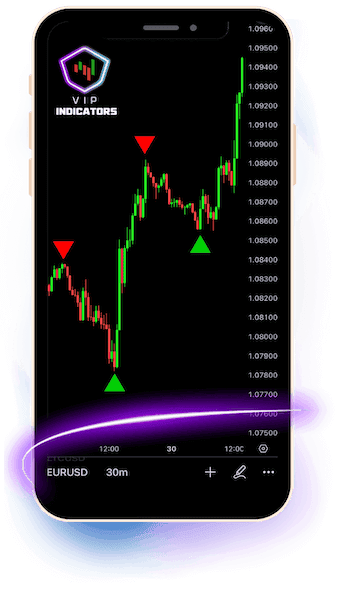

This comprehensive guide serves as your definitive roadmap to navigating the world of algorithmic trading tools in 2026, with a laser focus on the Indian market context. We move beyond the hype and unrealistic promises to deliver a grounded, practical education. The core philosophy here is that true trading success is not about finding a magical, self-operating software, but about building a robust personal system where technology acts as a powerful, disciplined ally. This post meticulously deconstructs what tools like these genuinely do—they are sophisticated scanners and signal generators, not fortune-tellers. We emphasize that the most critical components of profitability are often intangible and internal: cultivating a disciplined trading psychology, implementing ironclad risk management rules (like the essential 1% rule), and committing to continuous learning. The guide provides a clear, step-by-step action plan, from the mandatory risk-free practice of paper trading to the crucial phase of starting with microscopic real capital. It explains how to intelligently blend automated signals with your own contextual analysis of news and market sentiment, a vital skill for Indian traders reacting to events like RBI policies or union budgets. By framing advanced trading tools as one part of a larger, process-oriented business model, this resource empowers you to make informed decisions, manage your expectations, and build sustainable trading habits that can endure through various market cycles.

Understanding What Trading Tools Truly Are: Your Digital Assistant, Not a Fortune Teller
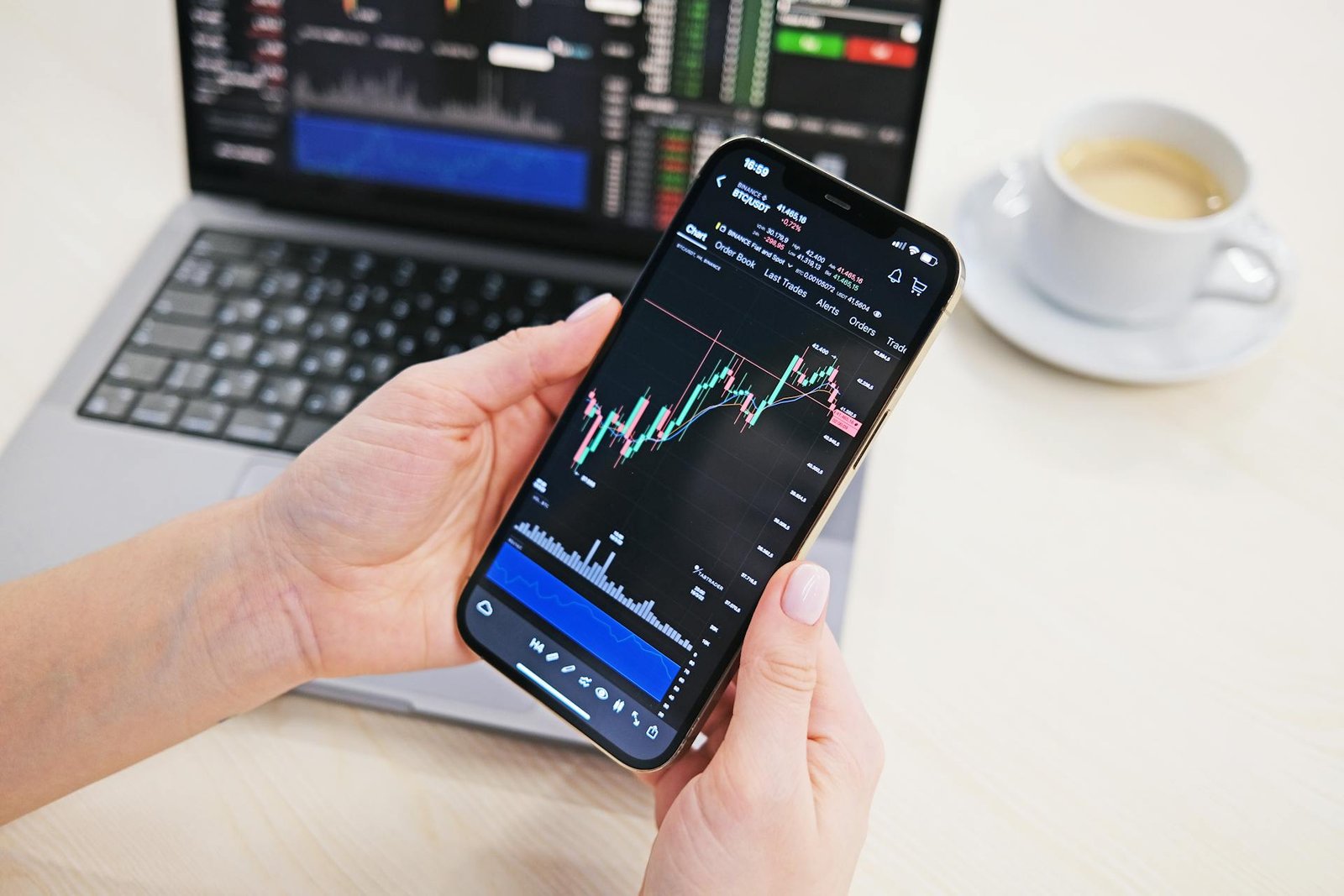

Let’s be very clear: the best trading tools for success are not magical oracles. They are sophisticated digital assistants. Imagine you are a detective trying to solve a complex case. You have piles of evidence—thousands of stock charts with endless numbers and patterns. Manually going through all of it is impossible. This is where the best trading tools for success come in. They act as your expert research assistant. They use pre-programmed mathematical rules—based on decades of market theory—to scan every single piece of “evidence” in milliseconds. They look for specific clues you’ve asked for, like a stock price crossing above its average price, or trading volume suddenly spiking. When they find these clues, they don’t shout “GUILTY!” or “INNOCENT!” Instead, they give you a structured alert: “Hey, here’s a potential opportunity based on the parameters you set. The conditions you look for have appeared on this chart.” They filter out the noise of the millions of data points so you, the lead detective, can focus on the most promising leads. Their primary value is efficiency and emotionless analysis; they remove the human tendency to see patterns that aren’t there out of hope or fear. They execute a boring, repetitive scanning task with perfect discipline, 24 hours a day, across global markets, something no human can physically or mentally do. This allows you to manage your energy for the most critical part: making the final judgment call. The best trading tools for success, therefore, empower your decision-making by providing organized, filtered data, not by making the decision for you.
The Foundation of All Success: Mastering Your Trading Psychology First
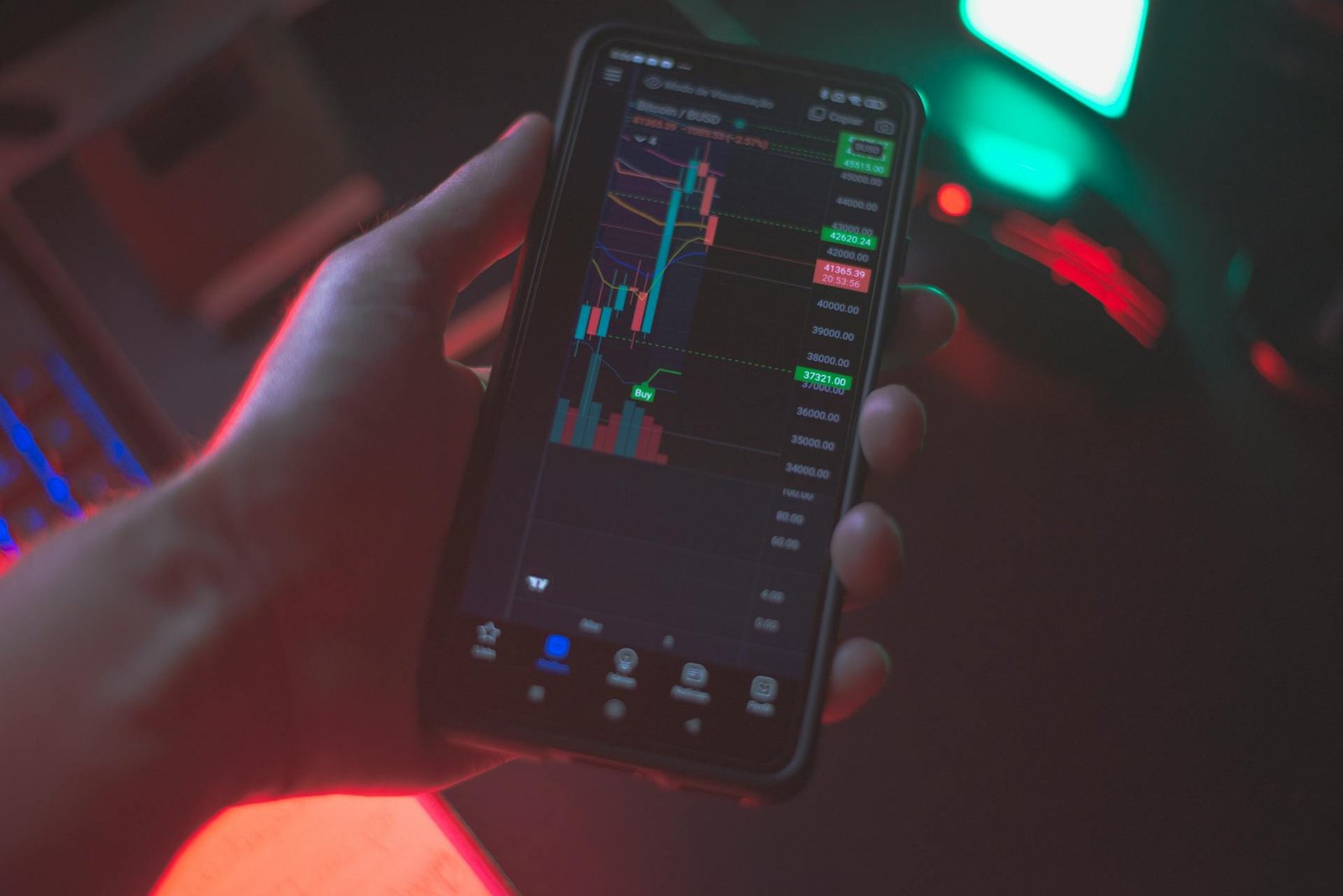

Before you even consider which software to use, you must build your most important tool: your mindset. The greatest, most expensive trading algorithm in the world will fail in the hands of an emotionally undisciplined person. This is because markets are driven by the collective psychology of fear and greed, and you are part of that crowd. The best trading tools for success can give you a perfect signal, but your internal psychology can override it completely. For example, after two losses in a row, fear may cause you to ignore the next strong signal, even though your system is statistically sound. Conversely, after a big win, greed might make you risk far more money on the next trade than your rules allow, ignoring the tool’s cautionary metrics. The software has no ego; it does not feel frustration or excitement. You do. Therefore, the first investment must be in yourself. Train yourself to accept that losses are a normal, unavoidable cost of doing business in trading, like a shopkeeper accounts for some broken inventory. Develop the discipline to follow your plan with robotic consistency, especially when emotions are screaming at you to do the opposite. This mental fortress is what allows you to use the best trading tools for success effectively. Without it, you will self-sabotage, constantly second-guessing the software, breaking your rules, and turning a good system into a losing one. The tool provides the “what” (the signal), but your trained psychology provides the “how” (the disciplined execution).
Your Financial Shield: The Non-Negotiable Rule of Risk Management
If trading psychology is your foundation, then risk management is the unbreakable shield that protects it. This is the single most critical concept for survival. The best trading tools for success are worthless—or even dangerous—if they are not used within a strict risk management framework. Think of it this way: a tool helps you aim your weapon, but risk management is your body armor. No soldier would ever go into battle with only a great gun and no armor. The core principle is capital preservation. Your primary goal is not to make a fortune on one trade; it is to stay in the game long enough for your edge to play out over many trades. The universal rule is this: never risk more than 1-2% of your total trading capital on any single trade. If you have a ₹1,00,000 account, your maximum loss per trade should be ₹1,000-₹2,000. This is managed by using a stop-loss—an automatic order to exit a losing trade at a predetermined price. The best trading tools for success often have features to help calculate and set this stop-loss based on the chart’s volatility. By strictly adhering to this rule, you ensure that even a devastating string of ten consecutive losses (which can happen to any system) would only draw down your account by 10-20%, not wipe it out. This allows you to analyze what went wrong rationally, not panickingly. Risk management transforms trading from a gamble into a probability-based business. It gives you the emotional stability to follow your system because you know no single mistake can destroy you.
The Crucial Practice Phase: Learning with Paper Trading
Jumping into live trading with a new tool and real money is like performing your first heart surgery on a real patient after just reading the textbook. It is reckless and almost guarantees a poor outcome. This is why the mandatory, non-negotiable step for every trader is paper trading, also known as demo or virtual trading. This is your risk-free flight simulator. Almost every reputable brokerage in India offers a demo account loaded with virtual money (e.g., ₹10 or ₹20 lakhs) that operates in real-time market conditions. This is where you take the best trading tools for success for a genuine test drive. Your goal here is not to prove you can make virtual profits, but to achieve three things: First, understand the mechanics of the tool. How are signals displayed? How do you place a trade based on an alert? How fast does the platform execute? Second, and most importantly, test your own psychology in a simulated environment. Do you hesitate? Do you chase losses by immediately re-entering after a virtual loss? Do you feel the phantom “fear of missing out”? Third, validate the tool’s logic. Do its signals make sense to you over different market phases—trending up, trending down, and sideways? A proper paper trading phase should last a minimum of 2-3 months, covering at least one full earnings season. Only when you can consistently follow your own rules in the demo with discipline should you consider transitioning to a small real-money account. This phase builds muscle memory and confidence without any financial cost.
Selecting Your Toolkit: How to Choose the Right Software Wisely

The market is flooded with software promising unbelievable returns. Cutting through the hype to find genuinely useful software requires a careful, skeptical approach. To identify the best trading tools for success for you, follow this checklist. First, alignment with your style: A tool designed for high-frequency scalping (entering and exiting in minutes) will overwhelm a swing trader who holds for days. Ensure the tool’s signal frequency and timeframes match your temperament. Second, Indian market compatibility: The tool must be reliable on Indian exchanges (NSE, BSE, MCX). It should handle our market holidays, be optimized for the liquidity of Indian stocks, and ideally factor in key domestic data. Third, transparency over hype: Be extremely wary of advertisements showing lavish lifestyles and promises of “₹10,000 daily guaranteed.” Genuine providers talk about statistics like “win rate,” “average profit/loss per trade,” and “maximum drawdown.” They emphasize that results vary and education is key. Fourth, educational support: The best trading tools for success come with comprehensive tutorials, webinars, and a knowledge base that explains the why behind the signals, helping you learn, not just follow. Fifth, customer support and community: Is there responsive support? Is there an active user community where you can learn from others’ experiences? A tool backed by strong education and support is designed for your long-term success, not just a quick sale.
The Art of Context: Blending Tool Signals with Your Own Analysis
A trading tool provides a technical signal—a reading based on price and volume mathematics. However, a smart trader never acts on this signal in a vacuum. They add a layer of contextual analysis, turning a raw signal into a high-probability decision. This blend is where true skill lies. For instance, your tool, one of the best trading tools for success, flashes a strong “BUY” signal on an auto company’s stock. Before you click the button, pause and ask a few contextual questions. Sector Health: Is the entire automobile sector showing strength, or is this stock alone moving? A rising tide lifts all boats. Market Sentiment: Is the broader Nifty or Sensex in an uptrend, or is it selling off? It’s harder for a single stock to rally against a falling market. Fundamental News: Is there a quarterly result announcement today? Has the company just won a big government contract? Or, conversely, is there a looming regulatory issue? A quick scan of a financial news site can provide this. For Indian traders, this is vital. Our markets are heavily influenced by events like RBI monetary policy, union budgets, and global crude oil prices. A signal on a banking stock right before an RBI announcement is highly risky. By combining your tool’s technical alert with fundamental and sentiment context, you become a selective sniper rather than a machine-gunner, dramatically improving the quality of the trades you choose to take.
The Mirror of Performance: The Power of a Detailed Trading Journal
One of the most powerful yet underutilized practices in trading is maintaining a detailed journal. This is not just a log of profits and losses; it is a mirror that shows you your true self as a trader. It is, in essence, a meta-tool that helps you optimize your use of all other tools. For every single trade—whether taken from the best trading tools for success or your own idea—you must record specific data points: Date and time, instrument traded, entry price, stop-loss price, target price, exit price, profit/loss (P&L). But the transformative part goes beyond numbers. You must also record your reason for entry (e.g., “Tool gave daily chart breakout signal”), your emotional state (e.g., “Felt anxious due to previous loss,” or “Was overconfident after morning win”), and your reason for exit (e.g., “Stop-loss hit,” or “Closed early out of fear”). Reviewing this journal weekly is your most important review session. You will discover patterns you were blind to: perhaps you consistently ignore signals on Monday mornings, or you move your stop-loss wider (breaking your rule) when a trade goes slightly against you. This objective feedback loop allows you to fix behavioral leaks and refine how you interpret and act on the signals from your best trading tools for success. It turns random experiences into structured learning data, accelerating your growth more than any single software ever could.
The Golden Rule of Real Money: Starting Microscopically Small
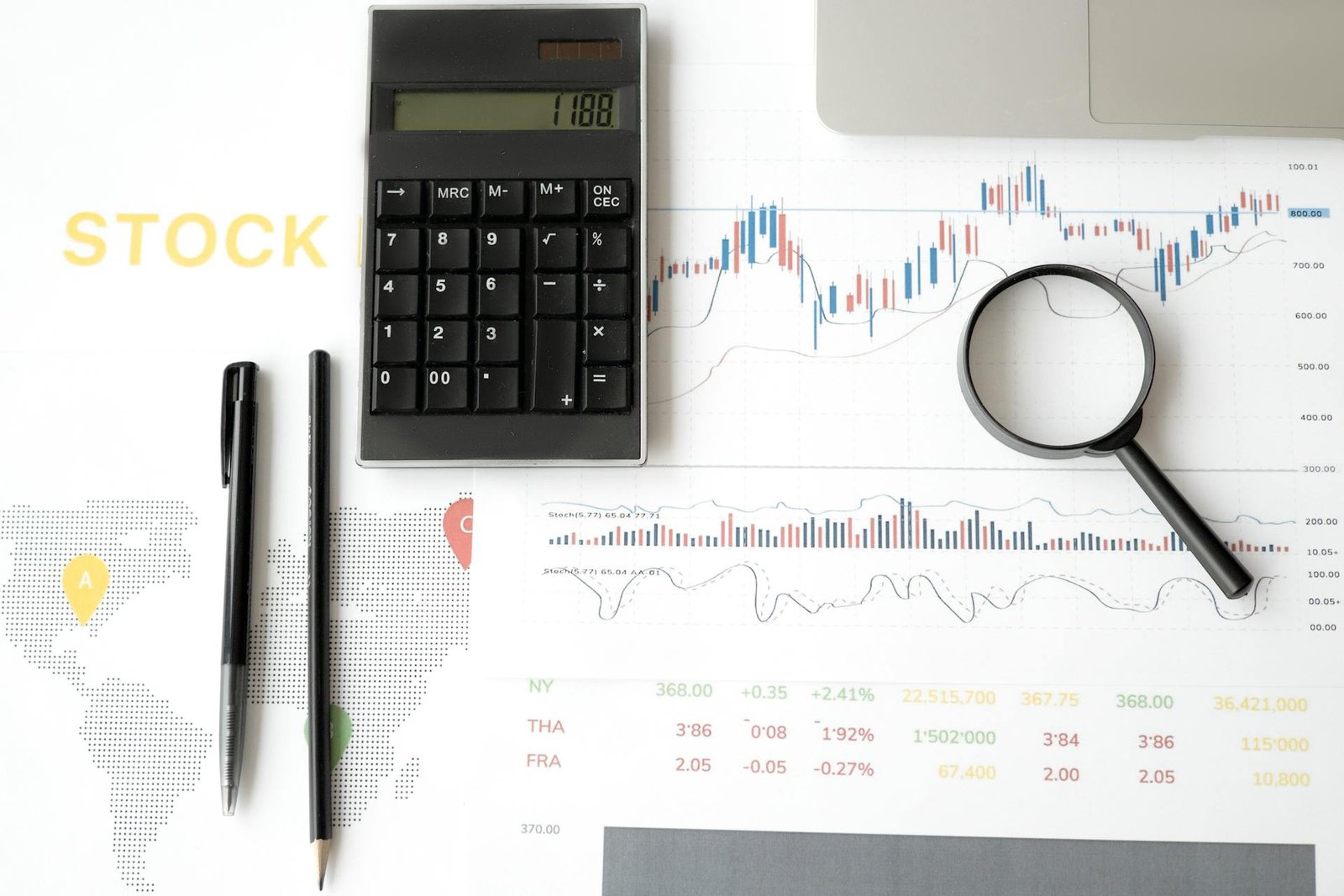
After successful paper trading, the transition to real money is a critical psychological leap. The presence of actual financial risk activates emotions that were dormant in the demo. The most common, catastrophic mistake at this stage is trading with too much capital too soon. The golden rule is: Start with an amount so small that its loss is mentally insignificant. This could be ₹5,000 or ₹10,000—money you are fully prepared to lose, treating it as a paid tuition fee. The goal of this “micro-account” phase is not to generate income. The sole objective is to validate that your entire system—the best trading tools for success, your risk management rules, and, crucially, your own psychology—holds together under the pressure of real P&L. Can you still press the button when a signal comes and real money is on the line? Can you hold the trade as it fluctuates? Can you accept a realized loss gracefully and move to the next signal? This phase strips away any remaining overconfidence from demo trading. Only after you have consistently executed your plan for several months with this micro-account, experiencing both wins and losses, should you consider gradually adding more capital. Scaling should be a slow, incremental process—perhaps a 25% increase in position size every quarter based on consistent performance—not a sudden leap. Patience here builds an unshakable foundation.
The Unending Journey: Committing to Continuous Education
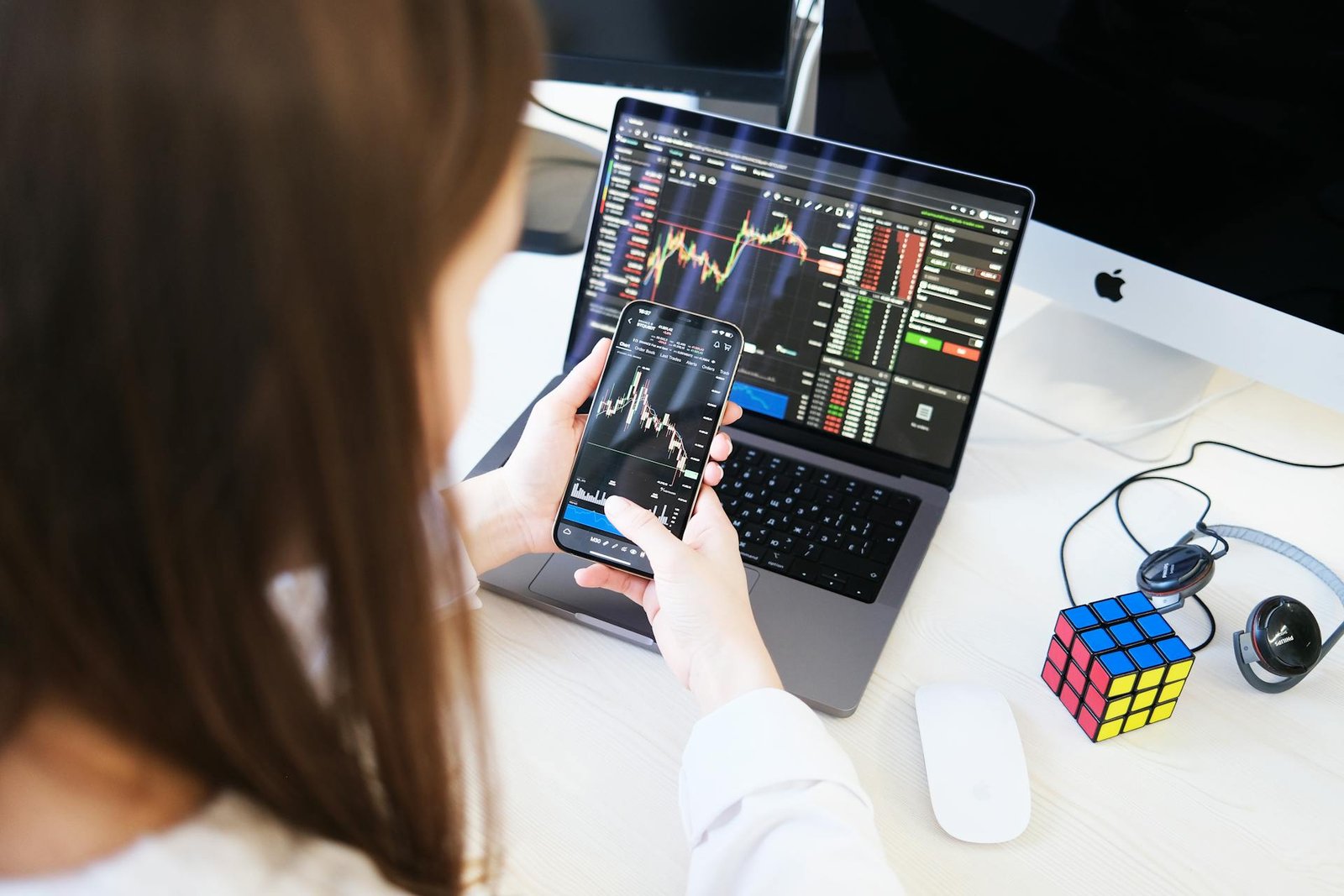
The financial markets are a living ecosystem that constantly evolves. Regulatory changes, new financial instruments, global geopolitical shifts, and advancements in technology all alter market behavior. A strategy that worked brilliantly last year may become obsolete. Therefore, your ultimate edge is not a static tool, but your commitment to being a lifelong student. View your best trading tools for success as one chapter in a much larger textbook. Dedicate time each week to learning. This could mean reading books on market psychology (like “Trading in the Zone” by Mark Douglas), understanding macroeconomic principles that affect India (like inflation, interest rates, and FDI flows), or taking certified courses on technical analysis. Follow respected market analysts and educators, not for their tips, but to understand their reasoning process. As you learn the “why” behind concepts like moving averages, RSI, or Fibonacci levels, you will start to understand why your tool is giving a particular signal. This knowledge transforms you from a passive button-pusher into an informed strategist. You can then begin to customize the tool’s settings, filter its signals more intelligently, or even develop your own complementary checks. This pursuit of knowledge ensures you remain adaptable and your skills remain relevant, making you the true master of your tools.
Building Your Daily Ritual: The Boring Path to Consistent Results

Sustainable trading success is not born from moments of excitement or genius, but from the relentless execution of a boring, repeatable routine. This routine is your operational framework, and the best trading tools for success are embedded within it. A professional trader’s day is structured and systematic. A simple, effective daily checklist could look like this: (1) Pre-Market Review (30 mins before opening): Check global market cues (SGX Nifty, US indices), scan for major domestic and international news headlines. (2) Tool Scan: Let your software run its pre-market scan and generate its initial watchlist of potential signals. (3) Context Application: Apply your fundamental and sector check to the top signals. Filter out those with conflicting news. (4) Plan the Trade: For the 1-3 best opportunities, determine your exact entry, stop-loss, and target prices. Calculate your position size based on your 1% risk rule. (5) Execution & Monitoring: Place the trades at market open if conditions are met. Set your stop-loss and target orders. Then, step away. Avoid staring at the screen, which leads to emotional interference. (6) Post-Market Journal: At the end of the day, record all trades in your journal with honest emotional notes. (7) Weekly Review: Every weekend, analyze your journal and weekly performance. This ritual removes guesswork and emotion. It turns trading into a process-driven business where you manage probabilities, not chase profits. By faithfully following your own checklist, you ensure that the best trading tools for success are used as intended—as part of a disciplined system designed for the marathon, not the sprint.
Conclusion:
In the pursuit of market success, the journey itself—forged in discipline, education, and emotional control—is the ultimate reward. As we have explored, tools marketed as predictive solutions are, in reality, sophisticated assistants that excel at processing data and removing emotional bias from the initial analysis. Their true value is unlocked only when integrated into a far more important framework: your own mindset and meticulously crafted rules. The stories of successful traders, whether in Mumbai or Indore, are never about a software license; they are about the consistent application of a plan, the resilience to endure losses, and the wisdom to manage risk above all else. Let this guide shift your focus from searching for an external “holy grail” to building an internal fortress of knowledge and discipline. Start not with a large investment, but with a commitment to education and paper trading. Progress not by chasing profits, but by perfecting your process. Remember, the markets will always be here, offering opportunities. By prioritizing the development of yourself as a trader—armed with patience, a shield of risk management, and the enhanced clarity offered by modern tools—you position yourself not for a fleeting win, but for the possibility of enduring participation and growth in the fascinating world of trading.
FAQ (Frequently Asked Questions)
Q1: Are these trading tools legal in India?
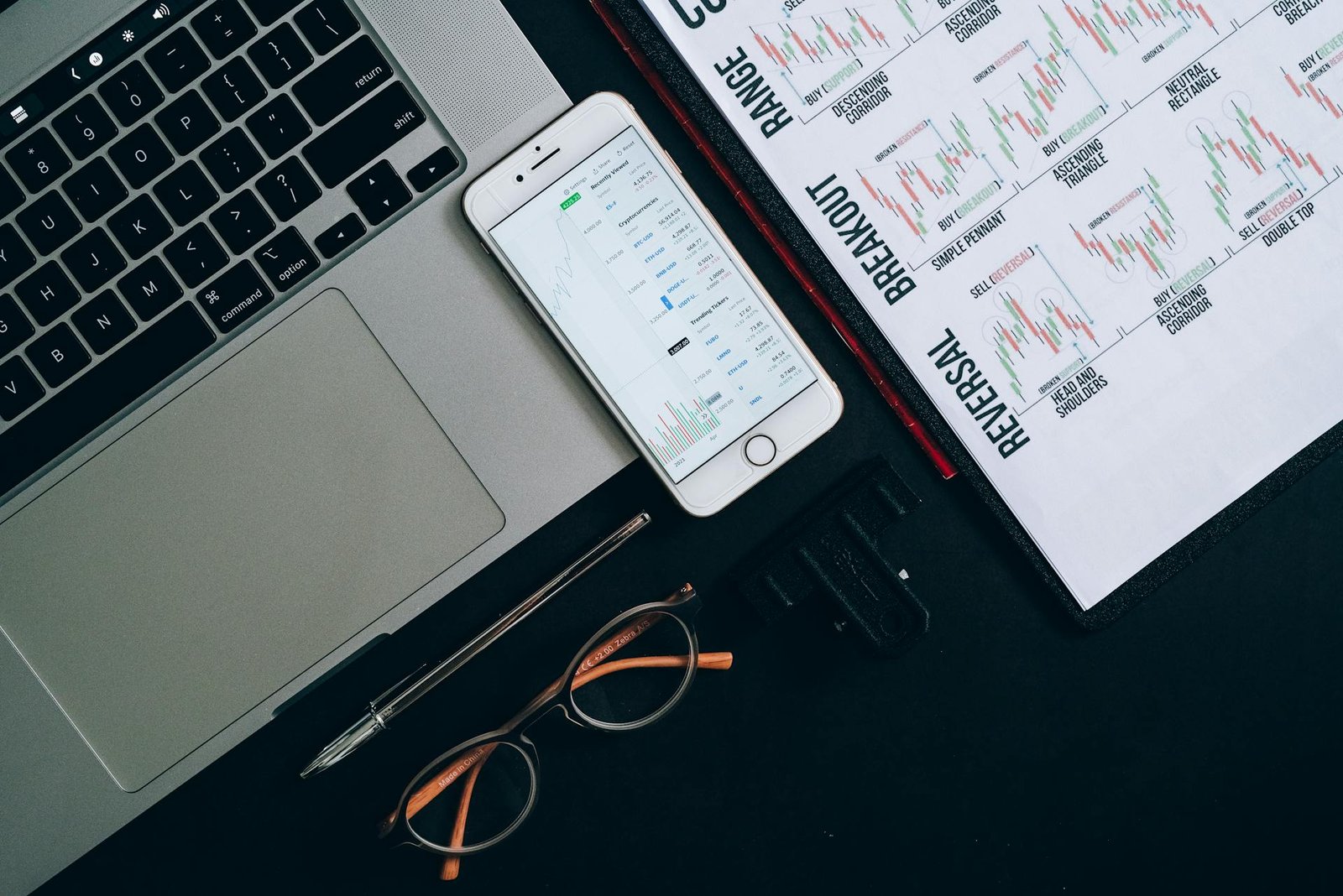
A1: Yes, using technical analysis and algorithmic scanning tools is completely legal in India. They are software aids, similar to advanced charting platforms. However, ensure you are using them with a SEBI-registered broker for executing trades.
Q2: Can I become a full-time trader using these tools alone?
A2: Highly unlikely and inadvisable. These tools are assistants, not autonomous income generators. Full-time trading requires significant capital, years of experience, profound market understanding, and elite psychological discipline that goes far beyond any software.
Q3: What is the single most important rule for a beginner?
A3: The non-negotiable rule is risk management. Never risk more than 1-2% of your total trading capital on any single trade. This is more important than any signal or tool.
Q4: How long should I paper trade before using real money?
A4: A minimum of 2-3 months is recommended. You need to experience different market conditions (trending, sideways, volatile) and demonstrate consistent discipline in following your own rules in the simulated environment.
Q5: Do these tools work for the Indian stock market (NSE/BSE)?
A5: Reputable tools are designed for multi-market use, but you must check their compatibility. Ensure they are reliably configured for Indian exchanges, timeframes, and account for factors like Indian market holidays and liquidity.
Q6: What if I get a conflicting signal between the tool and market news?
A6: Always prioritize context. If a tool gives a buy signal but major negative news is breaking for that company or sector, it is prudent to ignore the signal. The tool reads price data; you must incorporate fundamental and sentiment analysis.
Q7: Is a high-cost tool always better than a free one?
A7: Not necessarily. Many free charting platforms (like TradingView or broker-provided terminals) offer powerful indicators. A paid tool may offer convenience, aggregation, and speed. The key is your skill in using it, not its price tag.
Q8: How do I handle losses from signals generated by the tool?
A8: This is a test of your system and psychology. If the loss was taken with a predetermined stop-loss as part of your plan, it is a good loss. Analyze it in your journal, but do not deviate from your system. Losses are a statistical certainty in trading.
Q9: Can I use these tools for cryptocurrency trading in India?
A9: Yes, many multi-asset tools include major cryptocurrencies. However, be aware that crypto markets are vastly more volatile and operate 24/7. Risk management becomes even more critical, and position sizing should be adjusted accordingly.
Q10: Where can I legitimately learn more about technical analysis?
A10: Start with free, high-quality resources like Zerodha Varsity and SEBI’s investor education website. These provide structured, unbiased knowledge specifically for Indian markets, forming a solid foundation before using any automated tool.