


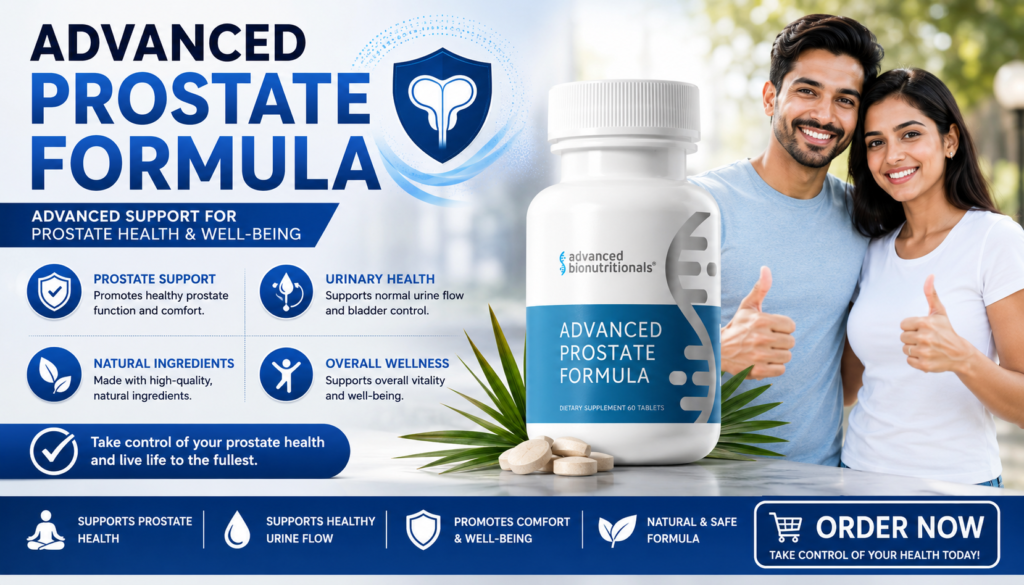
Description:

This comprehensive guide serves as an essential resource for men seeking to understand and proactively manage their prostate health through informed, natural strategies. We delve deep into the science behind the most effective natural compounds, from the widely researched Saw Palmetto and Beta-Sitosterol to the foundational minerals Zinc and Selenium, explaining their specific mechanisms of action in supporting prostate function and alleviating common urinary symptoms. The article uniquely bridges global scientific findings with the rich heritage of Indian Ayurveda, highlighting the synergistic role of adaptogens like Ashwagandha for stress resilience and traditional remedies like Gokshura for urinary tract vitality. Beyond supplements, we provide a detailed blueprint for lifestyle and dietary modification, offering practical prostate health advice tailored to modern Indian routines, including dietary adjustments, exercise recommendations, and hydration strategies. The guide also empowers readers with a critical framework for evaluating the overcrowded supplement market, emphasizing quality, standardization, and synergistic formulation. By integrating personal anecdotes, clinical insights, and actionable steps, this post moves beyond generic advice to offer a holistic, culturally resonant, and scientifically-grounded plan for men aiming to preserve their wellness, vitality, and quality of life as they age, making the journey toward optimal prostate health clear, accessible, and achievable.
1. The Essential Role of the Prostate Gland and Why Its Maintenance is Critical


The prostate is a fundamental component of the male reproductive system, a small, muscular gland situated directly beneath the bladder and encircling the urethra. Its primary physiological function is the secretion of a nutrient-rich fluid that constitutes a significant portion of seminal fluid, ensuring sperm viability and motility. Maintaining optimal prostate health is therefore intrinsically linked to both urinary and reproductive wellness. As men age, particularly beyond the fifth decade, the prostate naturally undergoes cellular proliferation, a condition medically termed Benign Prostatic Hyperplasia (BPH). This non-cancerous enlargement is perhaps the most common challenge to long-term prostate health, leading to compressive symptoms on the urethra. These symptoms manifest as Lower Urinary Tract Symptoms (LUTS), including hesitancy, weak stream, nocturia (frequent nighttime urination), and a persistent sensation of incomplete voiding. Proactive management through informed lifestyle and dietary choices is paramount in mitigating these effects and preserving quality of life, making education on this topic a cornerstone of preventive men’s healthcare.
2. Saw Palmetto: Mechanism of Action and Clinical Evidence for Efficacy


Serenoa repens, commonly known as Saw Palmetto, stands as the most extensively researched botanical intervention in the realm of natural prostate health support. Its therapeutic action is primarily attributed to its rich composition of fatty acids and phytosterols, which function through a multi-modal mechanism. It is believed to inhibit the enzyme 5-alpha-reductase, responsible for converting testosterone to dihydrotestosterone (DHT), a potent androgen implicated in prostate tissue growth. Furthermore, it may interfere with the binding of DHT to cellular receptors in the prostate. Numerous meta-analyses and systematic reviews have concluded that standardized Saw Palmetto extract can significantly improve International Prostate Symptom Scores (IPSS), peak urinary flow rates, and reduce nocturia episodes compared to placebo. For individuals seeking non-pharmaceutical pathways to support prostate health, a high-quality, lipid-extracted, and standardized Saw Palmetto supplement represents a compelling, evidence-based option worthy of consideration in consultation with a healthcare provider.
3. Beta-Sitosterol and Plant Sterols: Direct Impact on Urinary Function Parameters


Beyond Saw Palmetto, the family of plant-derived sterols, with Beta-Sitosterol as a prominent member, offers a powerful pharmacological tool for supporting prostate health. These compounds, structurally similar to cholesterol, are abundantly present in nuts, seeds, legumes, and certain vegetables. Their efficacy in alleviating BPH symptoms is well-documented in clinical literature. The proposed mode of action involves reducing inflammatory prostaglandins within the prostate and modulating cholesterol metabolism in the cellular membranes of the gland. Studies consistently demonstrate that Beta-Sitosterol supplementation leads to statistically significant improvements in urinary flow rate, reduction in residual urine volume, and overall symptom score. Integrating foods rich in these compounds, such as pumpkin seeds, rice bran, and avocados, is a prudent dietary strategy. However, for therapeutic effect, concentrated supplementation is often necessary to achieve the clinically effective dosage, making it a key ingredient in comprehensive protocols aimed at optimizing prostate health.
4. Integrating Ayurvedic Pharmacology: Gokshura and Ashwagandha for Holistic Support


The ancient medical system of Ayurveda provides a sophisticated, holistic framework for understanding and promoting prostate health, primarily through the concepts of balancing Apana Vayu (the downward-moving life force) and mitigating Ama (toxins). Gokshura (Tribulus terrestris) is revered as a premier Mutravirechana (urinary tract rejuvenator) and Vajikarana (reproductive tonic). Its diuretic, anti-lithiatic, and anti-inflammatory properties directly address urinary discomfort and support renal function. Concurrently, Ashwagandha (Withania somnifera), a quintessential adaptogen, plays a critical indirect role. By robustly modulating the hypothalamic-pituitary-adrenal (HPA) axis and lowering systemic cortisol levels, it mitigates chronic stress—a known exacerbating factor for inflammatory conditions. This dual approach, combining the direct action of Gokshura with the systemic balancing effect of Ashwagandha, exemplifies a synergistic model for prostate health that aligns functional relief with foundational well-being.
5. The Foundational Importance of Zinc and Selenium in Cellular Metabolism

The significance of trace minerals, particularly Zinc and Selenium, to prostate health cannot be overstated and operates at a fundamental biochemical level. The prostate gland accumulates the highest concentration of zinc in the male body, where it acts as a cofactor for over 300 enzymatic reactions. It is crucial for the proper function of androgen metabolism, DNA synthesis, and cellular apoptosis (programmed cell death)—a process whose dysregulation is implicated in abnormal growth. Zinc deficiency is correlated with increased prostate size and dysfunction. Selenium, incorporated into selenoproteins like glutathione peroxidase, serves as a powerful endogenous antioxidant, protecting prostate cells from oxidative damage caused by free radicals. Dietary sources like legumes, nuts, and seeds are important, but soil depletion and dietary habits can lead to insufficiency. Strategic supplementation to ensure adequate levels of these minerals is a scientifically sound pillar of any long-term plan for maintaining robust prostate health.
6. Lifestyle Modifications: Exercise, Hydration, and Pelvic Floor Dynamics

Pharmacological and nutritional interventions must be underpinned by deliberate lifestyle modifications to fully support prostate health. Regular physical exercise, specifically aerobic activity like brisk walking or cycling, improves systemic circulation and reduces pelvic congestion. Crucially, targeted strength training of the pelvic floor muscles (the pubococcygeus group) can enhance urinary control and alleviate stress incontinence symptoms often associated with prostate issues. Proper hydration is a nuanced strategy; consistent intake of water throughout the day dilutes urine, reducing bladder irritation, while intentional reduction of fluids 2-3 hours before bedtime can dramatically lessen nocturia. Additionally, avoiding prolonged sitting intervals by using standing desks or taking frequent breaks helps prevent increased intra-pelvic pressure. These behavioral adjustments form the indispensable environmental context in which all other prostate health strategies achieve their maximum potential efficacy.
7. An Anti-Inflammatory Dietary Protocol: From Lycopene to Omega-3s

A targeted, anti-inflammatory diet is a proactive therapeutic tool for prostate health. The cornerstone of this protocol is the increased consumption of bioactive compounds with demonstrated protective effects. Lycopene, a potent carotenoid found in cooked tomatoes, watermelon, and pink grapefruit, exhibits strong antioxidant activity and has been inversely associated with prostate cancer risk in epidemiological studies. Cruciferous vegetables like broccoli and cauliflower contain sulforaphane, which upregulates phase II detoxification enzymes. The inclusion of omega-3 fatty acids from fatty fish, flaxseeds, and walnuts counteracts the pro-inflammatory effects of omega-6 fats prevalent in processed oils. Concurrently, it is imperative to limit dietary offenders: reducing intake of red meat, charred meats containing heterocyclic amines, refined sugars, and excessive calcium, all of which have been linked in various studies to compromised prostate health. This dietary matrix creates an internal biochemical environment hostile to inflammation and hyperplasia.
8. Critical Evaluation and Selection of Supplement Formulations in the Modern Market

Navigating the commercial supplement landscape requires a discerning, evidence-based approach to truly advance prostate health. A high-quality formulation should feature several key characteristics. First, it must contain standardized extracts with guaranteed potencies of active compounds, such as 85-95% fatty acids for Saw Palmetto. Second, synergistic blending is paramount; look for combinations that include Saw Palmetto, Beta-Sitosterol, Pygeum africanum (for exfoliation of glandular secretions), and potentially rye pollen extract (cernitin). Third, bioavailability enhancers like black pepper extract (piperine) should be included to improve absorption. The manufacturer should provide transparency through third-party certification (e.g., USP, NSF) verifying purity, potency, and the absence of heavy metals or contaminants. Avoiding proprietary blends that hide individual ingredient dosages is essential for an informed assessment. This critical selection process ensures that investment in supplementation directly and effectively supports the complex goal of prostate health.
9. The Imperative of Medical Consultation and Differential Diagnosis

While proactive self-care is commendable, it must be contextualized within professional medical oversight for genuine prostate health. Initiating any new supplement regimen necessitates a prior consultation with a physician or urologist. This is crucial for several reasons: to rule out conditions that mimic BPH symptoms, such as urinary tract infections, prostatitis, or diabetes; to establish a baseline via a Digital Rectal Exam (DRE) and Prostate-Specific Antigen (PSA) blood test; and to identify potential herb-drug interactions, especially with anticoagulants, hormone therapies, or blood pressure medications. A healthcare professional can help differentiate between BPH and more serious pathologies, ensuring that a focus on prostate health through natural means complements, rather than delays, necessary conventional diagnostics and treatments. This collaborative model represents the most responsible and effective pathway to wellness.
10. Synthesizing a Comprehensive, Personalized 2026 Action Plan for Long-Term Vitality

The culmination of contemporary knowledge on prostate health points toward an integrated, personalized action plan. This plan synthesizes diagnostic awareness, nutritional precision, intelligent supplementation, and consistent lifestyle habits. It begins with scheduling a comprehensive urological assessment to establish an individual baseline. Nutritionally, it involves adopting a primarily plant-based, Mediterranean-style diet rich in colorful phytonutrients and healthy fats. A carefully vetted, multi-mechanism supplement can be incorporated as a supportive measure. An exercise regimen must be non-negotiable, blending cardiovascular fitness with pelvic floor exercises like Kegels. Stress management through mindfulness, yoga, or meditation should be routine. Finally, committing to annual check-ups allows for monitoring and plan adjustment. This multifaceted, disciplined approach transcends mere symptom management; it is a proactive philosophy dedicated to sustaining lifelong prostate health, urinary function, and overall masculine vitality well into the future.
Conclusion:

In conclusion, achieving and maintaining optimal prostate health is a multifaceted endeavor that successfully merges modern nutritional science with timeless wellness wisdom. It requires a consistent, proactive approach built on the pillars of education, targeted nutrition, intelligent supplementation, and mindful living. As we have explored, empowering yourself with knowledge about how key ingredients like Saw Palmetto, plant sterols, and essential minerals function is the first critical step. Integrating this with anti-inflammatory dietary choices, regular physical activity, and stress management creates a powerful foundation for long-term well-being. Crucially, this journey should always be undertaken in partnership with a healthcare professional to ensure safety and personalization. Remember, the goal is not merely the absence of discomfort but the active promotion of vitality and confidence. By adopting the comprehensive strategies outlined—from selecting high-quality supplements to embracing daily lifestyle tweaks—you take decisive control of your health narrative. Let this guide be your starting point toward a future where prostate health is managed with confidence and clarity, enabling you to lead a fuller, more active life. The power to support your well-being is firmly in your hands; begin your committed journey today.