


Description:


This comprehensive guide serves as your ultimate resource for understanding and implementing the Healthy Mediterranean Diet, a lifestyle approach celebrated globally for its profound and science-backed health benefits. We have meticulously broken down this sustainable eating pattern into ten detailed chapters, each designed to provide clarity and actionable steps for beginners and seasoned health enthusiasts alike. From explaining the core principles and overwhelming health advantages—like heart protection, better blood sugar control, and enhanced brain function—to providing practical tools such as shopping lists, simple meal ideas, and a starter checklist, this guide transforms a timeless tradition into a modern, accessible plan. We address common concerns, debunk myths, and highlight how to adapt this diet to various budgets and cultural preferences, including Indian cuisine. Beyond food, we emphasize the essential lifestyle pillars of mindful eating, physical activity, and community, which are fundamental to reaping the full rewards. Whether your goal is weight management, disease prevention, or simply cultivating a more joyful relationship with food, this step-by-step, paragraph-by-paragraph exploration offers the knowledge and confidence to embark on your journey toward lasting well-being with the Healthy Mediterranean Diet as your trusted framework.

Your Complete Guide to a Healthy Mediterranean Diet in Simple Terms


Embarking on a Healthy Mediterranean Diet is one of the best decisions you can make for your long-term well-being. This guide will explain every aspect in simple paragraphs, using clear points to ensure you understand not just the “what,” but the “why” and “how.” We’ll break it down step-by-step, focusing on practical advice you can use today.
1. What Exactly is a Healthy Mediterranean Diet?
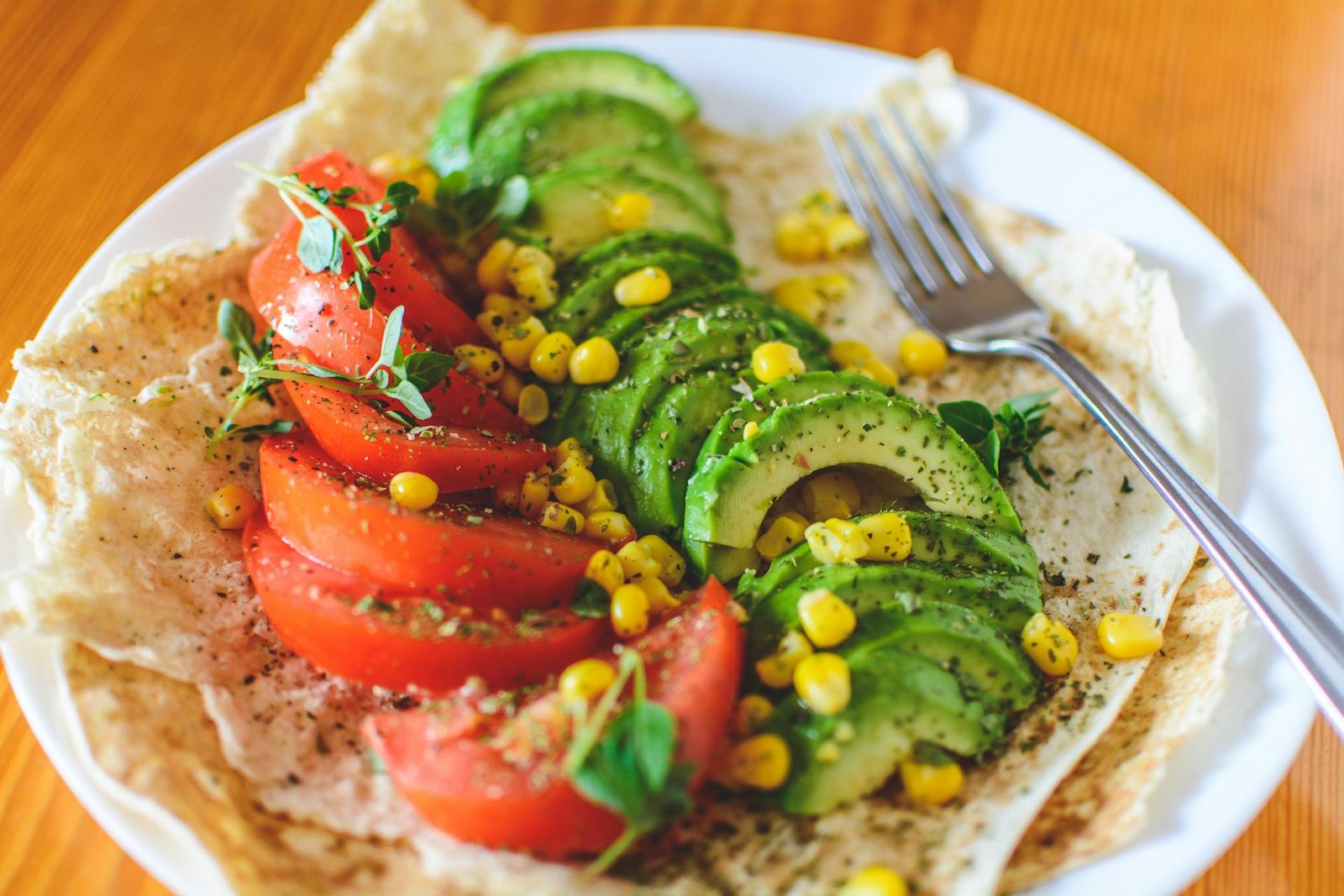
Let’s start with the basics. A Healthy Mediterranean Diet isn’t a strict, short-term fad diet with a list of banned foods. Instead, it’s a lifestyle pattern inspired by the traditional eating habits of people from countries bordering the Mediterranean Sea, like Greece, Italy, and Spain, around the 1960s. The core idea is incredibly simple: you base your meals on plants and whole foods. Think of it as a way of eating where vegetables, fruits, beans, nuts, and whole grains are the main stars of your plate. Healthy fats, primarily from olive oil, are used generously. Fish and seafood are eaten regularly, while poultry, eggs, and dairy like yogurt and cheese are enjoyed in moderate amounts. Red meat and sweets are saved for special occasions, not everyday eating. This creates a balanced, nutritious, and satisfying way of life that is easy to maintain forever.
2. The Top 10 Health Benefits of This Lifestyle.


Why has the Healthy Mediterranean Diet been celebrated by doctors and nutritionists for decades? The evidence is overwhelming. First, it is powerfully protective of your heart, significantly reducing the risk of heart disease and stroke. Second, it helps regulate blood sugar and can prevent or manage type 2 diabetes. Third, the abundance of antioxidants and healthy fats supports brain health and may lower the risk of cognitive decline. Fourth, it promotes a healthy gut due to all the fiber from plants. Fifth, it can lead to sustainable, gradual weight management. Sixth, the anti-inflammatory foods can reduce joint pain. Seventh, it’s linked to better mood and lower rates of depression. Eighth, it may improve sleep quality. Ninth, it can contribute to healthier, more radiant skin. Tenth, and crucially, it’s associated with a longer, more vibrant lifespan. This combination of benefits makes it a truly holistic approach to health.
3. The 10 Essential Foods to Eat Every Day.
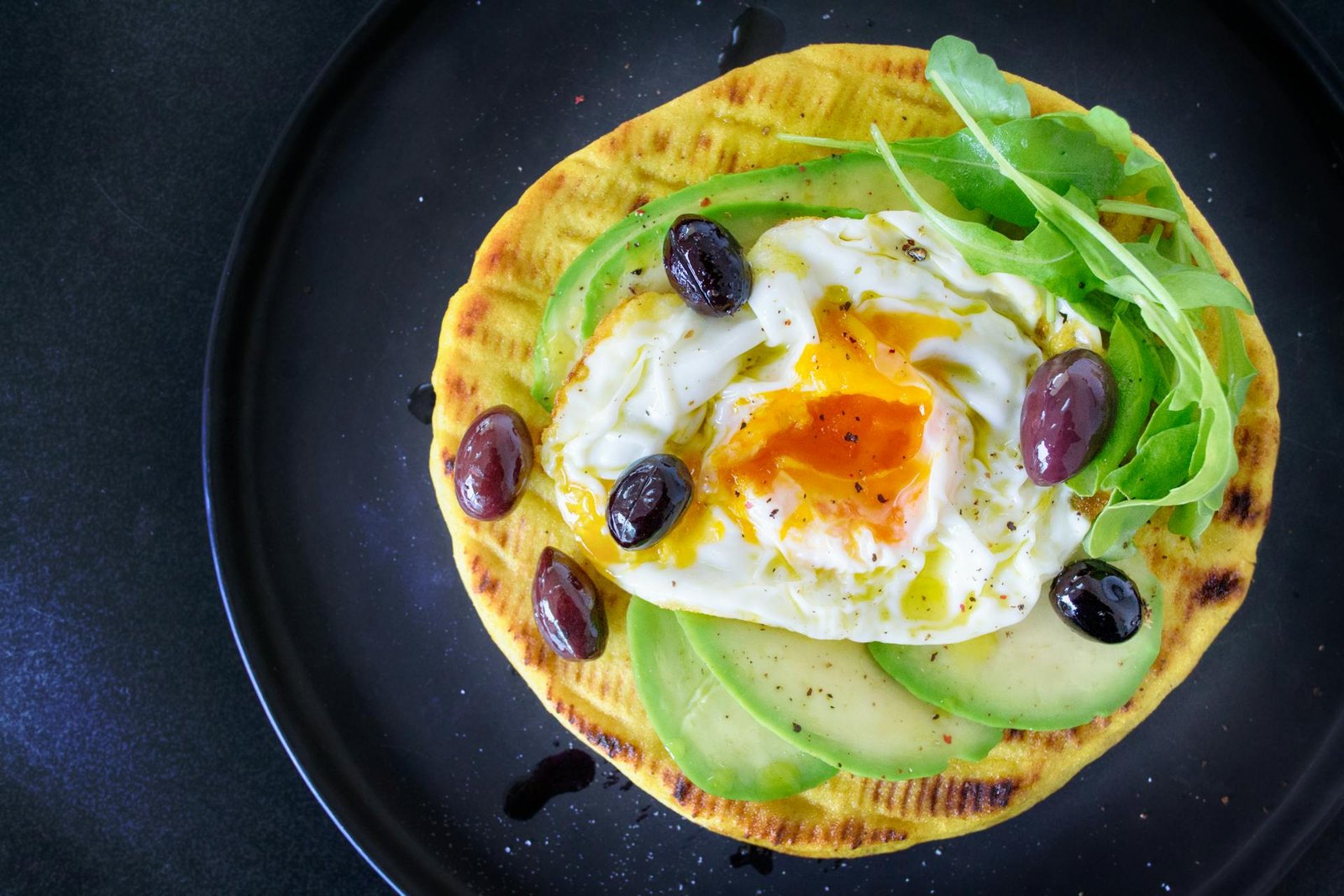
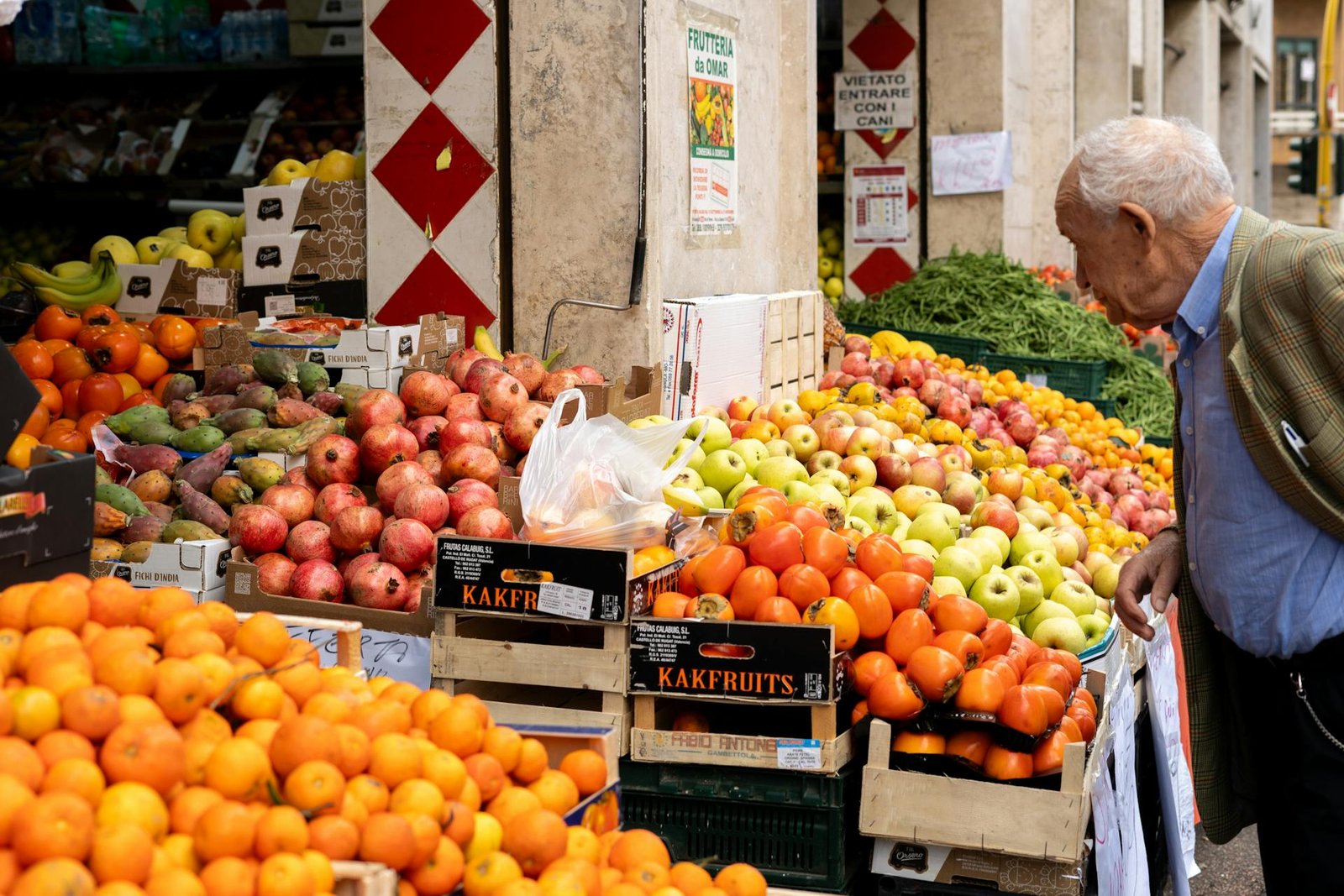
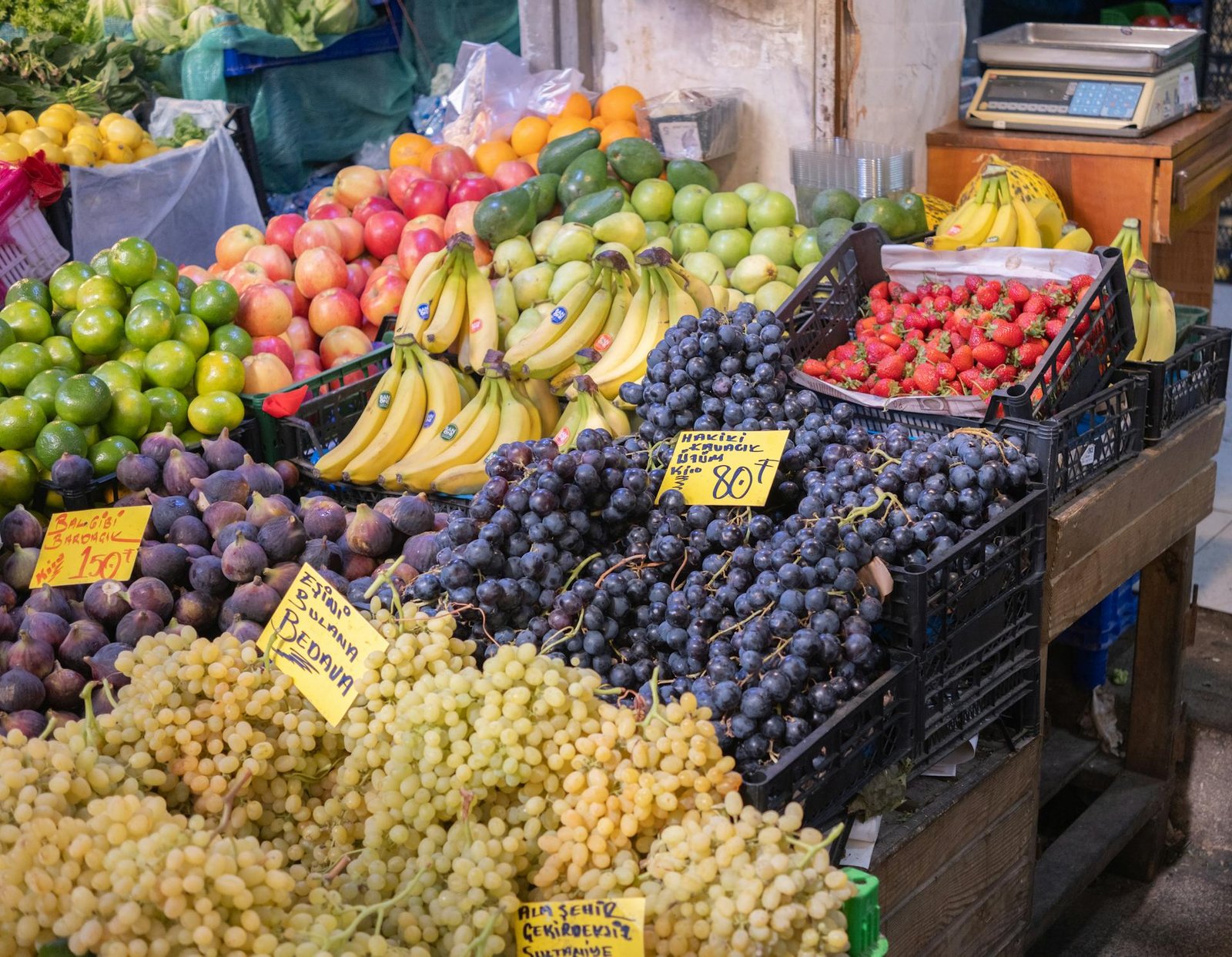
To build your own Healthy Mediterranean Diet, fill your kitchen with these ten essential food groups. First, a rainbow of vegetables like spinach, tomatoes, broccoli, and peppers. Second, fresh fruits such as berries, apples, oranges, and grapes. Third, whole grains including oats, brown rice, quinoa, and whole-wheat bread. Fourth, legumes like lentils, chickpeas, and all varieties of beans. Fifth, nuts and seeds such as almonds, walnuts, and chia seeds for healthy snacks. Sixth, extra virgin olive oil as your primary cooking fat and dressing. Seventh, herbs and spices like garlic, basil, oregano, and turmeric to add flavor without salt. Eighth, water as your main drink. Ninth, moderate portions of yogurt or cheese. Tenth, include fish like salmon or sardines at least twice a week. These foods work together to fuel your body perfectly.
4. 10 Simple Rules to Follow for Success.
Following a Healthy Mediterranean Diet is easier with a few guiding principles. Rule one: make plants the largest part of every meal. Rule two: use olive oil instead of butter or processed vegetable oils. Rule three: eat fish and seafood regularly. Rule four: choose whole-grain options over refined white bread and pasta. Rule five: snack on nuts, fruits, or yogurt instead of packaged chips and cookies. Rule six: flavor your food with herbs and spices rather than excess salt. Rule seven: enjoy red meat only occasionally, perhaps just a few times a month. Rule eight: eat mindfully and slowly, preferably with others. Rule nine: stay active in simple ways, like walking daily. Rule ten: savor a little red wine if you drink, but it’s completely optional. These rules form a simple framework for daily choices.
5. How to Start: Your First 10 Actions.
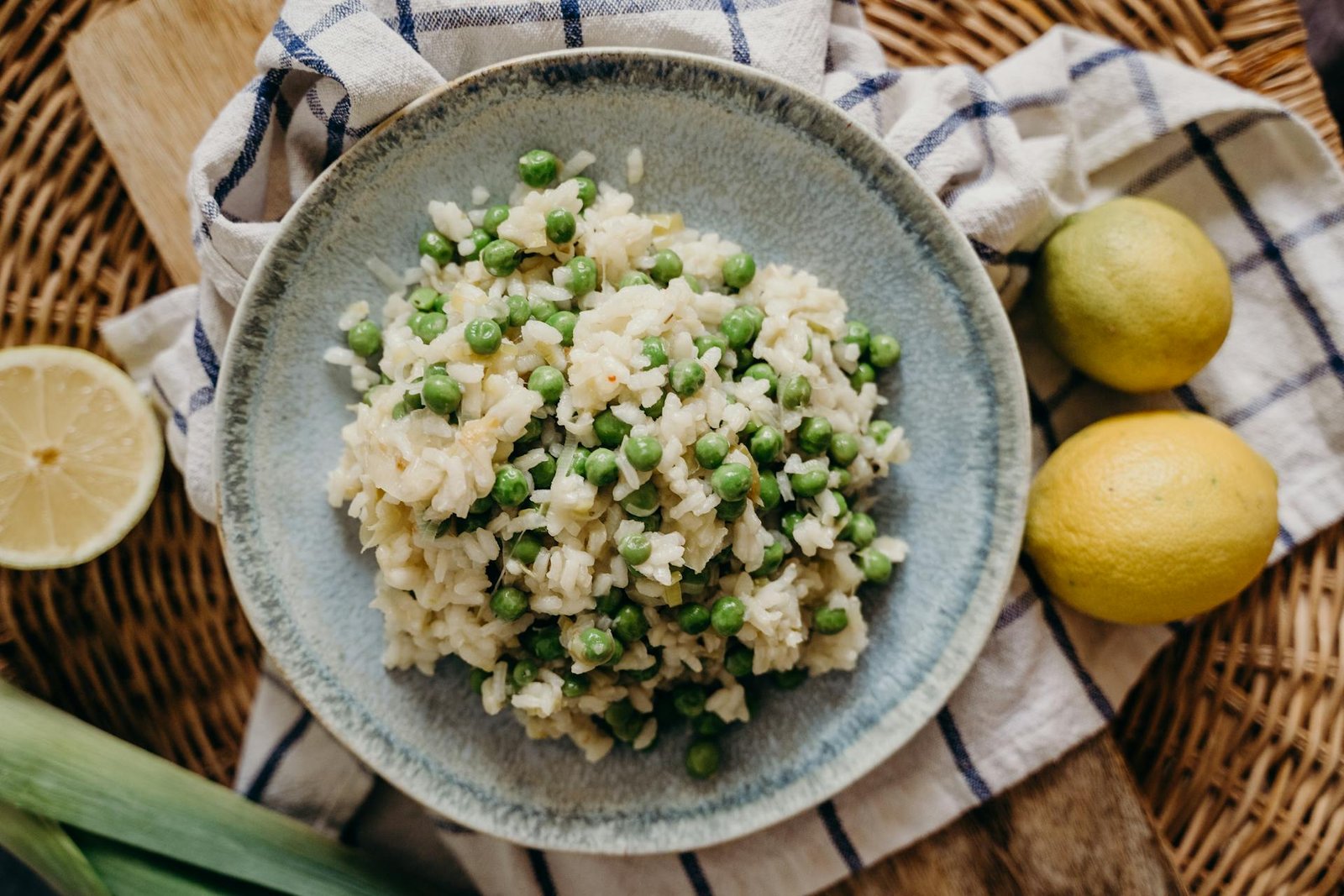
Beginning a Healthy Mediterranean Diet can feel exciting, not overwhelming, with these ten first steps. Action one: buy a bottle of good extra virgin olive oil. Action two: on your next grocery trip, load your cart with extra vegetables and fruits. Action three: swap your white bread or rice for a whole-grain version. Action four: buy a bag of lentils or chickpeas to try a simple recipe. Action five: eat fish for dinner at least once this week. Action six: have a handful of nuts as your afternoon snack. Action seven: drink a glass of water when you wake up. Action eight: cook one new vegetable you don’t normally eat. Action nine: sit down at a table for at least one meal without screens. Action ten: be kind to yourself and view this as a positive change, not a restriction. Each small action builds momentum.
6. 10 Common Mistakes Beginners Make.
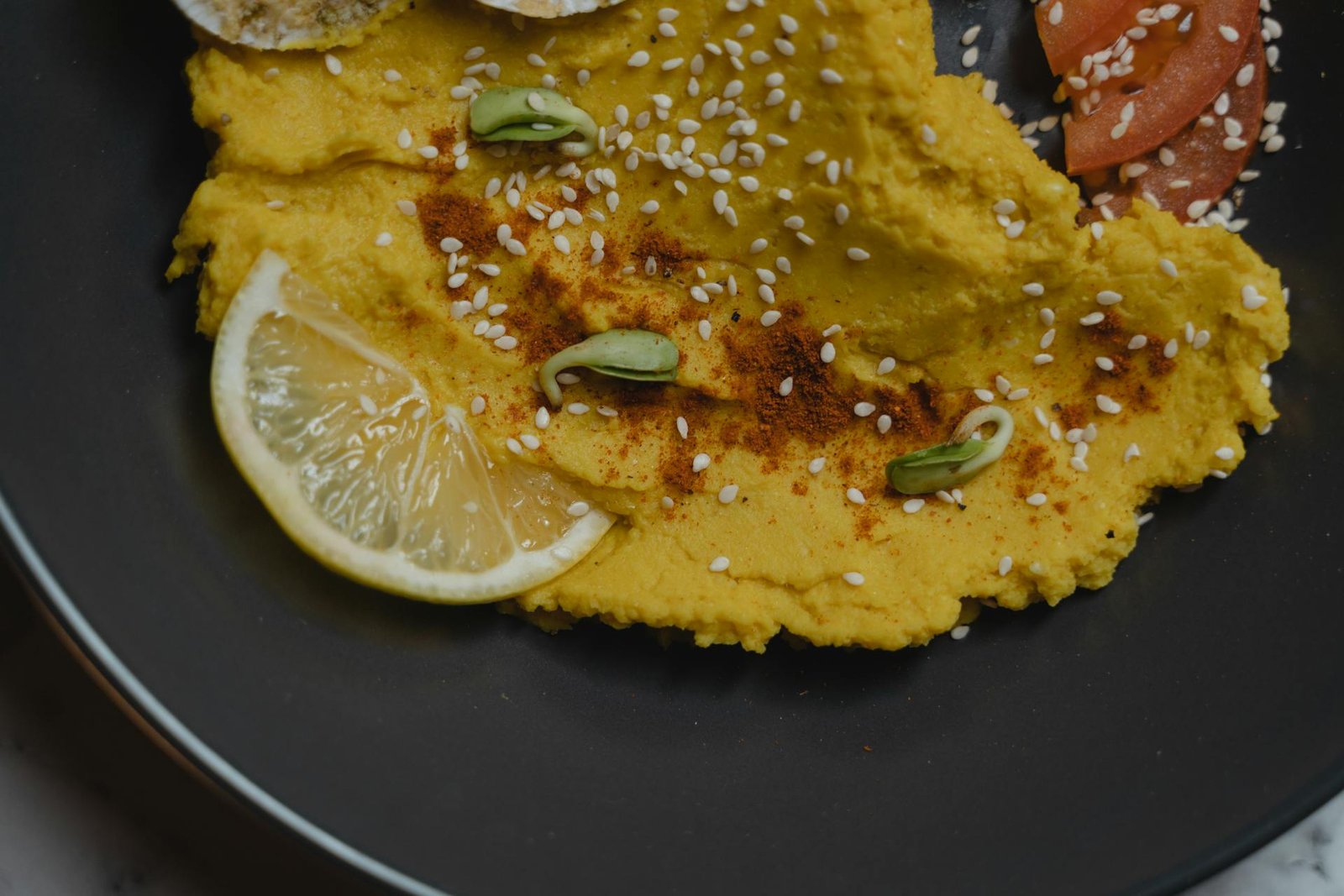
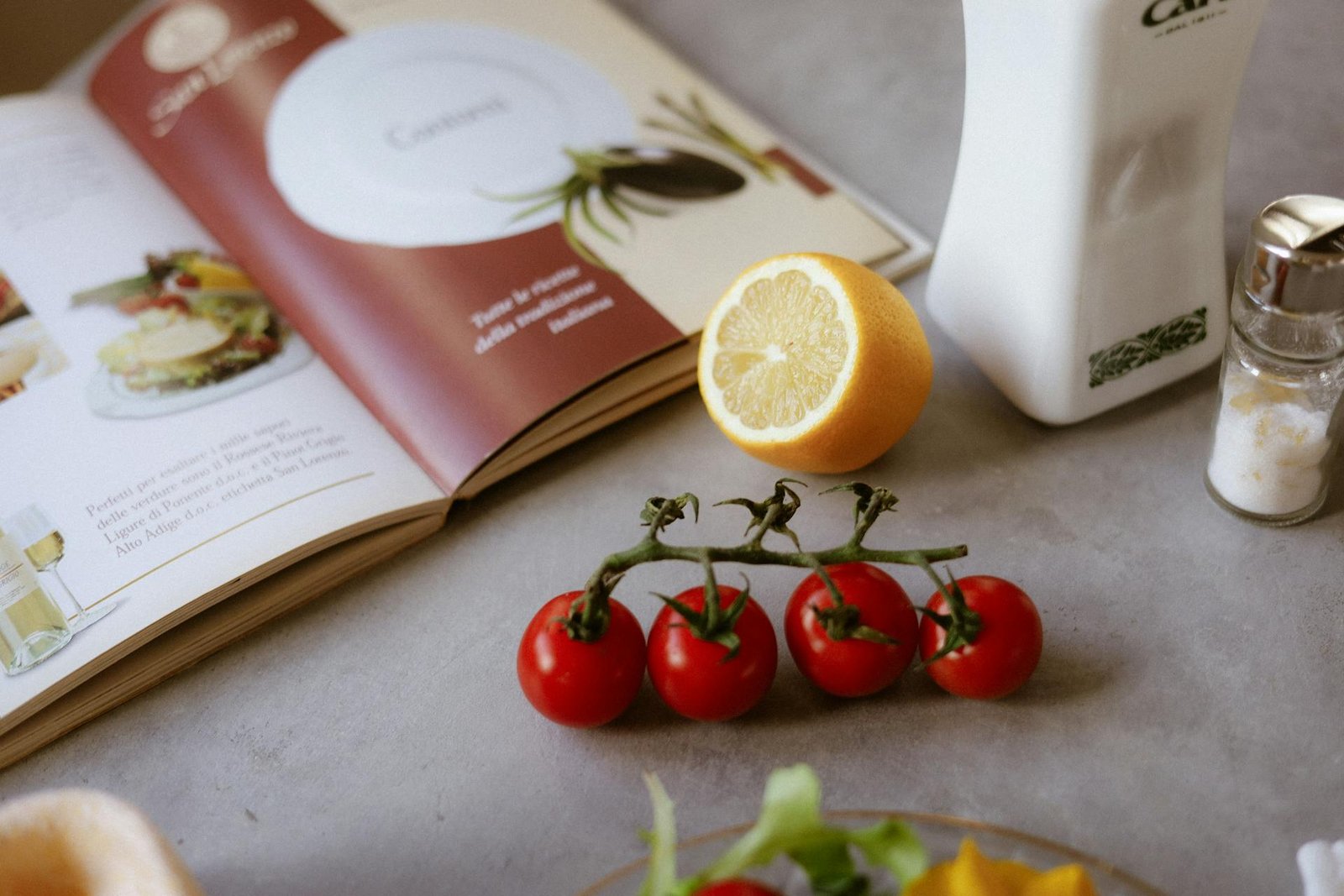
When starting a Healthy Mediterranean Diet, avoiding these common pitfalls will set you up for success. Mistake one: thinking it’s all about pasta and pizza—it’s actually about vegetables and whole grains. Mistake two: drowning salads in unhealthy dressings instead of using olive oil and lemon. Mistake three: eating too much cheese, forgetting it should be a garnish, not a main. Mistake four: not eating enough protein from beans, lentils, and fish, leading to hunger. Mistake five: giving up because change isn’t instant—this is a long-term lifestyle. Mistake six: forgetting that physical activity is a core part of the lifestyle. Mistake seven: not drinking enough water throughout the day. Mistake eight: overeating healthy fats like nuts and olive oil—they are healthy but still calorie-dense. Mistake nine: not planning meals, which can lead to poor choices when hungry. Mistake ten: comparing your journey to others; your Healthy Mediterranean Diet should be personal and enjoyable.
7. 10 Easy and Delicious Meal Ideas.
You don’t need to be a chef to enjoy a Healthy Mediterranean Diet. Here are ten easy meal ideas. Breakfast one: Greek yogurt topped with fresh berries and a sprinkle of walnuts. Breakfast two: oatmeal cooked with milk, topped with sliced banana and a teaspoon of chia seeds. Lunch one: a large salad with mixed greens, chickpeas, cucumber, tomato, feta cheese, and olive oil dressing. Lunch two: whole-wheat pita bread filled with hummus, sliced vegetables, and grilled chicken strips. Dinner one: baked salmon with a lemon-herb crust, served with a side of roasted broccoli and quinoa. Dinner two: a hearty lentil soup with carrots, celery, and spinach, served with a slice of whole-grain bread. Snack one: apple slices with a tablespoon of almond butter. Snack two: a small handful of mixed nuts and an orange. These ideas prove that a Healthy Mediterranean Diet is both simple and delicious.
8. Answering 10 Frequently Asked Questions.
You might have questions about a Healthy Mediterranean Diet, so let’s answer the most common ones. Question one: Is it expensive? No, staples like beans, lentils, seasonal vegetables, and oats are very affordable. Question two: Can I lose weight? Yes, by focusing on whole, filling foods, it supports natural, sustainable weight management. Question three: Is bread allowed? Yes, but choose whole-grain, seeded, or sourdough breads. Question four: What about wine? A glass with a meal is traditional but optional; it’s not required for the diet’s benefits. Question five: I’m vegetarian, can I follow it? Absolutely, it’s naturally plant-forward; just focus on beans, lentils, eggs, and dairy for protein. Question six: How is it different from other diets? It emphasizes food quality, lifestyle, and enjoyment over strict rules and elimination. Question seven: Can my family eat this way? Yes, it’s safe and beneficial for all ages. Question eight: Do I need to count calories? No, the focus is on food quality and listening to your body’s hunger signals. Question nine: How quickly will I see benefits? Energy and digestion often improve in weeks, while long-term benefits like heart health accumulate over time. Question ten: Where can I find recipes? Many free resources online offer simple, authentic recipes for a Healthy Mediterranean Diet.
9. The 10 Lifestyle Habits That Support the Diet.

A true Healthy Mediterranean Diet is supported by key lifestyle habits that go beyond the plate. Habit one: prioritize sharing meals with loved ones to build connection and eat more slowly. Habit two: engage in regular, joyful physical activity like walking, gardening, or dancing. Habit three: manage stress through simple practices like deep breathing or enjoying a hobby. Habit four: get enough quality sleep each night, aiming for 7-8 hours. Habit five: stay hydrated by drinking water throughout the day. Habit six: practice mindful eating by paying attention to flavors and stopping when you’re comfortably full. Habit seven: enjoy sunlight and fresh air regularly. Habit eight: cultivate a positive outlook and strong social connections. Habit nine: cook at home more often to control ingredients. Habit ten: savor life’s simple pleasures. These habits magnify the benefits of the food you eat.
10. Your 10-Point Checklist to Start Today.
You are now ready to begin your journey with a Healthy Mediterranean Diet. Use this final ten-point checklist. Point one: I have read and understand the core principles. Point two: I have purchased key staples like olive oil, whole grains, and beans. Point three: I have planned my first three dinners based on the guidelines. Point four: I have cleared my pantry of major processed snack foods. Point five: I have committed to adding more vegetables to my lunch and dinner. Point six: I have identified a simple physical activity I enjoy. Point seven: I will drink one more glass of water daily than I usually do. Point eight: I will eat at least one meal this week mindfully, without distractions. Point nine: I will be patient and celebrate small victories. Point ten: I remember that a Healthy Mediterranean Diet is a journey toward lifelong health, not a quick fix. You have all the knowledge you need to succeed.
Conclusion:

Adopting the Healthy Mediterranean Diet is far more than a temporary dietary shift; it is a conscious decision to embrace a lifetime of vibrant health, pleasure, and balance. This guide has equipped you with a clear roadmap—from understanding the foundational foods to integrating supportive daily habits. Remember, the true essence of this lifestyle lies in its flexibility and focus on nourishment rather than deprivation. It invites you to savor colorful, whole foods, to find joy in cooking and shared meals, and to move your body in ways that feel good. Start where you are, use the provided checklist, and be patient with your progress. Small, consistent changes, like drizzling olive oil on your salad or choosing fish over red meat, compound into significant long-term benefits for your heart, mind, and body. You are not just following a diet; you are cultivating a sustainable, health-promoting culture around food and life itself. Let this be the beginning of a rewarding journey where every wholesome meal is a step toward a healthier, happier you.
FAQ:

1. Do I need to buy expensive imported foods to follow this diet?
No, not at all. The core of the Healthy Mediterranean Diet is built on affordable, accessible staples like lentils, beans, seasonal local vegetables, oats, eggs, and canned fish. Use the olive oil you can comfortably afford and focus on whole, minimally processed foods.
2. Can I still eat bread and pasta on this plan?
Yes, you can. The key is to choose the right kinds. Opt for whole-grain, whole-wheat, or sourdough versions of bread, pasta, and couscous. These provide more fiber and nutrients compared to refined white varieties.
3. Is the Healthy Mediterranean Diet good for weight loss?
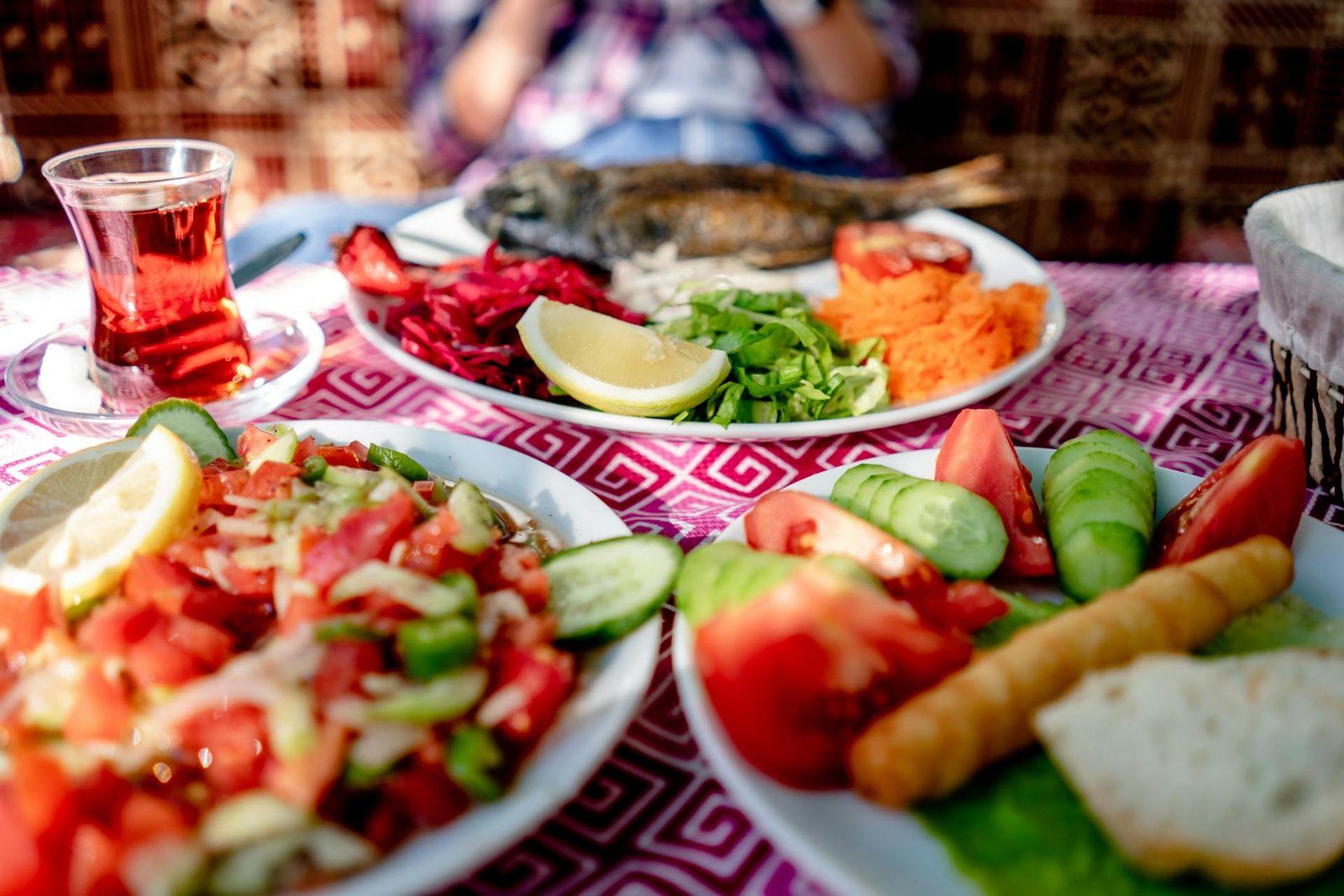
While not a rapid-weight-loss fad, this diet is excellent for sustainable weight management. By focusing on high-fiber, nutrient-dense foods and healthy fats, it naturally helps you feel fuller longer, reducing overall calorie intake without counting calories.
4. How is this different from a vegetarian diet?
The Healthy Mediterranean Diet is plant-forward but not exclusively plant-based. It includes moderate amounts of fish, seafood, poultry, eggs, and dairy. It emphasizes the quality and frequency of protein sources, with plants as the primary foundation.
5. I don’t like fish. Can I still follow this diet?
Absolutely. You can focus on plant-based proteins like beans, lentils, chickpeas, tofu, and nuts. Eggs and poultry are also part of the plan. Consider a quality algae-based omega-3 supplement to get those essential fatty acids.
6. How much olive oil should I consume daily?
A good guideline is about 1 to 2 tablespoons per day as part of your cooking, dressings, or drizzled over finished dishes. It replaces other fats like butter or margarine.
7. Is wine required on this diet?
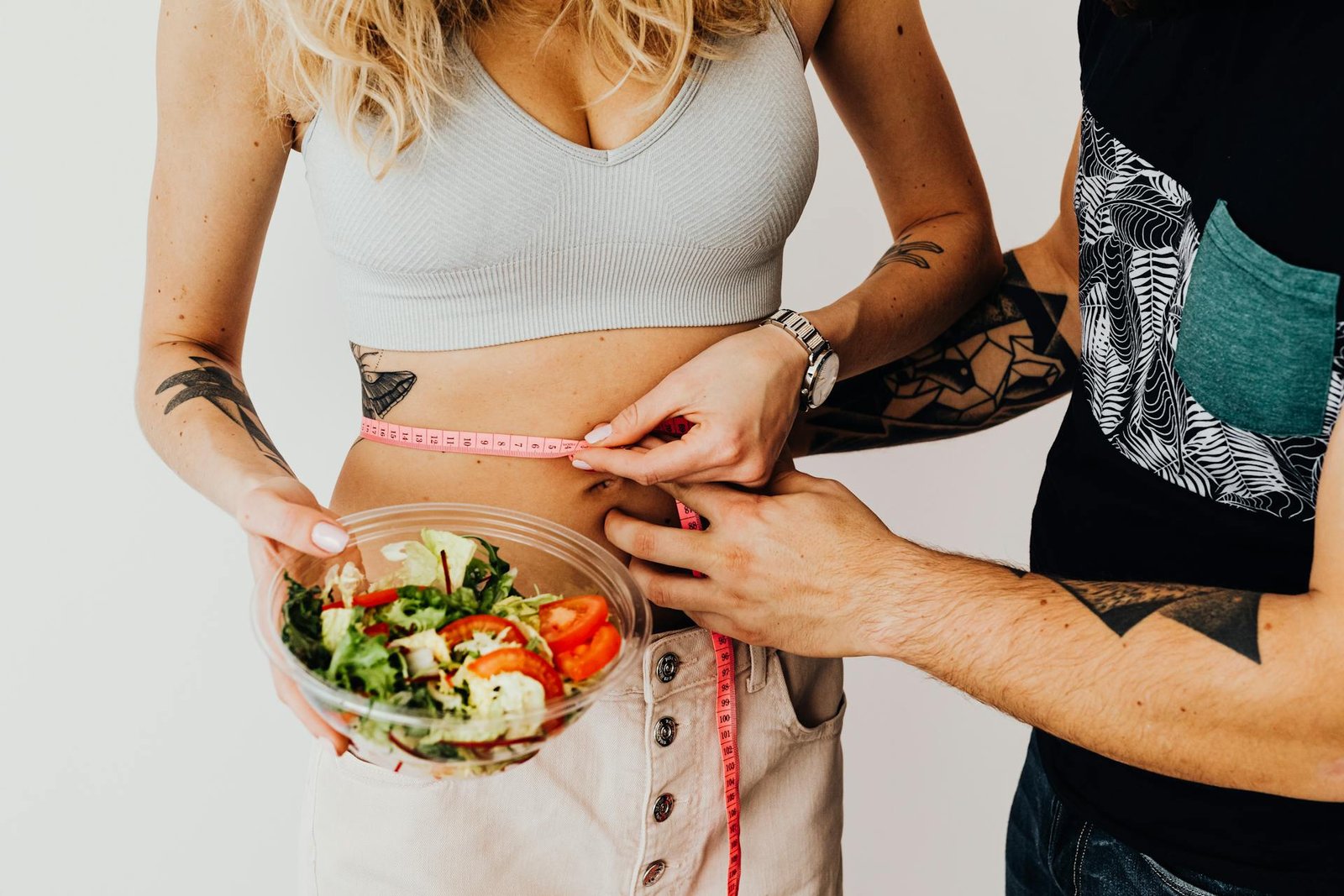
No, wine is completely optional. While moderate red wine consumption is a traditional part of the lifestyle in some regions, it is not necessary for the health benefits. The diet’s core advantages come from the food patterns.
8. Will this diet help with high cholesterol?
Yes, extensively. The combination of high fiber from plants, healthy fats from olive oil and nuts, and lean proteins has been proven to help lower “bad” LDL cholesterol and raise “good” HDL cholesterol.
9. Can my whole family, including kids, eat this way?
Yes, it is a safe, balanced, and nutritious pattern for all ages. It teaches children to enjoy a variety of whole foods and establishes lifelong healthy eating habits.
10. What’s the biggest mistake people make when starting?
The biggest mistake is thinking of it as just a food list and ignoring the lifestyle components. For the best results, embrace the whole practice: cook at home, eat mindfully with others, stay active, and prioritize whole foods over processed items.