



Description:


Embarking on a journey toward better health can feel overwhelming, filled with conflicting advice and unsustainable restrictions. This comprehensive guide cuts through the complexity to present a truly simple healthy eating plan that is both practical and powerful. Designed for real life in today’s busy world, this plan isn’t about drastic fads or expensive supplements. Instead, it focuses on ten foundational, science-backed principles that anyone can integrate, regardless of cooking skill or budget. We move beyond mere “what to eat” to provide a holistic framework that includes how to eat, how to plan, and how to cultivate the right mindset for lasting change. From the profound impact of starting your day with water to the strategic inclusion of healthy fats and the transformative practice of mindful eating, each step is explained in clear, actionable detail. This guide is your roadmap to building a sustainable, positive relationship with food—one that fuels your body, sharpens your mind, and supports your long-term wellness goals without deprivation. Discover how a simple healthy eating plan can become an effortless part of your daily routine, leading to increased energy, improved health markers, and a greater sense of control and vitality. This is not a temporary diet; it is a return to intuitive, nourishing habits that honor your body’s needs.

1. Start Your Day with a Simple Healthy Eating Plan by Drinking Water First.
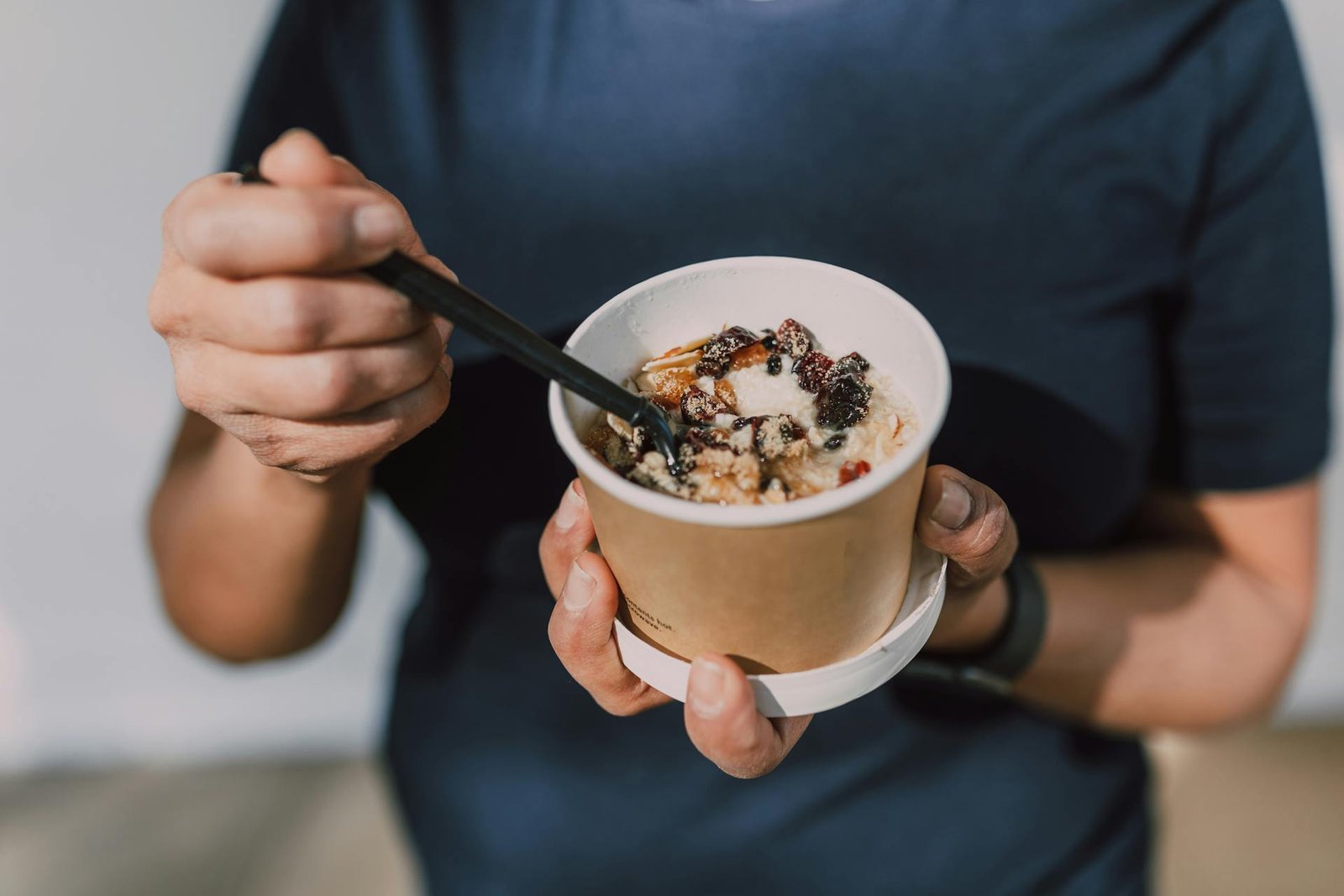

Beginning your day with a deliberate action is the first cornerstone of a successful simple healthy eating plan. Your body has gone without water or fuel for many hours during sleep, a state which leads to mild dehydration. This dehydration can manifest as morning fatigue or false hunger signals. Drinking a large glass of water immediately upon waking rehydrates your system, jumpstarts your metabolism, and gently awakens your digestive organs. This simple practice prepares your body to properly absorb nutrients from your first meal, setting a positive and healthy precedent for the entire day ahead. For best results, keep a full glass or a reusable bottle of water by your bedside so it is the first thing you see. You can enhance this ritual by adding a squeeze of fresh lemon juice for a vitamin C boost, but plain water is perfectly effective. This zero-cost, one-minute habit is arguably the most fundamental step you can take. By consistently hydrating first thing in the morning, you actively support your body’s natural detoxification processes and curb the tendency to overeat at breakfast. Integrating this habit establishes a rhythm of mindfulness and self-care that naturally extends to other food choices, making it the absolute foundation of a simple healthy eating plan you can sustain for life.
2. Follow a Simple Healthy Eating Plan by Prioritizing Plant-Based Foods at Every Meal.

A transformative yet straightforward strategy within a simple healthy eating plan is to visually and physically prioritize vegetables and fruits on your plate. This principle, often called “eating the rainbow,” encourages the consumption of a wide variety of colorful plant foods, each color group providing unique, powerful antioxidants and phytonutrients. Instead of a restrictive mindset, focus on addition: aim to fill at least half of your plate with these vibrant foods at lunch and dinner. This automatically ensures a high intake of essential vitamins, minerals, and dietary fiber while naturally leaving less room for more processed options. Fiber is particularly crucial as it promotes digestive health, regulates blood sugar levels, and contributes to prolonged satiety, helping you feel full and satisfied. To implement this without overwhelm, start by adding one extra serving of vegetables to your daily routine—perhaps spinach in your morning eggs, bell peppers on your sandwich, or a side salad with dinner. Utilize frozen vegetables; they are equally nutritious, often more affordable, and prevent waste. By making plants the star of your meals, you effortlessly increase your nutrient density, support your immune system, and manage your weight. This positive, additive approach is the heart of a practical and effective simple healthy eating plan that nourishes your body from the inside out.
3. Build Meals Around Lean Protein Sources in Your Simple Healthy Eating Plan.


Protein is an essential macronutrient that plays a critical role in building and repairing tissues, producing enzymes and hormones, and maintaining muscle mass, especially as we age. A successful simple healthy eating plan strategically incorporates a moderate portion of lean protein into each main meal to promote fullness, stabilize energy, and support metabolic health. Excellent, accessible sources include skinless poultry, fish, eggs, legumes like lentils and chickpeas, tofu, and low-fat dairy products such as Greek yogurt. A helpful visual guide for portion control is to aim for a serving of protein roughly the size and thickness of your palm. For example, a chicken breast, a fillet of salmon, a cup of cooked lentils, or two eggs all constitute a single serving. Incorporating a variety of protein sources, both animal and plant-based, ensures you receive a broad spectrum of amino acids and other nutrients. This practice prevents the blood sugar spikes and crashes that lead to energy slumps and cravings for unhealthy snacks. By consciously including a quality protein source at every meal, you create a solid structural framework for your nutrition that supports sustained physical and mental energy. This deliberate focus on protein is a non-negotiable pillar of a balanced and satisfying simple healthy eating plan that fuels your body efficiently throughout the day.
4. Choose Whole, Minimally Processed Carbohydrates for Sustained Energy in Your Simple Healthy Eating Plan.

Carbohydrates are your body’s primary source of energy, but the quality and type of carbohydrates you consume have vastly different effects on your health. A core principle of a simple healthy eating plan is to consciously select whole, complex carbohydrates over refined, processed ones. Whole carbohydrates are those found in their most natural, fiber-intact state, such as in oats, quinoa, brown rice, whole-wheat bread and pasta, sweet potatoes, beans, and fruits. These foods are digested slowly, leading to a gradual release of glucose into your bloodstream, which provides steady, long-lasting energy and mental clarity. In contrast, refined carbohydrates—like white bread, white rice, sugary cereals, and pastries—have been stripped of their beneficial fiber and nutrients. They cause rapid spikes and subsequent crashes in blood sugar, which can trigger hunger, fatigue, and cravings shortly after eating. To seamlessly integrate this principle, start by making one-to-one swaps: choose brown rice instead of white, whole-grain toast instead of white bread, or oatmeal instead of sugary cereal. This shift dramatically increases your intake of fiber, B vitamins, and minerals. By consistently favoring whole-food sources of carbohydrates, you effectively fuel your daily activities, support healthy digestion, and protect against chronic disease. Mastering this choice is a key component of a smart and sustainable simple healthy eating plan that optimizes your vitality.
5. Incorporate Healthy Fats Daily to Support Brain and Heart Health in Your Simple Healthy Eating Plan.

Dietary fats are indispensable for optimal health, playing vital roles in nutrient absorption, brain function, hormone production, and cellular integrity. However, the quality of fat is paramount. A well-designed simple healthy eating plan intentionally includes a daily serving of anti-inflammatory, heart-healthy monounsaturated and polyunsaturated fats while strictly limiting harmful trans fats and excessive saturated fats. Outstanding sources of these beneficial fats include avocados, nuts (like almonds and walnuts), seeds (such as chia, flax, and pumpkin), and extra-virgin olive oil. These foods contribute to satiety, enhance the flavor and texture of meals, and provide fat-soluble vitamins. A practical portion guideline is a thumb-sized amount of nuts or seeds, half an avocado, or a tablespoon of olive oil per meal. For instance, you can drizzle olive oil on a salad, add sliced avocado to a sandwich, or sprinkle flaxseeds on your yogurt. It is crucial to understand that while healthy fats are calorie-dense, they are also incredibly nutrient-dense and should be consumed mindfully, not avoided. These fats actively help reduce harmful LDL cholesterol, support cognitive function, and keep your skin and hair healthy. By welcoming these wholesome fats into your daily routine, you move away from outdated fat-phobic diets and toward a more balanced, nourishing, and enjoyable simple healthy eating plan that truly supports long-term wellness.
6. Implement Weekly Meal Planning and Preparation to Simplify Your Simple Healthy Eating Plan.

One of the most powerful tools for nutritional success is foresight. The chaotic nature of daily life often leads to last-minute, less-healthy food choices when hunger strikes. Proactively implementing a weekly meal planning and preparation routine is the strategic backbone that ensures your simple healthy eating plan translates from theory into daily practice. Dedicate a short block of time each week—perhaps 30 minutes on a Sunday—to briefly plan your main meals, create a corresponding grocery list, and do some foundational prep. This does not require elaborate cooking; it can be as simple as washing and chopping vegetables, cooking a batch of quinoa or brown rice, or marinating some chicken breasts. Having these healthy components ready in your refrigerator drastically reduces the time and decision-fatigue involved in putting a meal together on a busy weeknight. This practice saves significant money by minimizing food waste and impulsive takeout orders. It transforms healthy eating from a constant conscious effort into a streamlined, almost automatic process. By investing a small amount of time in planning, you remove the primary barriers of time and convenience that often derail good intentions. This organizational habit is the practical engine that drives the consistent execution of your simple healthy eating plan, making healthy choices the default, easiest option in your daily life.
7. Eliminate Sugary Beverages to Dramatically Reduce Empty Calories in Your Simple Healthy Eating Plan.

Liquid calories, particularly from sugar-sweetened beverages, represent one of the most significant and stealthy obstacles to achieving a healthy diet. Sodas, energy drinks, sweetened coffees and teas, and even many fruit juices are loaded with added sugars, contributing a substantial amount of “empty calories” without providing any satiety or nutritional benefit. Consuming these drinks is strongly linked to weight gain, increased risk of type 2 diabetes, and dental problems. Therefore, a critical and highly effective action within a simple healthy eating plan is to systematically replace all sugary drinks with healthier, zero- or low-calorie alternatives. Your primary beverage should be pure water, consumed throughout the day. To enhance flavor without adding sugar, infuse water with slices of citrus, cucumber, mint, or berries. Unsweetened herbal teas, sparkling water, and black or green coffee (with minimal added sweetener) are also excellent choices. This single change can lead to remarkable improvements in energy levels, body composition, and overall metabolic health without altering your food intake. By mindfully choosing what you drink, you eliminate a major source of processed sugar and unnecessary calories, creating a huge positive shift in your daily energy balance. This decisive step is a non-negotiable rule in any effective simple healthy eating plan, forming a clear line between habits that deplete your health and those that actively build it.
8. Practice Mindful Eating Techniques to Transform Your Relationship with Food in Your Simple Healthy Eating Plan.

Healthy eating transcends mere food selection; it encompasses how you eat. Mindful eating is the practice of bringing full, non-judgmental attention to the experience of eating and drinking. Integrating this practice into your simple healthy eating plan can revolutionize your relationship with food, helping you recognize true hunger and satiety cues, reduce overeating, and increase meal satisfaction. Begin by eliminating distractions during meals: turn off the television, put away your phone, and focus solely on your food. Take smaller bites and chew thoroughly, appreciating the flavors, textures, and aromas. Pause periodically throughout the meal to assess your level of fullness. It takes approximately 20 minutes for your brain to receive signals from your stomach that it is satisfied. Eating slowly allows this biological process to occur, preventing you from overeating due to speed. Before eating, ask yourself if you are physically hungry or eating out of boredom, stress, or habit. This practice cultivates a deeper awareness of emotional eating triggers. By eating mindfully, you derive greater pleasure from your meals, improve your digestion, and gain a sense of control. This psychological component is what transforms a short-term diet into a lasting, intuitive simple healthy eating plan, fostering a peaceful and respectful connection with the food that fuels your body and life.
9. Cook the Majority of Your Meals at Home to Take Control of Your Simple Healthy Eating Plan.

While dining out is an enjoyable social activity, regularly consuming restaurant or takeaway meals significantly compromises your ability to manage your nutrition. These meals are frequently high in sodium, unhealthy fats, refined carbohydrates, and portion sizes far exceeding what you need. The most effective way to guarantee the quality and composition of your food is to prepare it yourself. Cooking at home is the ultimate act of self-care within a simple healthy eating plan, as it puts you in complete control of every ingredient that enters your body. You decide the type and amount of oil, salt, and sugar used. You can prioritize whole foods and adjust recipes to your dietary preferences. Start by mastering a handful of simple, versatile recipes that you enjoy, such as sheet-pan dinners, hearty soups, stir-fries, or large salads. Home cooking is also remarkably cost-effective, allowing you to stretch healthy ingredients like beans, lentils, and grains across multiple meals. The process itself can be therapeutic and empowering, building a valuable life skill. By committing to preparing most of your own meals, you move from being a passive consumer to an active participant in your health journey. This hands-on engagement is the most definitive step in taking ownership of and successfully implementing your personalized simple healthy eating plan for long-term vitality.
10. Cultivate Patience, Consistency, and Self-Compassion as the Foundation of Your Lasting Simple Healthy Eating Plan.


A truly sustainable approach to nutrition is not defined by short-term perfection but by long-term consistency and a positive mindset. Progress in a simple healthy eating plan is often non-linear; there will be days of exemplary choices and days where life interrupts the best intentions. The key to lasting success is to cultivate patience with the process, commit to consistency over time, and practice unwavering self-compassion. View this not as a restrictive diet but as a gradual, positive lifestyle evolution. Celebrate every small victory, whether it’s choosing water over soda, adding an extra vegetable to your dinner, or successfully meal-prepping for the week. If you have an off-meal or an off-day, respond with kindness, not criticism. Simply acknowledge it, learn from it if possible, and reaffirm your commitment by making the next choice a healthy one. This resilient mindset prevents the all-or-nothing thinking that leads to abandonment of healthy goals. Remember that building new neural pathways and habits takes time and repetition. Your goal is progress, not perfection. By anchoring your simple healthy eating plan in self-compassion, you build a resilient psychological foundation. This emotional framework ensures that your journey toward health is not a source of stress but a gentle, forgiving, and empowering path you choose to walk every day, one nourishing step at a time.
Conclusion:
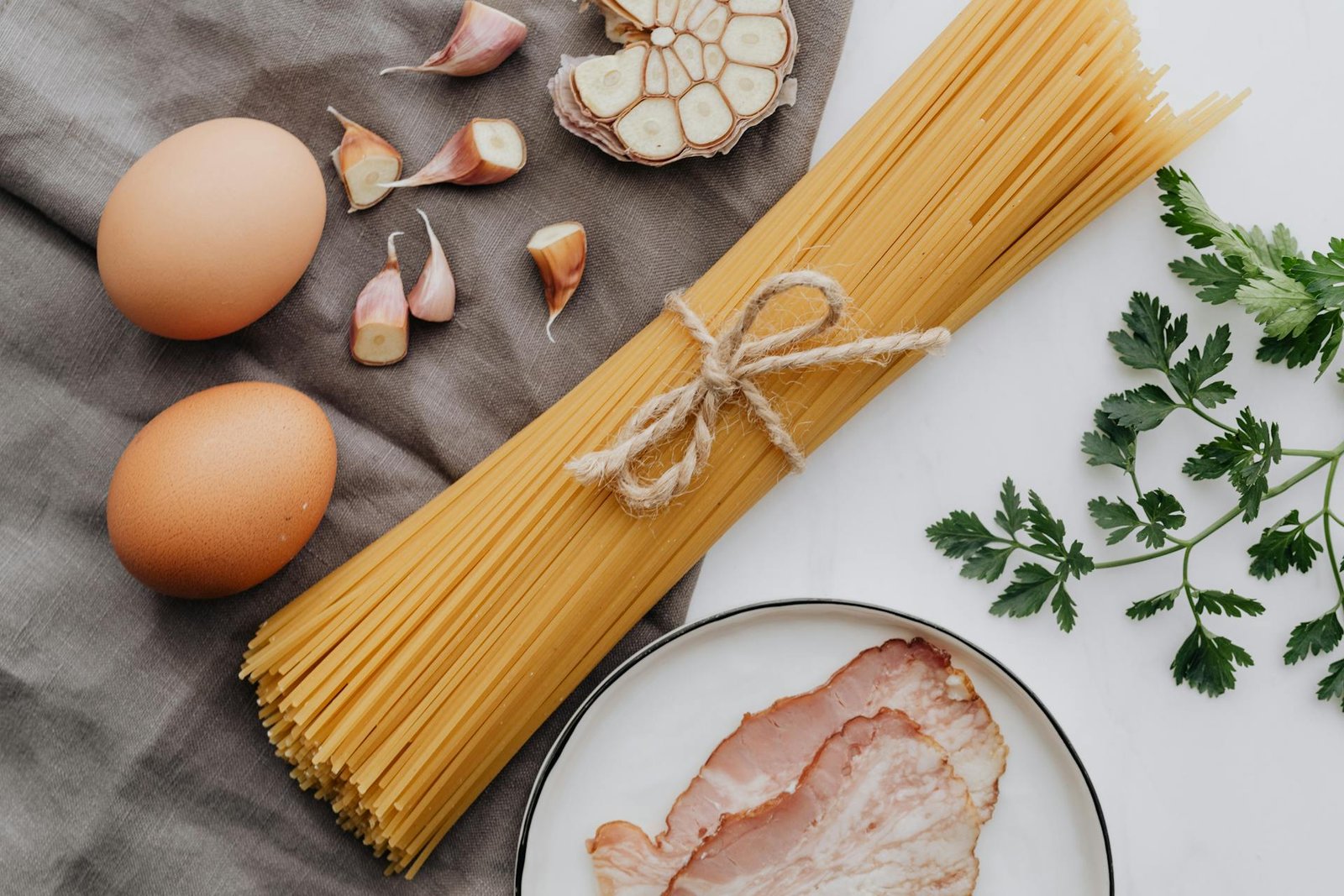
transforming your health does not require a complete life overhaul or a degree in nutrition. As we have explored, the power lies in consistently applying a few fundamental, manageable principles that form a simple healthy eating plan. By prioritizing hydration, filling your plate with colorful plants, choosing smart sources of protein and carbohydrates, and welcoming healthy fats, you build meals that truly nourish you. The supporting habits of meal planning, cooking at home, eliminating sugary drinks, and practicing mindful eating are the practical engines that turn knowledge into daily action. Most importantly, anchoring this entire journey in patience and self-compassion ensures that your simple healthy eating plan is resilient, adaptable, and free from the guilt that derails so many well-intentioned efforts. Remember, each small, positive choice compounds over time to create significant, lasting change. You do not need to be perfect; you only need to be persistent. Start with one step—today. Whether it’s drinking that first glass of water or adding an extra vegetable to your dinner, you are building momentum. Let this simple healthy eating plan be your gentle, guiding framework to a healthier, more vibrant you, proving that the simplest steps, taken consistently, lead to the most profound destinations.
FAQ:
1. Do I need to buy organic food to follow a simple healthy eating plan?

No, organic produce is not a requirement. The primary goal of a simple healthy eating plan is to increase your intake of whole foods like fruits, vegetables, and whole grains, regardless of their farming method. Conventionally grown produce is still highly nutritious. If budget is a concern, you can refer to the Environmental Working Group’s “Dirty Dozen” list to prioritize which items to buy organic, but don’t let it stop you from eating plenty of fruits and vegetables.
2. How can I stick to my simple healthy eating plan when dining out or traveling?
Planning is key. Look at the restaurant menu online beforehand and decide on a balanced option. Look for keywords like “grilled,” “baked,” “steamed,” or “roasted.” Ask for dressings and sauces on the side. When traveling, pack healthy snacks like nuts, fruit, or whole-grain bars. Focus on making the best choice available rather than striving for perfection, and then simply resume your simple healthy eating plan at your next meal.
3. Is snacking allowed on a simple healthy eating plan?
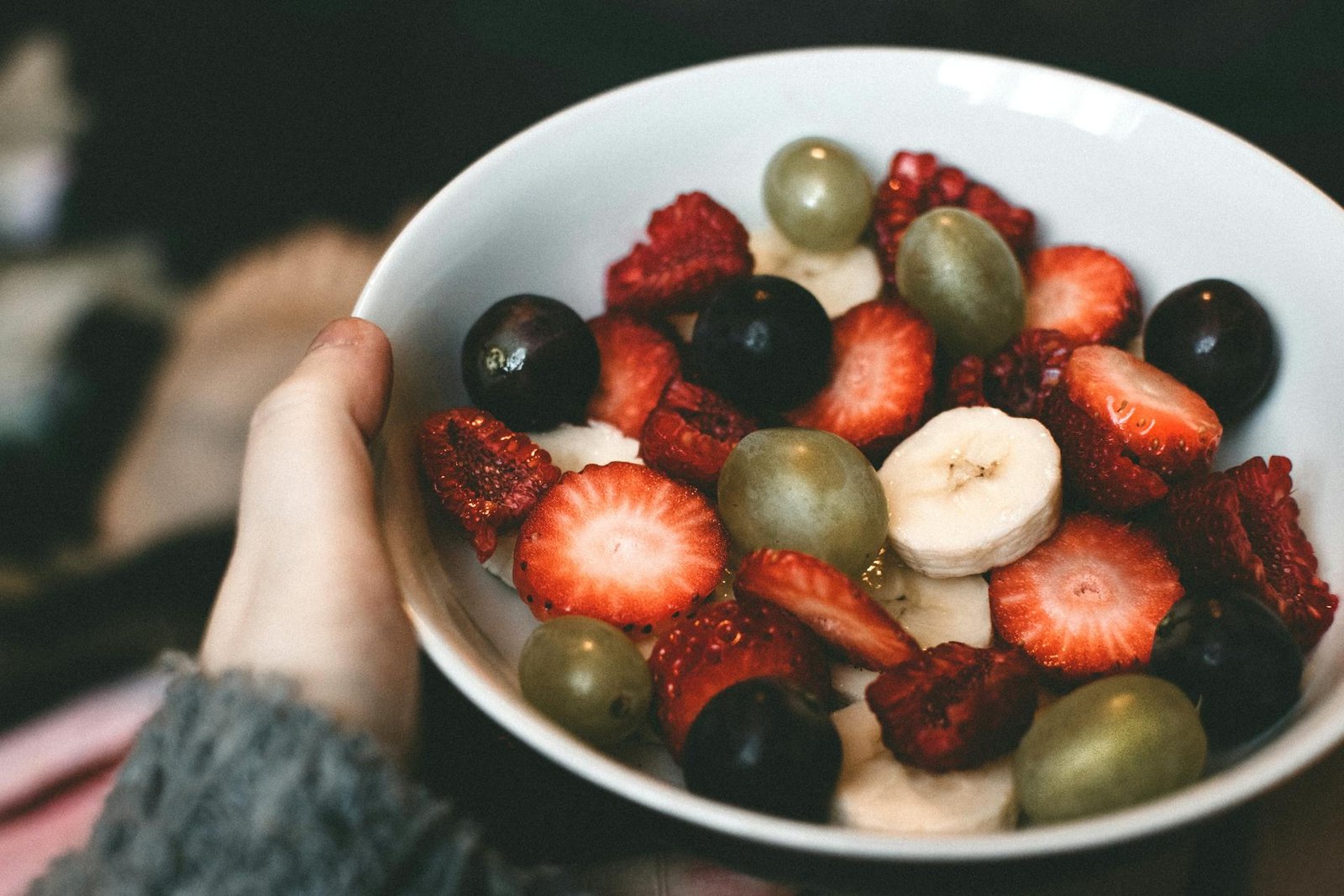
Absolutely. Smart snacking can help maintain energy levels and prevent overeating at main meals. The key is to choose snacks that align with the plan’s principles. Good options include a piece of fruit with a handful of nuts, Greek yogurt, vegetable sticks with hummus, or a hard-boiled egg. These snacks provide protein, fiber, or healthy fats to keep you satisfied.
4. I have a busy schedule. How can I possibly cook every meal?
The simple healthy eating plan emphasizes cooking most meals, not all. Utilize tools like slow cookers, instant pots, or sheet-pan dinners that require minimal active time. Dedicate 1-2 hours on a weekend for batch cooking—prepare large quantities of grains, roast vegetables, and grill chicken to mix and match throughout the week. Leftovers are your best friend for lunch the next day.
5. How do I handle cravings for sweets or junk food while on this plan?

First, ensure you are eating balanced meals with enough protein, fiber, and healthy fats, as this greatly reduces cravings. If a craving strikes, don’t ignore it completely. Try a healthier alternative first, like dark chocolate, a fruit-based smoothie, or yogurt with honey. Sometimes, allowing yourself a small portion of what you’re craving mindfully can prevent later bingeing. Consistency with your simple healthy eating plan will naturally reduce the intensity and frequency of cravings over time.
6. Can I follow this plan if I am vegetarian or vegan?
Yes, the simple healthy eating plan is highly adaptable. The principles of prioritizing plants, whole grains, and healthy fats are perfectly aligned. For protein, focus on legumes (lentils, chickpeas, black beans), tofu, tempeh, seitan, nuts, seeds, and whole grains like quinoa. Ensure you are consuming a variety of these foods to meet all your amino acid and nutrient needs.
7. How long will it take to see results from a simple healthy eating plan?
This depends on your starting point and what “results” mean to you. Non-scale victories like increased energy, better sleep, improved digestion, and clearer skin can often be noticed within 2-4 weeks. Changes in weight or specific blood markers (like cholesterol) may take several months of consistent effort. Remember, this is a lifestyle, not a quick fix. Patience and consistency are crucial.
8. Do I need to count calories or macros on this plan?

The simple healthy eating plan is built on food quality and intuitive habits, not calorie counting. By focusing on whole, satiating foods and practicing mindful eating, many people naturally regulate their intake without numbers. However, if you have specific body composition or athletic performance goals, tracking macros for a short period can be an educational tool to understand portions better.
9. What is the one most important thing I can do to start today?
Without a doubt, start by drinking a large glass of water first thing every morning and eliminating all sugary beverages. This single, simple action hydrates your system, reduces a massive source of empty calories and added sugar, and sets a conscious, healthy tone for your entire day. It is the most accessible entry point into your new simple healthy eating plan.
10. Is it okay to have a “cheat day” on this eating plan?
The term “cheat day” implies you are doing something wrong by eating foods you enjoy, which can foster an unhealthy relationship with food. Instead, we recommend adopting the 80/20 principle: aim to make choices aligned with your simple healthy eating plan about 80% of the time. The other 20% allows for flexibility—enjoying a slice of birthday cake, a restaurant meal, or your favorite pizza. This balanced approach prevents feelings of deprivation and makes the plan sustainable for life.