


Description:

This in-depth guide is your complete roadmap to understanding and fixing one of the most common yet overlooked health issues of modern life: weak and inactive glute muscles. If you suffer from persistent lower back pain, feel stiffness in your hips, experience knee discomfort, or simply lack energy and power in your movements, the root cause may lie in your dormant glutes. This article cuts through complex fitness jargon to explain, in simple English, why sitting all day turns off your body’s primary powerhouse. We break down the science into ten clear, actionable steps, starting from foundational mind-muscle connection exercises like the glute bridge and bird-dog, progressing to strength-building moves like resistance band walks and mindful squats. Each step is explained in detail with a focus on perfect form to ensure you activate the right muscles, not just add more strain to compensating areas. Beyond the exercises, we provide the crucial psychology of habit-building, teaching you how to make a short, consistent routine an effortless part of your day. Our goal is not just to give you a temporary workout but to empower you with the knowledge and tools for a permanent shift—transforming you from someone who moves with pain and limitation to someone who moves with strength, stability, and confidence in daily life.

1. Understanding the “Sleeping Glute” Problem: Why You Feel Stiff and Achy
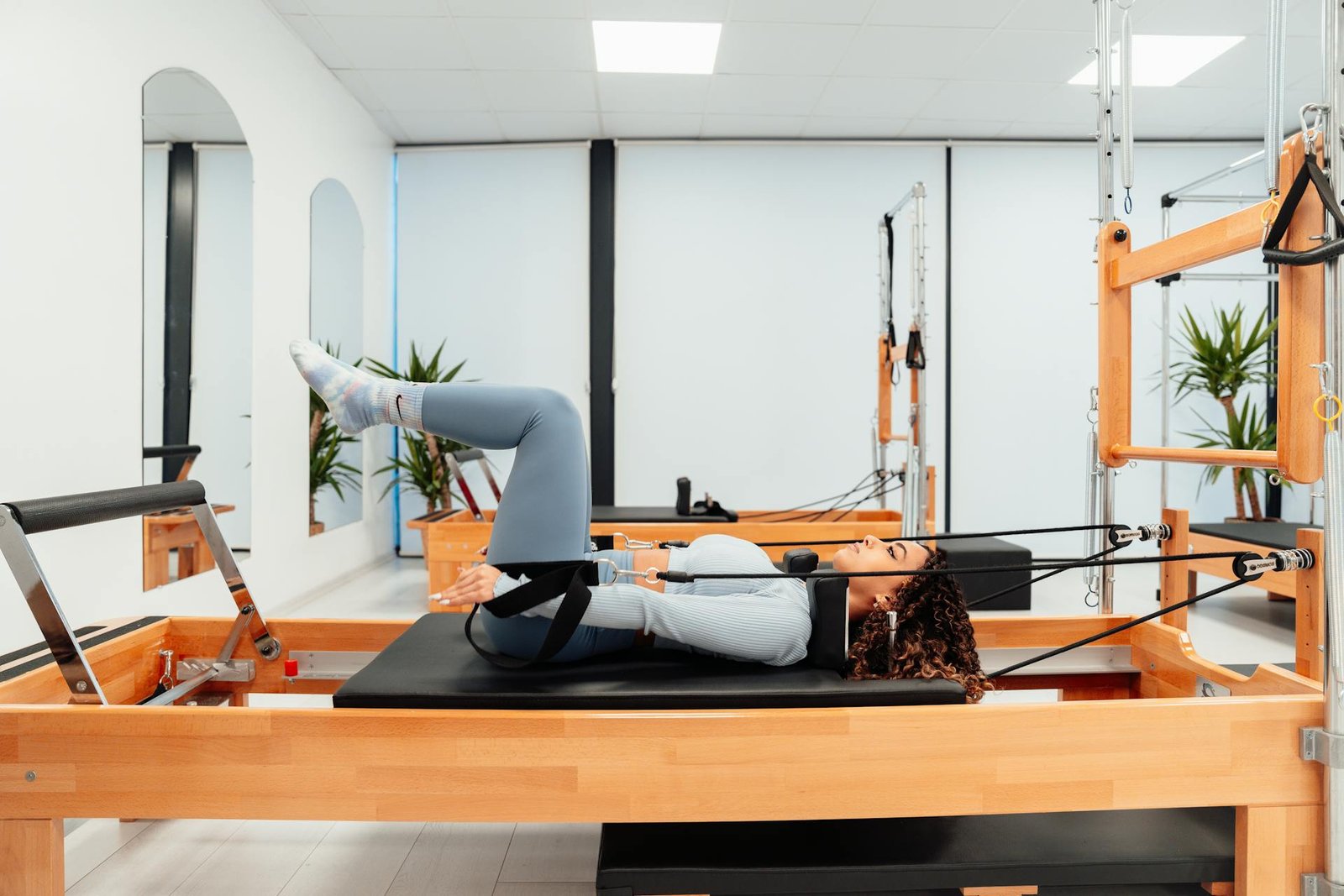

Let’s start with a simple fact: your glutes, the muscles in your buttocks, are meant to be your body’s strongest engine. But modern life has put them to sleep. When you sit for long hours—at a desk, in a car, or on the couch—your brain literally stops talking to these important muscles. They become lazy and weak. This is a big problem because your body is a chain. When the strongest link (your glutes) gets weak, the weaker links have to do all the work. Your lower back muscles, your hamstrings, and even your knees start overworking to compensate. This strain is what causes that constant, nagging lower back pain, stiff hips, and a feeling of being unstable when you walk or climb stairs. Glute activation exercises are not about building a bigger backside for looks. They are the essential wake-up call your body needs. Think of them as rebooting a computer that’s frozen. The goal is to re-establish the connection between your brain and your glute muscles, teaching them to fire up and do their job again. This is the foundational step that most people miss, and without it, even regular exercise can lead to more imbalance and injury.
2. The Glute Bridge: Your New Best Friend for a Healthy Back
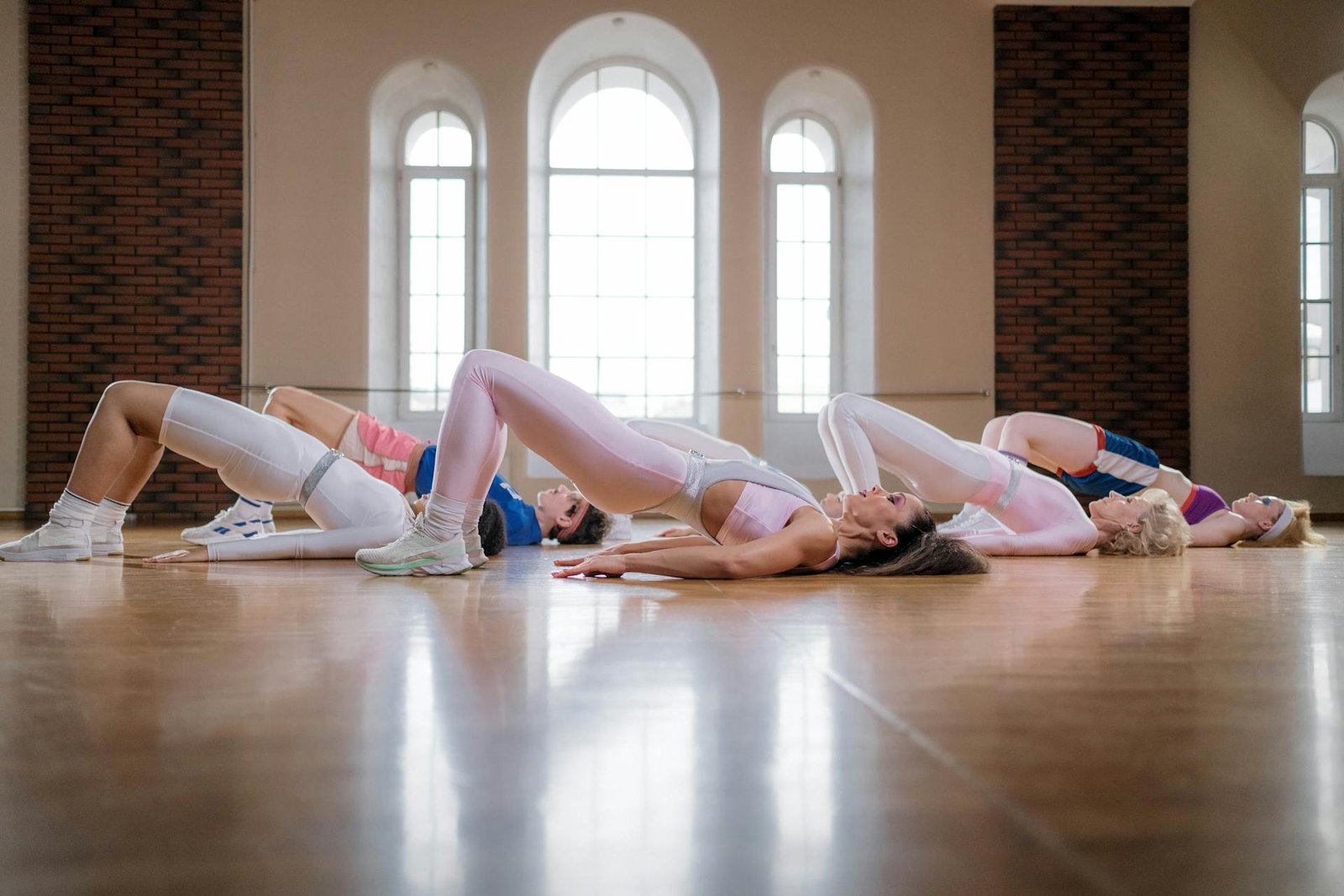
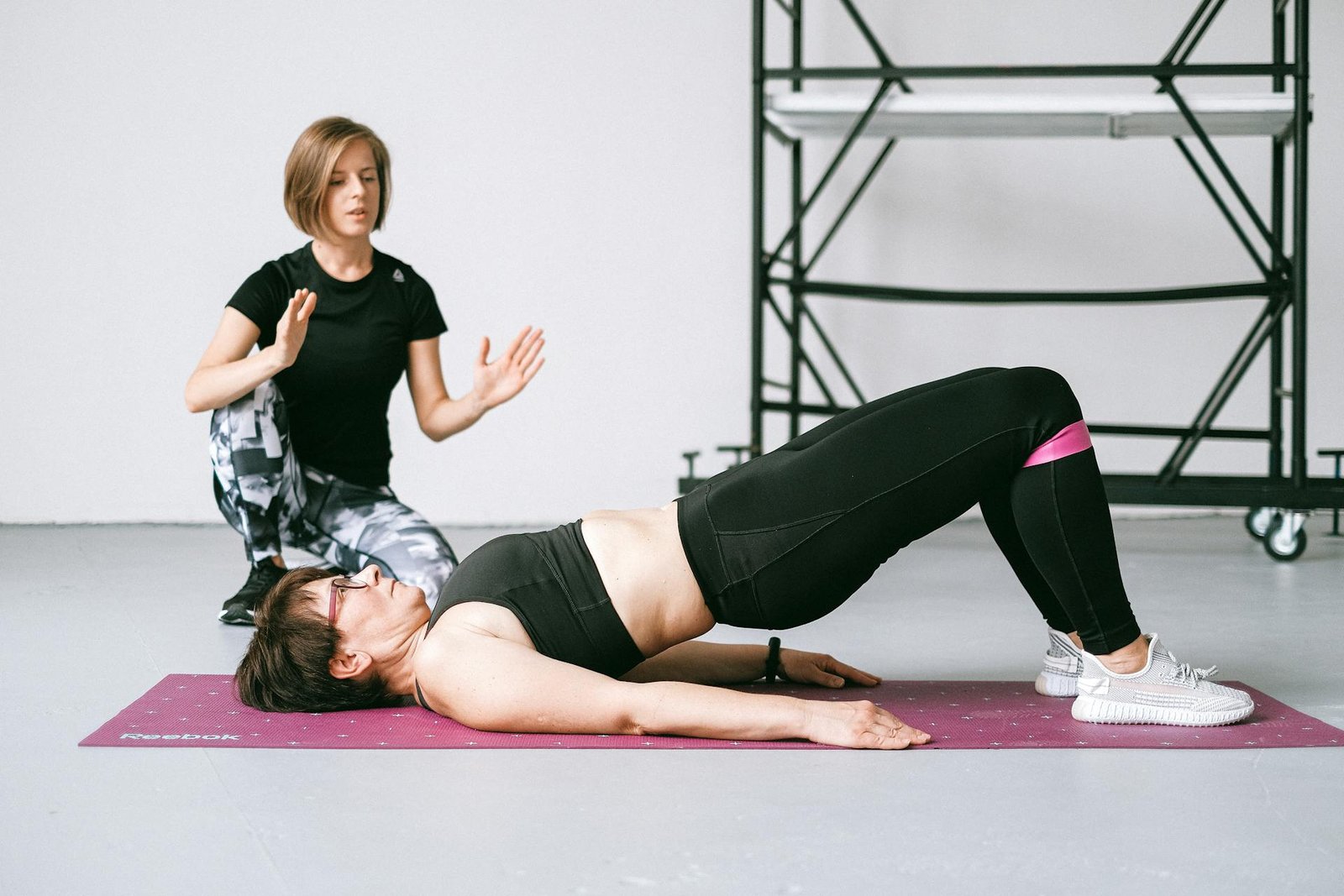
If you learn only one exercise from this guide, let it be the glute bridge. It is the absolute best starting point for anyone. To do it correctly, lie flat on your back on a yoga mat or carpet. Bend your knees and place your feet flat on the floor, about hip-width apart. Rest your arms by your sides. Now, before you lift, take a breath and focus on your glutes. As you breathe out, squeeze your buttocks tightly—imagine you’re trying to hold a pencil between them—and push through your heels to lift your hips off the ground. Lift until your body forms a straight line from your shoulders to your knees. Hold this top position for a full 2-3 seconds, squeezing your glutes as hard as you can. You should feel the work entirely in your glutes and hamstrings, NOT in your lower back. Slowly lower your hips back down. The magic of this glute activation exercises is its safety and effectiveness. It isolates the gluteus maximus without putting pressure on your spine. Do 2 sets of 15 repetitions daily, preferably in the morning. This simple habit can start teaching your body proper alignment and begin relieving pressure from your overworked lower back almost immediately.
3. The Bird-Dog: Your Secret Weapon for Core Stability and Balance
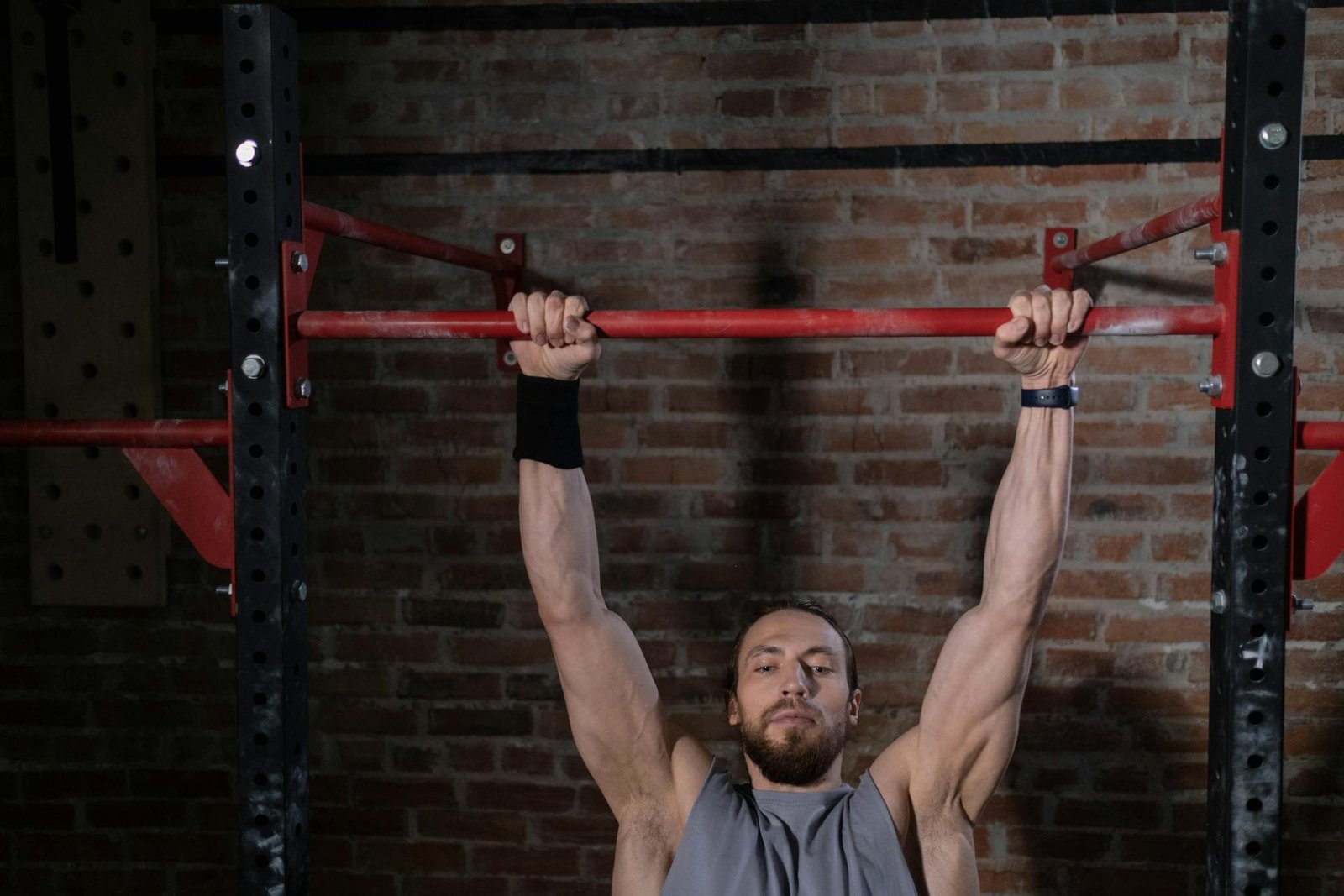
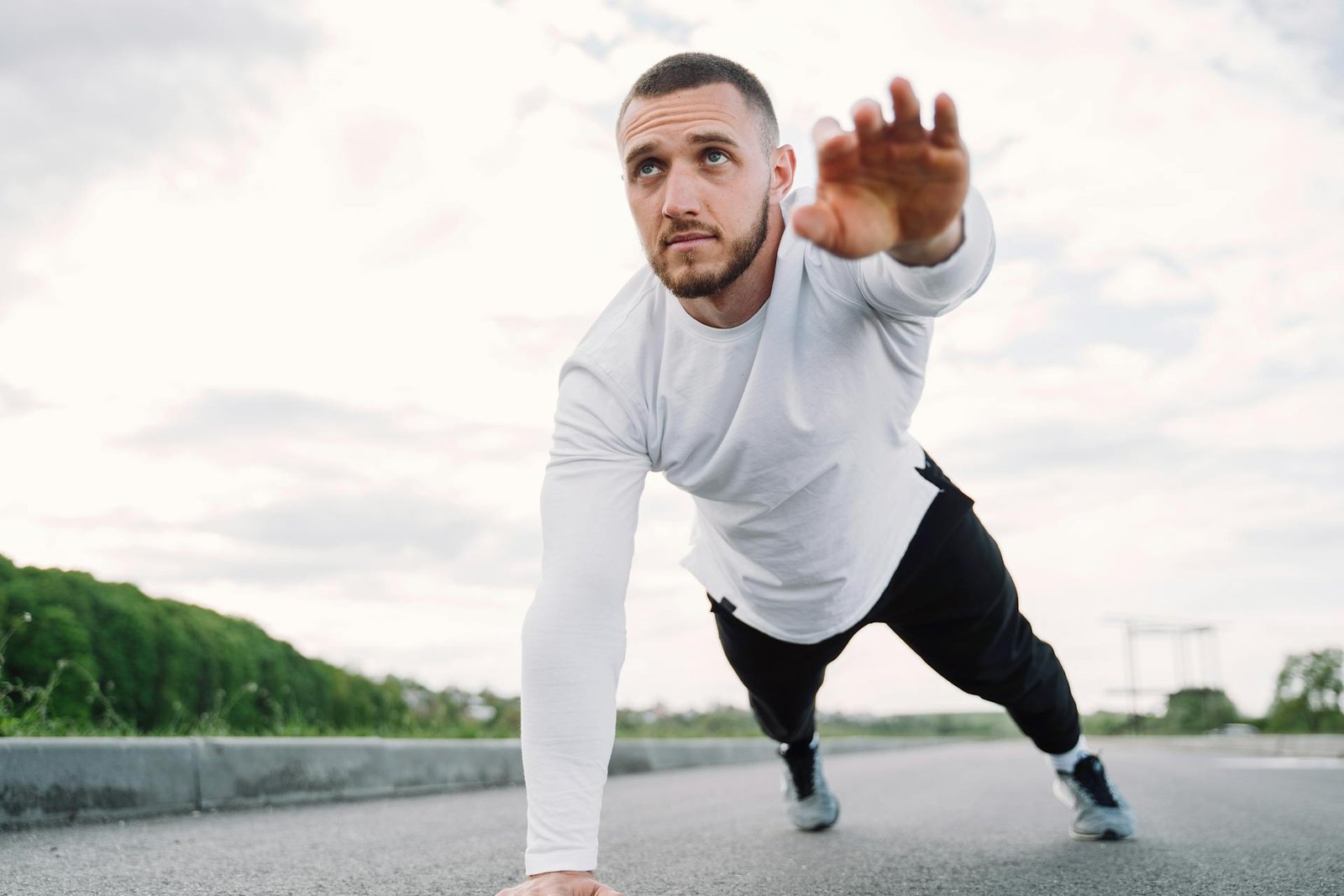
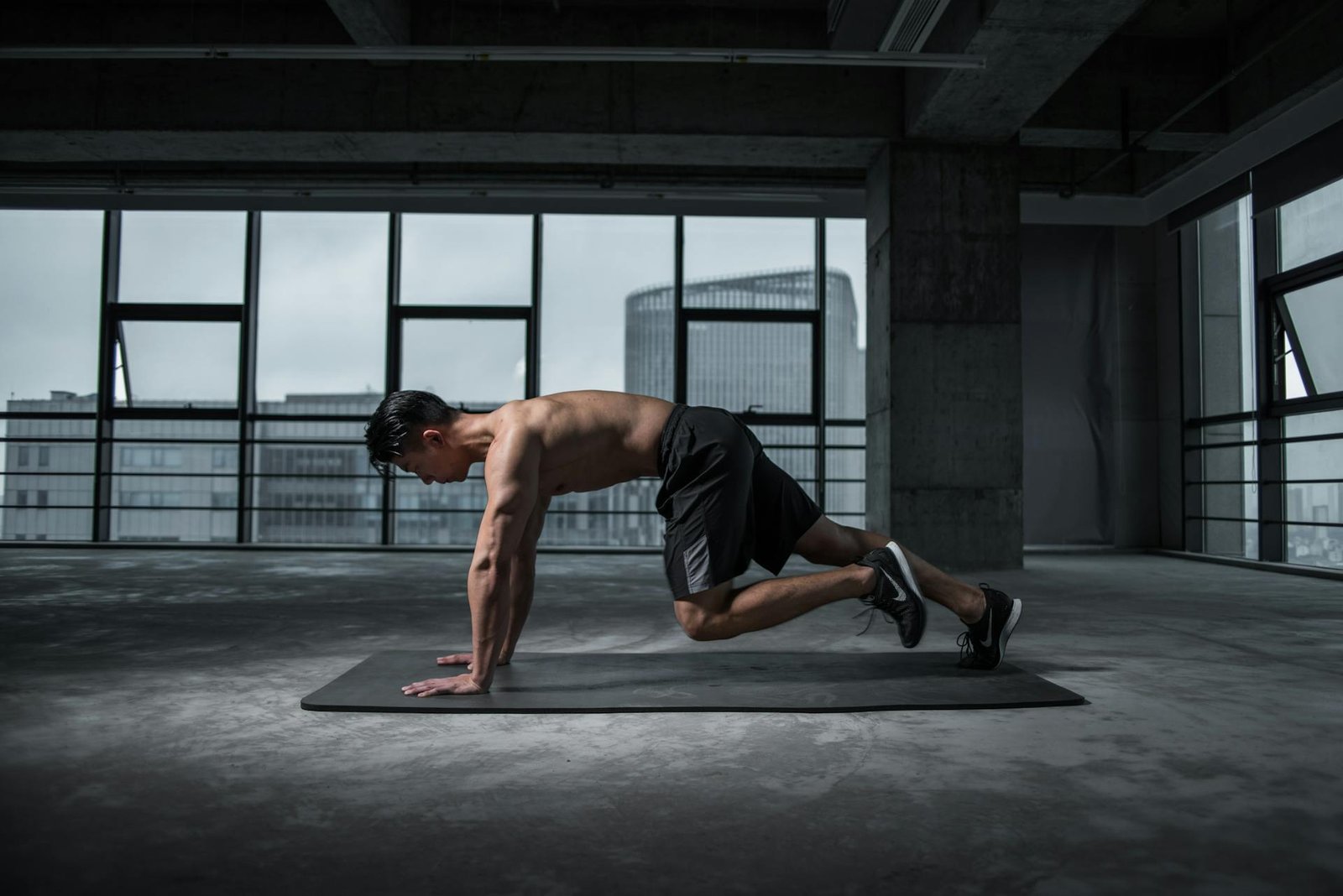
While the bridge builds power, the bird-dog is your go-to move for incredible stability. This exercise looks simple but is a powerhouse for coordinating your entire posterior chain—your back, glutes, and core. Start on your hands and knees in a “tabletop” position. Ensure your hands are directly under your shoulders and your knees under your hips. Keep your back perfectly flat, like a table. Now, engage your core. Slowly and with control, extend your right arm straight out in front of you while simultaneously extending your left leg straight out behind you. Your goal is to have your arm, torso, and leg form one long, straight line. Hold this position for 5 seconds, fighting the urge to let your hips sag or your back arch. The key is to keep your hips level to the floor. Then, slowly return to the start and switch sides. This glute activation exercises forces the gluteus medius (the side hip muscle) and your deep core stabilizers to work together. It directly improves your balance and teaches your body to stay stable during movement, which is crucial for preventing falls and improving athletic performance.
4. Mastering the Clamshell to Silence Hip and Knee Pain
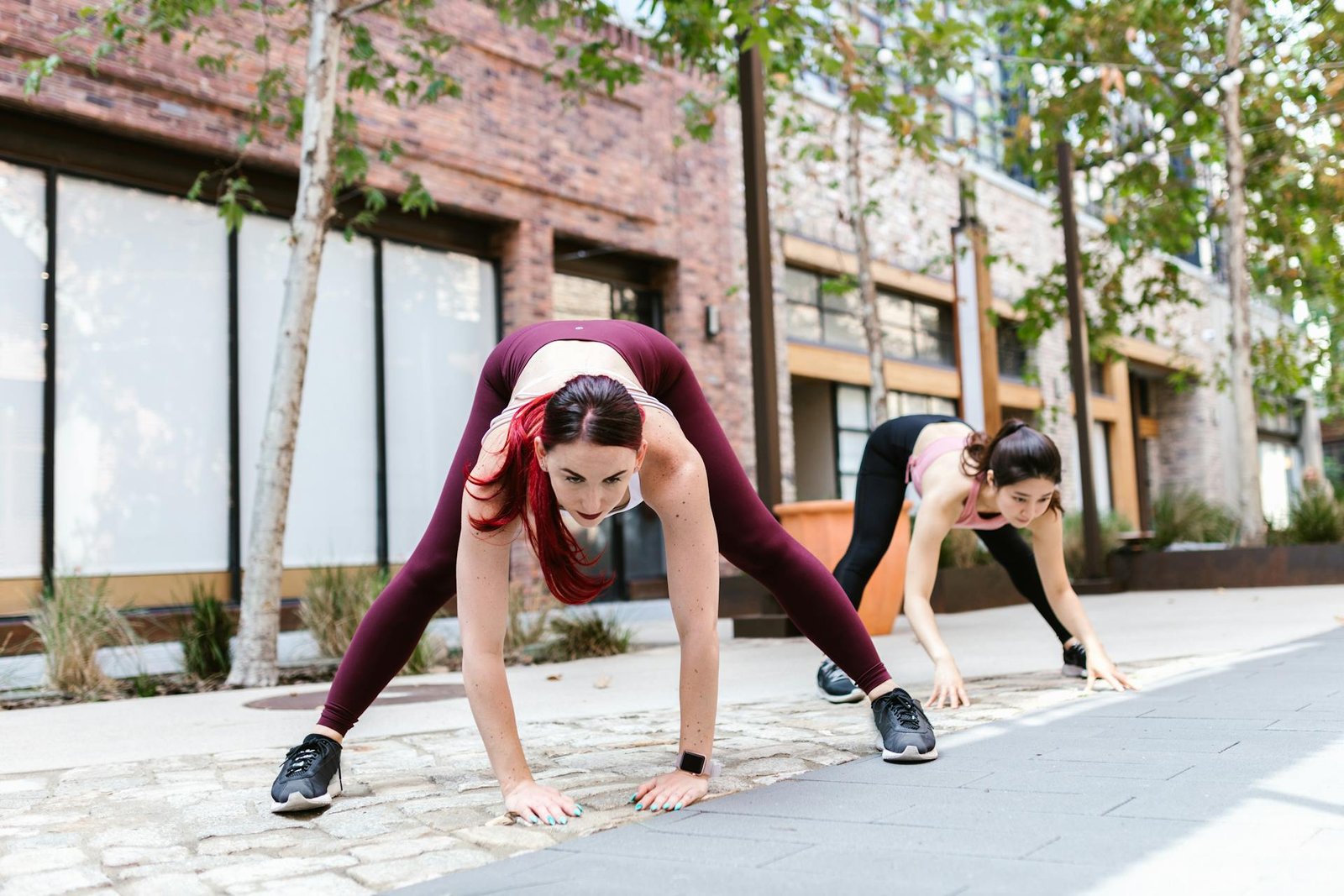
Have you ever noticed your knees caving inward when you walk up stairs or squat down? This is often a direct sign of a weak gluteus medius, and the clamshell exercise is the perfect fix. Lie on your side on the floor with your legs stacked on top of each other and your knees bent at a 90-degree angle. You can rest your head on your bottom arm for support. Keep your feet together—they will act as a hinge. Now, while keeping your hips still and not rolling backward, slowly open your top knee upward like a clamshell opening. Go only as high as you can without your hip tilting backward. At the top, you should feel a deep burn on the side of your hip, not in your thigh. Pause for a second, then slowly lower the knee back down. This controlled movement is what makes it so effective. Doing 2 sets of 15 reps on each side daily can dramatically improve hip stability. This simple glute activation exercises strengthens the muscle responsible for keeping your pelvis level when you walk or stand on one leg, which is a fundamental movement pattern. Stronger hips mean protected knees and a more balanced, confident stride.
5. Fire Hydrants: Boosting Hip Mobility and Glute Strength Together
The fire hydrant exercise builds on the clamshell by adding a greater range of motion and more direct engagement of the gluteus maximus. It’s excellent for improving hip mobility, which often gets restricted from sitting. Begin on your hands and knees in the same tabletop position as the bird-dog. Keep your core braced to prevent your back from sagging. Keeping your knee bent at a 90-degree angle, lift your right leg out to the side, as if you are a dog lifting its leg at a fire hydrant. Focus on initiating the movement from your hip, not your lower back. Lift until your thigh is roughly parallel to the floor, feeling a strong contraction in your glute. Hold for a brief moment at the top, squeezing the muscle. Then, with control, lower your knee back to the starting position. Avoid any swinging or momentum. Perform 12-15 repetitions on one side before switching. This glute activation exercises works your glutes through a different pathway, promoting not just strength but also better hip joint health and mobility. It counteracts the stiffness of sitting and prepares your hips for lateral movements in daily life and sports.
6. Donkey Kicks: Isolating Your Glutes for Maximum Mind-Muscle Connection
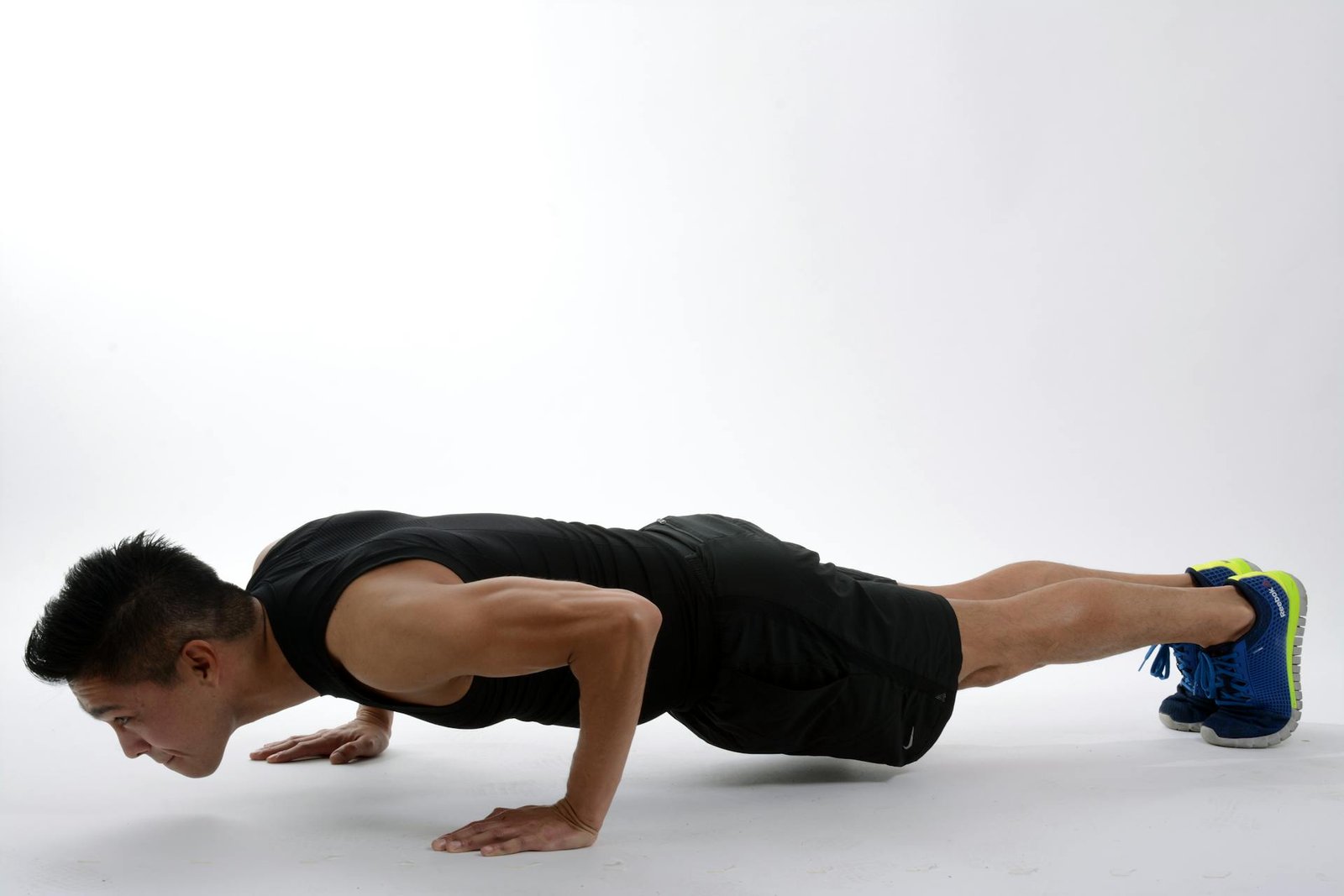
The donkey kick is fantastic for creating a strong mind-muscle connection with your gluteus maximus. Its focused range of motion ensures the glutes do the work, not the lower back. Start on all fours. Position your hands under your shoulders and knees under your hips. Keep your back in a neutral, flat position. Engage your core. Keeping your right knee bent at 90 degrees, press the sole of your right foot toward the ceiling by driving your heel up. Push up until your thigh is in line with your torso and you feel a deep squeeze in your glute. Your knee should still be bent at 90 degrees at the top. Squeeze your glute hard at the peak of the movement. Then, slowly lower your knee back down without letting it touch the floor, maintaining tension. The common mistake is to arch the back or use a swinging motion. The correct form is a deliberate, controlled kick where you visualize pressing your heel to the ceiling. This glute activation exercises builds the raw, powerful hip extension strength needed for running, jumping, and simply standing up from a chair with ease.
7. Resistance Band Walks: The Game-Changer for Functional Strength
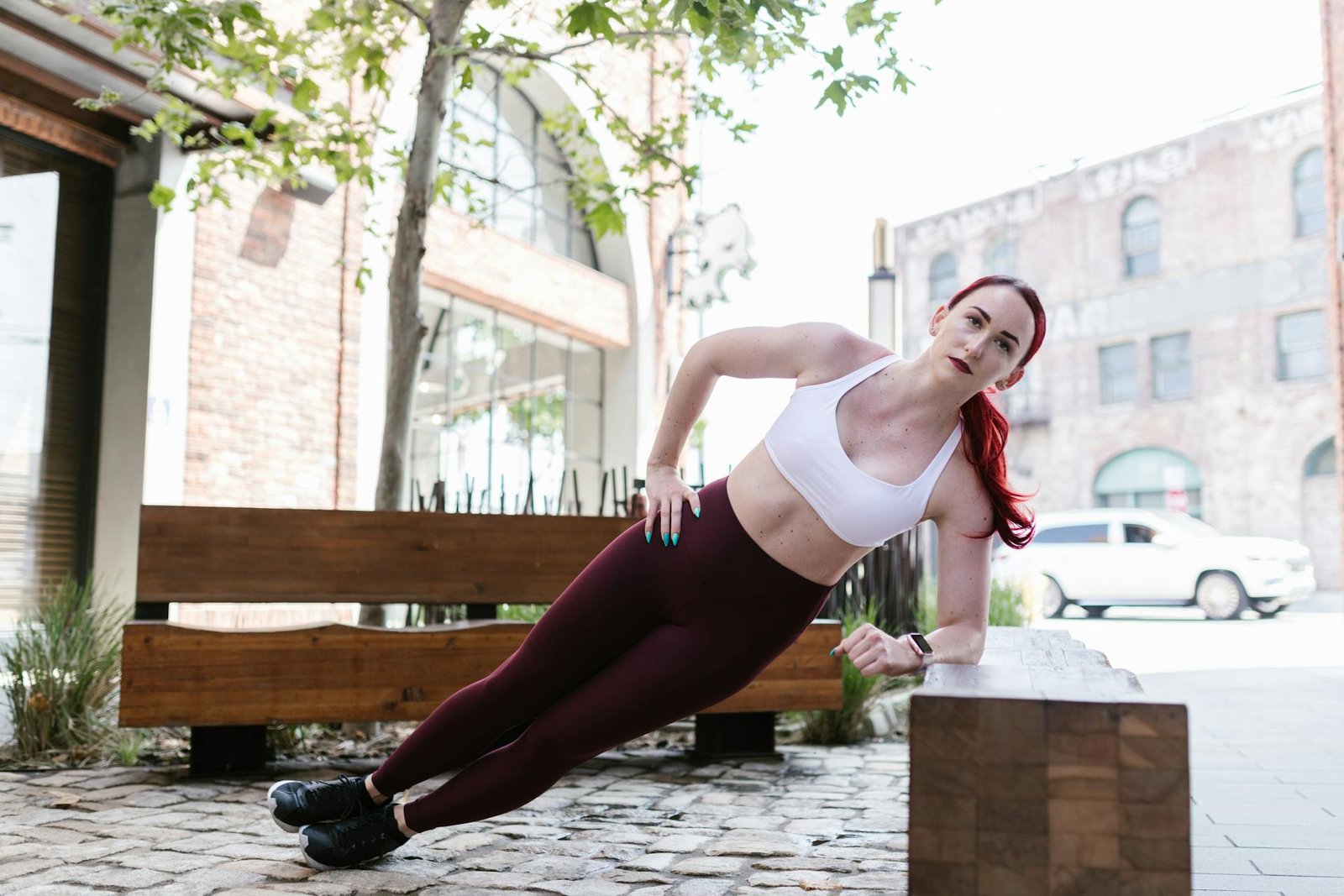
When bodyweight exercises become manageable, adding a mini resistance band is the single best way to skyrocket your glute activation. This tool creates constant tension, forcing your gluteus medius to work incredibly hard. Place a looped resistance band just above your knees. Stand with your feet shoulder-width apart and sink into a slight “athletic” stance—a shallow half-squat. This is your starting position. Maintaining tension on the band, take 10 small, controlled steps to your right. Then, take 10 steps back to your left. This is one set. The band’s resistance tries to pull your knees inward; your job is to push your knees outward against it with every step. You will feel an intense burn in your outer hips and glutes. This glute activation exercises is unparalleled for building the functional strength that stabilizes your knees during walking, running, and any side-to-side movement. It directly translates to a more powerful and safer gait. Perform 3 sets, focusing on staying low and not letting your feet come together.
8. Mindful Squats: Transforming a Basic Move into a Glute Activator
Most people squat with their quads (thigh muscles). We need to relearn how to squat with our glutes. This mindful approach turns the basic squat into one of the most powerful glute activation exercises. Stand with feet slightly wider than hip-width, toes pointed slightly out. As you initiate the squat, send your hips straight back as if you’re aiming for an invisible chair behind you. Keep your chest up and back straight. As you descend, focus on feeling a stretch in your glutes. Push your knees outward slightly (imagine spreading the floor with your feet). Drive back up through your heels, and as you reach the top, forcefully squeeze your glutes to lockout. Place your hands on your glutes as you do this to physically feel them contract. This conscious engagement reprograms your movement pattern. Start with 3 sets of 10-12 bodyweight squats, prioritizing perfect form and glute sensation over depth or speed. Learning to squat this way ensures your glutes become the prime movers in all standing and lifting activities.
9. The Golden Rule: Consistency Beats Intensity Every Single Time
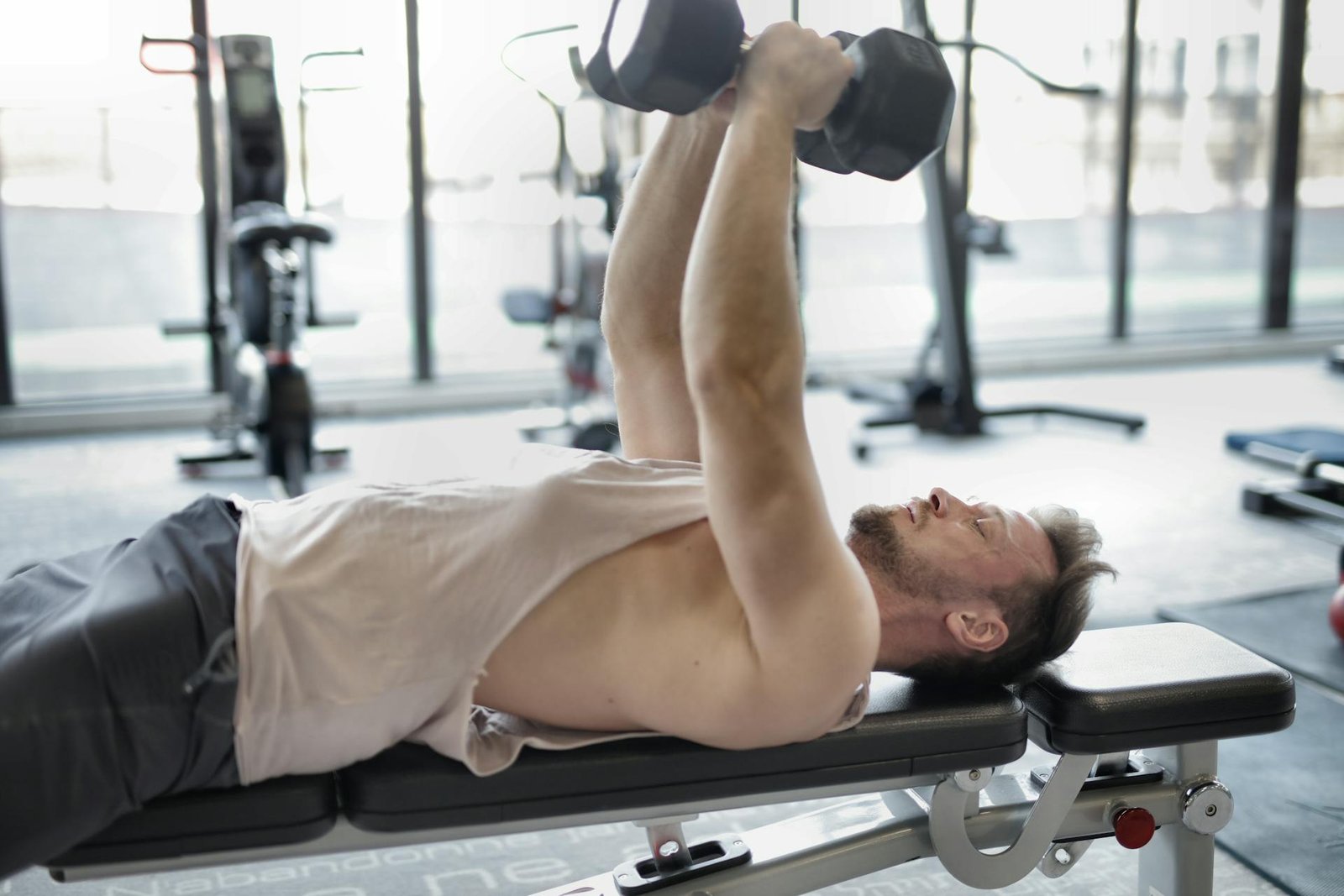
The most important secret to success with glute activation exercises is not the complexity of your workout, but the regularity. Your glutes have been inactive for possibly years; they need gentle, daily reminders to wake up and stay online. A 10-minute daily routine will bring far better results than a brutal 60-minute session done once a week. The goal is to build a neural pathway—a habit in your nervous system. Link your routine to an existing daily habit. Do your bridges and clamshells right after you brush your teeth every morning, or during the first commercial break of your evening show. This “habit stacking” makes it automatic. Your simple daily routine could be: 20 glute bridges, 10 bird-dogs per side, and 15 clamshells per side. Mark a calendar with an “X” for each day you complete it. This consistent, low-dose stimulation is what truly rebuilds the brain-muscle connection, leading to lasting improvements in posture, pain relief, and movement quality.
10. Live an Activated Life: Integrating Strength into Every Movement
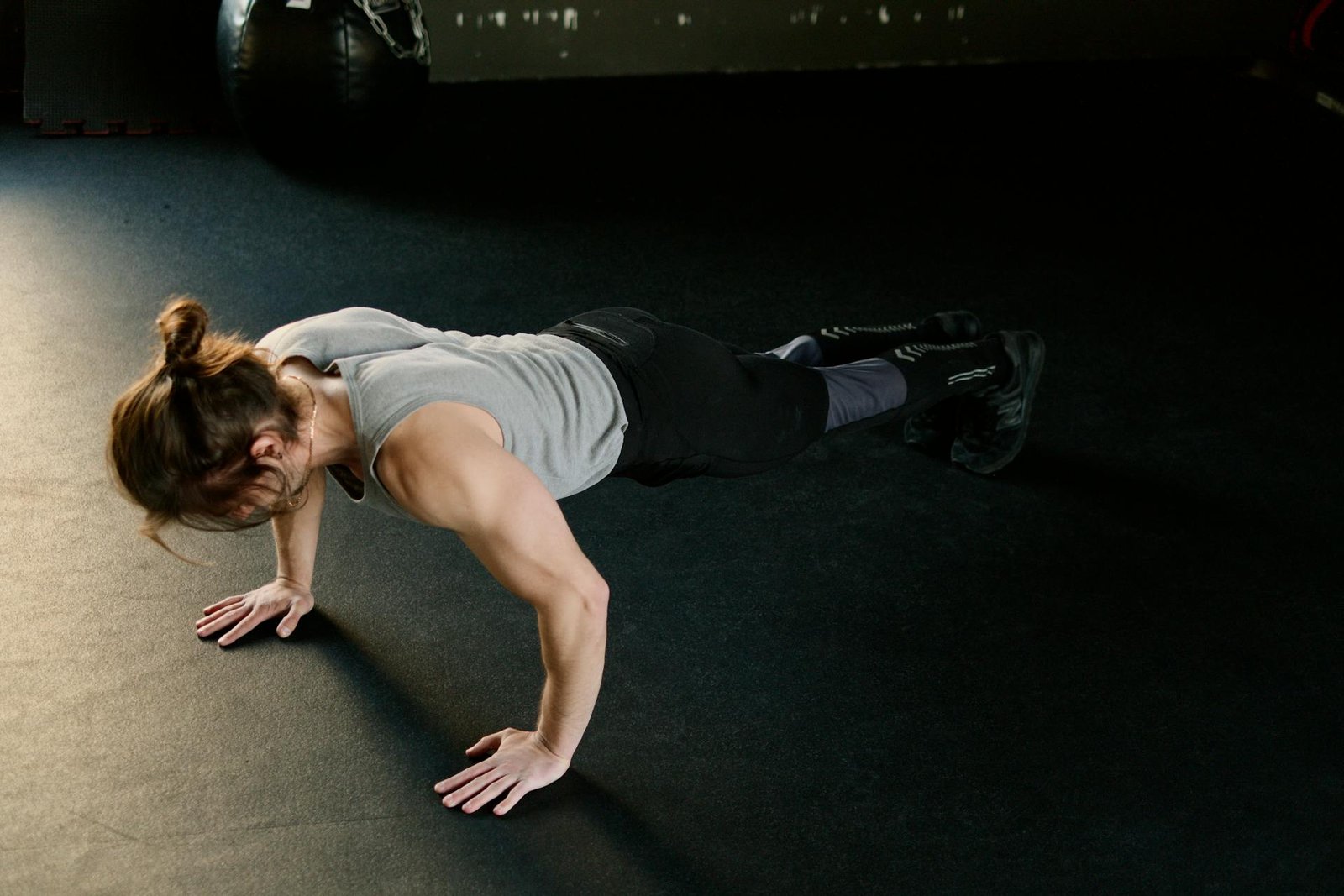
True mastery of glute activation exercises means letting them change how you move all day long. This is the final step: integration. When you get up from a chair, push through your heels and squeeze your glutes to stand tall. When you walk, consciously think about engaging your glutes with every step—feel them working. If you have a desk job, set an hourly alarm to stand and do 10 bodyweight squats or 10 hip circles. When standing in a queue, practice subtle weight shifts or gentle glute squeezes. Carry grocery bags by engaging your glutes and bracing your core, not by rounding your back. These are not exercises anymore; they are smart movement habits. By weaving activation into the fabric of your day, you ensure your glutes don’t just work during your workout but remain active partners in everything you do. This holistic approach moves you from someone who “does glute exercises” to someone who moves with inherent strength, stability, and confidence, building a body that is resilient and pain-free for the long term.
Conclusion:
Beginning the journey of glute activation is a powerful investment in your long-term health and quality of life. It goes far beyond aesthetic goals, reaching into the very foundation of how you move, stand, and feel each day. By consistently practicing the ten steps outlined—from the basic glute bridge to integrated life habits—you are actively rewiring your body’s mechanics. You are teaching your brain to re-engage its most powerful muscles, thereby taking immense pressure off your vulnerable lower back, knees, and joints. The results you can expect are not just reduced pain, but also improved posture, a more efficient metabolism from engaging large muscle groups, and a profound sense of bodily confidence and stability. Remember, the key is patience and consistency. Your glutes didn’t become weak overnight, and they won’t be rebuilt in a single session. Celebrate the small victories: a pain-free morning, feeling your glutes fire during a walk, or completing your daily 10-minute routine without fail. This process is about building a sustainable, resilient body. Start today with the first step, commit to the process, and unlock a stronger, more vibrant, and pain-free version of yourself.
Frequently Asked Questions (FAQ)
1. Q: What are glute activation exercises, and why are they so important?

A: Glute activation exercises are targeted movements designed to “wake up” and strengthen your gluteal muscles (gluteus maximus, medius, and minimus). They are crucial because prolonged sitting weakens these muscles, leading to compensation by the lower back and hamstrings, which is a primary cause of back pain, poor posture, and knee issues.
2. Q: How often should I do these glute activation exercises?
A: For best results, aim to do a short 10-minute activation routine daily, especially on days you plan to exercise, walk a lot, or sit for long periods. Consistency is far more important than long, infrequent workouts.
3. Q: I feel the exercises more in my back/hamstrings than my glutes. What am I doing wrong?
A: This is common and means your compensating muscles are still taking over. Focus on the mind-muscle connection: slow down the movement, visualize squeezing your glutes before you move, and ensure your form is perfect. For bridges, press through your heels. For clamshells, don’t let your hip roll back.
4. Q: Can I do these exercises if I have existing back or knee pain?
A: Many of these exercises, like glute bridges and bird-dogs, are specifically recommended by physiotherapists for rehabilitating back and knee pain as they build supportive strength. However, always consult with a doctor or physiotherapist for pain that is severe or sharp before starting any new routine.
5. Q: Do I need any special equipment?
A: No, you can start effectively with just your bodyweight. A simple yoga mat adds comfort. As you progress, a mini resistance band (loop style) is an excellent, inexpensive tool to increase intensity, especially for exercises like side-lying leg lifts and banded walks.
6. Q: How long will it take to see or feel results?
A: You may feel an improved mind-muscle connection and less stiffness within 1-2 weeks of consistent practice. Noticeable reductions in minor back pain and improvements in posture often occur within 4-6 weeks. Significant strength gains require consistent effort over 2-3 months.
7. Q: Are these exercises for weight loss?
A: While not primarily cardio, building muscle (like your glutes) increases your resting metabolism, meaning you burn more calories even at rest. Combined with a balanced diet and regular aerobic activity, a stronger, more active body supports healthy weight management.
8. Q: Can seniors safely perform these glute activation exercises?
A: Absolutely. Modified versions like chair-assisted squats, standing leg lifts while holding a counter, and seated glute squeezes are excellent for maintaining hip stability and leg strength, which are vital for fall prevention and mobility in seniors.
9. Q: Should I do these before or after my main workout?
A: Always do them before your workout (as part of your warm-up). Activating your glutes primes them to work properly during exercises like squats, deadlifts, or running, which improves performance and drastically reduces the risk of injury.
10. Q: I have a desk job. What can I do during the day?
A: Set an hourly timer to stand up. Do 10-15 bodyweight squats or 10 glute bridges right at your desk. Practice squeezing and holding your glutes for 10 seconds while seated. Walk to get water. These micro-activations break the cycle of constant muscle shutdown.