


Description:
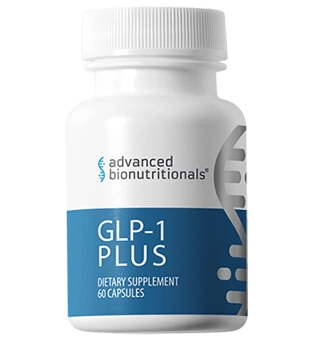

The world of weight management has been completely transformed by the rise of GLP-1 medications like Ozempic, Wegovy, and Mounjaro. These drugs have helped millions of people lose weight by reducing appetite and making them feel full faster. However, as more people discover these medications, a new and equally important question has emerged: what about the supplements? In 2026, the GLP-1 supplement market is no longer a niche trend. It has become a booming industry worth billions of dollars globally. FMCG companies and food operators are reshaping their product portfolios to tap into an estimated Rs 2.5-lakh-crore market opportunity to cater to a growing consumer cohort using GLP-1 drugs to manage weight and diabetes. This post is your complete, easy-to-understand guide to everything you need to know about GLP-1 supplements 2026. I will explain why these supplements are so important for anyone taking GLP-1 medications. I will break down the science in simple terms, so even if you are a school student or a busy professional, you can understand it easily. I will tell you exactly which supplements are most helpful — protein powders to preserve muscle, fiber to manage constipation, multivitamins to fill nutrient gaps, probiotics for gut health, and electrolytes for hydration. I will also cover the safety aspects, because not everything on the market is safe or effective. The Indian context is particularly exciting because in March 2026, the patent for semaglutide expired in India, leading to a flood of affordable generic versions. This made GLP-1 medications accessible to millions of Indians who could not afford them before. Generic products are now priced at INR1,290 per month, which is 90% lower than the branded Wegovy. This post will help you understand the opportunities and challenges of GLP-1 supplements 2026 so you can make informed decisions about your health journey. Whether you are just starting your GLP-1 therapy or have been on it for a while, this guide will give you the knowledge you need to stay healthy, strong, and successful in achieving your weight loss goals.
1.Understanding the Core Concept of GLP-1 Supplements 2026


The conversation around weight loss and metabolic health has been completely transformed by the rise of GLP-1 medications. These are drugs that mimic a natural hormone in your body, helping you feel full and reducing your appetite. However, the rapid weight loss they cause can come with significant downsides, such as the loss of precious muscle mass and vital nutrients. This is precisely where GLP-1 supplements 2026 enter the picture. These are not meant to replace your medication but to act as a critical support system. They are specialized nutritional products designed to fill the gaps created by eating less food. In 2026, this category has exploded, with a global market for GLP-1 companion products valued at a staggering USD 204.8 billion in 2025 and projected to reach USD 479.0 billion by 2033. This immense growth signals a global recognition that medication alone is not enough; a holistic approach that includes nutritional support is essential for sustainable and healthy weight loss. The demand for GLP-1 supplements 2026 is driven by a growing awareness of the nutritional and lifestyle challenges associated with GLP-1 therapy. As more people begin these treatments, the need for products that help preserve muscle, maintain hydration, and support digestive health becomes increasingly clear.
2. The Critical Problem: Muscle Loss and Nutrient Deficiency

To truly appreciate the role of GLP-1 supplements 2026, you must first understand the problems that GLP-1 medications can create. The primary issue is the significant loss of lean body mass, which includes muscle. Studies and joint advisory reports have shown that a staggering 38% to 40% of the total weight lost during GLP-1 therapy can come from muscle, not fat. For example, in the landmark STEP 1 trial for semaglutide, participants lost an average of 5.3 kg of lean tissue within a total weight reduction of 13.6 kg. Losing muscle is detrimental because it slows down your metabolism, making it harder to keep the weight off in the long run and impacting your overall strength and energy. Furthermore, the reduced appetite caused by these drugs naturally leads to a lower intake of calories and, consequently, essential vitamins and minerals. Research has flagged potential deficiencies in critical nutrients like iron, calcium, magnesium, zinc, and several vitamins. This is why GLP-1 supplements 2026 are no longer a luxury but a necessity. They are the most effective strategy to counteract these side effects. By providing concentrated sources of protein and key micronutrients, they help safeguard your health during your weight loss journey, ensuring that the weight you lose is primarily fat, not vital muscle.
3. The Essential Supplement Stack for GLP-1 Users in 2026


When you start researching GLP-1 supplements 2026, you will find a wide array of products. However, a few key categories stand out as the most essential for anyone on this medication. First and foremost is protein. To counteract the 38-40% muscle loss, a high-quality protein supplement is non-negotiable. Clinical guidelines now recommend a protein intake of 1.2 to 1.6 grams per kilogram of body weight per day to preserve lean mass. This can be achieved through whey, plant-based, or collagen protein powders. Next is fiber. Constipation is a very common side effect of GLP-1 drugs due to slowed digestion. Fiber supplements like psyllium husk can help maintain regularity and digestive comfort. A good multivitamin is also crucial to fill the micronutrient gaps caused by reduced food intake. Furthermore, many experts recommend probiotics to support gut health. The gut microbiome can be affected by changes in diet and digestion, and probiotics can help maintain a healthy balance. Finally, electrolytes are important. Nausea and reduced fluid intake can lead to dehydration, so electrolyte powders or hydration mixes can be very helpful. This combination of protein, fiber, multivitamins, probiotics, and electrolytes forms the foundation of a smart GLP-1 supplements 2026 strategy.
4. Distinguishing Between Prescription Drugs and OTC “Boosters”
A significant point of confusion in the market for GLP-1 supplements 2026 is the difference between prescription medications and over-the-counter (OTC) products marketed as “GLP-1 boosters.” It is vital to understand that these are not the same. Prescription GLP-1 receptor agonists, like semaglutide and tirzepatide, are powerful, scientifically proven drugs that directly activate the GLP-1 pathway in your body. They have undergone large-scale clinical trials and have demonstrated significant and reliable weight loss. In contrast, OTC “boosters” do not replicate this GLP-1 receptor activation. They may contain ingredients like berberine, chromium, or fiber that have modest metabolic effects, but they are not equivalent to prescription drugs. The U.S. Food and Drug Administration (FDA) has even warned that many weight-loss products marketed as supplements may contain hidden drug ingredients or be falsely advertised, posing serious health risks. This distinction is crucial for your safety. When you are looking at GLP-1 supplements 2026, you should view them as support tools for your prescription, not as replacements for it. Never substitute a prescribed GLP-1 medication with an unregulated supplement.
5. The Specific Role of Protein and How Much You Need


As discussed, protein is arguably the most critical component of any GLP-1 supplements 2026 plan. The reason is simple: you are eating less, and without adequate protein, your body will break down its own muscle tissue for energy. To prevent this, you must be intentional about your protein intake. The recommended daily intake is 1.2 to 1.6 grams of protein per kilogram of your body weight. For a person weighing 80 kg, this translates to 96 to 128 grams of protein per day. This is a significant amount that can be challenging to achieve through food alone, especially when your appetite is suppressed. This is where protein powders and shakes become invaluable tools in the GLP-1 supplements 2026 ecosystem. They offer a concentrated, easy-to-consume source of high-quality protein. Options include whey protein isolate, which is quickly absorbed, or plant-based blends for those with dietary restrictions. In India, the importance of protein is being recognized by major companies. For instance, the Celevida GLP+ product, launched by Dr. Reddy’s and Nestlé, provides 48 grams of protein per 100 grams and is specifically formulated for people on GLP-1/GIP therapy. This highlights how the industry is tailoring GLP-1 supplements 2026 to meet the specific nutritional demands of this growing patient population.
6. The Indian Market: A Booming Ecosystem for GLP-1 Supplements 2026


India has quickly become a central player in the global story of GLP-1 supplements 2026. This is driven by two major factors: a massive patient population and the expiry of key patents. India has an estimated 101 million people with diabetes and 136 million with prediabetes, creating a vast potential market for GLP-1 drugs. The real game-changer came in March 2026 with the patent expiry of semaglutide. This triggered a flood of affordable generic versions, with over 40 Indian companies launching products that are 70-90% cheaper than the originals. The GLP-1 drug market in India quickly grew to Rs 2,333 crore. As access to these drugs exploded, so did the demand for nutritional support. Fast-moving consumer goods (FMCG) companies and pharmaceutical firms are now racing to capture this opportunity, estimated to be worth Rs 2.5 lakh crore. Companies like Amul are ramping up their protein portfolios, while Marico is repositioning its food and wellness products to be “GLP-1 friendly”. This shift shows that GLP-1 supplements 2026 are not just a niche trend in India but a mainstream movement.
7. A Made-in-India Solution: Celevida GLP+

One of the most significant developments in the Indian landscape of GLP-1 supplements 2026 is the launch of Celevida GLP+. This product is a collaboration between Dr. Reddy’s Laboratories and Nestlé Health Science, designed specifically for people undergoing GLP-1 and GIP therapy in India. Its creation is a direct response to the clinical needs of Indian patients. Studies have shown that Indians may face an increased risk of muscle loss due to a lower baseline of skeletal muscle mass and a lower average protein intake of around 0.6g/kg/day. To counter this, Celevida GLP+ was co-created with endocrinologists and provides a potent 48 grams of protein per 100 grams, along with the full recommended dietary allowance of branched-chain amino acids (BCAAs) and 27 other nutrients, including vitamins A, D, and calcium. The launch of Celevida GLP+ signifies a major step forward, acknowledging that the nutritional needs of patients on GLP-1 therapy are not just an afterthought but a primary concern. It represents a move towards an integrated ecosystem that combines pharmacological treatment with targeted GLP-1 supplements 2026 to achieve better, more sustainable health outcomes.
8. Exploring Natural Alternatives and Botanical Extracts
The popularity of GLP-1 supplements 2026 has also spurred interest in natural alternatives and botanical extracts that might support weight management. While they should not be considered replacements for prescription drugs, some ingredients have shown promise in clinical studies. For instance, a new clinical trial published in early 2026 found that two botanical extracts, Dichrostachys glomerata and Cissus quadrangularis, demonstrated significant weight loss benefits and boosted GLP-1 levels. The study even compared these extracts directly against semaglutide and a placebo, yielding impressive results for the botanical group. Another emerging ingredient is Oleoylethanolamide (OEA), which has shown benefits for gut health and increasing circulating GLP-1 levels. Furthermore, research from OmniActive suggests that its branded Capsicum annuum extract supports a significant increase in GLP-1 activity. While these findings are exciting, it is important to approach them with cautious optimism. The evidence for botanical GLP-1 supplements 2026 is still developing, and the results are not comparable to the well-established outcomes of prescription medications. They represent a complementary avenue for support, not a primary treatment.
9. Safety and What to Avoid in 2026

With the explosion of GLP-1 supplements 2026, safety has become a paramount concern. As a consumer, it is your responsibility to be informed and cautious. First and foremost, you should be wary of any product that claims to be a “natural” replacement for your prescription GLP-1 medication. These claims are misleading and potentially dangerous. The FDA has warned that many weight loss products marketed as supplements may contain hidden drug ingredients or be falsely advertised. Specifically, be cautious with supplements marketed as “fat burners” or those containing high doses of stimulants like caffeine. Combining these with a GLP-1 medication can increase cardiovascular stress and worsen side effects like nausea. Another commonly touted ingredient is berberine. While it may have some benefits, its evidence comes from lower-quality trials, and it requires screening for gastrointestinal intolerance and potential interactions with other medications. It is also important to be mindful of timing; for instance, iron and calcium supplements can bind with your medication in the intestines if taken too close together, so they should be spaced out. When selecting GLP-1 supplements 2026, always choose reputable brands from trusted sources, and never hesitate to discuss any supplement you are considering with your healthcare provider.
10. Your Action Plan and the Future of GLP-1 Supplements
Navigating the world of GLP-1 supplements 2026 can feel overwhelming, but following a clear action plan will set you up for success. Step one is always to have an open and honest conversation with your doctor or a qualified dietitian. They can assess your individual nutritional needs and help you create a personalized supplement plan. Start with the essentials: a high-quality protein powder to meet your daily 1.2-1.6g/kg target, a good multivitamin to fill micronutrient gaps, and a fiber supplement if you experience constipation. Stay well-hydrated and consider electrolytes if you feel dehydrated or have nausea. Track your progress, monitor how you feel, and adjust your plan as needed with your doctor’s guidance. Looking ahead, the future of GLP-1 supplements 2026 is incredibly bright. The market is expected to continue its explosive growth, with the global GLP-1 nutritional support market forecast to reach USD 6.94 billion by 2031. We will likely see more personalized nutrition solutions based on genetic testing, a wider variety of convenient formats like gummies and ready-to-drink shakes, and an increased focus on holistic wellness that goes beyond just weight loss to include muscle preservation, metabolic health, and overall well-being. By staying informed and proactive, you can leverage these advances to make your GLP-1 journey safer, more effective, and more sustainable.
Conclusion:
As we come to the end of this comprehensive guide on GLP-1 supplements 2026, let me summarize the most important takeaways for you. The journey with GLP-1 medications is a powerful one, but it is not without its challenges. The rapid weight loss these drugs provide can come at a cost — up to 38% to 40% of the weight you lose may come from muscle, not fat. This is why supplements are not just an optional extra; they are an essential part of a healthy and sustainable GLP-1 journey. The right combination of protein, fiber, multivitamins, probiotics, and electrolytes can protect your muscle mass, fill nutritional gaps, manage side effects, and keep your energy levels high. In 2026, the market for GLP-1 supplements 2026 is more vibrant than ever. In India, pharmaceutical companies like Dr. Reddy’s and Nestlé Health Science have launched products like Celevida GLP+, which provides 48 grams of protein per 100 grams and is specifically designed for patients on GLP-1 and GIP therapy. Fast-moving consumer goods companies are also entering the space — Amul is steadily increasing its focus on protein-enriched offerings, and Marico has positioned nearly 80% of its food and wellness portfolio to be GLP-1 friendly. The GLP-1 category in India is expected to become Rs 5,000 crore by 2030. This shows that GLP-1 supplements 2026 are here to stay, and they are becoming more accessible and affordable every day. However, I must remind you to be cautious. The FDA has issued warning letters to telehealth companies over false or misleading promotional claims about compounded GLP-1 products. As of May 2026, the FDA had received more than 1,700 adverse events associated with compounded semaglutide and tirzepatide. This is a serious reminder that safety should always come first. Never buy GLP-1 medications from unauthorized sources, and always consult your doctor before starting any new supplement. The future of GLP-1 supplements 2026 is bright, with new innovations like the oral GLP-1 pill Foundayo (orforglipron) approved by the FDA in April 2026. But the most important message I want to leave you with is this: your health is in your hands. Arm yourself with knowledge, consult qualified professionals, and take charge of your journey with confidence and care. You have the power to make your GLP-1 experience safe, effective, and truly transformative.
Frequently Asked Questions About GLP-1 Supplements 2026
1. What exactly are GLP-1 supplements?

GLP-1 supplements are over-the-counter nutritional products that people take alongside their prescription GLP-1 medications. They include protein powders, fiber supplements, multivitamins, probiotics, and electrolytes. These supplements are designed to fill nutritional gaps caused by reduced food intake and to help manage common side effects like muscle loss and constipation. However, it is important to understand that OTC GLP-1 boosters do not replicate GLP-1 receptor activation or comparable clinical endpoints. They are support tools, not replacements for your prescription medication.
2. Do GLP-1 supplements actually work for weight loss?
Current evidence shows no published clinical trials supporting over-the-counter GLP-1 supplements for meaningful metabolic outcomes. GLP-1 supplements do not work because they lack active GLP-1 receptor agonism; only prescription GLP-1 medications demonstrate measurable clinical effects on blood glucose and weight. However, supplements like protein powder and multivitamins do work to preserve muscle and fill nutrient gaps, which indirectly support your overall health during weight loss.
3. Can I take berberine with my GLP-1 medication?

Berberine is one of the most promoted ingredients in “natural Ozempic” messaging. A 2026 study found that a 200 mg daily dose of a bio-optimized berberine formulation increased fasting GLP-1 by 29% and postprandial GLP-1 by 22%. However, berberine requires screening for gastrointestinal intolerance, pregnancy, liver disease, and potential interactions with other medications. There is no published research on combining berberine with semaglutide, so always consult your doctor first.
4. What are the common ingredients in OTC GLP-1 boosters?


Common ingredients found in OTC products marketed as GLP-1 boosters include berberine, chromium picolinate, resveratrol, dietary fiber, green tea extract, and probiotics. Some may have modest metabolic effects, but none should be considered equivalent to GLP-1 receptor agonists. The FDA has warned that many weight loss products marketed as supplements may contain hidden drug ingredients and can pose serious health risks.
5. How much protein do I need while on GLP-1 medication?


Experts recommend 1.2 to 1.6 grams of protein per kilogram of body weight daily. This is because up to 38% to 40% of total weight loss from GLP-1-based treatments may come from lean body mass reduction. Protein supplements are essential to preserve muscle during rapid weight loss. In India, products like Celevida GLP+ provide 48 grams of protein per 100 grams along with essential amino acids.
6. Is it safe to buy GLP-1 supplements online?


You should be very careful when buying GLP-1 supplements online. The FDA has issued 25 warning letters to telehealth companies over false or misleading promotional claims about compounded GLP-1 products. As of May 2026, the FDA had received more than 1,700 adverse events associated with compounded semaglutide and tirzepatide. Always buy supplements from reputable brands and authorized pharmacies.
7. What should I avoid when taking GLP-1 supplements?

Avoid fat burners and products with high doses of stimulants like caffeine, as they can increase cardiovascular stress and worsen side effects like nausea. Be cautious with berberine due to potential interactions. Avoid supplements that claim to be “natural replacements” for your prescription GLP-1 medication, as these claims are misleading and potentially dangerous. Always consult your healthcare provider before adding any supplement.
8. Are there any Indian products specifically for GLP-1 users?

Yes, India has seen significant innovation in this space. In May 2026, Dr. Reddy’s Laboratories and Nestlé Health Science launched ‘Celevida GLP+’, a specialised nutrition product for people undergoing GLP-1-based therapies for type-II diabetes and obesity management. The product is designed to help patients maintain muscle mass and nutritional intake during treatment. It is available in a 350-gram pack through pharmacies, retail stores, and e-commerce platforms across India.
9. How much do GLP-1 medications cost in India now?

Since the semaglutide patent expired in India in March 2026, generic products have quickly entered the market. Some generic versions are priced at INR1,290 per month, which is 90% lower than the branded Wegovy. The GLP-1 drug market in India grew to Rs 2,333 crore in the 12 months ending August 2026, making these life-changing medications accessible to millions more Indians.
10. Can I stop taking GLP-1 medication and just use supplements?

Absolutely not. GLP-1 supplements are not replacements for prescription GLP-1 medications. Only prescription GLP-1 medications demonstrate measurable clinical effects on blood glucose and weight. Stopping your medication without medical supervision can lead to weight regain and other health risks. Weight regain is common after stopping GLP-1 drugs, and no proven off-ramp exists for GLP-1 therapy yet. Always follow your doctor’s guidance regarding your medication and supplement routine.