


Description: What You Will Learn from This Energy Revolution 2026 Guide

This description gives you a clear roadmap of what the Energy Revolution 2026 means for India and for your daily life. First, you will learn that the Energy Revolution 2026 is the biggest shift in how we produce and use electricity, moving away from dirty coal and petrol toward clean solar, wind, and green hydrogen. Second, this guide explains why solar power has become cheaper than coal, with costs dropping to just ₹3 per unit, making it affordable for ordinary families. Third, you will discover how the Energy Revolution 2026 uses large batteries to store sunlight for night use, solving the problem of power cuts. Fourth, the article introduces green hydrogen, a new fuel that will clean up heavy industries like steel and fertilizer factories. Fifth, you will see how electric vehicles are becoming common on Indian roads, with sales growing 45% in 2026, and how switching to an EV can save you ₹3,000 every month. Sixth, the Energy Revolution 2026 also includes Small Modular Reactors, which are mini nuclear plants that provide 24/7 clean power for industries. Seventh, you will read about smart grids and artificial intelligence that manage the entire electricity network, preventing blackouts and reducing theft. Eighth, the guide shares real-life stories of ordinary Indians like Ramesh the farmer, Priya the delivery partner, and Rajesh the electrician who have already benefited from the Energy Revolution 2026. Ninth, you will get ten simple, actionable ways to join this revolution today, from installing rooftop solar to changing your old bulbs to LED. Tenth, this description promises that after reading the full article and the FAQ section, you will have all the knowledge you need to save money, reduce pollution, and even find a new career in the Energy Revolution 2026. Whether you are a student, a housewife, a small business owner, or a retired person, this guide is written in simple English so that everyone can understand and act. The Energy Revolution 2026 is not a distant dream; it is happening right now, and this description invites you to become an active participant.
1: Understanding the Basics of the Energy Revolution 2026
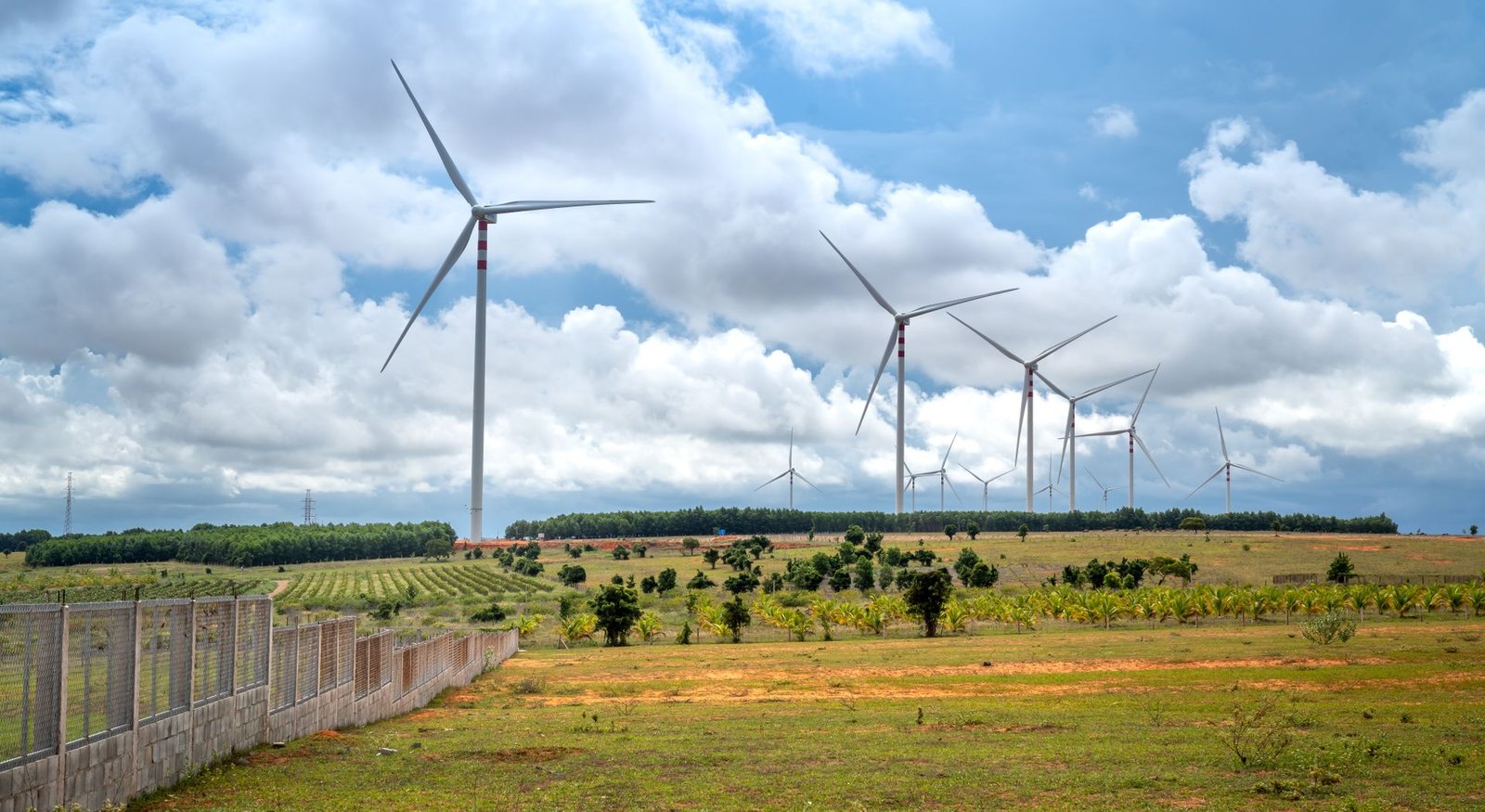

The Energy Revolution 2026 is a global shift where countries move away from coal and petrol toward clean sources like solar, wind, and green hydrogen. First, this revolution is happening because the cost of solar panels has dropped by over 80% in the last ten years, making solar power cheaper than coal in most parts of India. Second, the Energy Revolution 2026 is driven by climate change, as rising temperatures and polluted air force governments to take action. Third, new technologies like large batteries and smart grids make it possible to store solar energy for night use, solving the biggest problem of renewable power. Fourth, India is playing a major role in the Energy Revolution 2026 because it has high sunlight, a large population, and a growing demand for electricity. Fifth, the Indian government has set a target of 500 GW of non-fossil fuel capacity by 2030, and 2026 is the halfway checkpoint. Sixth, the Energy Revolution 2026 includes not just electricity but also transportation, with electric vehicles replacing petrol and diesel engines. Seventh, this revolution creates millions of new jobs in manufacturing, installation, maintenance, and research. Eighth, the Energy Revolution 2026 reduces India’s dependence on oil imports from other countries, saving billions of dollars every year. Ninth, ordinary families can benefit by installing rooftop solar panels and switching to electric scooters, lowering their monthly expenses. Tenth, the Energy Revolution 2026 is not a distant dream; it is visible today in the form of large solar farms in Rajasthan, battery factories in Gujarat, and EV charging stations in every major city. Understanding these ten basic facts helps you see why this revolution matters for your life and your wallet.
2: How Solar Power Leads the Energy Revolution 2026 in India
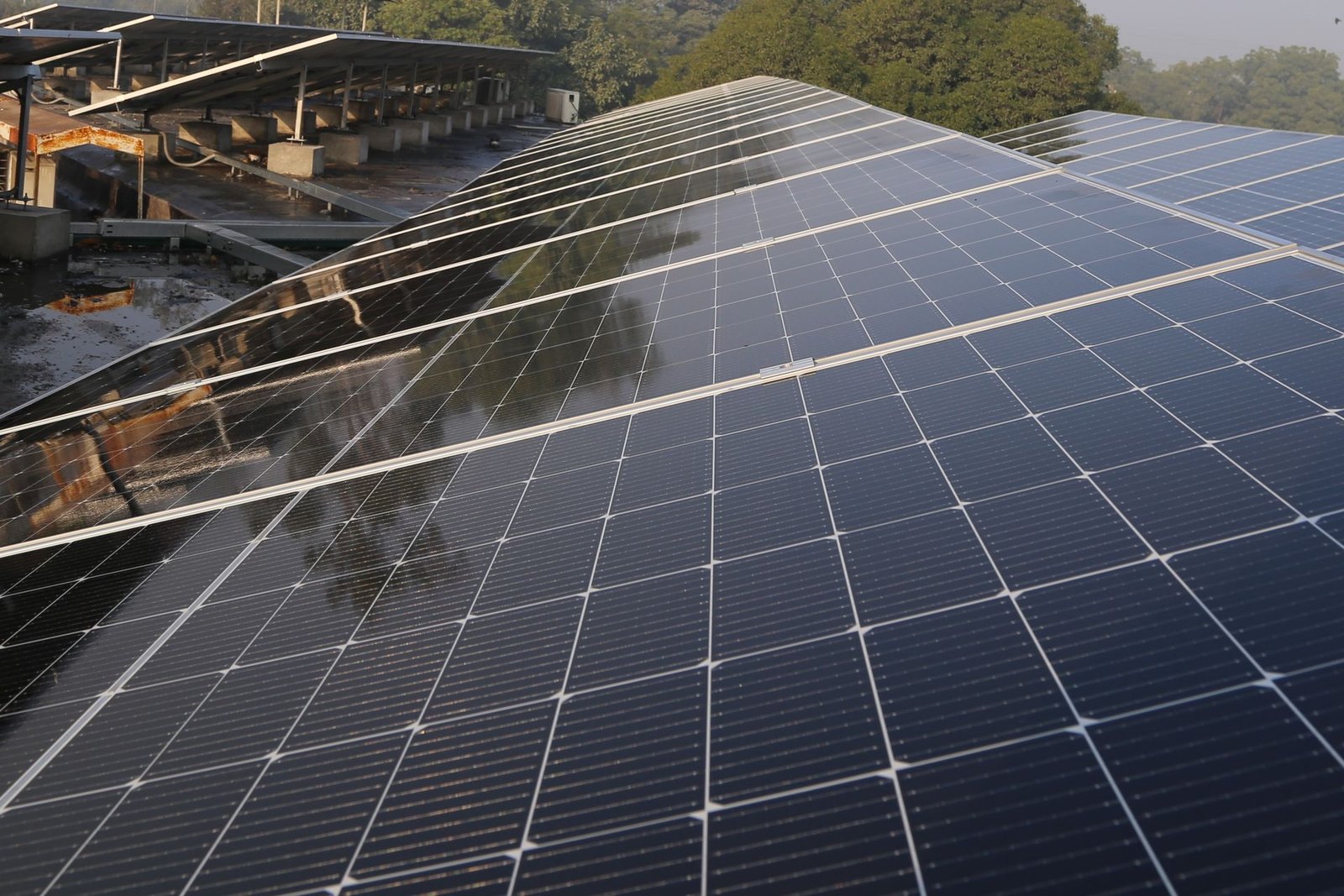

Solar energy is the most important pillar of the Energy Revolution 2026 because India receives sunlight for nearly 300 days every year. First, in the financial year 2026, India added around 45 GW of new solar capacity, which is a record for any single year in the country’s history. Second, the Energy Revolution 2026 has made solar power so cheap that the cost of generating one unit of electricity from solar is now around ₹3, while coal costs ₹4 or more. Third, large solar parks like Bhadla in Rajasthan (over 2,200 MW) are showing that massive solar farms can reliably feed power into the national grid. Fourth, the Energy Revolution 2026 promotes rooftop solar for homes, with the government offering subsidies up to 40% for systems up to 3 kW. Fifth, net metering allows homeowners to sell extra solar power back to the electricity company, reducing their bill to zero in many cases. Sixth, the Energy Revolution 2026 has attracted huge investments; in 2026 alone, solar projects received over ₹1.5 lakh crore from banks and international funds. Seventh, floating solar panels on dams and lakes are a new trend in the Energy Revolution 2026, saving land and reducing water evaporation. Eighth, the government has made it mandatory for new buildings in many cities to install solar water heaters, spreading the benefits widely. Ninth, rural areas are the biggest winners of the Energy Revolution 2026 because solar pumps for farming reduce diesel costs and provide reliable water. Tenth, if you install a 3 kW solar system on your roof today, you can recover your entire investment in just 4 to 5 years through electricity savings. These ten points prove that solar power is not just an option but the backbone of the Energy Revolution 2026.
3: The Role of Green Hydrogen in the Energy Revolution 2026

While solar and wind are great for homes and offices, heavy industries need a different solution, and that is where green hydrogen enters the Energy Revolution 2026. First, green hydrogen is made by using solar or wind electricity to split water into hydrogen and oxygen, with zero pollution. Second, the Energy Revolution 2026 includes the National Green Hydrogen Mission of India, which has already commissioned 8,000 tonnes of green hydrogen production by February 2026. Third, the mission aims to produce 5 million metric tonnes of green hydrogen every year by 2030, making India a global export hub. Fourth, green hydrogen is used in fertilizer factories, steel plants, and refineries to replace dirty “grey hydrogen” made from natural gas. Fifth, the Energy Revolution 2026 sees green hydrogen as a way to reduce India’s import bill for ammonia and natural gas, saving over ₹1 trillion annually. Sixth, the government has awarded contracts for 3,000 MW of electrolyzer manufacturing capacity, which are the machines that produce hydrogen. Seventh, the Energy Revolution 2026 also promotes green hydrogen for heavy trucks and buses, as batteries are too heavy for long-distance transport. Eighth, Indian companies like Reliance, Adani, and NTPC are investing billions of dollars in green hydrogen plants in Gujarat and Odisha. Ninth, the Energy Revolution 2026 expects green hydrogen to create over 100,000 skilled jobs for engineers, chemists, and plant operators by 2030. Tenth, while a normal person may not use hydrogen directly, you benefit from cleaner air, stable electricity prices, and new career opportunities in this growing field. These ten facts explain why green hydrogen is a critical part of the Energy Revolution 2026 for India’s industrial future.
4: Electric Vehicles Driving the Energy Revolution 2026 Forward

The Energy Revolution 2026 is not complete without talking about electric vehicles, because transportation is responsible for nearly 40% of India’s oil consumption. First, in 2026, electric vehicle sales in India grew by 45% compared to the previous year, crossing 10% of all vehicle sales for the first time. Second, the Energy Revolution 2026 has made electric two-wheelers very affordable, with models starting at just ₹70,000 after subsidies. Third, an electric scooter costs only ₹0.50 per kilometer to run, compared to ₹2.50 per kilometer for a petrol scooter, saving you ₹3,000 every month. Fourth, the Energy Revolution 2026 includes a massive expansion of charging stations, with over 10,000 public chargers installed in 2026 alone. Fifth, many new apartment complexes and office buildings now provide EV charging in their parking areas, making ownership easier. Sixth, the Energy Revolution 2026 is pushing for battery swapping stations, where you can replace a dead battery with a full one in under two minutes. Seventh, electric three-wheelers (auto-rickshaws) are becoming the favorite of drivers in cities like Delhi and Bengaluru because they cut daily fuel costs by 70%. Eighth, the government has reduced GST on electric vehicles to 5%, while petrol vehicles still attract 28% GST, making EVs cheaper to buy. Ninth, the Energy Revolution 2026 expects that by 2030, every second two-wheeler sold in India will be electric, creating a huge market for batteries and chargers. Tenth, if you are planning to buy a new vehicle for your family or business, switching to an electric model is the single best way to join the Energy Revolution 2026 and save money every single day. These ten reasons show why EVs are racing ahead in this revolution.
5: Energy Storage Makes the Energy Revolution 2026 Reliable
One common question people ask is: what happens when the sun does not shine or the wind does not blow? The answer is energy storage, and it is a game-changer for the Energy Revolution 2026. First, energy storage means large batteries that store solar power generated during the day and release it at night. Second, in 2026, India’s battery storage capacity jumped nearly ten times, from 507 MWh to about 5 GWh. Third, the Energy Revolution 2026 uses lithium-ion batteries for most storage, but new technologies like iron-air and sodium-ion batteries are arriving. Fourth, iron-air batteries are cheaper and safer because they use iron, air, and water instead of expensive metals like cobalt. Fifth, a single battery storage plant of 1,000 MWh can power 200,000 homes for five hours during evening peak demand. Sixth, the Energy Revolution 2026 also includes pumped hydro storage, where water is pumped uphill using solar power and then released to generate electricity at night. Seventh, for a normal household, adding a 5 kWh battery to your rooftop solar system can make you completely independent from the grid. Eighth, batteries also support electric vehicles by allowing you to charge your car during the day using your solar panels and then drive at night. Ninth, the Energy Revolution 2026 predicts that battery prices will fall to $80 per kWh by 2026, making storage affordable for middle-class families. Tenth, with enough storage, India can run entirely on renewable energy for many hours of the day, reducing the need for coal plants. These ten points explain why storage is the secret weapon of the Energy Revolution 2026, solving the problem of night-time power once and for all.
6: Small Modular Reactors (SMRs) in the Energy Revolution 2026
Many people do not know that nuclear power is also part of the Energy Revolution 2026, but in a new and smaller form called Small Modular Reactors. First, SMRs are nuclear reactors that are much smaller than traditional plants, with a capacity of 50 MW to 300 MW instead of 1,000 MW. Second, the Energy Revolution 2026 favors SMRs because they can be built in a factory and transported to any location, reducing construction time from 10 years to just 2 years. Third, India’s Tata Power is planning to build a 440 MW Bharat Small Modular Reactor in collaboration with the government. Fourth, SMRs are safer than old nuclear plants because they use passive cooling systems that work even without electricity or human intervention. Fifth, the Energy Revolution 2026 sees SMRs as perfect for powering industrial clusters, data centers, and remote areas that need reliable 24/7 power. Sixth, the Indian government has already set aside funds for SMR research and development under the Nuclear Energy Mission. Seventh, SMRs produce no carbon emissions and very little waste, making them a clean complement to solar and wind. Eighth, the Energy Revolution 2026 targets 100 GW of nuclear capacity in India by 2047, with SMRs making up a significant portion. Ninth, while you may not see an SMR in your neighborhood, their presence in the national grid ensures that electricity prices remain stable when renewable output is low. Tenth, the Energy Revolution 2026 combines SMRs with solar and storage to create a resilient, zero-carbon energy system for the entire country. These ten facts show that nuclear power, in its new small form, has a clear place in the Energy Revolution 2026.
7: Smart Grids and AI Managing the Energy Revolution 2026

Managing millions of solar panels, batteries, EVs, and wind farms is a very complex job, but the Energy Revolution 2026 uses smart grids and artificial intelligence to do it. First, a smart grid is an electricity network that uses digital sensors and computers to monitor power flow in real time. Second, the Energy Revolution 2026 deploys AI to predict how much solar power will be generated tomorrow based on weather forecasts. Third, AI also predicts how much electricity people will need at different times of the day, so the grid can prepare in advance. Fourth, when there is a sudden cloud cover, a smart grid automatically pulls power from batteries to prevent a blackout. Fifth, the Energy Revolution 2026 has partnered with companies like Tata Power and Schneider Electric to deploy smart grid technology in states like Gujarat and Odisha. Sixth, smart meters installed in homes give you real-time data on your electricity use, helping you shift heavy appliances to cheaper hours. Seventh, the Energy Revolution 2026 also uses AI to detect electricity theft or faults in the grid, reducing losses for power companies. Eighth, vehicle-to-grid technology allows your EV battery to send power back to your home during evening peak hours, lowering your bill. Ninth, smart grids enable “demand response,” where factories automatically reduce power use during high-demand periods in exchange for lower rates. Tenth, the Energy Revolution 2026 promises that by 2030, India’s entire national grid will be run by AI with minimal human intervention, making power cuts a rare event. These ten points explain how smart brains behind the scenes make the Energy Revolution 2026 work smoothly for everyone.
8: Real-Life Indian Heroes of the Energy Revolution 2026
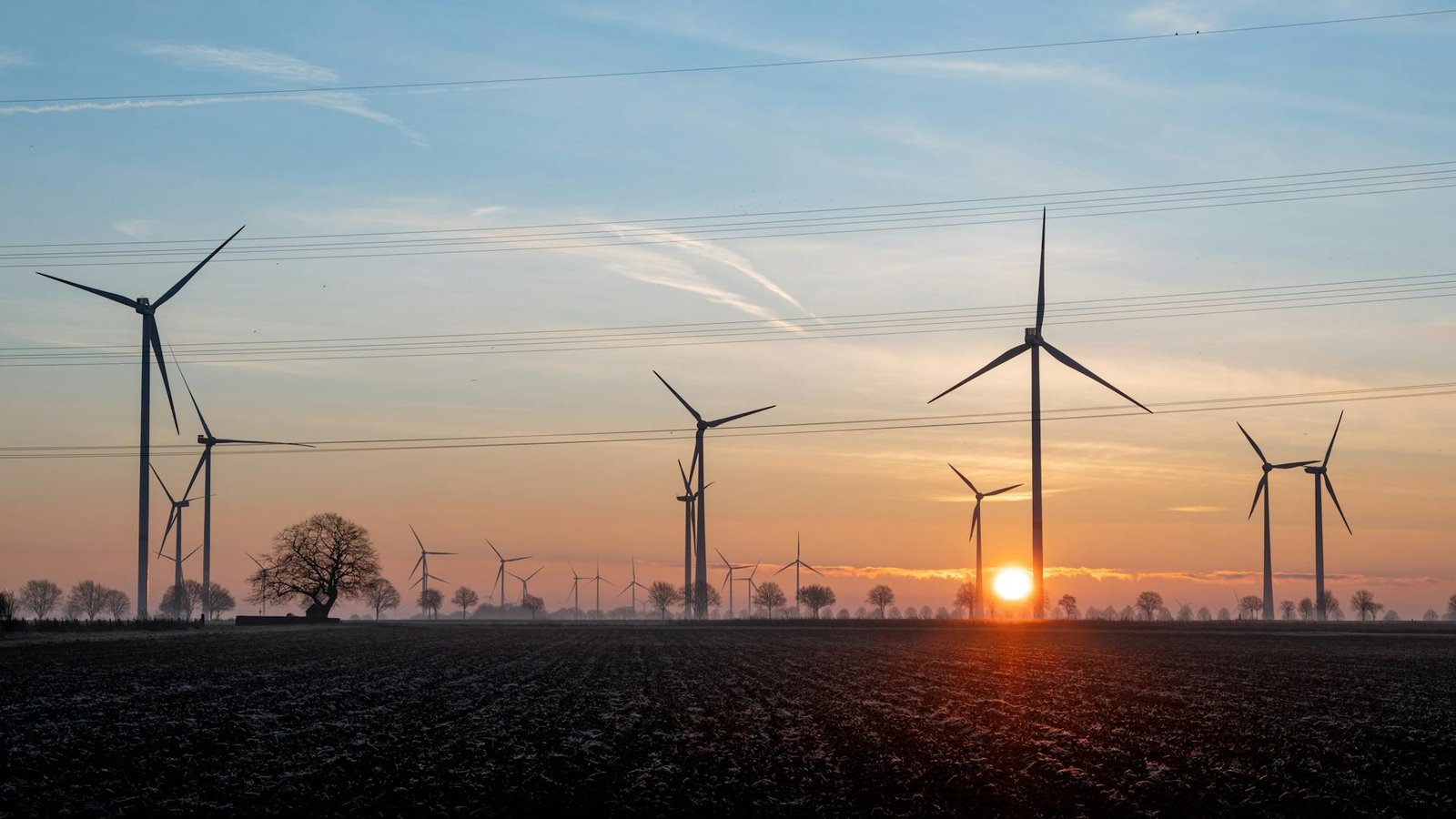
The Energy Revolution 2026 is not just about machines and policies; it is about real people like you and me who are changing their lives. First, meet Ramesh, a farmer from Solapur, Maharashtra, who installed a 5 kW rooftop solar system with a small battery. Second, before the Energy Revolution 2026, Ramesh faced frequent power cuts that damaged his water pump and crops. Third, today, Ramesh runs his pump on solar power during the day and uses battery storage to light his home at night. Fourth, his electricity bill dropped from ₹2,500 per month to almost zero, and he earns ₹1,500 selling surplus power to the grid. Fifth, Ramesh is a real hero of the Energy Revolution 2026 because he proves that even a small farmer can benefit from clean energy. Sixth, meet Priya, a Zomato delivery partner in Bengaluru, who switched from a petrol scooter to an electric scooter in early 2026. Seventh, Priya now saves ₹3,000 every month on fuel, and she charges her scooter at home using her landlord’s rooftop solar. Eighth, meet Rajesh, an electrician from Gorakhpur, who took a free government solar installation course and now runs his own business. Ninth, Rajesh earns over ₹40,000 per month, has hired two assistants, and is a proud participant in the Energy Revolution 2026. Tenth, these three stories show that whether you are a farmer, a delivery driver, or a small-town electrician, the Energy Revolution 2026 offers real opportunities to save money, build a career, and live a better life. Take inspiration from Ramesh, Priya, and Rajesh, and find your own path into this revolution.
9: Simple Ways You Can Join the Energy Revolution 2026 Today
You do not need to be an engineer or a rich person to be part of the Energy Revolution 2026. Here are ten simple, practical ways anyone can join starting today. First, if you own a house with a terrace, get a free quote for rooftop solar panels from a local installer; the investment pays back in 3 to 4 years. Second, if you are planning to buy a new scooter or bike, choose an electric model; you will save thousands of rupees on petrol every year. Third, replace all old fans, bulbs, and fridges with 5-star rated energy-efficient appliances; they use 40% less electricity. Fourth, install a solar water heater on your roof; it can reduce your electricity bill by 15% and pay for itself in two years. Fifth, if you live in an apartment society, propose a shared rooftop solar system for common areas like lights and lifts. Sixth, download a free energy audit app on your phone to find out which appliances in your home waste the most electricity. Seventh, if you are a student or a job seeker, enroll in a free government training program for solar installation or EV repair. Eighth, talk to your local electricity company about net metering rules; you can sell your extra solar power and earn credits. Ninth, share this article with your friends and family; awareness is the first step of the Energy Revolution 2026. Tenth, start small: even changing five old bulbs to LED lights saves you ₹500 per year and reduces your carbon footprint. The Energy Revolution 2026 is not a distant dream; it is a collection of small daily actions. Pick one action from this list and do it this week. That is how revolutions are built – one person, one home, one step at a time.
10: The Future Beyond 2026 and Your Role in the Energy Revolution 2026
The Energy Revolution 2026 is not the end; it is just the beginning of a much larger transformation that will continue to 2030 and beyond. First, by 2030, India aims to have 500 GW of non-fossil fuel capacity, and 2026 is the critical halfway point. Second, solar power will become the world’s largest source of electricity by 2032, overtaking coal globally. Third, the Energy Revolution 2026 predicts that battery storage capacity will grow 17 times by 2050, making renewable energy available 24/7. Fourth, green hydrogen production in India is expected to reach 5 million tonnes per year by 2030, creating a ₹8 lakh crore industry. Fifth, electric vehicles will make up 30% of all new car sales globally by 2030, and India will follow this trend closely. Sixth, the Energy Revolution 2026 expects that smart grids and AI will fully automate power distribution by 2035, ending manual meter reading and billing errors. Seventh, Small Modular Reactors will start commercial operation in India by 2030, providing stable, clean power for industries. Eighth, the cost of solar electricity could drop below ₹2 per unit by 2030, making it the cheapest energy in human history. Ninth, your role in the Energy Revolution 2026 is to stay informed, adopt clean technologies in your home and transport, and encourage others to do the same. Tenth, remember the words of Ramesh, Priya, and Rajesh: the revolution is not about waiting for the government to act; it is about taking one small step today. The Energy Revolution 2026 is open to everyone. The sun gives its energy freely to all. The wind blows for everyone. Now is the time to capture that power and build a cleaner, cheaper, and brighter future for India. Join the Energy Revolution 2026 today – your wallet, your health, and your children will thank you.
Conclusion: Your Part in the Energy Revolution 2026 Starts Now
The conclusion of this guide brings together everything we have learned about the Energy Revolution 2026 and gives you a final, motivating push to take action. First, remember that the Energy Revolution 2026 has made solar power the cheapest source of electricity in India, saving families thousands of rupees every year. Second, battery storage has matured to the point where you can store solar energy during the day and use it at night, ending the old problem of power cuts. Third, green hydrogen is cleaning up heavy industries, and India is on track to become a global export hub for this clean fuel. Fourth, electric vehicles are now affordable and practical, with charging stations appearing in every city and on every highway. Fifth, Small Modular Reactors are bringing safe, 24/7 nuclear power back into the mix, supporting solar and wind when the weather is bad. Sixth, smart grids and AI are making the entire electricity system more efficient, reducing losses and preventing blackouts before they happen. Seventh, the Energy Revolution 2026 has already created millions of jobs in solar installation, EV repair, battery manufacturing, and data analytics, and many more jobs are coming. Eighth, real-life heroes like Ramesh, Priya, and Rajesh have shown that ordinary people can benefit from this revolution without any special background or wealth. Ninth, the ten simple actions listed in this guide—from installing rooftop solar to switching to LED bulbs—prove that every small step matters and adds up to a big change. Tenth, the Energy Revolution 2026 is not something you should watch from a distance; it is an open invitation to improve your own life, save money, breathe cleaner air, and build a better future for your children. Do not wait for the government or for big companies to act. Start today. Call a solar installer for a free quote. Research electric scooters for your next purchase. Share this guide with a friend. The Energy Revolution 2026 is powered by people like you. Take the first step now, and you will never look back. Clean energy is not just good for the planet; it is good for your wallet and your health. Join the revolution today.
FAQ: Frequently Asked Questions About the Energy Revolution 2026
FAQ 1: What exactly is the Energy Revolution 2026 in simple words?
The Energy Revolution 2026 simply means that India and the world are switching from dirty fuels like coal and petrol to clean sources like solar, wind, and green hydrogen. This change is happening very fast in 2026 because solar power has become cheaper than coal, and batteries can now store electricity for night use. The Energy Revolution 2026 affects your electricity bill, your car, and even the air you breathe. It is a positive change that saves money and protects the environment.
FAQ 2: How does the Energy Revolution 2026 help me save money on my electricity bill?
The Energy Revolution 2026 helps you save money mainly through rooftop solar panels. When you install solar panels on your roof, you generate your own free electricity from sunlight. You can also use net metering to sell extra power back to the grid. The Energy Revolution 2026 has brought down solar panel prices so much that a home system pays for itself in just 3 to 4 years. After that, your electricity bill becomes almost zero.
FAQ 3: Can I use solar power at night during the Energy Revolution 2026?
Yes, you can. The Energy Revolution 2026 has solved the night-time problem with energy storage batteries. During the day, your solar panels charge a battery. At night, that battery provides electricity for your fans, lights, and even your refrigerator. The Energy Revolution 2026 has made battery prices drop by nearly 50% in the last two years, so adding a battery to your solar system is now affordable for many middle-class families.
FAQ 4: Is green hydrogen part of the Energy Revolution 2026 for ordinary people?
Green hydrogen is mostly for heavy industries and long-distance trucks, but ordinary people benefit indirectly from it. The Energy Revolution 2026 uses green hydrogen to clean up fertilizer factories, steel plants, and refineries. This means less pollution in industrial areas and lower prices for goods like steel and cement. The Energy Revolution 2026 also creates high-quality jobs for engineers and technicians in green hydrogen plants, which helps the overall economy.
FAQ 5: Should I buy an electric vehicle now or wait for better technology?
You should seriously consider buying an electric vehicle now because the Energy Revolution 2026 has already made them very good and affordable. Electric scooters now cost as low as ₹70,000 after subsidies. Battery technology is mature, and charging stations are expanding fast. Waiting for “better” technology means losing savings on fuel every month. The Energy Revolution 2026 shows that electric vehicles already save you ₹3,000 or more per month compared to petrol.
FAQ 6: What are Small Modular Reactors in the Energy Revolution 2026?
Small Modular Reactors, or SMRs, are mini nuclear power plants that produce 50 to 300 MW of electricity. The Energy Revolution 2026 includes SMRs because they provide 24/7 clean power without any carbon emissions. Unlike old nuclear plants, SMRs are built in factories and are much safer. The Energy Revolution 2026 plans to deploy SMRs to power industrial clusters and data centers, ensuring stable electricity prices even when the sun is not shining.
FAQ 7: How can a student or job seeker benefit from the Energy Revolution 2026?
The Energy Revolution 2026 is creating millions of new jobs that do not require a college degree. Students can take free government training programs in solar panel installation, electric vehicle repair, and battery maintenance. The Energy Revolution 2026 also needs data analysts, sales agents, and customer support staff for energy companies. Even a high school graduate can earn ₹25,000 to ₹40,000 per month in these green jobs. Check the Ministry of Skill Development’s website for free courses.
FAQ 8: Does the Energy Revolution 2026 mean India will stop using coal completely?
Not immediately. The Energy Revolution 2026 recognizes that India’s energy demand is growing very fast, so coal will still be used for another 10 to 15 years. However, the share of coal in India’s electricity mix is slowly decreasing. The Energy Revolution 2026 aims to add so much solar, wind, storage, and nuclear that new coal plants will not be needed after 2026. Existing coal plants will run less and less as renewables become cheaper and more reliable.
FAQ 9: What is the role of artificial intelligence in the Energy Revolution 2026?
Artificial intelligence, or AI, acts as the brain of the Energy Revolution 2026. AI predicts how much solar power will be generated tomorrow based on weather forecasts. It also predicts how much electricity people will need at different times. When clouds block the sun, AI immediately orders batteries to discharge power. The Energy Revolution 2026 uses AI to detect electricity theft, prevent blackouts, and reduce waste. Without AI, managing millions of solar panels and batteries would be impossible.
FAQ 10: What is the first step I should take to join the Energy Revolution 2026?
Your first step should be a small, easy, and low-cost action. The Energy Revolution 2026 recommends that you start by replacing all old bulbs in your home with LED bulbs. This costs very little and saves you ₹500 to ₹1,000 per year. Then, call a solar company for a free rooftop assessment. Most companies offer this free of charge. The Energy Revolution 2026 is built on many small steps. Once you see the savings from LEDs, you will feel confident to install solar panels or buy an electric scooter. Start today.