


Description: Your Complete Guide to Dental Opportunity India 2026


Welcome to the most comprehensive guide you will ever read about the Dental Opportunity India 2026. This detailed post has been carefully researched and written to help you understand why the year 2026 represents a turning point for dental care in India and how you can be part of this exciting growth story. Whether you are a dentist looking to start your own practice, an investor searching for the next big opportunity in healthcare, or an entrepreneur exploring new business ventures, this guide has been created with you in mind. We have taken great care to explain every concept in simple, clear language that anyone can understand, while still providing the depth and detail that professionals need to make informed decisions.
Throughout this extensive guide, you will discover why nearly eighty percent of Indians have dental problems but less than ten percent visit dentists regularly. You will learn about the massive gap between what people need and what is currently available, and why this gap creates such an enormous opportunity for those who understand it. We have explored the two different Indias that exist when it comes to dental care, explaining how the needs of people in metropolitan cities differ from those in tier-two and tier-three cities, and why both markets offer unique opportunities for success. You will understand why tier-two cities like Lucknow, Jaipur, Indore, and Nagpur are becoming gold mines for dental entrepreneurs, with lower competition, affordable rentals, and patients who value long-term relationships with their healthcare providers.

Technology is playing a huge role in expanding the Dental Opportunity India 2026, and we have explained in simple terms how innovations like intraoral cameras, AI-powered sterilization monitoring, invisible aligners, laser dentistry, and tele-dentistry are making dental care more accessible and attractive to ordinary Indians. You will read inspiring real-life stories of people who have already found success in this field, from the Vishnu Dental Clinics bringing quality care to remote villages in Andhra Pradesh, to Clove Dental building a nationwide chain of over six hundred fifty clinics, to individual practitioners like Dr. Priya in Nagpur and Dr. Sharma in Jaipur who built thriving practices through community trust and genuine patient care.
This guide does not just tell you about the opportunity; it gives you a clear, step-by-step action plan for seizing it. You will learn how to choose the right location for your practice, what equipment to invest in first, how to build trust in your community, how to make your services affordable through creative payment options, and how to use technology wisely. We have also been honest about the challenges you may face, from patient fear and price sensitivity to maintaining quality as you grow, and we have provided practical solutions for each challenge. The mobile dental clinic revolution is explained in detail, showing how specially equipped vans can bring care to completely underserved rural populations. The important shift toward preventive care is examined, explaining why this trend is growing and how you can benefit from it.
By the time you finish reading this guide, you will have a complete understanding of the Dental Opportunity India 2026 and a clear roadmap for how to participate in it. Whether you choose to open a practice in a growing tier-two city, invest in an established dental chain, launch a mobile clinic serving rural areas, or create a business providing supporting services to the dental sector, you will have the knowledge you need to make wise decisions and take confident action.
Point One: The Macroeconomic and Social Factors Converging to Create Dental Opportunity India 2026


The emergence of the Dental Opportunity India 2026 cannot be attributed to any single factor but rather represents the convergence of multiple macroeconomic and social trends that are simultaneously reaching critical mass. Understanding these converging forces is essential for anyone seeking to position themselves advantageously within this expanding market. The first and perhaps most significant factor is the fundamental shift in health consciousness that has occurred in the aftermath of the global pandemic. The COVID-19 experience fundamentally altered how Indians think about health, immunity, and preventive care. Prior to the pandemic, health was largely viewed through a reactive lens, meaning that people sought medical attention only when symptoms became unbearable. The pandemic experience, however, embedded the concept of proactive health management into the collective consciousness of the population. People now understand that maintaining health requires ongoing attention, not just emergency intervention. This philosophical shift extends naturally to oral health, as people increasingly recognize that the mouth is not separate from the body but rather an integral component of overall systemic health.
The medical literature has long established connections between oral health and various systemic conditions. Periodontal disease has been linked to increased risk of cardiovascular problems, complications in diabetes management, adverse pregnancy outcomes, and even respiratory infections. As this knowledge disseminates through the population via digital media, television programming, and healthcare professional communications, the perceived importance of dental care rises correspondingly. When a person understands that inflamed gums can contribute to heart disease or that dental infections can make diabetes harder to control, regular dental visits transform from optional luxury to essential health maintenance. This cognitive shift is gradually expanding the addressable market for dental services, creating the demand side of the Dental Opportunity India 2026 equation.
The second major factor is the unprecedented penetration of digital technology into every corner of Indian society. Smartphone ownership has reached even remote villages, and affordable data plans mean that health information is literally at everyone’s fingertips. When a farmer in rural Bihar watches a YouTube video explaining how tooth decay develops or sees an Instagram advertisement for painless root canal treatment, their perception of dental care changes. They become aware of possibilities they never knew existed and begin to consider treatments they would previously have dismissed as unavailable or unaffordable. This digital awareness creation is happening on a massive scale, with health-related content reaching hundreds of millions of Indians daily. The Dental Opportunity India 2026 is being fueled by this unprecedented flow of information that is creating demand where previously there was only ignorance and acceptance of poor oral health as normal.
The third factor involves institutional changes in how dental health is addressed within existing systems. Educational institutions across India, both government and private, are increasingly mandating annual health check-ups that include dental examinations. When a child returns home with a school report indicating the need for dental treatment, parents pay attention in ways they might not for their own symptoms. Children become the catalysts that bring dental awareness into households and create the motivation for action. Similarly, corporate employers are increasingly including dental coverage in their health insurance packages and organizing dental camps as part of employee wellness programs. When dental care becomes a paid-for benefit rather than an out-of-pocket expense, utilization rates increase dramatically. These institutional mechanisms are systematically reducing barriers to access and normalizing dental care as a routine aspect of life, thereby expanding the base of the Dental Opportunity India 2026.
The fourth factor is the evolution of government policy toward healthcare in general and dental health specifically. The National Oral Health Programme represents a significant step forward in recognizing dental health as a public health priority. Through this program, the government is actively seeking public-private partnerships that can extend dental services into underserved areas. When government policy aligns with private sector capability, the potential for scaled impact multiplies dramatically. The Dental Opportunity India 2026 benefits from this policy environment that reduces regulatory friction and provides institutional support for expansion into previously neglected areas.
The fifth factor involves changing demographic and economic realities. India’s working-age population is larger than ever, with rising disposable incomes particularly in tier-two and tier-three cities. This demographic has greater capacity to pay for healthcare services and greater exposure to global standards of care through media and travel. They want the same quality of life that they see in developed countries, and this includes maintaining good oral health and appearance. The Dental Opportunity India 2026 is fundamentally a story of rising aspirations meeting improving capability to deliver on those aspirations.
Point Two: The Distinct Market Segmentation Within Dental Opportunity India 2026

A sophisticated understanding of the Dental Opportunity India 2026 requires recognizing that India does not constitute a single homogeneous market but rather presents at least two fundamentally distinct market segments that require different approaches, different value propositions, and different operational models. The failure to recognize this segmentation has doomed many well-intentioned healthcare ventures that attempted to apply a uniform strategy across the diverse Indian landscape. The first segment, which we may characterize as Metropolis India, encompasses the major metropolitan centers including Delhi National Capital Region, Mumbai Metropolitan Region, Bengaluru, Chennai, Hyderabad, and Pune. These cities concentrate approximately thirty percent of India’s population but account for a much larger share of organized economic activity and disposable income. The consumer in Metropolis India is typically well-educated, globally connected, and exposed to international standards of healthcare through media, travel, and professional networks. Their expectations for dental care reflect this exposure. They seek cosmetic procedures such as teeth whitening and invisible aligners. They are willing to pay premium prices for convenience, comfort, and aesthetic outcomes. They value the latest technology and appreciate clinical environments that feel modern and professional.
The dental practice serving Metropolis India must therefore invest significantly in infrastructure, technology, and ambience. The clinical team needs advanced training in cosmetic procedures and must communicate confidently with discerning patients who may have researched their conditions extensively online. Marketing in this segment relies heavily on digital channels, social media presence, and professional referrals. The competitive intensity is high, with thousands of practitioners vying for patients in each metropolitan area. Success in this segment of the Dental Opportunity India 2026 requires either exceptional clinical differentiation or significant scale to achieve operational efficiencies.
The second segment, which we may characterize as Bharat India, encompasses the tier-two cities such as Lucknow, Jaipur, Indore, Nagpur, and Coimbatore, as well as the thousands of smaller towns and rural areas that constitute the demographic heart of the nation. This is where approximately seventy percent of Indians reside, yet it receives a disproportionately small share of organized healthcare delivery. The consumer in Bharat India has different priorities and constraints. They typically seek dental care when pain or functional impairment forces the issue. Their primary concerns are relief from suffering, restoration of function, and affordability. Cosmetic considerations, while not irrelevant, are secondary to practical outcomes. They value reliability and trust more than flashy technology. They respond to word-of-mouth recommendations from people they know rather than digital advertising.
The dental practice serving Bharat India must therefore focus on delivering high-quality basic services efficiently and affordably. Root canal treatments, extractions, fillings, and dentures constitute the core service mix. The clinical environment must be clean and professional but need not rival a five-star hotel. The team must be skilled at patient education and building long-term relationships. Pricing must be transparent and structured to accommodate limited ability to pay large sums at once. Success in this segment of the Dental Opportunity India 2026 comes from understanding local community dynamics, building trust systematically, and operating with cost structures that allow reasonable margins at accessible price points.
The most sophisticated players in the Dental Opportunity India 2026 recognize that the greatest opportunity lies in what might be called the convergence zone between these two Indias. This means delivering Metropolis India quality at Bharat India prices. When a practice in a tier-two city offers the same sterilization protocols, the same quality of materials, and the same clinical expertise available in metropolitan centers, but at prices calibrated to local economic realities, they create an irresistible value proposition. Patients who previously traveled to big cities for treatment or suffered without care now have a local option they can trust. The practice builds volume rapidly through word-of-mouth as satisfied patients become enthusiastic advocates. This convergence model represents perhaps the most attractive entry point within the Dental Opportunity India 2026 because it combines the operational advantages of serving underserved markets with the clinical satisfaction of delivering genuine quality.
The segmentation analysis also reveals important insights about workforce strategy. Dentists practicing in Bharat India often report greater professional satisfaction because they are meeting genuine need and building deep community connections. The work-life balance can be better than in hyper-competitive metropolitan markets. The cost of living is lower, allowing comfortable lifestyles on practice incomes that might seem modest by metropolitan standards. These factors make tier-two and tier-three practice locations attractive for dentists who value quality of life and meaningful impact over maximum income. Understanding these workforce dynamics is essential for anyone planning to build a multi-location practice within the Dental Opportunity India 2026 framework.
Point Three: The Compelling Economic Case for Tier-Two and Tier-Three Cities in Dental Opportunity India 2026

When serious investors and practitioners evaluate the Dental Opportunity India 2026, they inevitably confront the question of geographic focus. The data increasingly supports the conclusion that tier-two and tier-three cities offer superior economics compared to saturated metropolitan markets. Understanding why this is true requires examining multiple dimensions of practice economics. The first dimension is competition intensity. In a city like Delhi, estimates suggest there are more than ten thousand dental clinics serving a population of approximately thirty million people. This means patients have numerous options within any given neighborhood, and practices must compete aggressively on price, convenience, or perceived quality to attract and retain patients. The cost of customer acquisition in such an environment is necessarily high, whether measured in marketing expenditure, discounted initial consultations, or investment in facilities designed to outshine competitors.
Contrast this with a typical tier-two city of perhaps three million people. The number of quality dental clinics may be in the dozens rather than thousands. In many neighborhoods, a well-equipped clinic following proper sterilization protocols may be the only option within reasonable distance. Patients in such an environment are not shopping around; they are grateful to have a trustworthy option close to home. The cost of acquiring each new patient is dramatically lower because word-of-mouth operates efficiently in communities where social networks are dense and people actually know their neighbors. A single satisfied patient can generate multiple referrals within weeks, creating organic growth that requires minimal marketing expenditure. This fundamental difference in competitive intensity creates vastly superior unit economics for practices in the Dental Opportunity India 2026 that choose to locate in less saturated markets.
The second dimension is operating costs, particularly the cost of physical space. Commercial real estate in metropolitan India has reached astronomical levels, with prime locations commanding rents that would be unthinkable in most global cities. A dental practice needs sufficient space for multiple treatment rooms, sterilization areas, reception, and administrative functions. In Mumbai or Bengaluru, securing such space in a accessible location requires a significant portion of monthly revenue simply to cover rent. In a tier-two city, the same quality of space in a prime location costs a fraction of that amount. This difference flows directly to the bottom line, allowing practices to achieve profitability faster and maintain healthier margins even while charging prices appropriate to local economic conditions.
The third dimension is patient loyalty and lifetime value. In metropolitan markets, patients frequently switch providers based on convenience, insurance networks, or minor dissatisfaction. The relationship between patient and practitioner tends to be transactional rather than relational. In smaller cities, by contrast, patients value continuity and build genuine relationships with their healthcare providers. Once a patient trusts a dentist, they tend to remain with that practice for decades, bringing their entire family and referring their extended social network. The lifetime value of a patient acquired in a tier-two city is substantially higher than in a metro market because the retention rate is higher and the referral multiplier is larger. This patient loyalty creates a stable revenue base that allows for confident planning and investment in practice growth.
The fourth dimension relates to predictability of demand. The service mix in tier-two and tier-three cities is dominated by essential, non-discretionary procedures. People will always need root canals for infected teeth, fillings for cavities, extractions for hopeless teeth, and dentures for missing teeth. These procedures are not subject to fashion trends or economic cycles in the way that cosmetic procedures might be. Even during economic downturns, people ultimately address dental pain because it affects their ability to eat, work, and function normally. This predictable, recurring demand provides stability that is highly valued by practice owners and investors alike. The Dental Opportunity India 2026 in smaller cities is built on this foundation of essential, evergreen demand.
The fifth dimension involves the potential for market leadership and first-mover advantages. In many tier-two and tier-three cities, organized dentistry with proper quality standards is still in its infancy. A practitioner or chain that enters such a market with genuine commitment to quality, proper sterilization protocols, and patient-centered service can establish itself as the market leader before significant competition emerges. This leadership position creates advantages that persist for years, including top-of-mind awareness, preferential relationships with referral sources, and the ability to attract the best local talent. These advantages are difficult for later entrants to overcome, making early entry into underserved markets a powerful strategy within the Dental Opportunity India 2026.
Point Four: The Transformative Role of Technology in Expanding Dental Opportunity India 2026

Technology is not merely an adjunct to the Dental Opportunity India 2026 but rather a fundamental enabler that is transforming what is possible in dental care delivery across the subcontinent. The traditional image of dentistry as a painful, anxiety-provoking experience involving mysterious instruments and uncomfortable procedures is being systematically replaced by a new reality of precision, comfort, and patient empowerment. Understanding how technology enables this transformation is essential for anyone seeking to participate in the Dental Opportunity India 2026 at any level. The first technological innovation that deserves attention is the intraoral camera, a small handheld device with a high-resolution camera at its tip. When the dentist places this device in the patient’s mouth, the resulting images appear instantly on a monitor that both dentist and patient can view together. This seemingly simple capability has profound psychological and practical effects.
Previously, dentists had to describe problems to patients using words and diagrams, asking patients to trust their professional judgment about the existence and severity of dental issues. Many patients, lacking visual evidence, would postpone treatment or question the necessity of recommended procedures. The intraoral camera eliminates this communication gap entirely. When patients see the actual cavity in their own tooth, magnified and clearly visible on screen, they immediately understand why treatment is necessary. When they see the inflammation around their own gums, they grasp the importance of periodontal care. This visual evidence transforms the treatment acceptance conversation from persuasion to education. Patients who see their own problems with their own eyes are far more likely to proceed with recommended treatment. Practitioners report increases in treatment acceptance rates of thirty to forty percent after implementing intraoral cameras, a dramatic improvement that directly impacts practice revenue and patient health outcomes. This technology thus plays a crucial role in the Dental Opportunity India 2026 by converting curious visitors into committed patients.
The second technological domain involves sterilization and infection control, areas of paramount importance in the post-pandemic era. Indian patients are increasingly conscious of cleanliness and safety, having absorbed powerful lessons about infection transmission during the COVID-19 crisis. Advanced sterilization systems now incorporate computer vision and artificial intelligence to monitor every aspect of the cleaning process. Cameras observe instrument processing, and algorithms verify that each step has been completed correctly before signaling that instruments are ready for use. When patients see these sophisticated systems or learn about them through practice communications, their confidence in the practice increases substantially. They feel secure bringing their children, their elderly parents, and their most vulnerable family members for treatment. This trust is the foundation upon which lasting patient relationships are built within the Dental Opportunity India 2026.
The third technological revolution involves clear aligner therapy for orthodontic correction. Traditionally, adults requiring teeth straightening faced an unappealing choice between living with misaligned teeth or wearing visible metal braces for one to two years. Many professionals, particularly those in client-facing roles, chose to forego treatment rather than endure the professional embarrassment of metal braces. Clear aligners have eliminated this trade-off entirely. These transparent, removable appliances gradually shift teeth into proper alignment without any visible indication that treatment is occurring. Patients change to a new set of aligners every two weeks, and the treatment progresses steadily toward the desired outcome. This technology has opened an enormous market of adult patients who desire straighter teeth but were previously unwilling to accept the aesthetic costs of traditional braces. The clear aligner segment is growing explosively and represents a significant component of the Dental Opportunity India 2026.
The fourth technological domain is laser dentistry, which addresses perhaps the single greatest barrier to dental care utilization: fear of pain. Many Indians avoid dental visits specifically because they fear the injection of local anesthesia and the sensation of the dental drill. Laser technology allows many procedures to be performed without either. The laser cuts and cauterizes tissue simultaneously, causing minimal discomfort, reduced bleeding, and faster healing. For patients with dental phobia, the availability of laser options can be the difference between avoiding care entirely and receiving necessary treatment. As laser technology becomes more affordable and portable, its availability will expand throughout the Dental Opportunity India 2026, bringing pain-free options to patients who previously suffered in silence.
The fifth technological enabler is tele-dentistry, which extends specialist expertise to locations where it would otherwise be unavailable. A general dentist in a small town can now consult with a specialist in a metropolitan center via secure video connection, discussing complex cases and receiving guidance on treatment planning. For procedures beyond the general dentist’s comfort zone, the tele-dentistry platform can facilitate referral coordination, ensuring that patients receive appropriate specialist care without unnecessary travel. This technology effectively flattens the geographic hierarchy of dental expertise, making the Dental Opportunity India 2026 accessible to populations previously excluded from advanced care.
Point Five: Learning from Exemplary Success Stories Within Dental Opportunity India 2026

The theoretical case for the Dental Opportunity India 2026 gains credibility and concreteness when examined through the lens of actual success stories from practitioners and organizations that have already demonstrated what is possible. These examples provide not only inspiration but also practical lessons about the strategies and approaches that succeed in the Indian context. The first and perhaps most instructive example is the Vishnu Dental Clinics network in Andhra Pradesh. This initiative began in 2012 when Vishnu Dental College, an established dental educational institution, decided to address the complete absence of dental care in remote coastal villages. Rather than viewing this as a charitable endeavor, the leadership approached it as a social business model that could be financially sustainable while serving genuine community need.
The Vishnu model involved establishing small clinics in villages where no dental services previously existed. These clinics were equipped with state-of-the-art technology, including tele-dentistry capabilities that allowed village-based dentists to consult with specialists at the main college campus. Services were priced affordably, with root canal treatment available for approximately twelve hundred rupees, a fraction of urban prices. Young dentists were recruited to staff these clinics, earning between twenty thousand and fifty thousand rupees monthly while gaining valuable clinical experience and serving underserved populations. The model proved viable, and today Vishnu operates forty-one clinics across Andhra Pradesh, with plans to expand into Telangana and Karnataka. Each clinic sees ten to fifteen patients daily for comprehensive treatments. Some patients are even Gulf migrants who return home specifically for treatment at these clinics, combining family visits with dental care. This example demonstrates that the Dental Opportunity India 2026 can be pursued successfully with a model that combines social mission with business discipline.
The second instructive example is Clove Dental, which has grown to become India’s largest organized dental chain with over six hundred fifty clinics across twenty-six cities and more than sixteen hundred employed dentists. What distinguishes Clove is its unwavering commitment to quality standardization in a sector where quality varies dramatically. Every Clove clinic undergoes bi-monthly audits using comprehensive checklists. Patient records are digitized and subject to peer review, meaning that treatment decisions are evaluated by other dentists to ensure appropriateness. Sterilization is monitored by artificial intelligence systems that verify proper cleaning before instruments are released for use. The organization conducts over thirteen hundred oral awareness camps monthly, building demand while also fulfilling its mission of improving oral health awareness.
Despite its impressive scale, Clove’s market share remains modest relative to the total opportunity. The organized dental sector in India accounts for only three to five percent of all dental practices, meaning that even the largest player has barely scratched the surface. This is profoundly encouraging for others considering entry into the Dental Opportunity India 2026. If the market leader has only single-digit market share after years of aggressive expansion, the market is clearly not saturated. There remains enormous room for new entrants with differentiated approaches, regional focus, or innovative service models. The Clove example demonstrates that significant scale is achievable but also that scale alone does not exhaust the available opportunity.
The third instructive example comes from individual practitioners who have built thriving practices in tier-two and tier-three cities. Consider Dr. Priya in Nagpur, who started with a single chair in 2019, focusing on women’s groups and school children as entry points into the community. By building relationships with these trusted community institutions, she gradually established herself as the go-to dentist for families in her area. Today she sees more than fifty patients daily and is preparing to open a second location. Consider Dr. Sharma in Jaipur, who specialized in geriatric dental care, recognizing that the elderly population was growing and underserved. He partnered with old-age homes and pensioners’ groups, offering affordable dentures and regular check-ups. Within three years, eighty percent of his patients were regular visitors who returned every six months for maintenance. Consider Dr. Kumar in Patna, who introduced EMI options for root canals and dentures, recognizing that many patients needed treatment but could not pay the full amount at once. This simple innovation doubled his conversion rates within six months. These individual stories prove that the Dental Opportunity India 2026 is accessible not only to large chains with institutional capital but also to individual practitioners with vision, persistence, and genuine commitment to patient welfare.
The fourth instructive example comes from non-dentist entrepreneurs who have found innovative ways to participate in the Dental Opportunity India 2026. Rajesh, a businessman in western India, noticed that small dental clinics struggled with supply chain costs, buying materials in small quantities at high prices. He launched a subscription service that delivers consumables monthly to clinics in tier-two cities, achieving bulk pricing that benefits both his company and his clients. He now serves more than two hundred clinics across three states, demonstrating that the opportunity extends beyond direct clinical practice into supporting services and infrastructure.
Point Six: A Comprehensive Step-by-Step Framework for Entering Dental Opportunity India 2026

For those convinced by the analysis thus far and ready to take action within the Dental Opportunity India 2026, a structured approach to market entry and practice development is essential. The following framework synthesizes lessons from successful practitioners and organizations into actionable steps that can guide decision-making and resource allocation. The first and most critical step is deliberate geographic selection based on systematic market analysis. This is not a decision to be made casually or based on personal convenience alone. The aspiring dental entrepreneur should research multiple potential locations, evaluating each on dimensions including population size and demographics, existing competition, average household income, proximity to referral sources such as physicians and schools, and availability of suitable real estate. This analysis should be conducted with rigor, perhaps even including visits to shortlisted locations to observe patient flow at existing clinics and speak with local residents about their healthcare seeking behavior. The quality of this initial location decision will profoundly influence everything that follows, making it worthy of substantial time and attention.
The second step involves designing the service mix and pricing strategy appropriate to the chosen location. In a tier-two city, the core service mix will likely emphasize basic restorative procedures, root canal therapy, extractions, and dentures. Cosmetic procedures may be offered but should not constitute the primary revenue expectation. Pricing must be calibrated to local economic realities while still allowing for reasonable margins. This requires understanding what patients in that location currently pay for dental services and what they consider affordable. Research should include visits to existing competitors to understand their pricing and service offerings. The goal is not necessarily to undercut competitors on price but to offer superior value through better quality, better patient experience, or both.
The third step involves establishing the physical infrastructure with smart, phased investment. The temptation for many new practitioners is to purchase every available piece of equipment, creating a facility that looks impressive but carries unsustainable debt. A wiser approach is to invest initially in equipment that covers eighty percent of anticipated patient needs, then add specialized capabilities as revenue grows and demand justifies expansion. Essential initial investments include a reliable dental chair with good suction, a portable X-ray system, a Class B autoclave for sterilization, and adequate power backup through UPS and generator. This core equipment package can be acquired for an investment of eight to fifteen lakh rupees for a single-chair setup, a figure that varies by location and equipment choices. Additional equipment such as intraoral cameras, laser systems, or advanced imaging can be added in subsequent phases as practice revenues provide the necessary capital.
The fourth step involves systematic community engagement to build trust and generate patient flow. This is perhaps the most overlooked aspect of practice development, yet it is absolutely critical in the Dental Opportunity India 2026 context where relationships matter more than advertising. The new practitioner should identify community institutions that can serve as entry points: schools where dental education programs can be offered, self-help groups where women gather and share health information, primary health centers that can serve as referral sources, and local businesses that might be interested in employee wellness programs. Each of these engagements should be approached with genuine service orientation rather than transactional marketing mindset. The goal is to become known as someone who cares about community health, not merely someone who wants to sell dental services.
The fifth step involves creative affordability strategies that address price sensitivity without cheapening the perceived value of services. Nearly half of Indians report that cost prevents them from seeking needed dental care, so affordability must be addressed systematically. EMI options that allow patients to pay for treatment in small monthly installments can dramatically increase treatment acceptance for higher-cost procedures. Membership plans where patients pay an annual fee in exchange for free consultations and discounted services create predictable recurring revenue while encouraging regular preventive care. Bundled pricing that combines multiple services at a package rate can increase average transaction value while giving patients a sense of getting a good deal. Tiered options that offer basic, standard, and premium versions of the same treatment allow patients to choose according to their budget while maintaining quality at all levels. These creative approaches to affordability are essential tools for maximizing the Dental Opportunity India 2026.
The sixth step involves selective technology adoption focused on tools that deliver clear return on investment. Four technologies deserve priority consideration for any new practice. An intraoral camera typically pays for itself within months through increased treatment acceptance. Practice management software streamlines operations, reduces administrative burden, and enables systematic patient recall. WhatsApp Business provides a familiar, accessible channel for appointments, reminders, and post-treatment communication. A tele-dentistry platform extends clinical capability by enabling specialist consultations without requiring full-time specialist employment. These four technologies deliver disproportionate value relative to their cost and should be prioritized over more exotic equipment that may see limited use.
The seventh and final step in the entry framework involves systematic process standardization before any consideration of expansion. Many practitioners make the mistake of opening a second location before their first location operates with consistent, documented processes. This invites quality problems that can damage reputation across both locations. Before expanding, the practitioner should document every significant process: patient registration and consent, sterilization protocols, treatment planning and pricing, follow-up communication, emergency handling, and staff training. These documented processes should be tested, refined, and then used as the foundation for training new team members. When the first location runs smoothly without constant owner intervention, expansion becomes feasible.
Point Seven: Addressing the Inevitable Challenges in Pursuing Dental Opportunity India 2026
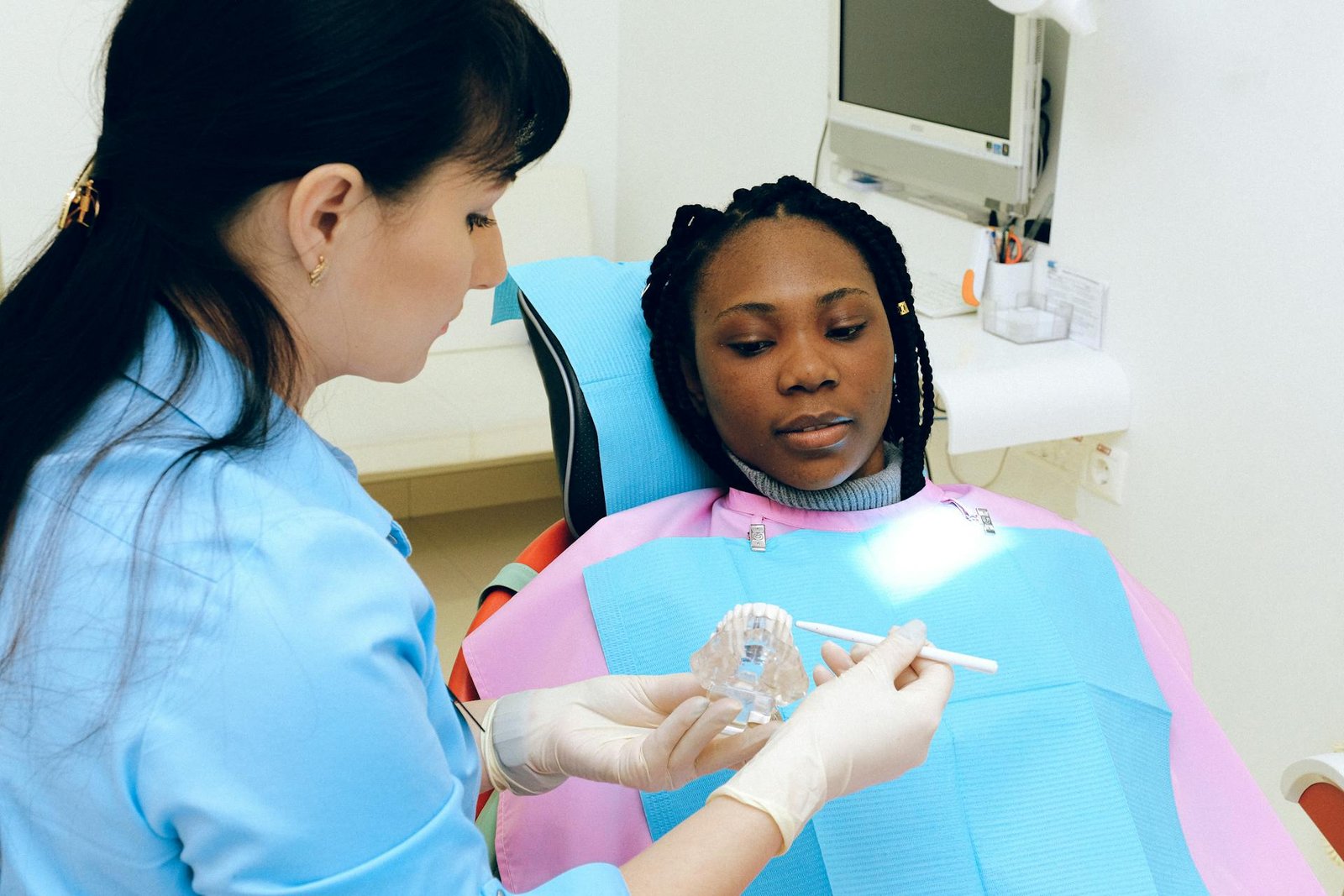
No significant opportunity exists without corresponding challenges, and the Dental Opportunity India 2026 is no exception. Realistic assessment of these challenges and thoughtful preparation to address them distinguishes successful ventures from those that struggle or fail. The first and most pervasive challenge is patient fear and procrastination, which has deep cultural roots in the Indian context. Dental anxiety is widespread, and the typical response to dental symptoms is to wait and hope they resolve spontaneously, which they rarely do. This manifests operationally as high rates of appointment cancellations, last-minute no-shows, and patients who present only when conditions have advanced to the point where treatment is more complex and expensive than if addressed earlier.
Addressing this challenge requires a multi-faceted approach. Clinical excellence in pain management is foundational. Procedures should be performed with maximum attention to patient comfort, using appropriate anesthesia, gentle techniques, and where available, laser alternatives to traditional drilling. Beyond the clinical experience itself, communication matters enormously. Patients should be educated about what to expect at each visit, reducing the fear of the unknown. The first visit should be designed as a positive experience even if no treatment is performed, building trust that encourages return visits. A systematic recall system with gentle reminders can help patients overcome inertia and schedule recommended follow-up care. Over time, as patients experience positive outcomes and develop trusting relationships with the practice team, their anxiety diminishes and their commitment to regular care increases.
The second major challenge is price sensitivity, which is not merely about absolute affordability but also about perceived value. Many Indians have never experienced quality dental care and therefore cannot imagine why it should cost more than the cheap options available in the unorganized sector. They may compare prices across very different quality levels, expecting the premium practitioner to match the prices of the informal provider down the street. This comparison is fundamentally irrational but psychologically real and must be addressed through patient education about what quality entails.
The solution involves transparent communication about what differentiates quality care. Patients should understand the importance of proper sterilization, the difference in longevity between quality materials and cheap alternatives, and the value of proper training and continuing education. Visual aids can help make these differences concrete. Showing patients images of properly sterilized instruments versus improperly maintained equipment can be powerful. Explaining that a quality root canal may last decades while a cheap one may fail within months helps patients understand the true cost comparison over time. When patients grasp the value proposition, they become willing to pay appropriate prices for genuine quality. Additionally, creative affordability strategies as discussed earlier can help bridge the gap between what patients can pay immediately and what quality treatment costs.
The third challenge involves maintaining consistent quality as the practice grows. A single practitioner can personally ensure quality in a small practice, but as additional dentists are hired or additional locations opened, quality assurance becomes more complex. The natural variation in human performance means that without systematic oversight, quality will drift downward in some areas while remaining high in others. Patients who experience substandard care at one location may never return, and their negative word-of-mouth can damage the entire practice’s reputation.
The solution lies in systematic quality management systems similar to those employed by successful chains. Regular audits using standardized checklists can identify problems before they become chronic. Peer review systems where dentists evaluate each other’s work anonymously can maintain clinical standards without creating adversarial relationships. Centralized training ensures that all team members share the same understanding of proper protocols. Patient feedback systems that actively solicit input can identify problems that might otherwise go unnoticed. These systems require investment in management infrastructure but are essential for sustainable growth within the Dental Opportunity India 2026.
The fourth challenge involves navigating regulatory complexity. Dental practice in India involves multiple layers of regulation, from equipment import rules to state-level practice requirements to medical device approvals. These regulations can be confusing, particularly for those entering the field without prior experience. Non-compliance, whether intentional or accidental, can result in penalties, legal complications, and damage to professional reputation.
The solution is to seek expert guidance rather than attempting to navigate regulations alone. Working with experienced equipment distributors who understand import and certification requirements can prevent costly mistakes. Joining professional associations provides access to regulatory updates and collective advocacy on issues affecting the profession. For those building larger organizations, dedicated legal and compliance staff may be justified. While regulatory navigation requires effort and expense, it is ultimately manageable with appropriate attention and expertise.
The fifth challenge involves competition from the unorganized sector, which dominates Indian dentistry numerically. These practitioners may charge very low prices and have loyal patient bases built over decades. Competing with them solely on price is a losing strategy because their cost structures are minimal, often operating from home-based setups with minimal equipment and no investment in sterilization or quality systems. The winning strategy is differentiation on quality, safety, and outcomes rather than price competition. Patients who value their health and have the means to pay for quality will gravitate toward practices that demonstrate genuine commitment to standards. Over time, as awareness grows and incomes rise, the unorganized sector’s market share will likely decline in favor of organized quality providers.
Point Eight: The Mobile Dental Clinic Revolution Within Dental Opportunity India 2026

This convenience factor is not merely about comfort; it directly determines whether care is sought at all. When the effort required to access care exceeds the perceived urgency of the dental problem, people simply endure their symptoms and postpone treatment indefinitely. Mobile clinics lower this threshold dramatically, converting latent need into actual visits. For many patients in remote areas, the mobile clinic provides their first-ever encounter with professional dental care, opening the door to a lifetime of better oral health. The mobile model thus serves both immediate treatment needs and long-term health education objectives, making it a powerful tool within the Dental Opportunity India 2026.
The service scope of mobile clinics is typically focused on the most common and essential procedures. Oral examinations identify problems requiring attention. Professional cleanings remove accumulated plaque and tartar that contribute to gum disease. Fluoride applications and sealants provide preventive protection, particularly for children. Simple extractions address teeth that are beyond salvage. Basic fillings restore minor to moderate cavities. Oral cancer screening, especially important in areas with tobacco use, can identify dangerous conditions at early, treatable stages. Health education sessions teach proper brushing technique, diet considerations, and the importance of regular care. This service package addresses the majority of dental needs in underserved populations while referring complex cases requiring advanced equipment or specialist expertise to fixed facilities.
The economics of mobile dentistry are favorable when viewed from the perspective of reach per rupee invested. A mobile van costing twenty-five to forty lakh rupees can serve multiple villages on a rotating schedule, reaching thousands of patients annually. Establishing an equivalent number of fixed clinics to serve the same population would require dramatically higher capital investment and ongoing operating costs. The mobile model thus offers an efficient path to broad geographic coverage, particularly in the early stages of market development when patient volumes in any single location may not justify a permanent facility.
The operational model for successful mobile dentistry typically follows a hub-and-spoke pattern. A fixed clinic in a larger village or small town serves as the hub, providing comprehensive services, advanced procedures, and continuity of care for patients who require ongoing treatment. Mobile vans operate as spokes, traveling to surrounding smaller villages on scheduled rotations. Patients needing care beyond the mobile van’s capabilities are referred to the hub, creating a seamless care continuum. This hybrid model maximizes both reach and capability, making it an attractive approach within the Dental Opportunity India 2026.
The Vishnu Dental Clinics example discussed earlier illustrates this model’s viability. Their hub clinics in larger villages provide comprehensive services, while mobile outreach extends care to surrounding areas. Over time, as patient volumes in a particular village grow sufficient to justify a permanent presence, a new hub clinic can be established, extending the network further. This organic expansion pattern has proven sustainable and scalable, offering lessons for others considering mobile dentistry as an entry strategy.
The mobile model also serves important community education functions that extend beyond direct clinical care. When the mobile van visits a village, the dental team can conduct health talks in schools, demonstrating proper brushing and explaining the connection between oral health and overall wellbeing. They can identify and train community health workers who reinforce oral health messages between visits. They can distribute educational materials in local languages that households can keep and reference. This educational component multiplies the impact of clinical services by building long-term health literacy that persists beyond any single visit.
Point Nine: The Paradigm Shift Toward Preventive Care in Dental Opportunity India 2026

One of the most significant and potentially transformative trends within the Dental Opportunity India 2026 is the gradual but unmistakable shift from emergency-reactive care toward preventive-proactive care. This shift, while still in its early stages, has profound implications for how dental practices will operate, how patients will engage with oral health, and how the overall market for dental services will evolve. Understanding this trend is essential for positioning any dental venture for long-term success. The traditional Indian approach to dental care has been almost purely reactive. People visit dentists only when pain becomes unbearable, when swelling interferes with daily function, or when a tooth actually breaks. By this point, problems that could have been addressed with simple, inexpensive interventions have progressed to complex, expensive conditions requiring extensive treatment. A small cavity that could have been filled for a few hundred rupees becomes a root canal candidate costing thousands. Early gum inflammation that could have been reversed with professional cleaning and improved home care becomes advanced periodontal disease requiring surgical intervention.
The reactive approach is costly in every dimension: financial cost to patients, physical cost in terms of pain and suffering, and societal cost in terms of lost productivity and compromised quality of life. Yet it persists because of multiple reinforcing factors: lack of awareness about prevention’s value, cultural patterns of healthcare utilization, and limited availability of preventive services in many areas. Changing these deeply embedded patterns requires sustained effort across multiple fronts, but the early signs of change are visible and encouraging.
The first driver of the preventive shift is economic rationality. As more Indians gain education and exposure to modern healthcare concepts, they increasingly understand that prevention is cheaper than cure. A simple analogy with automobile maintenance often resonates: just as regular oil changes prevent expensive engine repairs, regular dental cleanings prevent expensive restorative procedures. This analogy, when effectively communicated, helps patients grasp the economic logic of prevention and motivates them to invest in regular care. Practices that can articulate this value proposition effectively are well-positioned to benefit from the preventive shift within the Dental Opportunity India 2026.
The second driver is changing family dynamics, particularly regarding children. Educated parents, even those who neglect their own dental health, are often motivated to ensure better outcomes for their children. They bring children for fluoride treatments, sealants, and regular check-ups, establishing patterns of care that may persist throughout life. These children grow up with a fundamentally different relationship to dental care than their parents had, viewing regular visits as normal rather than exceptional. Over time, this generational shift will transform the entire market for dental services, creating a population that expects and demands preventive care rather than merely tolerating emergency intervention.
The third driver is employer and insurer influence. As more Indians receive health insurance through employment, and as more insurance policies include preventive dental benefits, the financial barrier to preventive care diminishes. Employees who have paid-for benefits are more likely to use them, and insurers who understand that prevention reduces downstream costs are motivated to encourage utilization. Corporate wellness programs increasingly include dental components, recognizing that oral health affects overall employee health and productivity. These institutional mechanisms create systematic incentives for preventive care that operate independently of individual patient motivation.
The fourth driver is media and social influence. As more people in social circles obtain cosmetic dental procedures or simply maintain attractive smiles through regular care, others take notice. The desire for social approval and the wish to avoid the embarrassment of visible dental problems motivate preventive behavior. Social media amplifies these effects by making dental aesthetics more visible and more discussed than ever before. Young professionals see their peers’ transformed smiles and seek similar improvements, often starting with basic preventive care and progressing to cosmetic procedures as their comfort and trust in dental care grow.
For dental practices, the preventive shift creates multiple new opportunities. Membership plans that bundle regular cleanings, examinations, and discounts on other services create predictable recurring revenue while encouraging patients to maintain regular attendance. School partnerships that provide preventive programs for children build loyalty with families that can last for generations. Corporate contracts that deliver on-site preventive services create efficient patient acquisition channels. Educational content marketing that positions the practice as a trusted source of preventive guidance attracts patients who are actively seeking to improve their oral health. These preventive-focused initiatives can become significant revenue generators while also fulfilling the practice’s health promotion mission.
The clinical implications of the preventive shift are equally significant. Practices that emphasize prevention will see different case mixes than those focused on emergency intervention. They will perform more cleanings, more fluoride applications, more sealants, more oral cancer screenings, and more patient education. They will diagnose problems at earlier stages when treatment is simpler, less expensive, and more predictable. Their patients will experience better outcomes and greater satisfaction, leading to stronger loyalty and more enthusiastic referrals. These advantages compound over time, creating practice trajectories that are fundamentally more sustainable and rewarding than those dependent on emergency care.
Point Ten: A Comprehensive Action Plan for Capturing Dental Opportunity India 2026
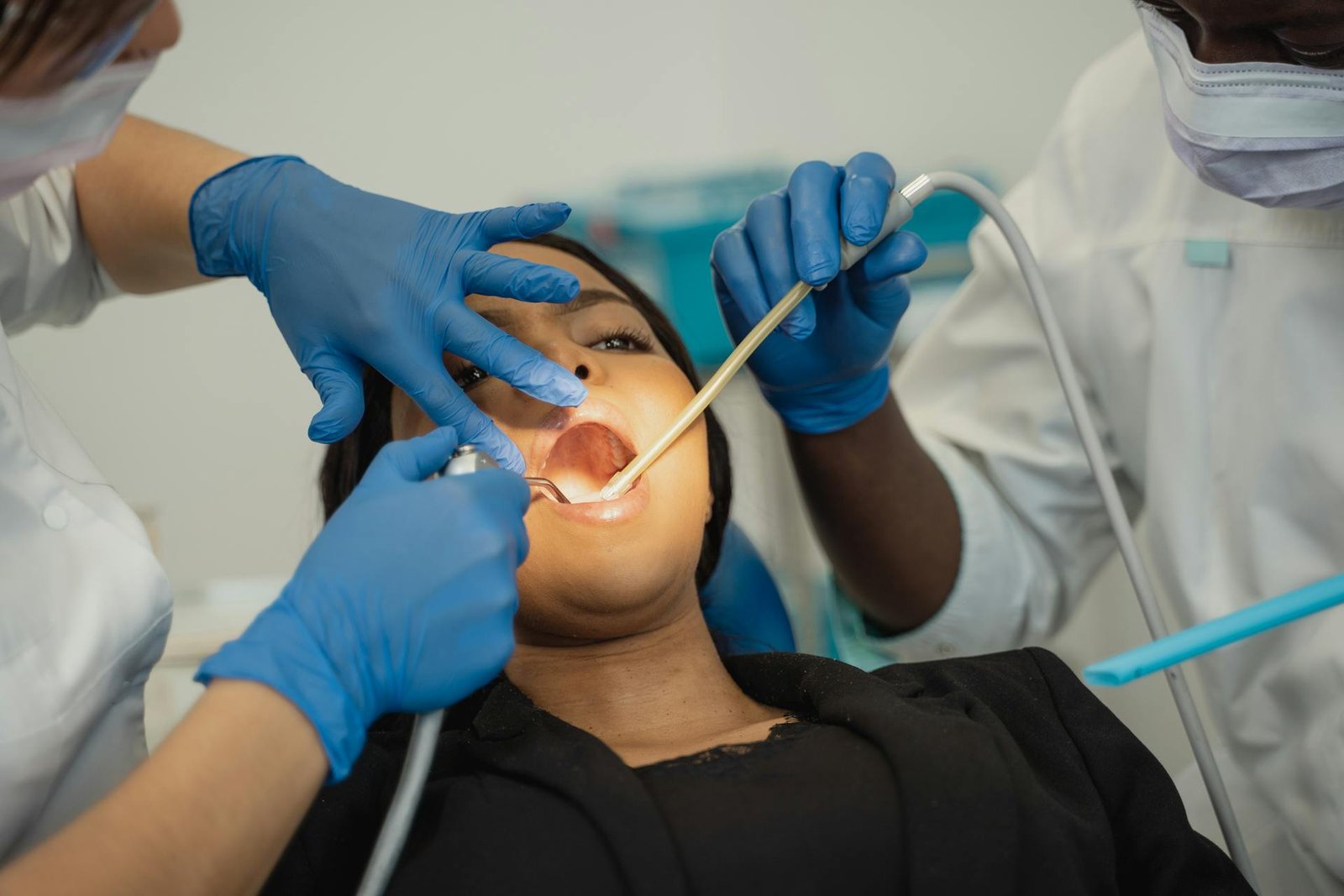
Having examined the opportunity from multiple angles, the time has come to synthesize this analysis into a coherent action plan that different stakeholders can implement based on their specific circumstances and objectives. This concluding section provides tailored guidance for dentists, investors, and entrepreneurs, followed by universal principles applicable to all participants in the Dental Opportunity India 2026. For dentists seeking to establish or expand clinical practice, the recommended timeline begins with intensive local market research during the first two weeks. This research should include visits to existing practices, conversations with potential patients about their needs and preferences, and systematic analysis of gaps in current service provision. Weeks three and four should involve visits to two or three successful practices in similar cities, learning from their operational approaches, pricing strategies, and patient engagement methods. Month two should be dedicated to developing the service mix and pricing strategy based on research findings. Month three should focus on identifying and building relationships with community partners including schools, health centers, and women’s groups. Month four should feature a soft launch with a community engagement event such as a free check-up camp that introduces the practice to the community. Month six should involve comprehensive data analysis to refine approaches and begin planning for expansion if initial results warrant.
For investors evaluating opportunities within the Dental Opportunity India 2026, immediate action should involve studying the organized dental chain landscape to understand what business models are succeeding and where failures have occurred. The next three months should be dedicated to identifying three to five high-potential tier-two cities for detailed investigation. This investigation should include site visits, conversations with local practitioners and patients, and analysis of demographic and economic trends. Investment opportunities to evaluate include equity positions in growing chains, debt financing for clinic expansion, equipment leasing companies serving the dental sector, dental tourism facilitation platforms, and technology ventures providing software or services to dental practices. Each opportunity type carries different risk-return characteristics and requires different due diligence approaches.
For entrepreneurs without clinical backgrounds who seek to participate in the Dental Opportunity India 2026, numerous supporting service opportunities exist. Dental practice management software tailored to Indian market conditions can address needs that generic software solutions miss. Supply chain optimization services for tier-two and tier-three clinics can create value through bulk purchasing and logistics efficiency. Dental education and training platforms can address the growing need for skilled dental assistants and practice managers. Mobile dental van operations can serve underserved areas through partnership models with existing practitioners. Dental tourism agencies can connect international patients with Indian providers offering quality care at competitive prices. The first step for any such venture should be partnering with a clinical advisor who provides domain expertise and credibility.
Beyond these role-specific recommendations, several universal principles apply to all participants in the Dental Opportunity India 2026. The first principle is unwavering commitment to quality. In a market long dominated by unorganized providers with inconsistent standards, quality is the most powerful differentiator available. Practices and ventures that consistently deliver genuine quality will earn trust, build loyalty, and achieve sustainable success. The second principle is community engagement. Healthcare is fundamentally local and relational. Success comes from becoming genuinely embedded in communities, not from marketing campaigns that treat patients as abstract targets. The third principle is creative affordability. Price sensitivity is real but addressable through innovative payment structures that make quality care accessible without compromising standards. The fourth principle is smart technology adoption. Technology should serve practice goals, not become an end in itself. Investments should be evaluated based on clear return on investment criteria. The fifth principle is systematic process standardization. Consistent quality at scale requires documented processes and quality management systems, not heroic individual effort.
Looking forward to 2026 and beyond, the trajectory of Indian dentistry appears remarkably positive. Organized dentistry’s market share is projected to grow from its current three to five percent to eight to ten percent by 2026. At least three to four dental chains will likely operate more than five hundred clinics each. The clear aligner market will approach five hundred million dollars in annual revenue. Dental tourism will contribute meaningfully to industry growth. Tier-two cities will account for thirty to forty percent of new clinic openings. Tele-dentistry will become mainstream for follow-up consultations and specialist referrals. Preventive care will account for twenty-five percent of dental visits, up from less than ten percent today.
The ultimate vision animating the Dental Opportunity India 2026 is the creation of a generation of Indians who view dental care as routine and normal, not as an emergency response to crisis. This vision is achievable through the collective efforts of practitioners, entrepreneurs, investors, educators, and policymakers working together to expand access, improve quality, and build awareness. The opportunity is real, the timing is favorable, and the need is urgent. The remaining question is not whether this transformation will occur but who will lead it and who will benefit from it. For those with the vision to see the opportunity and the determination to pursue it, the Dental Opportunity India 2026 offers the chance to build meaningful enterprises while making genuine contributions to national health and wellbeing.
Conclusion: Embracing the Dental Opportunity India 2026
The segmentation of the Indian market into two distinct Indias is one of the most important concepts we have discussed. Understanding that metropolitan consumers have different needs, expectations, and willingness to pay than their counterparts in smaller cities is essential for making good decisions about where and how to practice. The evidence clearly shows that tier-two and tier-three cities offer superior economics for most dental practices, with lower competition, more affordable operating costs, stronger patient loyalty, more predictable demand, and the opportunity to establish market leadership before significant competition arrives. For those willing to locate in these underserved areas, the rewards can be substantial both financially and in terms of professional satisfaction and community impact.
Technology emerged throughout our discussion as a powerful enabler that is transforming what is possible in dental care delivery. From the simple but transformative intraoral camera that helps patients see and understand their own dental problems, to advanced sterilization monitoring that builds trust and ensures safety, to invisible aligners that open up the adult orthodontic market, to laser dentistry that reduces fear and discomfort, to tele-dentistry that extends specialist expertise to remote locations, technology is making dental care more accessible, more comfortable, and more effective than ever before. The key is to adopt technology wisely, focusing first on tools that deliver clear return on investment and adding more advanced capabilities as the practice grows and revenues justify the investment.
The success stories we have shared are not just inspirational; they are instructional. Vishnu Dental Clinics shows that serving rural populations with quality care can be financially viable while making a tremendous social impact. Clove Dental demonstrates that systematic quality management and consistent standards can build a national chain that earns patient trust and investor confidence. Individual practitioners like Dr. Priya, Dr. Sharma, and Dr. Kumar prove that with the right approach, even a single-chair practice in a smaller city can become a thriving enterprise that serves hundreds of patients and supports a comfortable lifestyle. Entrepreneurs like Rajesh show that the opportunity extends beyond clinical practice into supporting services that address the needs of growing dental businesses.
The challenges we have discussed are real and should not be underestimated. Patient fear and procrastination, price sensitivity, quality consistency, regulatory complexity, and competition from the unorganized sector are all obstacles that must be navigated successfully. But for each challenge, we have identified practical solutions based on the experience of those who have gone before. Patient education, creative affordability, systematic quality management, expert guidance, and quality differentiation are all proven approaches that work in the Indian context. The key is to approach these challenges with eyes open and strategies prepared, rather than hoping they will not arise.
Looking ahead to 2026 and beyond, the trajectory is remarkably positive. Organized dentistry will continue to gain market share. More chains will reach significant scale. Specialized segments like clear aligners will experience explosive growth. Tier-two cities will account for an increasing share of new clinic openings. Tele-dentistry will become routine. Preventive care will become more common. These trends will combine to create a dental sector that is larger, more organized, more accessible, and more focused on quality than ever before. The ultimate goal is a generation of Indians who view dental care as a normal part of life, not as an emergency response to crisis. This vision is achievable through the collective efforts of all those who participate in the Dental Opportunity India 2026.
For you, the reader, the question is not whether this opportunity exists. The evidence we have presented confirms beyond any doubt that it does. The question is what you will do with this knowledge. Will you take action to position yourself within this growing sector? Will you invest the time and resources to build something that serves both your interests and the genuine needs of your community? Will you be among those who look back in five or ten years and recognize that you were part of transforming dental care in India? The opportunity is here, the timing is right, and the path forward is clear. What remains is your decision to act. We hope this guide has given you the understanding, the inspiration, and the practical tools you need to move forward with confidence. The smile economy is coming. Be part of it.
Frequently Asked Questions About Dental Opportunity India 2026
Question 1: What exactly is the Dental Opportunity India 2026 and why is 2026 specifically important?

Answer: The Dental Opportunity India 2026 refers to the convergence of multiple factors that are creating ideal conditions for growth in India’s dental care sector as we approach the year 2026. These factors include rising health awareness after the COVID-19 pandemic, increasing smartphone penetration that brings health information to every corner of the country, institutional changes in schools and workplaces that normalize dental care, government policies supporting healthcare expansion, and growing investment in organized dentistry. The year 2026 is significant because by then these trends will have reached critical mass, creating a market that is substantially larger and more accessible than today. Current statistics show that nearly eighty percent of Indians have dental problems but less than ten percent visit dentists regularly, creating a massive gap between need and treatment. This gap is gradually closing as awareness grows and access improves, and 2026 represents a point where this process will have accelerated significantly. The market is projected to grow from approximately two billion dollars today to more than five billion dollars within the next three to four years, representing a compound annual growth rate of twelve percent. For anyone interested in dental care in India, understanding this timeline is essential for making informed investment and career decisions.
Question 2: Is this opportunity only for dentists, or can non-dentists also participate?

Answer: This is one of the most important questions we address, and the answer is that the Dental Opportunity India 2026 is absolutely not limited to dentists. While clinical practice obviously requires dental qualifications, the broader dental ecosystem offers numerous opportunities for entrepreneurs, investors, and professionals from other fields. Consider the example of Rajesh, a businessman we profiled who started a dental consumables subscription service serving more than two hundred clinics across three states. He had no dental background but recognized that small clinics struggled with supply chain costs and created a business solving that problem. Other opportunities for non-dentists include dental practice management software development, equipment leasing and financing, dental education and training platforms, mobile dental van operations, dental tourism facilitation, clinic interior design and setup services, digital marketing agencies specializing in healthcare, and real estate development focused on medical facilities. Investors can participate through equity investments in growing dental chains, debt financing for clinic expansion, or venture capital funding for dental technology startups. The dental sector, like any growing industry, creates opportunities throughout its value chain, not just at the point of clinical service delivery. The key is to identify genuine problems that dental practices face and create solutions that address those problems effectively.
Question 3: Why are tier-two and tier-three cities better for dental practices than metropolitan areas?

Answer: The economic case for tier-two and tier-three cities is compelling across multiple dimensions. First, competition is dramatically lower. In a city like Delhi with approximately ten thousand dental clinics, patients have numerous options and practices must compete aggressively on price, convenience, or perceived quality. In a typical tier-two city of perhaps three million people, the number of quality dental clinics may be in the dozens rather than thousands, meaning a well-equipped practice following proper protocols may be the only quality option in its area. Second, operating costs are substantially lower, particularly for commercial real estate. A prime location in a tier-two city costs a fraction of what a comparable space would cost in Mumbai or Bengaluru, allowing practices to achieve profitability faster and maintain healthier margins. Third, patient loyalty is stronger in smaller cities where relationships matter more and social networks are dense. Once patients trust a practice, they tend to remain for decades, bringing their entire families and referring their extended networks. Fourth, demand is more predictable, focused on essential procedures like root canals, fillings, extractions, and dentures that people need regardless of economic conditions. Fifth, the opportunity to establish market leadership is greater because organized dentistry is still in its infancy in many smaller cities, allowing early entrants to build advantages that persist for years. All these factors combine to create superior unit economics for practices in tier-two and tier-three locations.
Question 4: How much money do I need to start a dental practice in India?

Answer: The investment required varies significantly based on location, scale, and equipment choices, but we can provide realistic ranges to help with planning. For a basic single-chair setup in a tier-two city, focusing on essential services with good but not equipment, you can expect to invest between eight and fifteen lakh rupees. This should cover a quality dental chair, portable X-ray system, Class B autoclave for sterilization, basic instruments, and adequate power backup including UPS and generator. If you choose to add an intraoral camera, which we strongly recommend for its impact on treatment acceptance, budget an additional fifty thousand to one lakh rupees. For those considering a mobile dental van to serve multiple rural locations, the investment ranges from twenty-five to forty lakh rupees depending on the level of equipment installed in the vehicle. A full-service clinic with multiple chairs, advanced imaging, and comprehensive equipment packages can require thirty to fifty lakh rupees or more. It is important to note that these figures exclude the cost of acquiring or renting space, which varies dramatically by location. The wisest approach is to start lean, investing in equipment that covers eighty percent of anticipated patient needs, then adding capabilities as revenue grows and demand justifies expansion. This phased approach minimizes initial debt and allows the practice to grow organically without excessive financial pressure.
Question 5: How do I attract patients to a new dental practice in a tier-two city?

Answer: Patient acquisition in tier-two cities requires a fundamentally different approach than in metropolitan areas. While metro practices often rely on digital marketing and paid advertising, success in smaller cities comes primarily through community engagement and trust building. The most effective strategies include conducting school dental camps where children receive education and basic screenings, because parents remember who cared for their children and often become patients themselves. Speaking at self-help group meetings, particularly women’s groups, is powerful because women typically make family health decisions and spread information through their networks. Partnering with primary health centers and local physicians creates referral relationships that bring patients who need dental care identified during medical visits. Maintaining an active WhatsApp presence with regular health tips, appointment reminders, and post-treatment follow-up keeps the practice connected to patients in a familiar, non-intrusive way. Displaying transparent pricing prominently in the clinic reduces patient anxiety about unexpected costs and builds trust. Participating in local events and festivals makes the practice visible as a community member, not just a business. The key insight is that in smaller cities, marketing is not something you do to people; it is something you do with people, building genuine relationships that lead to lasting loyalty and enthusiastic word-of-mouth referrals.
Question 6: What are the biggest challenges in pursuing this opportunity and how can I overcome them?

Answer: Several significant challenges must be navigated successfully to build a thriving dental practice. Patient fear and procrastination is perhaps the most universal challenge, with many Indians avoiding dental visits until pain becomes unbearable. Overcoming this requires a multi-faceted approach including painless procedures using good anesthesia and where available laser technology, visual education through intraoral cameras that help patients understand their own conditions, designing first visits to be positive experiences even without treatment, and implementing systematic recall systems with gentle reminders. Price sensitivity affects nearly half of potential patients who cite cost as a barrier to care. The solution is not cheap pricing, which undermines quality perception, but creative affordability strategies including EMI options, membership plans, bundled services, and tiered treatment options that accommodate different budgets while maintaining quality standards. Maintaining quality consistency as the practice grows requires systematic quality management including regular audits, peer review processes, centralized training, and patient feedback systems. Regulatory complexity can be addressed by working with experienced distributors, joining professional associations for updates, and seeking legal guidance when needed. Competition from the unorganized sector is best handled through quality differentiation rather than price competition, helping patients understand why proper sterilization, quality materials, and professional training justify appropriate fees.
Question 7: What technology is essential for a new practice versus nice to have later?

Answer: Making wise technology investment decisions is crucial for practice success. Four technologies deserve priority because they deliver clear return on investment from the beginning. An intraoral camera typically pays for itself within months through increased treatment acceptance, as patients who see their own dental problems are far more likely to proceed with recommended care. Practice management software streamlines operations, reduces administrative burden, enables systematic patient recall, and provides data for business decisions. WhatsApp Business provides a familiar, accessible channel for appointments, reminders, and post-treatment communication that patients actually use. A Class B autoclave with proper validation is non-negotiable for patient safety and should be part of the core equipment package. Technologies that can wait for later phases include cone beam CT scanners, which are expensive and needed only for advanced implant cases; laser systems, which are valuable but not essential for basic practice; digital impression systems, which become more relevant as cosmetic and restorative cases grow; and advanced cosmetic imaging software. The principle is to invest first in technologies that increase treatment acceptance, improve operational efficiency, or are essential for safety, then add capabilities as the practice’s case mix evolves and revenues provide the necessary capital.
Question 8: Is the preventive care trend real in India, and how can I benefit from it?
Answer: The shift toward preventive dental care in India is real and growing, though still in early stages. Multiple factors are driving this trend. Economic rationality is becoming more widely understood as education increases; people recognize that spending a small amount on prevention saves much larger amounts on treatment later. Parents are increasingly motivated to ensure better dental outcomes for their children than they experienced themselves, bringing kids for fluoride treatments, sealants, and regular check-ups. Employers and insurers are including preventive dental benefits in coverage, reducing financial barriers to regular care. Media and social influence are making dental aesthetics more visible and valued, motivating people to maintain attractive smiles through preventive care. To benefit from this trend, practices should develop membership plans where patients pay an annual fee for two cleanings, check-ups, and discounts on other services, creating predictable recurring revenue. School partnership programs that provide preventive services for children build loyalty with families that lasts for generations. Corporate contracts for on-site preventive services create efficient patient acquisition channels. Educational content marketing positions the practice as a trusted source of preventive guidance. The practices that embrace prevention will see different case mixes, more regular patient visits, earlier problem diagnosis, better outcomes, and stronger patient loyalty than those focused primarily on emergency intervention.
Question 9: How do mobile dental clinics work and are they financially viable?
Answer: Mobile dental clinics are specially equipped vehicles that bring dental services directly to communities lacking access to fixed facilities. They typically provide oral examinations, professional cleanings, fluoride applications, sealants, basic extractions, simple fillings, oral cancer screening, and health education. Complex cases requiring advanced equipment are referred to fixed hub clinics. The financial viability of mobile clinics is favorable when viewed from the perspective of reach per rupee invested. A mobile van costing twenty-five to forty lakh rupees can serve multiple villages on a rotating schedule, reaching thousands of patients annually. Establishing an equivalent number of fixed clinics would require dramatically higher capital investment and operating costs. The operational model that works best is hub-and-spoke, where a fixed clinic in a larger village serves as the hub providing comprehensive services, and mobile vans operate as spokes serving surrounding smaller villages on scheduled rotations. This model maximizes both reach and capability. Over time, as patient volumes in a particular village grow sufficiently, a new hub clinic can be established there, extending the network organically. The Vishnu Dental Clinics example demonstrates that this approach can be financially sustainable while serving genuine community needs. Key success factors include reliable vehicle maintenance, efficient scheduling to minimize travel downtime, strong relationships with village leadership, and seamless referral systems to hub clinics for advanced care.
Question 10: What is the first step I should take if I want to pursue this opportunity?
Answer: The first and most critical step is conducting thorough local market research before making any significant investment or commitment. This research should begin with identifying potential locations that interest you, then visiting those locations to understand the current dental landscape. During these visits, observe existing dental clinics to understand their patient flow, service offerings, pricing, and visible quality standards. Talk to local residents about their dental care experiences, what they like and dislike about current options, and what would make them choose a new provider. Visit potential practice locations to evaluate foot traffic, accessibility, and nearby complementary businesses like medical clinics or pharmacies that might provide referral opportunities. Research demographic data for the area including population size, age distribution, average household income, and growth trends. Identify community institutions like schools, colleges, corporate offices, and senior living facilities that could become partners or patient sources. This research phase should take at least two to four weeks and should be conducted with an open mind, ready to discover that your initial assumptions about a location might be incorrect. The quality of this initial research will profoundly influence everything that follows, making it worthy of substantial time and attention. Only after completing this research and analyzing the findings should you proceed to the next steps of developing your service mix, creating financial projections, and seeking appropriate space and equipment. Remember that successful practices are built on deep understanding of specific local communities, not on generic formulas applied without adaptation.