



Description:


Crypto Trading India 2026 is a complete beginner-friendly guide that explains everything you need to know about cryptocurrency in simple English. This post is written for students, young professionals, and anyone who has heard about Bitcoin, Ethereum, or blockchain but does not know where to start. The description you are reading now gives you a clear picture of what the full article covers. The main goal of Crypto Trading India 2026 is to remove confusion and replace it with clarity. The post begins by explaining what cryptocurrency really is. It uses simple examples like digital money without a bank in the middle. It explains blockchain as a shared digital notebook that thousands of computers keep safe. Then it moves to Bitcoin price predictions from major banks like Citigroup, Bernstein, CoinShares, and Standard Chartered. You will learn why experts disagree and why you should never let predictions control your decisions. The post then explains India’s new crypto rules. It talks about the Parliamentary Standing Committee recommendation for a Self-Regulatory Organisation, or SRO. It explains why FIU registration matters and how it protects you. Next, the post covers tax rules in clear language. You will learn about the thirty percent flat tax, the one percent TDS, and why losses cannot be set off. The post then gives a step-by-step plan to start with just five hundred rupees. It explains how to choose an FIU-registered exchange, how to complete KYC, how to set up a crypto SIP, and how to secure your wallet. Real Indian success stories are included. You will read about Pushpendra Singh from Bulandshahr, Harshita Arora from Saharanpur, Sandeep Nailwal from Delhi slums, and Neeraj Khandelwal of CoinDCX. These stories show that background does not decide your future. The post also warns about common scams and explains how to stay safe. It shows how blockchain is changing India beyond crypto, with examples like tokenised bonds, land tokenisation, and government use cases. It gives special advice for students and young professionals on balanced investing. Finally, it ends with a seven-day action plan. The description of Crypto Trading India 2026 would be incomplete without mentioning the human touch. This post is not just about money. It is about learning, patience, and discipline. It is about starting small and thinking long term. It is about staying safe and staying curious. Whether you are a school student with five hundred rupees or a working professional with a monthly salary, this guide meets you where you are. It does not promise quick riches. It promises clear knowledge. And in the world of crypto, clear knowledge is the most valuable asset you can own.
1. Crypto Trading India 2026 Starts With Understanding Digital Money and Blockchain

Crypto Trading India 2026 begins with one basic idea that every beginner must understand clearly. Cryptocurrency is digital money that works without a bank sitting in the middle of every transaction. When you send money through UPI, your bank checks your balance, verifies the transfer, keeps a record, and sometimes charges a small fee. The bank is the trusted middleman. But cryptocurrency removes that middleman. Instead of one bank keeping all the records, thousands of computers around the world keep copies of the same digital record. When you send Bitcoin to someone, the entire network checks that the transaction is real. No single person can secretly change the record. This is why people call cryptocurrency trustless. It does not mean there is no trust. It means trust is placed in mathematics, code, and a shared public record instead of one company or one government. The most important cryptocurrencies to know are Bitcoin, Ethereum, Solana, and Chainlink. Bitcoin is often called digital gold because only twenty-one million will ever exist. Ethereum is more like a platform where people build apps and smart contracts. Solana is known for speed and lower fees. Chainlink connects blockchains to real-world data. Blockchain itself is simply a digital notebook shared by many people. Every transaction is written in the notebook. Everyone can check the notebook. Nobody can erase a page. This is why blockchain is becoming important far beyond crypto. In India, SEBI and RBI have started pilot projects for tokenised bonds. Maharashtra is exploring land tokenisation. AIIMS Delhi uses blockchain for records. The Cotton Corporation of India tracks cotton bales. DGCA is building a blockchain-based service platform. For a beginner, the first step in Crypto Trading India 2026 is not buying a coin. The first step is understanding what you are buying. If you do not understand digital money and blockchain, you are only guessing. If you understand them, you can make better decisions, ask better questions, and avoid many mistakes. Start by downloading a free price tracker like CoinMarketCap or CoinGecko. Watch prices for one week without investing. Learn the language. Learn the basic ideas. This simple foundation will make your journey in Crypto Trading India 2026 much safer and much smarter.
2. Crypto Trading India 2026 Explains Why Bitcoin Price Predictions Matter but Should Not Control Your Decisions
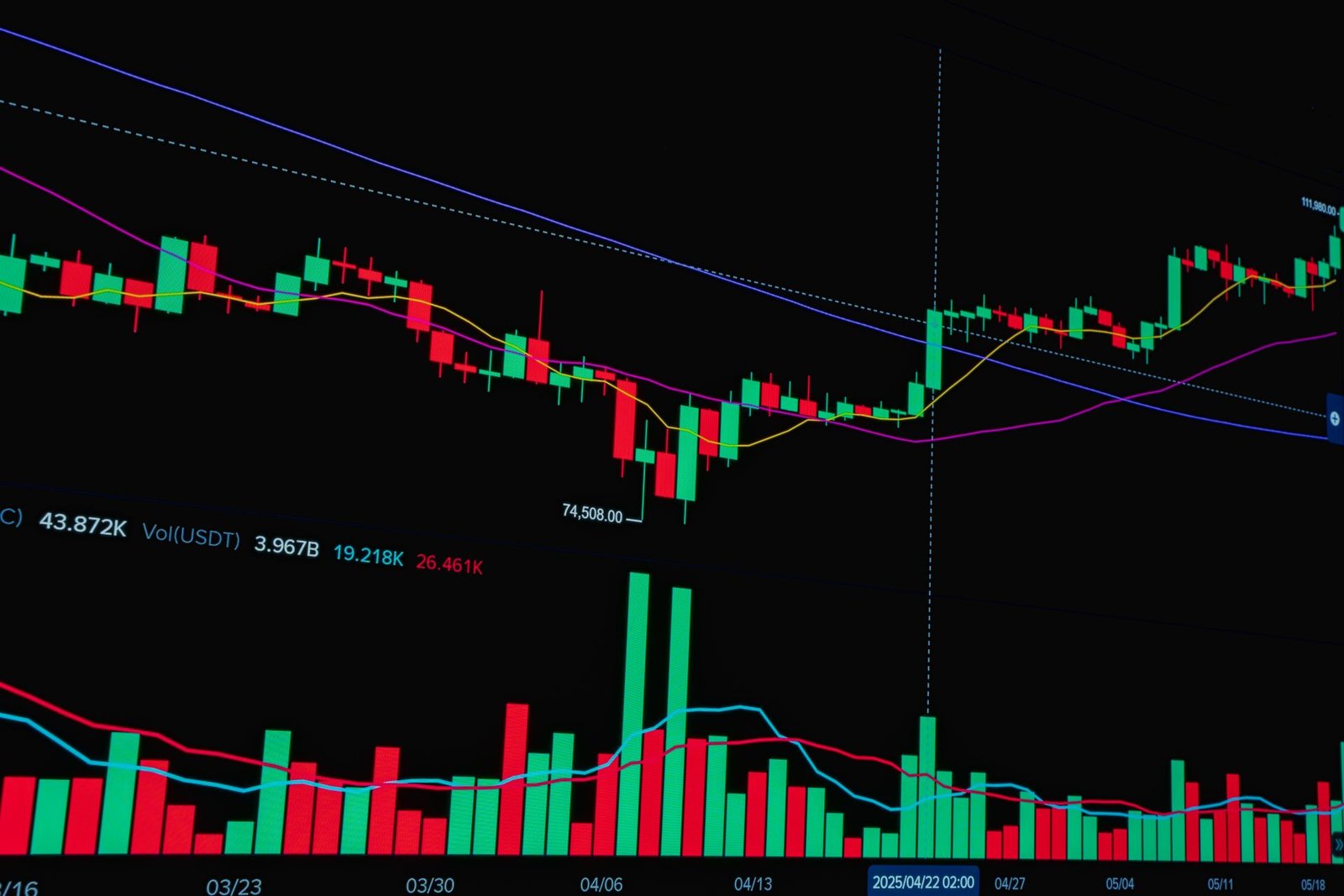
Crypto Trading India 2026 is full of price predictions, and beginners often get trapped by them. You will see headlines saying Bitcoin will reach one hundred thousand dollars, or one hundred fifty thousand dollars, or even higher. You will also see warnings that Bitcoin could fall to fifty thousand dollars. Both can appear in the same week. This is why price predictions should inform you, not control you. Major institutions have different views. Citigroup raised its twelve-month Bitcoin target to around one hundred thirteen thousand dollars. Bernstein argues Bitcoin may have already found a floor and could rise toward one hundred fifty thousand dollars. CoinShares gives three scenarios. In a soft landing, Bitcoin could go beyond one hundred fifty thousand dollars. In stable growth, it may stay between one hundred ten thousand and one hundred forty thousand dollars. In stagflation or recession, it could face pressure before recovery. Standard Chartered cut its forecast to one hundred thousand dollars and warned of a possible slide to fifty thousand dollars first. What should a normal Indian investor learn from this? The lesson is simple. Nobody knows the future. Not banks. Not YouTube experts. Not Telegram gurus. The crypto market is volatile. It can rise quickly and fall quickly. If you cannot handle seeing your ten thousand rupees become six thousand rupees for a few months, then crypto may not suit your emotional style. But if you can think in years instead of days, history has generally rewarded patience. Another big change in Crypto Trading India 2026 is that the old four-year cycle is weakening. Five major research firms agree that the wild halving cycle is being replaced by structural maturation. This means crypto is growing up. Value is moving toward projects with real use, real users, and real revenue. For beginners, the practical way to handle predictions is to ignore the noise and use a Systematic Investment Plan. Invest a fixed amount every month. When prices fall, your money buys more. When prices rise, it buys less. Over time, your average cost becomes balanced. This approach removes emotion. It removes fear. It removes greed. It makes Crypto Trading India 2026 more like a long-term habit and less like a casino bet. Predictions can be interesting, but discipline is what actually builds wealth.
3. Crypto Trading India 2026 Shows How New Rules and SRO Plans Are Making the Market Safer


Crypto Trading India 2026 is different from earlier years because rules are finally becoming clearer. For a long time, Indian investors asked one simple question: is crypto legal? The answer was always confusing. Crypto was not fully banned, but it was not fully regulated either. The Reserve Bank of India often sounded negative. Banks were told to be careful. Many people stayed away because they feared a sudden ban. But in July 2026, an important development took place. India’s Parliamentary Standing Committee on Finance recommended an interim regulatory framework for cryptocurrencies and Virtual Digital Assets through recognised Self-Regulatory Organisations, also called SROs. An SRO is like a professional body that sets rules for its own members. The Medical Council of India does this for doctors. An SRO for crypto would set standards for exchanges, wallet providers, and other crypto businesses. It would focus on governance, transparency, disclosure, investor protection, grievance redressal, and proper oversight. This matters because it moves the market from confusion toward accountability. Exchanges would have to follow rules. They would have to be transparent. They would have to protect users better. Industry leaders welcomed this as a practical interim step. However, the story is not fully settled. The RBI still prefers a restrictive approach and has suggested that prohibition remains an option. So the debate continues. What should a beginner do in Crypto Trading India 2026? First, stay informed. Follow reliable news from the Ministry of Finance, SEBI, and registered exchanges. Second, use only exchanges registered with the Financial Intelligence Unit. As of 2026, around fifty-four crypto service providers are registered with FIU and serve millions of verified users. FIU registration means the exchange follows Know Your Customer and Anti-Money Laundering rules. It reports to the government. This reduces fraud risk. Third, never treat regulation as boring. Regulation is the fence that keeps the playground safe. The more you understand the rules, the less likely you are to be hurt by scams or sudden changes. Crypto Trading India 2026 is not just about price charts. It is also about policy, compliance, and safety. Beginners who respect regulation will survive longer than beginners who ignore it.
4. Crypto Trading India 2026 Makes Tax Rules Clear So You Do Not Lose Money Later

Crypto Trading India 2026 comes with tax rules that every investor must understand. Many beginners focus only on buying and selling. They forget that the tax department is watching. In India, crypto gains are taxed at a flat thirty percent. This applies when you sell cryptocurrency and make a profit. There are no deductions for most expenses. There are no exceptions for small traders. A health and education cess also applies, which makes the effective rate slightly higher. On top of that, every sale attracts one percent Tax Deducted at Source, called TDS. This applies to transactions above ten thousand rupees in a financial year for most individuals. The most painful rule is that losses cannot be set off against gains. If you lose money on one coin and make money on another, you cannot use the loss to reduce your tax on the gain. Each transaction is treated separately. Airdrops and staking rewards are taxed as income when you receive them. Reporting is also becoming stricter. The Central Board of Direct Taxes has released guidance for crypto reporting under the Income Tax Rules, 2026. Reporting begins for transactions in calendar year 2026, with the first reporting due in 2027. India has also adopted the OECD Crypto-Asset Reporting Framework from January 1, 2026. This means crypto transactions will be reported automatically to tax authorities, similar to bank interest. If anyone thinks they can hide crypto gains, that era is ending. For a beginner in Crypto Trading India 2026, the safe path is simple. Keep a record of every transaction. Write down the date, amount, price, and fees. Use a simple spreadsheet or a notebook. When you file your taxes, report all gains honestly. Pay the thirty percent tax. Claim the one percent TDS that was already deducted. Do not try to avoid tax. The penalties and notices can cost far more than the tax itself. Understanding tax rules is not optional in Crypto Trading India 2026. It is part of being a responsible investor. If tax rules feel confusing, consult a chartered accountant who understands crypto. A small fee for professional help can save you from a large problem later. Clear tax habits make your crypto journey cleaner, calmer, and more sustainable.
5. Crypto Trading India 2026 Teaches Beginners How to Start With Only ₹500

Crypto Trading India 2026 is not only for rich people. You can start with a very small amount. The first step is to learn before you earn. Before you put even one hundred rupees into crypto, spend one week learning. Watch beginner videos about Bitcoin and Ethereum. Read simple articles about blockchain. Download CoinMarketCap or CoinGecko. Look at the top ten coins. Notice how prices move. Do not buy anything yet. Just observe. Write down why you want to invest. Is it for long-term wealth? Is it for learning? Is it because a friend told you? Be honest. The second step is to choose an FIU-registered exchange. In India, you should only use platforms registered with the Financial Intelligence Unit. Popular names include CoinDCX, ZebPay, WazirX, CoinSwitch, and Mudrex. Download two or three apps. Compare their fees, interface, and customer support. Choose the one that feels easiest for you. The third step is to start small. Most registered Indian exchanges accept deposits as low as one hundred rupees, but experts suggest starting with five hundred to one thousand rupees. Your first investment is not about making money. It is about learning how the app works, how prices feel, and how your emotions react when the value goes down. The fourth step is to set up a crypto SIP. A Systematic Investment Plan works like a mutual fund SIP. You invest a fixed amount every month. When prices are low, you buy more. When prices are high, you buy less. Over time, this balances your purchase price. Mudrex saw SIP openings rise by more than two hundred twenty percent in 2025. This shows that Indian investors are thinking long term. The fifth step is to secure your account. Enable two-factor authentication using Google Authenticator, not SMS. Write down your seed phrase on paper. Never share it. For large amounts, consider a hardware wallet. For a beginner in Crypto Trading India 2026, the goal is not to get rich in one month. The goal is to build knowledge, habits, and confidence. Five hundred rupees is enough to begin. Consistency matters more than the amount. Patience matters more than luck. This is how Crypto Trading India 2026 becomes accessible to students, salaried workers, and small business owners alike.
6. Crypto Trading India 2026 Shares Real Indian Success Stories That Build Confidence
Crypto Trading India 2026 is not just about numbers and charts. It is also about people. Real Indians from small towns and humble backgrounds have built remarkable lives through crypto and blockchain. Their stories can inspire you, but they should also teach you the right lessons. Pushpendra Singh grew up in a village in Bulandshahr, Uttar Pradesh. At one point, he lost Bitcoin worth one hundred crore rupees. Most people would have quit. He did not. He rebuilt his knowledge and his confidence. Today he is one of the world’s top crypto influencers. His story teaches resilience. The market will test you. You will make mistakes. The question is whether you learn and continue. Harshita Arora was only sixteen when she built a cryptocurrency price tracker app that became popular worldwide. She was an eighth-grade pass-out from Saharanpur. Her story teaches that age is not a barrier. You do not need an IIT degree to build something useful. You need curiosity and determination. Sandeep Nailwal grew up in a village without electricity and later lived in the slums of Delhi. Today he runs Polygon, a blockchain infrastructure company that works with J.P. Morgan, Stripe, and Disney. His story teaches vision. He saw the future of blockchain before most people understood it. Neeraj Khandelwal, an IIT Bombay graduate, rejected a sixty lakh rupee job offer to stay in India and build crypto infrastructure. His bet paid off. CoinDCX became India’s first crypto unicorn, valued at around two point four five billion dollars. His story teaches patience and conviction. What do these stories have in common? None of these people were born rich. None had special connections. None waited for perfect conditions. They learned, took action, and stayed persistent. But beginners in Crypto Trading India 2026 must also be realistic. Not everyone will become a billionaire. Not every bet will win. The real lesson is to build skills, stay humble, and avoid comparing your journey with someone else’s highlight reel. Use their stories as motivation, not as a guarantee. Your goal should be steady improvement. Learn one new thing every week. Make one smart decision at a time. Over months and years, those small steps can create meaningful results. This human side of Crypto Trading India 2026 is what makes the journey worth taking.
7. Crypto Trading India 2026 Warns About Scams and Explains How to Protect Your Wallet

Crypto Trading India 2026 is safer than before, but scams still exist, and beginners are often the target. Scammers know that crypto feels exciting and confusing. They use that confusion to steal money. One common scam promises guaranteed returns. No real investment can guarantee returns. If someone says your money will double in one week, it is a scam. Another common scam uses fake influencers. Scammers create fake social media profiles of famous businesspeople and promise to multiply your crypto. They ask you to send money first. Once you send it, they disappear. Ponzi schemes are also common. They pay early investors with money from new investors. When new investors stop coming, the whole scheme collapses. Phishing websites are another danger. They look exactly like real exchanges but steal your login details. To protect yourself in Crypto Trading India 2026, follow a few simple rules. Use only FIU-registered exchanges. Never click on links from unknown sources. Check the website address carefully before logging in. Never share your seed phrase with anyone. Your seed phrase is the master key to your crypto. If someone gets it, they can take everything. No real exchange support agent will ever ask for your seed phrase. Enable two-factor authentication using Google Authenticator, not SMS, because SIM cards can be cloned. For large amounts, use a hardware wallet. This keeps your crypto offline and away from exchange hacks. Avoid public Wi-Fi for transactions. Do not join Telegram or WhatsApp groups that promise quick profits. The CBI has warned against such deals and third-party UPI payments. If you ever face fraud, report it quickly to 1930 or cybercrime.gov.in. Speed matters. The faster you report, the better the chance of recovery. Safety is not optional in Crypto Trading India 2026. It is your responsibility. A careful investor who follows simple safety rules will always be better off than a careless investor who chases quick gains. Protect your wallet, protect your future.
8. Crypto Trading India 2026 Goes Beyond Coins and Shows How Blockchain Is Changing India

Crypto Trading India 2026 is not only about buying and selling coins. Blockchain technology is changing how India works in many sectors. One major example is tokenised corporate bonds. In September 2026, SEBI and RBI launched a pilot project called Demat 2.0 for tokenised corporate bonds. Three issuers, REC, L&T, and IIFL Finance, raised over one thousand crore rupees through this system. In simple words, tokenised bonds make buying and selling faster, cheaper, and more transparent. Instead of waiting days for paperwork, the blockchain records the transaction almost instantly. Another example is land tokenisation. Maharashtra is exploring a framework to tokenise land and immovable property. The state has identified fifty trillion rupees in dormant capital that could be unlocked. Imagine a farmer who owns land but cannot easily sell a small part of it. With tokenisation, that land could be divided into digital units. The farmer gets liquidity. Investors get a share of the land’s value. The government is also using blockchain in surprising ways. The Judiciary Chain records judicial data and documents, with pilots at the Supreme Court and Karnataka High Court. Aushada tracks medicine supply chains in Karnataka to prevent fake drugs. AIIMS Delhi uses blockchain for teacher recruitment records. DGCA is building a digital service platform using blockchain. The Cotton Corporation of India tracks cotton bales with blockchain identification. These examples show that blockchain is not just for traders. It is becoming part of governance, healthcare, law, agriculture, and aviation. For a beginner in Crypto Trading India 2026, this bigger picture matters. If you learn only how to buy Bitcoin, you are learning a small part of the story. If you learn how blockchain works, you are learning a skill that will be useful in many careers. The World Economic Forum says blockchain is moving from experiments to the foundations of a new digital financial market infrastructure. Students should pay attention. Professionals should pay attention. The future belongs to people who understand both technology and finance. Crypto Trading India 2026 is your chance to start learning that future today.
9. Crypto Trading India 2026 Guides Students and Young Professionals Toward Balanced Investing
Crypto Trading India 2026 offers different lessons for students and young professionals. If you are a student, you have two advantages: time and low expenses. You may not have rent, family responsibilities, or heavy bills. This gives you room to learn and take calculated risks. But you should still be careful. Learn before you earn. Spend three months studying blockchain, Bitcoin, and Ethereum before investing a single rupee. Read articles. Watch videos. Join online communities. Knowledge will protect you better than any hot tip. Start with five hundred rupees per month. The habit matters more than the amount. Set up a SIP. Watch how your emotions change when prices fall. Build skills, not just portfolios. Learn about smart contracts, DeFi, and NFTs. These skills can help you get internships, jobs, or freelance work. Do not borrow money to invest in crypto. Do not use your education loan. Do not use your parents’ money without telling them. If you are a young professional, you have income and financial goals. Crypto should be a small part of your overall plan. A sensible approach is to keep seventy to eighty percent of your investments in traditional assets like mutual funds, PPF, fixed deposits, and gold. Keep five to ten percent in crypto only if you understand it and can handle volatility. Keep the rest in an emergency fund and insurance. Why this balance? Because crypto is still experimental. It might become the future of finance. It might also crash and take years to recover. A small allocation means that even if crypto goes to zero, your life is not ruined. But if it succeeds, you still get meaningful upside. For both students and professionals, the SIP method is powerful. Invest one thousand to two thousand rupees per month. It is small enough to not hurt, but large enough to matter over five years. Write down your goals. Emergency fund first. Insurance second. Investments third. Crypto last. This balanced approach is the smart way to practise Crypto Trading India 2026. It protects your future while still letting you learn and grow.
10. Crypto Trading India 2026 Ends With a Seven-Day Action Plan and Long-Term Mindset
Crypto Trading India 2026 becomes real only when you take action. Here is a simple seven-day plan. On day one, learn. Watch a thirty-minute beginner video on Bitcoin and Ethereum. Download CoinMarketCap or CoinGecko. Write down your goal. On day two, research. Compare three FIU-registered exchanges such as CoinDCX, ZebPay, and Mudrex. Read reviews. Check fees. Download the one that feels easiest. On day three, register. Complete KYC. It takes ten to fifteen minutes. Enable two-factor authentication with Google Authenticator, not SMS. On day four, start small. Deposit five hundred to one thousand rupees. Buy a small amount of Bitcoin or Ethereum. This is your learning investment. On day five, set up a SIP. Choose a monthly amount that feels comfortable. Select Bitcoin and Ethereum as your primary assets. On day six, secure your account. Write down your seed phrase on paper. Store it safely. Never share it. Learn about hardware wallets if you plan to invest more than fifty thousand rupees. On day seven, join a community. Join one reputable crypto community on Reddit or Discord. Ask questions. Learn from others. Stay away from Telegram and WhatsApp groups that promise quick profits. After this week, think long term. Tokenisation will grow. Stablecoins will become more mainstream. AI agents will manage more money. Privacy will become a competitive advantage. These trends will shape Crypto Trading India 2026 and beyond. But the basic rules will stay the same. Learn before you earn. Start small. Be consistent. Stay safe. Think in years, not days. Never invest money you cannot afford to lose. Never borrow to invest. Never chase guaranteed returns. The market will rise and fall. Your discipline should not. The final truth of Crypto Trading India 2026 is simple. Crypto is risky, but knowledge reduces risk. Crypto is confusing, but simplicity helps. Crypto is volatile, but patience pays. Your journey starts now. Start small. Learn always. Stay safe.
Conclusion:

Crypto Trading India 2026 is not just a topic. It is a turning point in how Indians learn, invest, and grow. By now, you have read ten detailed points that cover everything from blockchain basics to Bitcoin price predictions, from tax rules to real success stories, from scam warnings to a seven-day action plan. The conclusion of this guide is simple but powerful. Crypto is risky, but knowledge reduces risk. Crypto is confusing, but simplicity helps. Crypto is volatile, but patience pays. The most important lesson from Crypto Trading India 2026 is that you do not need to be rich, lucky, or a tech genius to start. You need curiosity. You need discipline. You need the willingness to learn before you earn. Throughout this post, we saw that India now has around thirty-nine million crypto users. We saw that FIU-registered exchanges are making the market safer. We saw that the government is moving toward an interim regulatory framework through SROs. We saw that tax rules are strict but clear. We saw that you can start with just five hundred rupees. We saw real stories of people from small towns who built remarkable lives. We also saw that blockchain is changing India in areas like bonds, land records, medicine supply chains, and judiciary data. This is bigger than trading. This is the future of trust, transparency, and technology. The conclusion of Crypto Trading India 2026 is not about making you a millionaire overnight. It is about making you a smarter, safer, and more confident investor. Start small. Use only FIU-registered exchanges. Enable two-factor authentication. Never share your seed phrase. Keep records for tax. Set up a SIP. Avoid guaranteed returns. Stay away from Telegram and WhatsApp groups that promise quick profits. Think in years, not days. Never invest money you cannot afford to lose. Never borrow to invest. These rules are simple, but they protect you from the biggest mistakes. As you move forward, remember that the market will rise and fall. Your discipline should not. The news will be full of fear and greed. Your plan should not change. The world will chase shortcuts. You should chase understanding. The final message of Crypto Trading India 2026 is this: your journey starts now. Start small. Learn always. Stay safe. And never stop asking questions. The future belongs to those who learn today.
FAQ: 10 Common Questions and Answers About Crypto Trading India 2026
1. Is cryptocurrency legal in India in 2026?

Yes, cryptocurrency is legal to buy, sell, and hold in India. It is not fully regulated yet, but the government has recommended an interim framework through Self-Regulatory Organisations. Taxation rules are already clear. You must pay thirty percent tax on gains and one percent TDS on sales. Always use FIU-registered exchanges to stay on the right side of the law.
2. Can I start crypto trading with only five hundred rupees?

Yes, you can start with five hundred rupees. Most FIU-registered Indian exchanges accept deposits as low as one hundred rupees. Experts suggest starting with five hundred to one thousand rupees. Your first investment is for learning, not for earning. Start small, watch how prices move, and build your knowledge before increasing the amount.
3. What is the safest cryptocurrency for beginners in India?
Bitcoin is often considered the safest because it is the oldest, most widely accepted, and has the largest market value. Ethereum is also relatively safe. No cryptocurrency is risk-free. Beginners should focus on Bitcoin and Ethereum first. Avoid small coins until you understand the market better.
4. How much tax do I pay on crypto gains in India?
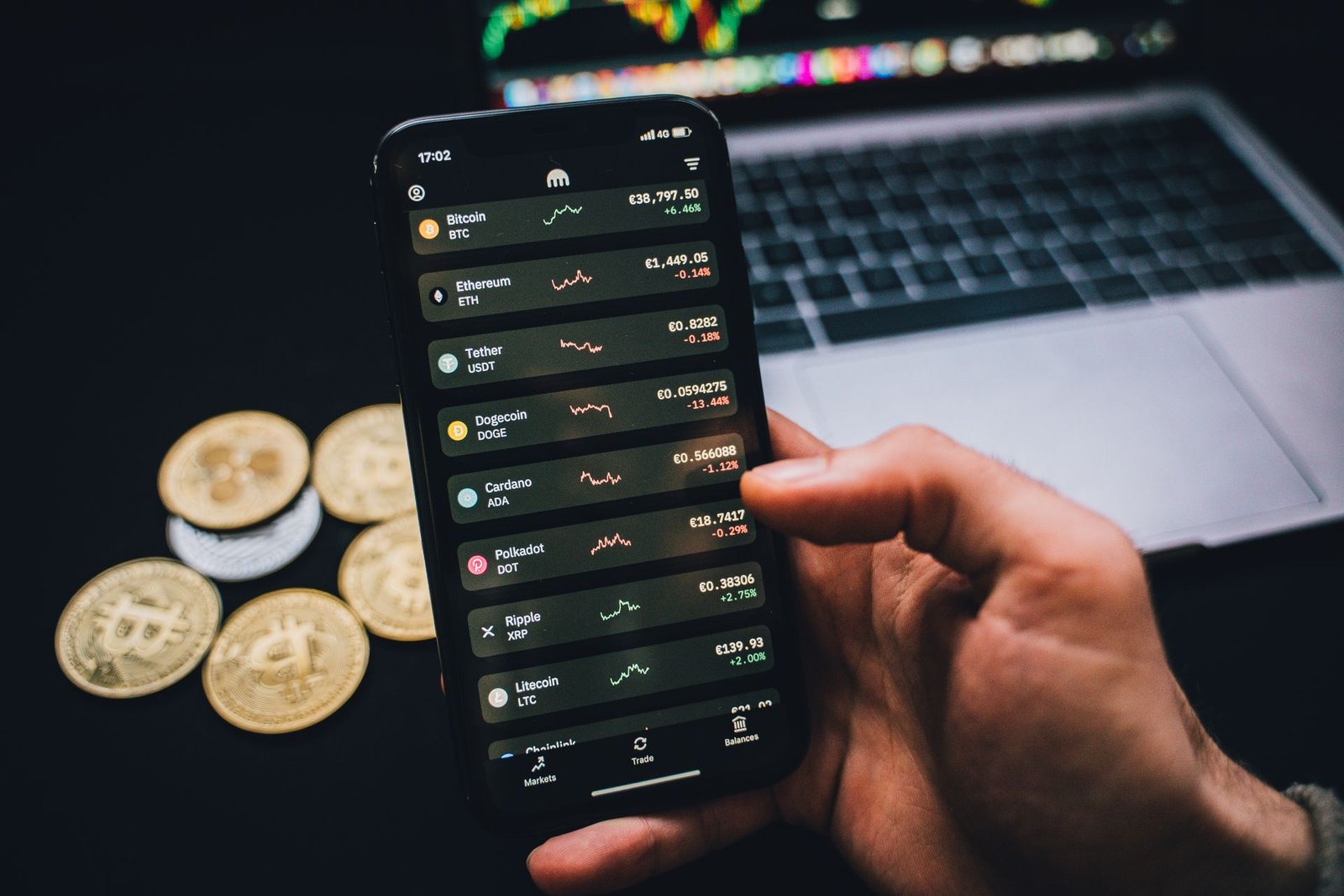
You pay a flat thirty percent tax on any profit from selling cryptocurrency. A health and education cess also applies, making the effective rate slightly higher. Additionally, one percent TDS is deducted on every sale above ten thousand rupees in a financial year. Losses cannot be set off against gains.
5. What is a crypto SIP and why is it popular in India?

A crypto SIP is a Systematic Investment Plan. You invest a fixed amount every month, like a mutual fund SIP. When prices are low, you buy more. When prices are high, you buy less. This averages your purchase price. SIP openings in India grew by over two hundred twenty percent in 2025. It removes emotion and builds discipline.
6. How do I protect my crypto from scams?
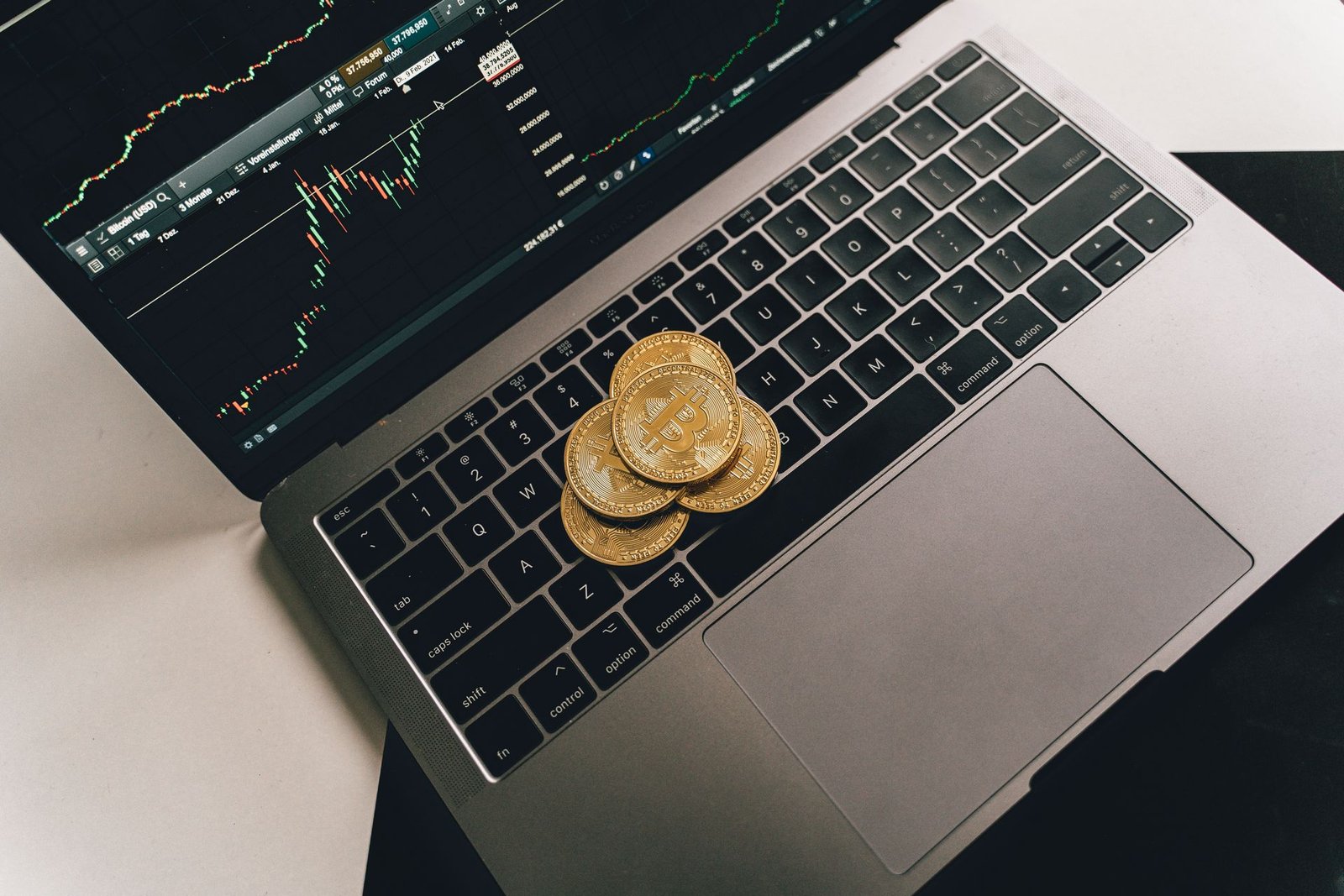
Use only FIU-registered exchanges. Never share your seed phrase. Enable two-factor authentication with Google Authenticator, not SMS. Never click on unknown links. Avoid Telegram and WhatsApp groups that promise quick profits. For large amounts, use a hardware wallet. Report fraud to 1930 or cybercrime.gov.in immediately.
7. Can students invest in crypto in India?
Yes, students can invest in crypto. But they should learn for three months before investing. Start with five hundred rupees per month. Do not borrow money. Do not use education loans. Build skills like smart contracts and DeFi. These skills will help in jobs and internships. Crypto should be a small part of a student’s financial plan.
8. What is the future of crypto in India for 2027 and beyond?

Tokenisation will grow. Stablecoins will become mainstream. AI agents will manage more money. Privacy will become a competitive advantage. The government may introduce clearer regulations. Blockchain will be used in more government projects. The future looks promising, but volatility will continue. Long-term thinking is key.
9. Do I need to report crypto transactions to the tax department?
Yes. India has adopted the OECD Crypto-Asset Reporting Framework from January 1, 2026. Crypto transactions will be reported automatically to tax authorities. You must keep records of every transaction. Report all gains honestly. Pay your taxes. Do not try to hide anything. The system is watching.
10. What is the one most important rule for crypto trading India 2026?

The most important rule is: never invest more than you can afford to lose. Crypto is volatile. Prices can fall fifty percent in a week. Only invest money you will not need for three to five years. Start small. Learn always. Stay safe. Think long term. Discipline matters more than luck.