


Description:


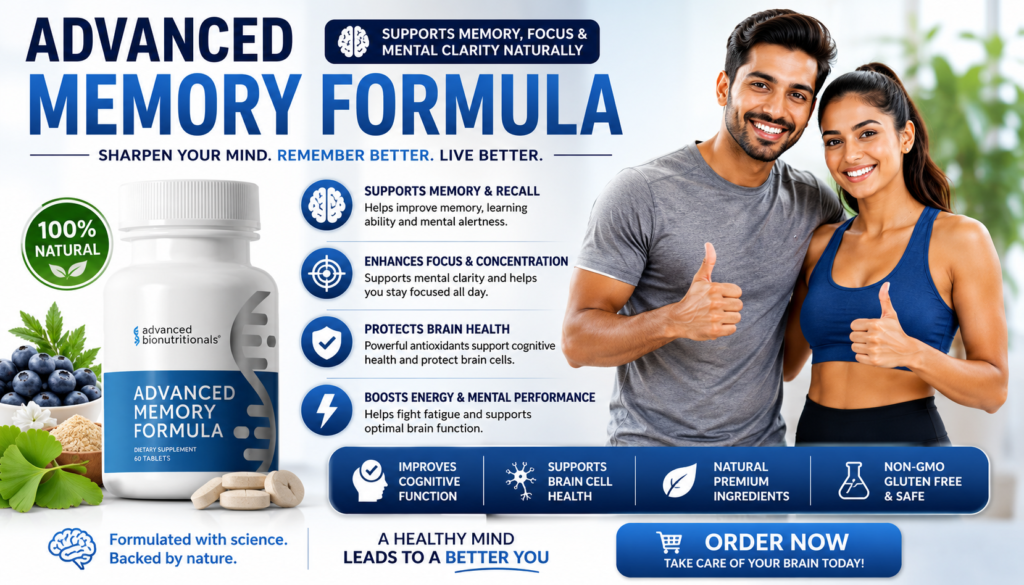
Brain Booster Supplements This comprehensive analysis serves as an essential guide to navigating the evolving landscape of cognitive enhancement as we approach 2026. It moves beyond simplistic discussions of pills and potions to deliver a rigorous, science-backed exploration of how genuine brain health is cultivated. The article meticulously dissects the true nature of advanced memory and brain booster supplements, separating empirical research from market hype. It anchors its investigation in the foundational principles of neurobiology, explaining why lifestyle factors like sleep architecture, nutritional biochemistry, and stress physiology are the non-negotiable pillars of cognitive function. The narrative provides a critical evaluation of nutraceutical ingredients, from well-established nootropics like Citicoline and Bacopa Monnieri to emerging compounds, detailing their mechanisms of action, supporting evidence, and appropriate applications. Crucially, it frames supplementation not as a standalone solution but as a potential adjunct within a holistic, system-based protocol for brain optimization. Designed for the discerning reader, whether a student facing academic pressures, a professional combating cognitive fatigue, or an individual focused on long-term neurological resilience, this resource offers actionable intelligence. It empowers you to make informed, safe, and effective decisions for your cognitive well-being, advocating for a personalized strategy that harmonizes cutting-edge science with timeless health principles to unlock sustainable mental performance and clarity.
1. The Neurobiological Imperative for Cognitive Support in Modern Society

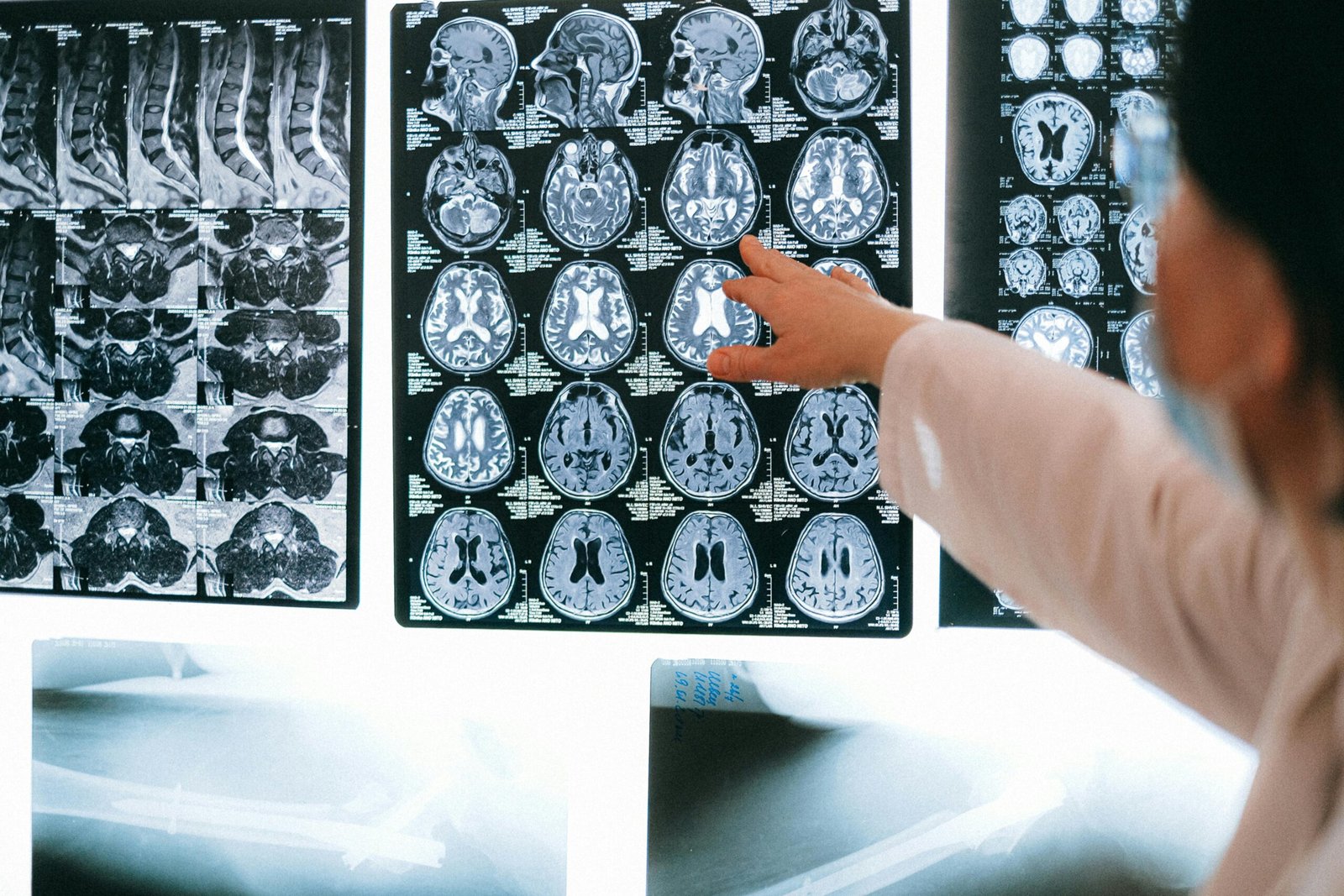
The contemporary human brain operates within an unprecedented cognitive ecology characterized by information saturation, digital distraction, and chronic low-grade stress. This environment imposes significant demands on neural resources, particularly working memory, executive function, and sustained attention. The growing interest in brain booster supplements emerges directly from this neurological tax, as individuals seek pharmacological and nutraceutical avenues to restore cognitive equilibrium and enhance mental resilience. It is critical to understand that cognitive decline is rarely singular; it typically results from interconnected factors including sleep architecture disruption, nutritional deficiencies, and hormonal imbalances caused by stress. Therefore, a sophisticated approach to cognitive enhancement must begin with diagnostic clarity. Brain booster supplements should not be considered first-line interventions but rather potential adjuvants within a broader, system-based strategy for brain health. This paradigm shift from seeking a singular “smart pill” to embracing a multifaceted cognitive optimization protocol represents the cornerstone of modern neurology and preventative health sciences.
2. Nutritional Neurochemistry: Dietary Foundations for Synaptic Function

The brain’s metabolic demands are extraordinary, consuming approximately 20% of the body’s energy resources despite representing only 2% of its mass. This high energy requirement necessitates a constant supply of specific micronutrients that serve as cofactors for neurotransmitter synthesis, myelination, and neuroprotection. Key dietary elements include long-chain omega-3 fatty acids like DHA, which constitute a primary structural component of neuronal membranes, and flavonoids found in berries and dark chocolate, which enhance cerebral blood flow and synaptic plasticity. A deficiency in nutrients such as Vitamin B12, Magnesium, or Zinc can directly impair cognitive processes, manifesting as brain fog or memory lapses. Within this nutritional framework, evidence-based brain booster supplements can play a targeted role by addressing specific gaps or providing concentrated forms of neuroprotective compounds difficult to obtain from diet alone, such as highly bioavailable curcumin or standardized Bacopa monnieri extract. However, their efficacy is fundamentally contingent upon being layered onto a diet rich in whole foods, healthy fats, and phytonutrients, which together create the biochemical substrate necessary for cognitive vitality and long-term neurological resilience.
3. Sleep-Dependent Memory Consolidation and Cognitive Restoration

Sleep represents a non-negotiable biological process for cognitive homeostasis, far beyond simple rest. During non-REM slow-wave sleep and REM phases, the brain engages in critical functions: synaptic pruning to eliminate redundant neural connections, memory trace reactivation to transfer information from the hippocampus to the neocortex for long-term storage, and clearance of metabolic waste products like beta-amyloid via the glymphatic system. Chronic sleep restriction or fragmentation disrupts these processes, leading to measurable deficits in attention, emotional regulation, and declarative memory. No pharmaceutical or nutraceutical intervention can replicate the endogenous, restorative neurobiology of consolidated sleep. While certain brain booster supplements may contain ingredients like magnesium glycinate or apigenin that support GABAergic activity and improve sleep quality, their role is facilitative, not substitutive. Prioritizing sleep hygiene—maintaining circadian regularity, optimizing the sleep environment for darkness and coolness, and implementing a digital sunset—constitutes the most potent and underutilized strategy for enhancing cognitive function, learning capacity, and creative problem-solving, forming an essential pillar upon which any supplemental regimen must be built.
4. Exercise-Induced Neurogenesis and Cerebrovascular Health


Physical activity is a powerful epigenetic modulator of brain function, inducing structural and functional changes through multiple mechanistic pathways. Aerobic exercise elevates heart rate, increasing cerebral blood flow and the delivery of oxygen and nutrients to neural tissues. It also stimulates the production of Brain-Derived Neurotrophic Factor (BDNF), a protein crucial for neuronal survival, differentiation, and synaptic plasticity—essentially acting as “fertilizer” for the brain. Resistance training, meanwhile, has been linked to improved executive function. This neurotrophic response promotes neurogenesis, particularly in the hippocampus, a brain region central to memory formation. Regular engagement in moderate-to-vigorous physical activity also enhances insulin sensitivity and reduces systemic inflammation, both of which positively impact cognitive health. When considering brain booster supplements, it is important to recognize that their effects may be synergistically amplified in an exercise-positive context, as an improved vascular and neurotrophic milieu allows for better nutrient utilization and cellular repair. Thus, a consistent exercise regimen is not merely complementary but foundational to any serious cognitive enhancement endeavor.
5. Stress Neurobiology and the Hypothalamic-Pituitary-Adrenal Axis
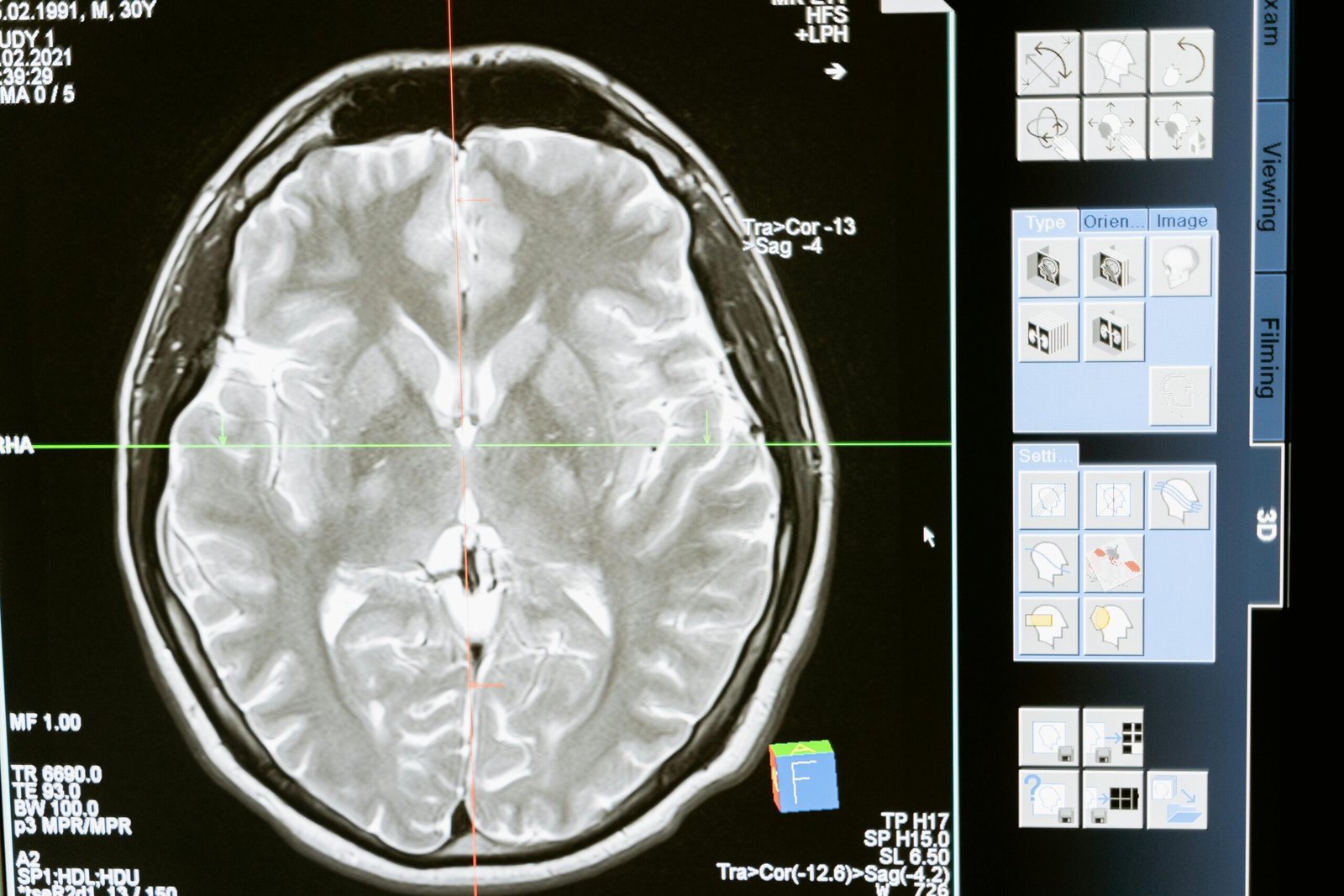
Chronic psychological stress exerts a profoundly deleterious effect on cognitive architecture through the sustained secretion of cortisol, the primary glucocorticoid hormone. Elevated cortisol levels over time can lead to dendritic atrophy in the hippocampus and prefrontal cortex, impairing memory and executive function, while simultaneously promoting hypertrophy in the amygdala, enhancing fear and anxiety responses. This neural remodeling underpins the cognitive impairments associated with chronic stress. Effective stress management, therefore, is not a luxury but a neurological necessity. Techniques such as mindfulness-based stress reduction (MBSR), controlled breathing practices, and time in nature can downregulate the HPA axis and promote a state of neurobiological calm. Adaptogenic herbs commonly found in brain booster supplements, such as Withania somnifera (Ashwagandha) and Rhodiola rosea, function by modulating the stress response system, increasing resilience to exogenous stressors. However, their pharmacological action supports, rather than replaces, the need for behavioral and psychological stress-management strategies, creating a multi-layered defense against the cognitively corrosive effects of modern life’s unrelenting demands.
6. Pharmacognosy of Cognitive Supplements: Evaluating Evidence and Efficacy
The nutraceutical market for cognitive enhancement is a complex landscape of scientifically validated compounds, extrapolated research, and outright pseudoscience. Evidence-based brain booster supplements typically contain ingredients with robust human clinical trial data supporting their mechanisms and outcomes. These include citicoline (a precursor for phosphatidylcholine and acetylcholine synthesis), Lion’s Mane mushroom (stimulating NGF synthesis), and standardized extracts of Ginkgo biloba (improving cerebral circulation). Critical evaluation requires scrutinizing the form (e.g., magnesium L-threonate vs. oxide), dosage, and bioavailability of each ingredient. Furthermore, the concept of “synergistic blending” must be approached with skepticism unless supported by clinical research on the specific combination. Consumers must develop literacy in reading supplement labels, prioritizing products that disclose exact amounts of all active ingredients, utilize patented or clinically studied forms, and are manufactured in cGMP-certified facilities. This discernment is crucial to navigate a market where marketing hyperbole often outstrips biochemical reality, ensuring that investment in cognitive supplementation translates to tangible, measurable neurological benefits grounded in contemporary neuroscience.
7. The Ayurvedic and Ethnobotanical Repository for Cognitive Function

Ayurveda, India’s ancient system of medicine, offers a deep pharmacopeia of botanicals with nootropic properties, now gaining validation through modern neuropharmacological research. Bacopa monnieri (Brahmi), for instance, contains bacosides that enhance synaptic communication and have demonstrated efficacy in improving memory recall in randomized trials. Withania somnifera (Ashwagandha) exhibits GABA-mimetic and cortisol-modulating effects. Curcuma longa (Turmeric), with its active constituent curcumin, exerts potent anti-inflammatory and neuroprotective effects via the Nrf2 pathway. The sophistication of these brain booster supplements from the Ayurvedic tradition lies not only in their individual actions but in their traditional use as part of holistic formulas designed to balance doshas and support systemic health. Modern formulations that standardize these bioactive compounds offer a bridge between traditional wisdom and contemporary science. Their gradual, restorative action contrasts with the acute, often stimulatory effects of synthetic nootropics, representing a sustainable model for long-term cognitive support that aligns with the body’s inherent homeostatic mechanisms.
8. Hydration Status and Electrophysiological Brain Function
Cellular hydration is a fundamental yet frequently overlooked determinant of cognitive performance. The brain’s electrophysiological activity—the firing of neurons and the propagation of action potentials—is exquisitely sensitive to electrolyte balance and fluid volume. Mild dehydration, defined as a fluid loss of just 1-2% of body mass, is sufficient to impair short-term memory, attention, and perceptual discrimination. This occurs due to reduced blood volume, leading to decreased cerebral perfusion, and altered concentration of electrolytes necessary for nerve impulse transmission. Chronic under-hydration may also contribute to increased subjective fatigue and headache prevalence. While proper fluid intake, primarily from water, is essential, the inclusion of electrolytes like sodium, potassium, and magnesium—sometimes part of comprehensive brain booster supplements or separate formulations—can optimize hydration at a cellular level, particularly for individuals with active lifestyles or in hot climates. Establishing a habit of consistent, mindful fluid consumption throughout the day is a zero-cost, high-impact intervention that establishes the basic physiological conditions necessary for all higher-order cognitive processes to operate efficiently.
9. Cognitive Reserve and the Principles of Neuroplasticity

The brain possesses a lifelong capacity for neuroplasticity—the ability to reorganize its structure, function, and connections in response to experience and learning. This plasticity underpins the concept of “cognitive reserve,” a resilience buffer built through intellectually stimulating activities, complex learning, and social engagement. Deliberate cognitive training, such as learning a new language, mastering a musical instrument, or engaging in strategic games, challenges neural networks, prompting dendritic branching, synaptogenesis, and increased cortical thickness in relevant regions. This built reserve is associated with delayed onset of cognitive decline. Effective brain booster supplements may support this process by providing nutrients that are rate-limiting for synaptic plasticity, such as uridine, choline, and EPA/DHA, which are substrates for building new neuronal membranes. However, they do not initiate the plastic change; that requires active, effortful cognitive engagement. The most potent regimen for brain enhancement is therefore dual-faceted: providing the nutritional raw materials for neural growth while consistently engaging in the novel, complex mental activities that signal the brain to utilize those materials in building stronger, more resilient, and more interconnected neural circuits.
10. Risk Mitigation, Personalized Approaches, and Longitudinal Health Strategy


The pursuit of cognitive enhancement must be guided by the fundamental medical principle of primum non nocere (first, do no harm). This necessitates a cautious, evidence-based, and personalized approach. Key risks include hepatotoxicity from adulterated or overly high-dose products, undesirable interactions with prescription medications (e.g., anticoagulant effects of Ginkgo with blood thinners), and the financial cost of ineffective regimens. A responsible protocol begins with professional consultation and baseline health assessments, including blood tests for common deficiencies (Vitamin D, B12, Ferritin). Personalization considers factors like genetics (e.g., MTHFR polymorphisms affecting B-vitamin metabolism), age, primary cognitive complaints, and overall health status. Brain booster supplements should be introduced gradually, one at a time, to monitor for individual tolerance and effect. This journey is inherently longitudinal; cognitive health is a marathon, not a sprint. Sustainable enhancement arises from the consistent, daily integration of multiple positive practices—nutrition, sleep, exercise, stress management, and targeted supplementation—viewed not as a temporary fix but as a permanent, evolving component of a health-optimized lifestyle committed to preserving and enhancing the function of our most vital organ across the decades.
Conclusion:

In conclusion, the journey toward enhanced cognitive function and robust brain health in 2026 and beyond is fundamentally integrative, requiring a shift from seeking magic bullets to implementing a synergistic symphony of evidence-based practices. As we have explored, the efficacy of any brain booster supplement is profoundly contingent upon the physiological terrain it enters—a terrain shaped decisively by sleep quality, dietary patterns, physical activity, and stress modulation. The most sophisticated supplement cannot compensate for a lifestyle that chronically undermines neurological integrity. The future of cognitive enhancement lies in personalization and precision, leveraging potential tools like genetic insights and tailored nutraceutical regimens, but always upon a solid foundation of holistic self-care. True cognitive empowerment arises from becoming the architect of your daily habits, understanding the neurobiological impact of your choices, and using supplements with discernment as targeted supports rather than curative solutions. This approach transforms brain health from a reactive concern into a proactive, lifelong practice. By embracing this comprehensive paradigm, you invest not merely in sharper memory or focus for today, but in the long-term vitality, resilience, and adaptability of your mind, ensuring it remains a powerful and capable instrument for navigating the complexities of modern life for years to come.